How to choose your first serious luxury watch is less a shopping exercise than a small piece of self-knowledge. The piece a collector actually ends up wearing depends on register, formal or sport, dressy or tool, and on temperament.
- Choosing a first serious luxury watch starts with honest self-assessment of lifestyle, wrist size, and the specific role the watch will play in daily wear.
- Budget discipline matters more than budget size, because the right reference at the right condition outperforms the wrong reference at any price point.
- We urge first-time buyers to handle multiple options at authorised dealers before purchasing, because reference photography rarely captures real-world wearability.
- Pre-owned generally beats new at the entry tier, since the right pre-owned Rolex or Omega often costs less and depreciates more gently than a new equivalent.
- Service history, bracelet condition, and the integrity of the dial drive long-term satisfaction more than any single specification on the original brochure.
- A trusted dealer relationship pays off immediately, because access to inventory, sound trade-in pathways, and honest advice all start with the right introduction.
- Who is this for?
- First-time luxury watch buyers, gift recipients planning a serious purchase, and friends and family advising newcomers to the category.
- What is happening?
- A practical framework for choosing a first serious luxury watch, covering lifestyle fit, budget discipline, condition standards, and dealer relationships.
- When did this emerge?
- The principles hold across cycles, but they have grown more relevant as secondary-market transparency and authorised pre-owned programmes have expanded.
- Where is this happening?
- Authorised dealers, independent pre-owned specialists, and the major auction houses all play distinct roles in supporting a first serious purchase.
- Why does it matter?
- A first watch sets the foundation for everything that follows, so the right early decision compounds in both wear satisfaction and long-term value.
The buyer drawn to mechanical complexity gravitates differently than the buyer drawn to design lineage. The collectors who get this right tend to start by being honest about how they actually live, and then to read against that honesty rather than against the loudest current reference.
The first watch sets the register for the collection that follows, which is why the considered first-watch choice tends to matter more than the watch itself. We've watched plenty of collectors build serious collections from a modest first piece, and plenty more abandon the field after rushing into something they didn't quite want.
What serious buyers actually consider in a first watch
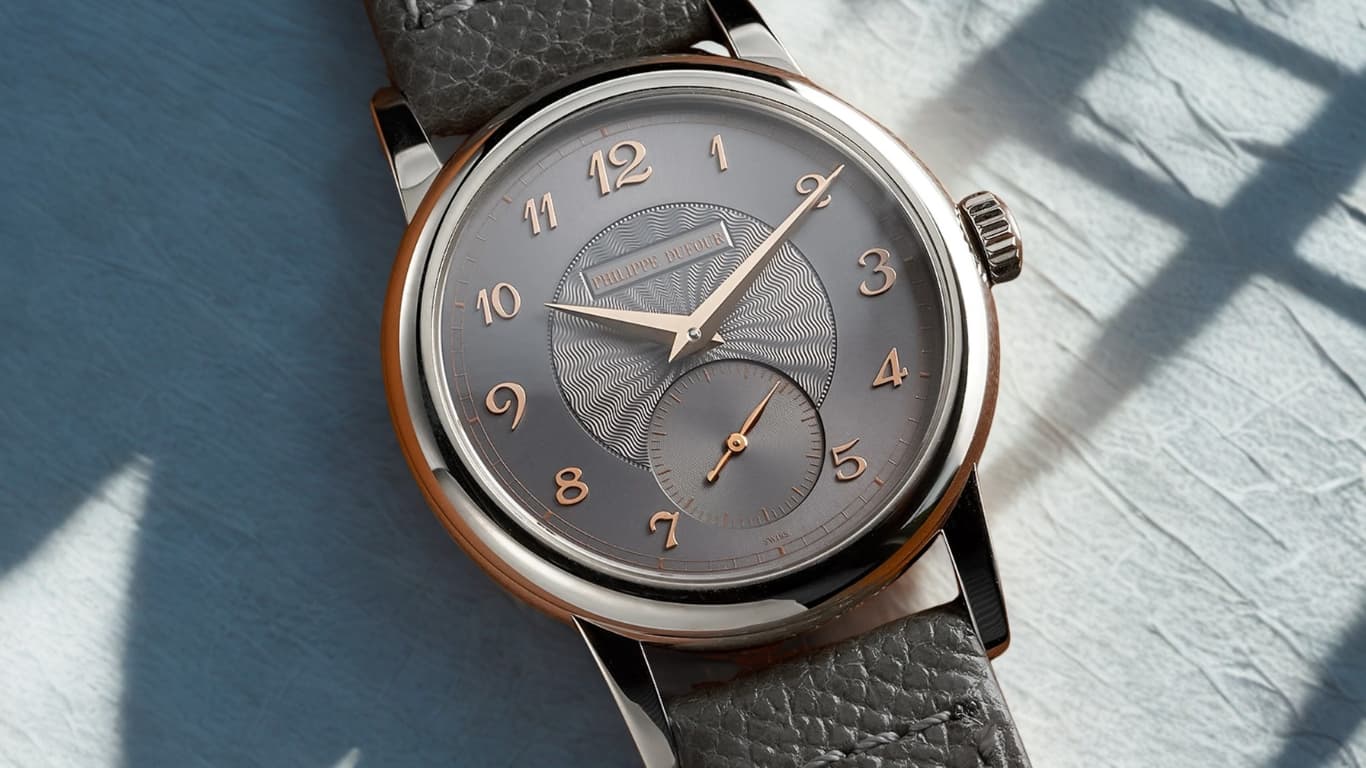
The first decision is register. A formal-leaning collector who works in suits and attends dinners gravitates toward the dress watch: the Cartier Tank Louis Cartier, the Patek Calatrava, the Jaeger-LeCoultre Reverso, the Vacheron Patrimony.
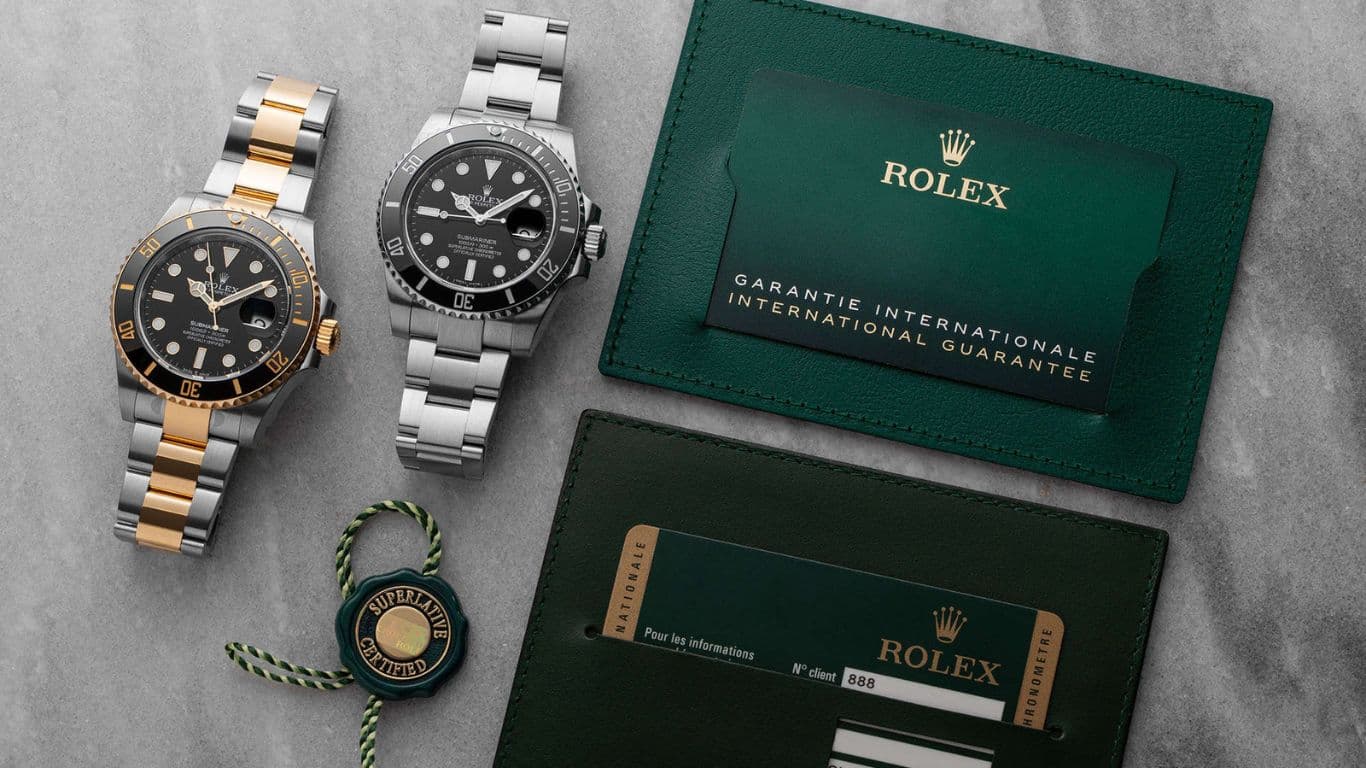
A sport-leaning collector whose actual life involves more weekends than dinners gravitates to the tool register: the Rolex Submariner, the Omega Seamaster, the Tudor Black Bay, the Panerai Luminor. The mistake most new buyers make is choosing the register their imagined life would suggest rather than the one they actually have.
The second decision is brand depth. Brands with deep secondary-market trading and credible service infrastructure (Rolex, Omega, Patek, AP, Cartier, JLC, Vacheron, Tudor) provide the depth that lets a first watch eventually be moved on without significant friction if collecting tastes shift. Brands without that depth, including some celebrated independents, can be exceptional pieces but require a longer holding horizon and a more specialised secondary-market route.
Calibre, complications and what's actually inside
Movement matters in ways that don't always show in marketing. Manufacture calibres (movements designed and produced in-house by the brand) carry different collector standing than ETA-base or modified third-party movements.
The difference shows up most clearly at resale. Master Chronometer or COSC certification carries weight. Geneva Seal certification (rare, applied mainly to certain Vacheron and Patek pieces) carries the most.
Power reserve, jewel count, and finishing visible through the caseback all read in detail to the trained eye and inform what a piece looks like to subsequent buyers. The collectors we hear from consistently emphasise movement architecture as one of the load-bearing decisions, not a footnote.
How complications match a buyer's actual life
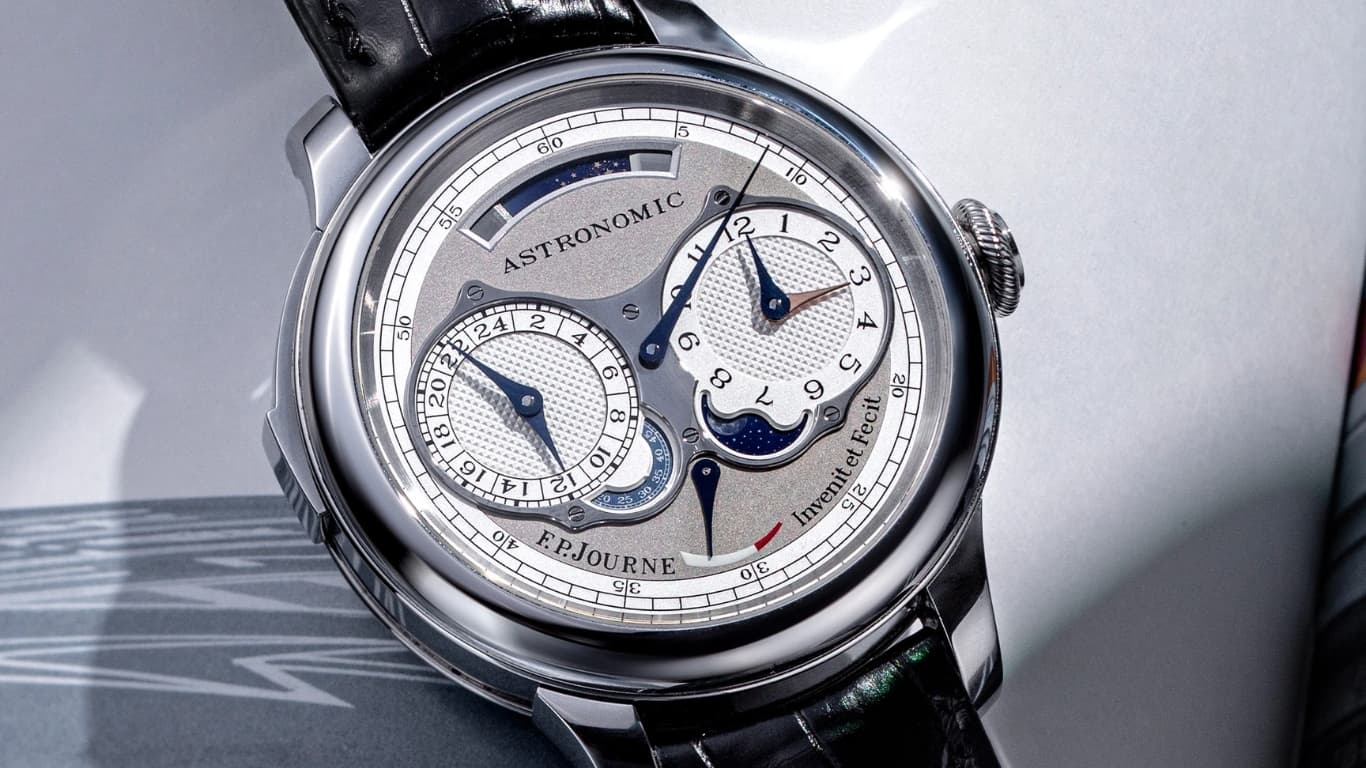
Complications, the additional functions beyond hours, minutes and seconds, should match how a buyer actually uses a watch. A perpetual calendar is impressive. It also resets to a fixed default if it stops, which means an owner who doesn't wear it daily ends up needing watchmaker support to set it.
A chronograph rewards regular use. A moonphase complication is mostly aesthetic. A GMT or world-time function suits a buyer who actually travels across time zones; otherwise it's an unused dial element.
Box-and-papers and what comes with the watch
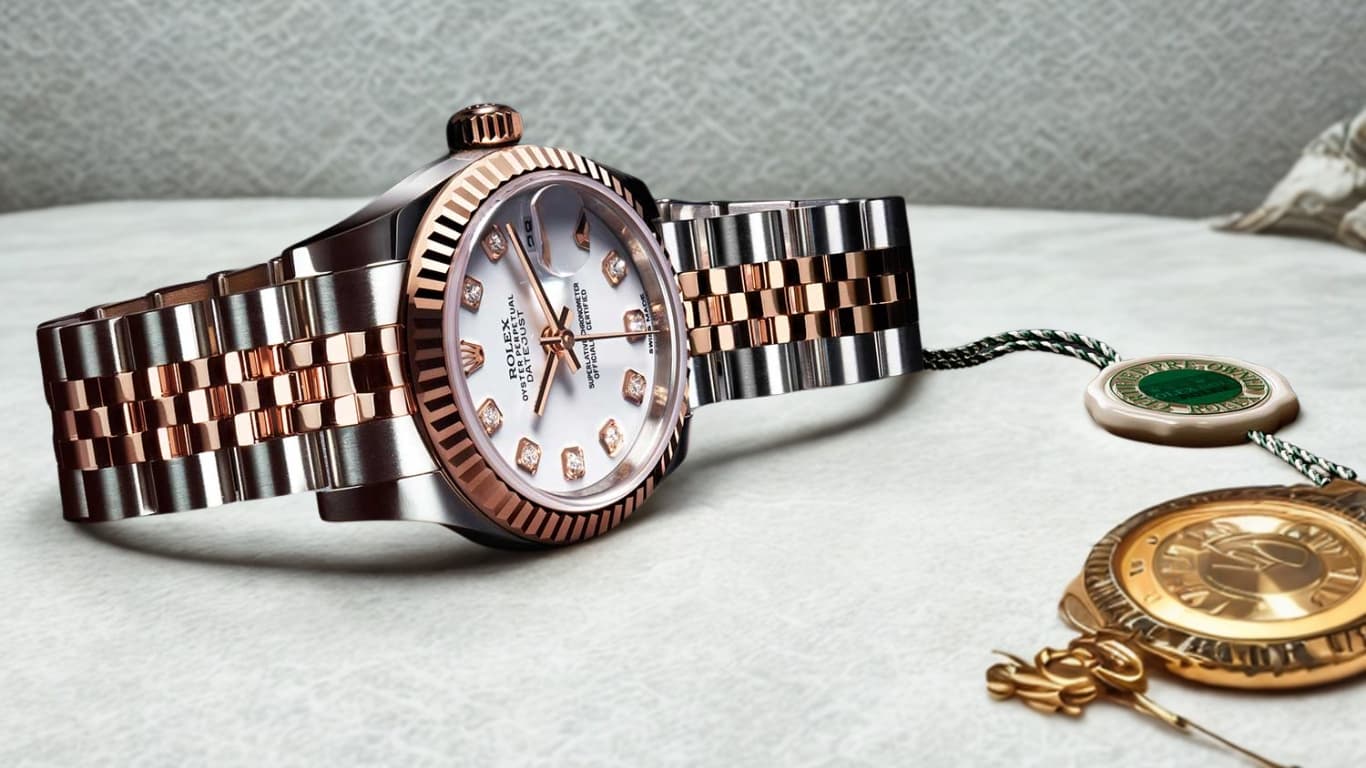
Original packaging, warranty card, instruction manuals and any subsequent service receipts move a piece's secondary value by 10 to 30 percent versus a watch-only sale at the upper end of the market. For a first watch, the practical advice is to buy as close to a full set as possible, even if the premium feels modest at the time of purchase.
The eventual collector who acquires the piece will read the documentation as part of the value. The resale gap is real and consistent across most of the credible Swiss makers.
For pre-owned purchases, service history through the brand's authorised service network is the practical baseline. A piece with documented service receipts from Rolex, Omega, Patek or comparable manufacturer service carries collector confidence. Pieces with informal service histories or with parts replaced outside authorised channels read with more caution.
Where to actually buy your first serious luxury watch
For new pieces, the authorised-dealer route is the cleanest. Direct from a brand boutique with full warranty coverage and the strongest provenance chain.
The constraint is allocation. For the most sought-after references (current production Rolex sport pieces, Patek Aquanaut, AP Royal Oak), boutique allocation is rare enough that most first-time buyers can't access it without a substantial purchase history.
For pre-owned, the credible specialist dealers (Watches of Switzerland Certified Pre-Owned, Bucherer's pre-owned operation, Watchfinder, Hodinkee Shop's pre-owned section, A Collected Man, Subdial, Material Good, Govberg) provide authenticated watches with warranty backing at a premium over open-market clearing prices.
The marketplaces and auction houses
The premium reflects the cost of authentication and warranty. For a first significant purchase, the premium is generally worth paying. The collectors we hear from consistently recommend it for first transactions.
The marketplaces (Chrono24, WatchCharts) and the major auction houses (Phillips, Christie's, Sotheby's, Antiquorum) are the broader secondary-market routes. Marketplace purchases require independent authentication discipline.
Auction-house lots come pre-authenticated but carry buyer's premium and require the cadence of attending or bidding online at scheduled sales. For a first watch, the auction route is generally overkill; for collectors at the trinity tier and above, it eventually becomes the practical baseline.
What the first-watch decision actually shapes
The first significant watch sets the register for what comes next. A collector who starts with a Submariner tends to build out into the broader Rolex catalogue and into adjacent sport-luxury references.
A collector who starts with a Calatrava tends to build toward complications and the broader trinity dress register. A collector who starts with a Reverso tends to build toward the more considered classical Swiss makers.
None of these paths is wrong. The path that fails is the one chosen against the buyer's actual life and tastes. The piece worn three times a year because it doesn't quite fit how the buyer actually lives is the piece that quietly leaves the collection at a discount within a few years.
Why patience matters before the first purchase
The collectors whose first-watch choices hold up tend to take their time, handle competing references in person at boutiques and at specialist dealers, and resist the temptation to move quickly on the loudest current reference.
The piece that anchors a collection is rarely the one that was loudest at the time of purchase. It's almost always the one that read most honestly to how the collector actually lives.
What this means for the first significant purchase
The structural questions to answer before buying don't change much from collector to collector. Which register actually fits your life. Which brands have the secondary-market depth and service infrastructure to support the piece across decades.
Which complications match how you'll actually wear the watch. And which dealer or boutique relationship is going to support the purchase across service intervals and any eventual sale.
Get those questions right and the first watch tends to anchor a serious collection that builds out steadily. Get them wrong and the piece becomes the lesson the second purchase corrects.
We last reviewed this analysis in May 2026.


Stefanos Moschopoulos
Stefanos Moschopoulos founded The Luxury Playbook in Athens and has spent the better part of a decade following the auction calendar, the en primeur releases, and the watchmakers, gallerists, and shipyards the magazine covers. He writes the field guides and listicles that anchor the Connoisseur section — pieces built on Phillips and Christie's results, Liv-ex movements, and conversations with collectors he has met across Geneva, Bordeaux, Basel, and Monaco. His own collecting habits sit closer to watches and wine than art, and it shows in the level of detail in the magazine's coverage of those categories. Under his direction, The Luxury Playbook now publishes long-form field guides, market-defining year-end listicles, and the Voices interview series with the founders behind the houses and the brands.