Spotting a fake watch takes sharp eyes, a little insider knowledge, and a working understanding of what separates a genuine luxury piece from a clever imitation. From the weight and materials to engravings, movement precision and official documentation, every single element tells you something specific about whether a watch is what it claims to be.
- Counterfeit detection now starts with the case back, dial typography, and bracelet weight, with the best fakes catching new buyers off guard at every price point.
- Movement inspection remains the cleanest filter, because no counterfeit reproduces Rolex perpetual or Omega Co-Axial calibres with the finishing the originals carry.
- Reference number plates, serial engravings, and bracelet stamps should match exactly to factory documentation, and any wear pattern inconsistency is a red flag.
- We treat box-and-papers as supporting evidence rather than proof, because counterfeit boxes and certificates have improved alongside the watches they accompany.
- A jeweller's loupe and a serious dealer's opinion remain the cheapest insurance you can buy before completing a significant pre-owned purchase.
- When in doubt, walk away, because the cost of a missed deal is always lower than the cost of paying real-watch money for a replica.
- Who is this for?
- Pre-owned buyers in any tier, gift-givers entering the watch market for the first time, and inheritors looking to authenticate family pieces.
- What is happening?
- A practical, point-by-point method for spotting counterfeit luxury watches, from case markings and dial detail to movement inspection and paperwork verification.
- When did this emerge?
- Counterfeit detection has grown more important across the last several years as replica quality has improved alongside legitimate brand secondary-market values.
- Where is this happening?
- The risk concentrates in private-sale and unverified online listings, while authorised dealers and major auction houses offer institutional authentication.
- Why does it matter?
- A single counterfeit purchase can cost as much as an authentic mid-tier piece, and the emotional fallout often outweighs the financial loss for new collectors.
Once you know what to look for, things like serial numbers, brand-specific design traits and flawless craftsmanship become your best tools for protecting both your acquisition and your standing among serious collectors of high-end timepieces. The counterfeit watch market has matured significantly over the past decade, but so have the verification methods that experienced collectors and auction-house specialists use.
The fakes have gotten better, particularly the so-called "super fakes" coming out of Asia that can fool casual inspection. The verification techniques have also gotten better, and the credible authentication channels (auction houses, brand service centres, certified appraisers) remain reliable when you actually use them.
How to spot a fake watch through standard features
When authenticating a luxury timepiece, one of the most reliable places to start is a close inspection of its standard features. Genuine high-end watches stand apart through superior craftsmanship, obsessive attention to detail, and the quality of every material used.
One of the first things to check is weight. Genuine luxury watches are typically heavier because they're built from premium materials and packed with intricate mechanical components.
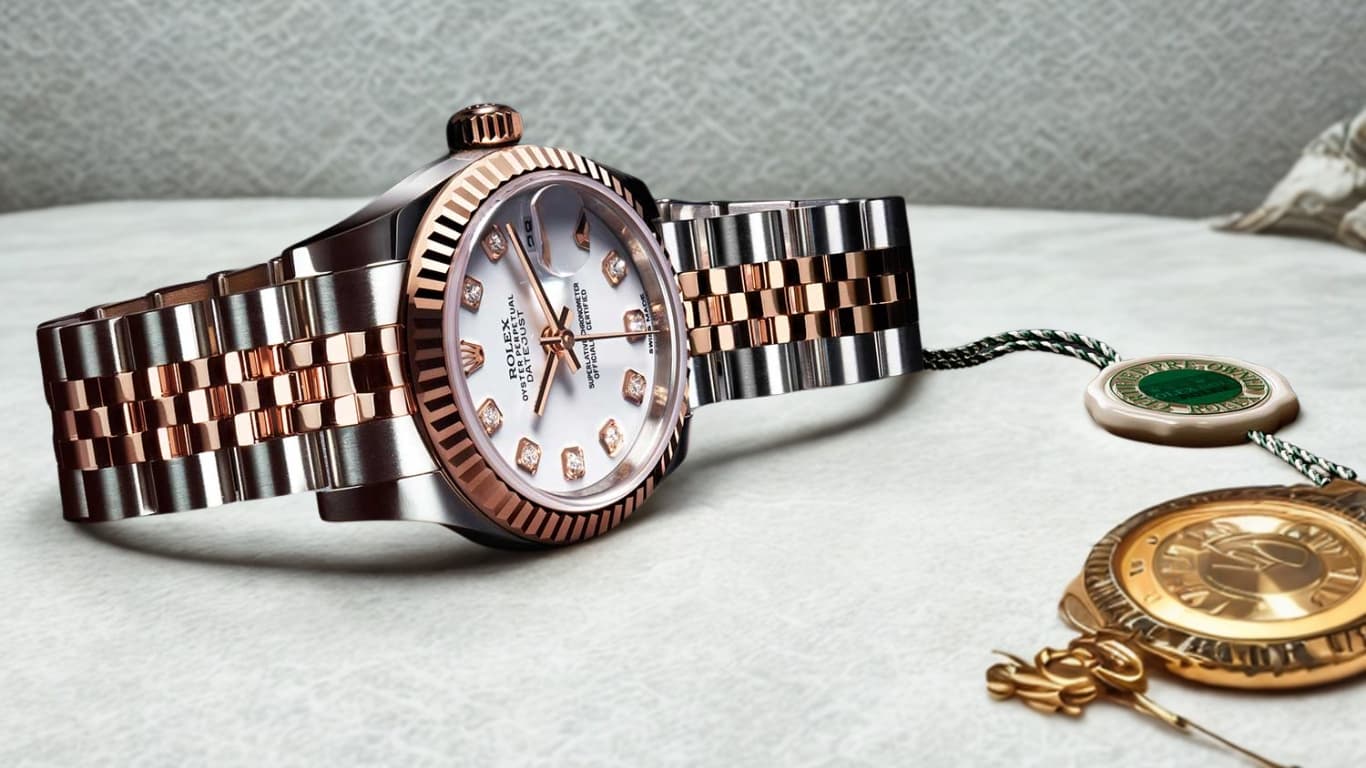
Rolex uses proprietary Oystersteel, a corrosion-resistant alloy that adds real heft and durability to every piece. Patek Philippe timepieces crafted from stainless steel, platinum or 18k gold often weigh around 131 grams depending on the model. If a watch feels suspiciously light in your hand, that's a first red flag pointing toward counterfeit materials.
Fit, finish and engraving precision
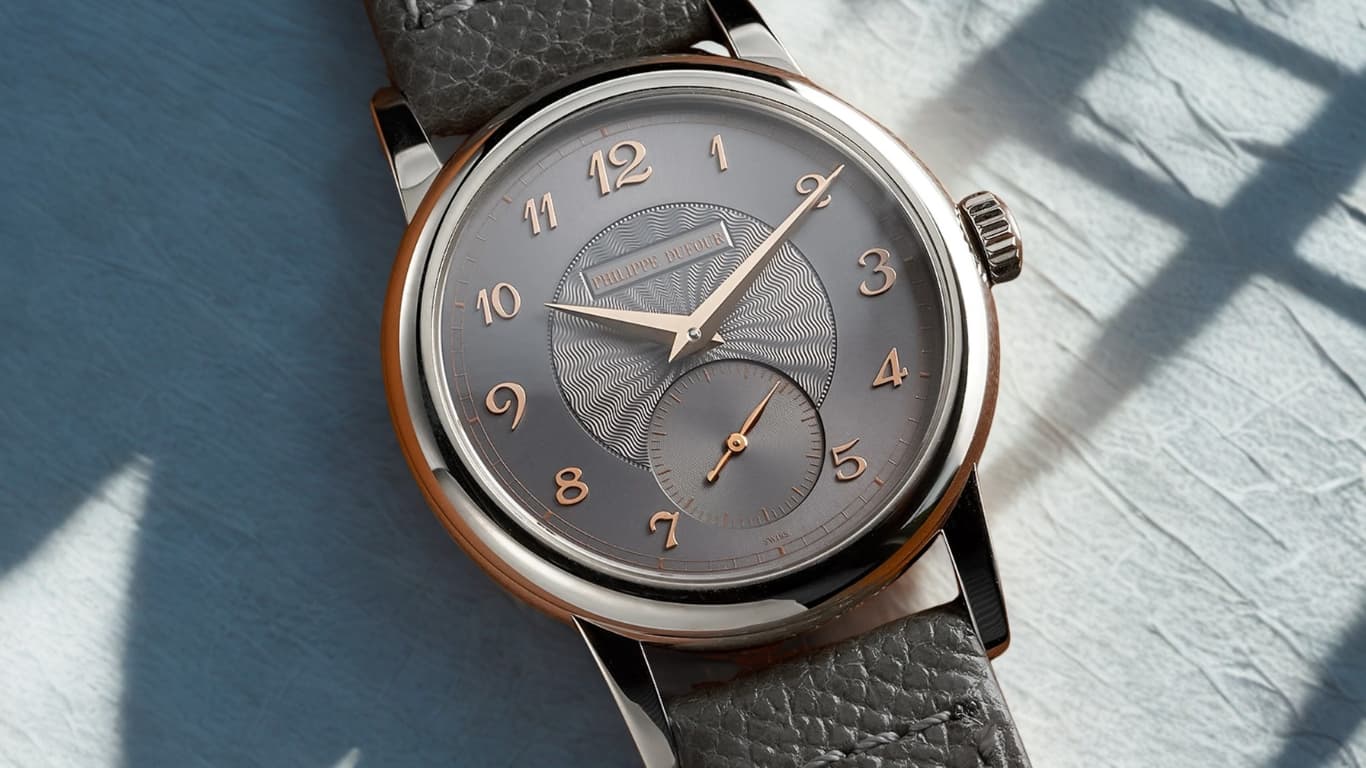
Beyond weight, pay close attention to fit and finish. Luxury watches show exceptional finishing with polished surfaces, seamless part integration and razor-sharp detailing. If the casing feels thin, light or roughly assembled, walk away.
Engravings and logos are another area where fakes consistently fall short. Luxury brands rely on laser precision engraving to produce sharp, clear and perfectly aligned text. Any blurring, uneven spacing or soft edges should put you on alert immediately.
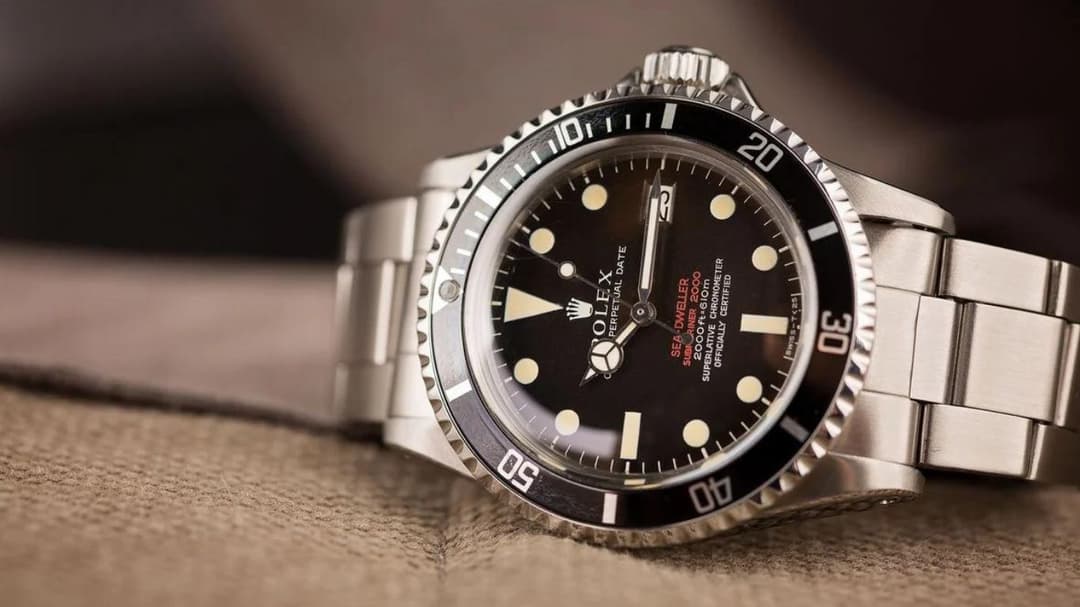
Rolex uses micro-etched serial and model numbers that are nearly impossible to replicate without highly specialised machinery. These details should be perfectly centred and completely free of smudges or irregularities. The moment you spot something off, trust your instincts and step back from the deal.
Examine the watch movement closely
A watch's movement is its soul, and examining it closely is one of the most accurate ways to confirm authenticity. The movement reflects a brand's engineering heritage, its commitment to craft, and the true value sitting on your wrist.
The type of movement matters enormously. Luxury watches rely on mechanical movements, either automatic (self-winding through wrist motion) or manual (requiring regular winding by hand).
These movements are built from hundreds of precision-engineered components working in perfect unison, producing the smooth, sweeping motion of the second hand that you'll recognise as the hallmark of fine watchmaking. Quartz movements, by contrast, are far more common in lower-end and counterfeit watches.
The mechanical fingerprints of genuine watchmaking
A battery powers a crystal oscillator, causing the second hand to tick once per second in a stuttering motion. Accurate, yes. Prestigious, not remotely.
That tick is often the fastest way to spot a fake.
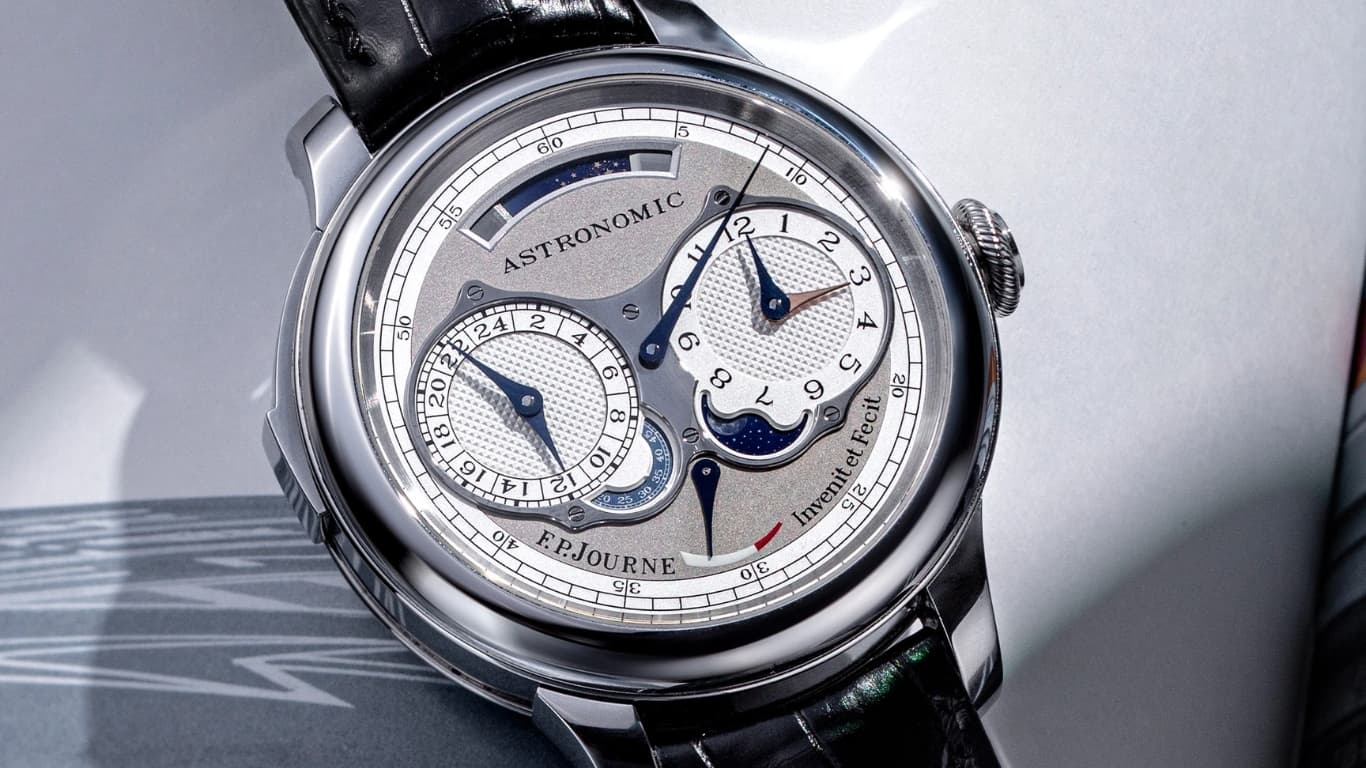
For watches with a transparent case back, the internal mechanisms are on full display, and a genuine luxury piece will show you exactly why it costs what it does. Authentic movements feature hand-applied decorations like Côtes de Genève stripes, beveled and polished edges on bridges and plates, a finely finished rotor often engraved with the brand name, and jewels set precisely in their positions.
- Polished screws and beveled edges
- Côtes de Genève striping or perlage decoration
- Symmetrical movement architecture
- Engraved brand logos or serial numbers on bridges and rotors
Counterfeit watches tell a very different story through that same window. Rough finishing, misaligned components, absent decorative elements, dull or inconsistent materials, and a loosely fitted or off-centre rotor are all signs you're looking at a fake.
| Attribute | Genuine Luxury Watch | Counterfeit Watch |
|---|---|---|
| Watch Movement | Intricate mechanical (automatic/manual) | Simpler quartz or imitation movement |
| Craftsmanship | Exceptional finishing and fine detailing | Poor alignment and rough components |
| Materials | Premium metals and sapphire crystals | Cheap alloys or acrylic alternatives |
| Functionality | Smooth sweeping second hand | Noticeable ticking motion |
The movement is the watch's signature of authenticity. Evaluating the movement type, the quality of craftsmanship and every detail within the mechanism gives you the clearest picture of whether a piece is genuine, even when the exterior looks convincing.
Verify serial numbers and documentation thoroughly
Verifying serial numbers and documentation is a non-negotiable step when authenticating a luxury watch. These details give you direct insight into the watch's origin, manufacturing date and ownership history, all of which are critical to confirming both authenticity and long-term value.
Brands like Citizen, known for their precision and quality standards, assign each watch a distinct laser-etched serial number. That identifier is central to confirming legitimacy and protecting buyers from counterfeit risk.
One of the most reliable verification steps is comparing the serial number with the manufacturer's official records. Most reputable brands maintain detailed databases tracking production information tied to each unique number. You can contact the brand directly or use official online verification portals where available to cross-reference the serial number against their internal logs.
What genuine serial number etching looks like
This step confirms authenticity and may also surface useful details like the production year, model reference and original point of sale. Genuine luxury watches feature precisely laser-etched serial numbers, typically located on the case back, lugs or between the lugs.
These numbers should be deeply and evenly etched, perfectly aligned, consistently spaced and completely free of rough edges or surface scratching.
- Sharp and consistent in font and spacing
- Deeply and cleanly etched with no signs of fading or unevenness
- Identical to those found on the warranty card or certificate of authenticity
Counterfeit watches regularly display serial numbers that are engraved too shallowly, misaligned or inconsistently spaced. Some fake watches even reuse serial numbers found online, numbers that will match nothing in any legitimate database when you check them.
What you want to compare is the serial number on the watch against the brand's records, the number engraved on the case against what appears in the accompanying paperwork, and the model reference against the known specifications for that reference across trusted sources and dealer records.
- Retailer Documentation: Cross-check original purchase receipts with manufacturer data when available.
- Watch Case Serial Number vs. Warranty Card/Certificate: Ensure both match exactly.
- Model Reference Number: Confirm that the serial number corresponds with the correct model and features.
Investigate the source of purchase carefully
Where you buy a luxury watch matters just as much as what you buy. The source shapes the authenticity, condition and long-term value of your acquisition in ways that can be hard to undo later. Understanding the difference between authorised dealers and unauthorised sellers is essential before you commit a single dollar.
Choosing the right seller cuts counterfeit risk dramatically and ensures you walk away with everything that makes ownership worthwhile, including a valid manufacturer warranty and fully verified documentation. The collectors we hear from at the major auction previews are consistent on this point: source matters as much as condition.
What authorised dealers actually provide
Authorised dealers are officially sanctioned by watch manufacturers to sell their timepieces, and that status comes with real advantages. You get a guaranteed authentic product backed by the brand, full manufacturer warranty coverage, original packaging and documentation, and access to official after-sales service. These are the foundations of what you're actually paying for.
- Guaranteed Authenticity: Every watch sold comes directly from the brand or its certified distributor, eliminating concerns about counterfeits.
- Manufacturer Warranty: Buyers receive full warranty coverage, which is critical for future servicing and resale value.
- Serial Number Registration: Watches are properly documented, with their serial numbers registered in the manufacturer's system.
Unauthorised sellers, including certain second-hand retailers, grey-market vendors and online auction platforms, carry risks worth taking seriously. You may encounter altered or missing documentation, watches that have been serviced outside official channels, and in the worst cases, outright counterfeits presented as the real thing. The price may look attractive, but the downside can cost you far more.
- Increased Risk of Counterfeits: Without a manufacturer-backed guarantee, the authenticity of the watch may be questionable.
- No Warranty Coverage: Many unauthorised sellers do not provide official warranty support, even if the watch appears to be new.
- Lack of Verified History: Buyers may not receive complete service records, ownership history or proof of original purchase.
The full-set documentation that matters
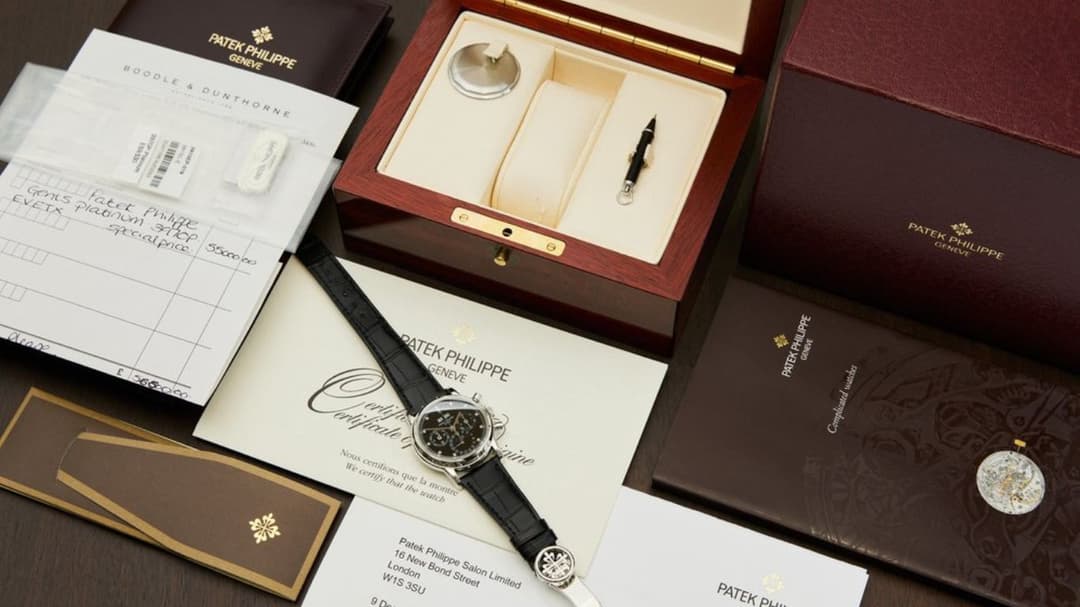
Genuine luxury watches always come with their original packaging and full documentation, and these aren't just nice extras. They're vital proof of authenticity and can meaningfully affect resale value. A complete package typically includes the original box, warranty card with a matching serial number, instruction booklet, service records where applicable, and any hang tags or supplementary materials from the point of sale.
- Original Box: Custom-designed for the specific brand and model.
- Warranty Card: Contains the serial number, model reference and purchase details.
- Instruction Manuals: Brand-specific guides that accompany every new watch.
- Certificate of Authenticity: Issued by the manufacturer or authorised dealer.
Always inspect these materials carefully for consistency, accuracy and condition. Mismatched serial numbers, altered paperwork or generic non-branded packaging are potential signs of fraud that deserve your full attention before any deal is closed. If you're buying from a second-hand or online source, request high-resolution images of every piece of documentation before finalising anything.
A legitimate seller will never hesitate to provide them.
Use a professional appraiser when in doubt
When you have any doubt about a luxury watch's authenticity, a professional appraiser is your most powerful resource. Unlike casual inspections or online guides, a certified appraiser brings specialised expertise and professional-grade tools to evaluate both the value and, when requested, the authenticity of a timepiece.
That distinction matters enormously in a market where counterfeits are becoming harder to detect with the naked eye. Authorised dealers are licensed to sell timepieces from specific brands, but that doesn't automatically make them qualified to verify authenticity.
Most ADs don't disassemble watches and many are reluctant to provide definitive authentication due to liability concerns or the limits of their in-house expertise. So while a trusted AD can tell you a lot about a watch, the buck often stops well short of a formal authentication.
Rolex Service Centres and certified appraisers
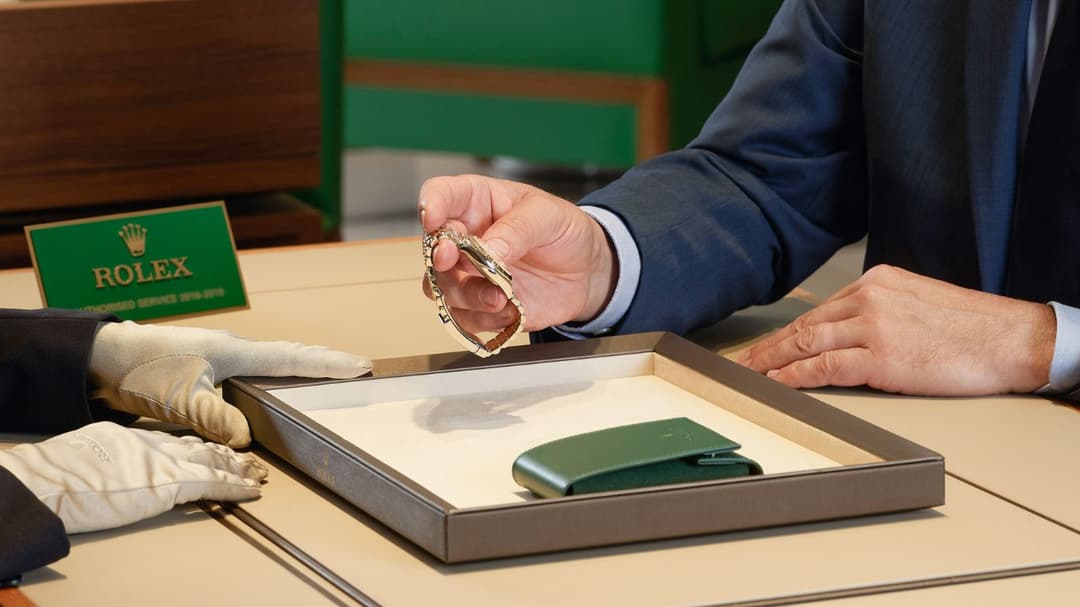
Rolex Service Centres, by contrast, are fully equipped to authenticate watches and will provide documentation confirming whether a piece is genuine. The service typically comes with a fee.
At the RSC in New York City, for example, an insurance appraisal runs around $150, while the same service in Beverly Hills may cost closer to $260. That fee can often be credited toward any maintenance or repair work you choose to have done afterward.
Some professional jewellers and experienced AD staff can offer informal assessments, but the highest level of authentication sits with certified appraisers or brand-specific service centres. These experts assess craftsmanship and internal movements, review documentation and serial numbers, and examine microscopic identifiers that separate top-tier replicas from authentic pieces.
The rise of high-quality counterfeits, some sophisticated enough to deceive experienced professionals, makes a thorough certified appraisal a genuine safeguard rather than an optional extra. Bob's Watches and Hodinkee both publish detailed technical markers that appraisers typically check when assessing Rolex authenticity.
Whether you're buying for insurance purposes, planning to resell or simply want peace of mind, a professional appraisal is what stands between a collector and a very expensive mistake.
Understand brand-specific authentication indicators
Every serious luxury watch brand has its own fingerprints, and knowing them is one of the sharpest tools you can carry as a collector or buyer. When you understand the specific details that define genuine models, you can spot inconsistencies that counterfeiters routinely miss. Rolex, Omega and Cartier rank among the most counterfeited watches in the world, yet each one features distinct markers that are genuinely difficult to replicate with any accuracy.
Rolex authentication markers
Rolex uses Oystersteel, a 904L-grade stainless steel renowned for its corrosion resistance and exceptional finish. This is the kind of material typically reserved for high-technology and chemical industry applications, and it gives every genuine Rolex a surface quality that fakes simply can't match. Rolex also uses proprietary blends of precious metals across its gold models, ensuring durability and long-term value that counterfeiters can't afford to replicate.
Every genuine Rolex carries a laser-etched serial number and a case reference number, placed meticulously between the lugs or on the inner bezel. Counterfeit watches frequently duplicate these serial numbers across multiple fake models, which is one of the easiest ways to catch them out when you cross-reference against official records.
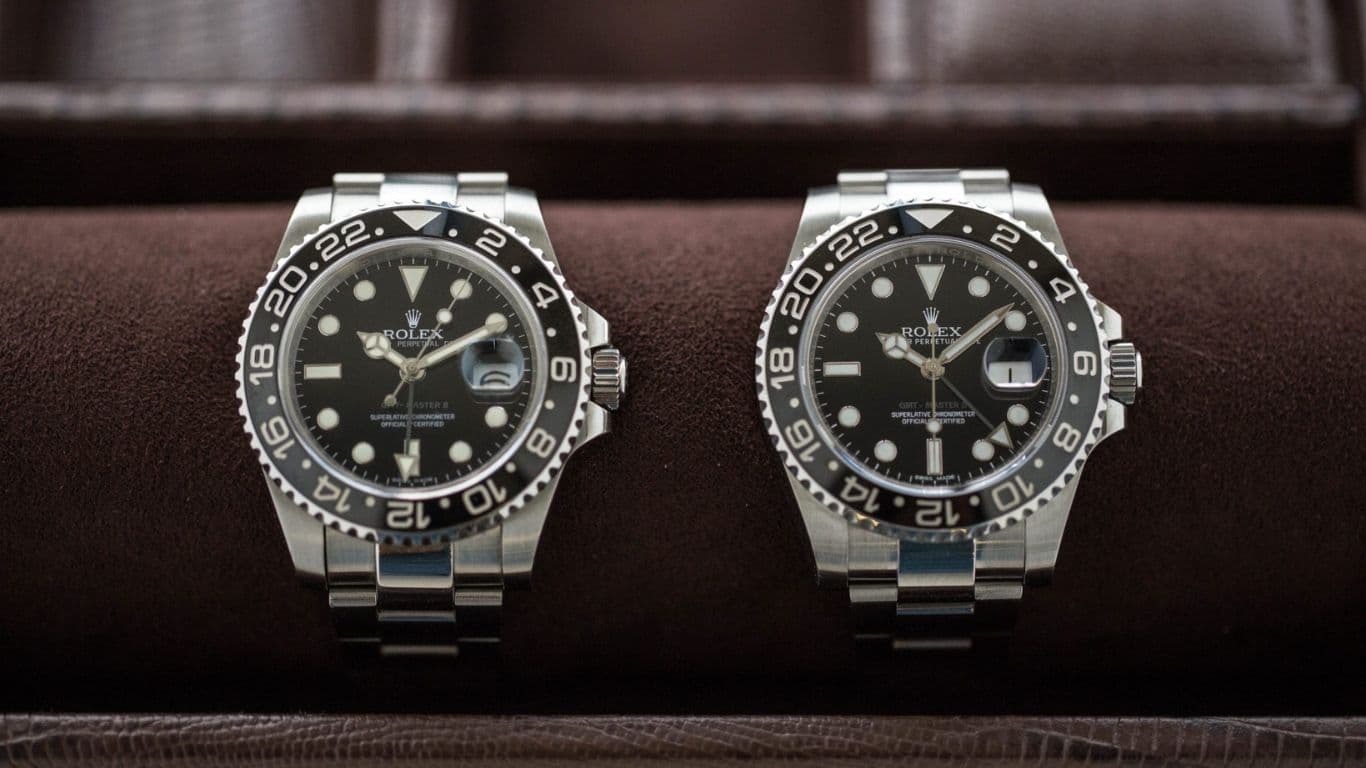
The Cyclops lens magnifying the date window and the Rolex crown etched at the 6 o'clock position on the sapphire crystal are two more critical markers. Fakes either omit these details entirely or execute them poorly. Business Insider's guide to spotting fake Rolexes covers the Cyclops and other visible tells in useful detail.
Rolex subjects every watch to rigorous water resistance testing, a performance standard that very few forgeries come close to meeting.
Omega authentication markers
Omega builds its authentication markers into subtler places. The serial number is typically engraved on the underside of a lug or the back of the case, and it should match both your accompanying documentation and Omega's internal database when checked through an official service centre.
Omega's Co-Axial escapement is another strong marker of authenticity, a proprietary movement technology that enhances both accuracy and longevity in ways that counterfeit movements can't replicate. Beyond the movement, check the dial closely. Genuine Omega watches have flawless printing, precise logo placement and zero spelling errors.
Any deviation is a serious warning sign.
The brand's emphasis on refined finishes and design consistency makes Omega relatively straightforward to verify for anyone who has spent time studying the real thing.
Cartier authentication markers
Cartier hides one of its most telling authentication markers in plain sight. Look closely at the Roman numerals on the dial, particularly the "VII" or "X", and you'll find the word "Cartier" micro-engraved within the numeral itself. It requires magnification to see clearly, but its absence is one of the most definitive signs you're holding a counterfeit.
Cartier uses only 18k gold and high-grade stainless steel across its authentic pieces. The engravings on the case back should be crisp and deep, and the sapphire cabochon on the crown is a detail that gets imitated constantly but almost never convincingly duplicated. The bracelet and clasp craftsmanship on genuine Cartier pieces also offer strong tactile and visual clues that reveal a fake the moment you handle one.
What this means for serious collectors
Spotting a fake watch is a discipline, not a checklist. The collectors who avoid expensive mistakes consistently approach every secondary-market purchase with the same baseline: study the standard features, examine the movement where possible, verify serial numbers against documentation, scrutinise the source, and bring in a certified appraiser when the value warrants it.
The counterfeit market will continue to evolve, but the authentication channels (auction houses, brand service centres, established specialist dealers, certified appraisers) will continue to provide reliable verification when you actually use them. That discipline, more than any single tell, is what protects a serious collection.
We last reviewed this analysis in May 2026.
Related reading on The Luxury Playbook: watch collecting.


Stefanos Moschopoulos
Stefanos Moschopoulos founded The Luxury Playbook in Athens and has spent the better part of a decade following the auction calendar, the en primeur releases, and the watchmakers, gallerists, and shipyards the magazine covers. He writes the field guides and listicles that anchor the Connoisseur section — pieces built on Phillips and Christie's results, Liv-ex movements, and conversations with collectors he has met across Geneva, Bordeaux, Basel, and Monaco. His own collecting habits sit closer to watches and wine than art, and it shows in the level of detail in the magazine's coverage of those categories. Under his direction, The Luxury Playbook now publishes long-form field guides, market-defining year-end listicles, and the Voices interview series with the founders behind the houses and the brands.