
When it comes to luxury timepieces, authenticity is everything. It protects you from counterfeits, preserves the craftsmanship and heritage that make these watches extraordinary, and directly determines what your piece is worth on the open market. Whether you’re a seasoned collector or a first-time investor eyeing a Patek Philippe Nautilus, owning an authenticated watch isn’t just a nice-to-have. It’s the foundation of every sound decision you’ll make in this space. In a market where trust drives value, authenticity is what separates a smart investment from an expensive mistake.
Table of Contents
Why Authenticity Matters in Luxury Watches
Authenticity shapes everything in the luxury watch market. It defines financial value, signals ownership status, and separates serious collectors from casual buyers. As counterfeit timepieces flood the secondary market at an accelerating pace, verifying what you own or what you’re about to buy is no longer a formality. It’s a non-negotiable step that protects both the brand’s integrity and your investment.
Authentic luxury watches are far more than fashion accessories. Timepieces from prestigious houses like Rolex and Patek Philippe come with official warranties and manufacturer-backed after-sales service, all of which add measurable value on top of the craftsmanship itself. You’re not just buying a watch. You’re buying a verifiable asset.
Many of the world’s top watchmakers also build advanced security features directly into their pieces. Laser-etched logos, holograms, and micro-engraved serial numbers all serve as built-in markers of legitimacy, giving collectors and authentication experts hard evidence to work with.
Owning a verified luxury watch does two things at once. It strengthens your resale position and elevates your credibility as a buyer. Professional authentication examines movement craftsmanship, logo placement, case materials, and reference numbers to confirm a watch is exactly what it claims to be. That kind of rigorous validation is what keeps your investment protected.
This level of scrutiny matters most in the secondary market, where provenance and condition directly drive pricing and demand. A watch with clean documentation and a verified history will almost always command a premium over one without.
The risks tied to counterfeit watches go well beyond a bad purchase. Fakes lack the precision, durability, and artistry that define genuine models, meaning they depreciate fast and underperform mechanically. And the exposure doesn’t stop there. Buying or selling counterfeit pieces can carry real legal consequences and cause lasting damage to your reputation in the collector community.
Working with professional authentication services isn’t just a smart precaution. It’s the clearest way to protect your financial interests and your standing in a market where reputation is currency.
Identifying Authenticity
Knowing how to spot a genuine luxury watch protects your money and your peace of mind. The global watch market faces a growing wave of high-quality counterfeits, and the gap between a well-made fake and the real thing keeps narrowing. Your ability to verify a timepiece before buying has never mattered more.
Counterfeits don’t just cost buyers money. They erode consumer confidence and chip away at the exclusivity that makes luxury brands worth investing in. That’s why provenance validation sits at the core of any serious authentication process. It tells you whether a piece is genuinely collectible or a sophisticated imitation.
Watch provenance covers the full documented history of a timepiece, from its original manufacture through every change of ownership and service record along the way. This paper trail creates transparency and traceability. But documentation alone doesn’t tell the whole story. Physical cues matter just as much.
Genuine luxury watches are built from premium materials, stainless steel, gold, and platinum, and you feel the difference the moment you pick one up. That weight and solidity aren’t accidental. They’re the result of exacting standards that reputable manufacturers have maintained for generations.
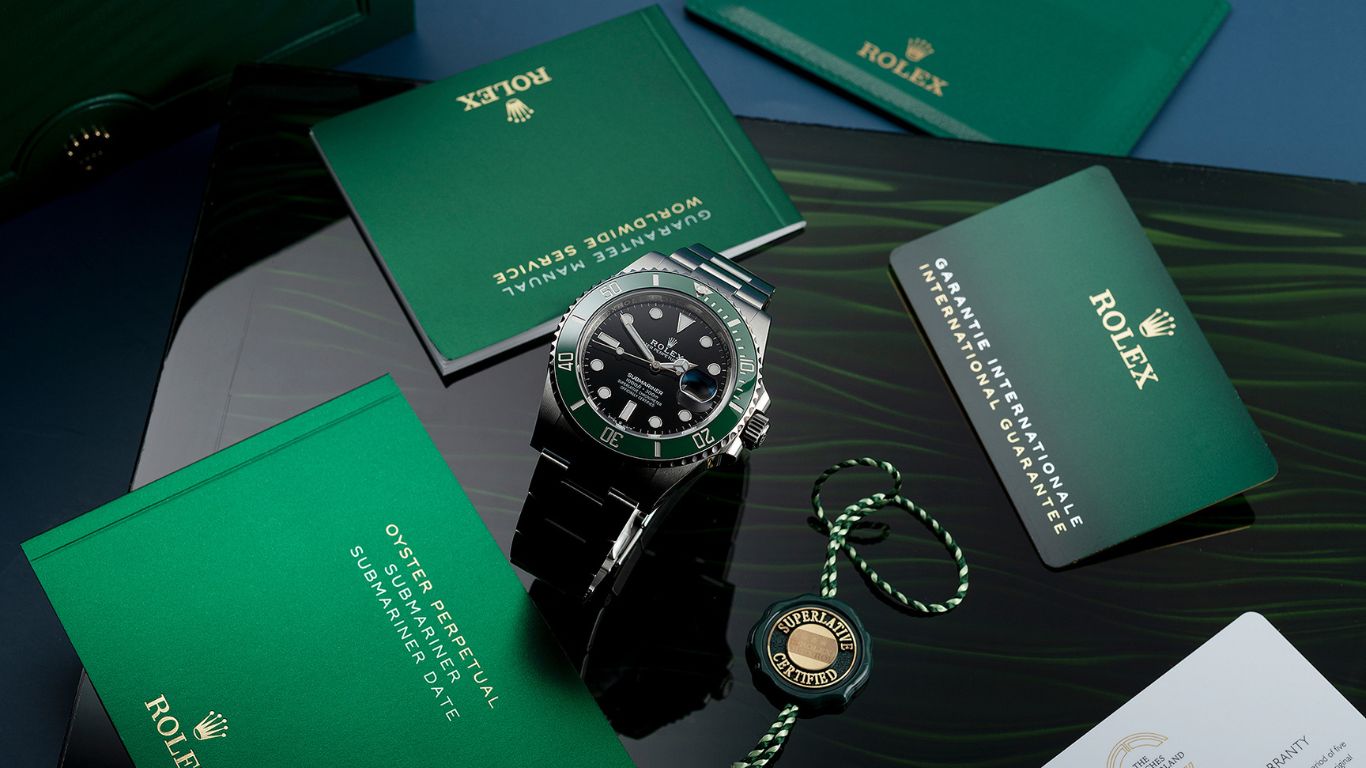
Official documentation is another essential layer of verification. Authentic luxury watches come with certificates of authenticity, original purchase receipts, and service records that should align with the brand’s own archives. Genuine models also use sapphire crystal, which is scratch-resistant and maintains visual clarity over time. If the crystal shows premature wear or looks slightly off, that’s a signal worth investigating.
Counterfeit watches routinely cut corners by using cheaper glass or plastic in place of sapphire. The difference in quality is visible, and over time it becomes even more obvious as the crystal degrades.
Engravings are another critical tell. On a genuine luxury timepiece, every marking on the case and caseback is sharp, clean, and consistent. Reference numbers, brand insignias, and any personalized engravings should look like they belong there, because on a real watch, they were put there with care.
On fakes, you’ll often find blurred fonts, spelling errors, or text that sits slightly off-center. These aren’t minor flaws. They’re the result of inferior manufacturing that no amount of polish can hide. Verifying a watch properly means combining thorough documentation review with a hands-on visual and technical inspection.
There are also some clear red flags that should put you on alert immediately.
Poor finishing, uneven construction, and a lack of symmetry in the components are all warning signs. Authentic luxury watches are assembled with an almost obsessive attention to balance and detail. When something feels slightly wrong, whether it’s the weight, the crystal, or the way the movement sounds, trust that instinct and investigate further.
| Authentic Watch Indicators | Fake Watch Indicators |
|---|---|
| High-quality materials (e.g., stainless steel, gold, platinum) | Inferior metals and cheap alloys |
| Sharp, clear, and consistent engravings | Blurry, misaligned, or inconsistent text |
| Scratch-resistant sapphire crystal | Basic glass or plastic crystals |
| Precision assembly and component balance | Visible flaws, misalignments, or uneven surfaces |
Counterfeit watches pose a real threat to your financial position and to the prestige that comes with owning something genuine. The cost of buying a fake goes far beyond the purchase price.
Through careful provenance validation, backed by solid documentation and expert assessment, you can build a watch portfolio you’re confident in. Every piece you verify properly is one fewer risk in your collection. Comparing authenticated references side by side, as collectors do when evaluating Rolex models, is exactly the kind of disciplined approach that protects your assets over the long run.
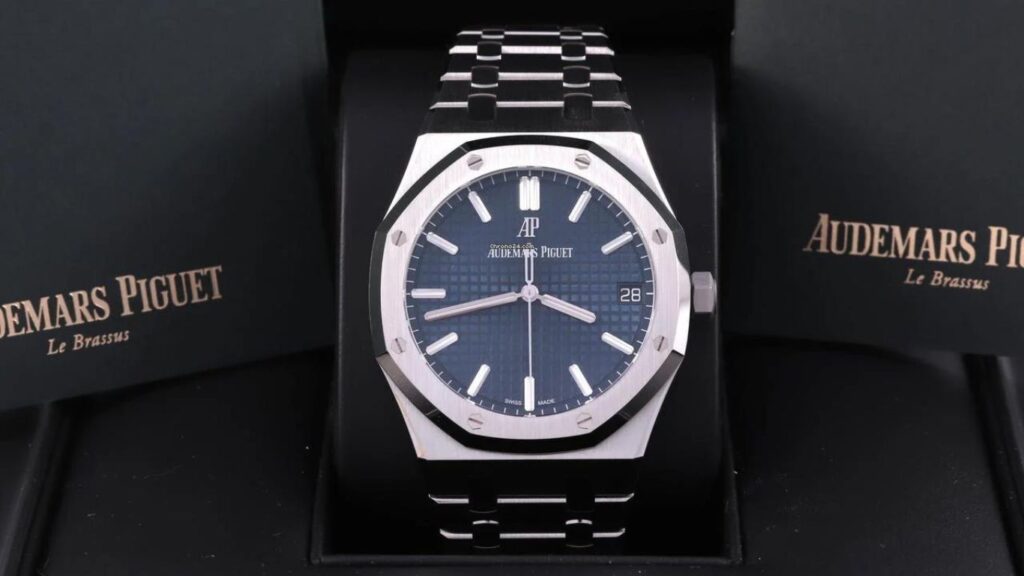
Anti-Counterfeit Measures in the Industry
Counterfeiting luxury goods has grown into a multi-billion dollar operation, and the watch sector sits squarely in its crosshairs. The threat is real, it’s evolving, and the industry has had to respond with measures that are just as sophisticated as the fakes they’re designed to stop.
As counterfeiters adopt better technology, luxury watch brands have pushed back with innovations of their own. Micro-engraving, laser marking, and blockchain-based verification systems are now being built directly into high-end timepieces, creating tamper-proof records that can be traced from manufacture to your wrist.
These tools give retailers and buyers a reliable way to confirm a watch’s origin. And because the verification data lives on an immutable record, the risk of authenticated counterfeits slipping into the legitimate market drops considerably.
Leading watchmakers have gone further by developing proprietary security features tied to specific models. These are details that go beyond what’s visible to the naked eye and are nearly impossible to replicate without access to the original manufacturing process.
- Holographic Seals: Often placed on casebacks or documents, holograms add an additional layer of visual security.
- Unique Serial Numbers: Each timepiece receives a traceable serial number that corresponds to the brand’s internal records.
- Micro-Etching: For instance, Rolex uses laser-etched coronet logos on its sapphire crystal—a feature nearly invisible to the naked eye but verifiable with magnification.
These brand-specific measures do more than deter counterfeiters. They reinforce a culture of trust and transparency that the entire luxury watch ecosystem depends on. When you buy from a reputable source with these safeguards in place, you’re protected by layers of verification that work quietly in the background.
Education plays an equally important role. As you become more informed about what makes a watch genuine, you’re far less likely to be caught out by a convincing fake. Brands and industry groups have rolled out initiatives designed to put that knowledge directly in buyers’ hands, from authentication guides to dealer certification programs.
- Educational Campaigns: Public awareness efforts aimed at highlighting the dangers and identifying features of counterfeit watches.
- Authentication Guides: Step-by-step resources for verifying timepiece authenticity, often available through official brand websites or certified retailers.
These efforts shift the dynamic. An informed buyer is a protected buyer, and the more the market understands what to look for, the harder it becomes for counterfeit goods to find a foothold.
Expert Authentication Processes
Authenticating a luxury watch is not a quick glance and a gut feeling. It’s a structured, multi-layered process carried out by specialists who understand exactly what separates a genuine piece from a well-made copy. And if you’re putting serious money into a timepiece, this process is what stands between you and a very costly error.
From detailed visual inspections to technical comparisons against manufacturer specs, experts work through several distinct stages to confirm what you’re holding is the real thing.
Every authentication starts with a thorough visual inspection. Specialists go over every external element of the watch with precision, examining dial alignment, printing quality, hand finishing, crown construction, and caseback details. Nothing is too small to check.
- Case Construction and Finish: Scratches, alignment, and polish quality are examined against the brand’s known finishing standards.
- Dial and Logo Details: Authentic luxury watches feature perfect symmetry, font consistency, and precise logo placement.
- Serial and Model Numbers: Engravings are checked for sharpness, font accuracy, and placement—common giveaways in counterfeit watches.
- Weight and Material Feel: Genuine luxury watches use premium materials, resulting in a substantial weight and refined tactile experience.
By measuring these characteristics against verified brand references, experts can spot the kind of visual inconsistencies that reveal counterfeit components. A misaligned logo or an off-shade dial can be invisible to an untrained eye but obvious to someone who has examined hundreds of genuine examples.
Beyond what you can see on the surface, experts look deep into the mechanical elements of the watch. That means examining the movement, checking the finishing on the bridges and rotors, assessing the accuracy and consistency of the timekeeping, and comparing the mechanical architecture against known authentic calibres.
- Movement Disassembly: The internal mechanism is opened and examined to ensure it matches brand specifications.
- Component Quality: High-end watches like those from Rolex, Patek Philippe, and Audemars Piguet feature distinctive, often proprietary, components.
- Functionality Checks: Experts verify that complications such as chronographs, GMT functions, or perpetual calendars operate to manufacturer precision.
Genuine movements carry a level of craftsmanship that’s genuinely hard to replicate at scale. The moment something looks rushed or imprecise under magnification, it raises an immediate red flag.
The final step brings everything together through a comparison with manufacturer documentation. Experts cross-reference serial numbers, reference codes, production records, and service history against the brand’s own archives. Every detail needs to line up.
- Serial Numbers and Production Dates: Confirming the piece aligns with production records maintained by the brand.
- Ownership and Service History: Authentic pieces often have traceable service logs and documented provenance.
This verification step is what gives you the confidence to buy, sell, or hold with certainty. A watch that passes this level of scrutiny isn’t just authentic. It’s a defensible investment you can stand behind.
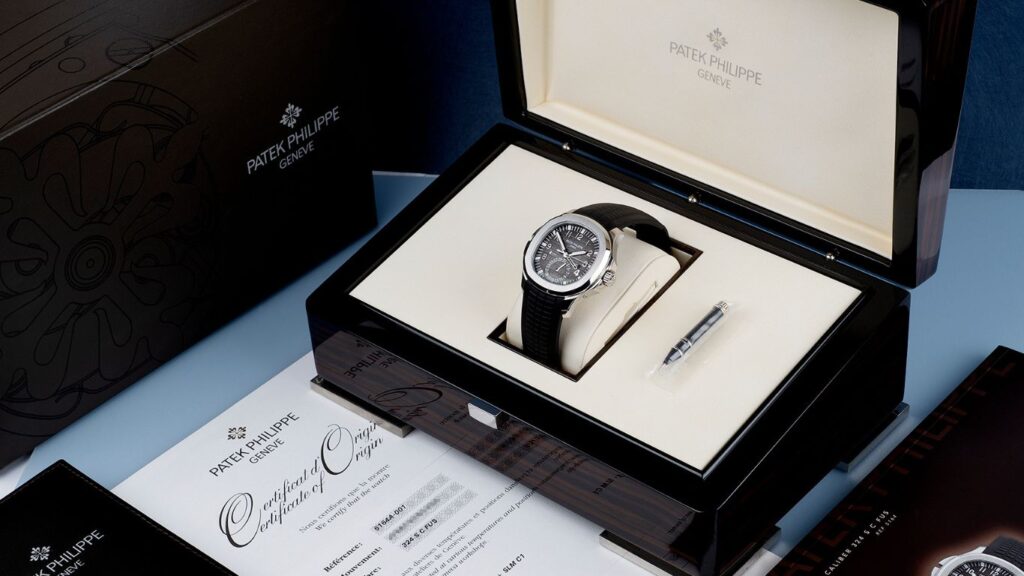
Choosing Reputable Dealers for Your Investment
Stepping into the luxury watch market without a trusted partner is a risk you don’t need to take. The right dealer doesn’t just sell you a watch. They protect the authenticity and value of what you’re acquiring. The pre-owned segment has grown sharply in recent years, and much of that growth is built on the reputation of dealers who make authentication and transparency their standard, not their selling point.
Reputable dealers bring deep industry connections and hard-earned credibility to every transaction. They examine the origin and condition of each piece with the kind of rigor that keeps counterfeits out of their inventory. That level of diligence is what makes their word worth something in a market where trust is everything.
Buying through an expert adds a layer of security that’s especially important when the numbers get serious. Entry-level Swiss watches start around $1,000, mid-range pieces sit around $10,000, and from there the sky is the limit. Luxury watches have delivered returns that outpace silver and gold over meaningful time horizons, but only when you’re starting with a genuine piece from a verified source. That’s the part dealers make possible. You might also want to consider how elite investors protect and grow capital across asset classes, because watches fit neatly into a broader alternative investment strategy when approached correctly.
The luxury watch market is valued at roughly $75 billion, and maintaining its integrity requires every participant to prioritize authenticity and transparency. When you’re choosing a dealer, look at their authentication guarantees, their return policies, their track record with collectors, and whether they can provide full provenance documentation for the pieces they sell.
| Factors | Importance |
|---|---|
| Dealer Reputation | High – Ensures reliability and customer trust |
| Authenticity Guarantees | Critical – Verifies the genuineness of the watch |
| Secure Transactions | Essential – Safeguards financial exchanges |
| Expertise | Significant – Ensures meticulous verification |
| Market Insights | Valuable – Provides guidance on potential value appreciation |
The smartest move you can make in the luxury watch market is to align yourself with dealers who have both the expertise and the accountability to back up what they sell. Authenticity guarantees and secure transactions aren’t just features to look for. They’re the baseline. Get that right, and you’re positioned not just to own something remarkable, but to build a watch portfolio that genuinely appreciates over time.