
Dubai’s real estate market is undergoing a striking shift toward sustainability, pushed forward by bold government policy and a growing awareness of environmental responsibility. Frameworks like the UAE Net Zero 2050 strategy and the Dubai 2040 Urban Master Plan are giving developers a clear mandate to build greener. You can see this playing out in places like Dubai Sustainable City, where energy-efficient buildings and advanced waste management systems have moved from concept to everyday reality.
The Mohammed bin Rashid Al Maktoum Solar Park is one of the most visible signs of this commitment, feeding directly into the Dubai Clean Energy Strategy 2050, which targets 75% clean energy across the emirate by mid-century. For you as an investor, that ambition translates into something concrete, because sustainable credentials are already pushing property values higher. And with Dubai ranking third globally for LEED-certified buildings, the city’s leadership in green construction is no longer just a talking point.
Smart technology is the other side of this story. Energy-efficient systems, water conservation infrastructure, and city-wide smart networks are being woven into new developments across the board. These aren’t add-ons. They’re becoming the baseline expectation for any serious project in the city.
Sustainable development is reshaping what Dubai real estate means at a foundational level. Eco-friendly practices and advanced technologies are raising the bar for what buyers expect, what developers deliver, and what investors find attractive. Dubai isn’t just building for today. It’s building for a very specific vision of the future, and the economics are starting to reward those who understand that.
Table of contents
- The Rise of Green Buildings in Dubai
- Innovative Water Conservation Measures in Dubai Properties
- The Influence of LEED Certified Developments in Dubai
- Integration of Renewable Energy in Dubai Properties
- The Impact of Smart City Infrastructure on Real Estate
- Economic Benefits of Sustainable Construction in Dubai
- Trends in Net Zero Energy Homes in Dubai
The Rise of Green Buildings in Dubai
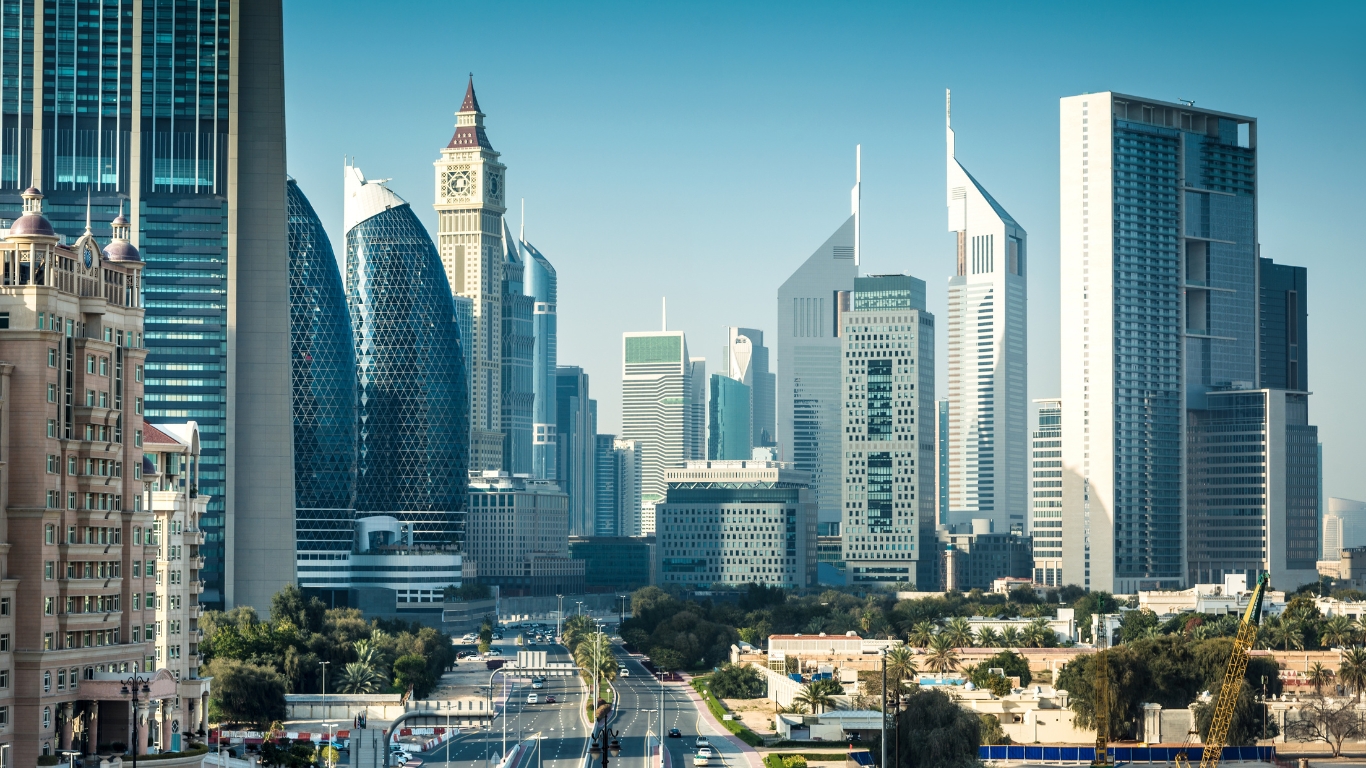
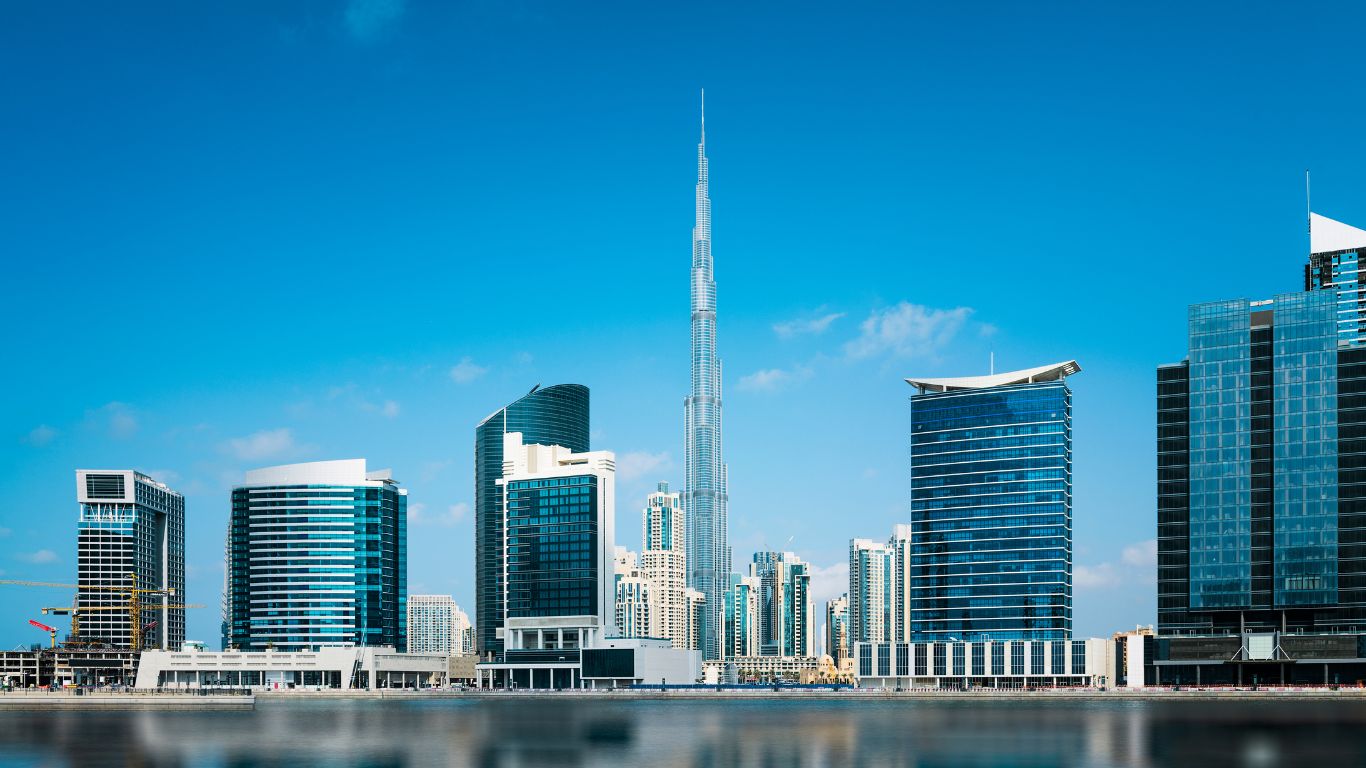
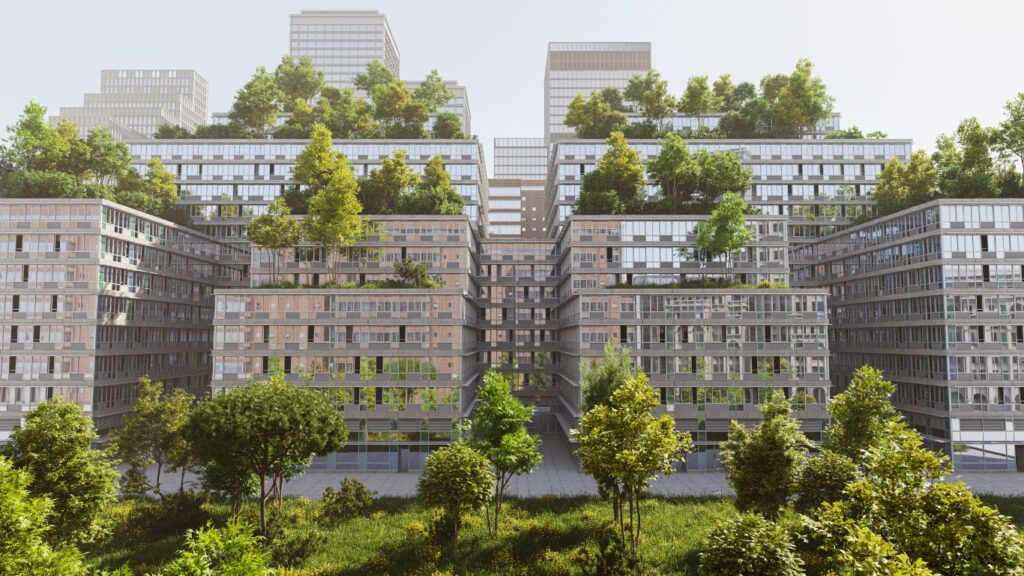
Look up at Dubai’s skyline and you’re seeing a city in the middle of a genuine architectural rethink. Eco-conscious design is no longer a niche preference in the real estate sector here. With 550 projects carrying LEED certification, Dubai sits third in the world for green building activity, and projects like Dubai Sustainable City are setting the tone for what responsible urban development looks like in practice.
Eco-Friendly Architecture
Solar panels, green roofs, and passive cooling features are now standard tools in the Dubai developer’s playbook. The Dubai Clean Energy Strategy 2050 gives the whole sector a north star, targeting 75% of energy from clean sources by mid-century. The Mohammed bin Rashid Al Maktoum Solar Park is the flagship proof point, a project that shows exactly what zero-energy city ambitions look like at scale. Developers like Sobha Realty are running with this momentum, bringing eco-friendly communities to market that combine genuine sustainability with the luxury finishes Dubai buyers expect.
The Dubai Green Building Regulations have already moved the needle in measurable ways. Energy use across regulated properties has dropped by 19%, while water consumption is down 30%. Those aren’t projections. They’re results.
Energy-Efficient Technologies
Energy-efficient technology is doing two things at once in Dubai’s real estate sector. It’s cutting carbon footprints and reducing long-term operating costs, which makes green buildings a smart play for investors focused on yield as much as values. These properties use sustainable materials and waste reduction strategies that have already cut landfill contributions by 31% over five years.
The benefits go beyond the balance sheet. Occupants in green-certified buildings record a 26.4% improvement in cognitive test performance and 6.4% better sleep quality compared to conventional buildings. So when you’re evaluating a Dubai property, the energy credentials aren’t just an ethical consideration. They’re a direct quality-of-life and long-term value driver.
Innovative Water Conservation Measures in Dubai Properties
Rapid urbanization puts enormous pressure on water resources, and Dubai’s property sector is responding with serious intent. Across both residential and commercial developments, water conservation technology is being built in from the ground up rather than retrofitted as an afterthought. This shift reflects something deeper than compliance. It reflects a city recalibrating its relationship with one of its scarcest resources.
Advanced Irrigation Systems
The irrigation technology being deployed across Dubai’s developments is genuinely sophisticated. Systems drawing on recycled water, guided by smart sensors and automated controls, are keeping green spaces alive while dramatically reducing consumption. For anyone considering a property purchase in Dubai, this kind of infrastructure matters because it directly affects service charges and the long-term cost of maintaining landscaped communities.
Water Recycling Initiatives
Water recycling has become a defining feature of responsible development in Dubai. Azizi Developments is among the names leading by example, integrating systems that treat wastewater for reuse in irrigation and toilet flushing across their projects. This approach doesn’t just tick an environmental box. It builds genuine water resilience into the fabric of the property.
Desalination Plants
Desalination is the backbone of Dubai’s long-term water security strategy. By converting seawater into potable water at scale, these plants reduce the city’s dependence on limited freshwater reserves and give the real estate sector a reliable supply foundation. For a market growing as fast as Dubai’s, that reliability is worth more than most buyers and investors give it credit for.
The Influence of LEED Certified Developments in Dubai
Dubai has quietly become one of the world’s most credible addresses for sustainable real estate. The UAE property market was tracking toward $710 billion by the close of 2024, and nearly 400 LEED-certified projects are part of that story, placing Dubai third globally for eco-conscious construction. This isn’t just good optics. It’s a structural shift in how the city is building and who it’s attracting.
Setting Standards for Sustainability
LEED certification is the gold standard in construction sustainability, and earning it means meeting demanding benchmarks across energy efficiency and environmental responsibility. Dubai’s government has reinforced these standards with clear policy. The Green Building Regulations introduced in 2014 made insulation systems and solar water heating mandatory for new builds, which translated directly into lower energy consumption across the city’s building stock.
The Role of LEED Certification
For buyers and investors, LEED certification is a reliable quality signal. It tells you that a building was designed and built to perform. Right now, 93% of investors view sustainable projects as strong performers, and 75% expect green developments to be the norm by 2030. In Dubai, LEED-certified projects aren’t just meeting that expectation. They’re defining it.
Examples of LEED Projects
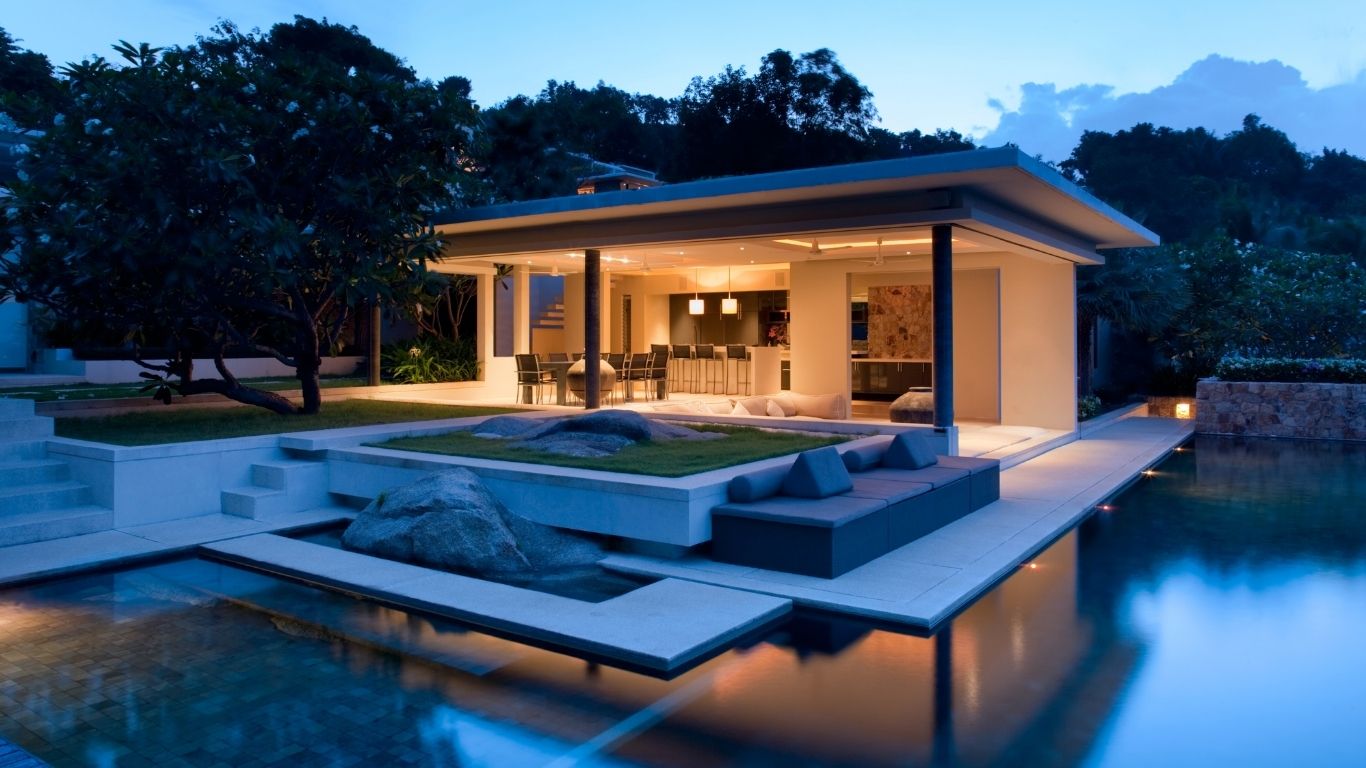
The Dubai International Financial Centre stands out as a hub of LEED-certified commercial buildings, demonstrating that sustainable construction scales into Dubai’s most prestigious business addresses. On the residential side, Al Barari takes a different approach, weaving water recycling systems and drought-resistant planting into a luxury living environment. And then there’s the Mohammed bin Rashid Al Maktoum Solar Park, a renewable energy landmark aligned with Dubai’s goal of sourcing 75% of its power from renewables by 2050.
These projects aren’t just clearing sustainability benchmarks. They’re building the template for a more resilient, forward-looking version of Dubai real estate that serious investors are paying close attention to.
Integration of Renewable Energy in Dubai Properties
Dubai’s push into renewable energy is one of the more compelling stories in global real estate right now. By tapping natural resources to cut carbon emissions, the city is pursuing a zero-energy ambition that directly shapes what gets built and where. For a market growing at Dubai’s pace, that’s not a marginal consideration. It’s central to the investment thesis.
Solar Power Initiatives
Solar power sits at the core of Dubai’s sustainable energy strategy, and the Mohammed bin Rashid Al Maktoum Solar Park is the clearest expression of that commitment. This project shows that renewable energy and property development can reinforce each other rather than compete. Every solar-integrated development reduces fossil fuel dependence and strengthens the case for Dubai’s broader sustainability agenda.
Wind Energy Projects
Wind energy is gaining ground as part of Dubai’s diversified approach to clean power. Solar will always dominate in this climate, but the push into wind shows a city serious about resilience and not content to rely on a single energy source. The result for developers and buyers is a broader foundation of eco-friendly infrastructure that keeps operational costs lower over the long run.
Usage of Geothermal Energy
Geothermal energy is an emerging piece of Dubai’s sustainability picture. Using the earth’s natural heat for building climate control is both efficient and consistent, and its integration into new developments underscores just how comprehensive Dubai’s approach to sustainable urban construction has become.
Dubai’s renewable energy strategy is reshaping the property sector from the ground up. For you as an investor or buyer, that means the buildings coming out of this pipeline are fundamentally different, and more durable, assets than what came before.
The Impact of Smart City Infrastructure on Real Estate
The Smart Dubai initiative launched in 2013 with an ambitious goal of making Dubai the happiest, smartest city on the planet. More than a decade on, that ambition is visibly reshaping the real estate market, with urban projects that treat technology and environmental consciousness as inseparable priorities.
The city’s investment in smart transport tells a clear story. Autonomous vehicles and intelligent parking systems are moving from pilot programs to standard infrastructure. And as these systems mature, properties that sit within well-connected, tech-enabled zones are commanding stronger prices, because demand for that kind of living and working environment is rising fast. You can explore how this compares to luxury real estate trends elsewhere in the world to put Dubai’s trajectory in sharper perspective.
In commercial real estate, smart city infrastructure is already a deal-maker. Tech-focused districts are drawing businesses that need seamless connectivity and digital integration baked into their physical space. The corporate appetite for these environments is driving a new tier of demand that conventional office or retail developments simply can’t satisfy.
Residential Infrastructure
On the residential side, the appetite for smart home technology is equally strong. The ability to manage your home’s energy, security, and climate through a single device is no longer a luxury feature. It’s an expectation. And when that convenience is paired with real energy efficiency gains, the appeal to both buyers and long-term renters is obvious.
Smart city infrastructure in Dubai is doing something deeper than upgrading individual properties. It’s knitting together communities where sustainability and technology work in concert, raising the quality of daily life and making Dubai’s progressive real estate market a genuinely compelling proposition for the right investor.
| Aspect | Impact on Real Estate |
|---|---|
| Smart Transportation | Increased property values; demand for sustainable properties |
| Tech-Centric Districts | Growing demand for technologically equipped commercial spaces |
| Smart Home Technologies | Preference for residential properties; enhanced convenience and efficiency |
| Integrated Communities | Attraction of residents and investors; cohesive, high-quality living environments |
Economic Benefits of Sustainable Construction in Dubai
Dubai’s commitment to sustainable construction is generating real economic returns, not just environmental ones. Targeting 75% clean energy by 2050 and ranking third globally in green building volume has positioned Dubai as a destination where sustainability and financial performance point in the same direction.
Increased Property Value
Sustainable properties in Dubai are commanding a clear premium in the market. As the most sustainable city in the GCC and home to a growing portfolio of LEED-certified projects, Dubai has established a direct link between green credentials and price performance. Investors who understand long-term resilience, including the kind that comes from climate-resistant, energy-efficient design, are finding that eco-friendly properties in Dubai deliver both strong returns and a defensible investment thesis. For a broader view of how real estate investment dynamics work across different markets, the International Real Estate Expo in Dubai is one of the better places to benchmark your thinking.
Sustainable construction in Dubai is both an environmental commitment and a financial strategy running in parallel. Lower operating costs, higher asset values, and growing buyer demand for green credentials are converging to make this one of the more compelling structural plays available in the city’s property market right now.
Trends in Net Zero Energy Homes in Dubai
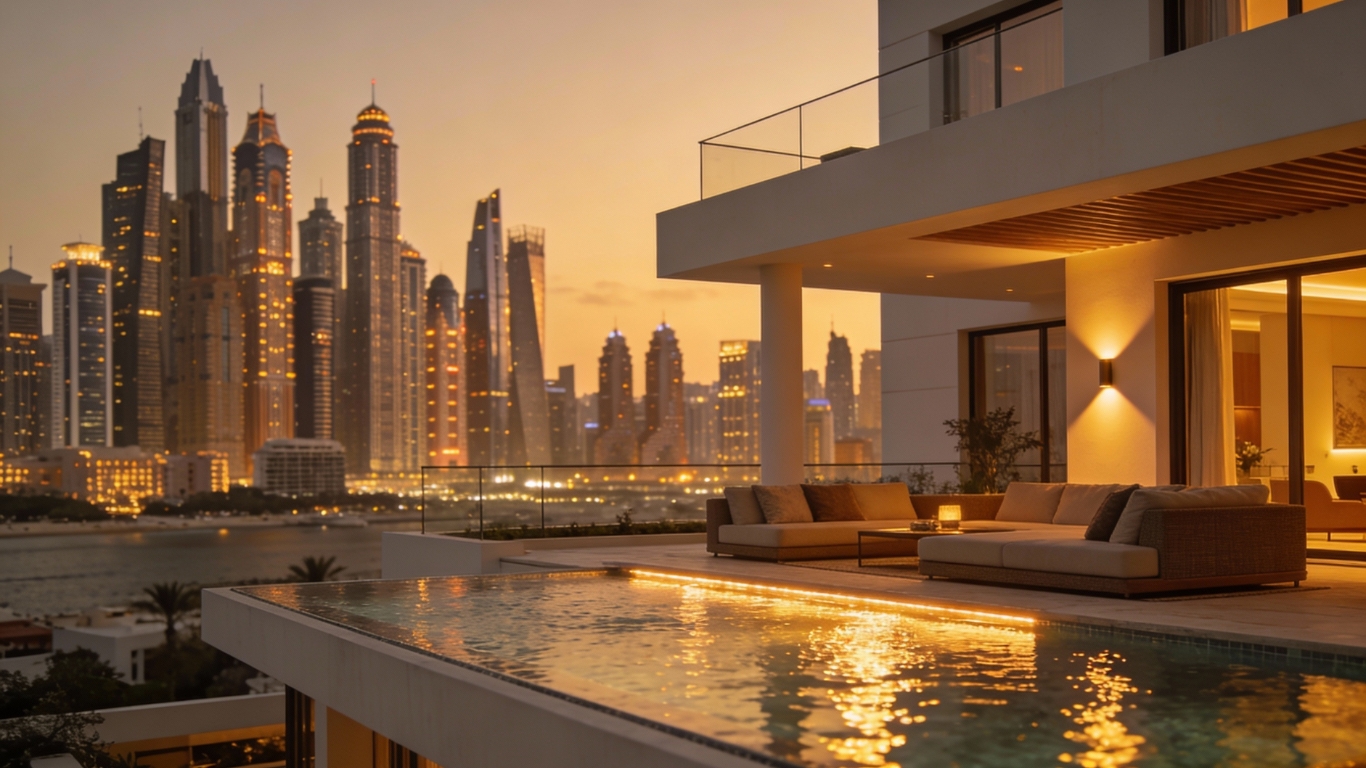
Dubai is pushing into net zero energy homes with genuine conviction. These properties sit at the intersection of striking architecture and serious eco-friendly technology, and they’re setting a new benchmark for what modern luxury living can look like when sustainability is built into every design decision from day one.
Design Principles
Net zero energy homes in Dubai are engineered around a simple but demanding idea: produce as much energy as you consume. That means rigorous attention to solar orientation, natural ventilation, and sustainable material selection at the design stage. The best of these homes maximize natural light and airflow to the point where mechanical cooling and artificial lighting become the exception rather than the rule. The payoff is a dramatically lower energy cost over the life of the property, on top of a reduced environmental footprint.
Technological Integrations
Technology is what makes the net zero promise deliverable at scale. Smart home systems, rooftop solar, battery storage, and advanced insulation work together to balance energy generation against consumption across the whole building. Layer in water recycling systems and energy-efficient appliances, and you have a home that’s genuinely leading the field in sustainable residential design.
Case Studies
The results in this space are already impressive. The Al Shera’a building is set to become the tallest and largest net-zero energy structure in the world, covering more than 2 million square feet. In Abu Dhabi, the Eco-Villa Project uses 35% less water and 72% less energy than a standard villa, cutting roughly 63 tons of CO2 per year in the process. These projects prove something worth knowing before your next property decision, that luxury and sustainability are not a trade-off. In Dubai right now, they reinforce each other.