
U.S. luxury home prices flatlined in January 2026 after a 24-month stretch of consistent monthly gains. The data, summarised by Mansion Global and corroborated by the major brokerage-house indices, points to a pause rather than a reversal. But the pause is meaningful and warrants explicit attention from anyone underwriting a position in the upper tier of U.S. residential property.
Knight Frank's U.S. Wealth Report, Sotheby's International Realty's monthly luxury index and Christie's International Real Estate's prime-tier coverage all flag the same January data point. The headline luxury index sat essentially flat month-over-month for the first time since early 2024.

- US luxury home prices unexpectedly flatlined in early 2026, with the multi-year prime segment outperformance pattern showing its first meaningful pause across most major markets.
- We see the moderation reflecting a combination of softening international demand, equity market volatility and the cumulative effect of higher transaction costs in key luxury markets.
- Inventory build-up in some prime enclaves has shifted negotiating leverage toward buyers, with the most aggressive sellers adjusting asking prices to clear the slower-moving stock.
- Cash and jumbo financing remain dominant at the top end, although the wealth effect that previously supported demand has moderated with the recent broader market volatility.
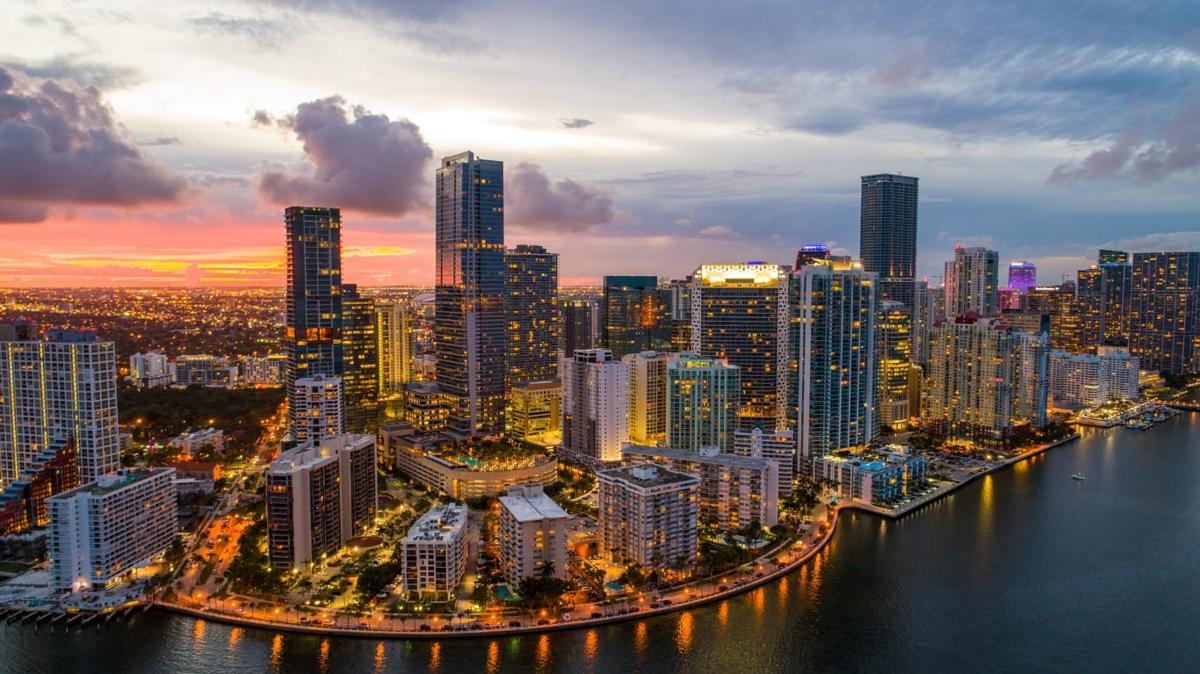
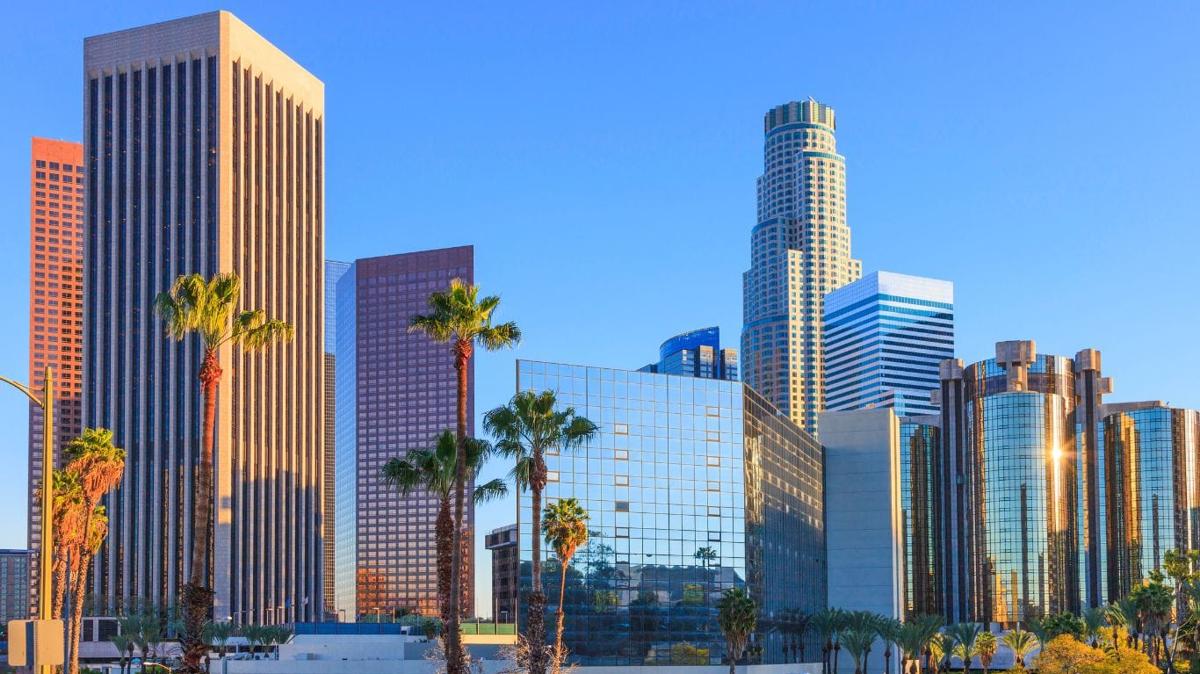
- Several major luxury markets including parts of Los Angeles, Miami and Aspen show flatlined pricing alongside elevated inventory, signalling a potential broader segment pause.
- For most considered luxury buyers we view the early 2026 pause as warranting careful attention, with the question of whether it marks a temporary breather or longer-term shift still open.
- Who is this for?
- Luxury property buyers, investors and advisers tracking the US prime market, alongside the family offices and private bankers structuring acquisitions in the changed environment.
- What is happening?
- A market analysis of why US luxury home prices suddenly flatlined in early 2026, covering international demand softening, inventory build-up and the wealth effect moderation.
- When did this emerge?
- The article covers the early 2026 luxury market pause, with reference to the preceding multi-year outperformance pattern and the latest pricing data.
- Where is this happening?
- The piece covers the US luxury market broadly, with reference to Los Angeles, Miami, Aspen and the broader prime enclaves showing the flatlining pattern.
- Why does it matter?
- The early 2026 luxury pause may signal a broader segment shift, which is why explicit awareness of the dynamics matters for buyers and sellers timing prime market transactions.
What the January 2026 Data Actually Shows
The flatlining was concentrated in the upper tier of U.S. luxury rather than in the broader market. Trophy properties above the 10 million dollar threshold posted essentially zero month-over-month price growth, against the consistent mid-single-digit annual growth that has characterised the prior 24 months.
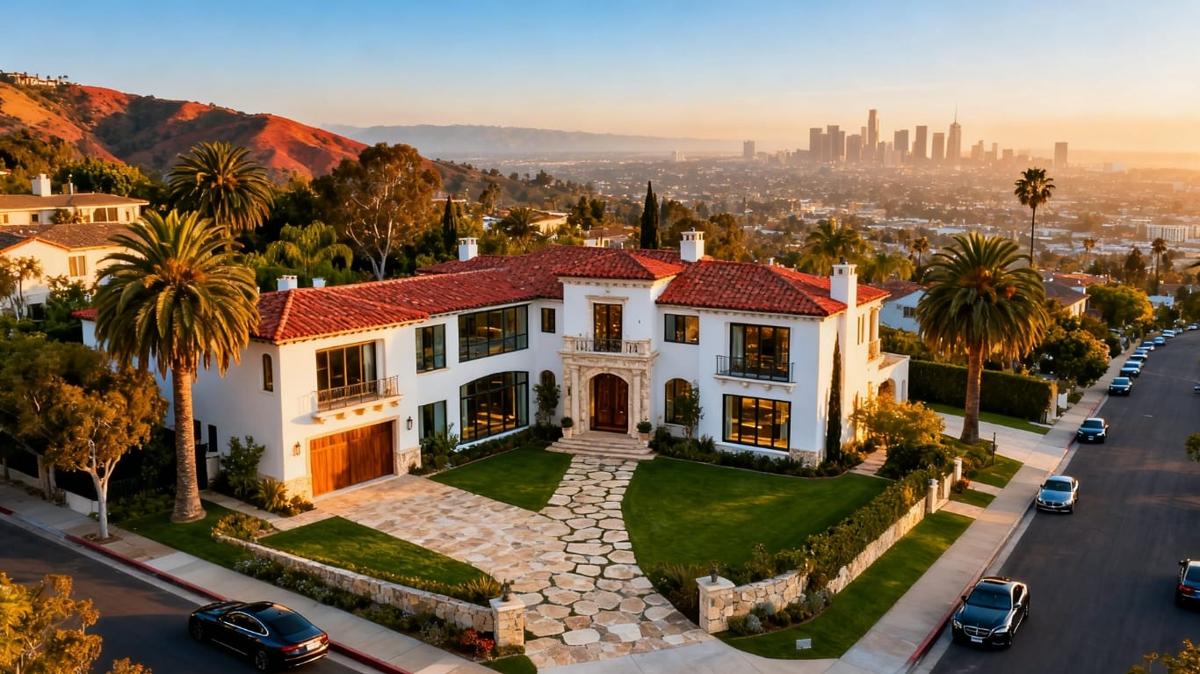
The signal is most visible in the headline luxury markets. Bel Air, Beverly Hills, the Hamptons, Aspen and Palm Beach all posted similar patterns. The single most discussed data point of the month was the high-profile Bel Air listing that requires a 40 million dollar price cut to reach an actionable bid.
The headline number is consistent with what FT Property's U.S. coverage and Bloomberg's Wealth desk have been flagging. The luxury tier has run ahead of fundamentals, and January marks the first concrete sign of buyer-side resistance.
The Supply-Side Explanation That Actually Holds Up
The straightforward explanation is that U.S. luxury inventory has finally caught up with the post-pandemic demand surge. New trophy-tier construction in Los Angeles, Miami and Aspen has come to market through 2024 and 2025 at a pace that has visibly thickened the available inventory.
Cushman and Wakefield's residential research desk has tracked the inventory-to-demand ratio in the upper tier of U.S. luxury, and the ratio crossed back into balanced-market territory in Q4 2025. That is the supply-side context for the January flatline.
This is the same pattern we covered in This pattern mirrors the broader reset playing out across the U.S. housing market. The flipper and merchant-builder cohort that drove much of the 2021-2023 upper-tier supply growth has now delivered the inventory, and the bid book has thinned.
The Rate Environment and the Prime Buyer Cohort
The U.S. rate environment, with mortgage rates hover around 6% for conforming product, is a less direct driver of the luxury flatline than it might appear. The cash-buyer composition at the top tier of U.S. luxury has been consistent: roughly 50 to 60 percent of trophy transactions clear without a mortgage.
The Federal Reserve's H.15 release confirms the rate trajectory has been broadly stable through the December-to-January window. The marginal luxury bid is not rate-sensitive in the same way the median U.S. market is.
What has changed is the wealth-effect transmission. Equity-market volatility through late 2025 thinned the trophy bid book at the margin, and the Knight Frank Wealth Report flagged a measurable pause in HNW transaction velocity in the December-January window.

The Cross-Border Bid That Has Redirected
The cohort that meaningfully shifted is the international buyer of U.S. luxury. Sotheby's luxury outlook report for 2026 flags a meaningful redirection of cross-border principal capital toward Dubai, London prime and selected European destinations.
The Knight Frank Wealth Report tracks the cross-border flow year by year, and the 2026 update shows the U.S. share of UHNW residential acquisitions outside the buyer's domicile is down 4 to 6 percentage points year-on-year. That is a meaningful redirection.
For U.S. luxury sellers, the redirection narrows the bid pool at the trophy tier. For U.S. luxury buyers, particularly U.S.-resident buyers, the thinner cross-border bid is the structural feature that opens the price-discovery window for the first time in two years.
The Broader Cycle Context Buyers Should Understand
The luxury flatline is consistent with the broader U.S. cycle now sitting at an inflection. Mansion Global, Bloomberg's Wealth desk and the Wall Street Journal have all flagged the same dynamic. The luxury tier was the last segment of the U.S. residential market still posting consistent growth into late 2025, and January's flatline brings the luxury tier into alignment with the broader market.
This is not, however, a luxury-collapse thesis. The supply-side amplifier (limited new trophy-tier construction, particularly in supply-constrained jurisdictions including the Hamptons, Aspen and the better Beverly Hills postcodes) remains. The cycle has paused, not reversed.
The wider context is in our piece on emerging luxury real estate markets across Southern Europe evolve. The cross-border capital that previously concentrated in U.S. luxury is now distributing across a wider set of destinations.
The Markets to Watch As the Bid Recalibrates
The headline U.S. luxury markets - Los Angeles prime, the Hamptons, Aspen, Palm Beach, Miami Beach - are the markets most exposed to the cross-border redirection. The secondary luxury cluster - Austin, Houston, Dallas, Nashville, Charleston - is less exposed because the buyer cohort is more domestically driven.
For collectors targeting the strongest absolute trophy quality with the cleanest entry pricing through 2026, the secondary cluster offers the best risk-reward. How to identify the right real estate market for your capital resolves into a relative-trade question, and the relative trade currently favours the secondary cluster over the established trophy markets.
Global real estate analysts at the Financial Times and Bloomberg have flagged the same conclusion. The U.S. luxury market is in a measured recalibration rather than a generalised pullback.
What This Means for Buyers
Buyers underwriting a U.S. luxury position in the next 12 to 18 months have the strongest price-discovery window since 2022. Sellers of headline trophy product are now meaningfully more flexible than they have been at any point in the prior cycle.
The disciplined underwriting is to model a slower price-appreciation trajectory than the 2024-2025 baseline, to assume a longer time-to-clear for non-trophy luxury inventory, and to concentrate capital in the supply-constrained secondary cluster where the relative-value argument is strongest.
Christie's International Real Estate, Sotheby's International Realty, the established U.S. luxury brokerages and the long-tenured Texas, Mountain West and Southeastern firms all have the network to navigate the recalibration. The pause is the buyer's window. We last reviewed this analysis in May 2026.