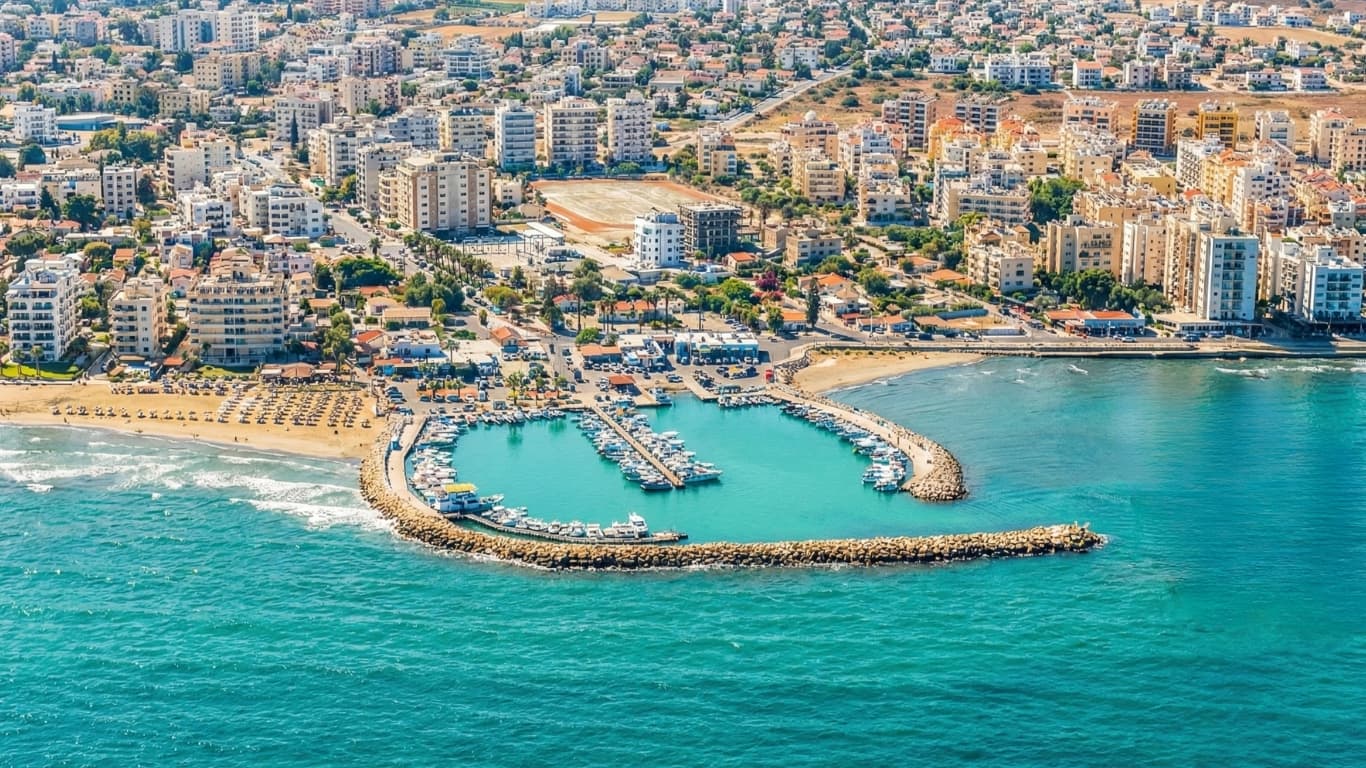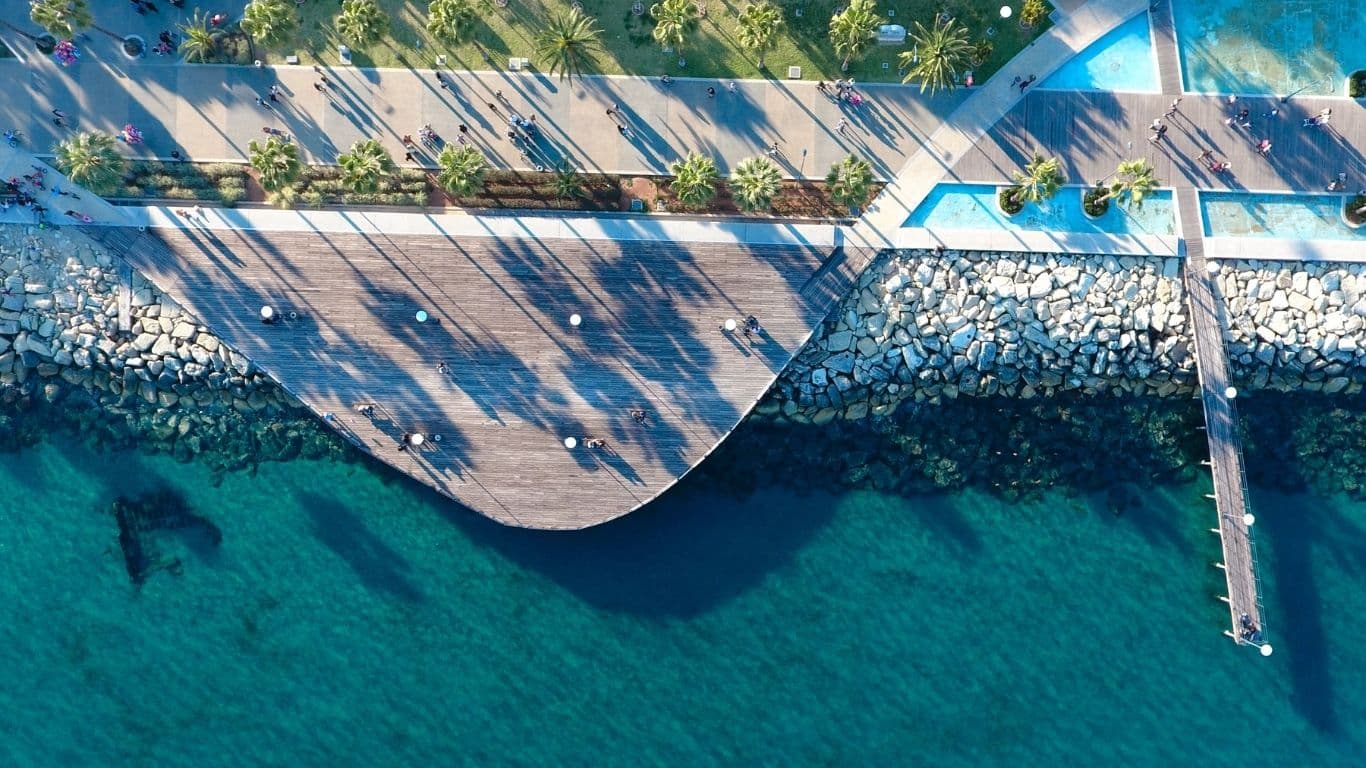
Cyprus's residential property market in 2026 has done something quietly important. The island has moved from talking about sustainable building to actually building it. Knight Frank's 2025 European Wealth Report flagged Cyprus alongside Portugal and Greece as the Mediterranean markets where environmental certification has shifted from a marketing line to a planning requirement.
Mansion Global's continuing Cypriot coverage has tracked the texture in detail. Below, our read on what is actually happening on the ground and what it means for owners landing on the island.
- The Cypriot residential market has begun a steady pivot toward energy-efficient and sustainable build standards, with developers responding to both EU regulation and buyer preference.
- We see prime Limassol and Paphos coastal developments now routinely marketed with photovoltaic systems, rainwater harvesting and credible energy performance certifications at the upper end.
- EU energy directives, including the EPBD recast, continue to push Cypriot new-build standards higher, with nearly zero-energy specifications now table stakes for credible developers.
- Resale stock built before the green wave faces a widening discount versus new build, with retrofit costs increasingly factored into valuations on the secondary market.
- International buyers, particularly from northern Europe, treat strong energy performance as a meaningful selection criterion alongside location and traditional luxury markers.
- For most considered Cypriot buyers we view sustainable specification as moving from optional differentiator to baseline expectation across the upper end of the residential market.
- Who is this for?
- International and Cypriot buyers, developers and brokers tracking the sustainability shift in the local market, alongside the energy consultants framing those project specifications.
- What is happening?
- A read of the Cypriot real estate market going green, covering EU directive influence, developer response, prime coastal positioning and the resale stock dynamic.
- When did this emerge?
- The article reflects current Cypriot market conditions through 2025 and into 2026, with reference to the recent EPBD recast and the multi-year sustainability arc.
- Where is this happening?
- The piece covers Cyprus broadly, including Limassol, Paphos, Nicosia and Larnaca alongside the broader EU regulatory context.
- Why does it matter?
- Energy performance now shapes both pricing and resale liquidity, which is why buyers and developers alike benefit from understanding the green pivot before committing capital.
The regulatory floor and the EU framework
The Cypriot government has put serious planning weight behind sustainable building. A combination of EU-aligned directives, energy performance certificate requirements and a minimum-rating threshold for new builds has reshaped what gets built. All new buildings must achieve at least a B rating on the Energy Performance Certificate scale.
The government is incentivising upgrades to A-rated efficiency through grants and tax reductions. These frameworks are not bureaucratic boxes to tick. They are actively reshaping what gets built and how, giving developers a clear roadmap and giving owners confidence that the properties they acquire meet genuine environmental standards.
EU funding under the Recovery and Resilience Facility has channelled meaningful capital into the Cypriot building stock through 2024 and 2025. The retrofit pipeline (insulation, glazing, solar) covers both new construction and the existing residential stock.
What buyers are actually asking for
Owner preferences in Cyprus have shifted in a way that is hard to ignore. People shopping for property here are increasingly factoring in running costs, indoor air quality and the building's environmental performance alongside the usual considerations of location and architecture. The reasons are straightforward.
Energy-efficient homes cut running bills by a meaningful margin, tend to hold their value better and simply feel better to live in. A 2025 survey from the Cyprus Property Owners Association found that 70% of Cypriot residential buyers now express a clear preference for eco-credentialed homes. That is not a marginal shift.
It is a market-wide signal that long-term ownership of Mediterranean property now needs to account for green credentials as a core value driver. Engel & Völkers' Cyprus desk reports that listings with an A or A+ certificate clear noticeably faster than equivalent B-rated stock.
The technology under the architecture
The technology behind sustainable construction has advanced quickly, and developers in Cyprus are putting it to work. Solar panel integration, smart energy management systems, greywater recycling and high-performance insulation are all becoming standard features rather than luxury add-ons. These are not experimental ideas anymore.
They are proven tools that cut running costs and deliver measurable environmental benefits. Cyprus receives over 300 days of sunshine annually, which makes solar integration particularly viable. The smart-home layer (thermostats, lighting systems, water management) has been absorbed into the standard new-build specification across the upper tier of Cypriot residential.

Named projects across the island
Cyprus is not just talking about green building. Across the island, several projects already show what the commitment looks like on the ground. Northern Cyprus has absorbed a wave of eco-credentialed residential developments, attracting both local buyers and international owners who want price-point reach without sacrificing sustainability.
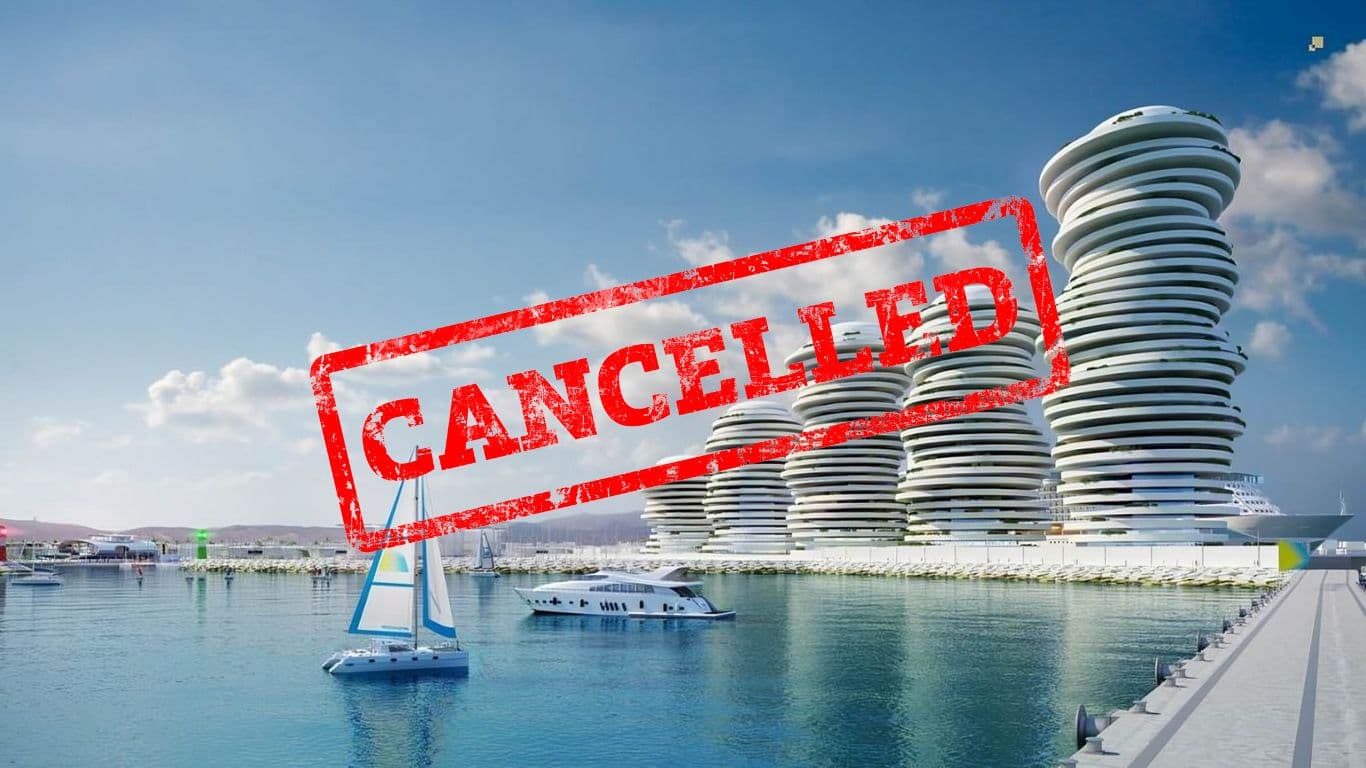
The southern coast has gone further. Limassol's three-tower seafront cluster includes green roofs, solar integration and advanced insulation. Mansion Global's 2024 Limassol dispatch noted that the upper-tier seafront product now competes with European prime on environmental credentials as well as price-per-square-meter.
Paphos has absorbed a separate wave of low-rise residential schemes designed with rainwater harvesting and geothermal heating. For buyers comparing Cyprus against the south of France, the operational specifications now read at a similar level. Christie's International Real Estate's Cypriot affiliate now lists eco-certified product as a default category in its prime book.
The owner economics
Beyond the environmental case, the operational economics of eco-credentialed property in Cyprus are compelling. Energy-efficient buildings cut electricity and heating costs meaningfully, and water-saving technologies (rainwater harvesting, greywater recycling) lower water bills further. For owner-occupiers, that translates into a smaller monthly cost line.
For owners considering long-term holding, eco-certified properties tend to command stronger resale prices and attract buyers more quickly than equivalent non-certified stock. Sotheby's International Realty's Cyprus desk reports that A-rated certifications now read as a baseline expectation in the upper segment rather than a differentiator. The pricing premium has compressed as the market has absorbed the standard.
European green mortgage products from Hellenic Bank, Bank of Cyprus and Eurobank now offer preferential rates for properties that meet energy performance benchmarks. The cost of borrowing can be lower simply because the building you are acquiring is efficient. Government grants and tax reliefs add another layer of operational benefit, and the broader cycle in which rate movements are shaping luxury real estate capital flows has compounded the appeal.
The smart-city horizon and the Larnaca pipeline
Cyprus is moving beyond individual eco-buildings toward sustainable communities. The city of Larnaca is developing a smart-city project that integrates green building practices with digital infrastructure. The masterplan covers energy efficiency, waste reduction and a coordinated EV charging network embedded into residential developments.
The ambition is to make sustainability a feature of the urban fabric rather than just individual properties. Bloomberg has covered how green building certification is becoming a default requirement for institutional real estate across the EU. The Cypriot urban-planning shift fits inside that broader pattern.
Sustainable tourism initiatives are pushing the resort and hospitality sector in the same direction. Eco-credentialed hotels and resorts now anchor the upper tier of Cypriot leisure development, and the residential layer benefits from the operational standards the hospitality side has had to meet.

What this means for buyers
The Cypriot residential market in 2026 reads as a Mediterranean prime address that has absorbed the EU's environmental framework cleanly. Knight Frank, Mansion Global and the senior brokerage networks (Engel & Völkers, Christie's International Real Estate, Sotheby's International Realty) all treat the island as a credible prime conversation. The eco-credentialed building stock is no longer a niche segment.
It is the operational baseline for new construction and a meaningful share of the retrofit market. For owners landing on Cypriot residential addresses in 2026, the work is choosing the city (Limassol, Paphos, Larnaca, Nicosia) and the architect, then absorbing the standard environmental credentialing as part of the package.
The market has done the harder work of upgrading itself. We last reviewed this analysis in May 2026.

Frequently Asked Questions
- How is the Cypriot government supporting sustainable real estate developments?
- The Cypriot government supports sustainable real estate developments through various measures, such as energy performance certificates (EPCs), financial incentives, grants for renewable energy installations, and stricter building regulations to promote energy efficiency and water conservation.<br /><br />
- What types of sustainable real estate projects are available in Cyprus?
- Cyprus offers a wide range of sustainable real estate projects, including eco-friendly housing developments, green high-rise buildings, luxury villas with energy-efficient features, and smart city initiatives. <br /><br />These projects cater to different market segments, from affordable housing to luxury properties.

Savvas Agathangelou
Savvas Agathangelou co-founded The Luxury Playbook and has spent years reporting from the prime postcodes the magazine covers — Mayfair, Knightsbridge, the Athens Riviera, Dubai's Palm crescents, and the southern Mediterranean coastlines where the world's wealthy keep coming back. His background is in international hospitality, and that frame shapes how he writes about property: the developer's choices, the architect's signature, the agency's bench of named brokers, the building's service standard once the buyer moves in. He files developer spotlights, agency profiles, and the seasonal "Properties That Defined" listicles, and he hosts the magazine's founder-and-leadership interviews on the Voices side.