Geopolitical volatility in Iran and the broader Middle East through early 2026 has translated into a measurable delay in U.S. home-buyer activity, with conversion timelines extending and contingent-offer rates rising across the prime tier. Knight Frank's U.S. desk, Bloomberg and the Wall Street Journal have all flagged the same dynamic, and the underlying mechanism is more about wealth-effect transmission than direct exposure.
The Federal Reserve's H.15 release shows mortgage rates have not moved materially through the volatility window, which removes the rate-sensitivity explanation that dominates many cycle-pause discussions. The actual driver is HNW wealth-effect compression and the temporary thinning of cross-border buyer engagement.
- Geopolitical tensions involving Iran in 2026 have added a fresh layer of uncertainty for US home buyers, with some prospective purchasers delaying decisions amid broader market volatility.
- We see the connection running through energy prices, mortgage rate expectations and the broader risk-off sentiment that typically accompanies international tension episodes.
- Oil price volatility has historically fed through to inflation expectations and mortgage rates, with the transmission affecting affordability calculations for prospective buyers at the margins.
- Equity market reactions to geopolitical events affect the wealth effect that underpins luxury market demand, with prolonged uncertainty potentially moderating prime segment activity.
- The historical pattern shows housing market activity typically resuming within months of geopolitical event resolution, with the lasting effects more sentiment-driven than fundamental.
- For most considered buyers we view geopolitical pauses as warranting honest assessment of personal financial position rather than reflexive delay, with timing decisions best made on personal factors.
- Who is this for?
- US home buyers navigating the current geopolitical environment, alongside advisers, brokers and lenders supporting prospective purchasers weighing timing decisions in 2026.
- What is happening?
- A market analysis of how global tensions involving Iran in 2026 are affecting US home buyer behaviour, covering the energy price, mortgage rate and sentiment transmission channels.
- When did this emerge?
- The article covers conditions through 2026, with reference to the historical pattern of geopolitical event effects on US housing market activity.
- Where is this happening?
- The piece covers the US home buyer market broadly, with reference to the energy price and mortgage rate transmission affecting affordability across the country.
- Why does it matter?
- Geopolitical uncertainty in 2026 affects buyer sentiment and decision timing, which is why understanding the transmission channels matters more than reflexive delay decisions.
What Iran-Tied Volatility Actually Does to U.S. Buyers
The transmission runs through equity-market drawdowns and the temporary risk-off positioning that follows geopolitical escalation. U.S. HNW buyers in the prime tier - the cohort that typically transacts 30 to 60 days from initial brokerage engagement - see their realised wealth move with the broader equity complex. When the complex drops, transaction velocity drops.
The Knight Frank Wealth Report tracks this pattern across multiple historical geopolitical episodes. The 2022 Russia-Ukraine onset, the 2023 October escalation in the Middle East and the early 2026 Iran tensions have all produced the same brief but measurable pause in U.S. luxury transaction velocity.
The pattern is short-cycle. The pause typically resolves within 60 to 90 days, with the bid book reconstituting once the equity complex stabilises.
The Cross-Border Cohort Pulling Back Temporarily
The cross-border component of the U.S. luxury bid book - principals from the UAE, Saudi Arabia, the broader Gulf, and selected European destinations - has thinned through the volatility window. This is consistent with the historical pattern: cross-border principals pause domestic-currency conversions and wait for clearer geopolitical signal.
Mansion Global has flagged the same dynamic. The redirected capital is not exiting U.S. real estate as an asset class. It is pausing the realisation event and waiting for resolution.
For U.S. luxury sellers, the temporary thinning of the cross-border bid is the source of extended time-on-market. For U.S. buyers, it is the source of the cleanest price-discovery window since the 2022 cycle reset.
The Prime Markets Most Affected by the Pause
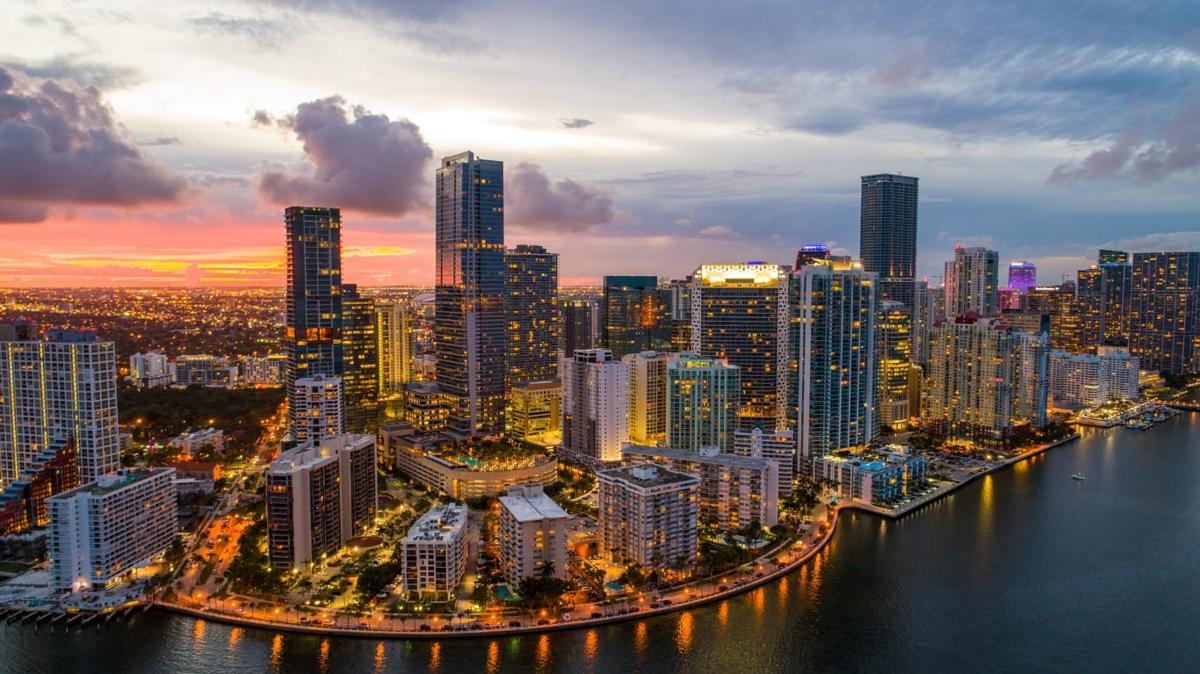
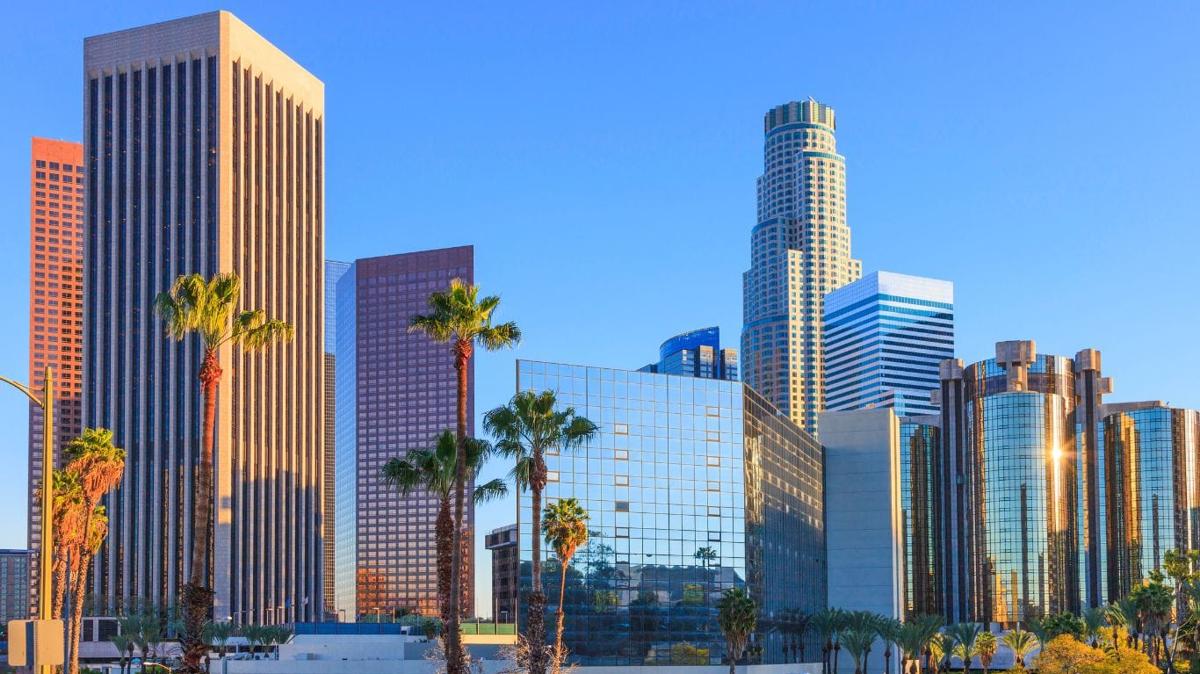
The pause is most visible in Manhattan, Miami, the West Coast premium markets, and selected Sun Belt destinations where the cross-border buyer cohort is the deepest. Aspen, Palm Beach and the Hamptons sit in the same exposure band.
The Texas Triangle (Austin, Houston, Dallas) and selected Mountain West markets have been less affected because the buyer cohort there is more domestically driven. The cohort-composition difference is the explanation.
FT Property and Bloomberg's Wealth desk have both flagged this divergence. The bifurcation between coastal trophy markets and secondary luxury clusters has firmed up through the volatility window.
The Rate Environment Context That Actually Matters
The U.S. rate trajectory through the volatility window has been more stable than many cycle-watchers expected. The Fed's 2024 to 2025 rate-cutting cycle created a meaningful runway of mortgage-rate easing that has not been disrupted by the geopolitical noise.
For the rate-sensitive cohort of U.S. buyers (broader median market, first-time buyers, second-step movers), the rate environment is neutral to constructive. The pause is concentrated in the HNW prime tier, where the rate-sensitivity is structurally lower.
The Federal Reserve's H.15 release confirms the rate trajectory. Knight Frank, Cushman and Wakefield and CBRE all flag the rate environment as supportive of the broader U.S. market through 2026 and 2027.
The Luxury-Tier Pattern the Pause Is Amplifying
The U.S. premium tier has seen its own distinctive pattern through 2025 and into 2026, with the headline luxury index sitting flatter than the broader market. The Iran-tied volatility has amplified this dynamic.
The implication for buyers is that the price-discovery window in the U.S. luxury tier is now wider than at any point in the prior cycle. Sellers of headline trophy product are meaningfully more flexible, and the bid-ask spread that defined the 2023-2024 market has compressed.
Mansion Global, Christie's International Real Estate and Sotheby's International Realty have all flagged the same maturation of the U.S. luxury market in their 2026 commentary. The cohort that recognises this early has the cleanest entry.
The Broader Cycle Context
The wider U.S. housing-market context is one of measured correction at the median and pause at the prime. The cohort that is delayed by the Iran tensions is a subset of a larger cohort that is recalibrating its underwriting on the basis of the cycle maturity. We covered this in Is The U.S. Housing Market Crashing Or Simply Correcting In 2026?.
The pause is not a crash. The structural drivers of the U.S. residential market - the supply constraint, the household-formation pipeline, the wealth-effect compounding - remain intact. What is happening is a measured recalibration of underwriting against the realised pricing.
The wider Home Flipping Slowdown Signals A Reset In The US Housing Market framework applies here. The cohort that drove the speculative bid through 2021-2023 has retreated. The cohort that is now bidding is more disciplined.
The Resolution Trajectory the Market Is Pricing In
The Iran-tied volatility resolution is the variable that the bid book is pricing against. Knight Frank's geopolitical-research desk and the Wall Street Journal's risk-analytics coverage both flag a base-case 60-to-90-day resolution window for the bid-book reconstitution.
That is the operational window U.S. luxury buyers should be working within. Acting before the resolution arrives carries the cleanest price-discovery. Waiting until the resolution materialises means acting against a reconstituted bid book.
What This Means for Buyers
U.S. luxury buyers prepared to act in the next 60 to 90 days have the strongest price-discovery window since 2022. The disciplined underwriting accounts for an extended diligence cycle, allowance for further short-cycle volatility, and concentration in supply-constrained prime inventory where the cross-border bid will reconstitute fastest.
For sellers of headline trophy product, the temporary thinning of cross-border engagement is the source of the price-discovery window. The bid will return. The window for the buyer is finite.
Christie's International Real Estate, Sotheby's International Realty, Engel and Voelkers and the established U.S. luxury brokerages all have the network. For collectors of U.S. trophy property, the volatility window is the entry. We last reviewed this analysis in May 2026.