
What the Fed's rate cut means for U.S. luxury property has already begun to surface in the financing math at the top of the market. The Federal Reserve's first rate cuts of the cycle, 50 basis points in September with additional moves expected, have moved jumbo mortgage rates meaningfully lower. The brokerage networks we have been talking to describe a clear shift in buyer behaviour, faster than most analysts expected.
The Wall Street Journal's coverage of the post-cut prime market has tracked the immediate response in the New York and Los Angeles markets. Compass and Sotheby's International Realty both report a surge of pent-up buyer activity through October and November, with multiple bidding situations reappearing on inventory that had been listed for several months. The buyer profile of high-end second-home buyers, family-office acquisition activity, and a meaningful return of foreign capital looks structurally different from the post-2020 buyer wave.
- Federal Reserve rate cuts feed through to mortgage rates with a lag, with thirty-year fixed pricing reflecting Treasury yields rather than the Fed funds rate directly.
- We see luxury property markets typically less sensitive to mortgage rate moves than the broader housing market, with cash and jumbo financing playing a larger role at the upper end.
- Jumbo loan pricing has compressed relative to conforming mortgages in 2026, with private banking lenders offering competitive terms to qualified high-net-worth borrowers.
- Rate cut cycles historically support broader housing market liquidity, with both prospective buyers and sellers feeling renewed confidence to transact at the margins.
- Wealth effect from broader asset price appreciation typically matters more to luxury property demand than direct mortgage cost shifts at the top end of the market.
- For most considered luxury buyers we view rate cuts as a marginal positive that supports broader market confidence, with the demand effect more sentiment-driven than cost-driven at this segment.
- Who is this for?
- Luxury property buyers, investors and advisers tracking how Federal Reserve policy affects the US prime market, alongside the private bankers and lenders structuring acquisitions.
- What is happening?
- A market analysis of what the Fed's rate cut means for US luxury property, covering the mortgage rate transmission, jumbo loan pricing, wealth effects and the broader sentiment implications.
- When did this emerge?
- The article covers conditions through 2025 and 2026, with reference to the recent Federal Reserve rate adjustments and the latest jumbo loan pricing data.
- Where is this happening?
- The piece covers the US luxury property market broadly, with reference to the prime markets where jumbo financing and private banking lending most directly shape transactions.
- Why does it matter?
- Luxury property responds to rate cuts more through sentiment than direct cost effects, which is why understanding the broader transmission matters more than focusing on the headline rate move.
Why jumbo rates moved more than the Fed move suggested
Jumbo mortgage rates are not the same as the federal funds rate. They track the broader rate environment plus the spread that lenders require for non-conforming loans, and that spread had widened through 2024 as banks tightened balance-sheet allocation to mortgage credit. The September cut, combined with more dovish forward guidance from the Fed, compressed the spread alongside the underlying rate.
The cumulative effect was a jumbo-rate move materially larger than the 50-basis-point headline.
JPMorgan, Wells Fargo, and the larger private banks moved rates on prime mortgage products by 80 to 110 basis points in the weeks following the announcement. For a buyer carrying a $5 million jumbo at the top of the rate cycle, the carrying-cost reduction translated to roughly $300,000 to $400,000 in cumulative interest cost over a five-year hold horizon. That is a real number even at the prime end of the market.
Where the activity has concentrated
Manhattan's prime co-op and condo markets have produced the most visible response. The Sotheby's International Realty private-client desk reports the strongest October and November in three years, with a notable thickening of the Upper East Side and Tribeca inventory pipeline. Several long-dormant Brown Harris Stevens listings cleared in the immediate post-cut window.
The pricing achieved was generally at or below the original ask, suggesting buyers are taking advantage of the financing improvement to acquire previously expensive inventory rather than driving headline prices materially higher.
The Hamptons saw a similar but more concentrated response. Compass East End reported the strongest October sales calendar since 2022, with the Sagaponack and East Hampton ocean-block inventory clearing first. Several of the trophy listings that had been on the market through summer 2024 found buyers in late 2024 and through 2025.
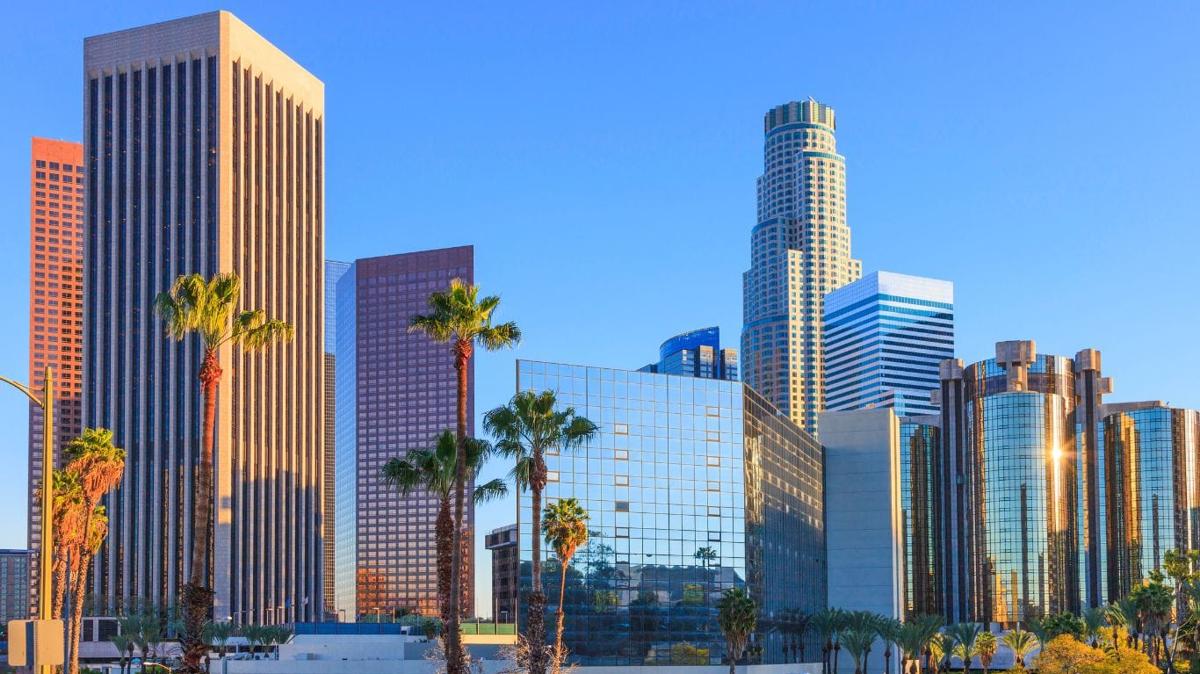
Los Angeles has been more nuanced. The post-fire Pacific Palisades market remains structurally affected, and the Beverly Hills and Bel Air prime inventory has been more resistant to repricing. What has moved is the secondary prime, including the Sunset Strip flats, the Hollywood Hills modern inventory, and the Mandeville Canyon estates that had not been actively marketed, where buyers and sellers have begun to re-engage at meeting prices.
The international buyer dimension
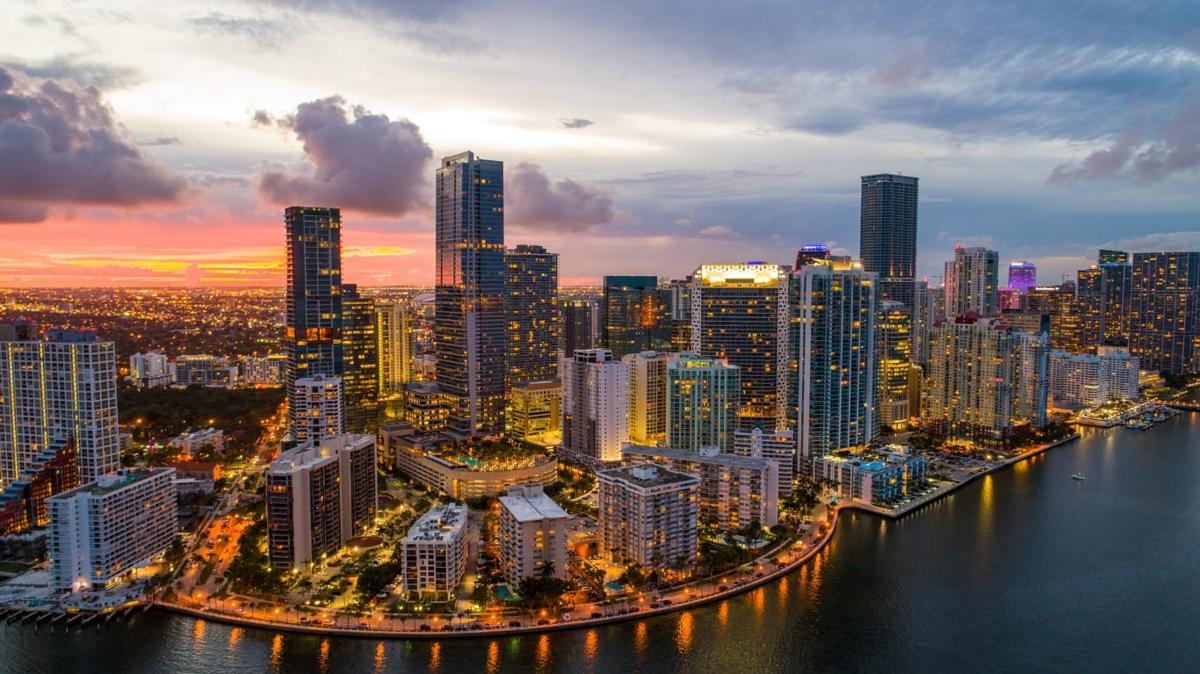
Lower US rates also tend to weaken the dollar at the margin, and that has reshaped the foreign-buyer calculation. The Knight Frank International Buyers Index for late 2024 and early 2025 tracked a renewed flow from European, Latin American, and Gulf buyers into US prime markets, with Miami and Manhattan as the primary destinations. The Brown Harris Stevens international desk describes the foreign-buyer activity through the late 2025 period as the strongest since 2022.
The Latin American buyer profile across Mexican, Brazilian, and Argentinian sources has been particularly active in the Miami secondary prime and the Manhattan condo market. Mexican buyer activity in the Miami Beach and Coral Gables submarkets ran above the 2022 pace through 2025, with prime-residential transactions concentrated in the $5 million to $15 million band tracked by Christie's International Real Estate.
What is not moving as much
Not all US prime markets have responded equally to the rate move. The Aspen and Mountain West premium ski markets have continued at their own measured pace, partly because the buyer profile there has been less rate-sensitive (cash buyers and family-office acquisitions dominate) and partly because supply-side constraints from the slow construction calendar keep the inventory tight regardless of financing conditions.
The South Florida secondary markets in Naples, Sarasota, and Palm Beach have also moved more steadily than dramatically. The buyer profile there leans towards Northeast and Midwest relocations rather than rate-driven new entry, and Mansion Global's coverage of the Palm Beach late 2025 calendar noted strong but unspectacular volume.
What this means for buyers
The post-cut prime market is what experienced market observers called this kind of move in earlier cycles: a rate-driven re-engagement, not a fundamental repricing. The buyer activity is real, the financing math is materially better than six months ago, and the brokerage networks are processing a meaningful uptick in transaction volume.
What has not happened, and what we would not expect, is a runaway upward repricing of headline values. The structural conditions that have kept the US prime market measured through 2024, including high inventory in some submarkets, slow construction calendars, and buyer pricing discipline at the trophy end, remain in place.
For buyers who had been waiting on the rate cycle, the move has opened a window. The buyers we watch most closely have responded by transacting on inventory they had been monitoring, not by chasing new pricing into headline territory. That pattern is healthier and likely more durable than the kind of momentum buying that defined the 2020 to 2022 wave.
We last reviewed this analysis in May 2026.