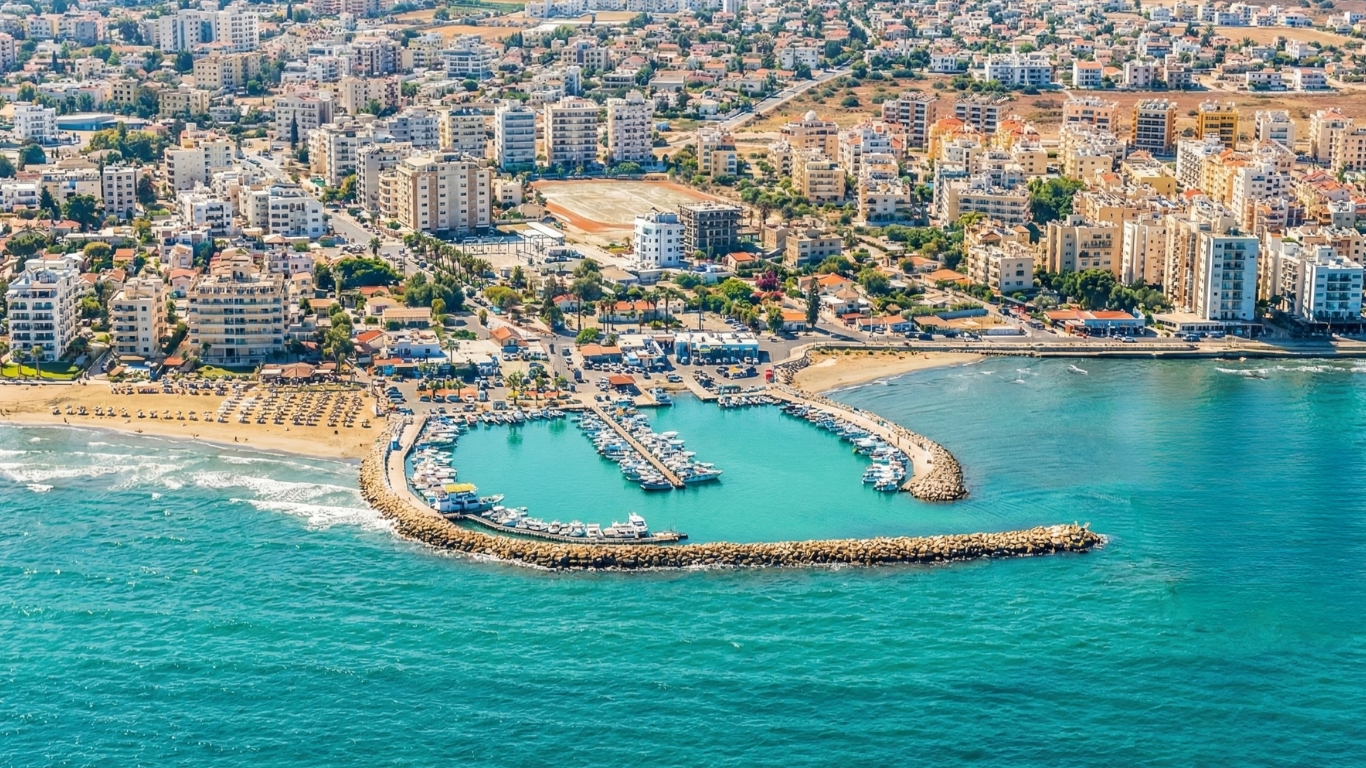
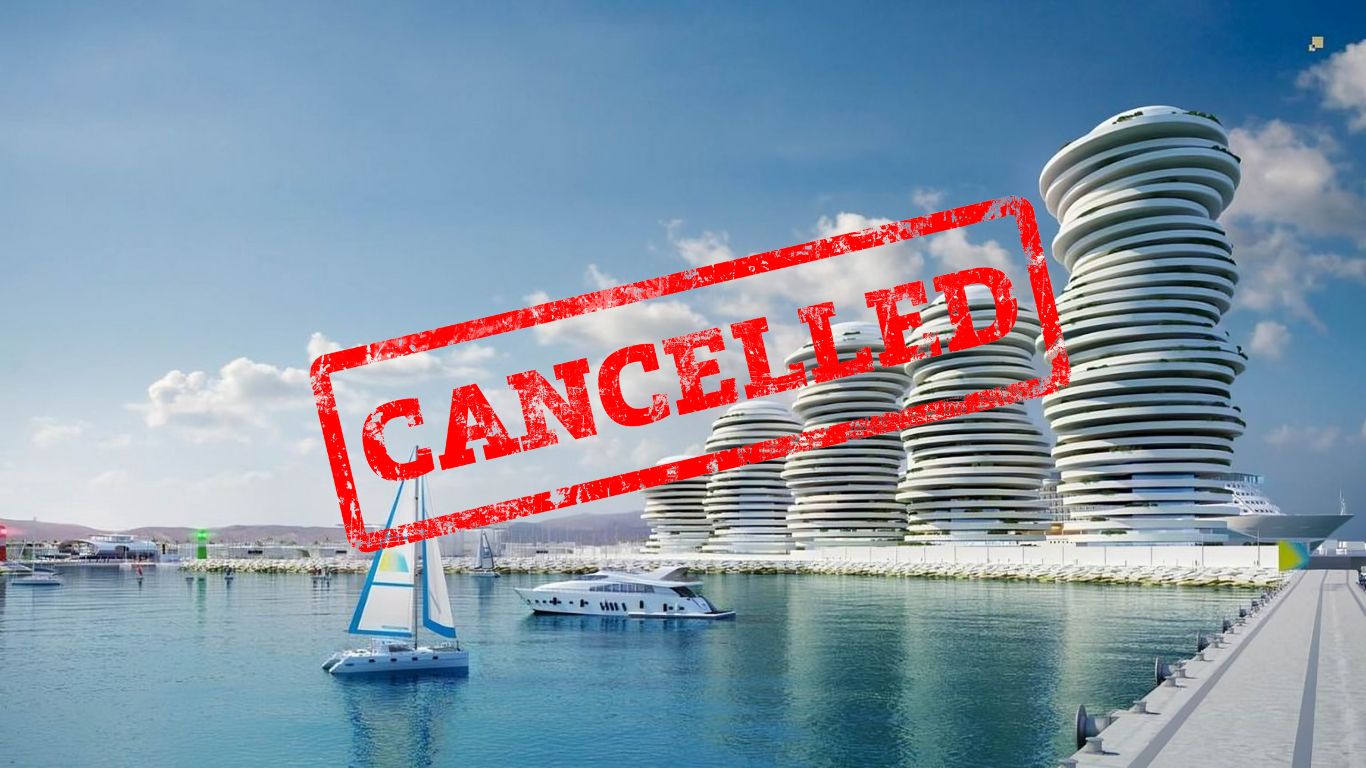

The unexpected termination of the €1.2 billion Larnaca marina project by the Cypriot government has sent shockwaves through the island’s property and investment markets. You might have expected a development of this scale to be bulletproof. But the fallout is proving far more complex than anyone anticipated, touching property values, investor confidence, and the broader economic dynamics of the entire island.
The Project and Its Termination
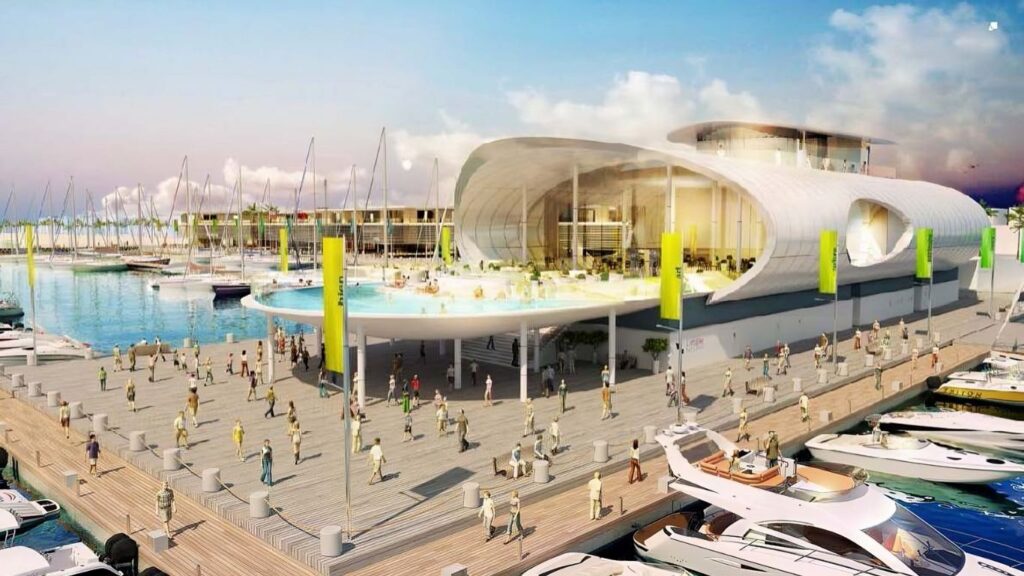
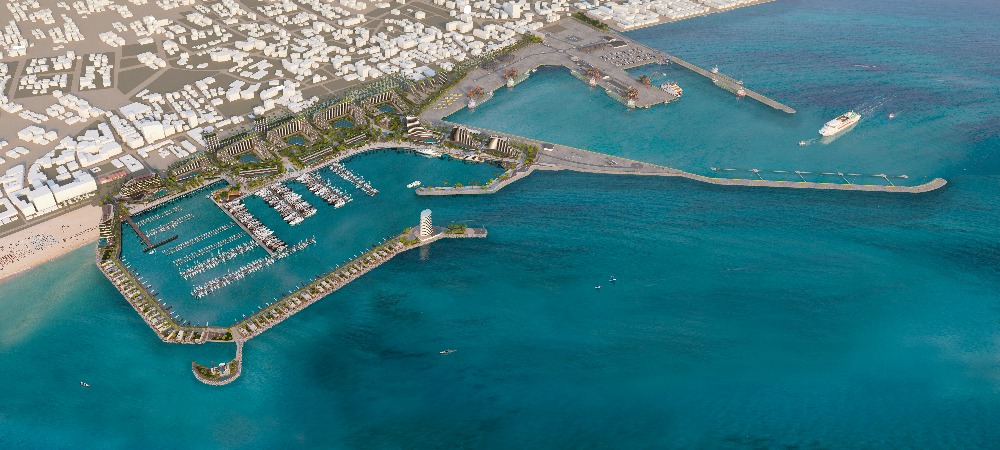
The Larnaca marina project, led by Kition Ocean Holdings, was envisioned as a state-of-the-art development blending residential, commercial, and recreational facilities into one flagship destination. It was a core part of the strategy to position Larnaca as a premier maritime and tourist hub. But the project hit serious walls, and on May 27, 2024, the Cypriot government terminated the contract. The official reason was straightforward: Kition’s repeated failures to meet the required financial guarantees.
Transport Minister Alexis Vafeades was clear in his stance, stating:
‘’The government’s decision was inevitable due to Kition’s non-compliance with financial obligations. Despite multiple warnings and opportunities to rectify the situation, Kition failed to meet the required standards, leaving us no choice but to terminate the contract’’
The government’s decision was backed by a legal opinion from the Law Office of the Republic, reinforcing the legitimacy of the termination.

Minister of transport, communications and works
Impact on Property Prices Across Cyprus
Larnaca
The immediate aftermath of the project’s termination is already cooling Larnaca’s property market. Before the contract was pulled, anticipation of the marina had pushed values upward, with investors betting on the economic lift the development promised. Now that it’s stalled, prices in Larnaca are likely to stagnate or soften in the short term. If you’re holding property there, that’s worth paying close attention to.
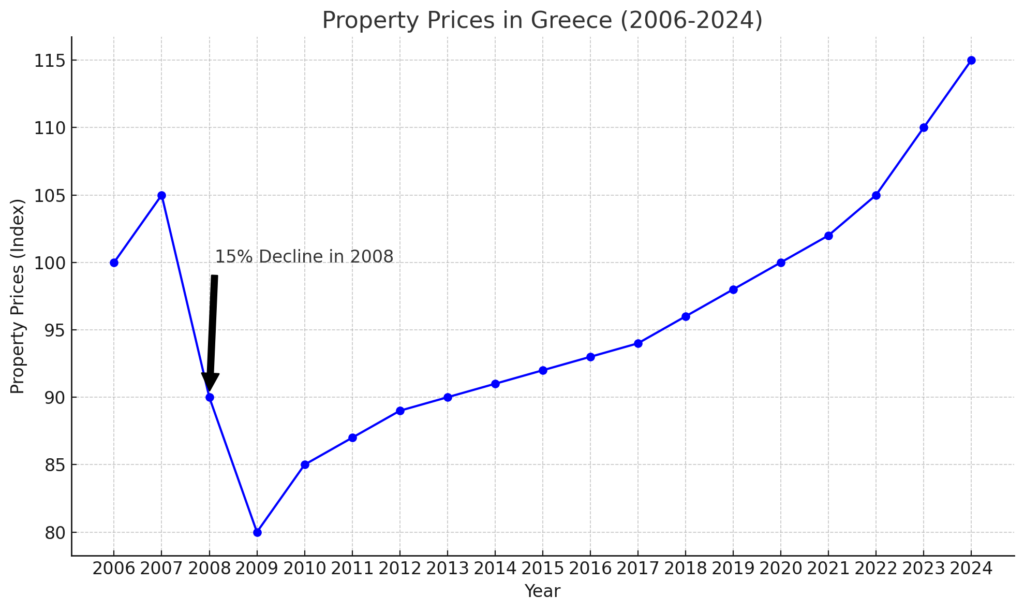
History gives you a useful reference point here. Stalled marina projects in Greece during the financial crisis saw property prices in affected areas drop by 10% to 15% in the initial phase. That’s not a small number, and the pattern is hard to ignore.
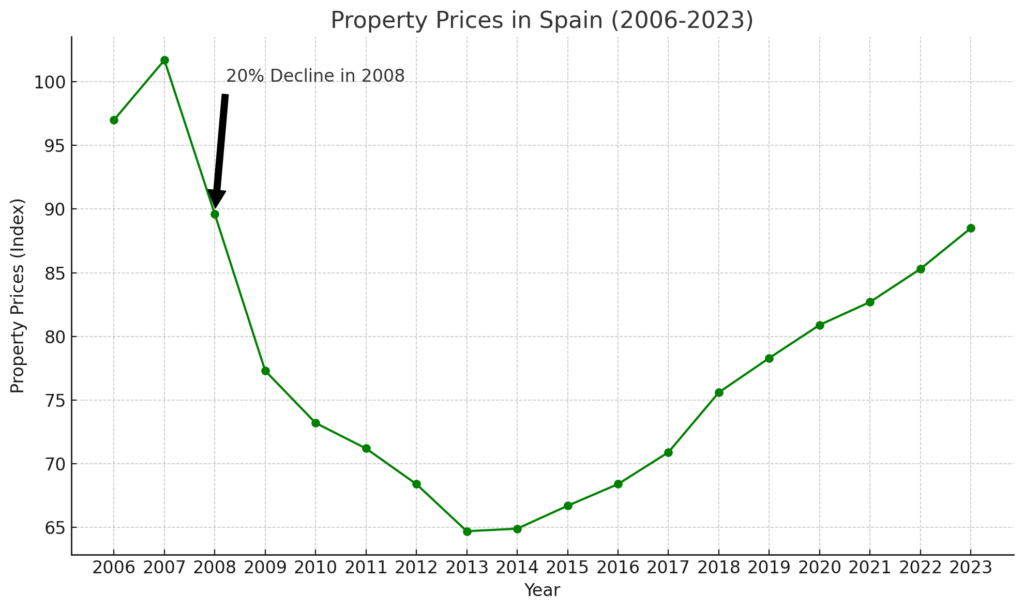
Spain paints a similar picture. Halted developments during the 2008 financial crisis triggered property price declines of up to 20% in the immediate vicinity of those projects. The closer you were to the stalled site, the harder you felt it.
Larnaca could follow a comparable path in the near term. The psychological effect alone can compound the damage, as potential buyers sit on their hands fearing further instability. That said, the long-term picture could look very different. If a credible new investor steps in and the project gets moving again, you could see the negative trend reverse faster than expected.
Limassol
Limassol, on the other hand, is well-positioned to benefit from Larnaca’s misfortune. Already an established economic engine, Limassol could absorb a lot of the displaced investor interest now looking for more stable ground in Cyprus. That increased demand has a natural upward effect on prices, and Cyprus’s growing profile among diaspora investors only adds fuel to that dynamic.
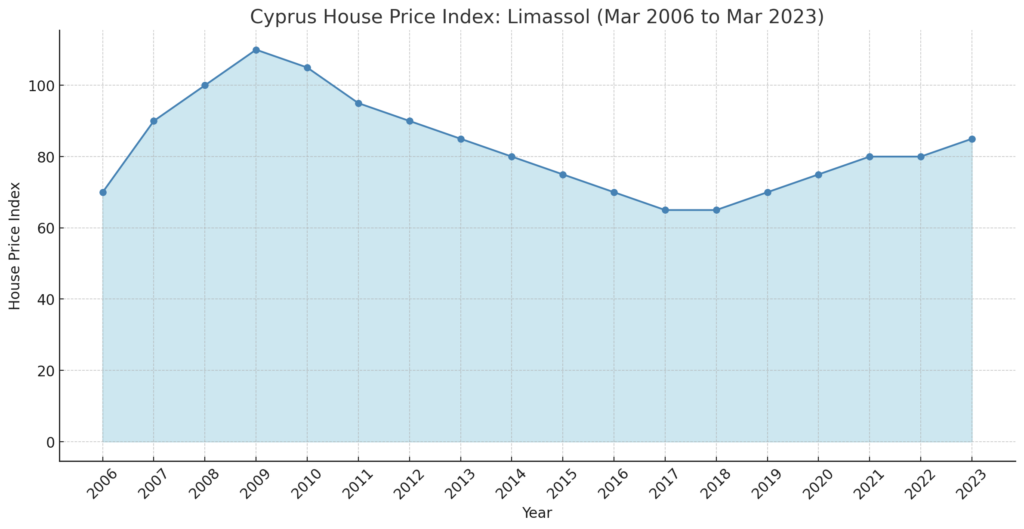
The data from Cyprus’s 2013 financial crisis backs this up. Limassol bounced back faster than most other regions, largely thanks to its established infrastructure and economic activity. Property prices there rose 5% to 10% within two years post-crisis as investors gravitated toward safer ground. You could be looking at a replay of that pattern.
Nicosia and Paphos
Nicosia and Paphos are likely to feel secondary effects from all of this. Nicosia, as the capital and administrative center, could see a modest uptick in business relocations and investor interest, particularly in commercial real estate. Paphos, with its strong tourism credentials and reputation for wellness retreats, could attract more tourism-focused investment, giving property prices a gentle nudge upward. Worth noting: Paphos has already seen a small but unexpected rise in interest around Polis Chrysohous and Latchi, where you can find reasonable pricing for yacht and boat rentals.
Looking back at the 2013 crisis, Nicosia held relatively steady due to its administrative weight, while Paphos recovered quickly on the back of renewed tourism investment. Both cities could see values rise 2% to 5% as investor focus continues to shift. Not dramatic, but meaningful if you’re watching your portfolio closely.
Famagusta
Famagusta has historically been less exposed to large-scale project volatility, and that insulation could work in its favor here. The city might attract investors hunting for alternative opportunities within Cyprus, though the scale of that interest will likely be smaller than what Limassol or Nicosia sees. Expect a slight uptick in prices rather than a surge.
Investor Confidence and Opportunities
The Larnaca marina fallout creates a genuine split among investors. On one side, you have real risk and uncertainty. On the other, you have the kind of entry-point opportunity that only shows up when things go sideways.
Loss of Confidence
For a lot of investors, the termination of the Larnaca marina project raises a fundamental question about the reliability of large-scale commitments in Cyprus. High-profile failures like this send ripples outward, and they can put off investors who would otherwise see Cyprus as a stable, attractive destination for serious capital.
Kition Ocean Holdings expressed this sentiment strongly, stating:
“The government’s behavior undermines investor confidence and the rule of law. Such actions are detrimental to the investment climate in Cyprus and could have long-lasting negative effects”
That statement cuts to something real. When government actions feel unpredictable, trust erodes, and trust is the foundation everything else is built on.
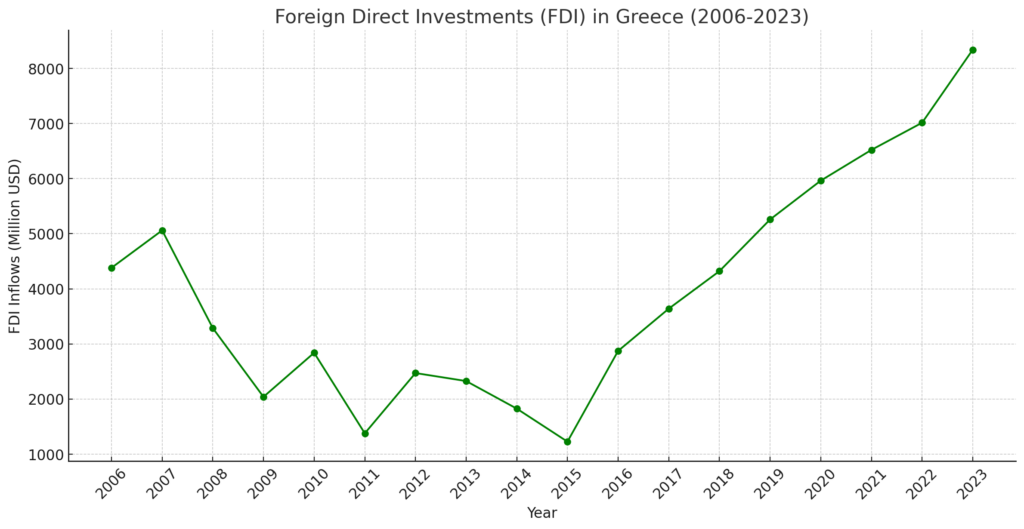
The historical record on this is sobering. During the Greek financial crisis, a string of halted infrastructure projects triggered a sharp decline in foreign direct investment into Greece. Investors didn’t just pause. Many walked away entirely.
Spain went through something similar around 2008 and into 2009. Stalled real estate developments dented investor confidence badly, and the FDI graph tells the full story. The government extended talks and tried to keep things moving, but by late 2009 heading into 2010, the drop was unmistakable. Cyprus risks a comparable sequence if it doesn’t move decisively.
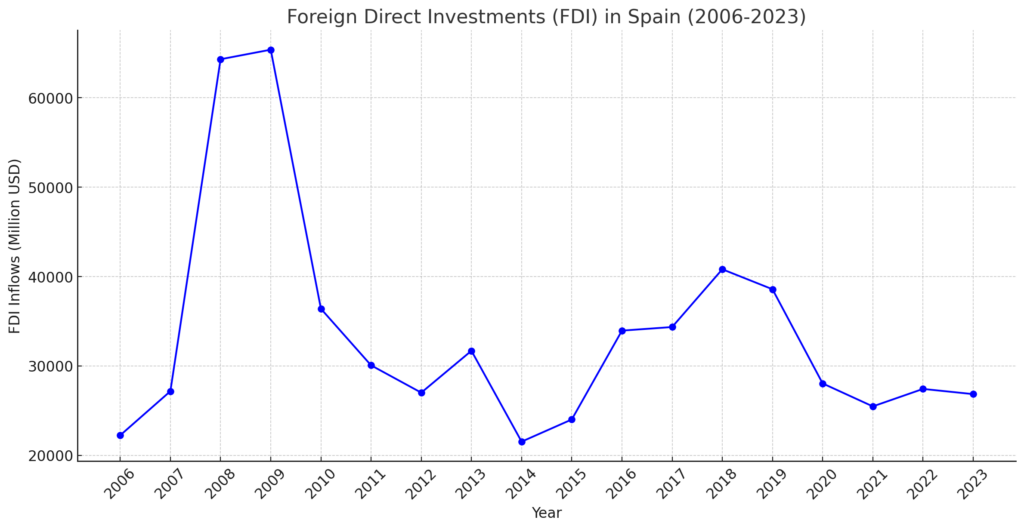
The erosion of trust here might not stay confined to real estate. It could bleed into tourism, infrastructure, and financial services too. The Cypriot government needs to act with clarity and speed to reassure investors and stabilize the environment before the uncertainty spreads further.
Opportunistic Investments
Flip the lens, though, and the disruption creates real openings for investors who can stomach short-term turbulence. The government’s move to seek new partners for the Larnaca marina project could mean favorable terms for anyone willing to step in early. If you know how to ask the right questions before committing capital, this is exactly the kind of moment worth scrutinizing.
“The government is committed to seeing this project through and ensuring it becomes a cornerstone of economic growth in Larnaca’’
Transport Minister Alexis Vafeades signaled a proactive approach to finding new investors and keeping project continuity intact. That posture matters. It tells you the government wants this resolved, not buried.
History rewards early movers in situations like this. After the Greek financial crisis, investors who stepped into stalled projects at depressed prices saw strong returns as the economy found its footing. Italy followed a similar arc, with halted coastal developments eventually revitalizing and pushing property values past their previous highs once new policies and capital took hold.
Cyprus could follow that same trajectory. If you’re in a position to act while Larnaca’s property values are under pressure, the upside once the project resumes and the market normalizes could be substantial. The window for that kind of entry doesn’t stay open forever.

The government’s stated commitment to tightening contractual safeguards and improving compliance standards is also worth taking seriously. A more secure investment framework makes Cyprus more attractive across the board, and that benefits everyone with exposure to the island’s market.
As many analysts say:
Even the less appealing projects can be gold to the right investor; it all depends on their appetite for risk. In the world of investment, one person’s trash can truly be another’s treasure, revealing untapped potential where others see only pitfalls. Needless to say, many of the wealthiest individuals today are high-risk takers with a calculated approach.
Attracting New Businesses
Despite the setback, Cyprus still holds a strong hand for attracting international business. Its strategic location, favorable tax regime, and solid legal framework have made it a genuine hub for financial and maritime sector corporations. Developments like the Larnaca marina matter because they reinforce and accelerate that positioning. Without them, the island has to work harder to compete.
How the government handles the transition from here will define the next chapter. By showing a clear commitment to resolving the dispute and moving forward with new investors, it can limit the damage. Transparency about what comes next is not optional at this point. It’s essential for holding onto the confidence of investors already on the island and drawing in new ones.
Many analysts are not overly concerned about Cyprus’s ability to attract new businesses. The island already has two functioning marinas, and that gives it a baseline that many competing destinations can’t match. That said, industry experts are watching closely, and their read on the situation is worth hearing.
‘Larnaca’s unfortunate position will, of course, benefit other cities. Investors who choose to come to Cyprus will still come here, just invest in another city.’”
Analysis of Land and Development Prospects
Land Value and Development
The marina project’s collapse has put a temporary chill on land values in Larnaca. Developers are likely to hold back on new commitments until a clear path forward emerges. But if the government moves quickly to secure a credible replacement investor, that chill could thaw faster than you’d expect. Meanwhile, Limassol and Nicosia are likely to see continued or even accelerated land development activity as capital seeks safer ground within Cyprus.
Economic Diversification
For Cyprus to bounce back fully, it needs to broaden its economic base beyond tourism and real estate. Targeted investment in technology, education, and renewable energy can build more durable long-term growth. The government’s proactive handling of the marina transition, if it plays out well, is a meaningful signal that policymakers understand what’s at stake.
Regional Impact and Comparisons
The Larnaca marina fiasco will reshape Cyprus’s regional economic dynamics in ways that are still unfolding. But you can get a clearer sense of where things might land by looking at how similar Mediterranean markets have handled comparable disruptions.
Greece offers a useful case study. Several stalled marina projects during the economic crisis of the 2010s triggered a temporary dip in property prices, followed by a strong rebound once the broader economy stabilized. Investors who entered during the downturn and held through the recovery saw substantial returns as projects resumed and values surged. The Financial Times has tracked similar recovery cycles across Southern European real estate markets, and the pattern is consistent.
Italy followed a comparable arc. Halted coastal developments initially dragged local real estate values down, but government intervention and new investment policies eventually brought those areas back to life, with prices not just recovering but exceeding prior highs in several locations.
Cyprus can draw real lessons from both examples. Robust investment policies and swift resolution of contractual disputes are what separate a managed setback from a prolonged decline. Get those right, and the island can come out of this stronger than it went in.
Strategies for Rebounding
Analysts who have worked through similar situations have outlined several strategic measures Cyprus could implement to rebuild investor confidence and stabilize its position. These are not theoretical. They are drawn from what has actually worked in comparable markets.
- Government Assurance: The Cypriot government must provide assurances and transparent communication about the future of the Larnaca marina project. Clear timelines and potential incentives for new investors can help restore confidence.
Transport Minister Alexis Vafeades emphasized, “We are committed to seeing this project through. Our goal is to ensure that the marina and port of Larnaca become the jewels they were meant to be”. - Diversification of Investment Portfolios: Encouraging investments in diverse sectors can mitigate the impact of any single project’s failure. This approach can attract different types of investors and ensure more stable economic growth. Initiatives to boost technology, renewable energy, and the educational sector can provide new growth avenues.
- Improved Contractual Safeguards: Future contracts should include stronger financial guarantees and penalties for non-compliance to protect against similar occurrences. Establishing clear and enforceable agreements will be crucial in attracting and retaining investor interest.
Conclusion
The termination of the Larnaca marina project is a real blow, but it also shines a light on where Cyprus’s investment framework needs strengthening. Address those gaps, and the island doesn’t just recover. It comes out the other side as a more credible and resilient destination for serious capital. You can also look at how offshore structures are being used to navigate exactly these kinds of market disruptions in Mediterranean real estate.
How well Cyprus attracts new businesses and sustains economic momentum from here depends almost entirely on how it manages this period of uncertainty. Strategic planning, transparent communication, and a genuine push toward economic diversification are the levers. Pull them well, and this episode could become the catalyst for something much better than what the original project would have delivered.
Based on current indicators, expect a meaningful drop in Larnaca property prices, potentially up to 17%. Seaside cities with established marina infrastructure, like Limassol and Famagusta, should see stronger traction as investor attention redistributes. The logic is straightforward: investors typically select the country first, then the city, and Cyprus as a whole still has a compelling case to make. The final picture is still forming.
This article was produced by a team of real estate analysts, economists, and investment experts. It is written for educational purposes only, and none of the 22 contributors to this article nor The Luxury Playbook are providing any form of financial advice. All content is grounded in verified facts and cross-checked sources.