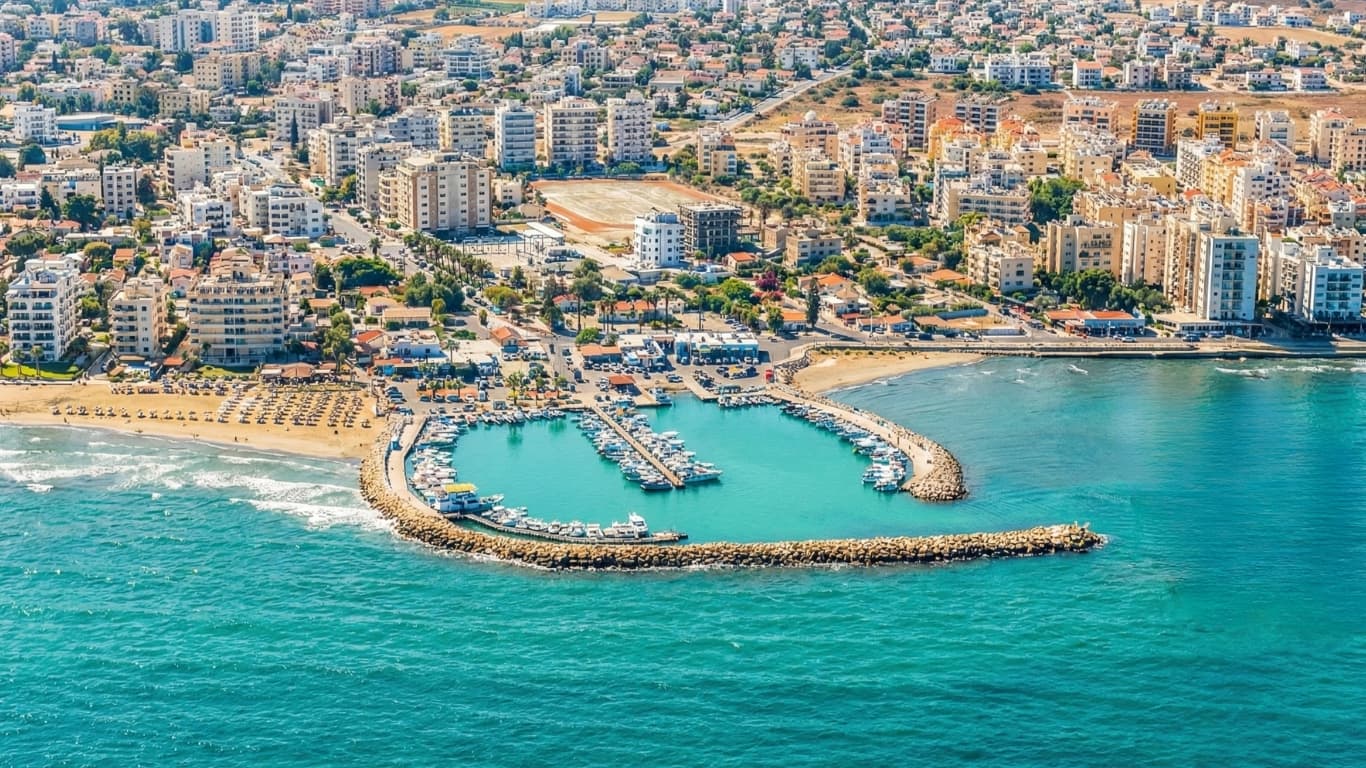
The cost of living in Cyprus is the lens here, and the case reads cleanly against the Northern European comparison set. Cyprus gives you a genuine Mediterranean lifestyle at a price point that actually makes sense. In Limassol, the priciest city on the island, a family of four needs roughly €3,000 a month to live comfortably, and that’s before you factor in rent.
Your major expenses will span housing, utilities, groceries, transport, healthcare, education, and taxes.
Getting a clear picture of each one is essential before you make any moves. Rental prices run from €550 to €1,600 for a city-center one-bedroom apartment, while utilities average around €200 a month. Public transport is easy on the wallet, with a single ticket costing between €1.
50 and €2.40. Groceries, though they vary by shop and season, are meaningfully cheaper than in most other European countries.
When you eat out, you can spend anywhere from €10 to €80 depending on where you go. Healthcare is broadly affordable across both public and private options, and education costs swing widely based on whether you choose the state system or an international school. And the tax setup?
A 12.5% corporate rate plus real incentives for expatriates make Cyprus one of the more financially welcoming places in Europe.
- The cost of living in Cyprus remains attractive relative to most Western European countries, with Limassol typically running slightly higher than Nicosia, Paphos and Larnaca.
- We see typical Cypriot household running costs sitting roughly twenty to thirty-five percent below comparable expenses in London, Paris or Frankfurt for similar lifestyle levels.
- Property taxes, healthcare costs and utility bills remain modest by European comparison, which supports the all-in living economics for relocators across most income bands.
- Cypriot non-dom tax regime offers substantial advantages for international relocators with passive income, with the framework supporting high-net-worth principal relocation flows.
- Limassol cost premium reflects its position as the international business and lifestyle hub, with Nicosia, Paphos and Larnaca offering more accessible cost profiles.
- For most considered international relocators we view Cyprus as offering one of the better value-for-quality combinations across the Mediterranean for both retirement and active lifestyles.
- Who is this for?
- International relocators considering Cyprus as a residence destination, alongside the tax advisers, immigration lawyers and family office staff coordinating those moves.
- What is happening?
- A practical read of the cost of living in Cyprus, covering Limassol, Nicosia, Paphos and Larnaca alongside healthcare, utilities, taxation and lifestyle considerations.
- When did this emerge?
- The article reflects current cost-of-living conditions through 2025 and 2026, including the latest Cypriot tax frameworks affecting foreign residents.
- Where is this happening?
- The piece covers Cyprus broadly, with reference to the cost variations across Limassol, Nicosia, Paphos and Larnaca.
- Why does it matter?
- Cost-of-living realities shape the practical case for relocation, which is why understanding the all-in economics matters more than headline tax advantages alone.
Housing Costs in Cyprus
The housing market in Cyprus gives you genuine choices, whether you’re looking to rent or plant roots by buying. Renting suits expatriates who want flexibility and the freedom to move around the island or leave without friction. Buying, on the other hand, starts to look very attractive once you picture yourself staying for the long haul.
Either way, getting a firm grip on the numbers, from rental prices through to property investment returns, is the smartest first step you can take.
Renting vs. Buying
A one-bedroom apartment in a city center will run you an average of €908.81 a month in rent. Step outside the city center and that figure drops noticeably, landing closer to €700 to €800 per month.
Buying is a bigger upfront commitment, but it can meaningfully reduce what you spend over the long term. The right answer depends entirely on where you are financially and how long you’re planning to stay.
Average Rental Prices
Rental prices across Cyprus shift quite a bit based on location and how much space you need. A one-bedroom apartment in a city center will set you back anywhere from €550 to €1,600 per month. Pull back from the centre and the same kind of unit falls to a range of €450 to €1,200.
Suburbs offer the most breathing room for your budget, with average rents sitting around €698.20. You can explore the Nicosia real estate market overview for a deeper look at how the capital’s rental figures stack up against the broader island.

Property Prices
If buying is on your radar, city-center apartments in Cyprus price out at roughly €171.87 to €418.06 per square foot.
Suburban areas come in around €190.07 per square foot, which translates to approximately €2,300 to €2,500 per square meter in the city versus €1,700 in the suburbs. The spread tells you a lot about the variety baked into Cyprus’s real estate market and why location decisions matter so much here.
Here’s a snapshot of average prices
| Location | Rent (1-Bedroom) | Property Price (Per Sq Ft) |
|---|---|---|
| City Center | €908.81/month | €171.87 – €418.06 |
| Outside City Center | €700-€800/month | €190.07 |
Whether you’re renting or buying, your housing choice will shape everything else about your finances on the island. Renting gives you agility. Buying builds equity and locks in your cost base.
Neither decision is wrong, but both need to sit squarely within your financial goals and lifestyle preferences before you commit. Getting that alignment right is what sets a smart move to Cyprus apart from an expensive mistake.

Utility Bills in Cyprus
If you’re budgeting for life in Cyprus, utilities deserve a closer look. Your monthly costs will cover electricity, water, heating, cooling, garbage collection, broadband internet, and your mobile plan. Here’s what you can realistically expect to pay.
Electricity and Water
For a standard apartment around 915 square feet, budget roughly €200 a month to cover your core utilities. That figure bundles electricity, heating, cooling, water, and garbage disposal. In practice, your bill could land anywhere between €115 and €300 depending on your usage habits and which provider you go with.
Summer months tend to push that number toward the higher end as air conditioning runs hard through July and August.
| Utility | Average Monthly Cost (€) |
|---|---|
| Electricity | 50-60 |
| Water | 25-30 |
| Heating/Cooling | approx. 1500 (annual) |
| Garbage Disposal | 100 (annual) |
| Sewerage Maintenance | 80 (annual) |
Internet and Mobile Plans
On top of your core utilities, communication services add a predictable line to your monthly budget. High-speed broadband runs about €35 per month, and a mobile plan with solid data coverage averages around €20. Shopping around across the main providers in Cyprus is worth the time since deals vary and promotional rates are common.
| Service | Average Monthly Cost (€) |
|---|---|
| Internet (60 Mbps+) | 35 |
| Mobile Plan | 20 |
| Landline & Digital TV | 40-50 |
Stacked up against other European countries, monthly utility costs in Cyprus offer solid value. Whether you’re weighing electricity and water alone or factoring in your full communications setup, the options are flexible enough to be shaped around your household’s actual needs without blowing the budget.
Get a personalized property consultation
Transportation Expenses in Cyprus
Transport is one of those costs that can quietly add up or stay very manageable, depending on the choices you make. In Cyprus, you have three main paths: public transport, owning your own car, or relying on taxis. Each one lands differently on your monthly budget, so it’s worth mapping out which approach fits your lifestyle before you arrive.
Public Transport Costs
Public transport in Cyprus is genuinely affordable. A single local bus ticket costs between €1.50 and €2.
40, which makes it a practical option for everyday commuting. If you’re moving around frequently, a monthly pass runs from €40 to €50 and gives you unlimited use of buses across the island. For many residents, that’s the sweet spot.
Cost of Owning a Car
Owning a car gives you freedom, but it comes with a real cost. A new Volkswagen Golf 1.4 or something comparable will set you back roughly €24,000 to €26,900.
Then there’s fuel on top of that, currently running from €1.36 to €1.60 per liter.
Factor in insurance and maintenance and you’ll want to be deliberate about whether the flexibility is worth the ongoing outlay.
Taxi Services
Taxis are a solid fallback for shorter trips or when the bus schedule doesn’t work for you. Starting fares sit between €4.50 and €10.
00, with the final cost depending on distance and time. They’re pricier than public transport but convenient when you need a direct, no-fuss route across town.
| Expense | Cost Range (€) |
|---|---|
| One-way Ticket (Local Transport) | 1.50-2.40 |
| Monthly Pass (Regular Price) | 40.00-50.00 |
| Taxi Start (Normal Tariff) | 4.50-10.00 |
| Gasoline (1 liter) | 1.36-1.6 |
| Volkswagen Golf 1.4 (Or Equivalent New Car) | 24,000.00-26,900.00 |
Grocery Prices in Cyprus
Food costs are one of the more pleasant surprises when you start breaking down life in Cyprus. Prices shift depending on where you shop, and local markets consistently undercut the big supermarkets on fresh produce and everyday staples. Cyprus has built a reputation as a destination that rewards residents who take the time to shop smart.
Common Grocery Items
At the supermarket, a liter of milk runs between €1.13 and €2.50.
A kilogram of fresh white bread lands somewhere from €2.00 to €6.27.
A dozen large eggs will cost you about €4.63, while potatoes come in at €1.39 per kilogram.
Boneless chicken breast goes for roughly €5.03 per 500 grams. And local halloumi, a staple of the Cypriot table, sits at around €9 per 500 grams.
| Item | Quantity | Average Price (€) |
|---|---|---|
| Milk (regular) | 1 liter | 1.626 |
| Fresh White Bread | 1 kg | 3.77 |
| Eggs | 1 dozen | 4.63 |
| Potatoes | 1 kg | 1.39 |
| Chicken Breast | 500 gr | 5.03 |
| Local Cheese | 500 gr | 9.00 |
Price Comparison with Other Countries
Put Cyprus side by side with the UK or the US and grocery prices here come out meaningfully lower across most categories. You’re not sacrificing quality to save money either. The island’s food market pulls in a strong mix of local produce and imported goods, so your weekly shop can be both affordable and genuinely excellent.
Understanding what you’ll spend at the supermarket each month makes the rest of your budgeting far easier. Cyprus gives you a wide range of shopping environments, from small local markets to large modern supermarkets, covering every dietary preference and household size. That combination of value and variety is a genuine draw for anyone thinking about relocating.
Get a personalized property consultation
Dining Out Costs in Cyprus
Cyprus has a dining scene that genuinely punches above its weight. You’ll find everything from no-frills local tavernas to polished mid-range restaurants with serious menus, plus the usual international fast-food chains for when convenience wins. Whatever your mood or budget, the island feeds you well.
Eating at Inexpensive Restaurants
Budget-friendly restaurants in Cyprus make casual dining a real option for daily life, not just a special occasion. Meals range from €10 to €30, with a typical sit-down lunch or dinner averaging around €15. For residents and travelers alike, that’s a very reasonable number for a proper, freshly cooked meal.
Costs at Mid-Range Restaurants
Mid-range restaurants are where Cyprus really shines. For a three-course dinner for two, expect to spend between €40 and €80, with €60 being a fair average. The menus mix local Cypriot cuisine with international influences, and the quality consistently justifies the price.
These are the spots worth knowing for a proper night out.
Fast Food Options
Global chains like McDonald’s are well established in Cyprus, and a standard combo meal will cost you around €7.50, with prices spanning €7 to €9. It’s a quick, predictable option when you’re between meetings or just not in the mood to cook.
Drinks factor into your dining budget too. A domestic beer runs about €3.50, while an imported beer sits closer to €4.
50. If you’d rather skip the alcohol, a cappuccino averages €3.41 and a Coke or Pepsi comes in at roughly €1.
82.
From a quick bite to a proper dinner, the dining options in Cyprus stretch comfortably across budgets and occasions. The island’s food culture rewards you whether you’re eating simply or celebrating something worth marking.
Get a personalized property consultation

Healthcare Costs in Cyprus
Healthcare is one of the most important costs to understand before you relocate anywhere, and Cyprus gets this right in ways that many expatriates don’t expect. The island runs both a public and a private system, each with distinct advantages and price points worth knowing before you commit.
Public vs. Private Healthcare
Cyprus’s public healthcare system covers citizens and registered residents at no direct cost. That said, many expatriates opt for private care once they’re settled, drawn by shorter waiting times and a more personalised experience. On the private side, a visit to a general practitioner typically costs between €40 and €50.
Dental work runs from €100 to €200 for standard treatments. A hospital stay in a private facility averages €200 to €250 per day. And if you’re planning a family, private childbirth costs fall in the range of €4,000 to €5,000.
Health Insurance
A private health insurance plan smooths out those costs considerably. Annual premiums for individual coverage vary from €200 to €900, shaped by your age and the level of cover you choose. It’s one of those expenses that feels manageable in isolation but delivers real financial protection when you actually need it.
Stacked up against healthcare costs in the US or much of northern Europe, Cyprus comes out looking very reasonable. Pair that with accessible health insurance options and you end up with a system that delivers quality care without the kind of financial exposure that follows you in other high-cost countries.
Entertainment Costs in Cyprus
Downtime in Cyprus can be as lean or as generous as you want to make it. The island offers a broad mix of cultural experiences, outdoor activities, and fitness options that suit a wide range of tastes and budgets.
Leisure Activities
Museum admissions and entry to tourist attractions typically run between €10 and €12. Cinema tickets average around €10. Neither will put a dent in your monthly budget, and Cyprus has enough of both to keep things interesting.
Fitness and Sports
Staying active in Cyprus is genuinely affordable. A monthly gym membership averages €60.15, which is well below what you’d pay in most Western European capitals.
Tennis court hire runs about €23.75 per hour. The cost of keeping fit here is low enough that there’s no excuse not to.
The range of leisure and sports options on the island means you can stay engaged and active without watching your entertainment budget spiral. Cyprus rewards curiosity, whether you’re exploring ancient sites or logging miles in a well-equipped gym.
| Activity | Average Cost |
|---|---|
| Museum Entry | €10-€12 |
| Movie Ticket | €10.00 |
| Fitness Club Membership (Monthly) | €60.15 |
| Tennis Court Rental (1 Hour) | €23.75 |
Get a personalized property consultation

Education and Childcare Expenses
If you’re moving to Cyprus with children, education costs will be one of the more consequential line items in your planning. The public school system runs from elementary through to high school at no cost, which is a real advantage for families who qualify. Private options exist at every level and carry very different price tags.
Public vs. Private Education
State schooling gives your children a solid education from primary right through to secondary level, all without fees. That said, many expatriate families choose private schools for the bilingual programs, international curricula, and overall environment. Private kindergarten starts at around €200 per month, while private primary school fees begin at roughly €500 monthly.
For families set on the best possible academic foundation, that’s a meaningful but often justifiable investment.
Cost of Childcare
Childcare costs in Cyprus depend heavily on what you’re looking for. A private preschool averages €416.44 per month.
International schools sit considerably higher, at around €7,202.68 per year per child. Those are real numbers that need to sit inside your family budget honestly.
Most parents who make that choice do so with their children’s long-term development clearly in mind. For more on how long-term financial planning connects to lifestyle decisions like this, it’s worth thinking through your full picture before committing.
| Expense Type | Average Monthly Cost (€) | Average Annual Cost (€) |
|---|---|---|
| Private Kindergarten | 416.44 | 4,997.28 |
| Private Primary School | 600 | 7,202.68 |
| Public School | 0.00 | 0.00 |
Taking the time to map out educational costs properly is one of the most valuable things you can do before relocating with a family. Cyprus gives you real options across the full spectrum, from cost-free public schooling to internationally accredited private institutions, and knowing where you want to land makes every other financial decision easier.
Taxes in Cyprus
Cyprus’s tax setup is one of the most compelling arguments for making the move, whether you’re coming as an individual or relocating a business. The corporate tax rate sits at 12.5%, putting Cyprus in the same bracket as well-known low-tax jurisdictions across Europe.
Non-residents only pay tax on income earned from Cypriot sources, which is a meaningful advantage for anyone with income streams based elsewhere. Structuring your assets efficiently becomes far more rewarding in an environment like this.
Income Tax
Personal income tax follows a tiered structure. Income up to €19,500 attracts a 0% rate, while earnings above €60,000 top out at 35%. For high earners relocating to Cyprus for the first time, the benefits get notably generous.
Non-residents receiving salaries above €100,000 qualify for a 50% reduction on that income, applicable for ten years. Expatriates working in Cyprus for the first time can also claim a 20% deduction, capped at €8,550, off gross taxable income for five years. These are the kinds of structural advantages that attract serious international talent and make Cyprus worth a proper look from a wealth planning perspective.
VAT and Other Taxes
The standard VAT rate in Cyprus is 19%, though certain categories including some housing rentals, financial services, and medical care sit outside the VAT net entirely. Cyprus has also done away with estate, wealth, gift, and inheritance taxes, which is a rare and genuinely attractive feature for high-net-worth residents. Property owners pay an annual municipal fee ranging from €60 to €150 but face no additional yearly property taxes beyond that.
Capital gains tax is also exempt in specific situations, including family gifts, charitable transfers, and inherited property. Taken together, these policies make Cyprus one of Europe’s more tax-efficient jurisdictions for residents serious about protecting and growing their wealth.
What this means for buyers reading the cost of living in Cyprus
The cost of living in Cyprus rewards buyers who weight Mediterranean climate, EU membership and tax-efficient residency over the higher headline costs of the Northern European prime cities. Limassol is the priciest postcode on the island, Nicosia offers the strongest value, and Paphos sits between the two. Knight Frank Cyprus, Numbeo and the Cyprus Statistical Service all publish current reads worth tracking together.
We last reviewed this analysis in May 2026.


Savvas Agathangelou
Savvas Agathangelou co-founded The Luxury Playbook and has spent years reporting from the prime postcodes the magazine covers — Mayfair, Knightsbridge, the Athens Riviera, Dubai's Palm crescents, and the southern Mediterranean coastlines where the world's wealthy keep coming back. His background is in international hospitality, and that frame shapes how he writes about property: the developer's choices, the architect's signature, the agency's bench of named brokers, the building's service standard once the buyer moves in. He files developer spotlights, agency profiles, and the seasonal "Properties That Defined" listicles, and he hosts the magazine's founder-and-leadership interviews on the Voices side.