
Investing is one of the most powerful tools you have for building real wealth. But it also comes with genuine risks, and the difference between those who win and those who don’t often comes down to the questions they ask before committing their capital. Whether you’ve been investing for decades or you’re just finding your footing, the right questions sharpen your thinking, protect your downside, and keep your portfolio aligned with what actually matters to you.
What follows is a close look at the questions every serious investor needs to be asking, with the kind of detail that turns good intentions into sound decisions.
- A disciplined investor asks structured questions about every investment opportunity, from business quality and management track record to valuation and competitive position.
- Risk-focused questions cover position sizing, correlation with existing holdings, liquidity profile and the maximum loss that would be tolerable on the position.
- Process questions examine the investor’s own thesis, the catalysts that would prove it right or wrong and the exit conditions that would close the position.
- Macro context questions consider how the investment behaves across different economic regimes, interest rate environments and geopolitical scenarios.
- Behavioural questions challenge the investor’s own biases, herd thinking and the temptation to invest based on narrative rather than evidence and analysis.
- A written checklist of fifteen core questions, applied consistently to every potential investment, is one of the most powerful tools any serious investor can develop.
- Who is this for?
- Self-directed investors and professional analysts who want a structured framework of essential questions to ask before committing capital to any new investment opportunity in their portfolios.
- What is happening?
- A practical guide covering fifteen essential questions that every investor should answer before making any investment decision, drawing on expert practice and time-tested analytical frameworks.
- When did this emerge?
- Relevant before every investment decision, with particular value during emotionally charged market periods when discipline tends to weaken and structured analysis becomes most necessary.
- Where is this happening?
- Universal across global asset classes and investment styles, with examples drawn from US and European equity, fixed-income and alternative asset markets across multiple cycles.
- Why does it matter?
- Asking the right questions before investing is one of the most reliable ways to improve long-term returns by avoiding obvious mistakes and forcing genuine analytical work on every position.
1. What Are My Investment Goals?
The due-diligence checklist sits inside a regulatory architecture worth knowing. The U.S. Securities and Exchange Commission publishes investor bulletins that overlap with most of these questions, and FINRA investor alerts focus the same lens on broker-dealer relationships specifically.
The institutional perspective adds depth to each question. Morningstar's fund analyst reports show how professional researchers ask similar questions of products, and Vanguard's investor-education library applies the same logic to long-horizon portfolio decisions.
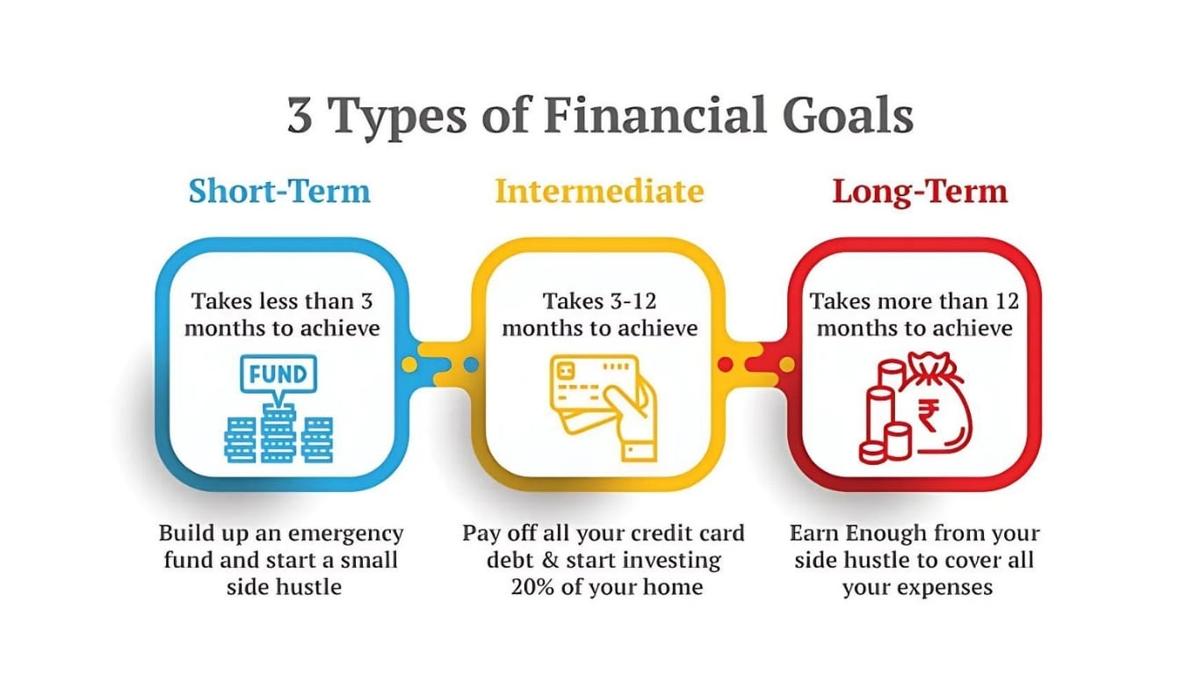
The single most important question you can ask yourself before investing a dollar is this: what am I actually trying to achieve? Your goals are the foundation everything else gets built on. They shape the assets you choose, the risk you take on, and the timeline you work within.
And those goals will look very different depending on where you are in life.
If you’re building toward retirement, your strategy might lean into long-term growth through a diversified mix of stocks, bonds, and real estate. But if you’re aiming for something closer on the horizon, like buying a property, then capital preservation and liquidity take priority. You’d be looking at safer, lower-risk assets that won’t leave you exposed if the market turns at the wrong moment.
The data backs this up. Investors who take the time to clearly define their goals are far more likely to stay committed to their plan and come out ahead. One survey found that 70% of successful investors had a well-defined set of financial goals, compared to just 33% of those who struggled.
That gap isn’t a coincidence.
2. What Is My Risk Tolerance?
For deeper context, the breakdown in how to find a financial advisor who handles these questions well is worth reading alongside this analysis.
Your risk tolerance is your honest answer to one question: how much pain can you handle? It measures both your financial ability to absorb losses and your emotional willingness to sit through volatility without flinching. If you have a high tolerance, you might feel comfortable riding the swings of equities or crypto.
If you don’t, bonds and fixed-income positions will let you sleep better at night.
Getting this wrong is costly. Research shows that 55% of investors who took significant losses during a market downturn admitted they had overestimated their own risk tolerance. When the numbers turned red, their actual comfort level was nowhere near what they thought it was.
By doing the honest work upfront, you build a portfolio that fits your real risk profile, not an idealized version of it, and that makes it far easier to hold your nerve when markets get rough.
3. How Diversified Is My Portfolio?
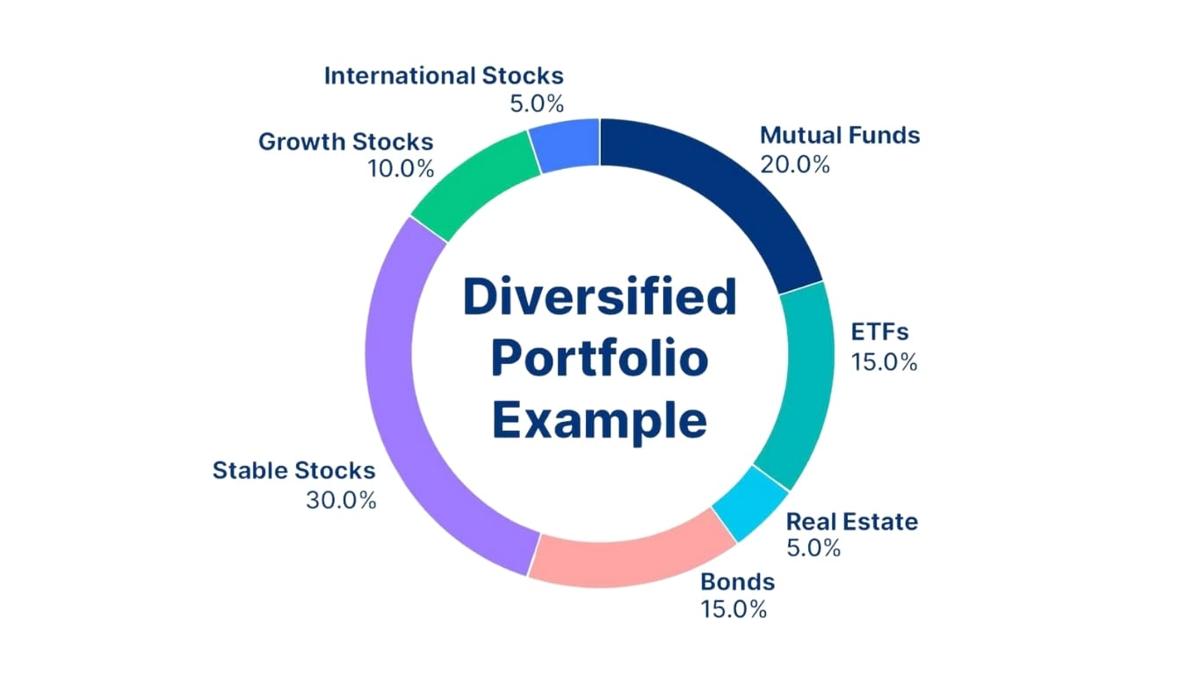
Diversification is the closest thing investing has to a free lunch. By spreading your capital across different asset classes, industries, and geographies, you reduce the chance that any single blow takes down your whole portfolio. When one sector stumbles, another can hold the line.
A well-built diversified portfolio typically blends stocks, bonds, real estate, and possibly alternative investments like commodities or private equity. The proof is in the numbers. During the 2008 financial crisis, diversified portfolios that included real estate and bonds held up far better than those concentrated entirely in equities.
That resilience isn’t luck. It’s structure.
The key is reviewing your portfolio regularly, especially after major market moves. A position that started as 10% of your portfolio can quietly balloon to 30% after a strong run, leaving you far more exposed than you intended. Staying on top of this keeps your risk where you want it.
4. What Are the Costs and Fees Associated With My Investments?
Fees are the silent killer of long-term returns. They don’t show up as a line item on your monthly statement in a way that feels alarming, but they compound just as relentlessly as your gains do. Management fees, trading commissions, advisory charges, and fund expense ratios all take their cut before you see a cent.
Here’s a number worth sitting with. The average expense ratio for an actively managed mutual fund sits around 1%, while a passive index fund typically charges closer to 0.1%. That 0.9% difference sounds small.
But stretched over 30 years, it can cost you tens of thousands of dollars in foregone returns on a reasonably sized portfolio.
Don’t overlook the hidden costs either. Bid-ask spreads, early withdrawal penalties on retirement accounts, and platform fees all add up. One study found that investors who actively managed their fee exposure by choosing low-cost options saved an average of 1.2% per year.
Over a lifetime of investing, that’s a serious edge. You can also explore tax-loss harvesting strategies as another way to protect more of what you earn.
5. What Is My Investment Time Horizon?
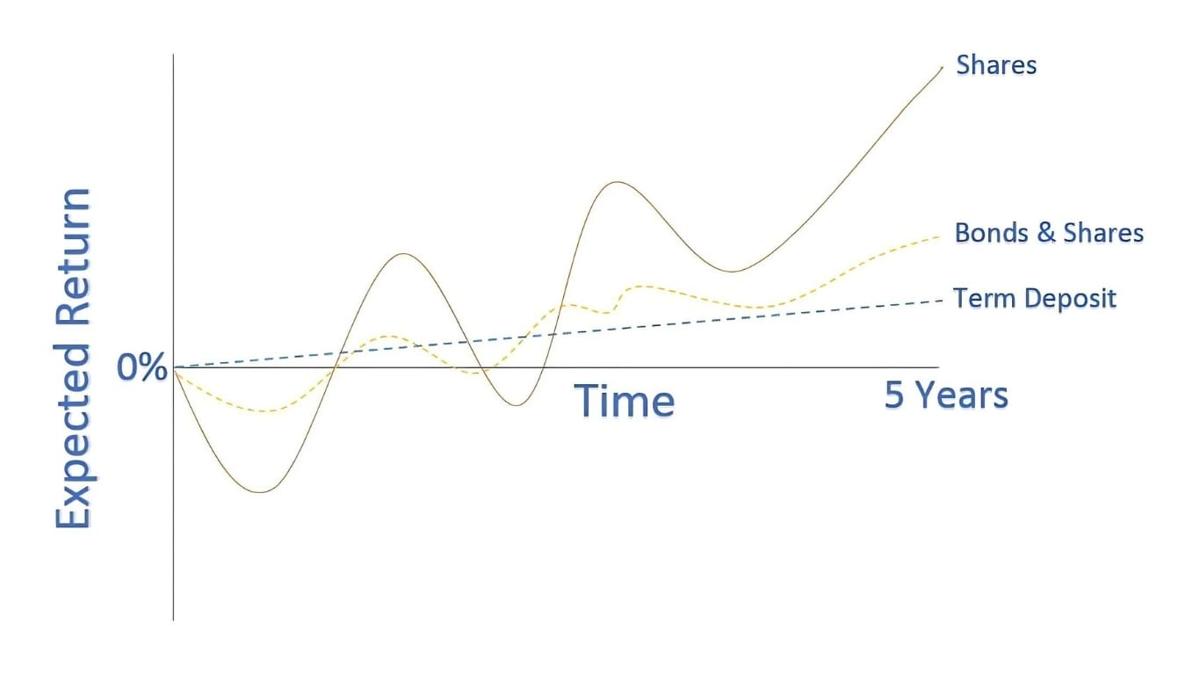
Your time horizon is simply how long you plan to keep your money invested before you need it back. It’s one of the most underrated variables in building a portfolio. The longer your runway, the more risk you can reasonably absorb, because time gives you the ability to recover from short-term losses.
Think about it this way. If retirement is 30 years away, a heavy allocation to equities makes sense. Stocks have historically delivered strong long-term returns, and a three-decade window gives you plenty of time to ride out the inevitable corrections.
But if you need the money in five years, a more conservative mix with higher bond or cash allocations starts to look a lot smarter.
Research consistently shows that longer time horizons produce better outcomes. Investors who stayed invested for 10 years or more were far more likely to see positive returns than those working with shorter windows. Time in the market beats timing the market.
That’s not a cliché. It’s what the data shows.
6. How Will This Investment Fit Into My Overall Financial Plan?
No investment exists in a vacuum. Every position you take should slot into a broader financial plan that covers saving, budgeting, tax strategy, and estate planning. Before you commit, ask yourself whether this investment moves you closer to your long-term goals, fits your risk tolerance and timeline, and works efficiently from a tax perspective.
If you’re in a high tax bracket, for instance, tax-advantaged accounts like IRAs or 401(k)s can offer meaningful tax-deferred or tax-free growth. In taxable accounts, leaning toward tax-efficient vehicles like index funds or municipal bonds can reduce your annual tax drag and let more of your returns compound.
Studies show that investors who operate within a well-defined financial plan are more likely to hit their goals and feel genuinely confident about where they’re headed. The plan isn’t a constraint. It’s a compass.
7. What Is the Historical Performance of This Investment?
Past performance doesn’t guarantee future results. You’ve heard that a thousand times, and it’s true. But history still tells you something useful.
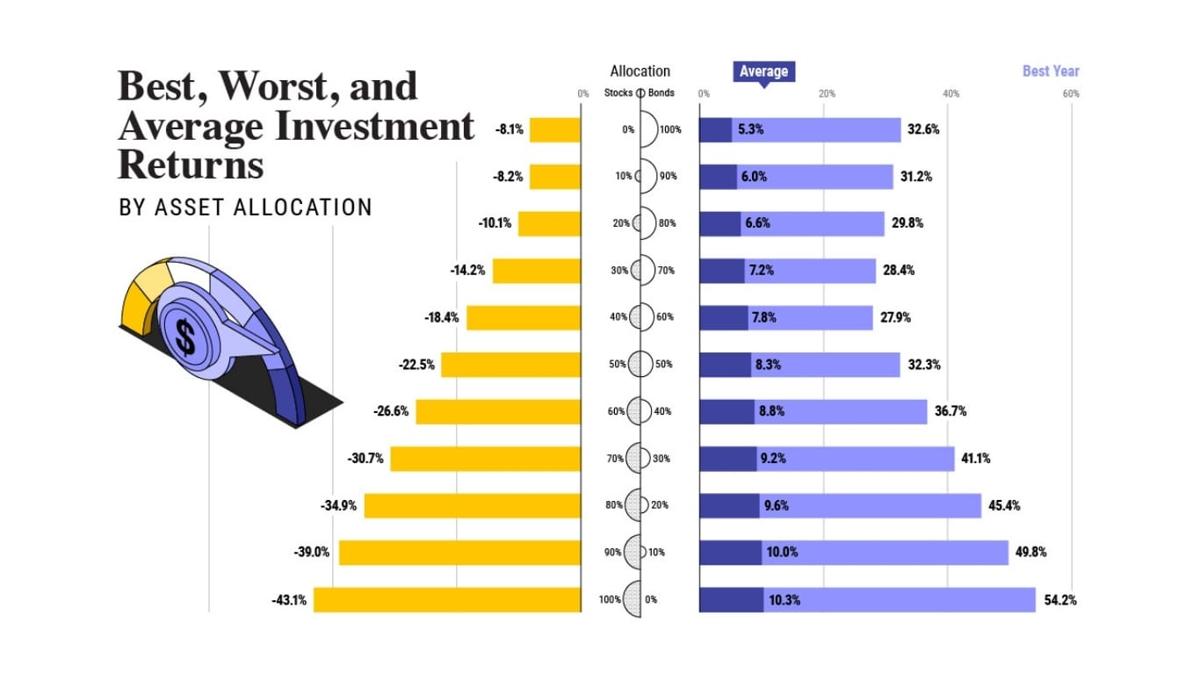
Reviewing how an investment has performed across different market cycles, through both bull runs and serious downturns, gives you a clearer picture of its risk profile and what you might realistically expect.
When you look at a stock or mutual fund’s track record, pay attention to its average annual returns, how volatile those returns have been, and how it stacked up against its benchmark index. Equally important is how it performed during periods of stress, like 2008 or early 2020. That’s when the real character of an investment tends to show.
The research suggests that investments with consistent returns and lower volatility tend to hold up better over the long term. That said, don’t make the mistake of chasing past performance alone. Strong fundamentals matter more than a great track record built on conditions that no longer exist.
8. What Are the Tax Implications of This Investment?
Taxes can quietly erode a significant chunk of your returns if you’re not paying attention. Different investments carry different tax treatments, and your overall tax strategy needs to work in sync with your investment choices, not as an afterthought.
Short-term capital gains, for example, are taxed at your ordinary income rate, which can be steep. Long-term gains enjoy more favorable treatment if you’ve held the asset for more than a year. Dividends and interest income each have their own tax rules too, depending on the investment type and your bracket.
Smart tax-efficient strategies can make a real difference. Holding investments in the right accounts, using tax-loss harvesting to offset gains, and selecting funds with low turnover all help you keep more of what your portfolio earns. One study found that tax-efficient investors increased their after-tax returns by an average of 1.5% per year.
That compounds into a serious amount of money over time.
9. How Liquid Is This Investment?
Liquidity is about access. It tells you how quickly and easily you can convert an investment into cash without taking a significant hit on price. Stocks and bonds sit at the liquid end of the spectrum.
Real estate and private equity sit at the other end, where selling can take months and may require accepting a discount.
Before you invest, think honestly about your liquidity needs. If there’s a real chance you’ll need access to those funds within a year or two, illiquid assets are a dangerous place to put them. But if your timeline is long and your cash reserves are solid, locking capital into less liquid investments that offer higher potential returns can be a smart move.
Investors who overlook liquidity risk tend to pay for it during downturns, when selling an illiquid position in a hurry often means accepting a painful discount. Getting clear on this before you invest means you won’t be forced into bad decisions at the worst possible time.
10. What Are the Potential Risks of This Investment?
Every investment carries risk. The question is which risks, and how much. Before you commit, you need to understand the specific risk profile of what you’re buying into, including market risk, credit risk, interest rate risk, and liquidity risk.
Market risk is the chance that broad price swings will work against you. Credit risk is the possibility that a bond issuer or borrower defaults on their obligations. Interest rate risk affects bond values directly, since rising rates push bond prices lower.
And liquidity risk, as covered above, is the danger of being stuck in a position you can’t exit without a loss. Each of these plays out differently depending on the asset class and market conditions.
According to Morningstar research, investors who conduct thorough risk assessments and diversify their holdings are better positioned to manage these exposures and stay on track with their goals. Understanding exactly what you’re taking on allows you to make smarter decisions and avoid surprises.

11. What Is the Management Style of This Investment?
For mutual funds, ETFs, and hedge funds, management style has a direct impact on costs and likely performance. Active management puts a portfolio manager in the driver’s seat, making ongoing decisions about what to buy and sell in an attempt to beat the market. Passive management simply tracks an index like the S&P 500, aiming to match its returns rather than outperform them.
Active management comes with higher fees because you’re paying for research, trading activity, and the manager’s expertise. The catch is that the results rarely justify the premium. Data from S&P’s SPIVA reports consistently shows that only around 20% of actively managed funds outperform their benchmarks over the long term.
So before investing in any fund, understand what kind of management you’re paying for and whether it fits your goals. If you want lower costs and more predictable outcomes, passive strategies are a strong choice. If you’re willing to pay up for the possibility of market-beating returns, active management can work, but go in with eyes open about the odds.
12. How Will I Monitor and Review My Investments?
Investing isn’t something you set up and then ignore. Your portfolio needs regular attention to make sure it still reflects your goals, risk tolerance, and changing market conditions. That means tracking performance, staying informed about what’s moving markets, and making adjustments when the situation calls for it.
Most serious investors build a regular review cadence into their routine, whether quarterly or annually. During those reviews, the core questions are the same. Has your asset allocation drifted from where you want it?
Are any positions consistently underperforming? Are there new opportunities worth exploring? Index rebalancing is one practical tool for keeping your portfolio aligned without overreacting to short-term noise.
Research shows that investors who reviewed and rebalanced their portfolios on a regular basis achieved better long-term returns than those who left things untouched. Staying engaged doesn’t mean constantly trading. It means making thoughtful, informed decisions based on where things actually stand.
13. What Are My Exit Strategies?
Knowing when to get out of an investment is just as important as knowing when to get in. An exit strategy gives you a clear, pre-planned framework for selling, whether that’s to lock in profits, cut a loss before it deepens, or free up capital for something better.
Common approaches include setting a target price that triggers a sale, using stop-loss orders that automatically execute if the price drops past a defined level, or deciding in advance that you’ll exit when an investment no longer fits your financial goals or risk profile. The specific method matters less than having one in place.
Having a plan removes emotion from the equation. Bloomberg market data and broader investment research consistently show that investors who follow disciplined exit strategies outperform those who make reactive decisions under pressure. When things go sideways, a clear plan keeps you from making the kind of panic move you’ll regret.
14. What Impact Will Inflation Have on My Investments?
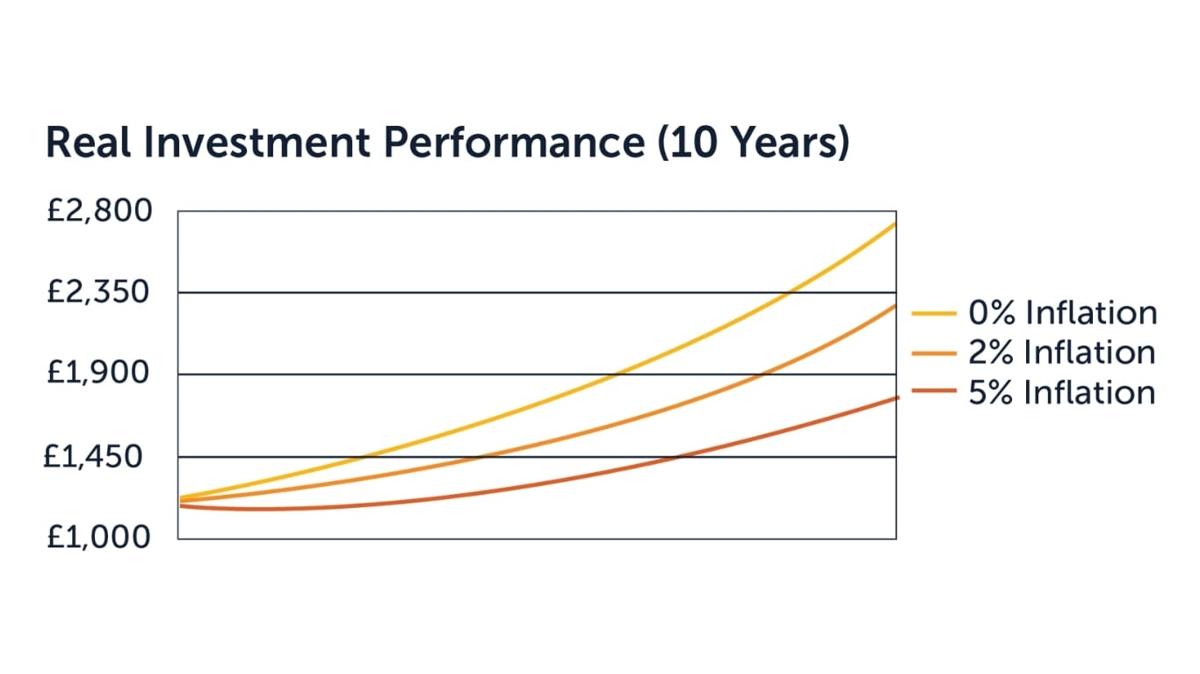
Inflation chips away at your purchasing power over time, which means it chips away at your real returns too. If your portfolio is growing at 4% a year but inflation is running at 3%, your actual gain in real terms is just 1%. That’s why inflation-awareness needs to be baked into how you build and manage your portfolio.
Stocks have historically outpaced inflation over the long run, which makes them a solid hedge against rising prices. Real estate and commodities like gold also tend to hold their value when inflation climbs. On the other side, fixed-income investments like bonds can lose real value when inflation runs hot, because their fixed payments buy less over time.
You can explore strategies for investing in equities during inflationary periods to get a clearer picture of how to position yourself.
The research supports a mixed approach. Portfolios that blend stocks, real estate, and commodities have historically held up better against inflation than those leaning heavily on bonds or cash. Building that resilience into your allocation before inflation bites is far smarter than scrambling to reposition after the fact.
15. How Will Market Volatility Affect My Investments?
Markets move. Prices go up, prices come down, and sometimes they do both in the same week. A certain level of volatility is just part of investing.
But extreme swings can create both real opportunities and real danger, depending on how prepared you are and how you respond.
The biggest mistake investors make during volatile periods is letting emotion drive decisions. Selling in a panic when prices drop locks in losses that a patient investor would have recovered. Long-term investors who hold their strategy through rough patches consistently end up in better shape than those who react to short-term noise.
The 2008 financial crisis is the clearest example. According to Reuters market analysis and a wide range of investment studies, investors who stayed in the market and kept contributing through the downturn captured the full force of the recovery that followed. Keeping your eyes on the long-term objective, rather than the daily price feed, is what separates disciplined investors from everyone else.
Conclusion
Investing is a complex and ongoing process that rewards preparation, clarity, and discipline. By working through the questions laid out here, you give yourself a real framework for making decisions that align with your goals, your risk tolerance, and your broader financial picture. From understanding what you’re actually trying to achieve to accounting for the drag of taxes, fees, and inflation, these questions are the foundation of any sound investment approach.
Successful investing isn’t about predicting the future. It’s about being ready for it. That means doing the research, staying honest with yourself about your risk profile, and reviewing your portfolio regularly so it keeps working for you as circumstances evolve.
The investors who build lasting wealth aren’t necessarily the ones who found the hottest trade. They’re the ones who asked the right questions, stayed disciplined, and played the long game.
We last reviewed this analysis in May 2026.