In 2026, the best countries to invest in real estate are Portugal, Cyprus, the United Arab Emirates (specifically Dubai), Costa Rica, and Greece. Portugal and Cyprus draw investors with their Golden Visa programs and high rental yields, while Dubai offers a tax-free environment and strong property value growth. Spain gives you a compelling mix of affordable properties and solid rental returns, and Greece benefits from a booming tourism sector and attractive investment programs.

What these countries share is a combination of favorable residency options, economic stability, and the kind of returns that make the numbers worth a serious look.


Cyprus

Cyprus has become one of the most attractive real estate investment destinations in Europe, offering a compelling mix of economic stability, steady capital growth, and high rental yields. Following a strong recovery from its financial downturn, bolstered by over €10 billion in foreign direct investment across the past decade, cities like Limassol and Paphos have evolved into dynamic economic and property hubs.

One of Cyprus’s biggest strengths is its residency-by-investment program, which ranks among the most accessible in the European Union. With a minimum property investment of €300,000, you gain permanent EU residency. That makes the program especially attractive if you’re a high-net-worth individual looking for geographic diversification, visa-free travel across Europe, and long-term security.

The continued expansion of the tourism sector further supports real estate demand. In 2024, Cyprus welcomed more than 4 million visitors, surpassing pre-pandemic tourism volumes. Tourism revenue climbed 15% year on year, driving sustained demand for both short-term vacation rentals and long-term leases in key tourist regions.

As an EU member state, Cyprus offers a stable legal and financial framework governed by European property laws. That regulatory transparency reassures foreign investors while granting you access to the broader European market, adding another layer to the island’s appeal as a secure place to put your capital.

A key driver of long-term appreciation is the limited availability of land, especially in coastal and urban centers. Property prices have climbed an average of 6.8% annually over the past five years, a trend expected to push further into 2026 as constrained supply meets rising demand from both local and international buyers.

The government has also committed serious resources to urban modernization and infrastructure upgrades. More than €1.2 billion has been allocated for smart city development, transportation improvements, and sustainable urban planning.

These upgrades raise the quality of life across the island and directly push property values higher in areas being revitalized.

Key investment highlights for 2026 include strong rental yields, a fast-track EU residency program, consistent capital appreciation, and an expanding tourism economy that keeps short-term rental demand healthy year-round.

  • Rental yields averaging 5–7% in high-demand areas such as Limassol, Nicosia, and Paphos

  • Strong demand for new-build properties and luxury coastal developments

  • Ongoing appeal to international business owners and digital nomads, driven by Cyprus’s favorable tax regime and improving connectivity

Beyond the financial upside, Cyprus gives you a genuinely desirable lifestyle. Think Mediterranean climate, EU-standard healthcare, and high safety rankings. Add its growing role as a business and logistics hub in the Eastern Mediterranean, and Cyprus makes a strong case for both capital growth and rental income. If you’re also considering complementary asset plays in the region, it’s worth exploring whether buying a yacht in Greece makes financial sense alongside your property portfolio.

invest in cyprus real estate


Portugal

Portugal ranks among Europe’s most appealing real estate markets heading into 2026, backed by consistent demand, favorable residency pathways, and solid rental yields that hold up across economic cycles.

The Portugal Golden Visa program has been a major catalyst, attracting thousands of investors over the past decade. While the program no longer qualifies residential real estate in major urban centers, its earlier influence shaped property markets in Lisbon, Porto, and the Algarve. Those areas still offer strong value and real rental income potential for buyers who know where to look.

Lisbon sits at the heart of Portugal’s property market. As of 2026, the average asking price in Lisbon’s city center stands at around €5,538 per square meter, reflecting the capital’s standing as both a cultural and business hub. In the broader Lisbon Metropolitan Area, prices come in closer to €3,987 per square meter, giving you a more accessible entry point if you’re targeting long-term growth.

Rental yields in Lisbon hold up well across property types, with short-term and medium-term rentals delivering some of the most competitive returns in Southern Europe.

  • 5.67% in the city center

  • 6.52% in the metropolitan area

These figures confirm Lisbon’s ability to generate stable passive income, especially for investors positioned in short- and medium-term rental markets where tourist and digital nomad demand stays strong through the year.

Porto has grown fast into a top-tier investment destination, fueled by infrastructure improvements and a thriving tech sector. The average property price in the city sits at €4,055 per square meter, dropping to €2,581 per square meter in the metropolitan area. That makes it one of the most affordable major European cities relative to its rental performance.

Porto delivers some of the highest rental yields in the country, making it a standout option if yield is your primary objective.

  • 7.72% in the city center

  • 9.13% in the metropolitan area

Strong returns, a steady stream of digital nomads, and a large student population all combine to make Porto a smart pick for yield-focused investors. The fundamentals here are genuinely hard to ignore.

The Algarve, Portugal’s premier coastal region, keeps attracting investors who want both lifestyle and rental potential. The region also has one of the highest concentrations of foreign residents in Portugal, at 22% of the local population, which tells you everything about its enduring international appeal.

Current average property prices vary across key Algarve locations, from coastal resort towns to quieter inland areas, giving you options across multiple price points and risk profiles.

  • Portimão: €3,119/m²

  • Faro: €3,519/m²

  • Lagos: €4,476/m²

Rental yields in the Algarve average around 5.6%, driven by strong short-term rental demand in areas with heavy tourist footfall.

The blend of climate, lifestyle, and consistent tourism inflows makes the Algarve a compelling hybrid destination. You can use it personally part of the year and generate meaningful seasonal income when you’re not there.

Luxurious villa with a pool

Find Exclusive Properties

20+ Qualified Consultants ready to help

Express Interest

Beyond the primary cities, areas like Setúbal south of Lisbon and the Silver Coast north of Lisbon are gaining real traction. Setúbal offers greater affordability with solid capital appreciation potential, while the Silver Coast is increasingly popular among retirees and remote workers drawn to beachfront properties and a moderate cost of living.

Both regions give you a genuine alternative to saturated urban markets without asking you to sacrifice lifestyle or long-term growth prospects.

which country is best for real estate investment


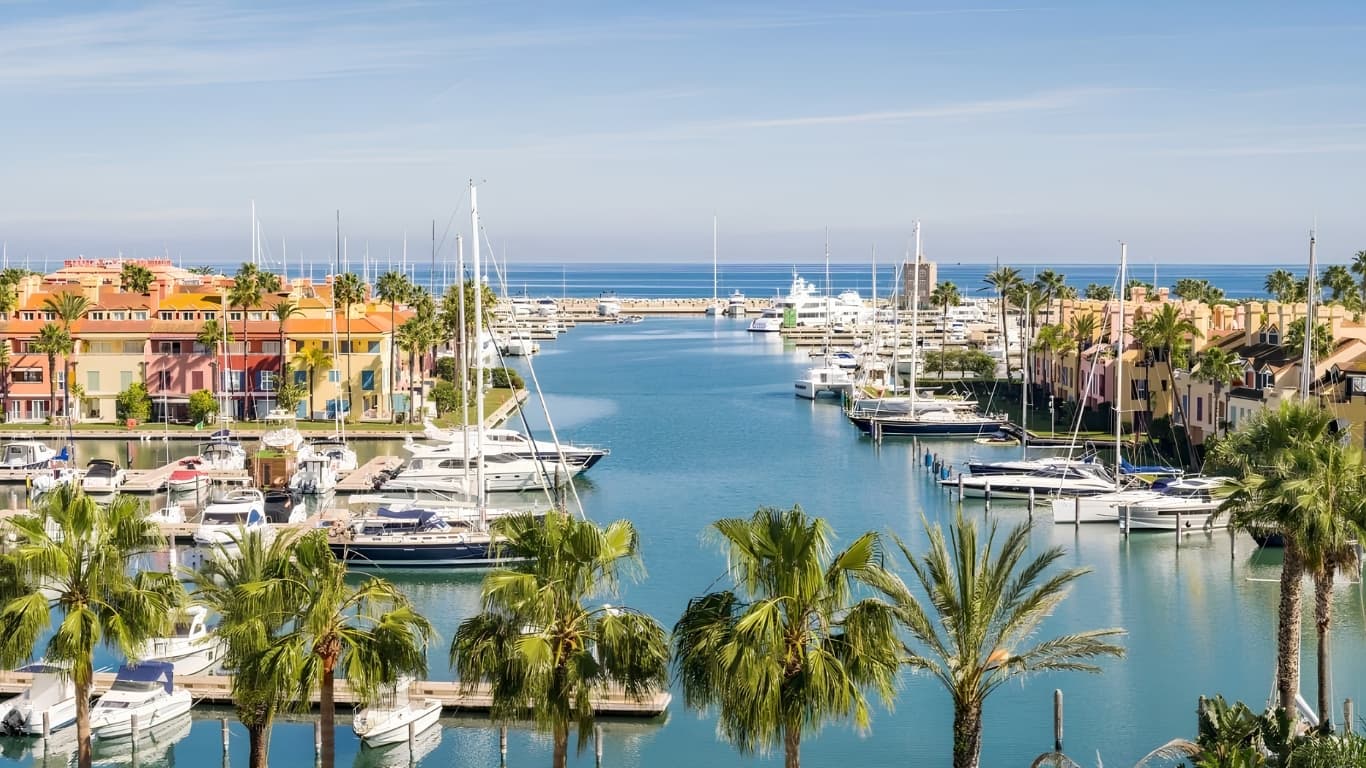
Spain

Spain positions itself as one of Europe’s most attractive real estate markets heading into 2026, supported by a robust tourism sector, a resilient economic recovery, and property prices that stay competitive against other major EU markets. For investors, the combination of high rental yields, diverse property types, and lifestyle appeal is tough to match.

Spain stays relatively affordable compared to peer markets like London or Paris, with residential property prices averaging 30 to 40% lower. That affordability draws both first-time and seasoned investors, especially in fast-growing secondary cities like Valencia and Alicante, where yields can reach up to 6% in select districts.

Barcelona stays a prime target for real estate investment, built on a combination of international appeal and consistent rental demand. As of early 2026, the city offers a well-rounded investment case across both short-term and long-term rental strategies.

  • Rental yields in prime areas average 4%–5%

  • Property prices have increased by 6% year-on-year

  • The city welcomes over 12 million tourists annually, sustaining strong demand for short-term rentals

Barcelona’s mix of tourism, culture, and infrastructure gives you a diversified investment case. You’re not dependent on any single demand driver, which matters when markets shift.

Madrid keeps attracting both institutional and private investors. As Spain’s political and financial capital, it offers a high degree of market stability. Heading into 2026, the city’s fundamentals around both residential and commercial demand stay strong.

  • Rental yields average 4.5%

  • Property values are growing at a steady 5% annually

Madrid’s expanding business district and consistent demand across residential and commercial property types make it a cornerstone for anyone building a long-term real estate portfolio in Europe.

Southern Spain, especially Malaga and the Costa del Sol, sits among the most dynamic regions for real estate returns right now. Malaga boasts some of the highest rental yields in Andalusia, averaging around 6%, bolstered by luxury tourism and growing tech investment. The Costa del Sol, covering hotspots like Marbella, Estepona, and Benalmádena, recorded a 12% increase in property transactions in 2024, with luxury property prices on a continuous upward path.

Spain’s Golden Visa program stays a major draw for non-EU investors, granting EU residency in exchange for a minimum property investment of €500,000.

That said, as of 2026, the Spanish government has been reviewing the program and signaling potential reforms or restrictions. If EU access and Spanish residency are part of your plan, moving quickly while the current rules hold makes sense. The Financial Times covers evolving European residency-by-investment rules closely and is worth tracking if you’re making decisions in this space.

best country to invest in property


Greece

Greece is establishing itself as one of Europe’s most promising real estate investment destinations heading into 2026, underpinned by booming tourism, steady property price growth, and a Golden Visa program that foreign investors keep gravitating toward.

Since the program launched, over 11,000 foreign investors have secured residency through property investment, with more than €2.5 billion flowing into Greek real estate in 2024 alone. Those numbers speak for themselves.

Athens sits at the forefront of Greece’s real estate resurgence. Residential property prices in central Athens now range between €1,200 and €3,500 per square meter, while suburban areas come in slightly lower at €1,000 to €2,800, giving you a range of entry points depending on your strategy.

Rental yields in high-demand neighborhoods average 4% to 6%, supported by growing demand for both long-term leases and short-stay rentals driven by the city’s expanding tourism economy.

Current rental pricing benchmarks across Athens show strong occupancy rates, especially in centrally located neighborhoods and areas close to major attractions.

  • €300 to €700 per month for a one-bedroom apartment

  • €500 to €1,300 per month for a three-bedroom unit

The Athens Riviera keeps drawing high-net-worth individuals seeking luxury coastal homes and short-term rental opportunities. Property prices in this area range from €2,000 to €8,000 per square meter, depending on proximity to the sea and the quality of the development. If you want a deeper look at coastal investment in Greece, the Villa Rafaela investment profile in Porto Heli is a good reference point for understanding luxury villa rental yield potential.

Foreign interest in the Riviera is rising steadily, particularly from investors targeting properties that can deliver strong capital appreciation alongside meaningful rental income.

Thessaloniki, Greece’s second-largest city, has emerged as a rising star for property investment. A large student population, growing digital nomad presence, and expanding tourism infrastructure all contribute to its appeal.

Over the past three years, property values have appreciated by 8% annually, with average rental yields sitting between 5% and 6% in central and coastal districts. For a deeper look at how this market is evolving, the Thessaloniki real estate market overview and forecast breaks down the numbers in detail.

Greece’s islands offer some of the country’s most lucrative investment opportunities, especially for vacation rental properties and luxury second homes. Santorini, Mykonos, and Corfu lead the pack in terms of premium pricing and rental demand.

  • Crete and Rhodes have recorded annual price increases of 10%, driven by infrastructure upgrades and high tourist footfall.

  • Santorini and Mykonos command premium property values, with rental yields exceeding 7% during peak tourist seasons.

  • Corfu and the Peloponnese are experiencing increased demand for high-end villas and boutique hotels, especially among Northern European buyers.

Beyond the traditional hotspots, Halkidiki and Skiathos are gaining momentum as alternative destinations for both residential and hospitality investment. These regions now see annual capital appreciation rates of 6% to 8%, fueled by tourism expansion and improved accessibility.

Beyond rental performance, Greece offers several tax advantages for property investors, including reduced transfer taxes, favorable treatment for long-term rental income, and incentives tied to renovation and development in certain zones.

  • A reduced 3% property transfer tax

  • Capital gains tax exemptions for certain foreign investors

  • Incentives for energy-efficient renovations and new developments

best countries to invest in real estate 2025

Dubai, United Arab Emirates

Dubai keeps strengthening its position as one of the world’s most dynamic real estate markets. Since 2021, property values have climbed approximately 15%, with an additional 10% growth projected by the end of 2026. Bloomberg has tracked Dubai’s property surge as one of the standout stories in global real estate.

That sustained momentum shows you Dubai’s ability to deliver both short-term profitability and long-term capital appreciation in the same market.

Luxury real estate in prime areas like Downtown Dubai, Palm Jumeirah, and Dubai Marina keeps outperforming global benchmarks. Rental yields in these districts run from 5% to 9% annually, while short-term vacation rentals in high-demand neighborhoods can deliver returns as high as 8% to 10% per year.

Dubai’s economic outlook stays robust. The UAE’s real GDP is projected to grow by 3.4%, supported by diversification into non-oil sectors, increased foreign investment, and large-scale infrastructure development. The city’s global appeal is further strengthened by its diverse population of over 3.6 million residents from more than 200 nationalities, which fuels both housing demand and cultural vibrancy.

Foreign investors benefit from some of the most favorable property laws in the world. Dubai gives you zero property taxes, zero capital gains tax, and full foreign ownership rights in designated freehold zones. Add long-term residency visa options tied to property investment and you have a regulatory environment built around attracting and keeping serious capital.

  • 0% tax on rental income and capital gains

  • 100% foreign ownership of freehold properties

  • AED 750,000 (~$205,000) minimum property purchase to qualify for a 10-year Golden Visa

That investor-friendly setup has made Dubai a preferred destination for capital preservation, portfolio diversification, and residency planning across high-net-worth circles globally.

Dubai’s skyline keeps evolving with high-profile developments that reinforce its global stature. The Oasis by Emaar is a $20 billion luxury community featuring villas, waterfront residences, and expansive green areas. If you’re looking at the developer side of this equation, our DAMAC Properties review walks through one of Dubai’s most active luxury builders in detail. The Palm Jebel Ali expansion is set to add over 80 hotels and resorts alongside thousands of new residential units, shaping Dubai’s future as a premier coastal living destination.

The real estate sector is also backed by the emirate’s strong financial ecosystem. In 2024, the Dubai Financial Market ranked as the fifth-best performing stock exchange globally.

Over the past three years, IPOs in Dubai have raised more than $9.4 billion, reflecting growing investor confidence and a city that’s serious about economic diversification.

Infrastructure development stays a core pillar of Dubai’s strategy. Key projects include the expansion of the Dubai Metro to improve urban connectivity, the completion of Dubai Harbour to elevate the waterfront lifestyle experience, and more than $8 billion in smart city investments, positioning Dubai among the world’s most technologically advanced urban environments.

Tourism keeps driving demand for short-term rentals. The city welcomed over 17 million international visitors in 2024, and that number is expected to climb as global travel expands. Luxury vacation rentals on Palm Jumeirah and in Downtown Dubai consistently achieve high occupancy rates and strong returns, making them a meaningful component of any investor’s income portfolio.

best country to invest in real estate


Costa Rica

Costa Rica keeps attracting global property investors with a combination of political stability, favorable rental yields, and diverse real estate options. Known for democratic governance and legal transparency, the country delivers strong property rights that give foreign investors real confidence and legal security.

Foreign ownership laws in Costa Rica are generally investor-friendly, though with a few notable restrictions near the coastline. Maritime zone regulations protect public access to the shore, meaning the first 50 meters from the high-tide line are public and off-limits to construction. The following 150 meters fall under concession laws, often requiring a lease or government approval. Despite this, the broader legal framework for land ownership stays robust and protective of private interests.

The financial environment for property buyers is also attractive. Property taxes are relatively low, ranging between 0.25% and 0.55% of a property’s assessed value. A 1.5% property transfer tax is typically paid by the buyer at closing, alongside notarial fees that vary by transaction value. Legal fees are also subject to a 13% VAT.

Average property prices reflect both affordability and genuine return potential, with entry points ranging from modest residential units in San José to premium beachfront villas in areas like Manuel Antonio and Tamarindo.

  • Houses: ₡991,166 CRC/sqm (~$1,929 USD/sqm)

  • Apartments: ₡1,181,258 CRC/sqm (~$2,298 USD/sqm)

Rental income prospects stay a major draw. Gross rental yields in Costa Rica range from 5.3% to 8.0%, with certain segments delivering even higher returns. In San José, you can expect average returns of around 8.6%, while premium beachfront rentals yield between 12% and 17%, especially in areas frequented by tourists and digital nomads. Forbes Real Estate Council has profiled Costa Rica as one of the emerging markets worth watching for yield-focused investors.

Costa Rica’s macroeconomic indicators also support a strong investment outlook. Ranked 41st on the Fragile States Index, the country sits among the most politically stable in Latin America. The IMF forecasts a GDP growth rate of 3.2% in 2026, following a 2.7% expansion in 2024.

Over the next five years, Costa Rica is expected to deliver cumulative economic growth of approximately 14.1%, which strengthens the long-term value of property holdings across the country.

Before you buy, make sure you understand Costa Rica’s property-related taxes and fees. Beyond the 1.5% transfer tax, closing costs are typically borne by the buyer and can add up quickly depending on the transaction.

Rental income is taxed on a progressive scale, and capital gains on commercial property sales are taxed at 30%, though exemptions may apply to personal residences under certain conditions. Getting proper local legal advice before closing is non-negotiable.

Best Countries To Invest In Real Estate


United States

The United States stays one of the most attractive global destinations for real estate investment heading into 2026. Its stable legal framework, transparent property regulations, and diverse asset classes give you a dependable environment whether you’re investing domestically or coming in from abroad.

As the world’s largest real estate market, valued at over $3.8 trillion annually, the U.S. consistently delivers a combination of capital appreciation, high rental yields, and long-term investment stability that few markets can match.

The diversity of the American housing market accommodates a wide spectrum of investor profiles, from luxury coastal properties in major metros to affordable suburban housing and high-growth urban developments. Markets tied to innovation, population expansion, and job creation are showing particularly strong returns, making them the focal points for investor capital in 2026. It’s also worth understanding how environmental factors are reshaping certain pockets of the market, and how climate change is affecting the US real estate market is a factor sophisticated buyers are factoring in before they commit.

Several key cities keep leading the way, with Austin, Miami, Nashville, and Phoenix drawing consistent attention from institutional and private investors alike for their population growth, job market depth, and rental demand.

  • Austin, Texas has emerged as a premier real estate hotspot, often referred to as “Silicon Hills” due to its growing tech ecosystem. Property values have appreciated by over 20% in the past two years, while rental yields average 5–6% annually. The city’s appeal to remote workers and start-ups has further strengthened its housing demand.

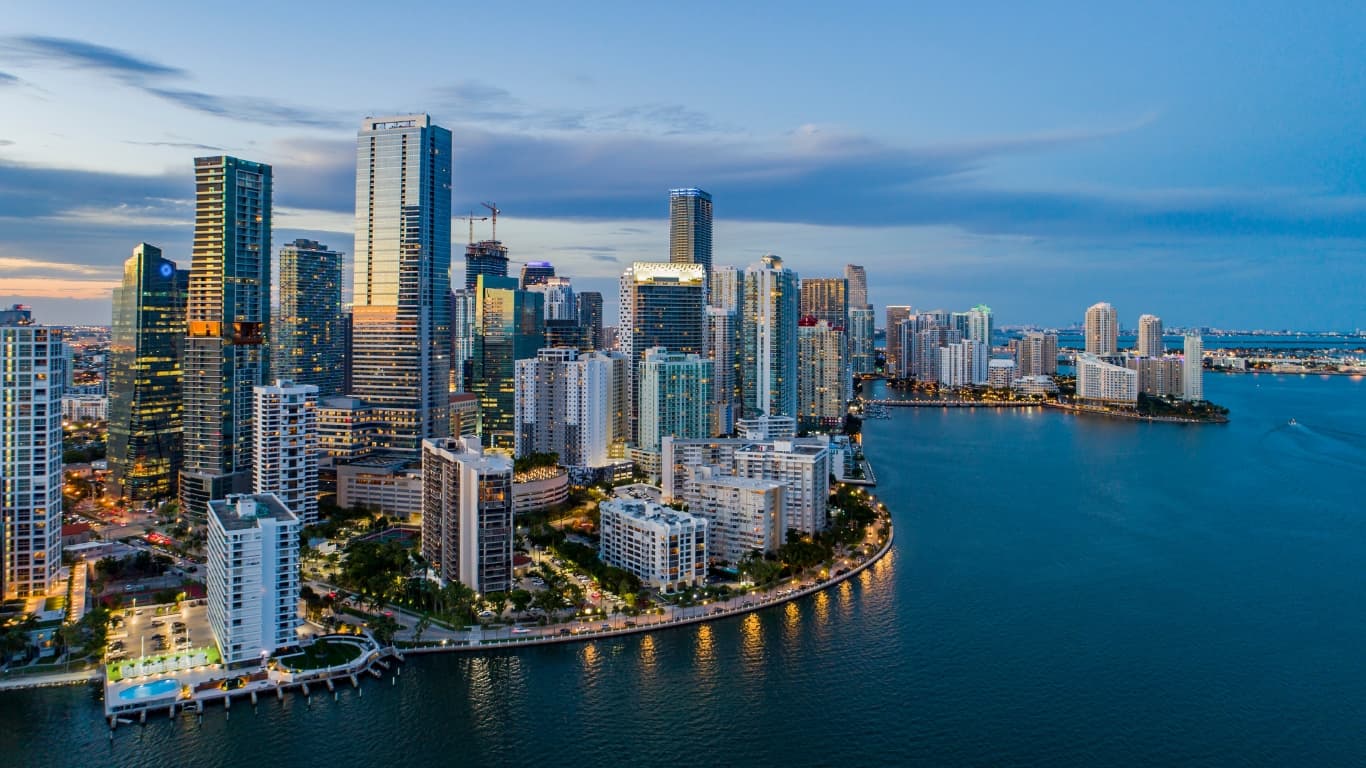
  • Miami, Florida attracts consistent interest from international investors, particularly from Latin America, Canada, and Europe. With over 70% of Miami’s residents renting their homes, rental property demand remains high. Rental yields in prime areas average 6–8%, and property values increased by 8% year-over-year as of mid 2025.

  • Phoenix, Arizona, one of the fastest-growing metro areas in the U.S., boasts a 2.3% annual population growth rate. Real estate values have risen by an average of 15% over the past three years, with rental yields ranging from 6% to 7%. Affordable housing costs and a healthy job market continue to make Phoenix a strong investment location.

Broader market trends in 2026 also present new and evolving opportunities, from build-to-rent developments and short-term rental arbitrage to industrial and mixed-use assets in secondary markets.

  • Urban growth centers, including Dallas, Charlotte, and Nashville, are benefiting from significant infrastructure investments and expanding job markets, leading to higher housing demand.

  • The aging population is driving a surge in demand for senior living and assisted-living properties. This segment is projected to grow by 40% by 2030, opening up lucrative long-term investment avenues in healthcare-related real estate.

  • University cities such as Boston, Chicago, and San Diego continue to offer stable cash flow for rental investors. Yields in these educational hubs average 5% to 7%, with steady tenant demand from students and faculty.

International demand stays strong. In 2024 alone, foreign investors accounted for $53 billion in residential real estate purchases, with Florida, California, and Texas being the most sought-after states. This ongoing interest is driven by secure property ownership rights, access to financing, and the U.S.’s global reputation for asset safety and liquidity.

Looking ahead, the U.S. housing market is projected to lead the global price recovery cycle.

Home prices are expected to grow at a pace of 4 to 5% annually through 2026, supported by strong fundamentals like job creation, urbanization, and demand for rental housing, particularly in tech-influenced cities. Reuters covers U.S. housing market trends regularly and is a solid source for tracking shifts in these dynamics.

Investors also benefit from an array of tax advantages. U.S. property owners can deduct mortgage interest, property taxes, operating expenses, depreciation, and more, making long-term real estate investments considerably more tax-efficient compared to many other global markets. For a broader look at how to build a resilient investment portfolio alongside real estate, understanding how to manage risk across asset classes is a useful complement to your property strategy.

Further boosting property values are nationwide infrastructure upgrades funded by the $1.2 trillion Infrastructure Investment and Jobs Act. Projects range from transportation and broadband expansion to school and community facility improvements, with ripple effects expected to push real estate appreciation higher in areas close to these developments.

Best Countries To Invest In Real Estate


Germany

Germany’s property market is navigating complex dynamics within a resilient economic backdrop. Despite facing headwinds from higher financing costs and competition from alternative assets offering stronger yields, the country’s high quality of life keeps drawing serious investor interest.

Forecasts point to 20% growth in investment volume for 2026, signaling a meaningful recovery. The office sector has reached a cyclical peak, opening up new leasing opportunities across major cities. Top retail locations are seeing strong demand driven by increased footfall.

Rents in the housing sector are set to surge, driven by high demand and a sharp decline in construction activity, especially in urban areas. That supply-demand imbalance is also rippling into sectors like hotels, healthcare, senior living real estate, and data centers.

Foreign capital keeps flowing into Germany, with the share of foreign investors in European real estate climbing as the Euro’s depreciation makes entry more attractive. Foreigners can buy property in Germany but need to account for additional costs like notary fees and property purchase tax. Sustainability is also playing a growing role in real estate decisions, with ESG alignment increasingly influencing valuations and buyer preferences. The Financial Times has profiled Germany’s real estate recovery as one of the more nuanced stories in European property markets.

Taken together, Germany’s property market offers a compelling investment case. You get stability, a high quality of life that underpins long-term demand, and the potential for solid returns as the market moves through its recovery phase.

Best Countries To Invest In Real Estate


Ireland

Ireland is worth a serious look if you’re hunting for a market with strong economic fundamentals and a genuine housing shortage. The country’s economic outlook stays strong, with a predicted growth rate of 4% in 2026 and a Business Confidence Index of 23. Combined with a Fragile State Index of 20.8, Ireland sits in a solid position for real estate investment.

House prices in Ireland have surged by 28.4% over the past five years, with building permits increasing 12% in the previous year, reflecting an active construction sector trying to keep pace with demand. Dublin’s market is especially appealing, offering rental yields between 6.19% and 7.96%, driven by strong demand for student housing and limited supply near major universities.

Investing in Irish property gives you access to a strategically located European market with meaningful development potential. Regions outside Dublin, like Cork and Galway, also show promising returns. Cork delivers yields of 5.56% for one-bedroom properties and 7.72% for two-bedroom units. Galway has seen a 24% increase in house prices over the past year alone. These figures make Ireland an attractive option for investors who want both stability and genuine upside.

Best Countries To Invest In Real Estate
Crypto Real Estate Purchases Are Skyrocketing in Dubai, London, and Miami
Crypto Real Estate Purchases Are Skyrocketing In Dubai, London, and MiamiReal Estate Market Insights

Crypto Real Estate Purchases Are Skyrocketing In Dubai, London, and Miami

Crypto-backed property finance is scaling fast because it solves a very specific problem for wealthy…
The World's Biggest Housing Markets Are Facing Significant Bubble Risk
The World’s Biggest Housing Markets Are Facing Significant Bubble RiskReal Estate Market Insights

The World’s Biggest Housing Markets Are Facing Significant Bubble Risk

Housing bubbles are a recurring feature of property markets worldwide. UBS describes the phenomenon as…
Did the 0% Rate Cut Trade Swiss Real Estate Market Stability For Economic Stimulation?
Did the 0% Rate Cut Trade Swiss Real Estate Market Stability For Economic Stimulation?Real Estate Market Insights

Did the 0% Rate Cut Trade Swiss Real Estate Market Stability For Economic Stimulation?

In June 2026, the Swiss National Bank made a decision that sent shockwaves through the…