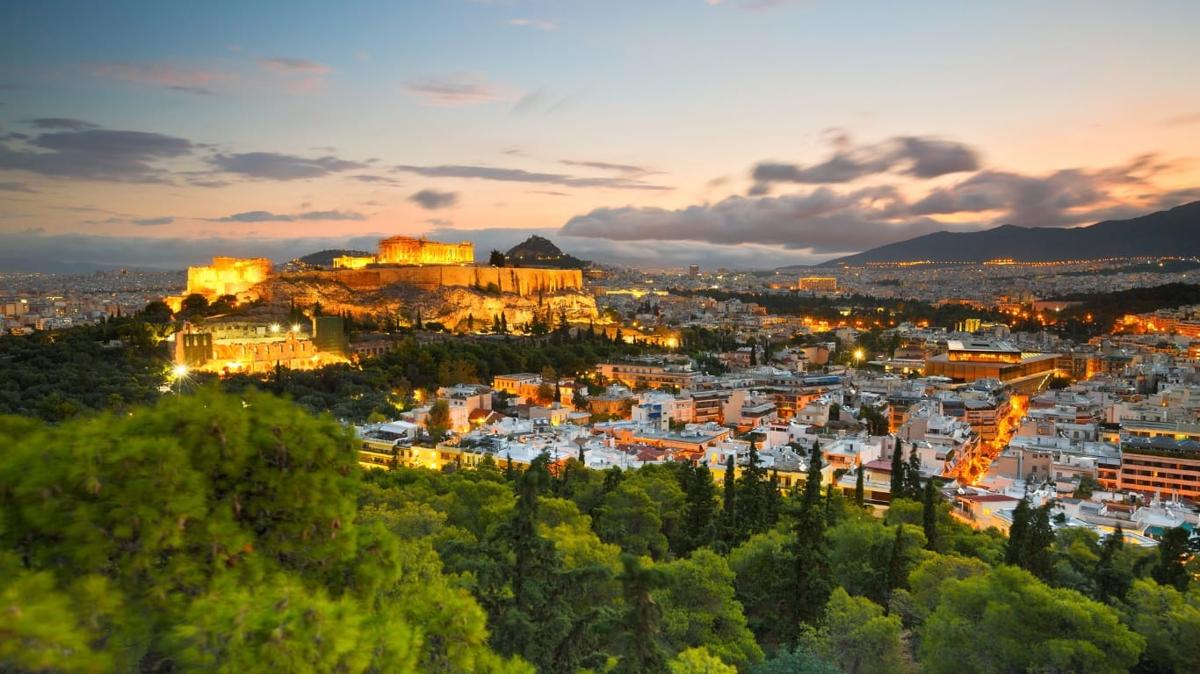

The Athens property market has spent the past five years quietly emerging as one of the most consequential property stories in southern Europe. As of Q2 2026, residential prices in the Greek capital have climbed 7.6 percent year on year, outpacing inflation and exceeding price growth in most other Eurozone capitals.
The average residential sale price now sits at EUR 2,450 per square metre. Knight Frank's Wealth Report and Mansion Global have both tracked Athens as one of the most consequential structural property recoveries in the Mediterranean, a market that has moved decisively past the post-crisis recovery phase into a sustained growth cycle.
The architectural depth that defines the Athens prime-residential offer is unusual for a southern European capital. The neoclassical mansions of Plaka and Kolonaki (many of them restored over the past decade) represent some of the best-preserved nineteenth-century urban residential architecture in the Mediterranean. The contemporary residential developments along the Athens Riviera, anchored by the EUR 8 billion Ellinikon Megaproject (the largest urban regeneration project in Europe, master-planned by Foster and Partners), have repositioned the city's coastal strip as a globally significant prime market.
Compass and Engel and Volkers Athens describe a buyer composition shaped by international capital: Turkish, Lebanese, Israeli, German, British and increasingly American purchasers.
- Athens has moved from post-crisis recovery to genuine prime market status, with central neighbourhoods and the Athenian Riviera now drawing comparable attention to second-tier Mediterranean capitals.
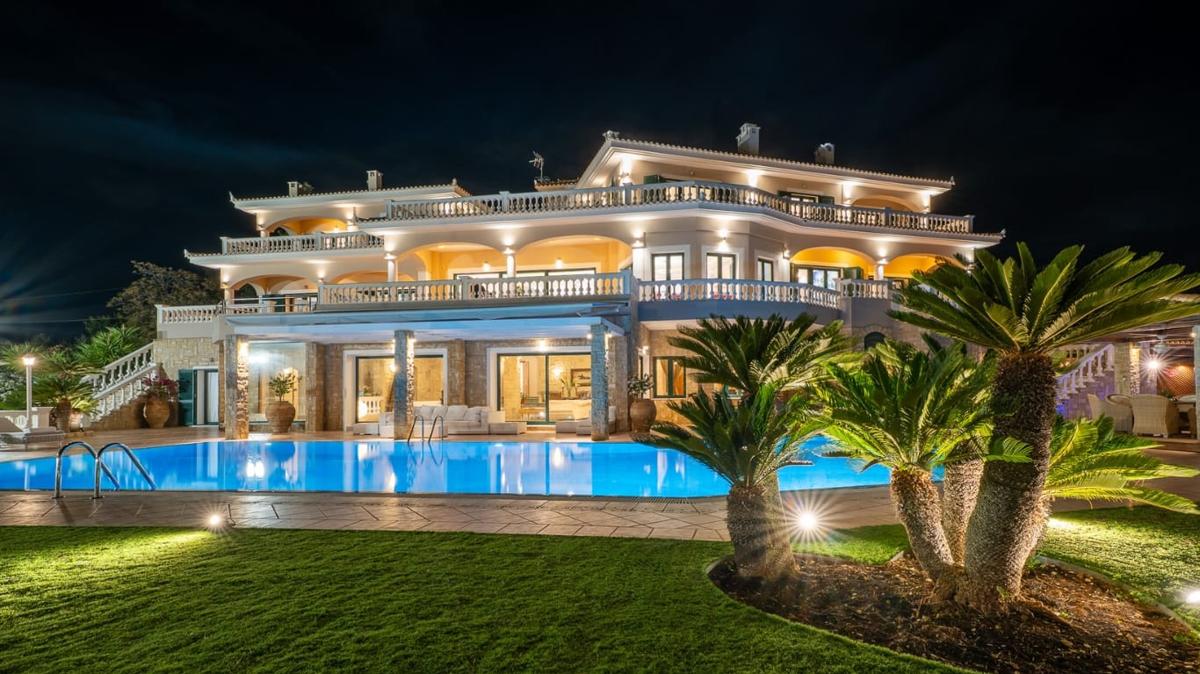
- We see Kifissia, Glyfada, Voula and Vouliagmeni anchoring the upper end of the residential market, with seafront stock attracting the most international buyer interest in current conditions.
- Bank of Greece data shows continued appreciation in the prime segment through 2025 and into 2026, with the gap between Athens and the major European capitals continuing to narrow.
- The Hellinikon megaproject continues to reshape the southern coastal arc, with adjacent residential pricing tracking the development milestones across the multi-phase delivery schedule.
- Short-term rental regulation has tightened in central Athens neighbourhoods, with the licensing framework affecting yield calculations for buy-to-let-focused buyers entering the market.
- For most considered Greek buyers we view Athens as offering a credible combination of appreciation potential, lifestyle access and improving infrastructure across the 2026 horizon.
- Who is this for?
- International and Greek diaspora buyers evaluating Athens as a prime market, alongside the advisers, brokers and family office staff framing those acquisitions.
- What is happening?
- A market read of Athens property in 2026, covering the central neighbourhoods, Athenian Riviera, Hellinikon influence and the short-term rental regulatory landscape.
- When did this emerge?
- The article reflects current Bank of Greece, ELSTAT and Hellenic Property Federation data through 2025 and into 2026, with reference to the post-crisis recovery arc.
- Where is this happening?
- The piece focuses on Athens, including Kifissia, Glyfada, Voula and Vouliagmeni, with reference to the broader Athenian Riviera and Greek prime market dynamics.
- Why does it matter?
- Athens has crossed an important threshold in international buyer perception, which is why the market deserves attention from anyone tracking the wider Mediterranean prime segment.
The Athens housing market today
Q2 2026 saw over 9,000 residential transactions across Athens, with nearly 40 percent involving foreign buyers per Hellenic Statistical Authority data, cross-checked against the senior Greek brokerage desks. Time on market for centrally located apartments has dropped to 58 days from 73 days a year earlier. The median apartment price in central Athens runs roughly EUR 170,000 to EUR 230,000, with renovated heritage units moving fastest.
The Greek Golden Visa programme (EUR 500,000 minimum threshold for central Athens since the August 2023 reforms; EUR 250,000 in less-affected regions) has reshaped buyer behaviour at specific price points. The 7-percent flat tax for new tax residents on foreign-sourced income, and the non-domiciled tax regime for high-net-worth international relocators, have further supported the international buyer activity that has reshaped the city.
- Average residential prices: EUR 2,450 per sqm, up 7.6 percent YoY
- Q2 2026 transactions: 9,000+
- Foreign buyer share: approximately 40 percent
- Time on market: 58 days (down from 73)
Athens neighborhoods defining the prime tier in 2026
Kolonaki
Kolonaki remains the Athens most prestigious central neighbourhood, with neoclassical mansions, designer retail and the Benaki Museum's cultural anchor. The median apartment price exceeds EUR 4,500 per sqm. Period architecture and walkability define the buyer composition.
Sotheby's International Realty Greece and Engel and Volkers Athens handle most of the prime listings.
Koukaki and Plaka
Koukaki and Plaka, the historic neighbourhoods at the foot of the Acropolis, have seen the most active restoration culture in central Athens. Renovated heritage units move quickly and command premium pricing, particularly in the streets immediately surrounding Lysikrates Square and Anafiotika.
Exarchia and Pangrati
Exarchia and Pangrati represent the rapidly redeveloping central neighborhoods with strong restaurant and cultural cluster activity. Pangrati in particular has drawn the most disciplined design-led buyer attention over the past two years.
The Athens Riviera
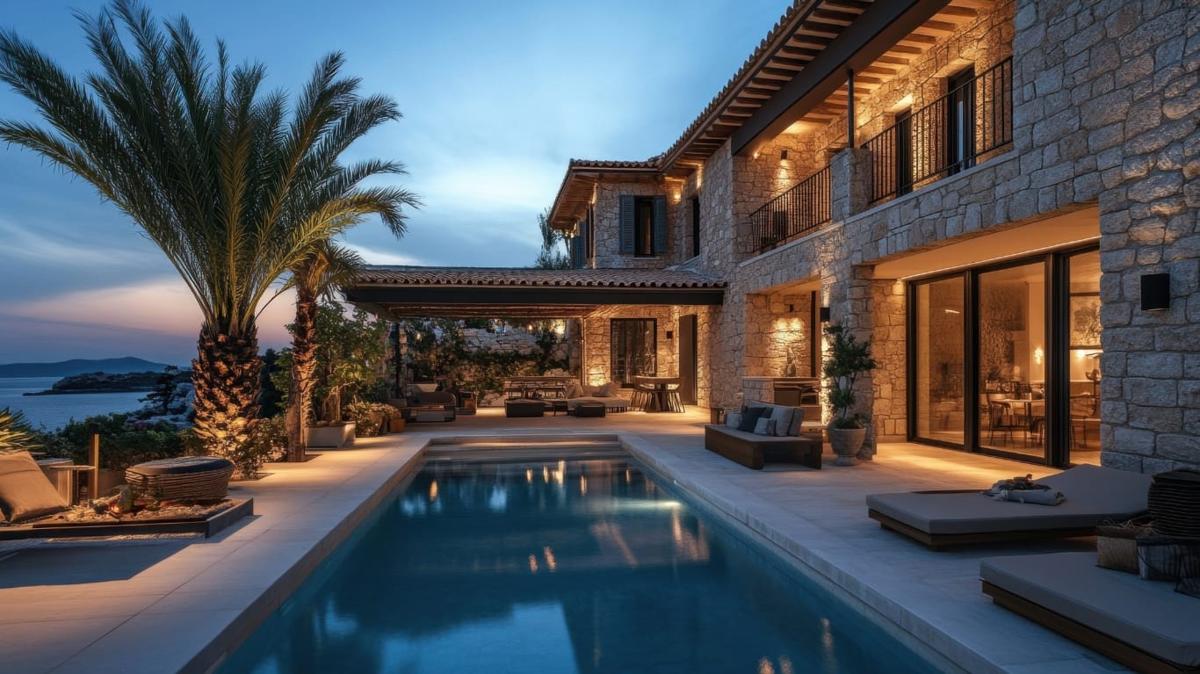
The Athens Riviera (Glyfada, Voula, Vouliagmeni) has been transformed by the Ellinikon Megaproject. Coastal villa prices in Vouliagmeni regularly exceed EUR 8,000 per sqm. The Foster and Partners-master-planned Ellinikon represents one of the most consequential urban regeneration investments in Europe, with named international architects (Foster and Partners, Aedas) producing the most considered contemporary commissions.
The Athens rental landscape
Rental demand has been supported by domestic professionals, students, and the continuing flow of international relocations under Greece's expanded tax framework. The short-term rental market remains active despite tightening regulations across central Athens. Long-term lease demand has been particularly strong in the central districts and along the Athens Riviera, with the gap between legally compliant licensed inventory and the older unlicensed stock widening meaningfully.
What is shaping the Athens property market in 2026
The Ellinikon Megaproject continues to reshape the southern coastline through 2026 and beyond. Luxury residences designed by named international architects (Foster and Partners, Aedas), the Athens Riviera Park, the casino-hotel complex, and the broader urban-regeneration programme together represent one of the most consequential single investments in European urban development of the past two decades.
The Greek Golden Visa programme, the 7-percent flat tax for new tax residents, and the city's expanding cultural calendar (the Athens Concert Hall, the Stavros Niarchos Foundation Cultural Center designed by Renzo Piano) continue to support international buyer activity. By comparison, Portugal's pre-2023 Golden Visa real-estate route was withdrawn and Spain ended its programme entirely in 2024, which is part of why Greece has captured so much of the European wealthy-migration flow.
Where the Athens property market reads now
Prices are projected to climb 6 to 9 percent through the back half of 2026. Growth is expected to concentrate in the Athens Riviera, the central restoration districts (Plaka, Koukaki, Pangrati) and the Ellinikon-adjacent submarkets. The architectural-pedigree subcategory (restoration projects with named architect credit, contemporary commissions along the Riviera) is where the strongest premium consolidation has been visible.
What this means for buyers
For the buyer who values architectural depth, one of the most consequential urban regeneration projects in Europe, and a tax framework that has structurally reshaped European wealthy migration patterns, Athens continues to read as one of the most structurally important property markets in the Mediterranean.
The neighborhoods responding most distinctly to the design-led international buyer shift, namely Kolonaki, the Athens Riviera and Plaka, are quietly outperforming the citywide averages. We last reviewed this analysis in May 2026.
Frequently asked
How is the Athens property market evolving in 2026?
Prices are projected to climb 6 to 9 percent through 2026, supported by the Ellinikon Megaproject, the Golden Visa framework, and continued international buyer demand. Knight Frank's Wealth Report and Mansion Global both flag Athens as one of the most consequential structural property recoveries in the Mediterranean.
Which Athens areas are seeing the most buyer attention?
The Athens Riviera (Glyfada, Voula, Vouliagmeni), Kolonaki, Koukaki, Plaka and Pangrati are drawing the most consistent demand. The Ellinikon-adjacent submarkets along the southern coast have been the standout growth corridor of the cycle.
Can foreign nationals buy property in Athens?
Yes. Greece's Golden Visa pathway provides residency for buyers above specified thresholds (EUR 500,000 in central Athens, EUR 250,000 in less-affected regions). The 7-percent flat tax for new tax residents and the non-domiciled regime are the structural draws.
What is the Ellinikon Megaproject?
The EUR 8 billion redevelopment of the former Athens airport site, the largest urban regeneration project in Europe, master-planned by Foster and Partners with contributions from Aedas and other named international architects. The buildout continues through the back half of the decade.