The Dubai property market is entering 2026 from a position few global cities can match. The emirate recorded over AED 430 billion in real estate transactions in 2024, and average residential prices climbed 5. 6 percent year on year (apartments up 4.
2 percent, villas up 7. 9 percent). The Dubai Land Department's data and Property Finder's tracking both describe the same picture: a market that has moved past the speculative surge of 2021 and 2022 into a more structurally driven cycle, shaped by Golden Visa-pathway international buyers, the continuing buildout of Foster and Partners and Zaha Hadid Architects projects across the city, and one of the deepest pools of off-plan launch demand globally.
Knight Frank's Wealth Report has tracked Dubai as a top-three global destination for ultra-high-net-worth property buyers, alongside London and New York. Mansion Global, Robb Report and Architectural Digest have each devoted substantial recent coverage to the architectural ambition of the city's most consequential developments: the Atlantis The Royal, the One Za'abeel, the Bulgari Lighthouse, the Como Residences. The buyer composition has continued to shift, with Indian, Russian, British, Chinese and German purchasers now accounting for nearly 58 percent of all residential transactions per Property Finder.
- Dubai property continues to deliver record transaction activity through 2026, with Palm Jumeirah, Downtown Dubai, Emirates Hills and Jumeirah Bay anchoring the upper end of the market.
- We see Dubai Land Department data confirming sustained price appreciation, with the prime segment outperforming the broader market across recent quarters.
- Off-plan delivery from Emaar, Damac, Sobha and Nakheel continues at pace, with absorption rates remaining healthy across the AED 2 million to AED 20 million-plus segments.
- Branded residences from international hospitality and fashion houses including Bulgari, Armani, Versace and Bugatti have established credible benchmarks at the top of the market.
- Golden Visa thresholds at AED 2 million continue to support international buyer flows, with the 10-year residency offering meaningful planning flexibility versus alternative jurisdictions.
- For most considered international investors we view Dubai as the most liquid Gulf property market, with appreciation potential tied to continued international population growth.
- Who is this for?
- International investors and end-users evaluating Dubai property acquisition, alongside the advisers, brokers and family office staff framing those decisions.
- What is happening?
- A market read of Dubai property in 2026, covering the prime areas, sustained appreciation, major developers, branded residences and the Golden Visa framework.
- When did this emerge?
- The article reflects 2026 market conditions through Dubai Land Department, Property Monitor and Knight Frank UAE data alongside our own observations.
- Where is this happening?
- The piece focuses on Dubai, including Palm Jumeirah, Downtown Dubai, Emirates Hills, Jumeirah Bay and the broader emirate including the secondary growth corridors.
- Why does it matter?
- Dubai property has established itself as a credible international prime market, which is why the city deserves serious attention from anyone tracking the Gulf real estate complex.
The Dubai property market today
The average price per square metre for residential property in Dubai sits at roughly AED 16,924 (about US$4,580), with sharp variation by neighborhood. Premium zones like Downtown Dubai and Palm Jumeirah exceed US$6,000 per sqm. Emerging communities like Dubailand and Jumeirah Village Circle sit closer to US$2,200 to US$2,800.
Properties are selling faster, averaging 34 days on the market against 46 days a year ago.
- Average residential prices up 5.6 percent YoY (apartments +4.2, villas +7.9)
- Q2 2026 residential transactions: AED 120+ billion
- Time on market: 34 days (down from 46)
- Foreign buyers: approximately 58 percent of all transactions
- Average price per sqm: AED 16,924 (around US$4,580)
Dubai neighborhoods defining the prime tier in 2026
Downtown Dubai
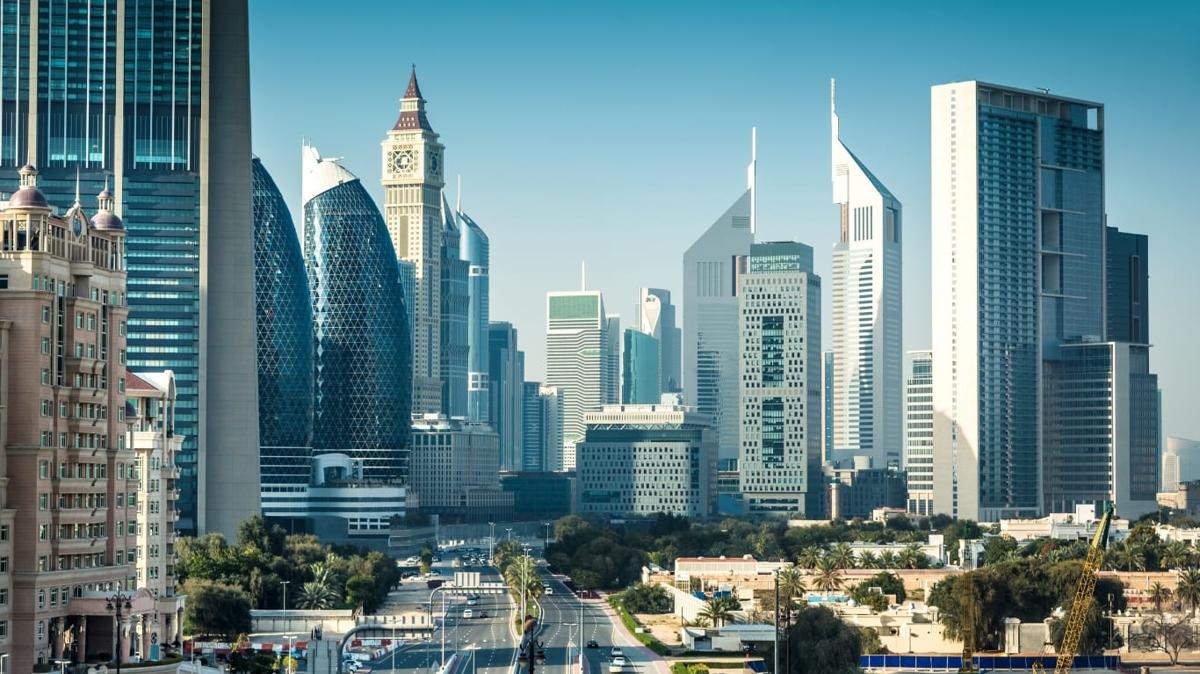
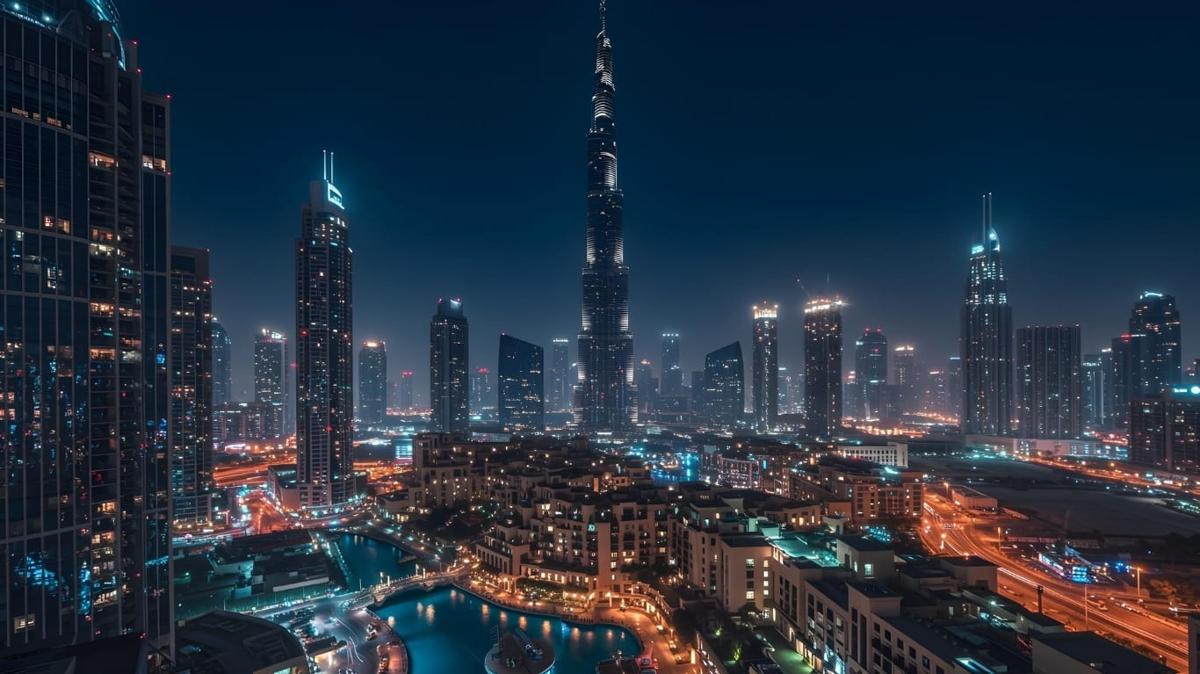
Downtown Dubai remains one of the city's most consistently high-performing districts, with proximity to the Burj Khalifa (Adrian Smith and Gordon Gill), the Dubai Mall and DIFC. The median home price sits at roughly AED 3. 4 million, up 5.
8 percent year on year. New inventory is genuinely limited, with most prime listings cleared through Engel and Volkers and Sotheby's International Realty.
Palm Jumeirah
Palm Jumeirah remains one of Dubai's most exclusive beachfront communities, with much of the prime villa stock developed by Nakheel. The median property price is around AED 8. 2 million, up 4.
1 percent year on year. Bespoke architecture and private beach access define the prime listings. Cash transactions are common, with Mansion Global tracking several recent AED 100 million-plus single-asset deals.
Dubai Marina
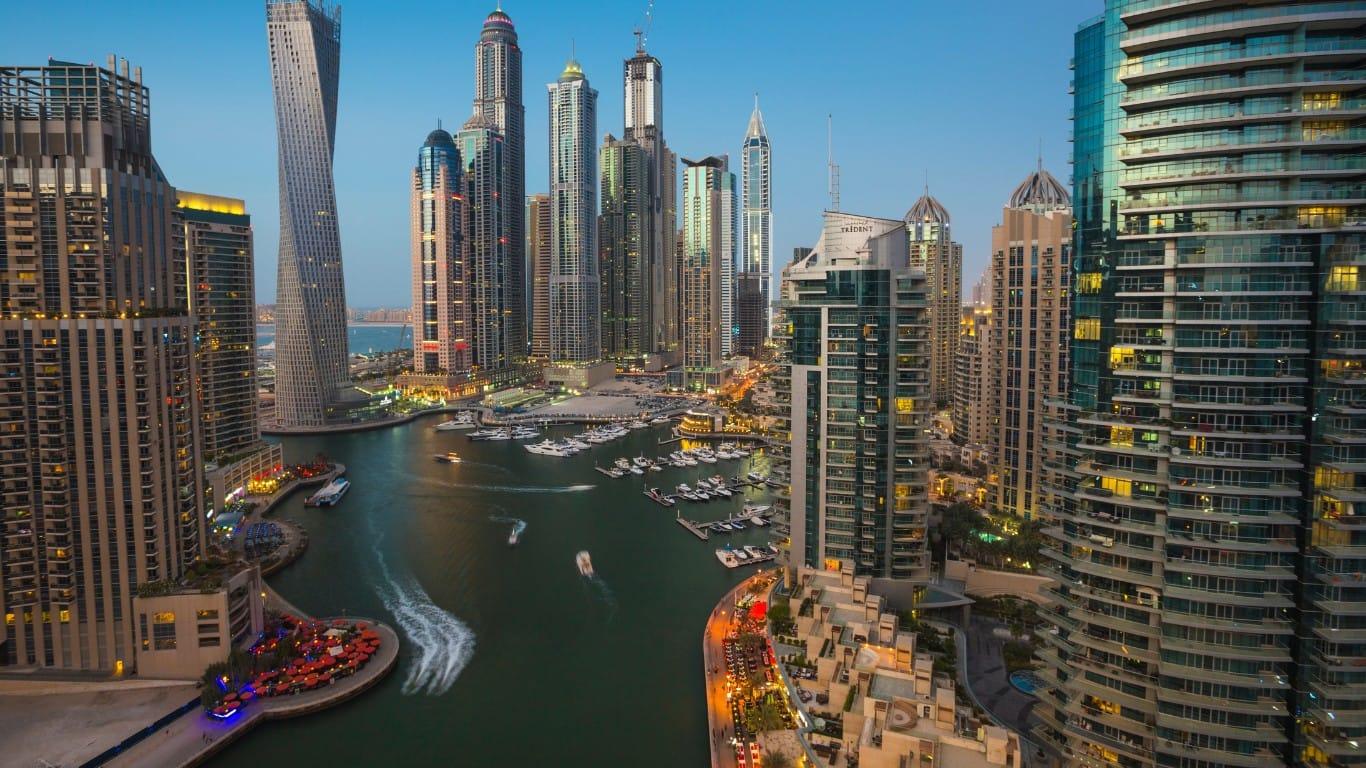
Dubai Marina is one of the most active residential hubs for expatriates and professionals. The median home price is AED 2. 1 million, up 6.
2 percent year on year. The Marina's prime per-sqm pricing is now within striking distance of comparable Manhattan stock per Knight Frank's global prime index.
Business Bay
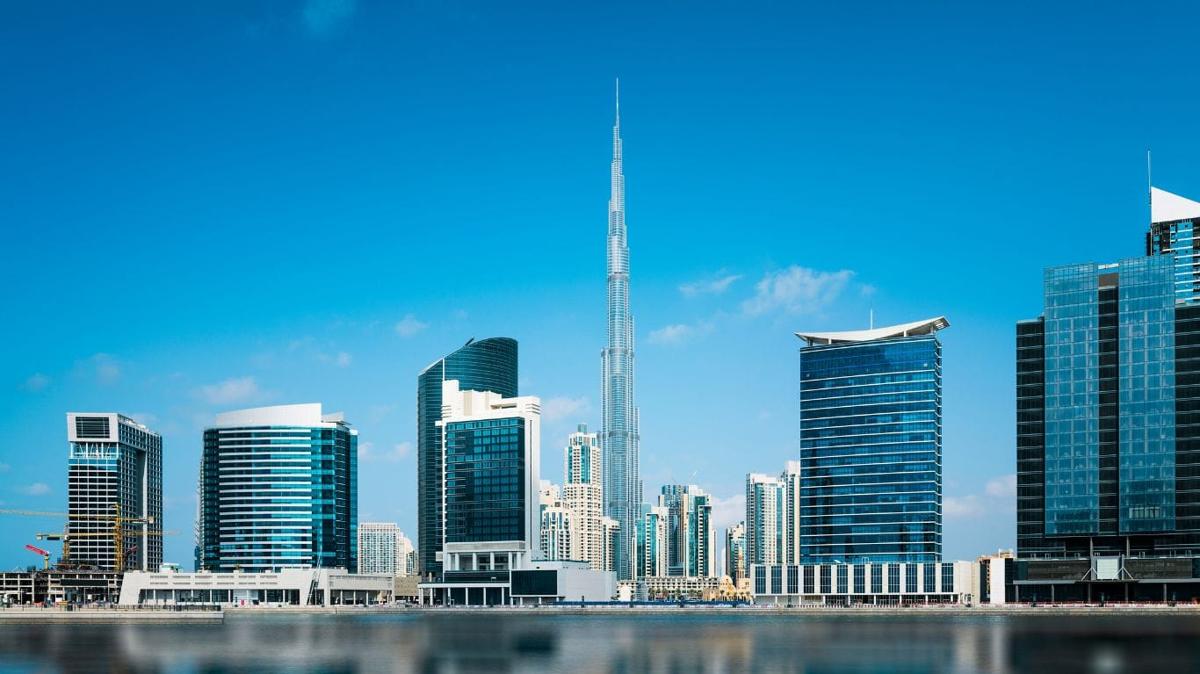
Business Bay continues its mixed-use evolution, with Foster and Partners' Index Tower defining the architectural register of the area. The median property price is AED 1. 8 million, up 5.
5 percent year on year. Branded residences (Bulgari, Bvlgari, Aman) continue to be added to the inventory.
Dubai Hills Estate
Dubai Hills Estate, developed by Emaar, delivers a suburban luxury lifestyle with golf course views, international schools and hospital access. The median price is AED 3. 7 million, up 4.
6 percent year on year.
The Dubai rental landscape
Dubai's rental market continues to perform strongly. Average rents climbed 4. 2 percent year on year.
Demand concentrates in transit-corridor communities and lifestyle hubs.
Studio apartments average AED 60,000 to 75,000 per year. One-bedroom apartments in prime districts average AED 100,000 to 140,000. Villas in Palm Jumeirah and Emirates Hills regularly exceed AED 1 million per year.
Reidin's Dubai residential rental index has been tracking the same trajectory.
What is shaping the Dubai property market in 2026
Several structural forces define the market. The Golden Visa programme, substantially expanded in 2022 to reduce the investment threshold and lift residency restrictions, has reshaped the buyer composition. The 10-year Golden Visa requires AED 2 million in property; AED 750,000 qualifies for the two-year residence visa.
By comparison, Greece's Golden Visa now sits at EUR 250,000 to EUR 800,000 depending on zone, Portugal's real-estate route was withdrawn in 2023, and Spain ended its programme entirely in 2024, which is part of why Dubai has captured so much of the global wealthy-migration flow.
Foreign capital flows continue from Russia, China, India, the UK and increasingly from Europe. The continuing buildout of the Dubai Metro Blue Line, the expansion of Dubai International Airport, and the Expo City Dubai redevelopment all reshape demand around specific corridors. New designations of branded residences (Cipriani, Aman, Bvlgari, Bugatti, Mercedes-Benz) continue to expand the prime offer.
Where the Dubai property market reads now
Prices are projected to climb 5 to 8 percent through the back half of 2026, with continued strength in prime villa segments (Palm Jumeirah, Emirates Hills, Jumeirah Bay Island, Dubai Hills Estate). Rental growth is forecast at 3 to 5 percent. Property Finder and the Dubai Land Department both track this trajectory.
What this means for buyers
For the buyer who values architectural ambition at global scale, one of the world's most consequential prime-residential offers, and a tax framework that has structurally reshaped global wealthy migration patterns, Dubai continues to read as a structurally important property market.
The neighborhoods responding most distinctly to the design-led international buyer shift, namely Palm Jumeirah, Dubai Hills Estate and the redeveloping Business Bay, are quietly outperforming the headline averages. We last reviewed this analysis in May 2026.
Frequently asked
How is the Dubai property market evolving in 2026?
Prices are projected to climb 5 to 8 percent through 2026, supported by continued international buyer demand and the expanded Golden Visa framework. The Dubai Land Department and Property Finder both track this trajectory across their indices.
Which Dubai neighborhoods are seeing the most buyer attention?
Palm Jumeirah, Downtown Dubai, Dubai Marina, Dubai Hills Estate and Business Bay are drawing the most consistent international demand. Mansion Global and Architectural Digest have profiled each of these as flagship prime markets in the global comparison set.
Can foreign nationals buy property in Dubai?
Yes, in designated freehold zones (Dubai Marina, Palm Jumeirah, Downtown Dubai, Emirates Hills, Arabian Ranches, JBR, Business Bay). The Golden Visa pathway provides residency for buyers above specified thresholds: AED 2 million for the 10-year visa and AED 750,000 for a two-year residence visa.
How does Dubai compare against other global prime markets?
Knight Frank's Wealth Report ranks Dubai among the top three global destinations for ultra-high-net-worth property buyers, alongside London and New York. Prime per-sqm pricing in Dubai Marina now sits within striking distance of Manhattan and well below Monaco or Mayfair.