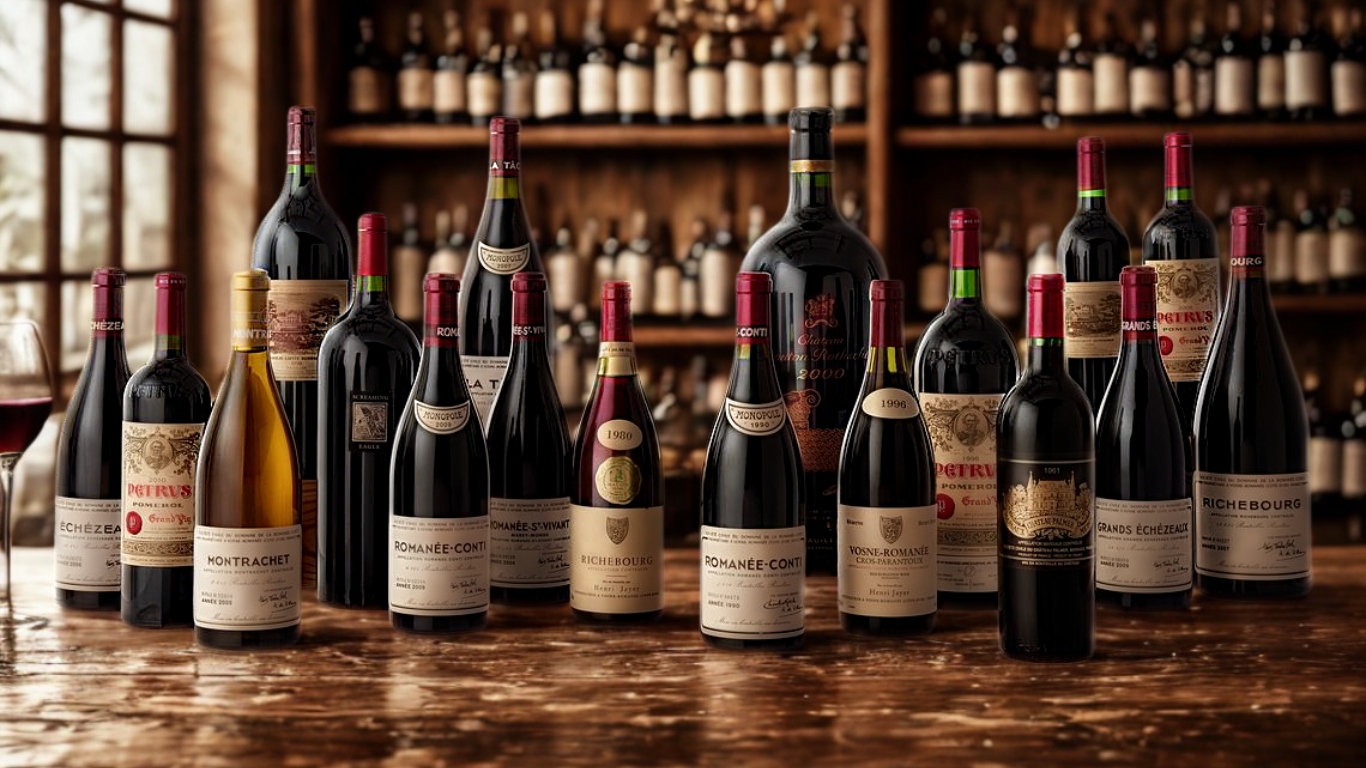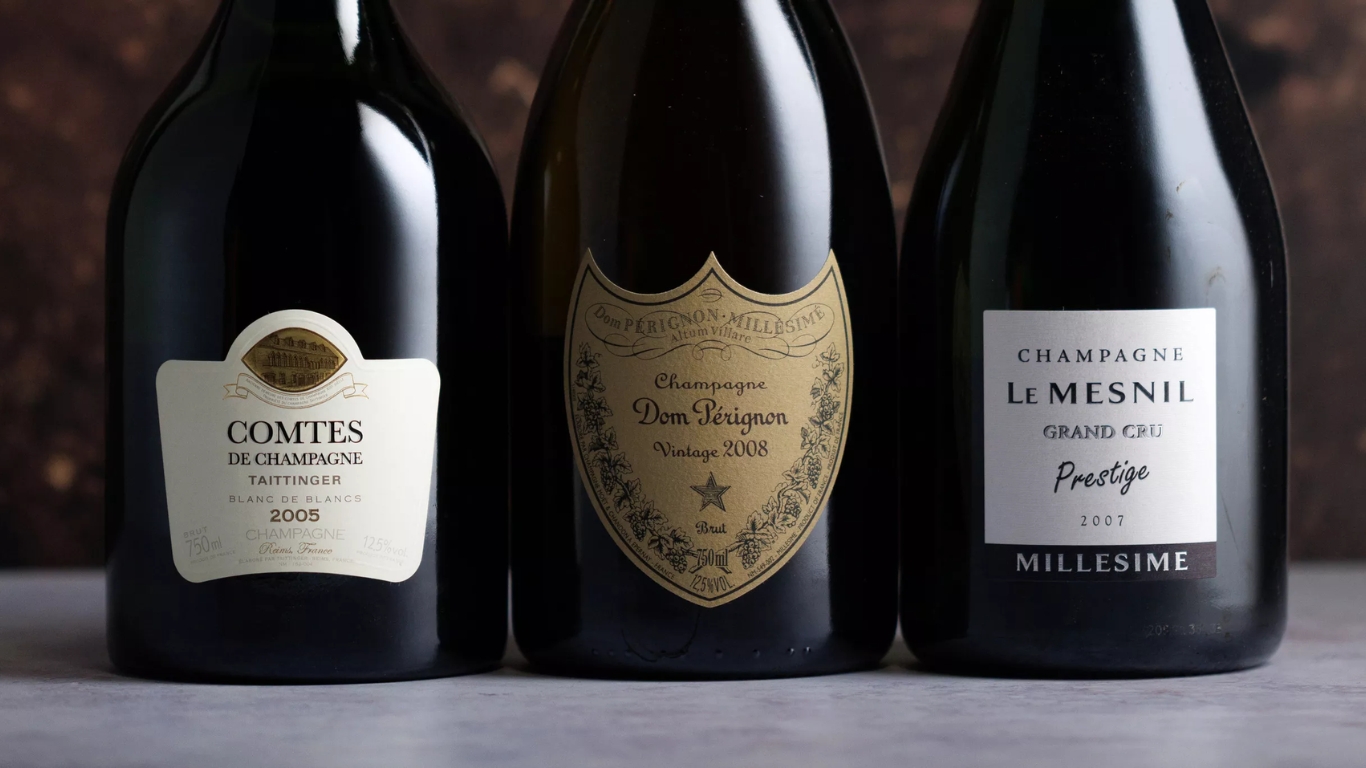

Fine wine investment is having a serious moment. Collectors and investors around the world are pouring capital into bottles that offer both financial upside and the kind of prestige you simply can’t get from a stock certificate.
Two varietals keep rising to the top of every serious conversation about wine investment. Pinot Noir and Cabernet Sauvignon are titans of the wine world, but they represent very different styles and very different investment profiles.
Both carry rich histories and genuinely compelling characteristics. But when it comes to their potential as investment vehicles, the differences between them matter more than most people realize.
Pinot Noir is widely considered the crown jewel of the wine world. Collectors prize it for its subtle complexity and almost architectural elegance.
Its deep connection to Burgundy, a region synonymous with some of the most expensive and coveted bottles on earth, is a big part of what makes it so magnetic to serious investors.
Cabernet Sauvignon, by contrast, has earned its reputation as the king of reds. Bold flavors, impressive versatility, and a robust aging potential have made it a cornerstone of collections across every price tier.
Its dominance in Bordeaux and Napa Valley only solidifies its standing as one of the most reliable pillars of wine investment.
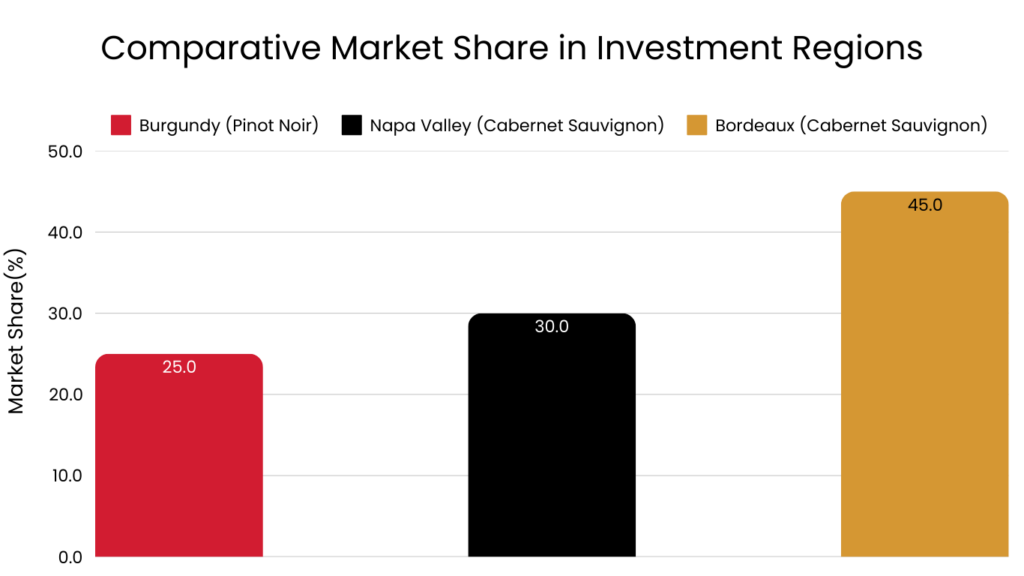
This guide breaks down the key differences between Pinot Noir and Cabernet Sauvignon across every dimension that matters to investors, from their origins and grape characteristics to winemaking methods, tasting profiles, pricing, and historical returns in an increasingly competitive fine wine market.
Table of Contents
Regions & Origins
Where a wine comes from shapes everything about it. For Pinot Noir and Cabernet Sauvignon, regional origins are not just background detail. They define the flavor, the character, and ultimately the investment case.
These regions set the tone for how wines are valued, how collectible they become, and how strongly they hold up in the secondary market.
Pinot Noir
Pinot Noir’s story begins in Burgundy, France, where it has been cultivated for more than a thousand years.
Burgundy sets the global benchmark for Pinot Noir production, with a meticulous classification system that divides vineyards into grand cru, premier cru, village, and regional tiers.
The most revered Burgundy vineyards, Romanée-Conti and La Tâche among them, produce wines that routinely fetch prices exceeding $20,000 per bottle.
Beyond Burgundy, Pinot Noir has taken root in a handful of cool-climate regions that have earned their own loyal followings among collectors.
- Willamette Valley, Oregon, USA: This region has earned global acclaim for its Pinot Noir, offering vibrant acidity, red fruit flavors, and a distinct minerality.
- Central Otago, New Zealand: Known for its bold, fruit-forward style, Central Otago Pinot Noir is characterized by purity and intensity.
- Mornington Peninsula and Yarra Valley, Australia: These regions produce refined Pinot Noir with a balance of fruit and earthy complexity.
- Germany’s Ahr Valley: Although less recognized, Germany’s Spätburgunder (Pinot Noir) offers exceptional quality and value.
Pinot Noir’s limited adaptability means its regional expression is highly specific. That specificity adds a layer of rarity that fuels its investment appeal.
Cabernet Sauvignon
Cabernet Sauvignon traces its origins to Bordeaux, France, where it anchors the most celebrated Left Bank blends in the world.
What sets it apart from Pinot Noir is its natural resilience. It adapts to a wide range of climates and soils with ease, and that flexibility has made it the most widely planted grape variety on the planet.
The key regions producing investment-grade Cabernet Sauvignon span multiple continents, each bringing its own style and price tier to the table.
- Bordeaux, France: Particularly in the Médoc region, where first-growth châteaux like Château Lafite Rothschild and Château Margaux produce some of the most collectible wines in the world.
- Napa Valley, California, USA: Napa’s warm climate and innovative winemaking have resulted in bold, high-quality Cabernets from producers like Screaming Eagle and Opus One.
- Coonawarra, Australia: The region’s terra rossa soils contribute to Cabernet Sauvignon with intense fruit flavors and distinctive eucalyptus notes.
- Chile’s Maipo Valley: Known for value-driven yet high-quality Cabernet Sauvignon, with a focus on rich, ripe fruit and smooth tannins.
Unlike Pinot Noir, Cabernet Sauvignon thrives in diverse environments, which gives investors a much broader spectrum of styles and entry points to work with.
Pinot Noir’s narrow geographical focus, anchored in Burgundy, creates a scarcity that pushes prices for top-tier wines to extraordinary levels.
Cabernet Sauvignon’s adaptability, on the other hand, opens the door to a much wider range of options, from accessible starting points to high-end collectibles that rival anything in the market.
That regional dynamic is one of the first things you need to factor in when comparing the two as investments.
Grape Characteristics
The physical and structural traits of Pinot Noir and Cabernet Sauvignon grapes shape everything downstream, from the flavors in your glass to the aging potential in your cellar and the price on the auction block.
Getting to grips with these characteristics gives you a sharper lens for understanding why these two wines behave so differently as investment assets.
Pinot Noir
Pinot Noir has earned the nickname “the heartbreak grape” for good reason. Its delicate nature and demanding cultivation requirements make it one of the most challenging varieties to grow well.
Its thin skin and tight clusters leave it highly exposed to disease, rot, and weather extremes. That fragility is also what drives its exclusivity, since yields are tightly constrained and every bottle carries the weight of that difficulty.
The defining physical characteristics of Pinot Noir grapes set the stage for everything that makes the wine so compelling and so costly to produce.
- Skin: Thin, leading to lighter color and lower tannin levels.
- Acidity: Naturally high, which contributes to its bright, refreshing profile and aging potential.
- Yield: Low yields due to the grape’s sensitivity to environmental factors, making each harvest more precious.
- Flavor Potential: Known for its complexity, Pinot Noir exhibits a wide array of flavors, including red fruits (cherry, raspberry), floral notes, and earthy undertones.
From a winemaking perspective, Pinot Noir demands a level of precision that few other grapes require. Small shifts in soil, climate, or vineyard management can alter the final wine in ways that are immediately noticeable to experienced collectors. That sensitivity is precisely why serious buyers pay such a premium for it.
Cabernet Sauvignon
Cabernet Sauvignon sits at the opposite end of the spectrum. Its thick skin and loose clusters make it naturally resistant to disease and highly adaptable across climates, which translates into consistent quality and more generous yields.
That resilience is a core reason why Cabernet Sauvignon became the world’s most planted grape variety.
The structural traits of Cabernet Sauvignon grapes give winemakers a more forgiving canvas to work with, and the results speak for themselves across dozens of regions.
- Skin: Thick, contributing to its deep color and high tannin content.
- Acidity: Moderate, offering balance and supporting long aging.
- Yield: High yields across a wide range of regions, ensuring greater availability.
- Flavor Potential: Dominated by dark fruits (blackcurrant, blackberry), with secondary notes of bell pepper, cedar, and spices.
Cabernet Sauvignon’s robust structure and proven aging potential make it a natural fit for investment portfolios built around long-term value.
Its tannic backbone and balanced acidity allow it to evolve beautifully over decades, picking up layers of tobacco, leather, and dark chocolate as it matures.
Pinot Noir’s delicate nature and low yields cement its exclusivity and support some of the highest price points in the wine world, especially from premier Burgundy vineyards.
Cabernet Sauvignon’s adaptability and durability, by contrast, make it a dependable choice whether you’re a first-time collector or a seasoned investor with a deep cellar.
Pinot Noir offers a more niche, high-stakes appeal. Cabernet Sauvignon delivers a broader range of opportunities with a more predictable return profile. Both have a legitimate place in a serious wine portfolio.
Winemaking Methods
The way these wines are made is not just technical background. Production methods shape flavor, texture, and aging trajectory, all of which feed directly into desirability and long-term investment value.
Understanding how Pinot Noir and Cabernet Sauvignon are crafted gives you a clearer picture of where their value actually comes from.
Pinot Noir
Winemaking with Pinot Noir is often described as an art form, and that’s not hyperbole. The grape’s sensitivity demands extraordinary precision at every stage of production.
The goal throughout is to preserve the grape’s delicate flavors and aromatic complexity while building just enough structure to allow it to age gracefully.
The core techniques used in Pinot Noir winemaking reflect that philosophy of restraint and precision.
- Hand Harvesting: Pinot Noir is usually hand-harvested to prevent damage to the thin-skinned grapes, ensuring optimal quality.
- Cold Soaking: Winemakers often use cold soaking before fermentation to extract color and aroma without excessive tannins.
- Whole-Cluster Fermentation: Frequently employed to add complexity and depth, whole-cluster fermentation involves fermenting entire grape bunches, including stems.
- Gentle Pressing: After fermentation, the wine is gently pressed to avoid extracting harsh tannins.
- Aging: Typically aged in French oak barrels for 12–18 months. New oak is used sparingly (10–30%) to avoid overpowering the wine’s delicate flavors.
- Minimal Intervention: Many producers favor minimal intervention, allowing the terroir to shine through.
The meticulous nature of Pinot Noir production makes these wines expensive to craft, and that cost flows through to the bottle. For top-tier producers, that investment in care and detail is a core part of what collectors are paying for.
Cabernet Sauvignon
Cabernet Sauvignon’s robust character gives winemakers room to use more assertive techniques that draw out its bold flavors and substantial tannic structure.
The grape’s durability creates genuine flexibility in the cellar, and the result is a wide range of styles that can appeal to very different kinds of buyers.
The key production techniques for Cabernet Sauvignon are oriented toward one clear objective, which is building wines with the structure and depth to reward decades of aging.
- Mechanical or Hand Harvesting: Depending on the region and producer, Cabernet Sauvignon can be harvested mechanically or by hand.
- Extended Maceration: This technique, where the grape skins remain in contact with the juice for a longer period, enhances tannin extraction and color intensity.
- Fermentation: Often conducted in stainless steel tanks for controlled temperatures, ensuring consistent quality.
- Oak Aging: Cabernet Sauvignon benefits from aging in oak barrels, often new American or French oak, for 18–24 months. This adds layers of vanilla, spice, and smoke to the wine.
- Blending: In regions like Bordeaux, Cabernet Sauvignon is frequently blended with other varietals (e.g., Merlot, Cabernet Franc) to enhance complexity and balance.
- Filtration and Stabilization: These processes ensure clarity and stability, especially for wines meant to age over decades.
That focus on long-term aging potential is what makes Cabernet Sauvignon so attractive to investors who want assets that compound in value over time.
Pinot Noir’s artisanal production and deliberately limited output drive its exclusivity and support premium pricing, especially for the iconic names coming out of Burgundy.
But that delicate nature also introduces vintage-to-vintage variability that creates more volatility in investment value. A disappointing year in Burgundy can move prices sharply.
Cabernet Sauvignon’s flexible production approach and broader adaptability deliver more consistent quality across vintages, making it a steadier, lower-volatility option for wine investors.
Appearance, Aromas, and Tasting Notes
Pinot Noir and Cabernet Sauvignon offer strikingly different sensory experiences, and those differences are not just about personal taste. They shape market demand, collector interest, and the investment fundamentals of each wine.
Knowing what’s in the glass helps you understand who is buying, why they’re paying what they’re paying, and how sustainable that demand is likely to be.
Pinot Noir
Pinot Noir is revered for its elegance. Its lighter body and nuanced flavors have built a devoted following among connoisseurs who prize finesse over sheer power.
Its capacity to express terroir with extraordinary clarity is a huge part of its appeal. Subtle differences in vineyard conditions can produce wines that taste nothing alike, and that specificity is exactly what collectors are chasing.
Appearance:
- Color: Light ruby to garnet, with a translucent quality.
- Visual Clues: Young Pinot Noir displays vibrant hues, while older vintages take on a brick or orange tinge at the edges.
Aromas:
- Primary Notes: Red fruits such as cherry, raspberry, and strawberry dominate the nose.
- Secondary Notes: Floral aromas like rose and violet often accompany the fruit.
- Tertiary Notes (with aging): Earthy undertones emerge, including mushroom, truffle, and forest floor, adding depth to the bouquet.
Tasting Notes:
- Body: Light to medium-bodied, offering a delicate texture.
- Acidity: High acidity gives the wine its refreshing quality and enhances its aging potential.
- Tannins: Silky and subtle, contributing to its smooth mouthfeel.
- Finish: Long and nuanced, with evolving flavors that captivate the palate.
For investors, Pinot Noir’s sensory complexity is an asset. Collectors who value intricate layering and terroir-driven expression will consistently seek out the finest examples, supporting strong demand at the premium end.
Its ability to age gracefully, with earthy and complex notes slowly emerging over years and decades, adds another dimension to its investment appeal that purely young-drinking wines simply cannot match.
Cabernet Sauvignon
Cabernet Sauvignon occupies a different register entirely. Bold, structured, and commanding, it appeals to drinkers and collectors who want intensity and presence in the glass.
Appearance:
- Color: Deep garnet to inky purple, with an opaque quality.
- Visual Clues: Young Cabernets exhibit vibrant purple hues, while aged wines develop brick-red tones at the rim.
Aromas:
- Primary Notes: Dark fruits like blackcurrant (cassis), blackberry, and plum dominate.
- Secondary Notes: Green bell pepper, mint, and cedar provide complexity.
- Tertiary Notes (with aging): Notes of tobacco, leather, and dark chocolate emerge, adding sophistication.
Tasting Notes:
- Body: Full-bodied, with a rich and dense texture.
- Acidity: Moderate, providing balance to the wine’s tannins and fruit.
- Tannins: Firm and prominent, giving the wine structure and aging potential.
- Finish: Long and persistent, often leaving flavors of spice and dark chocolate.
That bold profile, combined with the ability to age for decades without losing its grip, makes Cabernet Sauvignon a natural anchor in investment portfolios. Structure and longevity are exactly what serious wine investors are looking for.
Pinot Noir draws a more selective audience, collectors who are specifically seeking its light, complex style and its ability to speak directly about the place it came from.
That selectivity creates a concentrated, high-conviction market, particularly for the revered producers of Burgundy.
Cabernet Sauvignon casts a wider net. Its broader appeal and consistent quality bring in buyers from across the spectrum, which is a real advantage when it comes to market liquidity.
Both wines offer something genuinely compelling. The differences between them are what make each one suited to a different kind of investment strategy.
Storage
Storage is where many wine investments are made or lost. Both Pinot Noir and Cabernet Sauvignon require the right conditions to age properly, preserve quality, and hold or grow their value over time. Get it wrong, and even a great bottle can become worthless.
Understanding exactly what each varietal needs from a storage perspective is non-negotiable for any serious wine investor.
Pinot Noir Storage
Pinot Noir’s delicate constitution demands precise storage. Its lighter body, lower tannin levels, and higher acidity make it more sensitive to temperature swings and humidity fluctuations than almost any other serious investment wine.
The core storage guidelines for Pinot Noir reflect the care and attention this grape demands throughout its life in the cellar.
- Temperature: Consistent storage at 53°F to 57°F (12°C to 14°C) is crucial. Variations can compromise the wine’s delicate structure and aromatic profile.
- Humidity: Maintain humidity levels between 60% and 70% to prevent corks from drying out, which can lead to oxidation.
- Light Sensitivity: Pinot Noir should be stored in a dark environment. Exposure to light can degrade the wine and alter its flavor.
- Vibration-Free Environment: Vibrations disturb the wine’s sediment and aging process. Ensure the storage area is stable and free from movement.
- Lifespan: Most Pinot Noir wines reach their peak between 5 and 10 years, although exceptional examples, particularly from Burgundy, can age gracefully for 20 years or more.
For Pinot Noir investors, the stakes around storage are especially high. Bottles that have been poorly kept lose value quickly, and buyers in the secondary market are increasingly sophisticated about provenance and storage history.
Cabernet Sauvignon Storage
Cabernet Sauvignon’s robust structure and high tannin content give it more resilience in storage. But resilience does not mean invulnerability, and proper storage still plays a critical role in maximizing its long-term investment value.
The storage guidelines for Cabernet Sauvignon give investors more flexibility than Pinot Noir, while still requiring genuine attention to conditions.
- Temperature: Similar to Pinot Noir, Cabernet Sauvignon should be stored between 53°F and 57°F (12°C to 14°C) to maintain its integrity.
- Humidity: A range of 60% to 70% is ideal to protect corks and prevent evaporation.
- Light Sensitivity: As with all fine wines, exposure to light should be minimized to avoid degradation.
- Vibration-Free Environment: Ensure the wine is stored in a stable, undisturbed setting to facilitate optimal aging.
- Lifespan: High-quality Cabernet Sauvignon can age for 15 to 50 years, with top-tier examples from Bordeaux and Napa Valley developing profound complexity over decades.
That added resilience is part of what makes Cabernet Sauvignon an attractive long-term holding. You have more room for error, and the wine can weather minor imperfections without the same catastrophic drop in quality that Pinot Noir might suffer.
The ability to age for decades without significant quality degradation is a genuine asset for anyone running a patient, long-term wine investment strategy.
Storage conditions feed directly into resale value, and that connection is tighter than most new investors appreciate.
Pinot Noir’s sensitivity means higher storage costs and more rigorous monitoring, but a well-preserved bottle from a great producer also commands a premium that reflects that care.
Cabernet Sauvignon’s durability gives investors more breathing room and reduces the risk of quality loss over extended holding periods.
When you’re building a wine portfolio, storage is not a footnote. It is a core part of the strategy that protects and amplifies the value of everything you own. You can also explore the tax implications of fine wine investment to make sure your returns are structured as efficiently as possible.
Pricing
Pricing across Pinot Noir and Cabernet Sauvignon varies enormously, shaped by region, producer reputation, vintage quality, and the shifting currents of market demand.
Getting a clear picture of what drives those price differences is foundational for any investor trying to allocate capital intelligently in fine wine.
Pinot Noir Pricing
Pinot Noir pricing reflects a straightforward reality. Limited production, high demand, and the unmatched prestige of Burgundy push prices to levels that few other wine regions can touch.
The price spectrum for Pinot Noir runs from accessible entry points to some of the most expensive bottles ever sold at auction.
- Entry-Level: $20–$50 per bottle, typically from emerging regions like Oregon, New Zealand, or California.
- Mid-Range: $50–$200 per bottle for high-quality Pinot Noir from reputable producers in regions like Willamette Valley or Central Otago.
- Premium: $200–$1,000 per bottle for top-tier Pinot Noir from Burgundy villages like Chambolle-Musigny and Gevrey-Chambertin.
- Ultra-Premium: $1,000–$20,000+ per bottle for legendary Burgundy producers like Domaine de la Romanée-Conti (DRC).
The scarcity of top Burgundy Pinot Noir, combined with its global reputation for elegance and terroir expression, gives it pricing power that compounds over time. Secondary market appreciation can be dramatic for the right producers in the right vintages.
For investors who get in at the right moment, that exclusivity can translate into returns that outpace almost any other wine category.
Cabernet Sauvignon Pricing
Cabernet Sauvignon’s broader production base and consistent quality create a more layered pricing structure. You can enter the market at almost any budget, and there are high-value collectibles at the top that rival the finest Burgundy in terms of long-term appreciation.
The price ranges for Cabernet Sauvignon reflect its global footprint, with something compelling available at almost every investment tier.
- Entry-Level: $15–$50 per bottle, widely available from regions like Chile, South Africa, and Australia.
- Mid-Range: $50–$500 per bottle for premium Cabernets from producers in Napa Valley, Bordeaux, and Coonawarra.
- Premium: $500–$1,000 per bottle for top Bordeaux estates like Château Lynch-Bages or Napa icons like Caymus Special Selection.
- Ultra-Premium: $1,000–$10,000+ per bottle for first-growth Bordeaux (e.g., Château Margaux) and Napa Valley cult wines (e.g., Screaming Eagle).
Bordeaux and Napa Valley lead the market when it comes to high-value Cabernet Sauvignon collectibles, and both regions have track records of delivering meaningful appreciation over multi-decade holding periods.
The longevity of these wines is a key part of the investment thesis, particularly for buyers with the patience to let great bottles develop over time.
- Pinot Noir: The limited production and high demand for Burgundy Pinot Noir often result in steep price increases, particularly for sought-after vintages. However, its narrow market can make it more susceptible to price volatility.
- Cabernet Sauvignon: While Cabernet Sauvignon offers a broader spectrum of prices, its top-tier offerings, especially from Bordeaux and Napa, have a proven track record of consistent appreciation. Its widespread appeal and robust secondary market provide more stability for investors.
At the premium end, Pinot Noir often carries a higher price tag, driven by Burgundy’s prestige and the sheer difficulty of sourcing the finest bottles.
Cabernet Sauvignon gives you a more accessible on-ramp into serious wine investment, with strong options across a broader range of price points.
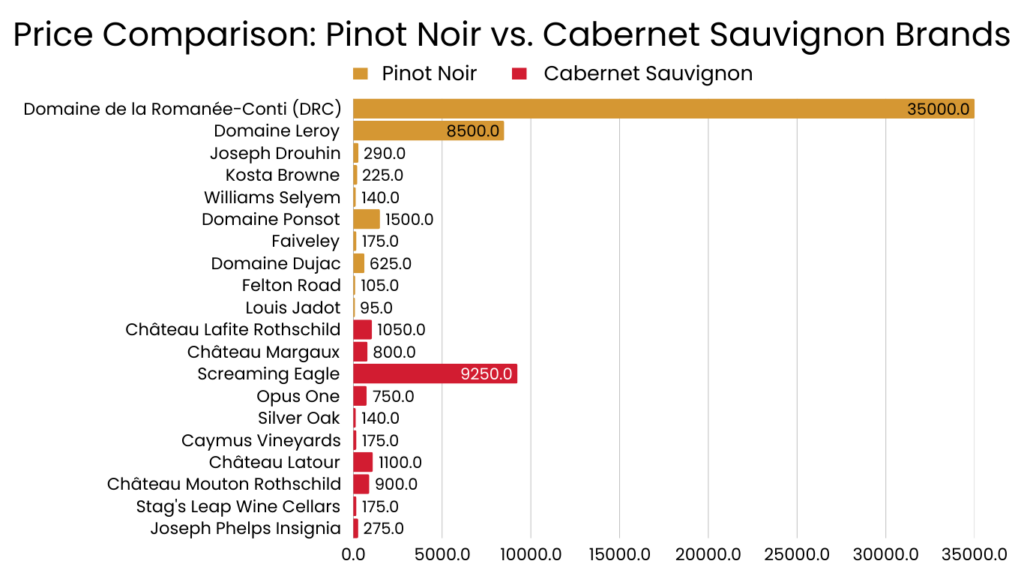
The right choice between the two depends on your budget, your appetite for risk, and whether you’re building for the short term or the long haul.

Historical ROI
Fine wine has consistently outperformed traditional asset classes like equities and gold over the past several decades, and the return on investment data for both Pinot Noir and Cabernet Sauvignon backs that up.
Both varietals have delivered impressive historical ROI, but the drivers behind their performance are meaningfully different, and understanding those differences helps you build a smarter portfolio.
Pinot Noir Historical ROI
Pinot Noir from Burgundy has seen remarkable value growth, powered by a combination of supply constraints and surging global demand from wealthy collectors across Asia, the US, and Europe.
Burgundy’s strict vineyard classifications and small production volumes create a built-in scarcity that keeps prices moving in one direction over time.
The standout ROI highlights for Pinot Noir tell a story of extraordinary returns for investors who identified the right producers early and held their nerve.
- Burgundy Growth: Burgundy wines have shown an annualized growth rate of approximately 14.1% over the past decade, with top producers like Domaine de la Romanée-Conti (DRC) leading the charge.
- Top Performance: DRC vintages, such as Romanée-Conti 2015, have seen secondary market prices rise by over 30% annually in recent years.
- Market Scarcity: Due to the small size of many Burgundy vineyards, annual production is inherently limited, creating consistent upward pressure on prices.
Pinot Noir’s investment returns are driven by a niche market where exclusivity and prestige do most of the heavy lifting.
But that same niche creates volatility. Value can shift sharply based on vintage quality, global economic conditions, and where collector attention happens to be focused in any given year. As the Financial Times has reported on fine wine markets, these dynamics reward informed investors who understand the cycles.
Cabernet Sauvignon Historical ROI
Cabernet Sauvignon, led by Bordeaux and Napa Valley, has built its investment reputation on steady, reliable returns rather than explosive spikes.
Bordeaux’s en primeur system, where wines are sold as futures ahead of bottling, gives investors a way to capture early market pricing before broader demand pushes prices higher.
The most notable ROI highlights for Cabernet Sauvignon reflect the advantage of investing in a wine with deep market roots and genuinely global demand.
- Bordeaux First Growths: Iconic estates like Château Lafite Rothschild and Château Latour have shown average annualized returns of 10–12% over the past 20 years, with top vintages appreciating even more.
- Napa Valley Success: Cult wines from Napa, such as Screaming Eagle, have achieved extraordinary growth, with some vintages appreciating by 200–300% within a decade.
- Wider Appeal: Cabernet Sauvignon’s global production base ensures a robust secondary market, making it less volatile than Pinot Noir.
Cabernet Sauvignon’s investment returns are underpinned by broad market appeal and a more predictable aging trajectory that most serious collectors understand well.
Its ability to hold value through economic uncertainty, combined with its global name recognition, makes it a dependable anchor for any wine investment strategy. Bloomberg has highlighted the resilience of blue-chip wine assets in periods of broader market stress.
Comparative Investment Analysis
- Volatility: Pinot Noir offers higher potential gains but is more susceptible to market fluctuations. Cabernet Sauvignon provides a steadier ROI with less risk of significant devaluation.
- Appreciation Drivers: Pinot Noir relies heavily on scarcity and prestige, while Cabernet Sauvignon benefits from global demand and widespread availability.
- Long-Term Trends: Both varietals have demonstrated strong performance in the long term, but Cabernet Sauvignon’s resilience makes it a safer bet for conservative investors.
Running both Pinot Noir and Cabernet Sauvignon in the same portfolio is a smart way to balance risk and reward across the fine wine category.
Pinot Noir brings the potential for outsized returns from rare vintages. Cabernet Sauvignon brings the stability of a deeper, more liquid market. Together, they cover a lot of ground.
Which Is Better for Investment: Pinot Noir vs. Cabernet Sauvignon?
The answer depends entirely on you. Your financial goals, your risk tolerance, and your read on the market dynamics of each varietal all feed into the decision. There is no universal right answer here.
Both wines bring real advantages and real challenges. What makes one the better choice for you may be exactly what makes it the wrong choice for someone else.
Pinot Noir from Burgundy is in a category of its own when it comes to exclusivity and prestige. Small vineyard sizes and low yields mean supply is genuinely constrained, which keeps elite collectors in permanent competition for the finest bottles.
The ROI delivered by top producers like Domaine de la Romanée-Conti has been nothing short of extraordinary, regularly outpacing other wines in the secondary market by a significant margin.
Burgundy’s wines carry a cultural weight that is hard to put a number on. They represent the absolute pinnacle of quality in the wine world. But that prestige comes with real risks attached.
The market for high-end Pinot Noir is narrow and intensely concentrated among a small group of affluent collectors. Prices can swing hard based on vintage quality and the broader economic climate.
On top of that, Pinot Noir’s physical fragility means precise storage is non-negotiable, which adds logistical complexity and cost to any serious holding strategy.
Cabernet Sauvignon brings something different to the table, a kind of stability and versatility that makes it easier to hold, easier to sell, and easier to build a long-term strategy around.
Its deep global recognition means buyers are everywhere, and that liquidity advantage is significant. Iconic bottles like Château Lafite Rothschild and Screaming Eagle have delivered consistent appreciation over the years, making them a natural home for capital that needs reliable long-term growth. Robb Report’s wine coverage regularly tracks how these cult Cabernets perform in the collector market.
The trade-off is that Cabernet Sauvignon’s widespread cultivation means higher overall supply, which tends to cap the dramatic price surges you sometimes see with rarer wines like top Burgundy.
And the sheer volume of mid-tier Cabernet on the market can occasionally dilute investor focus away from the premium options that actually deliver strong returns.
If you’re chasing high-risk, high-reward outcomes, Pinot Noir is your play. The potential from Burgundy’s iconic producers is genuinely exceptional for investors who can stomach the volatility.
If stability, consistent returns, and ease of market entry matter more to you, Cabernet Sauvignon is the stronger fit. It asks less of you in terms of timing and precision, and it rewards patience reliably.
Bordeaux first growths and Napa cult wines have proven track records of long-term appreciation that are hard to argue with for investors who want a lower-drama path to wine investment returns.
As of 2026, the fine wine market is in strong shape, with growing global demand providing tailwinds for both varietals. The Drinks Business tracks this demand shift closely, noting particular momentum from US and Asian buyers pushing values higher across key appellations.
Burgundy’s supply constraints suggest further price appreciation ahead for the finest Pinot Noir, while Bordeaux and Napa Cabernet Sauvignon hold their position as the reliable, steady-growth options for investors who prefer predictability.
For a well-rounded wine investment portfolio, holding both makes a lot of sense. Pinot Noir brings the exclusivity and the upside. Cabernet Sauvignon brings the stability and the liquidity. Together, they give you a portfolio that can perform across different market conditions and collector cycles.
FAQ
What drives the investment value of Pinot Noir and Cabernet Sauvignon?
The value comes from producer reputation, vintage quality, and rarity. Pinot Noir from Burgundy, especially grand cru vineyards like Domaine de la Romanée-Conti, commands high premiums due to scarcity. Cabernet Sauvignon, particularly Bordeaux first growths and Napa Valley cult wines, is valued for global demand and consistent quality.
Which offers higher ROI: Pinot Noir or Cabernet Sauvignon?
Both perform well, but it depends on the investment strategy. Pinot Noir from Burgundy can yield 20% annual growth, driven by scarcity and prestige. Cabernet Sauvignon offers steadier returns, averaging 10–12% annually, with Bordeaux and Napa showing strong, long-term value appreciation.
Which is easier to sell: Pinot Noir or Cabernet Sauvignon?
Cabernet Sauvignon is easier to resell due to its global popularity and broader market, especially Bordeaux and Napa labels. Pinot Noir has a more niche market, focusing on high-net-worth collectors, making sales less frequent but potentially more lucrative.