
Something quiet but compelling is happening in the watch collecting world. Swiss giants like Rolex, Patek Philippe, and Omega still own the global headlines, but a new wave of interest is building fast, and it’s centered squarely on American-made watches. Once written off as a distant second in heritage and horological innovation, the U.S. watchmaking scene is now going through a genuine creative resurgence. And the collectors paying attention early are already ahead of the curve.
This momentum isn’t about patriotism or novelty. It’s about opportunity. In a global market increasingly choked by hype-driven price cycles and endless waitlists, American brands are offering something refreshing: high-quality, low-production, design-driven watches with real room to grow in value.
Collectors and investors alike are waking up to the fact that smaller production numbers, stronger brand storytelling, and niche appeal can often lead to more predictable, sustained appreciation. With independent U.S. brands quietly delivering impressive resale performance and building loyal followings, the investment case for American-made watches gets stronger every year.
From Detroit to Pennsylvania, independent ateliers are crafting limited runs of mechanical timepieces that rival their European peers in build quality and innovation, often with more accessible entry points. Some brands are even reintroducing long-dormant American calibers or reviving defunct factories through a mix of traditional watchmaking and modern CNC machining.
As consumer sentiment shifts toward locally made, small-batch luxury goods, American watchmakers are perfectly positioned to ride this trend straight into the vaults of serious collectors. Whether you’re in it for appreciation, legacy, or the love of mechanical detail, the next big play in horological investing may be right here in the United States.
Table of Contents
What Defines an American-Made Watch Today
The term American-made carries real weight across many industries, from cars and tools to denim. But in watchmaking, the definition has evolved dramatically. Today, an American-made watch typically refers to a timepiece designed, assembled, and often partially manufactured within the United States.
Few brands create every single component domestically. The core value lies in how much of the process, especially the engineering, case finishing, dial design, and assembly, actually happens on U.S. soil.
Watchmaking is a globalized craft, and that’s worth understanding upfront. Even top-tier Swiss brands source parts like sapphire crystals or screws from third parties. Most American watchmakers still rely on imported movements, usually from Switzerland or Japan. But the true differentiators are craftsmanship, final assembly, and domestic innovation.
Take Weiss Watch Company as a clear example. Based in Los Angeles, they machine many of their cases and components in-house, hand-assemble each movement, and use locally sourced materials whenever possible. Vortic Watch Co. in Colorado takes a different approach entirely, restoring vintage American pocket watch movements and rehousing them in modern, 3D-printed titanium cases, all done on U.S. soil. These companies aren’t just making watches. They’re rebuilding a domestic industry from the ground up.
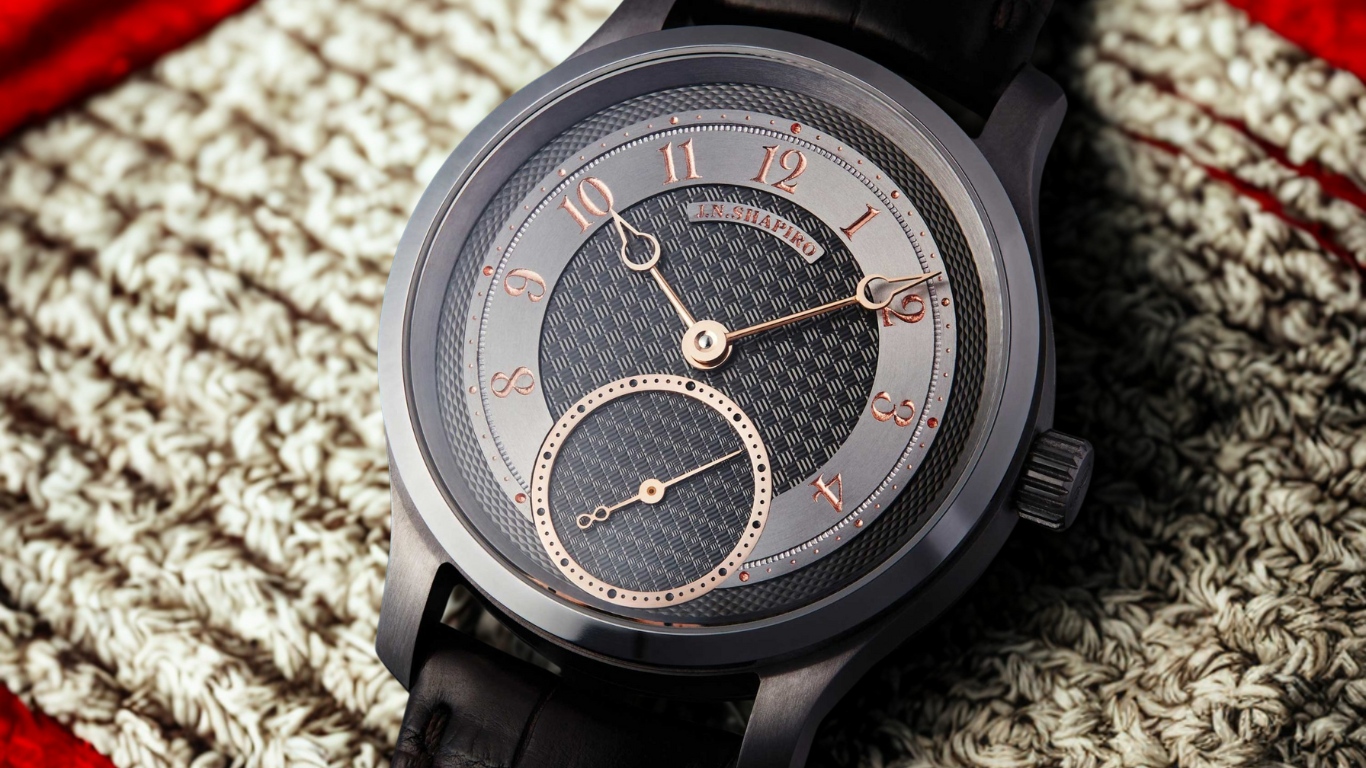
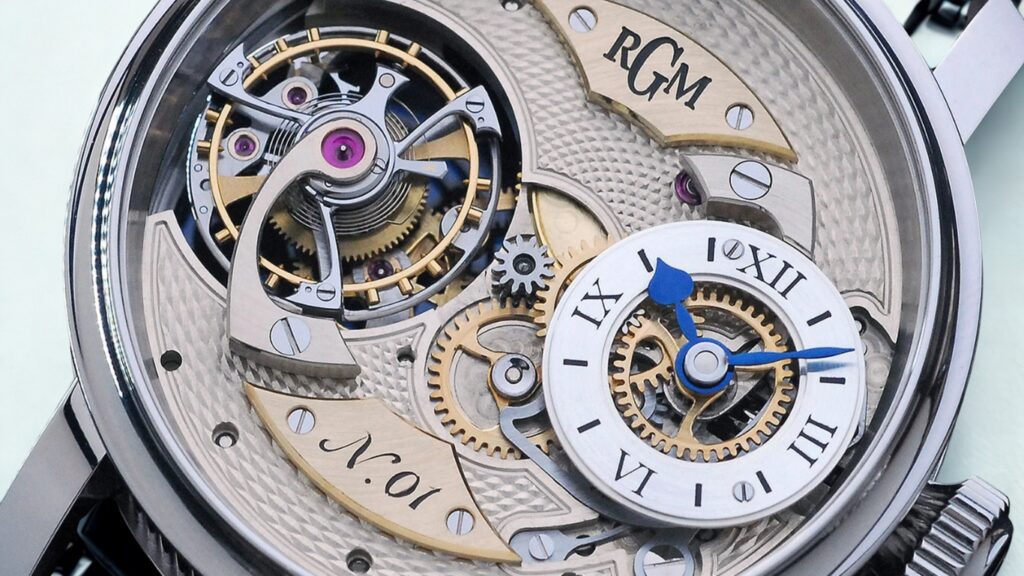
A growing number of brands are pushing even deeper into full-scale vertical integration. RGM Watch Company in Pennsylvania, founded by Roland Murphy, is widely respected for producing in-house calibers, something even many established Swiss brands outsource. Their commitment to American horological heritage includes traditional guilloché dial making and hand-finishing techniques that rival Europe’s finest ateliers.
A modern American-made watch doesn’t need to be 100% U.S.-built to be meaningful. What matters is the brand’s commitment to local craftsmanship, the transparency of its production process, and how it reinvests in domestic capabilities.
Today’s American watchmakers aren’t trying to imitate Switzerland. They’re carving their own lane, using distinctly American materials, industrial design cues, and stories rooted in domestic manufacturing history. That authenticity is exactly what’s capturing the attention of collectors and investors alike.
Why Interest in American Watches Is Growing Fast
Over the past five years, interest in American-made watches has surged, and not just among local enthusiasts. International collectors, boutique retailers, and even auction houses are paying much closer attention to this once-overlooked niche. So what’s actually driving the shift?
Start with the broader trend toward independent craftsmanship. As buyers grow weary of mass-produced luxury and marketing-heavy hype, they’re turning toward watches that offer real substance. American watchmakers typically work in small batches, focus on handcrafted finishing, and build each piece with the kind of attention you rarely find at large Swiss conglomerates. In a market saturated with sameness, that authenticity stands out sharply.
The pandemic also accelerated a made-in-America mindset. Between 2020 and 2023, consumers began seriously re-evaluating where their goods came from. In the watch space, that meant rediscovering U.S.-based brands that emphasize transparency, traceability, and local production. These values resonate strongly with millennial and Gen Z collectors, groups that are becoming increasingly influential in the luxury space.
The numbers back it up. Google Trends shows a 40% increase in searches for “American watch brands” since 2021. Crowdfunding campaigns from brands like Astor + Banks, Montgomery Watch Co., and Oak & Oscar have routinely surpassed their funding goals, sometimes within hours. These aren’t isolated successes. They reflect growing demand for watches that feel personal, purpose-built, and tied to a specific place.
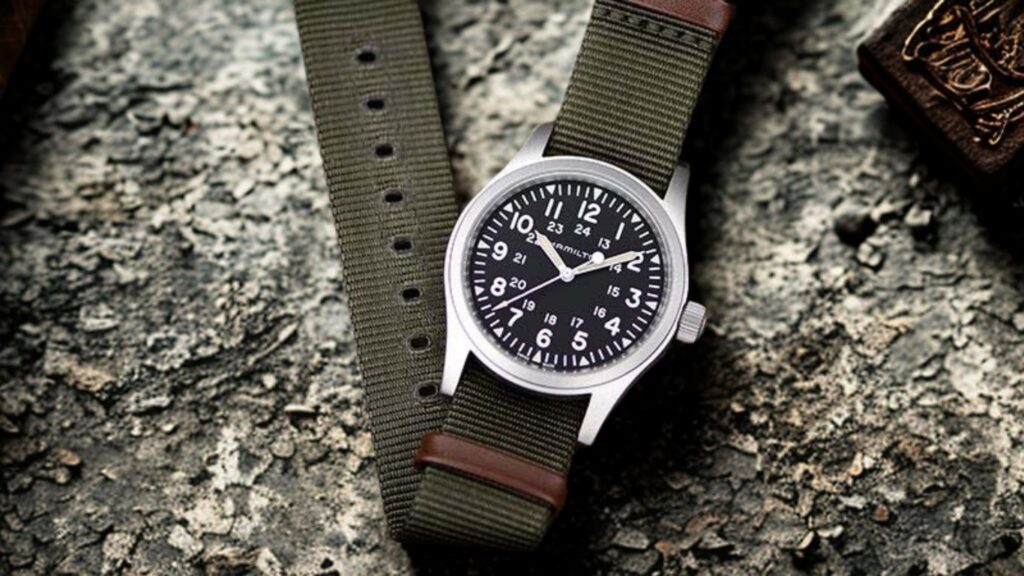
You’ll also notice a growing appreciation for American design identity. Where Swiss watches lean into heritage and refinement, American timepieces tend to embrace bold lines, modern materials, and military or industrial influences. That contrast is genuinely refreshing for collectors who want something less traditional and more contemporary without sacrificing quality.
U.S. brands have also become more vocal and confident about who they are. They’re not just quietly building watches. They’re telling stories. Whether it’s Vortic’s preservation of historical Elgin and Waltham movements or RGM’s commitment to traditional American dial-making, these narratives add emotional and historical depth. And in watch collecting, story often matters just as much as specs.
Perhaps most telling, early adopters are already seeing results. Pre-owned prices for standout American watches are climbing steadily, and limited editions from brands like Weiss and Keaton Myrick are now appearing at respected resellers and major auction houses. Collectors who got in early are watching their pieces rise in value, and that’s fueling even more demand.
How Scarcity and Craftsmanship Drive Watch Value
One of the most powerful forces behind the rise of American-made watches is straightforward: scarcity. In the world of watch collecting, low production numbers often signal higher value. And American independents are producing in the hundreds, not thousands.
Most of these brands operate with small teams, sometimes even a single watchmaker assembling each piece by hand. Annual output is inherently limited. For collectors, that exclusivity adds a layer of rarity that mainstream Swiss brands simply can’t replicate. When fewer pieces exist, especially ones made with genuine care and skill, demand tends to outpace supply. And when demand outpaces supply, value climbs.
Vortic is a good example of this dynamic at work. Known for repurposing antique American pocket watch movements into custom-machined titanium or bronze cases, they produce fewer than 1,000 watches per year. Once a particular model sells out, it’s gone, creating a closed market where resale values hold up impressively, especially for numbered editions or one-off builds.
But scarcity alone doesn’t tell the whole story. Craftsmanship plays an equally important role. American watchmakers are prioritizing high-quality finishing, in-house movement development, and traditional techniques that reflect true horological skill. RGM Watch Co. stands out as a leader here. Based in Pennsylvania, they design and manufacture their own calibers, engrave dials by hand, and even build tourbillons, a complication typically reserved for the upper tier of Swiss watchmaking.
That level of detail resonates with serious collectors who care deeply about what’s inside the watch, not just the name on the dial. Many buyers now consider the effort, originality, and mechanical integrity of a piece just as important as its resale value.
American brands are answering that call by offering authenticity over advertising, and substance over speculation.
Scarcity also deepens emotional investment. When you know you’re purchasing a piece of work that only a handful of other people in the world will ever own, the bond with that watch strengthens. That emotional connection often translates into longer holding periods, lower selling turnover, and more patient value appreciation, which are ideal conditions for stable, long-term ROI.
The Top Independent American Watch Brands to Know
As the reputation of American-made watches grows, a number of independent brands are emerging as genuine standouts, each offering a distinct approach to design, craftsmanship, and value. These are not mass-produced timepieces. They’re built with focus, character, and long-term vision, and collectors are starting to reward that with serious attention.
RGM Watch Co. is based in Mount Joy, Pennsylvania, and widely considered the flagship of modern American horology. Founded by Roland G. Murphy in 1992, RGM is one of the very few American watch companies that produces its own in-house mechanical movements. Models like the RGM 801 are hand-assembled and finished using traditional guilloché techniques and historic machinery. These watches routinely sell for $6,000 to $15,000 and have a loyal global following. Their low annual output and technical depth give them strong long-term investment potential.
Vortic Watch Company takes a completely different approach, blending vintage American pocket watch movements, often from Elgin or Waltham, with custom 3D-printed titanium or bronze cases. Each piece is essentially one-of-a-kind. With production capped under 1,000 units a year, scarcity plays a key role in driving secondary market value. Vortic watches typically start around $2,500 and climb well beyond $5,000 depending on the movement, case design, and condition.
Weiss Watch Company brings traditional watchmaking techniques to American soil. Founded by Cameron Weiss, this California-based brand produces manually wound watches with in-house modified calibers and hand-finished components. Their Field Watch line, priced around $2,000 to $3,000, appeals to entry-level collectors who want mechanical credibility and classic styling. As interest in small-batch American mechanicals grows, Weiss watches are becoming more visible in resale channels, with prices holding firm.
Oak & Oscar is a Chicago-based microbrand focused on thoughtful design, excellent materials, and limited production runs. Models like the Humboldt GMT or Olmsted Date typically release in runs of 100 to 300 units and range from $1,500 to $2,500. While not yet as established as RGM or Vortic, their collector base is growing quickly. Early models are already trading above retail in the secondary market, which is a clear sign of brand momentum.
Devon Works is the brand for collectors who want something futuristic. Devon sits at a rare intersection of American engineering and avant-garde design. The Devon Tread 1, priced around $20,000, uses a system of interwoven time belts and aerospace-grade materials. Polarizing by design, Devon watches attract high-end collectors seeking novelty and innovation. Limited availability and strong resale among tech-forward buyers keep these pieces consistently in demand.
How American Watches Compare to Swiss Brands for ROI
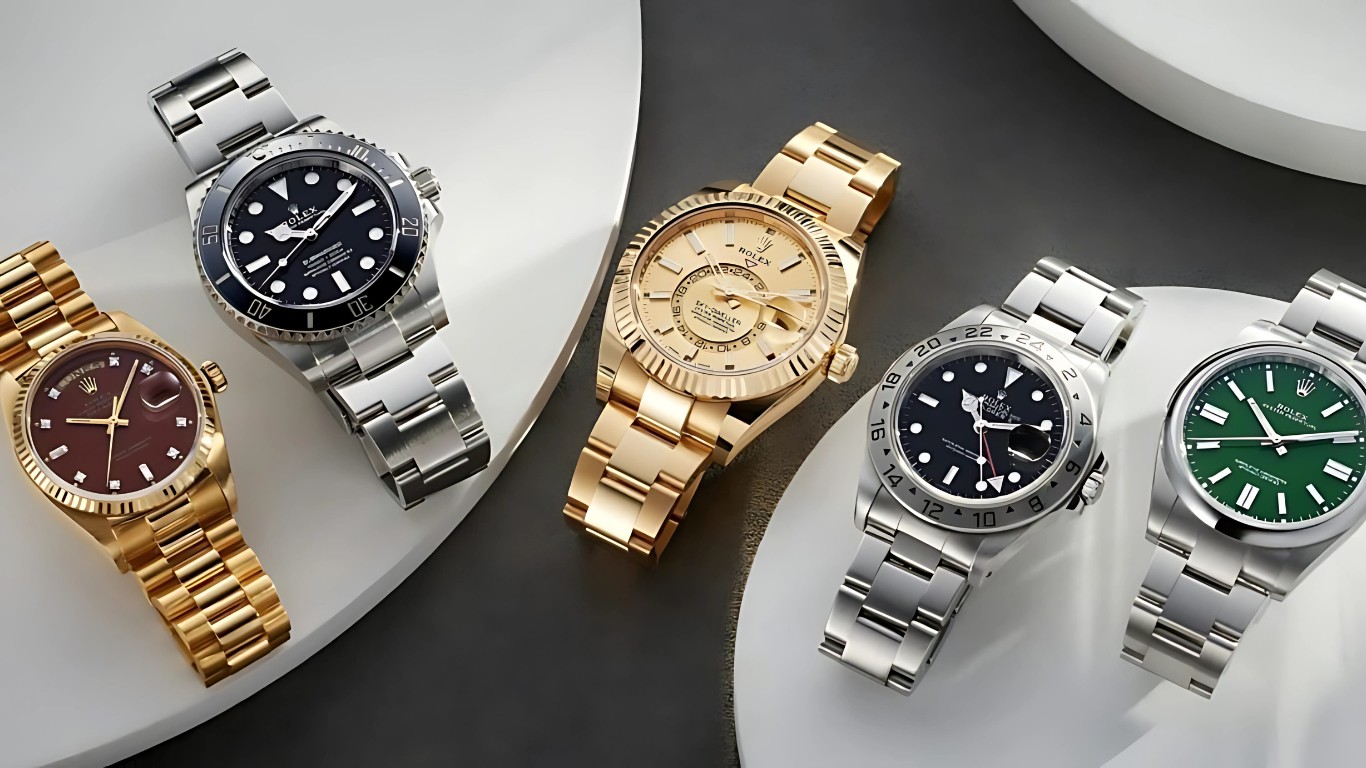
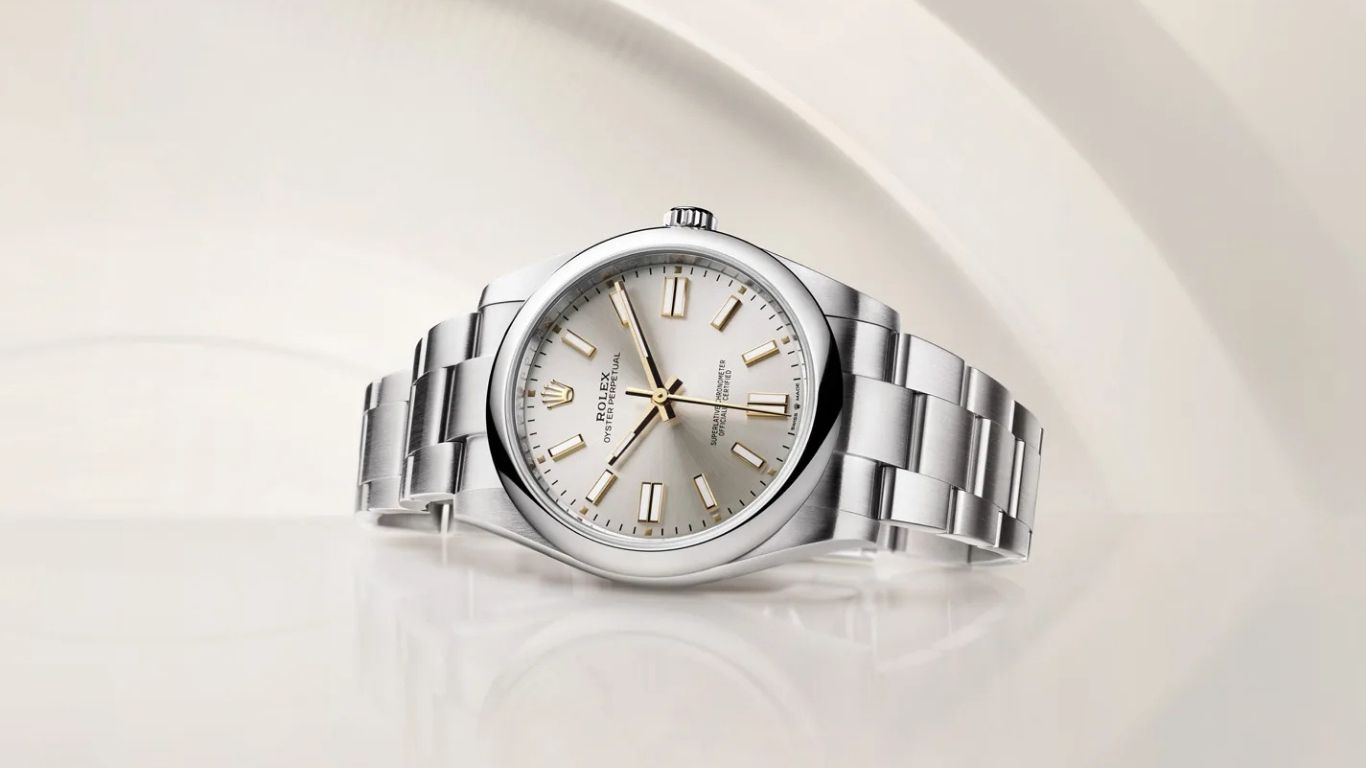
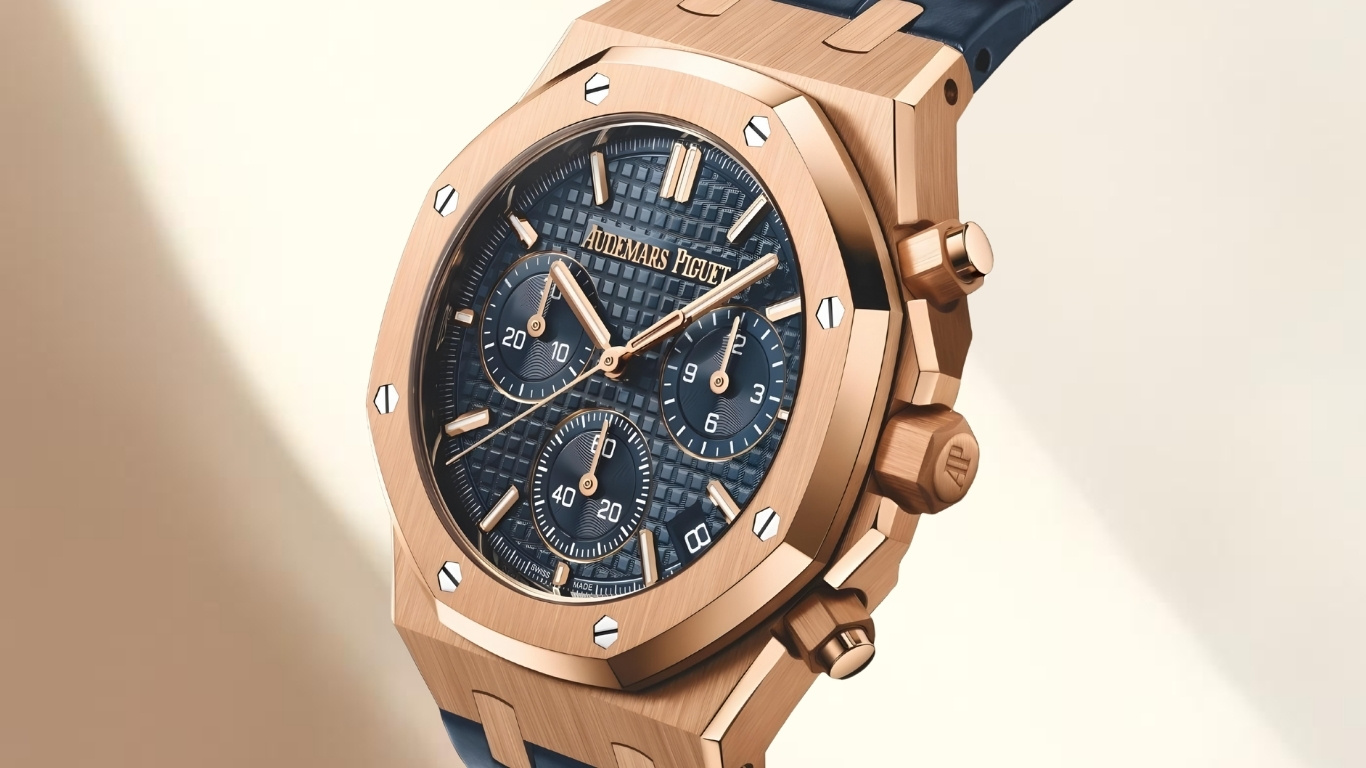
When it comes to long-term returns, Swiss watch brands like Rolex, Patek Philippe, and Audemars Piguet have traditionally dominated. Their legacy, global recognition, and auction history give them an undeniable edge. But American-made watches are beginning to challenge that dominance, not by imitating Swiss standards, but by offering something increasingly rare in the current watch market: authenticity, low production volume, and untapped value.
The average resale value for a Swiss luxury watch from a top-tier brand typically falls between 80% and 120% of retail, and sometimes higher for discontinued or highly demanded references. A Rolex Submariner, for example, can resell for 15% to 30% over retail depending on condition and reference. Newer Swiss microbrands, on the other hand, often struggle to hold even 70% of their initial value.
By contrast, some American-made watches, especially from brands like RGM, Vortic, and Weiss, are showing early signs of outperforming their price points. RGM models with in-house movements are now reselling at 90% to 100% of original retail, particularly when they come complete with box and papers.
The key differentiator isn’t hype. It’s supply. Many American brands produce fewer than 500 watches per year. In investment terms, that kind of scarcity creates favorable demand dynamics, especially as awareness grows. Unlike the Swiss system, which is mature and saturated, the American market still has genuine room to surprise investors.
Brand story is another factor worth weighing carefully. Collectors increasingly value watches that reflect heritage and innovation, not just prestige. Swiss watches come with centuries of legacy, but American brands tap into a different narrative entirely, reviving craftsmanship in a country that once dominated industrial timekeeping.
The resale ecosystem for American watches is also beginning to solidify. Online platforms, independent retailers, and auction houses are dedicating more attention to these brands. That improved market infrastructure enhances liquidity, which is an essential feature for investors who want to exit at the right time.
What Collectors Look for When Investing in U.S. Watches
Today’s collectors are more sophisticated than they’ve ever been. They no longer chase watches purely for brand recognition or hype. They look for craftsmanship, scarcity, mechanical substance, and a compelling narrative. With American-made watches, these factors are even more pronounced because the investment potential often sits beneath the surface.
Movement origin and finishing are critical starting points. Savvy collectors prioritize watches that house either in-house movements or high-grade Swiss or German calibers that are reworked domestically. RGM, for instance, manufactures its own Caliber 801, complete with hand-finished bridges and Geneva stripes. That level of horological dedication builds investor trust and positions the piece as far more than a boutique novelty.
Production volume is scrutinized just as closely. Most of the top U.S. brands release watches in extremely limited quantities, often fewer than 100 units per model per year. In collector circles, scarcity is currency. When demand rises faster than supply, resale values typically follow. A limited-edition Weiss Field Watch or a special-edition Vortic Railroad Edition can become a surprisingly liquid asset over time.
Case provenance and materials also matter. U.S. brands frequently highlight domestic sourcing and machining. Vortic, for example, proudly reclaims and rebuilds antique American pocket watch movements into modern wristwatches, using 3D-printed titanium cases manufactured in Colorado. That kind of traceable production resonates with buyers who value both transparency and innovation.
Heritage alignment is another key factor. Many U.S. watch collectors actively seek pieces that reflect or reinterpret American watchmaking’s golden age, particularly the early 20th century. Brands that successfully merge modern mechanics with traditional aesthetics tend to outperform their peers. That’s why RGM’s Pennsylvania Tourbillon or Vortic’s American Artisan Series carry a premium. They feel historically anchored yet completely contemporary.
After-sales service and parts support round out the picture. American watchmakers tend to offer more direct, personal service than larger conglomerates. That boosts buyer confidence significantly. A collector who knows they can speak directly to the watchmaker or service center is more likely to pay a premium for that brand, and recommend it to others.
Real-World Examples of Price Appreciation
The American watch market is still maturing, but several standout examples already show real signs of value growth. These aren’t theoretical trends. Collectors are seeing actual price movement, especially for limited-edition or early-generation models from respected brands.
Vortic Watches offer one of the clearest examples. Their early American Artisan Series pieces, built using restored antique American pocket watch movements, originally retailed around $2,500 to $3,000. Today, well-maintained examples from as early as 2015 are trading on collector forums and platforms like Chrono24 for between $4,000 and $5,500. That’s a 60% to 100% increase in under a decade, driven by growing appreciation for heritage mechanics and U.S. craftsmanship.
RGM’s Model 801 series is another strong performer. It debuted in the early 2000s with an in-house movement, a genuine rarity for a U.S.-based brand at the time. Initially priced under $5,000, these hand-finished watches now command $8,000 to $11,000 on the secondary market depending on condition and customization. More exclusive models like the RGM Pennsylvania Tourbillon have maintained retail values above $95,000 and are increasingly viewed as collectible micro-luxury assets.
Weiss Watch Company, known for assembling and finishing movements in California, has also shown notable upside. Early pieces priced around $1,200 have recently been resold for nearly double their original value, particularly when they come with complete documentation and limited-edition serials.
Beyond individual brands, you’ll also notice a general uplift in valuations for watches that spotlight American materials and hand-assembly. Limited-run collaborations such as Vortic x U.S. Military tributes or one-off artisan editions often see the strongest post-retail growth. These watches don’t just hold value. They sometimes appreciate at rates that rival entry-level Swiss icons, especially within niche enthusiast communities.
Collectors are beginning to recognize that with the right mix of storytelling, mechanical legitimacy, and limited supply, American-made watches offer credible ROI, not just sentimental value. The market may not be as liquid as that for Swiss giants, but the upside lies in the timing. Those entering now are buying in before wider market recognition drives prices meaningfully higher.
Key Risks to Consider Before Investing
The potential of American-made watches as investment assets is real and growing. But no collector should approach this market without a clear-eyed view of the risks. Like any emerging investment category, it carries its own set of challenges, and understanding them upfront can protect your long-term strategy.
Start with the resale market, which is still limited compared to Swiss timepieces. More platforms are beginning to support domestic brands, but liquidity is lower. That means it may take longer to sell an American-made watch at its full market value, especially if the piece doesn’t carry strong brand recognition or collector buzz. As Bloomberg Pursuits has noted in its coverage of emerging watch categories, patience is essential in markets where supply and demand aren’t moving at Rolex speed.
Not all microbrands will survive, and that’s a real risk worth taking seriously. Some American watchmakers are passion-driven startups, which means longevity isn’t guaranteed. If a brand ceases operations, serviceability and future resale prospects can drop sharply. Before investing in a smaller label, look for signs of stability such as in-house manufacturing, consistent model updates, and a strong service network.
After-sales support deserves its own consideration. Larger Swiss brands have global servicing infrastructure and warranty protections that reinforce long-term value. U.S. brands are still building that level of global support. If you’re investing in a high-value American piece, confirm the brand offers reliable servicing, and ideally that parts are manufactured domestically to avoid overseas delays.
The lack of broad market awareness also poses a short-term challenge. Many casual buyers still default to European names, which can limit your watch’s appeal if you plan to exit quickly. That said, this is precisely where the opportunity lives. Those who invest early can benefit meaningfully once wider consumer education shifts the demand curve in their favor.
Pricing data is also less transparent than you might expect. Unlike Rolex or Omega, where a wealth of resale comparables and auction records exist, American watch values fluctuate more quietly, often within enthusiast circles. That requires more due diligence on your part, and sometimes a direct connection to collector communities, to fully understand a watch’s true market position. If you’re serious about building a diversified collection of alternative assets, the same discipline you’d apply to evaluating any watch investment applies here, maybe even more so.