

For decades, hospitality investments — especially hotels — have carried a reputation for being among the most complex and risky bets you could make. They got lumped in with restaurants as “high-effort” businesses that demanded too much of your time and attention. Traditional investment advice pushed you toward real estate classes that promised steady returns with minimal day-to-day involvement.
A residential property could pay you back from the couch. A hotel, on the other hand, required daily oversight, skilled teams, and constant reinvention just to stay competitive.
Yet the idea that hospitality is “too risky” is increasingly outdated. Hotels are not just financial assets. They are lifestyle assets, capable of combining serious revenue potential with genuine experiential value. Once avoided for their operational intensity, they now offer you the resilience of real estate paired with the upside potential that most other asset classes simply cannot match.
But the questions are worth asking. Is classic residential real estate still the safest bet in a shifting market, or is it quietly losing its shine? And do modern hotels truly demand unmanageable effort, or have they evolved into structured, technology-enabled investments that can outperform everything else in your portfolio?

Table of Contents
Key Takeaways
Navigate between overview and detailed analysisKey Takeaways
- Hospitality assets are emerging as the next strategic asset class, blending real estate stability with lifestyle-driven growth.
- Regulatory pushback against short-term rentals boosts the appeal of purpose-built hotels and aparthotels offering compliance and scale.
- Hotels generate higher revenue per sqm than residential, with RevPAR often exceeding apartment yields even after costs.
- Hybrid construction strategies like modular rooms and flexible F&B increase investment security and adaptability.
- Hospitality assets often achieve higher resale value multiples compared to traditional residential properties.
- Modern hotel investment models with professional operators and advanced systems make operational risk more manageable.
The Five Ws Analysis
- Who:
- Real estate investors, developers, and UHNWIs exploring alternatives to traditional residential acquisitions.
- What:
- A shift toward hospitality-driven investments (hotels, branded residences, villa resorts) as they offer stronger yields, flexibility, and resale value.
- When:
- Accelerated post-2020 as rising rates, lifestyle changes, and regulations reshaped property investment strategies.
- Where:
- Global tourism hubs, urban centers, and resort destinations with steady leisure and business demand.
- Why:
- Because hospitality combines revenue resilience, compliance advantages, and lifestyle appeal, making it a strategic portfolio addition.
New space for hospitality created by shifting goals in classic real estate acquisitions

One of the pillars of traditional real estate value was capital appreciation. You buy an asset, sell it at a higher price, and instantly realize a profit. Clean and simple.
That strategy often delivered stronger returns than long-term rental income, which most investors viewed as weaker and less rewarding. The whole model was tied to a social mindset that prioritized steadiness and safety, with most acquisitions serving personal goals rather than business ones.
But that has changed dramatically.
The rise of platforms like Airbnb unlocked entirely new ways for you to turn a personal property into an income-generating asset. Instead of simply buying a dream home, buyers started hunting for properties that could deliver short-term rental yield and build a stronger financial future. Rising interest rates and lifestyle shifts pushed this hospitality-driven thinking even further, right into the family home.
At the same time, the rapid expansion of short-term rentals triggered a regulatory backlash. Across global cities, authorities are restricting the conversion of residential stock into hospitality use to protect housing availability for locals. These stricter frameworks are reshaping the market in favor of organized hospitality projects. Purpose-built hotels and aparthotels benefit directly, offering you compliance, scale, and long-term stability that individual rental units can no longer guarantee.
Revenue goes higher in hospitality returns compared to residential, even in stressed markets

Beyond regulatory advantages, one fact stands out clearly. Hotels generate stronger revenue per square meter than residential assets. The industry benchmark, RevPAR or Revenue per Available Room, consistently outperforms the yield of a standalone apartment. Analysis across the hospitality sector and more than 100 case studies by hotel consultancy firms such as Destsetters confirms this pattern across both city and leisure destinations.
A 25 sqm room in a five-star hotel can generate equal, or even higher, revenue than a 75 sqm standalone apartment in the same area. Every square meter in a hotel can deliver stronger returns, even after you account for the additional operating costs. The same logic applies to villas. Those integrated into hotels consistently achieve higher revenues compared to individually managed ones.
The reason is straightforward. For travelers, especially in the luxury market, trust and safety come first. Included services are a decisive factor in where they spend. Few guests want a beautiful room without housekeeping, or a pool without the ease of ordering a cocktail poolside.
Beyond guest expectations, organized hospitality assets leverage multiple revenue drivers at once. You get global distribution channels, advanced pricing tools like Revenue Management Systems, and professional teams that optimize occupancy around the clock. The result is a revenue engine that your average residential asset simply cannot match.
And the opportunity does not stop at operations. In today’s market, hotels as assets also command higher capital appreciation than residential properties. Selling a hotel can deliver a far stronger return than selling an apartment building, while even residential properties become more appealing when they carry hospitality-driven revenue potential baked in.
But capturing this opportunity requires more than recognizing a market shift. You need hybrid development strategies that make hotels both profitable and resilient. Smart service implementation and flexible spatial planning are essential if you want an asset that can adapt to changing demand without losing efficiency.
Hybrid construction strategies behind new-build hotels increase investment security
New hotel developments need to learn from past challenges. You cannot approach them purely as operational ventures. They must be treated as long-term real estate assets from the very first line on the blueprint.
Before an architect draws the first plan, a clear investment typology should define the building’s business alternatives, ensuring that the property can adapt to future market conditions.
A five-star hotel built today, for example, could be designed with multiple future scenarios already in mind. Guest rooms that serve leisure travelers today might, with minor adjustments, convert into serviced apartments or long-stay residences tomorrow. A gourmet semi-buffet restaurant could evolve into a dining hall for resident tenants if the market demands it.
These options require pre-designed flexibility from the start. Think extra square footage for seating areas in rooms, communal laundry facilities planned in rather than in-unit washing machines, or modular F&B spaces that can serve different audiences over time. Every square meter gets considered not just for its current use, but for its future value creation potential.
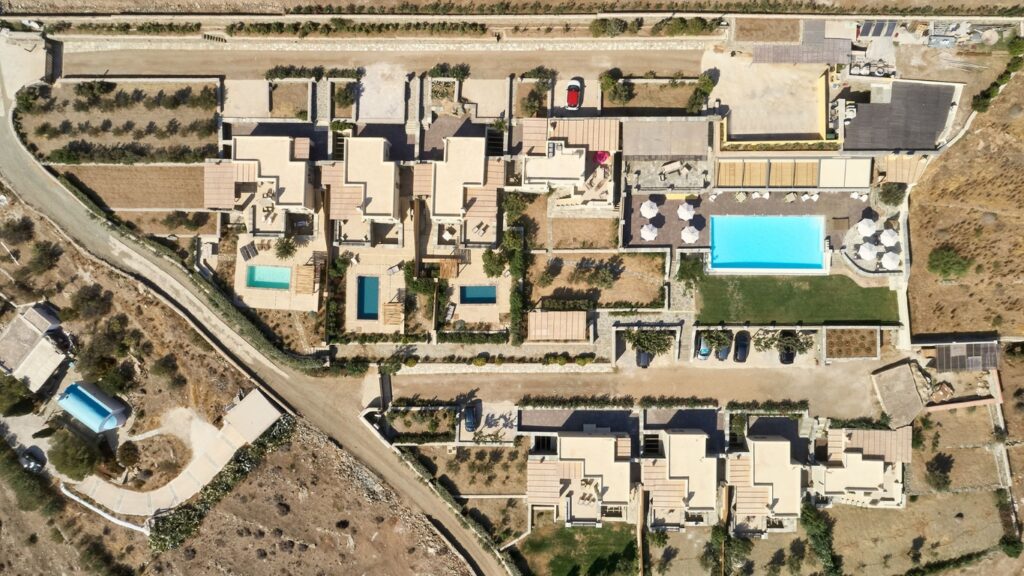
Hybrid hospitality does not end with classic hotels. Developers are increasingly exploring all-villa resorts that double as residential neighborhoods, city complexes blending mixed-use apartments with co-working hubs, and branded residences that merge lifestyle and investment. These concepts allow a holiday home or second property to combine the appeal of ownership with the yield potential of a fully managed hospitality asset.
Hospitality as the Next Strategic Asset Class
The future of hotel investment looks strong, but it stays vulnerable if you approach it without flexibility. A hotel today cannot be defined solely as an architectural creation. It must first be treated as a commercial product, with a clear investment specification locked in before design begins. That means bringing a real estate mindset to the table alongside a hospitality one. Leading real estate analysts are increasingly making this case as capital continues to rotate toward experience-driven assets.
The word “hotel” has expanded. It no longer refers only to the traditional lodging model. It now includes alternative structures like villa resorts, branded residences, and mixed-use developments that blend living and income in ways that older asset classes never could. That broader understanding is exactly where your opportunity sits: creating hospitality assets that combine the solidity of real estate with the dynamism of lifestyle-driven growth.
Official website: www.destsetters.com

FAQ
How can a hotel investment stay flexible amid changing demand trends?
By integrating hybrid design strategies from the start — such as modular rooms, adaptable F&B outlets, and communal facilities — hotels can pivot between short-stay, long-stay, or alternative uses without losing commercial efficiency.
What operational models exist for investors entering the hospitality space?
Options range from franchise agreements with global brands to third-party management contracts and owner-operator models. Especially in countries with strong tourism development, there is also a large and growing market of local management companies that specialize in running hospitality assets on behalf of investors.
How does a hospitality asset enhance its resale value compared to residential real estate?
Hotels with strong branding, proven revenue performance, and professional management typically command higher multiples upon resale. For investors, this means the exit strategy of a hotel can deliver significantly stronger capital appreciation than a comparable residential property