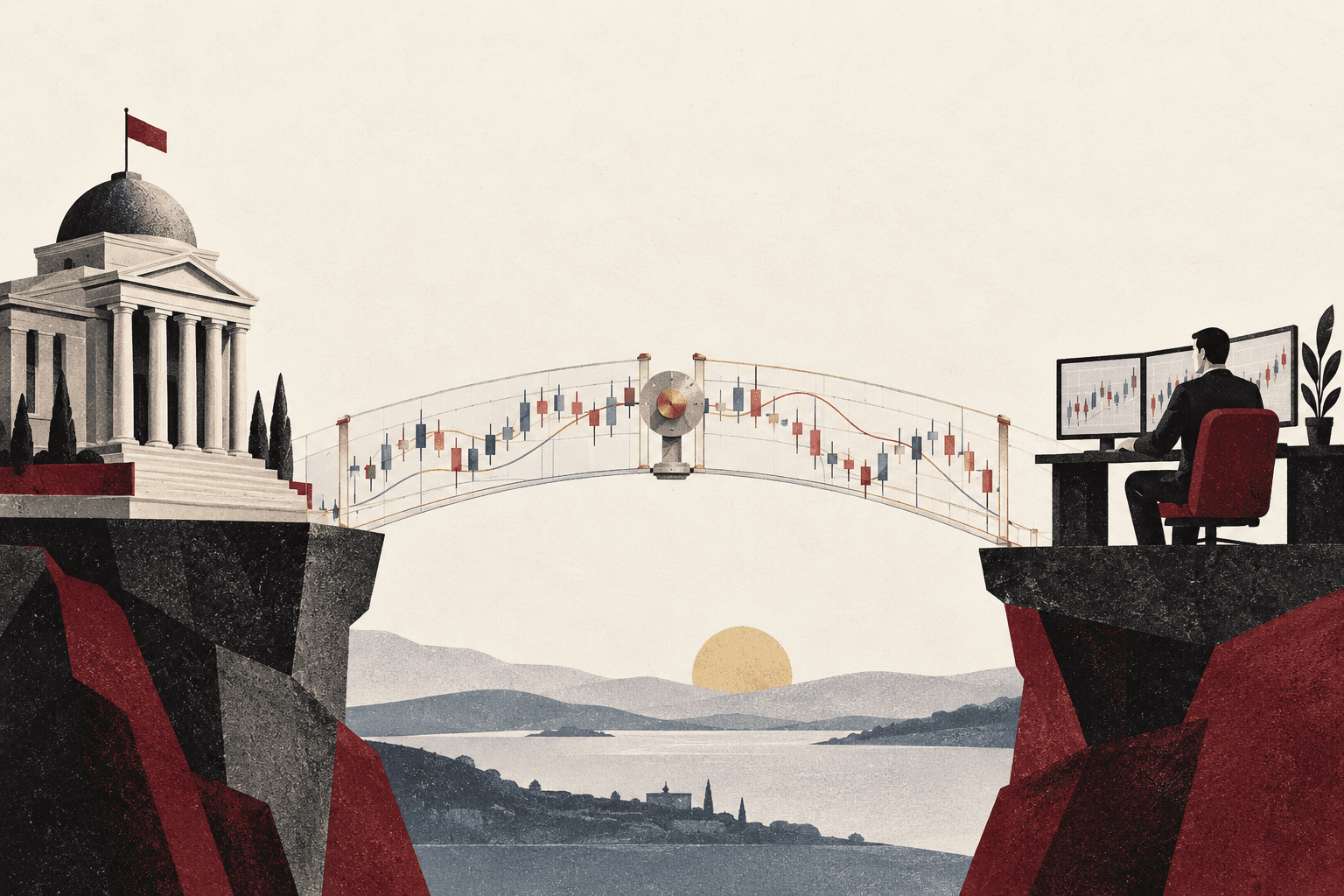

Investing has changed dramatically since 2020. Pandemic shocks, inflation, rate hikes, and geopolitical uncertainty reminded you just how quickly markets can shift. In that environment, performance alone stopped being the only benchmark worth watching.
More and more, investors want to clearly understand how their money is being managed, where it is allocated, and what risks are attached to it.
That’s where transparency has stepped in as one of the most valuable currencies in global investing. Delivering strong returns is no longer enough. Your wealth manager needs to show you the full picture, with real-time reporting and complete disclosure, not just a polished summary once a quarter.
New players are tapping into this shift by embracing what many now call radical transparency. Instead of quarterly updates or dense PDF reports, these firms give you digital dashboards, real-time performance tracking, and complete breakdowns of risks and costs. If your current provider isn’t doing this, you should probably be asking why.
RCX, for example, has positioned itself at the front of this movement, proving that trust is earned not just through performance but through visibility. understanding how asset allocation strategies work matters far less if you can’t actually see how your capital is being deployed in real time.
Key Takeaways
Navigate between overview and detailed analysisKey Takeaways
- Transparency has become one of the most important expectations in wealth management since 2020, driven by distrust, regulation, and investor demand.
- Clients now expect real-time dashboards, detailed fee disclosure, and risk visibility, not quarterly PDF reports.
- Generational change is key: over 70% of investors under 45 rank transparency as a top priority when selecting wealth managers (UBS).
- ESG values are tied to openness, making transparency a governance standard, not just a service feature.
- RCX Global stands out with full portfolio visibility, line-by-line fee transparency, and integrated risk attribution tools via its investor portal.
- Its radical transparency model boosts client acquisition, retention, and trust, proving clarity is as valuable as performance in modern investing.
The Five Ws Analysis
- Who:
- Wealth managers, investors (especially HNWIs and UHNWIs), and RCX Global as a case study leader.
- What:
- A shift toward radical transparency in wealth management, offering real-time access, fee breakdowns, and detailed risk insights.
- When:
- Accelerating since 2020, reinforced by post-pandemic volatility, regulatory frameworks (SFDR, FATCA, CRS), and rising ESG standards.
- Where:
- Globally, with RCX Global positioning itself as a leading example in the international wealth management industry.
- Why:
- Investors now demand trust, clarity, and visibility as much as performance, forcing firms to adapt or risk losing clients to more transparent competitors.
Why Transparency Matters More Than Ever in Wealth Management
Your expectations as an investor have fundamentally shifted. Quarterly updates and reassuring phone calls from an advisor no longer cut it. You want real-time visibility into your portfolio, and frankly, you’re right to demand it.
That shift didn’t happen in a vacuum. Hidden fees, opaque strategies, and high-profile fund collapses exposed just how dangerous limited disclosure can be. Regulators caught up fast.
Rules like Europe’s SFDR and global frameworks such as FATCA and CRS have made secrecy practically untenable. Openness is now a compliance baseline, not a differentiator.
For firms, transparency has become both a client service priority and a risk management tool. Those slow to adapt are losing high-net-worth clients to competitors who treat clarity as a core part of their value proposition, not an afterthought.

What Radical Transparency Looks Like in Practice
Traditional wealth managers still equate transparency with quarterly statements or annual reports. But your expectations have moved well beyond that. Today’s standard is real-time, unfiltered access to the same data your manager is looking at.
Anything less and you’re flying blind.
- That starts with live dashboards, not static PDFs—showing NAV (net asset value), allocation, and benchmark performance. Retail apps like Robinhood and eToro set the standard; high-net-worth clients now demand it in private wealth.
- It also means full disclosure of holdings and fees. Investors want line-by-line clarity on what they own, how it’s weighted, and the exact cost of management. Fee transparency directly affects returns.
72% of investors rank fee transparency as a top factor in choosing a provider, higher than even brand reputation., EY Survey
- Beyond numbers, clients want visibility into risks and strategies, not vague “balanced” or “growth” labels. They expect to see exposures—emerging markets, leverage, sectors—and how those align with their goals.
RCX has built its entire approach around this standard. Its investor portal gives you real-time NAV tracking, allocation views, and risk attribution tools, all through a clean and intuitive interface. Fees are shown line by line, so you know exactly what you’re paying and why.
That kind of openness doesn’t just meet compliance standards. It sets a new benchmark for what you should expect from any serious wealth manager. As the Financial Times has reported, the pressure on wealth managers to improve disclosure is only intensifying as clients become more financially sophisticated.

The Shift from Secrecy to Clarity Across Generations
The demand for transparency isn’t a passing trend, it reflects a generational shift in how wealth is managed.
If you grew up with seamless digital banking and mobile trading platforms, a quarterly PDF report probably feels like receiving a fax. Younger investors expect interactive dashboards and real-time performance updates available at a moment’s notice. That expectation is reshaping the entire industry.
You can explore how the core-satellite investment strategy gives you structured exposure while still demanding the same visibility standards from every layer of your portfolio.
Transparency is also tied to values. If you care about ESG, you already know that openness in fees, risks, and strategies is a measure of governance quality. A wealth manager who obscures costs or downplays exposure cannot credibly claim to meet strong ESG standards.
The two simply don’t go together.
The numbers confirm the trend. A UBS Global Wealth Report found that more than 70% of investors under 45 rank transparency among their top three priorities when selecting a wealth manager, compared with less than half of older investors. That gap is closing fast as the generational wealth transfer accelerates.
Case Study: RCX and the Transparency Movement
RCX Global stands out as one of the clearest examples of how radical transparency can reshape the wealth management experience. While many traditional firms still send static quarterly updates, RCX has built its model around real-time access and full disclosure from day one.
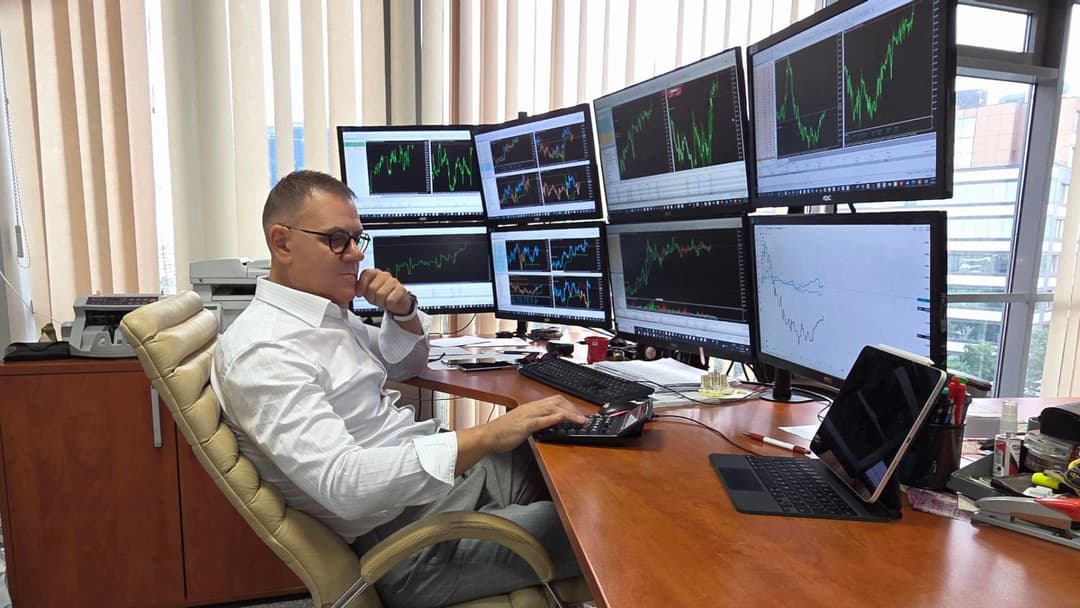
- The firm’s investor portal allows clients to track their net asset value (NAV) in real time, review portfolio allocations by asset class or region, and see exact exposures to different risks. Instead of broad categories, holdings are broken down in detail, giving investors the same visibility as the managers running the strategies.
Fees are another area where RCX has challenged industry norms. Rather than hiding costs in layers of management and advisory charges, the platform presents a line-by-line fee breakdown. Clients can immediately see what they are paying for custody, management, performance, or execution.
This clarity not only removes the perception of hidden costs but also aligns the firm’s incentives with its clients.
Risk attribution tools are built directly into the platform. Investors can analyze how much of their portfolio’s movement is driven by market exposure, sector concentration, or individual positions. This turns abstract investment conversations into data-driven discussions, making it easier for clients to understand both opportunities and vulnerabilities.
For tomorrow’s investors, the real question isn’t just “How much did I earn?” but “How do I know, at every moment, that my wealth is protected and growing transparently?” RCX provides the answer.

The results are measurable. Since launching its transparency-focused platform, RCX has reported a sharp increase in client onboarding, with many new investors citing clarity and visibility as the primary reasons for switching providers. Retention rates are also holding strong even through volatile periods, because when you feel fully informed and in control, you’re far less likely to make reactive decisions.
Bloomberg Wealth has documented similar patterns across firms that have prioritized client transparency, noting that trust built through openness tends to outlast short-term performance cycles.
If you’re evaluating your own wealth management setup, learning how tools like the Piotroski Score work can help you ask sharper questions about what your manager is actually showing you.
Official website: https://www.rcxglobal.co/
Risk Disclaimer: Investing or trading in financial markets or leveraged products is not suitable for everyone and carries significant risks, especially if you do not have adequate knowledge. Please consider seeking appropriate financial advice to evaluate whether trading or investing in such markets is right for you.
We last reviewed this analysis in May 2026.


Stefanos Moschopoulos
Stefanos Moschopoulos founded The Luxury Playbook in Athens and has spent the better part of a decade following the auction calendar, the en primeur releases, and the watchmakers, gallerists, and shipyards the magazine covers. He writes the field guides and listicles that anchor the Connoisseur section — pieces built on Phillips and Christie's results, Liv-ex movements, and conversations with collectors he has met across Geneva, Bordeaux, Basel, and Monaco. His own collecting habits sit closer to watches and wine than art, and it shows in the level of detail in the magazine's coverage of those categories. Under his direction, The Luxury Playbook now publishes long-form field guides, market-defining year-end listicles, and the Voices interview series with the founders behind the houses and the brands.