Cyprus real estate for expats reads more cleanly than most buyers expect, but the diligence and the permit work are real. Buying real estate in Cyprus as an expat means knowing the rules before you sign anything. If you’re a non-EU national, you’ll need approval from the Council of Ministers, and that process takes time.
But here’s the thing. Cyprus makes the effort worthwhile, offering genuine residency pathways through property investment, including the well-known Golden Visa program.
What draws expats to Cyprus isn’t just the sunshine. You get affordable yet genuinely luxurious properties, a relaxed Mediterranean pace, and some of the most favorable tax conditions in Europe. Limassol leads the market, while Nicosia is posting annual growth of around 10%.
Prices range from roughly €160K for a townhouse in Paphos up to €350K for a villa in Larnaca, so there’s real range depending on what you’re after.
Before you commit, get your head around the cost structure. VAT rates and transfer fees add up fast, so factor those in early. The residency by investment program lets you secure EU residency with a €300K real estate investment, which is a compelling deal compared to other European programs.
And despite global volatility affecting markets everywhere, Cyprus keeps pulling in international buyers drawn to its Mediterranean lifestyle and solid investment fundamentals. If you’re also exploring other Mediterranean options, buying property in Greece as an expat follows a similar but distinct legal path worth understanding.
- Buying property in Cyprus as an expat involves Cypriot bank account setup, council of ministers approval for non-EU buyers, legal due diligence and a typically six to ten week timeline.
- We see independent Cypriot legal counsel as foundational, with the lawyer's title search, contract review and registration coordination protecting buyer interests throughout the process.
- Cypriot transfer fees apply at tiered rates based on purchase price, with stamp duty, VAT on new builds and legal fees adding to the all-in entry cost calculation.
- Title deed verification matters particularly in Cyprus, with historic developer-finance and outstanding-debt issues warranting explicit attention during the due diligence process.
- Cypriot residency-by-investment for non-EU buyers above the EUR 300,000 threshold offers a clear EU access pathway alongside the property acquisition.
- For most expat Cypriot buyers we view independent legal counsel as the foundation of attractive outcomes, with developer-introduced lawyers warranting particular scrutiny.
- Who is this for?
- Expat buyers considering Cypriot property acquisition, alongside the lawyers, brokers, tax advisers and family office staff coordinating cross-border purchases.
- What is happening?
- A practical guide to buying Cypriot property as an expat, covering bank accounts, council approval, due diligence, transfer fees and the residency-by-investment framework.
- When did this emerge?
- The article reflects 2026 transaction practice through Cypriot land registry, the major banks and the residency framework alongside our own observations.
- Where is this happening?
- The piece covers Cyprus broadly, with reference to the variations in process across Limassol, Nicosia, Paphos and Larnaca.
- Why does it matter?
- Cypriot property acquisition involves jurisdiction-specific steps with material pitfall risk, which is why structured preparation pays back across every subsequent transaction milestone.
Understanding the Cyprus Property Market for Expats
Cyprus has become a genuine magnet for expats chasing Mediterranean investment opportunities. After the citizenship by investment program was discontinued in 2020, the Cyprus Golden Visa stepped into the spotlight and never looked back. It gives you a clear, structured route to permanent residency through property investment.
And real estate isn’t just attractive to foreign buyers, it’s a cornerstone of the Cypriot economy, powering a meaningful share of the country’s overall growth.
Current Trends and Insights
When you look at where the action is in Cyprus real estate, two cities stand out immediately. Limassol commands a 37% share of the overall market. Nicosia is running at an annual growth rate of 10%, which tells you demand in the capital isn’t slowing down.
Cities like Paphos, Larnaca, and Nicosia each offer different price points, so whether you’re looking to deploy serious capital or start with a more measured entry, you’ll find options that fit. According to reporting on Europe’s most exclusive property destinations, Cyprus consistently ranks among the top picks for value and lifestyle combined.
| City | Type | Price |
|---|---|---|
| Paphos | 2-bedroom townhouse | €160K |
| Paphos | 3-bedroom villa with pool | €220K |
| Larnaca | 2-bedroom apartment | €180K |
| Larnaca | 5-bedroom villa | €350K |
International buyers are driving nearly half of all property transactions in Cyprus, sitting at around 47% of the total. That level of foreign involvement speaks volumes about confidence in the market. EU citizens move through the process with fewer hurdles, but non-EU investors face specific restrictions, including limits on how many properties and how much land they can purchase.
Know where you stand before you start shopping.

Impact of Global Events on Cyprus Real Estate
The pandemic hit Cyprus real estate like it hit every market, but the sector showed a strong rebound from 2023 onward. Key areas like Limassol, Nicosia, and Paphos bounced back with real energy, and data from Numbeo shows rental yields climbing as high as 9.8% in prime locations.
That kind of return puts Cyprus in a different conversation entirely.
If you’re planning to invest or relocate to Cyprus, you need to stay sharp on how global events can shift the local market. Interest rate movements, geopolitical shifts, and currency fluctuations all play a role. The good news is that Cyprus has shown resilience, and informed buyers who do their homework tend to come out well positioned.

Where To Buy Real Estate In Cyprus
Cyprus gives you real choices. Each city has its own personality, its own investment logic, and its own type of buyer. Whether you want a buzzing urban scene, a coastal retreat, or something in between, the island delivers.
Popular Cities: Limassol, Paphos, Larnaca, Nicosia
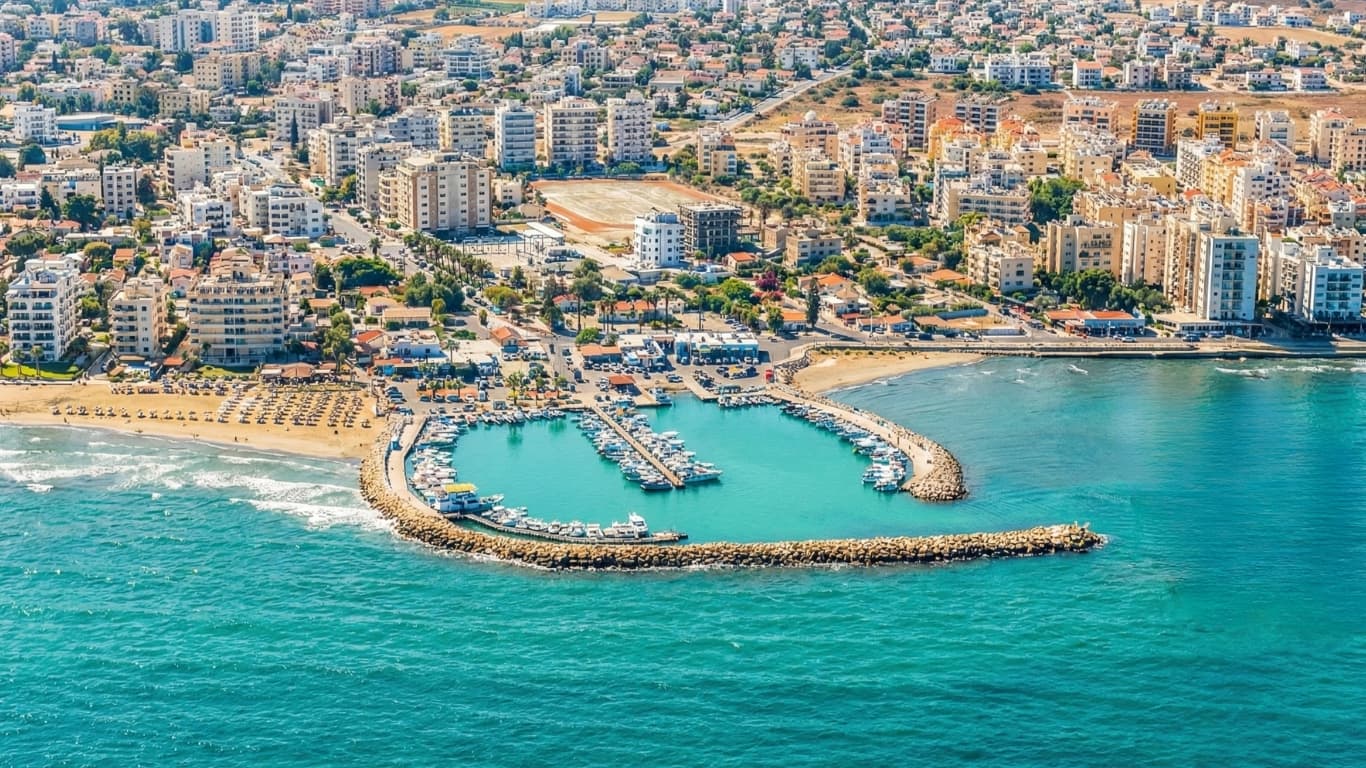
Limassol is the headline act. It’s vibrant, cosmopolitan, and home to one of the most active rental markets on the island, which makes it a top pick for investors who want strong yields alongside a luxury lifestyle. Paphos appeals to buyers who want history and convenience in the same package, you get an international airport and UNESCO-listed heritage sites practically on your doorstep.
Larnaca is the quiet achiever, combining seaside living with more accessible price points, making it one of the most underrated buys on the island. And Nicosia, as the capital, gives you a lively urban environment with a stable, year-round rental market driven by business and government activity.
Beachfront Properties vs. Inland Properties
Your choice between beachfront and inland really comes down to how you want to live and what you want from your investment. Coastal spots like Ayia Napa and Protaras are pure Mediterranean fantasy, world-class beaches, lively tourism, and strong short-term rental demand. Paphos adds a layer of historical depth to the coastal appeal.
Inland areas, on the other hand, offer something different altogether. You get peace, dramatic scenery, and often better value per square meter. If you’re thinking long-term capital appreciation over short-term rental income, inland Cyprus deserves serious attention.
Luxury Villas and Affordable Options
Cyprus spans the full spectrum of real estate, from trophy villas in prestigious enclaves to solid family homes at genuinely accessible prices. Luxury villas in Limassol sit at the top of the market, priced well above the national average and loaded with the kind of amenities you’d expect at that level. But if your priority is value without sacrificing quality, Larnaca and Paphos are where smart buyers are looking.
You can pick up a townhouse in Paphos from around €160K or a spacious five-bedroom villa in Larnaca for around €350K. That’s a range that covers a wide field of buyers and investment strategies.
Get a personalized property consultation >>>
Legal Considerations for Foreign Buyers in Cyprus
Cyprus property is a real opportunity for foreign investors. But walking in without understanding the legal framework is a mistake you don’t want to make. Getting your ownership rights properly secured from the start isn’t just advisable, it’s essential.
If you’re comparing exclusive European markets, Cyprus stands out for its relatively straightforward process once you know the rules.
Foreign Ownership Regulations
EU nationals have a smoother ride through the Cyprus property market than their non-EU counterparts. If you’re outside the EU, you’ll need to obtain permission from the Council of Ministers, and that means demonstrating a legitimate investment purpose and full compliance with local legal guidelines. Non-EU buyers are also capped on what they can own, typically one apartment, one house, or a plot of land no larger than 4,000 square meters.
It’s structured, but it’s workable if you plan accordingly.
Approval from the Council of Ministers
If you’re a non-EU national, approval from the Council of Ministers isn’t optional, it’s a mandatory step in the process. This is how Cyprus ensures that foreign capital entering its property market meets the country’s legal standards. The smart move here is hiring a local lawyer who knows this process cold.
They’ll handle due diligence, push through the necessary approvals, and make sure all your tax and fee obligations are met correctly. That guidance is worth every cent.
Getting your head around Cyprus ownership laws isn’t just a formality, it directly protects your investment. A thorough review of both national and local regulations is non-negotiable. The Cyprus property market moves fast in the right areas, and the last thing you want is a legal oversight slowing you down or putting your purchase at risk.

Property Costs and Financing Options
The Cyprus real estate market gives expats a genuinely wide menu to choose from. Coastal homes, urban apartments, village retreats, the options are real and varied. Prices across the island have been on an upward trajectory for the past five years, driven by new developments meeting strong demand.
The Financial Times has tracked this broader European property trend, and Cyprus fits the pattern of sun-belt markets continuing to attract international capital.
On costs and financing, here’s what you need to know. Non-residents can access loans from Cypriot banks, which opens up the market considerably. For properties used as a primary residence, VAT sits at 5% for the first 200 square meters, then jumps to 19% beyond that.
Commercial or rental properties attract VAT at 19% across the board. Transfer fees range from 3% to 8% depending on the purchase price. Stamp duties come in at 0.
15% for amounts up to €170,860 and 0.20% above that threshold. Legal fees typically run between 0.
10% and 1%, making professional guidance genuinely affordable relative to the value it provides.
Real estate accounts for roughly 16% of Cyprus’s Gross Value Added, which tells you how deeply embedded property is in the national economy. Limassol leads with 37% of total property sales, and Nicosia recorded a 10% sales increase in a recent measured year. Nearly half of all transactions involve non-nationals.
That’s not a niche market, that’s a global one.
| Location | Property Type | Approx. Price |
|---|---|---|
| Paphos | Two-bedroom townhouse | €160,000 |
| Paphos | Three-bedroom villa with pool | From €220,000 |
Whether you’re drawn to Limassol’s energy or Nicosia’s cultural depth, investing in Cyprus can deliver on both lifestyle and financial goals. The key is understanding the market properly and surrounding yourself with the right advisors. Get that right, and Cyprus can be one of the most rewarding real estate decisions you make.
Get a personalized property consultation >>>
The Residency by Investment Program
The Cyprus Golden Visa is one of the more straightforward routes to EU residency available to international investors right now. Put at least €300,000 into qualifying real estate, and you can have residency secured in roughly two months. And unlike some residency programs, Cyprus doesn’t require you to actually live there, which gives global investors the flexibility they need.
Bloomberg has covered the growing appeal of European golden visa programs, and Cyprus consistently ranks among the most accessible entry points.
Cyprus property is competitively priced against the broader European market, and that’s a real advantage. The average cost sits at around €1,680 per square meter, well below Poland at €2,800, Greece at €3,620, and Italy at €6,590. That said, prime locations tell a different story.
In Limassol, you’re looking at €2,200 to €3,200 per square meter, reflecting the city’s status as the island’s premier international address. If you’re weighing your options across the continent, it’s worth comparing the process of buying property in Greece to understand where Cyprus sits in the broader picture.
In 2022, foreign real estate purchases in Cyprus shot up by 60%. Apartment prices climbed 12.3% in the same period, while house prices moved up 3.
1%. Whether you’re after Limassol’s cosmopolitan energy, Nicosia’s cultural richness, or the quieter appeal of Paphos and Larnaca, the Golden Visa program gives you a structured way in. You get EU residency, Mediterranean living, and a real asset, all from a single investment decision.
What this means for buyers reading Cyprus real estate for expats
Cyprus real estate for expats works because the legal framework is transparent, the Council of Ministers permit process is well-trodden, and EU residency through the PR programme is genuinely available. Buyers should engage a Cyprus-qualified lawyer, secure the contract of sale early at the Land Registry, and read both the Cyprus PR thresholds and the transfer-fee schedule before signing. Knight Frank Cyprus and Sotheby's International Realty Cyprus publish quarterly reads worth consulting.
We last reviewed this analysis in May 2026.


Savvas Agathangelou
Savvas Agathangelou co-founded The Luxury Playbook and has spent years reporting from the prime postcodes the magazine covers — Mayfair, Knightsbridge, the Athens Riviera, Dubai's Palm crescents, and the southern Mediterranean coastlines where the world's wealthy keep coming back. His background is in international hospitality, and that frame shapes how he writes about property: the developer's choices, the architect's signature, the agency's bench of named brokers, the building's service standard once the buyer moves in. He files developer spotlights, agency profiles, and the seasonal "Properties That Defined" listicles, and he hosts the magazine's founder-and-leadership interviews on the Voices side.