

Real estate has long been one of the most reliable ways to build and preserve wealth, especially when you pair it with genuine lifestyle appeal and true scarcity. If you’re a high-net-worth buyer or a investor looking to put capital to work, buying property in Europe’s most exclusive destinations gives you far more than a luxury address. You get a strategic position in markets where demand is strong, supply is tight, and long-term appreciation is baked into the fundamentals.
From storied coastal towns to elite alpine enclaves, these locations offer a compelling mix of limited inventory, fierce international demand, and real capital growth potential, making them standout choices for discerning property investors heading into 2026. Before you commit capital, it’s worth understanding the full picture of what real estate investment actually delivers.
- Europe’s ultra-prime property map continues to concentrate in a handful of cities and resort enclaves rather than broadening across the continent.
- Monaco, the French Riviera and prime central London continue to set the price benchmark for European trophy assets.
- Switzerland’s alpine market and selected Italian lake locations have absorbed sustained HNW demand through the current cycle.
- Newer entrants such as Lisbon, Marbella and selected Greek islands have repriced sharply as HNW lifestyle preferences shifted post-pandemic.
- Local regulation, including foreign-buyer restrictions and golden-visa programmes, has become a critical factor in destination selection.
- For HNW families, property choice is increasingly bundled with residency, tax and education planning rather than treated in isolation.
- Who is this for?
- HNW property buyers, family offices and private-bank advisors mapping ultra-prime European exposure into 2026.
- What is happening?
- We are surveying the European destinations where prime and ultra-prime property values, lifestyle infrastructure and regulatory access converge.
- When did this emerge?
- The 2026 map reflects the post-pandemic recalibration of where HNW families want to live, work and educate their children.
- Where is this happening?
- The article covers Monaco, the French Riviera, the Swiss Alps, prime London, Tuscany, Lake Como, Marbella, Lisbon and selected Greek islands.
- Why does it matter?
- Trophy property choice is a multi-generational decision, and the right location compounds in both financial and lifestyle terms.
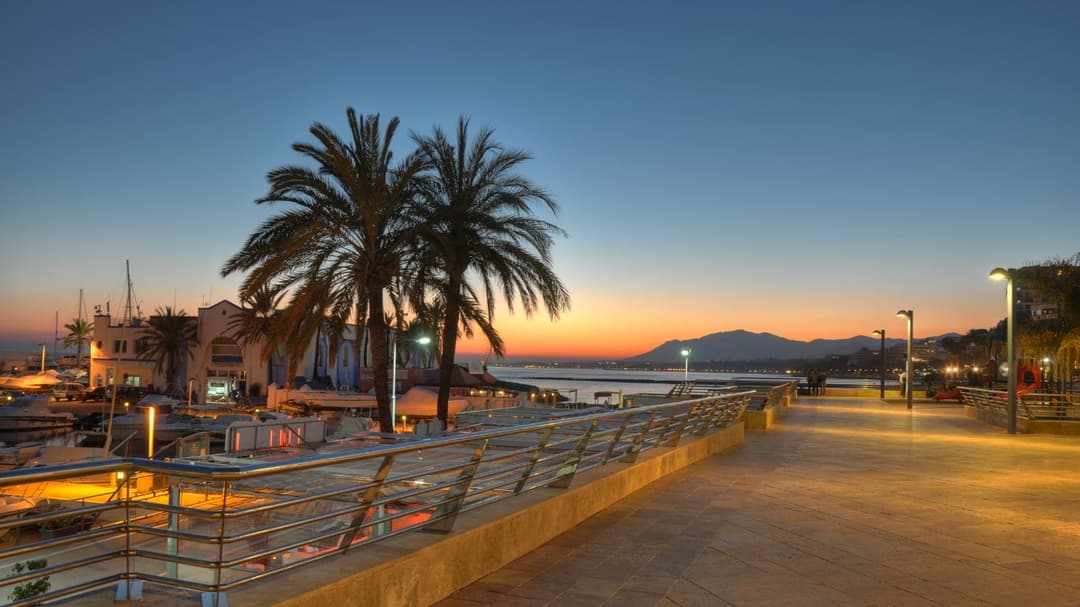
Marbella, Spain
For European prime residential pricing, we lean on the Knight Frank Wealth Report prime index series and cross-check it against Bain luxury market studies. The two together give us a sharper read on where the cycle sits in each destination.
Wealth migration patterns from the Capgemini World Wealth Report and the UBS Global Wealth Report help us anchor demand assumptions. Our prime markets hub tracks the same shifts at a city level.
Marbella, sitting at the heart of Spain’s legendary Costa del Sol, has carved out a reputation as one of Europe’s most magnetic destinations for luxury real estate. Think exclusive resorts, designer boutiques, and over 300 days of sunshine a year. That combination pulls in high-net-worth buyers, affluent tourists, and international investors from every corner of the globe.
Its unique microclimate supports outdoor living all year round, which only adds to its appeal as both a primary residence and a high-performing holiday asset.
In 2024, Marbella’s global profile got a serious boost when it was named the Best Destination in Europe, pulling in nearly 200,000 international votes, the highest total ever recorded in the 15-year history of the European Best Destinations awards. That kind of recognition does real work for investor confidence and keeps demand in the high-end property sector running hot.
As of 2026, average asking prices across all residential categories have climbed by roughly 13.7%, hitting a historic high of €4,812 per square meter. In premium districts like The Golden Mile, Sierra Blanca, and Puente Romano, prices regularly clear €6,000 per square meter. Ultra-luxury villas in prestigious gated communities like La Zagaleta run from €5 million all the way to €20 million.
These numbers tell you everything about Marbella’s standing as a premier European luxury market.
Rental returns are holding strong, especially in the short-term luxury holiday segment where yields run between 6% and 8% annually. That performance is backed by Marbella’s growing appeal as a year-round destination. The city posted a hotel occupancy rate of 75.44% in 2025, a clear signal that seasonal tourism is giving way to steady, year-round visitor flows.
One of the biggest engines behind Marbella’s real estate growth is its golf tourism sector.
With 14 renowned golf courses drawing thousands of international enthusiasts every year, the city punches well above its weight. Properties in Nueva Andalucía’s Golf Valley and Los Flamingos Golf Resort, both sitting near championship courses, have recorded annual price increases of up to 10%, fueled by global demand and a tight inventory.
The Spanish Golden Visa Program adds another layer of appeal for foreign buyers. Non-EU investors can secure residency through property purchases of €500,000 or more, which makes Marbella a particularly attractive proposition for buyers from the UK, Germany, Scandinavia, and the Middle East.
As of 2026, foreign nationals account for over 35% of all property acquisitions in the region, a figure that underscores just how internationally driven this market has become.
Infrastructure investment is strengthening Marbella’s case further. Over €12 million has been directed toward luxury tourism upgrades, sustainable initiatives, and public infrastructure enhancements. Flagship properties like The Marbella Club Hotel Golf Resort and Spa, combined with high-end shopping avenues and a world-class dining scene, keep the city firmly on the radar of the global elite.
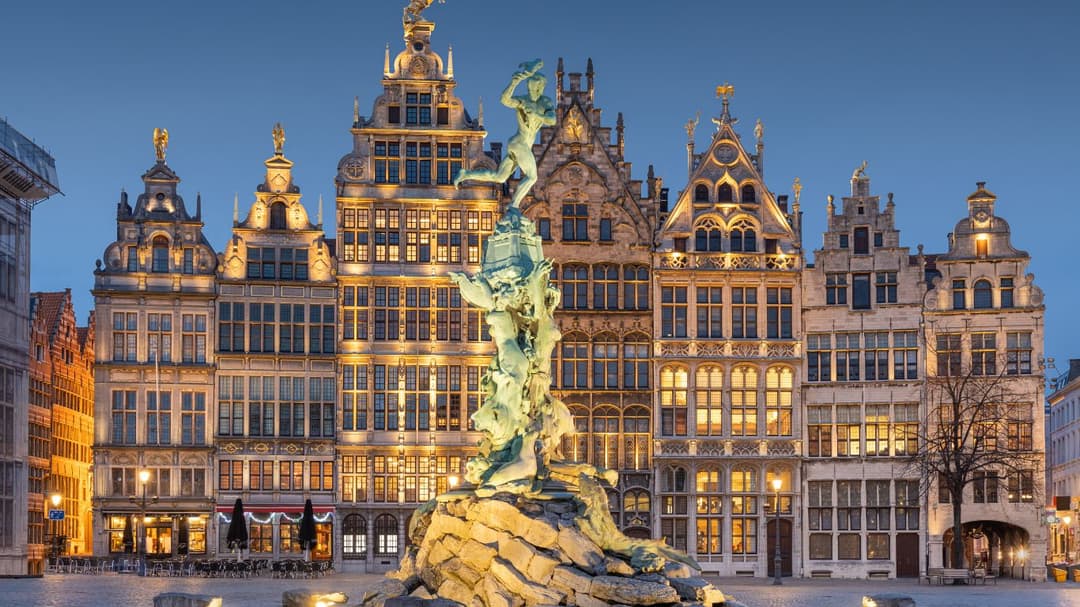
Antwerp, Belgium
Antwerp has always worn its diamond capital status with pride, but right now it’s earning a second reputation. It’s emerging as one of Europe’s most compelling destinations for luxury travel and high-end property investment.
The city blends historic elegance with sharp modern sophistication in a way few European cities can match. Its location at the center of Europe, paired with a strong economy, world-renowned cultural assets, and steady urban development, makes it a serious contender for long-term investment capital.
Culinary tourism is doing real work for Antwerp’s growing prominence. The city boasts an impressive concentration of Michelin-starred restaurants, with The Jane, a two-star establishment, ranked 39th globally. As The Jane marked its 10th anniversary in 2024, the city continued building out a dynamic food scene with newcomers like Untitled pushing creative culinary boundaries.
That gastronomic culture draws a steady flow of luxury tourists, many of whom need premium short-term rental accommodations.
For you as an investor, that demand translates directly into consistent occupancy rates and strong rental yields, particularly in well-located central districts.
Luxury hospitality in Antwerp is living up to the city’s culinary reputation. Properties like Hotel Julien and Hotel August embody Belgian refinement, offering wellness facilities, curated interiors, and elevated guest experiences. These establishments, alongside a growing number of boutique hotels and serviced apartments, are helping Antwerp build a serious case as a benchmark for upscale urban living.
Antwerp’s long-term investment appeal gets another boost from the city’s growing commitment to sustainability and eco-conscious development. Green infrastructure projects and pedestrian-friendly urban plans are aligning with global demand for environmentally responsible living. Residential properties within or near these sustainable zones are increasingly sought after by international buyers and are expected to outperform the broader market on both price growth and rental desirability.
The economic fundamentals here are solid. Antwerp is home to one of Europe’s largest ports, acting as a vital logistics and trade hub. Its diamond industry still dominates the global market, accounting for roughly 84% of all rough diamond trade worldwide.
Those industries underpin strong employment levels and steady population growth, which keeps housing demand consistently healthy.
Real estate prices in key districts like Het Zuid and Eilandje have been growing at 6% to 8% annually, driven by sustained demand and tight supply in the luxury segment. Rental yields in Antwerp’s upscale property market are averaging 4% to 5%, supported by a mix of long-term residents and short-stay travelers looking for premium accommodations.
Antwerp’s global status got a formal stamp of approval in 2024 when Condé Nast Traveler named it among Europe’s Top 24 Cities. Cultural landmarks like the Cathedral of Our Lady and the UNESCO-listed Plantin-Moretus Museum, a thriving arts scene, high-end fashion boutiques, and world-class galleries all attract a sophisticated international clientele that keeps the city’s hospitality economy humming.
That ongoing influx of visitors and expatriates directly supports both short-term rental markets and long-term residential investment strategies.
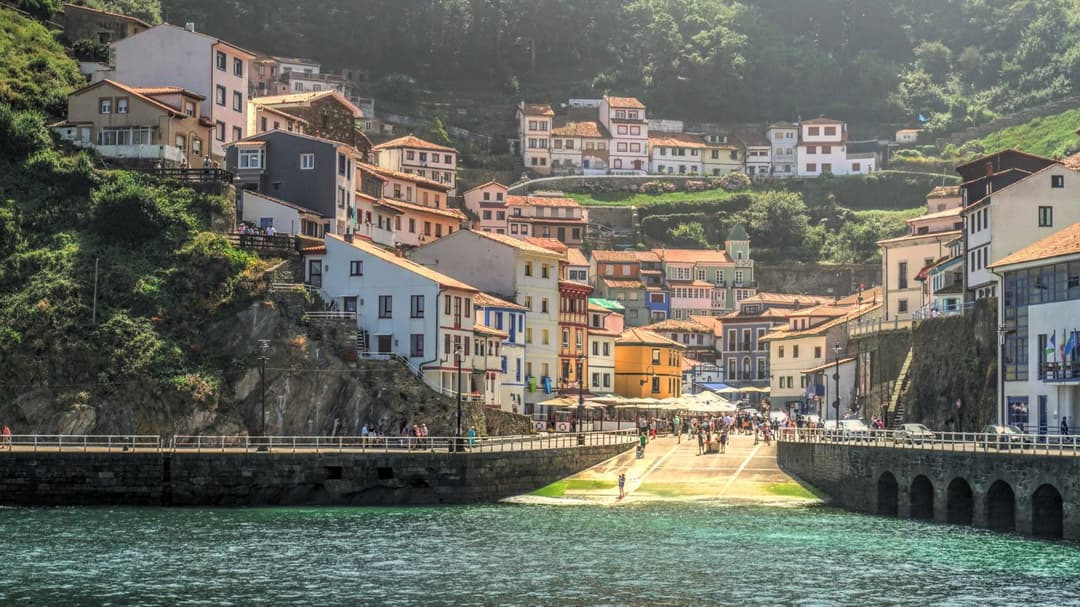
Asturias, Spain
Asturias, known affectionately as Spain’s natural paradise, is quickly becoming one of northern Spain’s most compelling destinations for sustainable real estate investment. Lush landscapes, clean air, and a deep-rooted cultural identity give the region something genuinely rare, an ecological richness that pairs naturally with long-term investment potential.
Sitting along the Bay of Biscay, Asturias enjoys a temperate climate that sets it apart from the hotter southern regions of Spain. That mild weather creates a stable, year-round pull for vacationers and second-home buyers. Demand is especially strong for properties near nature reserves like Picos de Europa and Redes Natural Park, where homes have appreciated by 5% to 7% annually as both domestic and international buyers seek out peaceful, nature-integrated escapes.
The region’s culinary heritage is another major draw. With over 40 varieties of locally produced cheese, including celebrated names like Cabrales, Vidiago, and Gamonedo, Asturias has quietly become a gastronomic tourism destination. High-profile restaurants like Casa Marcial, carrying Michelin stars, keep pulling global visitors to the region.
That vibrant food scene feeds directly into demand for luxury rural accommodations and short-term rental properties, especially in areas that combine culinary prestige with scenic beauty.
Infrastructure improvements have played a real role in making Asturias more accessible. The expansion of high-speed rail and regional transit networks has brought cities like Oviedo and Gijón within easier reach of the rest of Spain. Properties near these transport hubs have seen values climb by 8% over the past year, reflecting a surge of interest from commuters and weekend travelers.
That improved connectivity is encouraging urban professionals to look seriously at secondary homes in Asturias’ picturesque villages and towns.
Beyond natural beauty and gastronomy, Asturias carries a rich cultural identity. Events like the Euro-Toques Conference highlight the region’s commitment to sustainable luxury tourism, drawing international attention and positioning Asturias as a leader in eco-conscious development. Your options as a buyer span elegant seaside villas in Ribadesella to traditional country estates in Cangas de Onís, all within reach of cultural landmarks and pristine landscapes.
From a pure investment standpoint, rural tourism properties and eco-resorts are generating rental yields between 4% and 6% annually, depending on location, amenities, and seasonal demand. The region is also seeing a surge of interest from digital nomads and remote workers seeking quiet, nature-rich environments with solid high-speed internet connectivity.
Asturias’ steady focus on sustainable development and low-density tourism gives it a natural buffer against broader market volatility. Even through economic downturns, property values in the region have maintained upward momentum.
Foreign investment keeps growing, particularly from buyers in Germany, the UK, and the Netherlands, contributing to a 15% year-on-year increase in international property acquisitions.
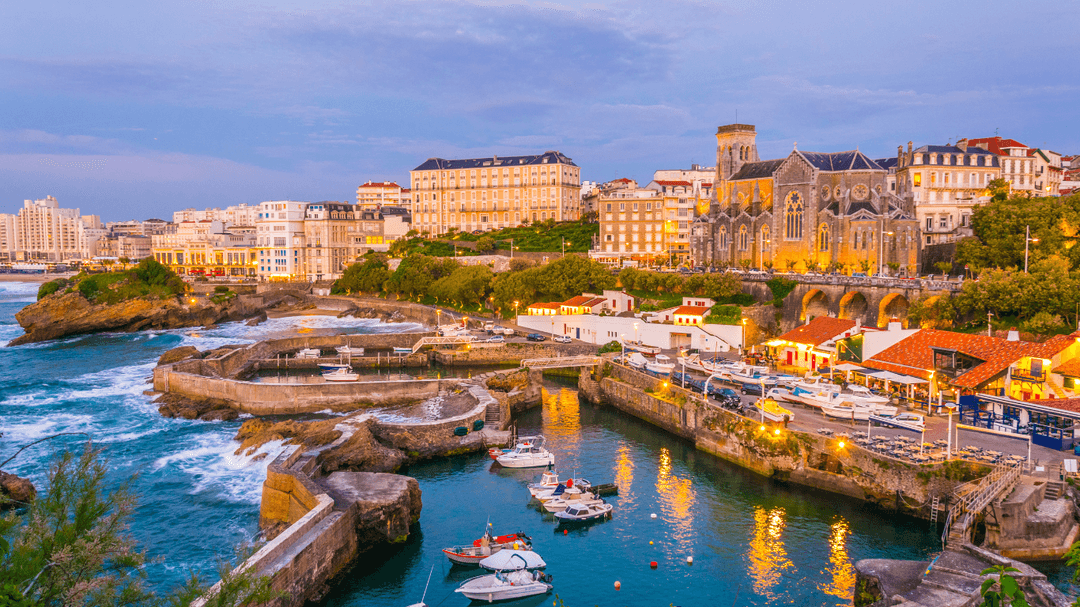
Biarritz, France
Biarritz, perched on France’s scenic Basque coast near the Spanish border, has firmly established itself as one of Europe’s most desirable real estate destinations. Timeless architecture, coastal elegance, and a vibrant cultural life draw a broad spectrum of buyers, from high-net-worth individuals and retirees to international second-home seekers.
With a consistent track record of property appreciation and a genuine scarcity of new developments, Biarritz offers a stable and lucrative opportunity for long-term real estate investment.
The Biarritz property market has shown remarkable resilience over the past decade, held up by sustained demand and tight supply. As of 2026, the average price per square meter sits at roughly €8,955 for apartments and €8,558 for houses.
In premium beachfront areas, prices routinely exceed €10,269 per square meter, especially for properties with panoramic sea views and luxury amenities.
Exclusive districts like Parc d’Hiver, Milady Beach, and the Imperial District are consistent hotspots for investors targeting long-term capital appreciation. Over the last five years, Biarritz has posted an average annual price increase of 6%, outperforming most other French coastal cities.
The property mix here leans heavily toward Belle Époque villas, architect-designed penthouses, and well-preserved historic townhouses. All of these speak directly to buyers who prioritize heritage, location, and exclusivity.
If rental income is part of your strategy, short-term rentals in the luxury segment are generating gross yields of 3% to 5% annually, with peak returns coming during the high summer season. Biarritz’s iconic surf culture, year-round events calendar, and wellness-focused lifestyle keep occupancy levels high and attract a steady stream of high-spending international tenants.
One of the most important factors supporting Biarritz’s property values is the city’s strict construction regulations and its commitment to conservation. New developments are genuinely scarce, which preserves the historical character of the city while keeping property values elevated. That scarcity of buildable land makes existing luxury properties, particularly those with sea views or proximity to cultural landmarks, even more valuable.
Foreign investment is a defining force in this market. In 2024, international buyers, primarily from the UK, Germany, Switzerland, and the Netherlands, accounted for over 40% of all luxury real estate transactions in the city.
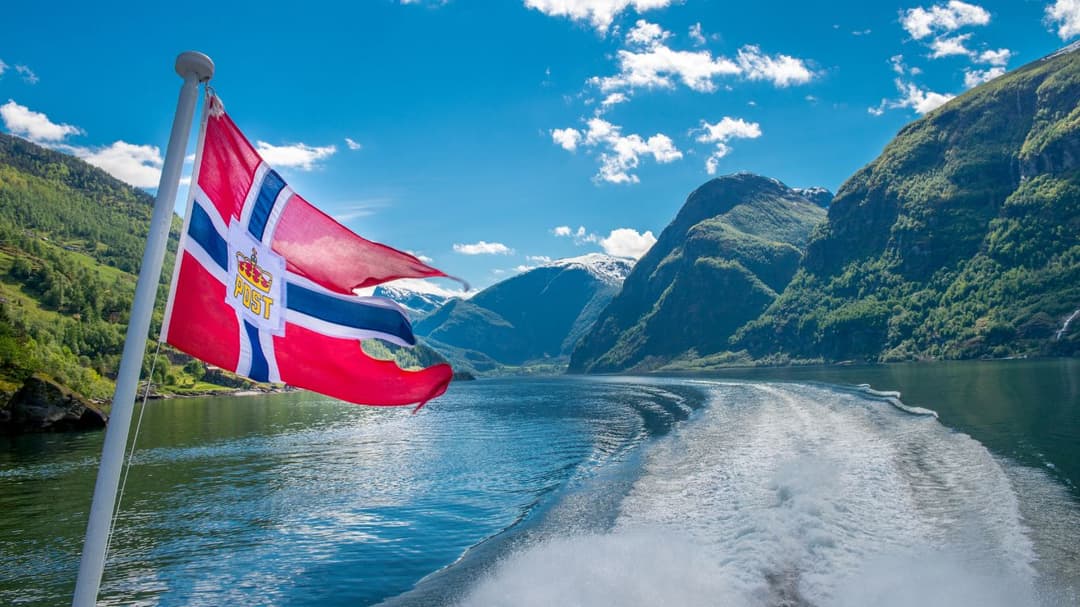
Bodø, Norway
Bodø, in Northern Norway, is quickly becoming one of Europe’s most promising real estate investment destinations. As the European Capital of Culture for 2024, the city attracted serious international attention and sparked large-scale infrastructure development alongside a genuine cultural revitalization. That transformation is doing two things at once, building Bodø’s appeal as a cultural and tourism hub while positioning it as a highly attractive market for investors seeking long-term value in a stable economic environment.
The city’s property market is riding sustained upward momentum, underpinned by a tight supply of premium real estate, strong government backing, and rising demand from both domestic and foreign buyers.
As of 2026, property prices in Bodø have increased by 7.4% year-over-year, with high-demand areas pushing even stronger growth. Average prices for centrally located residential apartments have reached roughly €4,500 per square meter, while waterfront properties command premiums above €7,500 per square meter.
Those increases are being driven by urban expansion, improved infrastructure, and a growing wave of lifestyle-driven investment decisions.
Bodø’s role as a gateway to the Lofoten Islands adds a compelling layer to its appeal. The combination of natural beauty, outdoor recreation, and modern urban amenities attracts not just tourists but long-term residents and remote workers. That demand is fueling appetite for second homes and rental properties, with average rental yields running between 5% and 7% annually.
Short-term rental properties, especially those with sea views or proximity to cultural attractions, are hitting peak-season occupancy rates above 85%, giving investors strong income potential.
Infrastructure development is accelerating real estate activity across the region. The Norwegian government has committed more than €1.2 billion to transport and infrastructure improvements in Bodø, covering airport upgrades, enhanced road and public transit systems, and expanded urban planning initiatives.
Demographic trends add more fuel to the positive investment outlook. Bodø’s population is growing steadily, driven by young professionals, digital nomads, and families drawn to quality of life in a safe and scenic environment. That shift is driving demand for modern, energy-efficient housing with smart technologies and high-speed internet, features that are fast becoming standard in new developments targeting this evolving demographic.
Commercial real estate is gaining traction too. Bodø’s expanding business ecosystem is generating demand for modern office spaces, coworking hubs, and retail units. Over the past year, commercial rental prices have increased by 1.3%, with high-traffic areas near cultural landmarks like the Stormen Concert Hall commanding premium rates of €350 to €500 per square meter annually.
Bodø also maintains a residential property vacancy rate below 3% in its most sought-after neighborhoods. That scarcity is creating competitive market dynamics and pushing both sales prices and rental rates higher.
If you’re entering this market now, you’re positioned to benefit from capital appreciation and strong rental performance over the long term.
Budapest, Hungary
Budapest has become one of Europe’s most exclusive real estate destinations, blending historical charm, modern infrastructure, and serious investment potential. Celebrating its 150th anniversary, the city is in the middle of extensive urban development and cultural revitalization that’s sharpening its appeal for both domestic and international investors.
The local property market has shown remarkable resilience, with average price increases of 8.2% annually over the past five years.
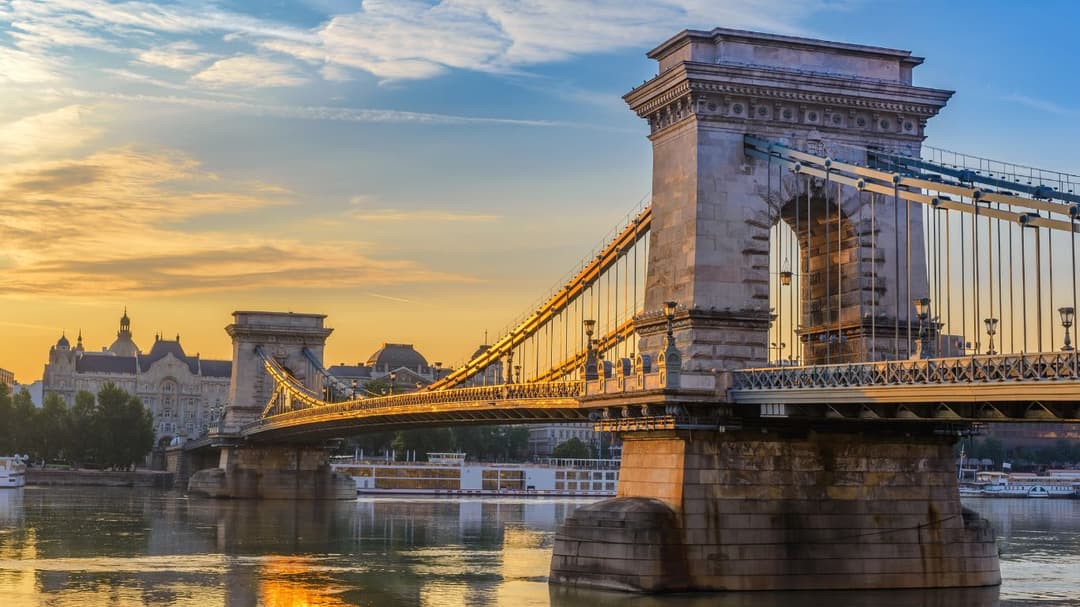
As of 2026, second-hand properties are priced at roughly €2,412 per square meter, while new builds average €3,237 per square meter. In prime locations like Districts I (Castle District) and V (Belváros-Lipótváros), prices clear €5,000 per square meter, driven by architectural heritage and proximity to landmarks like Buda Castle and the Chain Bridge.
Rental yields are among the strongest in Central Europe, averaging between 5% and 7% annually depending on property type and location. Tourist-heavy areas like District VI (Terézváros) and District VII (the Jewish Quarter) support robust short-term rental demand, with Airbnb properties hitting occupancy rates above 80% during peak seasons.
The commercial real estate sector is thriving too. Budapest acts as a regional hub for multinational corporations, pushing demand for office space in areas like District XIII (Újlipótváros) and the Central Business District. Monthly office rents run between €15 and €25 per square meter, while premium office vacancy rates sit at just 6.8%, reflecting steady demand against a limited supply.
Hungary’s investment-friendly environment makes the picture even more attractive. A flat 9% corporate tax rate, the lowest in the EU, combined with transparent property laws, gives foreign investors a straightforward purchasing process.
In 2024, international buyers, mainly from Germany, Austria, and Israel, made up over 30% of high-value property transactions, with strong interest concentrated in luxury apartments and historic residences.
Budapest’s demographic trends are working in investors’ favor as well. The city is pulling in a growing wave of young professionals, expatriates, and digital nomads who want affordable living paired with cultural vibrancy and modern amenities. If you want to maximize returns in emerging urban markets like this, advanced positioning strategies can make a significant difference. Districts VIII (Józsefváros) and IX (Ferencváros) are becoming genuine investment hotspots, with rising demand for smart homes, coworking spaces, and energy-efficient housing.
Côte d’Azur, France
The French Riviera, or Côte d’Azur, is one of Europe’s most exclusive and resilient real estate markets. High-net-worth individuals and seasoned investors keep coming back here for luxury, stability, and long-term capital appreciation. The breathtaking coastline, cultural prestige, and enviable lifestyle have made this region a perennial safe haven for premium real estate.
Over the past five years, the Riviera’s property market has maintained solid momentum, with average prices climbing roughly 6% annually.
In 2024, prime waterfront areas like Saint-Jean-Cap-Ferrat and Cannes Croisette hit record highs, with prices surpassing €25,000 per square meter. That reflects the strength of international appetite and the reality of constrained supply. In central Nice, apartments average around €5,100 per square meter, while ultra-luxury villas in Saint-Tropez routinely exceed €15 million.
Rental yields on the Riviera are particularly attractive, especially for short-term vacation rentals in high-demand locations. Average gross rental yields in key areas range between 4.85% and 4.94% per year. Cannes, powered by global events like the Cannes Film Festival, sees occupancy rates above 85% during peak seasons, giving investors strong short-term lease returns.
International buyers are keeping market liquidity healthy. Nearly 40% of luxury property transactions are driven by foreign investors, primarily from the UK, Germany, Scandinavia, and the Middle East. France’s robust legal framework, including favorable inheritance laws and the Golden Visa program, keeps cross-border investment flowing and reinforces the region’s reputation as a safe and transparent property market.
Liquidity is a real strength here. Luxury properties in top-tier locations frequently sell within weeks of listing, even when broader economic uncertainty is running high. Investment trends favor modern luxury villas, historical estates, and seafront apartments, all of which combine lifestyle appeal with dependable capital appreciation.
The outlook ahead is positive. Analysts are forecasting continued price growth of 5% to 7% annually over the next five years, driven by persistent international demand, constrained land availability, and ongoing infrastructure improvements.
Mykonos, Greece
Mykonos has locked in its position as one of Europe’s most exclusive and profitable real estate markets. Strong investment returns, steady property appreciation, and some of the highest rental yields in the Mediterranean make it hard to ignore.
Known for its luxurious lifestyle, pristine beaches, and cosmopolitan energy, the island keeps drawing high-net-worth individuals and international investors in search of capital gains and premium rental income.
Property prices in Mykonos have risen by an average of 7.5% annually over the past five years. Prime seafront villas regularly clear €12,000 per square meter, with top-tier areas like Psarou, Ornos, and Agios Ioannis pushing above €15,000 per square meter. In 2024, luxury villa sales on the island increased by 12% year-over-year, a clear sign of market resilience and strong investor confidence even through broader economic fluctuations.
Rental income is a major part of the investment case here. Luxury short-term rentals in Mykonos generate some of the highest yields in Greece, averaging between 6% and 8% annually. During peak tourism season, upscale villas and apartments catering to affluent travelers can bring in weekly rental revenues exceeding €15,000.
With over 2 million annual visitors and a clear preference for private, high-end accommodations, demand for short-term rentals stays consistently strong, especially for properties with sea views and direct beach access. Before you dive in, it’s worth getting across the full picture on property taxes in Greece so there are no surprises.
International buyers account for roughly 65% of luxury real estate transactions on the island. Investors from the UK, Northern Europe, and the Middle East are especially active, pulled in by Greece’s stable legal framework, transparent acquisition process, and Mykonos’ well-earned reputation for exclusivity and high-quality infrastructure.
Capital appreciation is especially strong in the ultra-luxury segment, where properties priced above €5 million have been growing at 8% to 10% annually. If you’re targeting high-end villas and private holiday estates, you’re looking at rising property values on top of a robust, high-yield rental market that consistently outperforms national averages.
One of the most important long-term value drivers in Mykonos is limited land availability combined with strict zoning regulations. Those preservation policies restrict overdevelopment, protect the island’s architectural integrity, and create a scarcity-driven dynamic that keeps pushing prices higher in prime coastal areas.
Looking forward, the Mykonos real estate market is projected to grow by 6% to 8% annually through 2030, fueled by foreign capital, high-end tourism demand, and a genuinely constrained housing supply.
Investors focused on seafront villas, exclusive gated communities, and luxury residential complexes are well-positioned to capture both stable rental returns and substantial long-term capital gains.
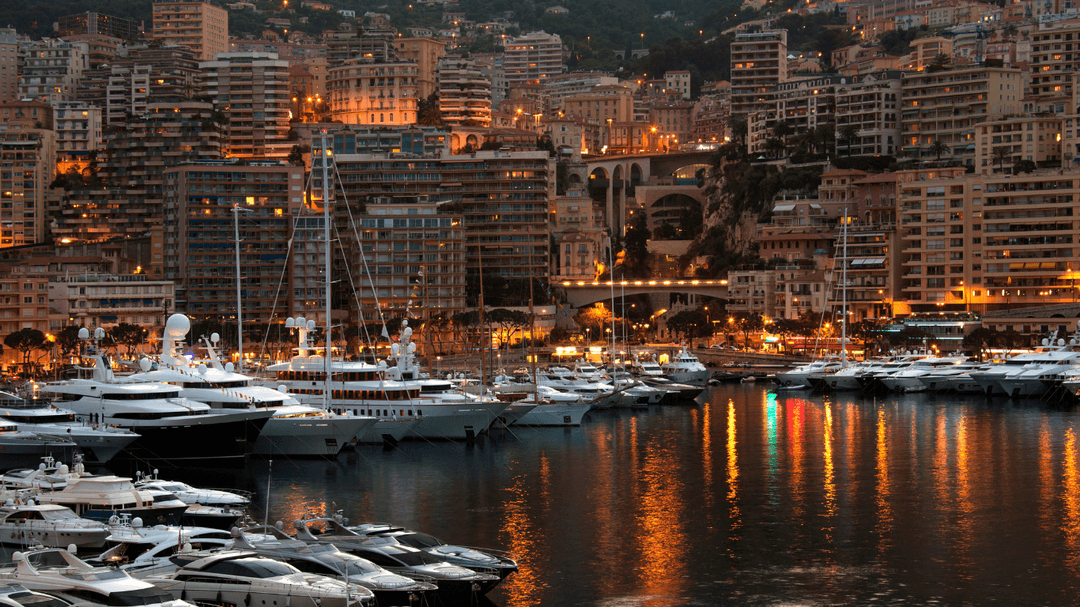
Monaco
Monaco, the crown jewel of the French Riviera, sits at the very top of the world’s most exclusive and resilient real estate markets. Ultra-high-net-worth individuals and global investors come here for secure, high-value assets that hold their worth through any economic cycle.
The favorable tax regime, the acute scarcity of land, and an unrivaled luxury lifestyle combine to make Monaco the most expensive property market on the planet, one that delivers long-term capital preservation and sustained price appreciation.
As of 2024, the average property price in Monaco reached €51,000 per square meter, reaffirming its position at the top of global real estate valuations. In ultra-prime districts like Monte Carlo, Larvotto, and La Condamine, prices frequently clear €100,000 per square meter, especially for properties with sea views, private terraces, and proximity to iconic landmarks like the Casino de Monte-Carlo.
Despite a land area of just 2.1 square kilometers, Monaco’s real estate market has shown remarkable resilience through periods of global economic uncertainty. By 2026, property prices had risen by 6.3% year-over-year, driven by sustained international demand and the principality’s enduring reputation as a safe haven for global wealth.
Rental returns in Monaco are modest compared to other global markets, but that’s not the point. Annual rental yields for luxury apartments and penthouses average between 2% and 3%, offset by consistently high asset appreciation and near-zero vacancy rates.
High-end rental properties in districts like Monte Carlo and Larvotto regularly achieve monthly rents of €15,000 to €50,000, depending on size, location, and amenities.
Monaco’s tax system is one of the most powerful demand drivers in its real estate market. No personal income tax, no capital gains tax, and no inheritance tax for direct heirs make it an extraordinarily attractive residence for individuals seeking privacy, tax efficiency, and wealth preservation. Foreign buyers dominate the market, accounting for over 70% of all real estate transactions.
The strongest interest comes from investors in France, Italy, the United Kingdom, and the Middle East.
Land scarcity is Monaco’s most powerful value driver. With no meaningful room for horizontal expansion, the market has pivoted toward vertical developments and ambitious land reclamation projects.
The Mareterra Project, Monaco’s €2 billion offshore expansion, will add six hectares of new luxury residential space to the principality. And yet even before completion, demand has already exceeded projected supply, which tells you everything about the intensity of buyer interest in this market.
Madeira, Portugal
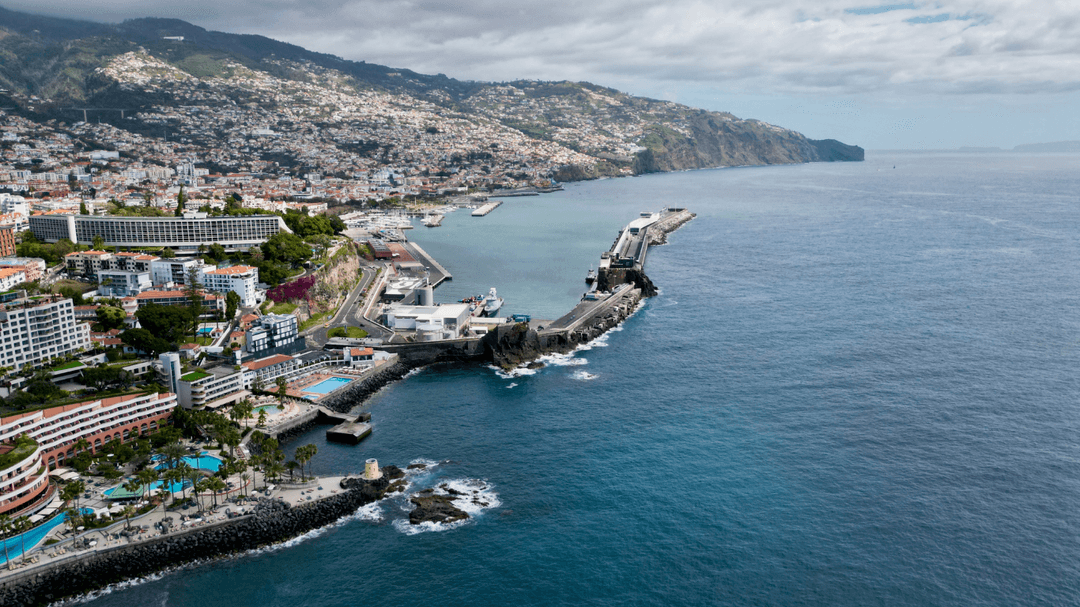
Madeira, an autonomous region of Portugal, is fast becoming a prime real estate investment destination. Year-round mild climate, political stability, and a strategic Atlantic location have turned the island into a magnet for international buyers, retirees, and digital nomads seeking both long-term residence and high-performing property investments.
The region’s real estate market has delivered robust and consistent growth over the past five years, with average property prices rising roughly 7% annually. As of 2026, average prices in Funchal, the island’s capital, stand at €2,500 per square meter, with prime seafront residences reaching up to €5,000 per square meter.
Areas like Calheta, Ponta do Sol, and Câmara de Lobos are attracting serious investor attention thanks to panoramic ocean views and a growing appetite for luxury and eco-conscious developments.
Rental yields in Madeira are holding strong, particularly in the short-term vacation rental market. Gross yields for well-located apartments and villas average between 5% and 7% annually, with coastal properties in and around Funchal generating the highest returns during peak tourist seasons.
The influx of digital nomads and remote workers, many drawn by the island’s solid digital infrastructure and tranquil environment, has driven up demand for furnished properties with high-speed internet, flexible living spaces, and scenic locations.
Foreign buyers account for over 40% of all real estate transactions in Madeira, with substantial interest flowing in from Germany, the UK, and Nordic countries. Portugal’s Golden Visa program keeps driving investment, especially for purchases exceeding €500,000, and understanding how to structure that purchase efficiently can make a meaningful difference to your net returns.
The Non-Habitual Residency (NHR) regime adds another layer of appeal, offering reduced tax rates and potential tax exemptions for foreign retirees and high-net-worth individuals. That combination of Golden Visa access and NHR benefits makes Madeira one of the more tax-efficient entry points into European real estate for international buyers.
Recent infrastructure improvements, including upgrades to Madeira International Airport, enhanced healthcare facilities, and expanded digital connectivity, are accelerating the island’s transformation into a long-term residential hub.
Properties near transport hubs and city amenities are appreciating faster, with increased rental demand coming from both short-term visitors and long-stay residents.
Looking ahead, the Madeira property market is forecast to grow by 5% to 6% annually over the next five years, driven by sustained foreign demand, infrastructure expansion, and favorable government policies. If you’re targeting seafront villas, modern apartments in Funchal, or properties tailored to remote workers, you’re well-positioned to capture rising demand and meaningful long-term capital appreciation.
We last reviewed this analysis in May 2026.


Stefanos Moschopoulos
Stefanos Moschopoulos founded The Luxury Playbook in Athens and has spent the better part of a decade following the auction calendar, the en primeur releases, and the watchmakers, gallerists, and shipyards the magazine covers. He writes the field guides and listicles that anchor the Connoisseur section — pieces built on Phillips and Christie's results, Liv-ex movements, and conversations with collectors he has met across Geneva, Bordeaux, Basel, and Monaco. His own collecting habits sit closer to watches and wine than art, and it shows in the level of detail in the magazine's coverage of those categories. Under his direction, The Luxury Playbook now publishes long-form field guides, market-defining year-end listicles, and the Voices interview series with the founders behind the houses and the brands.