
Hublot faces a reputation problem among watch collectors that’s become almost reflexive. Mention the brand in enthusiast forums and you’ll immediately hear about devastating depreciation rates, with most references losing 40% to 60% of their value the moment they leave the boutique.
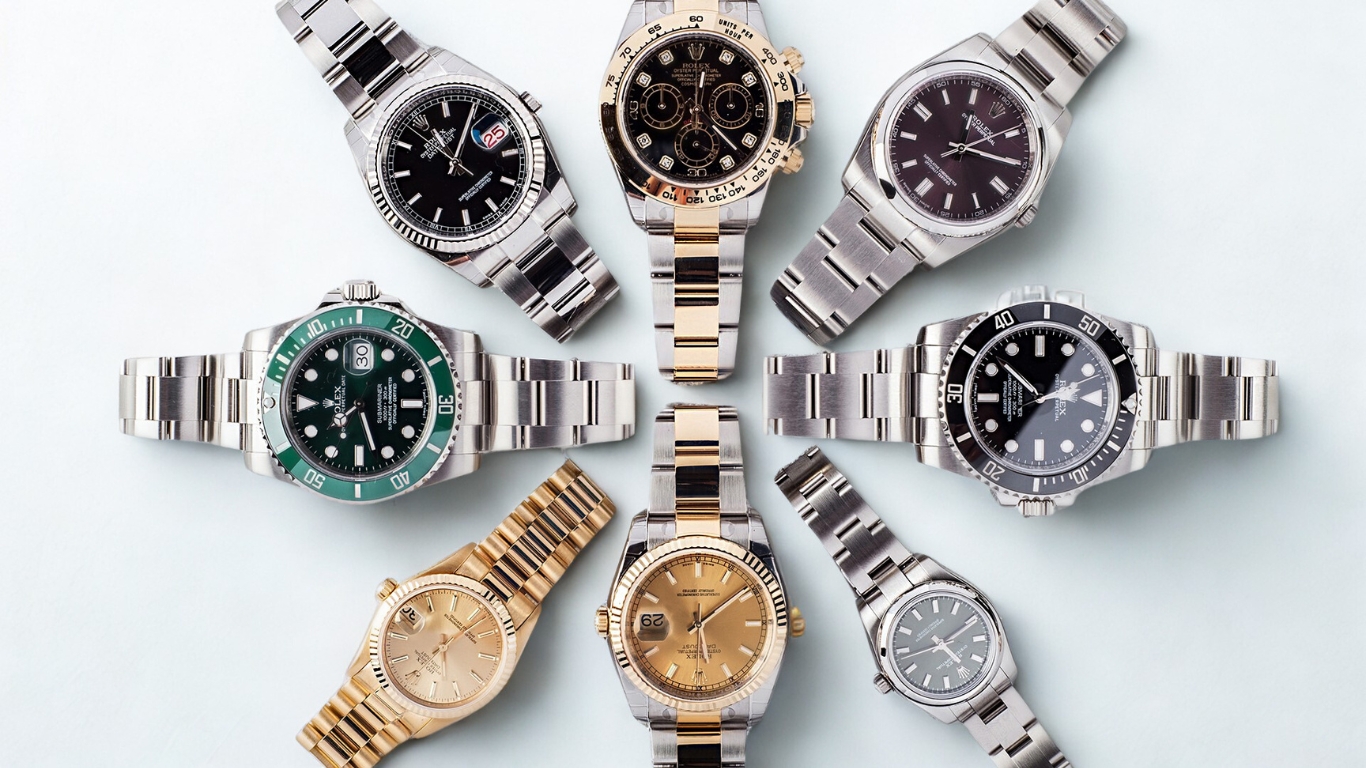
Compare that to Rolex’s typical 85% to 110% value retention or Patek Philippe’s 80% to 100% maintenance of retail pricing, and Hublot appears to be a financial disaster masquerading as luxury.
Hublot’s relatively young brand history since its 1980 founding lacks the decades of heritage that traditional Swiss houses leverage. The company releases frequent limited editions that paradoxically dilute collector interest rather than creating scarcity. Retail prices often feel inflated relative to finishing quality when compared against similarly-priced competitors.
And perhaps most fundamentally, Hublot simply doesn’t command the cult following or waiting lists that drive secondary market premiums for brands like Rolex or Audemars Piguet.
Yet blanket dismissal of every Hublot reference as an automatic wealth destroyer misses crucial exceptions that data increasingly supports. Specific references within the Big Bang Unico line, iconic Classic Fusion models, limited Ferrari collaborations, and sapphire masterpieces from the MP collection are demonstrating 60% to 75% value retention, with select pieces even showing appreciation.
Table of Contents
Hublot Value Retention Analysis 2025
Comprehensive analysis of value retention across 16 Hublot watch models reveals the Big Bang Unico Berluti Scritto leads at 115-125% retention, followed by Sang Bleu at 95-110%, while standard production Big Bang models with third-party movements show weaker 40-60% retention based on Chrono24 and WatchCharts secondary market data.
Top 7 Hublot Models by Value Retention
Complete Hublot Value Retention Data
| Model | Retail Price Range | Value Retention | Performance |
|---|

Hublot Big Bang Unico
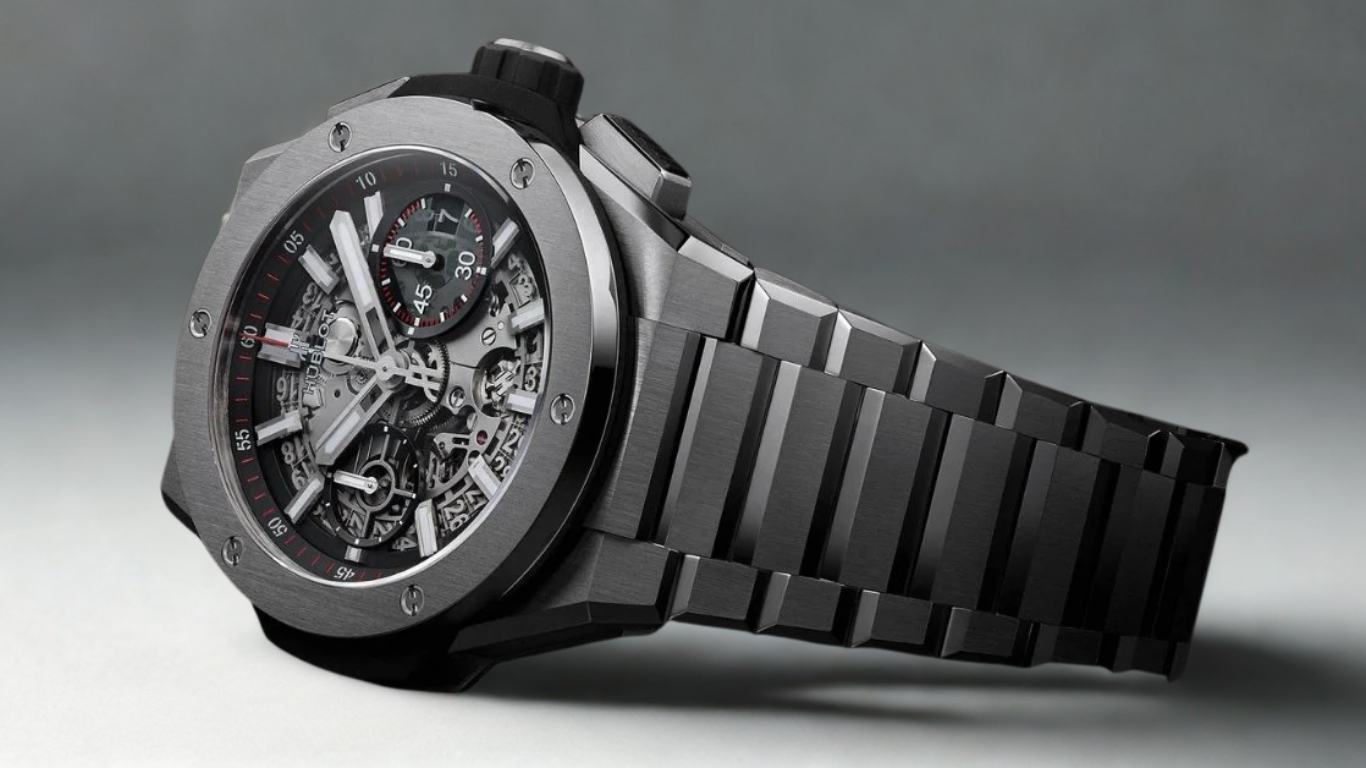
The introduction of the in-house Calibre Unico movement fundamentally split the Big Bang collection into two distinct investment tiers that collectors now recognize and price accordingly. The Unico represents genuine manufacture capability, as an automatic chronograph with flyback function and 72-hour power reserve developed entirely in-house rather than relying on outsourced base movements.
This technical credibility matters enormously to serious collectors who increasingly demand genuine manufacture movements as a baseline for investment-grade watches.
Market data confirms this technical premium translates directly into superior value retention. Big Bang Unico references retail between $14,000 and $21,000 depending on materials and complications, with secondary market pricing settling between $10,000 and $16,000.
That represents 60% to 75% retention compared to just 40% to 50% for earlier Big Bang models using generic Sellita movements. The $30,000 to $40,000 gap in resale value between otherwise similar watches differing only in movement source demonstrates that collectors now sharply distinguish manufacture credentials from assembly operations.
Limited edition Unico collaborations perform even more impressively, occasionally crossing into appreciation territory that seems impossible given Hublot's broader reputation.
The Berluti Scritto collaboration originally retailed around $24,000 but now trades between $27,000 and $30,000 in full-set condition, showing 15% to 25% appreciation over initial pricing. Similarly, select Sang Bleu editions featuring geometric tattoo-inspired case architecture hold close to or above retail years after release, benefiting from designs impossible to replicate through cheaper homages or counterfeits.
At the same time, material selection proves crucial within the Unico family, creating dramatic performance divergence between references sharing the same movement and basic design. Standard steel and black ceramic models depreciate that typical 40% to 50% despite housing the manufacture caliber.
But King Gold variants, colored ceramic executions in petrol blue or mint green, and carbon fiber limited editions hold 65% to 75% of retail as scarcity and distinctive aesthetics drive collector demand beyond pure horology considerations.

Hublot Classic Fusion Titanium 42mm
While the Big Bang grabs headlines with bold designs and high complications, the Classic Fusion line offers something increasingly valuable, genuine stability in a volatile luxury watch market. Drawing directly on Hublot's original 1980 MDM Genève design, the Classic Fusion eschews the Big Bang's aggressive aesthetics for clean lines, traditional porthole styling, and a restrained 42mm by 10mm profile that wears comfortably under dress shirts.
What makes the Classic Fusion genuinely interesting from investment perspective is performance data suggesting it might be Hublot's best value retention story.
Chrono24 analysis notes that "depreciation is not a word you'll hear" regarding the Classic Fusion, with models showing "slight increases in value over the last two years", remarkable stability for any watch brand in the current market, let alone one with Hublot's depreciation reputation.
The Classic Fusion consistently retains 65% to 75% of retail pricing, making it the most stable performer across Hublot's entire lineup.
Titanium Classic Fusion models retail between $8,000 and $12,000, with secondary market pricing settling between $6,000 and $9,000. That lower absolute entry point compared to Big Bang Unico creates smaller dollar losses even at similar retention percentages, as losing $2,000 to $3,000 on a Classic Fusion feels more palatable than losing $5,000 to $8,000 on a Big Bang despite comparable percentage depreciation.
Interestingly, the Classic Fusion uses modified Sellita calibers rather than in-house movements, a specification that typically destroys value in modern watches where manufacture credentials drive premiums. Yet the Classic Fusion's design legacy and demonstrated price stability overcome this technical limitation in ways that other Hublot references cannot.
The simple explanation appears to be that Classic Fusion buyers prioritize wearable design and brand ownership experience over movement provenance, creating demand dynamics less sensitive to technical specifications.

Ferrari Editions and MP Masterpieces
At the collection's extremes sit references that work specifically because they target narrow, wealthy, passionate collector segments rather than attempting mass appeal. The Big Bang Ferrari limited editions leverage automotive crossover appeal that consistently outperforms standard Hublot references in secondary markets.

Original retail ranged from $30,000 to $65,000 depending on materials, with current secondary pricing between $28,000 and $70,000 for desirable discontinued references.
Material hierarchy within Ferrari editions mirrors broader Hublot patterns but with higher floors. King Gold and sapphire Ferrari variants show 70% to 80% retention, ceramic mid-range executions hold 60% to 70%, while even standard steel and rubber versions, typically Hublot's worst performers, depreciate just 40% to 50% rather than the catastrophic 60%-plus drops that plague non-Ferrari steel Big Bangs.
The MP (Masterpiece) Collection pushes further into ultra-niche territory with six-figure pricing and extreme technical complications. The MP-11 features seven-day power reserve with visible stacked barrels, while the MP-05 LaFerrari delivers 50-day power reserve through 637 components arranged in spectacular displays of technical excess.

These retail from $100,000 to $300,000-plus, positioning them as Hublot's answer to Richard Mille and independent haute horlogerie brands.
Retention data on MP references shows 70% to 80% value maintenance despite six-figure entry prices, which is an impressive performance driven by genuine rarity with production typically limited to 50 to 100 pieces. Limited-production orange sapphire tourbillons resell between $100,000 and $110,000, holding close to original pricing years after release.
Yet despite strong retention percentages, MP watches face extremely narrow buyer pools and require patient holding periods, making them suitable only for collectors genuinely passionate about avant-garde designs willing to hold five to ten years rather than seeking quick liquidity.
The investment reality for these niche segments requires honest assessment. While they retain value dramatically better than standard Hublot and avoid the 60% instant depreciation that destroys wealth across most of the catalog, they still face 20% to 30% immediate depreciation and extremely limited resale markets.
Buy Ferrari editions and MP masterpieces because you love what they represent technically and aesthetically, not because you expect Rolex-like appreciation or easy exits. The rewards come from avoiding catastrophic losses while owning genuinely distinctive watches, not from generating investment returns that compete with traditional blue-chip alternatives in the secondary market.
FAQ
Which Hublot watches hold their value the best?
The Hublot models with the best value retention are the Big Bang Unico (specifically with in-house movements), the Classic Fusion Titanium 42mm, and limited Ferrari collaborations. These references typically retain 60% to 75% of their retail value, significantly outperforming standard Hublot models which can lose over 40% immediately.
How much value does a Hublot Classic Fusion lose?
The Classic Fusion Titanium 42mm is Hublot's most stable performer, consistently retaining 65% to 75% of its retail price. Despite using non-manufacture movements, its lower entry price ($8,000–$12,000) and classic design make it safer than more expensive, volatile models.
Why is Hublot resale value generally low?
General Hublot references often depreciate 40% to 60% due to high retail prices relative to finishing, a lack of waiting lists, and an oversupply of limited editions. However, this "reputation for depreciation" does not apply to the Unico or MP collections, which hold value much better due to technical scarcity.
Are Hublot Ferrari and MP watches hard to sell?
Yes, they have low liquidity but high value retention. While Hublot Ferrari editions and MP Masterpieces retain 70% to 80% of their value, they target a very narrow niche. Sellers should expect longer holding periods to find a buyer compared to high-volume brands like Rolex.