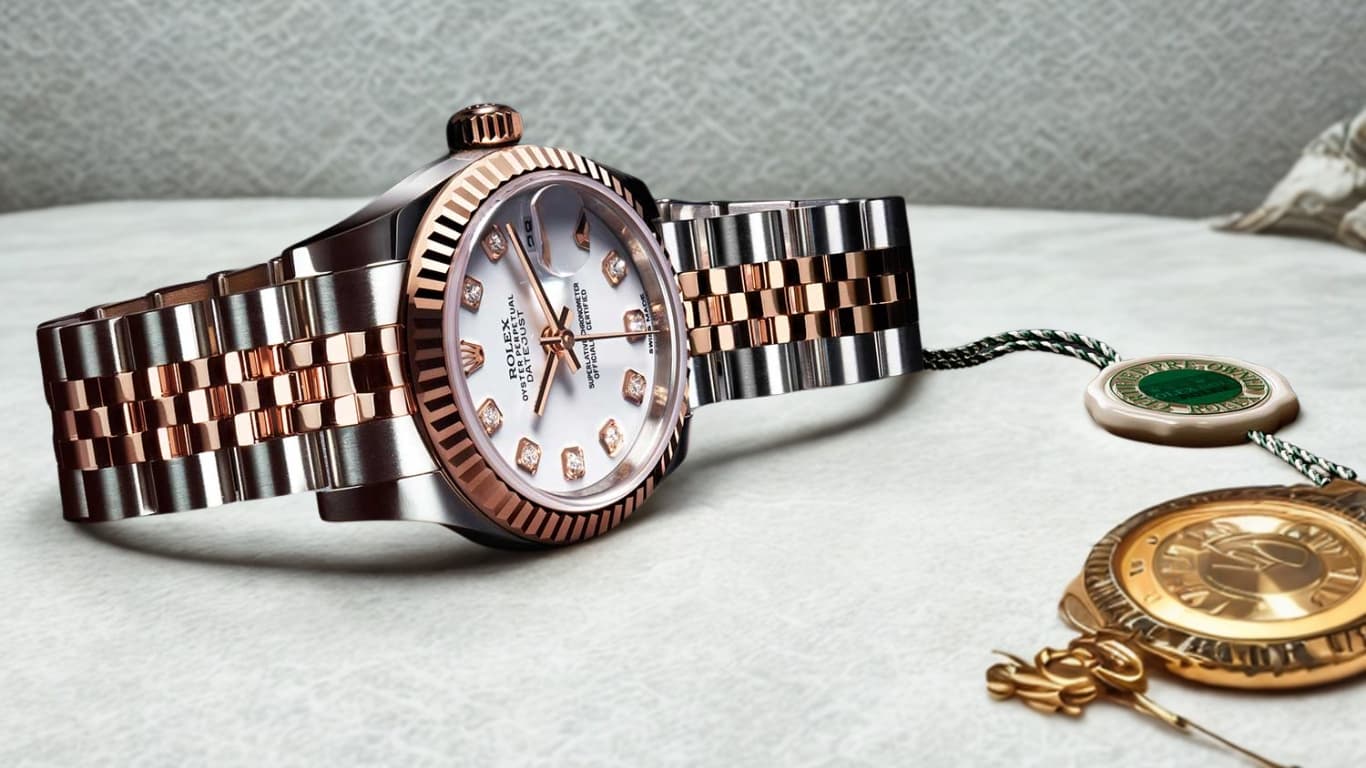
Luxury watch prices are rising again after the correction, and the move is not the speculative froth of 2021. The 2026 firming is narrower, harder to game, and rewards the references the broader collecting community actually wants. Anyone who watched the secondary market through the 2022-2024 reset can see the difference: this is selective demand, not euphoria.
- Luxury watch prices are rising materially after the post-2022 correction, with Rolex, Patek, and AP secondary-market data confirming the bottom and the broader recovery through 2026.
- Manufacturer pricing hikes from 5 to 12 percent annually combined with secondary-market firmness have reshaped the broader collector positioning across the Holy Trinity tier.
- The Subdial 50, WatchCharts Overall, and Bloomberg Watch Index all confirm the rising pricing trend, with year-over-year recovery from the 2022 lows continuing through the year.
- We see the rising pricing dynamic as a structural transition rather than a speculative cycle, with manufacturer pricing discipline and broader collector confidence reinforcing the recovery.
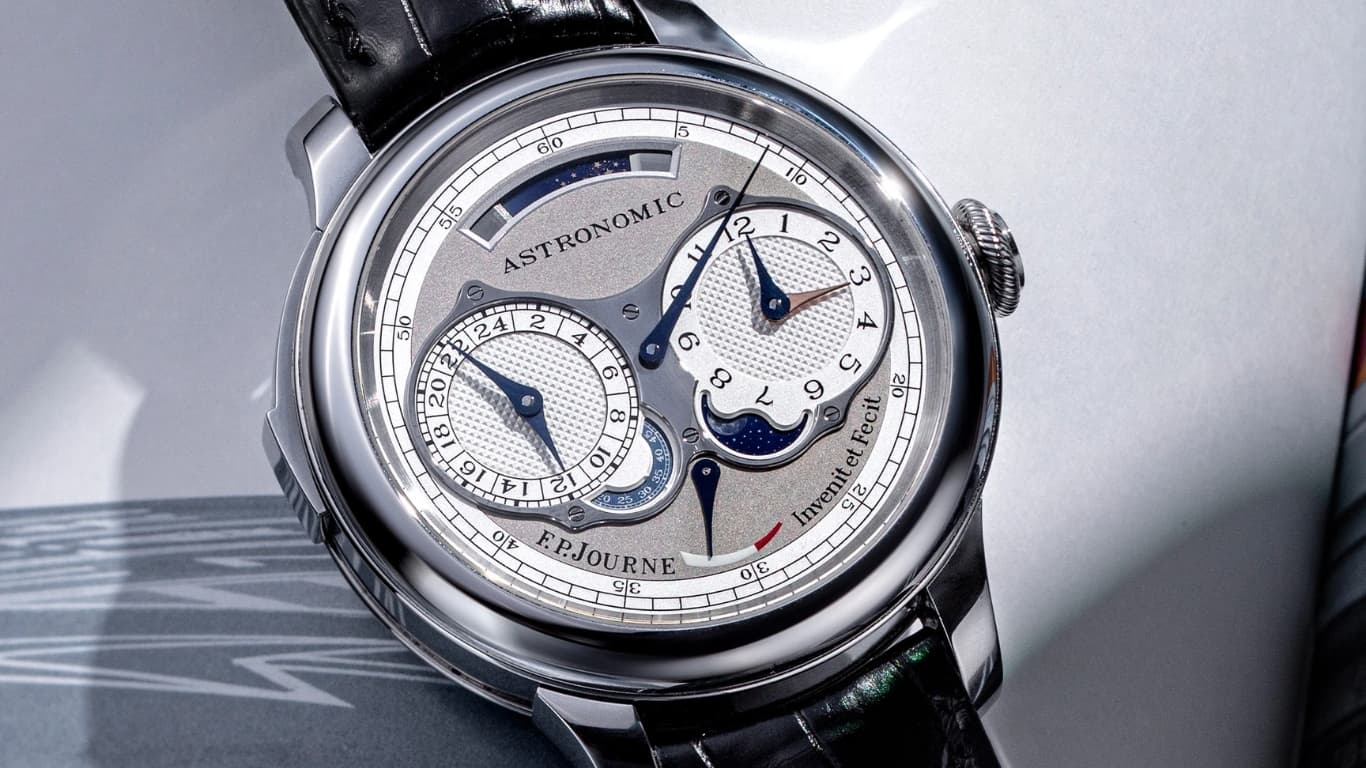
- Independent makers including F.P. Journe, MB&F, and De Bethune have outperformed the broader market, with waitlist depth approaching mainstream Swiss levels at premium pricing.
- Buyers entering now should anchor on condition, completeness, and the precise reference rather than chasing the broader recovery narrative across the wrong references.
- Who is this for?
- Active collectors, dealers tracking market recovery, and investors monitoring luxury watch market dynamics through the post-correction stabilisation.
- What is happening?
- A grounded read on why luxury watch prices are rising after the post-2022 correction, covering Holy Trinity recovery, manufacturer hikes, and independent maker outperformance.
- When did this emerge?
- The current rising pricing reflects the post-2022 reset bottoming and the broader collector return through 2026, with the trend continuing to inform forward-looking dynamics.
- Where is this happening?
- Geneva, New York, Hong Kong, and Dubai anchor the central trading hubs, while online platforms supply day-to-day liquidity across every collector tier.
- Why does it matter?
- Understanding the rising pricing trend informs better purchase decisions, with manufacturer discipline and broader collector confidence reinforcing the modern positioning.
The pattern shows clearest at the trinity tier. Phillips' recent Geneva sales, the Chrono24 broad index, and WatchCharts' brand-level retention reads all point in the same direction. The post-correction watch market is finding a floor, and the floor is being set by the references collectors return to in every cycle.
The collectors we hear from are no longer chasing limited colourways or hype drops. The conversation has moved to clean dial examples, original box-and-papers, and complete service histories. That is a healthier register, and it is the one that drives the rising secondary numbers across the 2026 firming.
Why luxury watch prices are rising after the correction
Three forces are doing most of the work. First, the speculative inventory that flooded Chrono24 and the dealer network during the correction has cleared. The grey-market dealers who survived the reset are now bidding for clean references they can mark up modestly rather than aggressively.
That price discipline is supportive at the floor.
Second, retail at the authorised-dealer level has continued to climb. Rolex's Basel-published list prices rose materially across 2024 and 2025. The Patek Philippe price book moved in parallel.
When retail rises, the secondary market has more headroom even where collectors are still cautious about premiums.
Third, the buyers who stepped away during the correction have started returning. The auction houses report dedicated single-owner sales with deeper pre-sale interest than they saw 18 months ago. The trinity references are leading the move, and the rest of the market is following at varying speed.
The trinity is doing most of the lifting
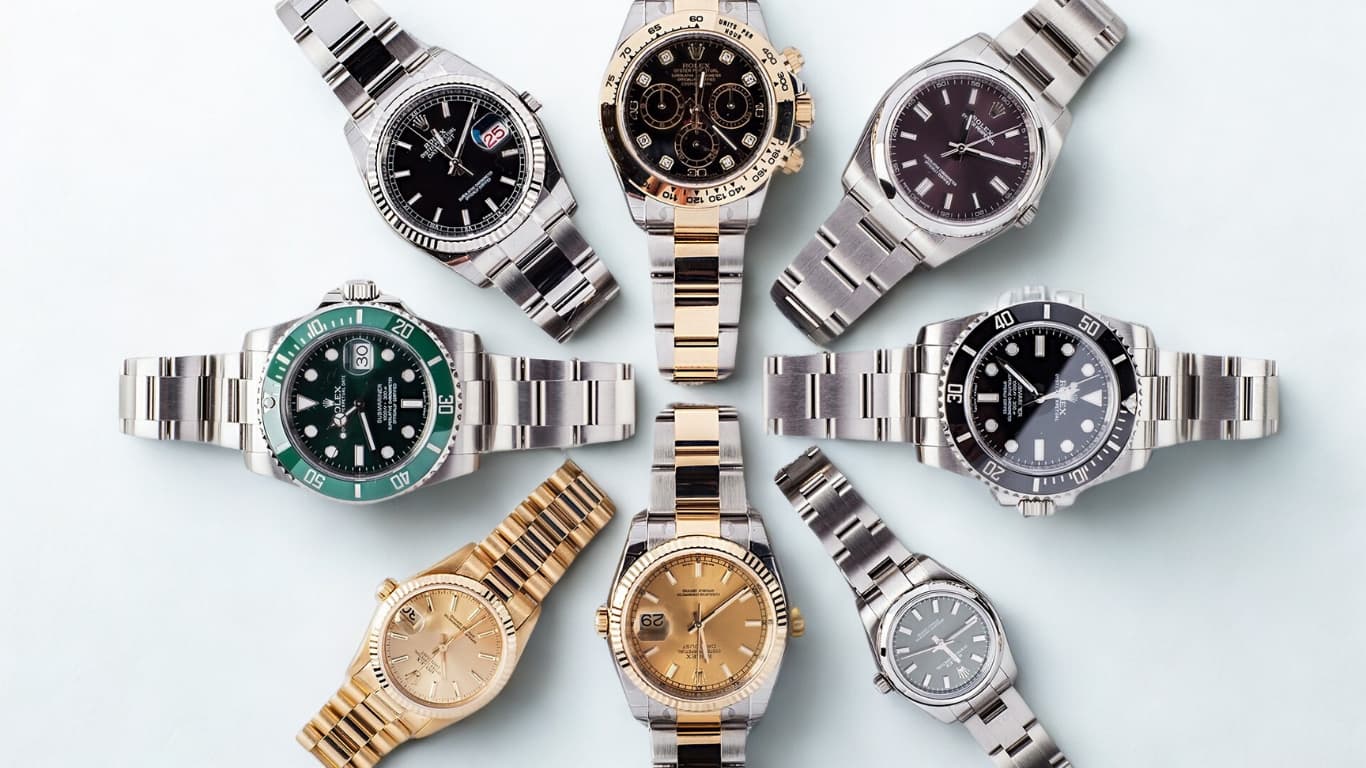
The Rolex Daytona, the Patek Philippe Nautilus, and the Audemars Piguet Royal Oak continue to drive the cycle. The trinity continues to drive the secondary market in ways that show up cleanly on the dealer board and at auction. The ceramic-bezel Daytona references, the discontinued 5711 Nautilus, and the 39mm Royal Oak Jumbo all trade at meaningful premiums to their last retail anchors.
The premiums are smaller than they were at the 2022 peak. That is the right reading. The references are reasserting their core demand without the speculative tail that defined the previous cycle.
Collectors who want a Daytona today still wait, still pay over retail, and still build long relationships with their authorised dealers. The mechanics are familiar; the magnitude is more disciplined.
What changed is the rest of the catalogue. Brands outside the trinity have to earn the premium now. The references that earn it tend to share three traits: real production constraints, clear historical narrative, and original dial condition.
The references that lack those traits are still trading below retail across the broader market.
Omega is the cleanest example of the selective firming
Omega's secondary market is the cleanest current example of selective firming. The Speedmaster Moonwatch in the current Hesalite reference, the Seamaster Diver 300M in the Bond configuration, and the various Speedmaster Professional dial variants are all stabilising at meaningful discounts to retail without falling further.
That stabilisation matters. It points to the post-correction buying window we have been writing about across the year. Collectors who waited through the speculative cycle are now finding clean Speedmaster references at numbers that work.
The brand's contemporary technical credentials, particularly the Master Chronometer programme and the in-house Calibre 3861, give the watches genuine standing independent of price.
The vintage Omega register continues to firm in parallel. Clean Speedmaster Professional 145. 022 examples with original tritium dials are quietly outpacing their 2022 trough numbers at the specialist dealer level.
Phillips and Bonhams have both placed vintage Speedmasters in dedicated chronograph lots across recent sales with consistent results above estimate.
What this means for collectors
The 2026 firming is not a return to the 2021 cycle. The references rewarding patience now are not the limited colourways or the hype-drop variants. They are the trinity cornerstones, the brand-defining chronographs, and the dive references with genuine historical anchor.
For collectors who held through the correction, the firming validates the discipline. For collectors who waited to enter, the buying windows that opened at the 2024 trough are starting to close on the strongest references. The middle of the catalogue still offers opportunity.
The cornerstone references at every major brand are tightening.
The reading we would carry into a serious purchase today is straightforward. Buy the reference you would still want in ten years. Verify box-and-papers and service history.
Use the auction houses and the specialist dealer network rather than the open marketplaces for anything above $10,000. The post-correction market rewards that discipline. We last reviewed this analysis in May 2026.


Stefanos Moschopoulos
Stefanos Moschopoulos founded The Luxury Playbook in Athens and has spent the better part of a decade following the auction calendar, the en primeur releases, and the watchmakers, gallerists, and shipyards the magazine covers. He writes the field guides and listicles that anchor the Connoisseur section — pieces built on Phillips and Christie's results, Liv-ex movements, and conversations with collectors he has met across Geneva, Bordeaux, Basel, and Monaco. His own collecting habits sit closer to watches and wine than art, and it shows in the level of detail in the magazine's coverage of those categories. Under his direction, The Luxury Playbook now publishes long-form field guides, market-defining year-end listicles, and the Voices interview series with the founders behind the houses and the brands.