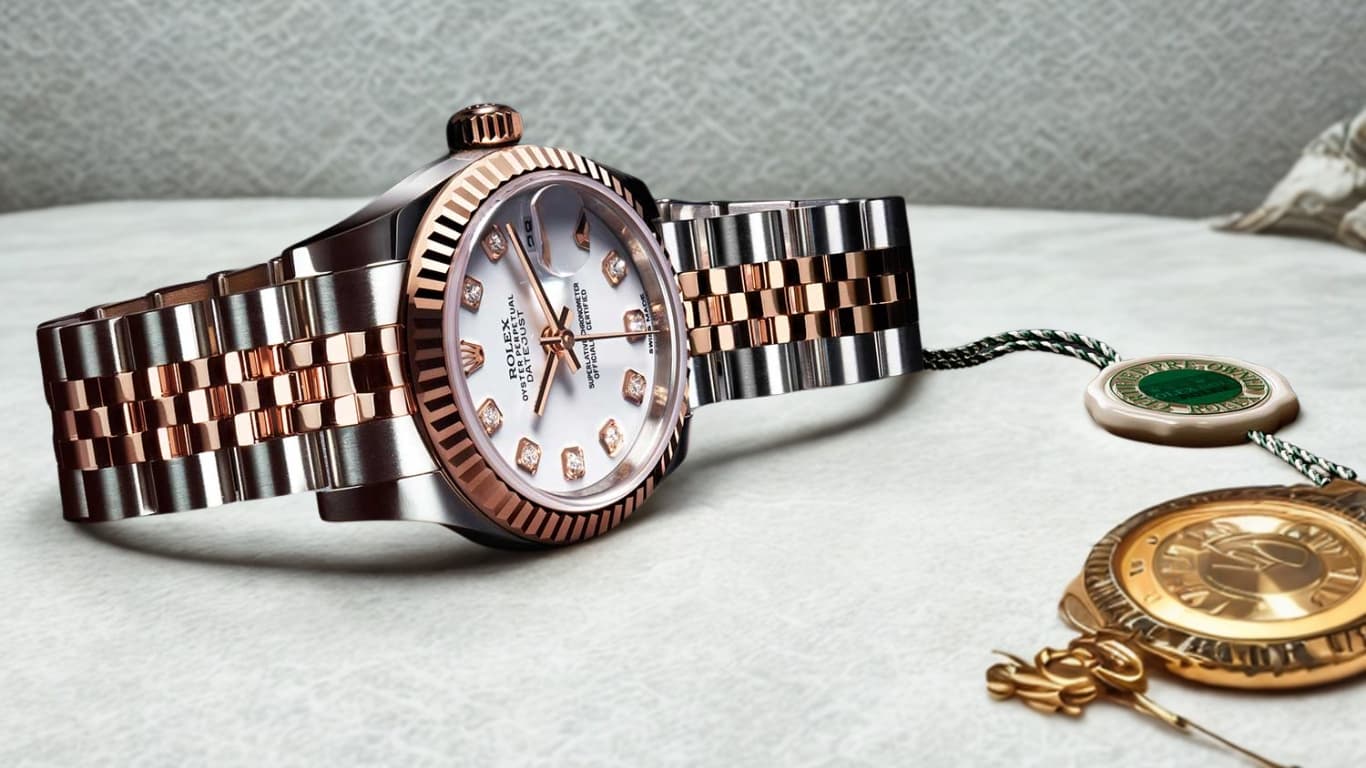
Rolex, Patek Philippe and Audemars Piguet keep doing most of the work in the secondary watch market, and the concentration is structural rather than incidental. The three brands together account for the bulk of trading value tracked by Chrono24 and WatchCharts. For collectors trying to read the market honestly, that fact sets the baseline before any other question is worth asking.
- Rolex, Patek Philippe, and Audemars Piguet collectively drive more than 80 percent of secondary-market value across the broader luxury watch category, with no peer matching the trio's combined weight.
- Rolex anchors the deepest liquidity layer, with Submariner, GMT-Master, and Daytona references supporting daily transaction volume on Chrono24 and Subdial 50.
- Patek Philippe sets the high-complication and dress-watch pricing benchmarks, with Nautilus, Aquanaut, and Calatrava references driving the wider Holy Trinity reference points.
- We see Audemars Piguet as the strongest sports-luxury reference brand, with Royal Oak and Royal Oak Offshore models driving the broader integrated-bracelet sports-watch category.
- The trio's combined waitlist depth at authorised dealers continues to inform secondary pricing across the year, with new-release dynamics shaping the broader collector competition.
- Buyers entering now should anchor on condition, completeness, and the precise reference rather than reaching for an inferior piece outside the trio at the same price tier.
- Who is this for?
- Active collectors, dealers tracking secondary-market depth, and investors monitoring luxury watch market dynamics across the Holy Trinity tier.
- What is happening?
- A grounded read on how Rolex, Patek Philippe, and Audemars Piguet drive the secondary watch market, covering reference depth, waitlist dynamics, and category leadership.
- When did this emerge?
- The current trio dominance reflects multiple decades of secondary-market leadership, with the 2022 reset and 2026 stabilisation confirming the structural position.
- Where is this happening?
- Authorised dealers globally manage the primary waitlists, while Chrono24, Subdial 50, and the major auction houses set the transparent secondary pricing.
- Why does it matter?
- The trio's combined weight shapes collector decisions across the broader market, which makes the Rolex, Patek, and AP leadership essential reading for serious buyers.
The trinity framing is now a working assumption inside Phillips, Christie's and Sotheby's watch sales. Specialist catalogues lead with these three names; auction estimates anchor against their public results; and dealer inventory at the top end skews toward them by a margin that has only widened across the last decade. Reading that concentration honestly is what separates considered collecting from chasing the noise.
How Rolex, Patek and AP shape the secondary watch market
Rolex anchors the broadest base of trading volume. Submariner, GMT-Master II, Daytona and Datejust trading together make up a substantial slice of all pre-owned watch transactions globally, and the brand's production scale, estimated at around one million pieces a year, gives it the depth that no peer can match.
Patek concentrates value at the upper end rather than the volume base. The discontinued Nautilus 5711, the various complicated references and the upper-tier perpetual calendars drive most of the brand's secondary-market value. Annual production sits at roughly 68,000 pieces, by the Stern family's own public statements, which keeps the supply side genuinely tight.
AP sits between the two. The Royal Oak catalogue anchors contemporary integrated-bracelet sport-luxury secondary trading, and the brand's production is closer to Patek's scale than Rolex's. The result is a three-brand band that the rest of the market reads against.
What drives the trinity's structural concentration
Three conditions reinforce each other. Production discipline keeps annual output constrained across all three brands, which sets a credible supply ceiling. Authorised-dealer allocation friction makes the most-sought references genuinely difficult to acquire at retail, which routes substantial demand through the secondary market.
The third condition is brand recognition depth. Rolex, Patek and AP carry cross-cultural awareness that runs well beyond the watch-collecting world, which broadens the demand-side base in a way most peers cannot replicate. The three conditions compound, and the market depth that results is the infrastructure everything else operates around.
What the auction record tells us
The historical records reinforce the point. The Paul Newman Daytona that sold at Phillips New York in 2017 for $17. 8 million still anchors the modern auction frame for Rolex.
The Henry Graves Supercomplication, last sold at Sotheby's in 2014 for $23. 2 million, did the same job for Patek across the complicated end of the market.
AP's records are quieter at the top but consistent across the Royal Oak catalogue. Phillips, Christie's and Sotheby's all run dedicated sessions where the trinity carries the bulk of the named lots and the estimates above $250,000. The named-source pattern is the working evidence behind everything else in this piece.
What the concentration signals for the broader market
Two readings hold up. The contemporary watch-collecting category continues to organise itself around the trinity, which means the auction infrastructure, the specialist-dealer focus and the secondary-market liquidity all consolidate around these brands. And the conditions that anchor the trinity's place are unlikely to shift quickly, because production discipline, brand recognition and market depth all reinforce each other on a multi-decade timescale.
For collectors operating outside the trinity, the concentration matters as context rather than as recommendation. The pieces that carry credible secondary-market depth outside the three brands tend to benefit from the broader collector category's depth even though they don't drive the same trading volumes. The trinity creates the infrastructure that supports the broader market, not the only place the broader market trades.
The credible non-trinity references
The references that carry credible depth outside the trinity are the ones with their own structural conditions. Vacheron's Overseas sits on Vacheron's heritage and the manufacture's genuine complications credentials. Lange's Datograph and Lange 1 hold their own on movement architecture that nobody else credibly replicates.
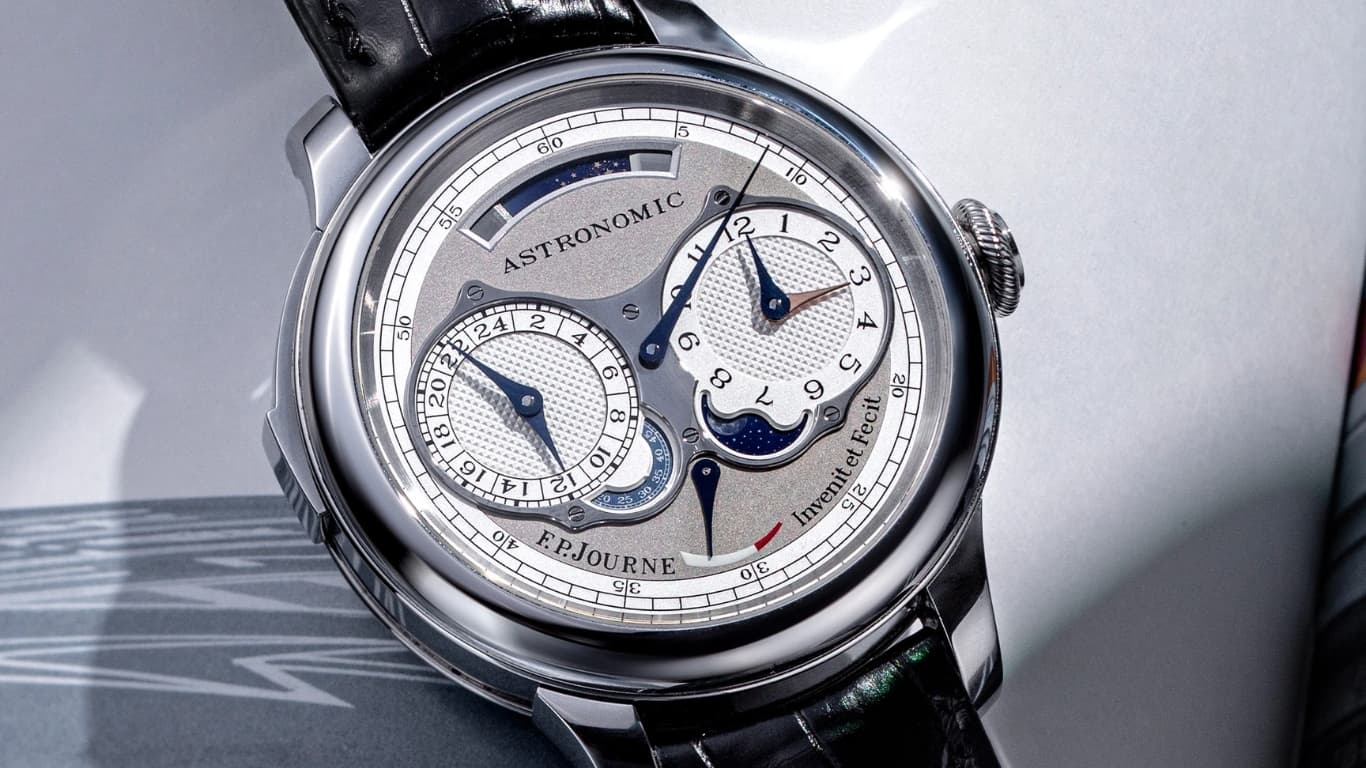
JLC's Reverso earns its place on design discipline and the manufacture's component depth. Cartier's Tank and Santos carry pure design heritage and cross-category recognition. The considered independents, from F.P. Journe to De Bethune to Laurent Ferrier, sit on production scarcity that the trinity cannot, by structure, replicate.
What collectors actually do with this reading
The collectors who navigate the broader market well tend to recognise the trinity's structural place without treating it as the only place to operate. Most considered modern collections include trinity pieces alongside considered work from outside the three brands. The references chosen tend to share the same structural properties: credible secondary-market depth, brand-level technical credentials, and design discipline that holds up across years rather than seasons.
The collectors who treat the trinity as the only legitimate collecting tier miss substantial work happening outside it. The collectors who ignore the trinity entirely miss the structural infrastructure that supports the entirety of serious modern collecting. Neither posture rewards a multi-decade collecting frame; the considered middle ground does.
What we'll watch next
The structural conditions look stable, but two questions sit on the table. First, whether AP's production discipline holds through the Code 11. 59 era and the broader catalogue expansion the manufacture has signalled.
Second, whether Patek's allocation tightening at the boutique level continues to route demand to the secondary market in the way it has across the last five years.
Rolex's position looks the most stable of the three on any reasonable read. The trinity concentration is the structural condition of contemporary serious collecting, not a passing dynamic, and reading the conditions accurately, neither over-weighting the trinity nor dismissing it, is the practical baseline for navigating the market across the next decade.
We last reviewed this analysis in May 2026.

Frequently Asked Questions
- Which watch brands perform best in the secondary market?
- Based on 2025 data, Rolex, Patek Philippe, and Audemars Piguet dominate secondary market performance. <br><br>

Stefanos Moschopoulos
Stefanos Moschopoulos founded The Luxury Playbook in Athens and has spent the better part of a decade following the auction calendar, the en primeur releases, and the watchmakers, gallerists, and shipyards the magazine covers. He writes the field guides and listicles that anchor the Connoisseur section — pieces built on Phillips and Christie's results, Liv-ex movements, and conversations with collectors he has met across Geneva, Bordeaux, Basel, and Monaco. His own collecting habits sit closer to watches and wine than art, and it shows in the level of detail in the magazine's coverage of those categories. Under his direction, The Luxury Playbook now publishes long-form field guides, market-defining year-end listicles, and the Voices interview series with the founders behind the houses and the brands.