
The contemporary art world runs on a curious contradiction. Every gallery opening, every art fair, every biennial bills itself as a celebration of boundary-breaking creativity and fearless innovation.
Yet beneath all that rhetoric sits a market that increasingly rewards the familiar, the established, and the financially predictable. The artists who genuinely challenge conventions often find themselves locked outside the golden circle of commercial success, while collectors pay premium prices for names they already know.
This isn’t a failure of artistic vision. It’s the inevitable result of how the art market has evolved into a high-stakes financial ecosystem where risk has become a luxury few can afford.
The gap between artistic innovation and market reward has never been wider. Museums celebrate experimental practices, critics champion emerging voices, but the auction houses and blue-chip galleries driving the market’s financial engine operate on increasingly conservative logic. Collector sentiment has shifted too, even as optimism persists on the surface.
Table of Contents
Key Takeaways & The 5Ws
- The contemporary art market talks about innovation but structurally rewards safety, with capital flowing to familiar names and blue-chip brands rather than genuinely risk-taking artists.
- Market power is highly concentrated: a small fraction of artists (top ~5%) capture over 70% of auction value, reinforced by mega-galleries that control visibility and institutional legitimacy.
- Economic pressures have hollowed out the middle of the ecosystem—small and midsize galleries, affordable studios, and developmental support—creating a barbell market of mega-galleries versus DIY spaces and squeezing mid-career experimental artists.
- Digital platforms and newer formats have not solved the income problem; algorithmic incentives and object-centered collecting mean many innovative artists remain underpaid and financially precarious.
- The obsession with “safe” blue-chip names increases bubble risk and cultural stagnation: overbought consensus artists become vulnerable to sharp corrections, while truly innovative work struggles to be funded, seen, or collected.
- Who is this about?
- Mega-galleries, auction houses, the top ~5% of blue-chip artists, wealthy collectors, and the much larger group of trained artists who may be represented and critically recognized but remain economically marginalized.
- What is happening?
- A winner-take-all, risk-averse art market where legitimacy pipelines, fair costs, and collector behavior concentrate capital in a small circle of “safe” names, leaving experimental and non-object-based practices structurally underfunded.
- When did this intensify?
- Over the past decade, visible in recent auction reporting, the long slide of small and midsize galleries from 2015–2024, and the post-digital era in which online platforms largely replicated existing inequalities.
- Where is it most visible?
- In global art hubs such as New York, London, and Berlin, and in major fair circuits (Art Basel, Frieze, and similar cities) where high rents, fair costs, and concentrated infrastructure make sustainable careers hardest for non-wealthy artists.
- Why does the system reward repetition?
- Because the art market functions like a high-stakes financial ecosystem: galleries must cover large fair and overhead costs, collectors demand institutional “insurance,” and participants optimize for price stability and liquidity, financially rewarding consensus over risk.

Why Galleries Can’t Afford to Take Risks
The contemporary art market has consolidated into a remarkably narrow power structure. According to Christie’s and Sotheby’s 2024 year-end reports, the top 5% of artists command over 70% of total auction value. That concentration has intensified rather than diversified over the past decade. The winner-take-all dynamic is no accident.
It’s the logical outcome of how the industry’s financial mechanics now function, creating a system where success breeds more success while everyone else fights for scraps.
Three galleries have come to dominate the upper tier: Gagosian, Hauser and Wirth, and David Zwirner. Walk through Art Basel, Frieze, or any major international fair and you’ll encounter the same roster of 50 to 100 artists, shown repeatedly across these mega-dealer booths.
That repetition doesn’t reflect a shortage of worthy talent. What it shows is how these galleries have the resources to manufacture and maintain the institutional legitimacy that makes artists feel like safe investments.
When a gallery can stage museum-quality exhibitions across multiple cities simultaneously, publish scholarly catalogues, and place works in major collections before a piece even reaches the fair floor, they’re not just selling art. They’re selling insurance against market risk.
At the same time, the financial barriers to experimentation have grown so prohibitive that genuine discovery has become nearly impossible. A single booth at Art Basel Miami Beach now costs upward of $100,000, and that figure doesn’t cover shipping, installation, staffing, or accommodation expenses that can easily double the total. Art Basel Paris showed fresh momentum, but the underlying cost pressures for smaller galleries haven’t eased.
For smaller galleries, that booth fee can eat their entire annual profit margin. They cannot afford to fill that space with unknown artists, no matter how strong the work. The math simply doesn’t allow for it. Every square foot must justify itself through established market value, creating a feedback loop where only artists who’ve already proven themselves financially viable get the exposure that might have made them financially viable in the first place.
This economic pressure feeds into what the industry calls the institutional legitimacy pipeline. Before most serious collectors even consider a purchase, they want to see a specific sequence of validation. Museum acquisitions, prestigious biennial inclusion, favorable auction results, backing from recognized dealers.
That process can take decades and demands resources that emerging artists rarely possess. Studio assistants, fabrication facilities, public relations support, all of these necessities require capital that artists without independent wealth simply don’t have access to.
By the time an artist has cleared those hurdles, they’re no longer taking creative risks. They’re refining a proven formula, giving the market exactly what it has already demonstrated it wants.
The logical endpoint of this system reveals itself in artists who have evolved into self-sustaining industries.
For example, Jeff Koons operates what is essentially a luxury goods manufacturer, employing over 100 people to produce works sold before they’re conceived.
The Artists Being Left Behind
Behind the auction records and fair glamour sits a struggling majority of working artists for whom the market’s risk aversion translates into genuine economic precarity. The financial reality of pursuing an artistic career has grown increasingly untenable, especially in the major cities where the art world’s infrastructure concentrates. And these aren’t struggling amateurs or weekend hobbyists.
They’re trained professionals with gallery representation, exhibition histories, and serious critical attention. They’re simply working in a system that has no room for them.
Studio costs alone create an insurmountable barrier in key art markets. In New York, average studio space runs $1,200 to $2,500 monthly for even modest square footage, while London and Berlin command similar premiums in their gallery districts. Meanwhile, standard gallery representation offers artists a 50% commission on sales with no guaranteed income, no benefits, and often contractual obligations that restrict where else they can show their work.
An artist needs to sell $60,000 worth of work annually just to cover basic studio overhead and living expenses. Most never reach that threshold. The romantic notion of the starving artist stopped being charming a long time ago. It’s a structural problem that filters out everyone without independent wealth or the willingness to maintain a full-time second career, ensuring that art-making increasingly becomes a pursuit only the already-privileged can afford.
The digital revolution was supposed to change this equation. Instagram and online galleries initially promised democratic access to audiences, bypassing the traditional gatekeepers who controlled visibility.
Digital platforms were supposed to change this equation. Instead, they’ve replicated the same inequalities in new forms. Algorithmic visibility rewards those who already have followings. An emerging artist’s post reaches a few hundred people while an established artist’s reaches millions. Online galleries follow the same pattern, featuring artists who bring their own audiences and can afford professional photography of their work.
These economic pressures interact with deeper structural biases about what kind of art the market can actually absorb. Performance art typically exists only during its execution, leaving nothing permanent to sell. Conceptual work often relies on ideas and experiences that resist commodification entirely. Time-based media requires specialized display equipment and technical support that most collectors simply don’t have.
These practices might earn critical acclaim and institutional recognition, but they struggle to generate sustainable income because they don’t fit the artwork-as-object-you-hang-on-a-wall model that galleries and collectors understand.
The artists working in these modes face a cruel choice: compromise their practice to make it more commercially viable, or maintain their vision while accepting that the market will never adequately reward their work.
Most artists choose the latter path, subsidizing their innovation through teaching positions, freelance work, or institutional jobs that treat art-making as a side project rather than a profession.
The support system that once helped artists navigate these challenges has largely disappeared. Twenty years ago, dozens of galleries in every major city represented emerging and mid-career artists, providing the crucial bridge between art school and blue-chip representation. These galleries nurtured talent, took chances on experimental work, and occasionally discovered someone who moved up the ladder.
Rising rents, increased competition from fairs, and pressure to show immediate returns have decimated this tier. According to gallery census data, New York alone lost over 30% of its small-to-midsize galleries between 2015 and 2024. The Financial Times has tracked the collapse of the mid-market gallery tier across multiple major art cities.
What remains is a barbell market. Mega-galleries at one end, DIY project spaces at the other, and almost nothing in between where artists can actually build sustainable careers. The middle has collapsed, taking with it the ecosystem that once made artistic development possible.
What Safe Investments Cost Collectors
For collectors approaching art as an investment, and increasingly that describes most collectors above a certain acquisition level, the instinct toward established names feels entirely rational.
Why take chances on an unknown when you can buy a Koons, a Kusama, or a Richter with documented market performance and institutional backing?
The logic appears sound on the surface. But this safety-first mentality carries costs that aren’t always apparent in the moment, both financially and culturally. If you want to understand how to separate real returns from hype, the art market offers some of the most instructive lessons available.
Market saturation creates vulnerability in supposedly safe bets. When everyone wants the same 50 artists, prices inflate beyond what fundamentals justify. The very consensus that makes these artists feel secure is precisely what makes them dangerous.
The Koons balloon dogs and Kusama pumpkins that seem like sure things are actually the assets most exposed to bubble dynamics. If market confidence shifts, and it always eventually does, the same herd mentality that drove prices up will accelerate the descent. Bloomberg’s arts coverage has documented how quickly blue-chip consensus can unravel when sentiment turns.
Historical precedent offers clear warnings here. Artists who dominated their eras often see dramatic value corrections in the generations that follow. The academic painters who commanded premium prices in the 19th century became nearly worthless within a generation. Impressionist artists who were once considered outsiders are now among the most sought-after names at auction.
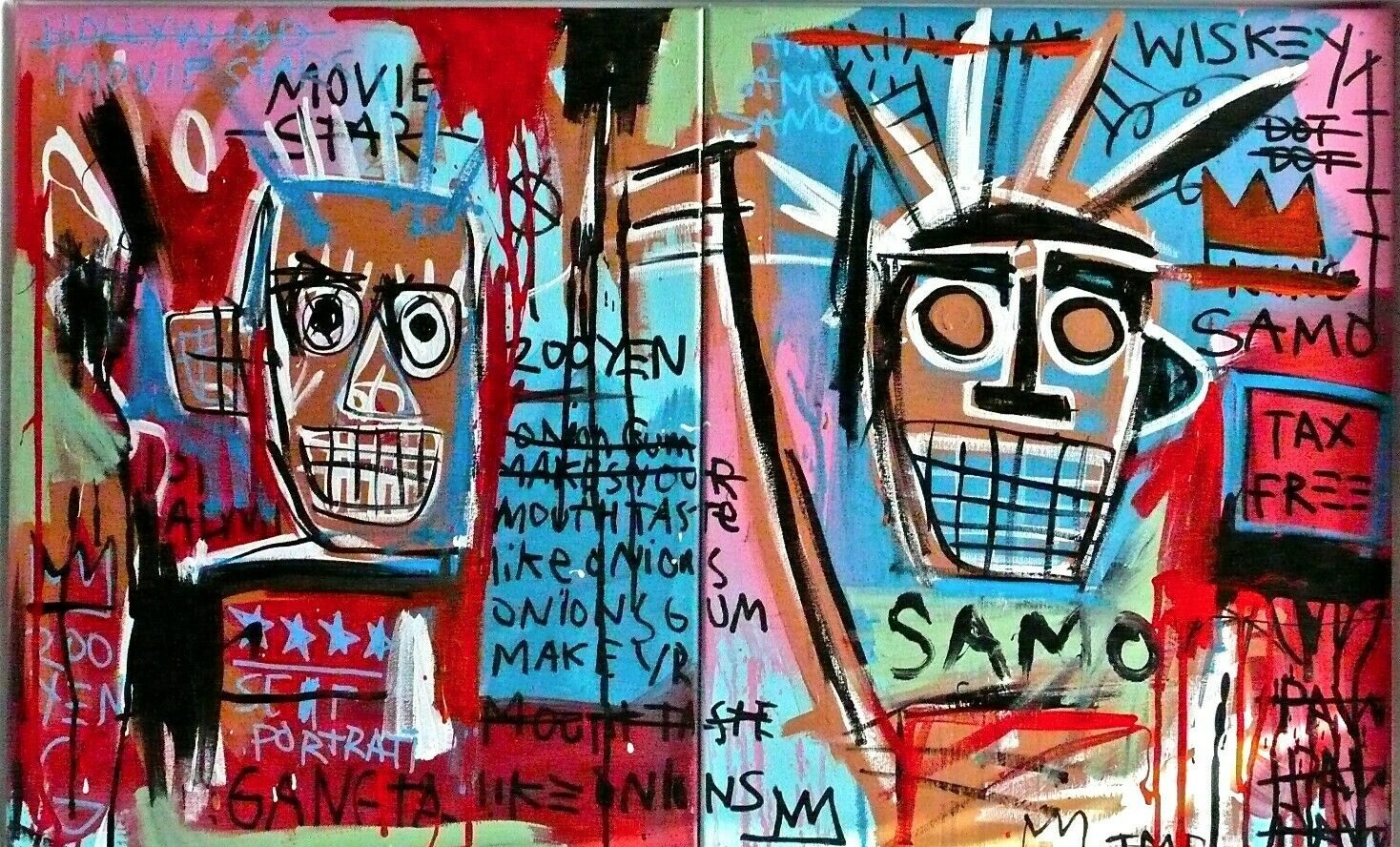
Today’s $50 million Basquiat might be tomorrow’s cautionary tale, not because the work itself changed but because the consensus around it did.
Learning to distinguish genuine innovation from what you might call innovation theater requires exactly this kind of informed historical engagement. The art world has grown adept at packaging market-friendly transgression, work that looks edgy or challenging but ultimately reinforces existing tastes.
Red flags to watch for include artists whose supposedly controversial work gets embraced immediately by major institutions, galleries that use innovation language while showing predictable work, and media attention that focuses on spectacle rather than substance.
Green flags are the opposite. Artists with genuine technical mastery working through ideas over time rather than chasing trends, galleries committed to artists through slow periods rather than dropping them after unsuccessful shows, and critical writing that engages with the work’s ideas rather than its market position.
These distinctions only become legible through looking at enormous amounts of work and developing real conviction about what matters.
The broader cultural costs of this risk aversion extend beyond individual collectors to shape what kind of art gets made at all. When galleries can only show guaranteed sellers, when museums program exhibitions that won’t offend trustees, when collectors treat art like equities, the entire ecosystem turns conservative. The Art Newspaper has reported extensively on how trustee influence shapes museum programming decisions.
The experimental work that often defines a generation in retrospect struggles to get made at all because no economic support exists for it during the vulnerable early stages. Art history gets written by risk-takers, by artists who didn’t follow formulas and collectors who backed them despite market consensus.
But the current system makes those risk-taking careers increasingly difficult to sustain. You’re left with a paradox. An art world that celebrates innovation in its rhetoric while systematically defunding and marginalizing it in practice. The boundaries everyone claims to be breaking stay firmly in place, defended by market logic that rewards only those who color carefully within the lines.