
Tangible luxury assets have quietly become one of the more sophisticated wealth preservation plays available to you right now. They offer advantages that traditional financial instruments simply cannot match. Stocks exist as electronic entries in a brokerage account. Bonds depend on issuer creditworthiness. Real estate anchors you to specific jurisdictions with all their tax obligations and regulatory headaches. Certain luxury goods, by contrast, combine portability, privacy, tax advantages, and appreciation potential into a single wearable asset you can carry on your arm.
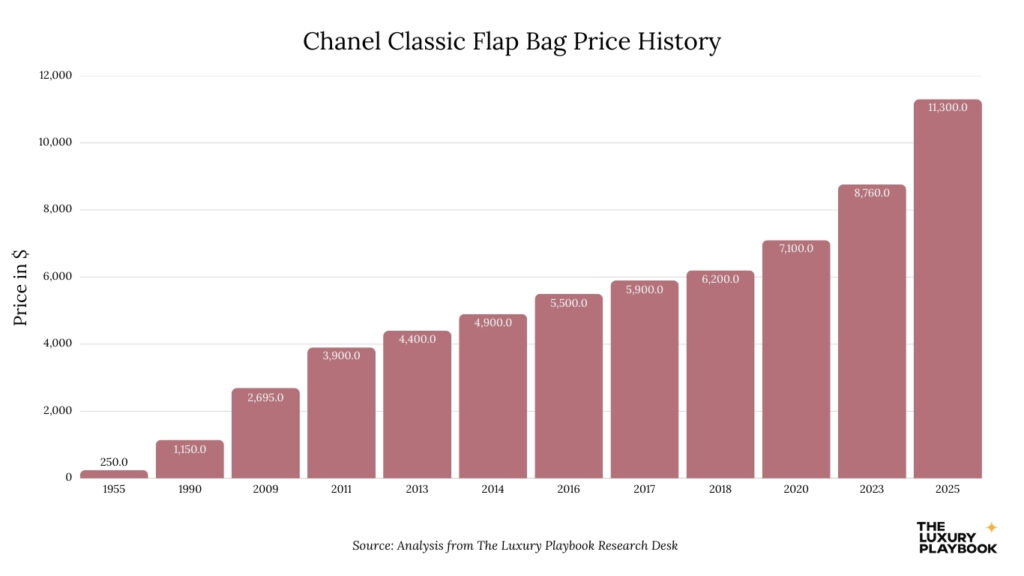
Chanel occupies a genuinely unique position among luxury brands, and that’s what makes its handbags so compelling for wealth preservation. The French house has pushed through consistent price increases ranging from 4% to 15% annually since 2020, creating predictable appreciation that conservative investors find extremely appealing.
The iconic Classic Flap tells the story clearly. It climbed from $4,900 in 2012 to $11,300 by 2026, an appreciation of over 130% across a timeframe that spans multiple economic cycles and market downturns.
Perhaps most telling is the resale market itself. Authentic Chanel bags in good condition rarely trade below their original retail prices. That dynamic creates a wealth preservation floor you won’t find in stocks, bonds, or even fine art investments, where values can collapse during downturns or when market sentiment shifts. The downside volatility that keeps traditional investors up at night simply doesn’t apply here in the same way.
Table of Contents
Key Takeaways & The 5Ws
- Chanel handbags have evolved into tactical wealth-preservation tools, combining appreciation, portability, and privacy in a way traditional financial assets cannot match.
- Disciplined price hikes of roughly 4–15% per year and long-term gains of over 130% on core models like the Classic Flap create a predictable appreciation profile that investors can plan around.
- Favorable tax treatment, limited exposure to wealth and property taxes, and minimal reporting requirements can turn Chanel collections into discreet, tax-efficient “closet balance sheets” for wealthy individuals.
- Sophisticated investors build diversified Chanel portfolios across models, sizes, eras, and editions, timing purchases around price increases and managing storage, authentication, and resale like any other alternative asset.
- The main trade-off is operational: physical custody, authentication risk, and condition management add complexity, but for UHNW investors the tax, privacy, and cross-border mobility benefits can outweigh those frictions.
- Who is this for?
- Ultra-high-net-worth individuals, globally mobile entrepreneurs, family offices, and affluent collectors who prioritize tax efficiency, discretion, and cross-border portability—and already hold large positions in traditional assets like stocks, bonds, and real estate.
- What is the strategy?
- A deliberate allocation to Chanel handbags—especially Classic Flaps, limited editions, and high-quality vintage pieces—as a tangible luxury asset class used for wealth preservation, silent appreciation, and discreet value storage alongside conventional portfolios.
- When does it work best?
- Around Chanel’s predictable semi-annual price increases, during short windows when new retail prices are announced but not yet implemented, and over multi-year holding periods where compounding price hikes and steady resale demand reinforce returns.
- Where does it happen?
- In major Chanel retail and resale hubs such as Paris, London, New York, Dubai, and Hong Kong—but ultimately held in private homes, safes, or specialist storage, then moved across borders via travel rather than financial channels.
- Why do investors do it?
- Because Chanel bags can appreciate steadily, reduce exposure to certain capital gains, wealth, and property tax regimes (depending on jurisdiction), sidestep intrusive reporting, and move quietly between jurisdictions—offering a rare mix of financial utility, portability, and privacy compared with purely financial assets.

What Makes Chanel Bags Uniquely Effective As Tax-Advantaged, Cross-Border Wealth Storage Vehicles?
The tax treatment of luxury handbags is really the foundation of their appeal, especially if you’re facing high marginal tax rates on investment gains. In most major jurisdictions, including the United States, United Kingdom, and EU countries, personal use luxury items below certain monetary thresholds are exempt from capital gains taxation when sold.
The UK tax code, for instance, exempts personal property sales under £6,000 from capital gains reporting. Chanel bags often exceed that threshold, yes, but the broader principle holds. Personal effects receive favorable treatment that investment assets don’t.
Think about this scenario. You buy a Classic Flap at $10,800 in 2024 and sell it for $14,000 in 2027 after continued price increases and market appreciation. That $3,200 gain generates zero tax liability in many jurisdictions. The same dollar gain from stocks or real estate would face capital gains taxation of 15% to 20% or more, shaving hundreds of dollars off each transaction and thousands across a portfolio of multiple bags. The math compounds in your favor quickly.
Beyond capital gains, your handbag collection generates no wealth tax or property tax exposure. These are the same levies that increasingly burden traditional asset classes and eat into your real returns. Real estate investors face annual property tax obligations whether their properties generate income or not, creating carrying costs that compound painfully over decades.
Financial assets held in European jurisdictions including Spain, Norway, and Switzerland trigger wealth taxes that assess levies based on total asset values, forcing disclosure and payment even on unrealized gains. A $50,000 Chanel collection, by contrast, appreciates silently in a climate-controlled closet without triggering tax authority attention or reporting requirements.
The bags exist physically in your possession rather than recorded in government databases, financial institution records, or property registries that automatically generate tax obligations and reporting trails.
The cross-border portability these assets offer becomes invaluable when you’re managing international tax exposure or relocating between jurisdictions. Wearing or carrying a Chanel bag across international borders sometimes requires no customs declaration at all, unlike cash exceeding $10,000 which must be disclosed to authorities. The specific rules differ by region and situation, so always confirm what applies to your route.
The bags trigger no FATCA reporting obligations that plague Americans with foreign financial accounts, no beneficial ownership registries, and no automatic information exchange between tax authorities that has made hiding traditional financial assets nearly impossible in recent years.
Wealthy individuals relocating assets from high-tax jurisdictions like France or California to tax havens including Monaco or Dubai can transport $100,000 or more in handbag value legally and discreetly, simply by traveling with several pieces in their luggage or wearing them during transit. Compare that to gold or jewelry, which face greater scrutiny at borders and often require specific documentation for legal cross-border movement. The practicality advantage is real.
Perhaps most delicately, Chanel collections offer divorce asset protection and privacy advantages that sophisticated individuals facing marital dissolution increasingly value.
Deliberately hiding assets during divorce proceedings carries serious legal and ethical risks, and you need proper legal counsel navigating any such situation. That said, the practical reality is that handbag collections offer a level of privacy and valuation flexibility that makes them attractive for protecting wealth during marital dissolution in ways that financial accounts simply cannot.
How Do Wealthy Investors Actually Invest In Chanel Bags?
Theory is one thing. Practice is another. Sophisticated investors use systematic acquisition strategies timed around Chanel’s predictable price increase cycles to maximize returns and minimize risk. The brand typically implements price hikes twice annually, announcing increases with several weeks notice before new prices take effect in boutiques worldwide.
Informed buyers move on Classic Flaps, limited edition pieces, and sought-after vintage bags immediately after Chanel announces an increase, knowing the next hike will arrive within 6 to 12 months and deliver instant appreciation on recently acquired inventory.
Early 2026 saw 4% to 5% increases that pushed all Classic Flap variations above $10,000, creating a meaningful psychological pricing barrier. Buyers who moved before those increases took effect found themselves sitting on 4% to 5% paper gains before ever wearing their bags once. That’s how timing purchases relative to announced price increases generates immediate returns that compound over holding periods measured in years.
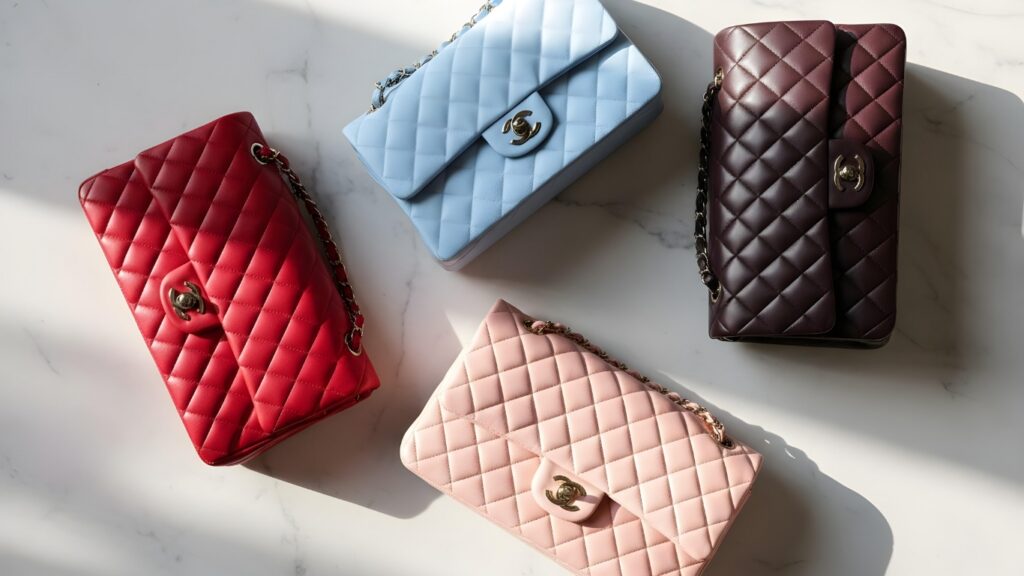
But concentration risk affects handbag portfolios just as it threatens traditional ones, which is why sophisticated collectors pursue diversification across models, sizes, colors, and vintage eras. Rather than stacking only Classic Medium Flaps at current retail, a properly constructed wealth preservation strategy spans 10 to 20 pieces across multiple categories.
A well-built collection might include Classic Medium Flaps as core holdings, Mini Flaps priced at $5,200 to $5,400 for entry-level exposure, limited edition runway pieces from seasonal collections commanding $15,000 to $30,000 or more, and vintage bags from the 1980s and 1990s that trade at premiums due to superior craftsmanship and materials that current production allegedly no longer matches.
Total portfolio values ranging from $150,000 to $500,000 effectively mirror stock portfolio diversification principles, spreading risk across multiple assets while maintaining exposure to the overall Chanel brand appreciation thesis that drives returns across all categories. Much like investing in iconic watch references, the brand premium does a lot of the heavy lifting.
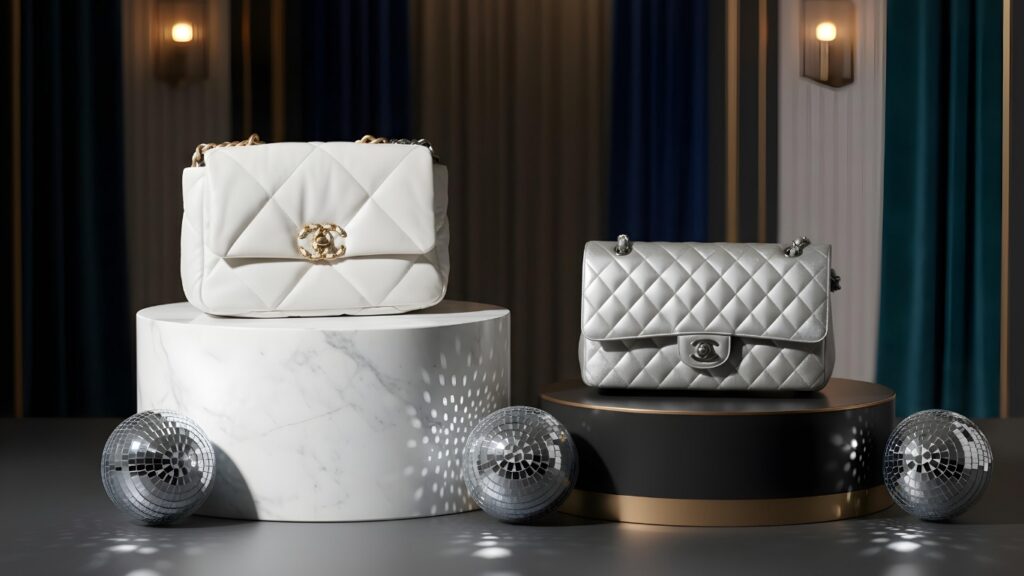
This diversification strategy acknowledges that different bag categories serve distinct purposes within a wealth preservation framework. Classic Flaps in neutral colors like black, beige, and navy provide the most liquid resale market with consistent global demand, functioning like blue-chip stocks you can exit quickly at predictable prices.
Limited edition pieces offer higher potential appreciation but lower liquidity, similar to small-cap stocks or alternative investments that may generate superior returns but can’t be easily converted to cash on short notice. Vintage bags appeal to specialist collectors and connoisseurs, creating a niche market where exceptional pieces command serious premiums but finding buyers requires patience and access to sophisticated resale channels including auction houses and specialized consignment platforms.
Risks of Investing In Classic Chanel Bags
Physical assets require physical custody and maintenance that financial assets don’t, introducing operational complexity you need to manage carefully. Authentication is the existential risk. Counterfeit Chanel bags flood resale markets, and if a buyer discovers they’ve purchased a fake rather than an authentic piece, value evaporates instantly.
Serious investors layer their authentication protections. That means purchasing exclusively from Chanel boutiques to obtain original receipts and authenticity cards, using third-party authentication services like those offered by Sotheby’s for vintage or resale acquisitions, and building relationships with trusted resellers who guarantee authenticity and accept returns if questions emerge.
Storage conditions matter just as much. Preserving value requires climate-controlled environments that prevent leather degradation, dust bags that protect against scratches and sunlight exposure, and careful rotation to prevent permanent creasing or hardware tarnishing.
The highest-value pieces in investment-focused collections often go completely unworn, preserved in pristine condition that commands maximum resale premiums. Your closet effectively becomes a climate-controlled vault with the same environmental controls protecting fine wine collections or museum-quality art.
The physical custody burden, authentication vigilance, and condition maintenance are the primary disadvantages handbag investing carries relative to financial assets that exist as electronic entries requiring no physical care. But for wealthy individuals prioritizing tax efficiency, cross-border portability, privacy, and protection from wealth taxes or forced asset disclosure, these operational requirements are acceptable tradeoffs.
The emergence of specialized storage services, authentication technologies, and resale platforms catering to luxury handbag investors signals something worth paying attention to. The market is maturing beyond hobbyist collecting into a legitimate alternative asset class with real supporting infrastructure, making implementation increasingly practical even if you don’t have the time or expertise to manage a collection personally. Business of Fashion has tracked this shift closely over recent years.
Chanel bags have evolved from fashion accessories into sophisticated financial instruments that combine a set of benefits you simply can’t replicate through traditional investments. The brand’s disciplined pricing strategy, strong resale market, favorable tax treatment, and portability create wealth preservation characteristics that appeal to ultra-high-net-worth individuals managing complex international tax situations, protecting assets from disclosure requirements, or simply seeking diversification beyond conventional portfolios.
Handbag investing will never replace stocks, bonds, or real estate as core wealth-building strategies, and no serious advisor would suggest otherwise. But the niche these tangible luxury assets occupy is real and growing. For investors whose specific circumstances make the tax advantages and privacy benefits especially valuable, a tactical allocation here deserves a genuine look. The Financial Times has noted the growing institutional interest in luxury collectibles as a broader asset class, and Chanel sits near the top of that conversation.