Extreme wealth concentrates in ways that only become obvious when you look at the city-by-city numbers. The top 20 cities globally house a large share of the world’s 3,200+ billionaires, with roughly half residing in American and Chinese cities even though those two countries account for far less than half of the world’s population.
This isn’t random distribution. Specific conditions make it easier to build billion-dollar fortunes, protect them, and deploy them at scale, and some cities have mastered every single one of those conditions.
Wealth migration patterns in 2026 show clear directional shifts. Asian cities, especially in India, are climbing as new fortunes form in technology, pharmaceuticals, and industrial expansion. Chinese cities are losing ground as regulatory pressure, real estate corrections, and capital mobility concerns push the ultra-wealthy to look elsewhere.
Western financial centers stay dominant because they offer deep capital markets, institutional infrastructure, legal protections, and a mature ecosystem for managing complex wealth. That combination is harder to replicate than most cities realize.
A high billionaire count creates steady demand for ultra-luxury real estate that behaves very differently from broader housing markets. It supports premium services, from private banking to concierge healthcare to specialized tax and legal advisory, that employ thousands and generate long-term economic gravity you can feel across entire city economies.
Most importantly, it signals where capital is accumulating and where it will likely keep flowing. If you’re trying to understand macro wealth trends rather than chasing headlines, this is the data that actually matters.
Top Cities By Billionaire Count
| City | Billionaires | Rank |
|---|---|---|
| New York | 109 | 1 |
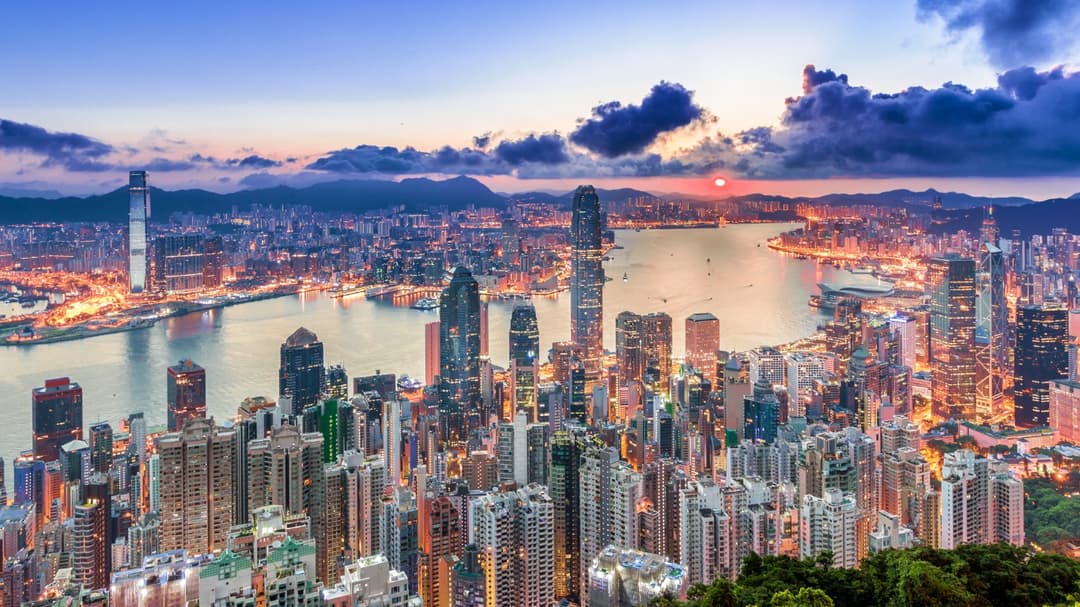
| Hong Kong | 74 | 2 |
| Moscow | 73 | 3 |
| Mumbai | 69 | 4 |
| Beijing | 63 | 5 |
| London | 62 | 6 |
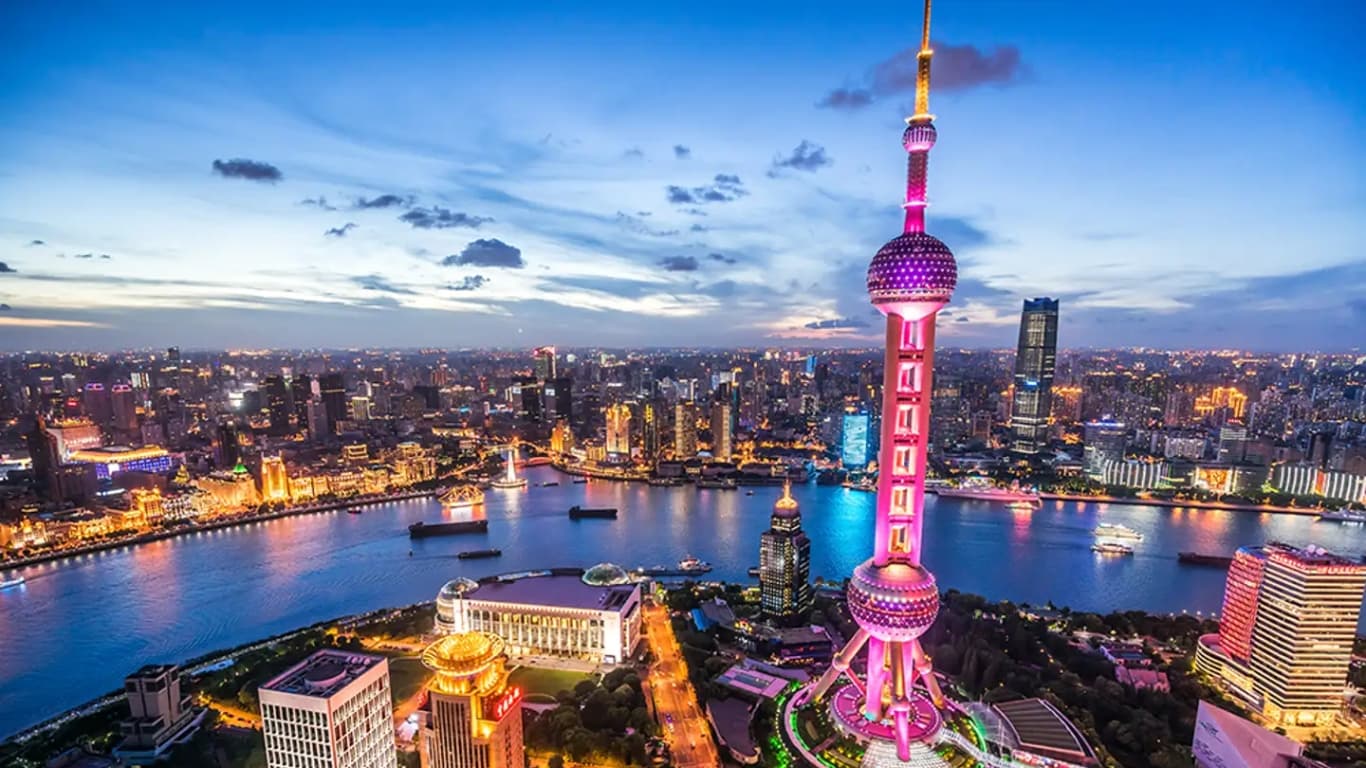
| Shanghai | 54 | 7 |
| Singapore | 52 | 8 |
| San Francisco | 50 | 9 |
| Delhi | 43 | 10 |
| Shenzhen | 37 | 11 |
| Los Angeles | 35 | 12 |
| Taipei | 34 | 13 |
| Hangzhou | 31 | 14 |
| Seoul | 31 | 15 |
| Paris | 28 | 16 |
| Tokyo | 27 | 17 |
| Bangkok | 26 | 18 |
| Milan | 26 | 19 |

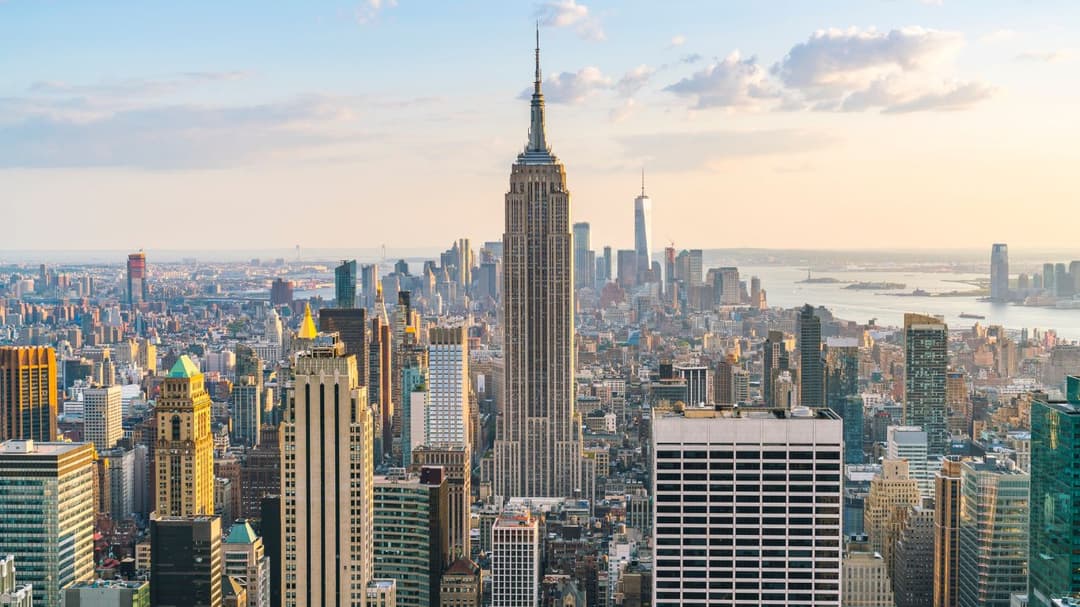
New York (109 Billionaires)
New York isn’t just number one. Its lead is structural. With 109 billionaires, it exceeds the combined total of Hong Kong, Moscow, and Mumbai, reflecting a level of financial concentration no other city comes close to matching. Wall Street’s depth, the headquarters density of global firms, and the network effects of having the world’s largest pool of financial talent keep New York at the top even as other cities challenge it in specific sectors.
The geographic re-rating shows up clearly in wealth research. UBS Global Wealth Report has documented the rapid expansion of Asian wealth centres, with mainland China, India and the Gulf accounting for an increasing share of new fortunes. That shift in stock changes how every prime-market list now reads.
Knight Frank's Wealth Report layers in the residency angle. Capital is mobile. Where billionaires choose to live, hold assets and pass on wealth is increasingly a function of tax regime, security and educational infrastructure rather than legacy ties.
Manhattan’s ultra-luxury real estate is one of the clearest outputs of this concentration. Condominiums priced above $20 million, Fifth Avenue retail commanding global record rents, and Hamptons properties that keep resetting ceilings all exist because New York has more people who can write eight-figure checks without financing than anywhere else on earth. If you want to understand how capital flows shape luxury property markets, New York is the sharpest case study you’ll find.
This market does not move like a standard housing market. It moves on liquidity at the very top. When billionaire wealth expands, the ceiling rises.
When confidence drops, transactions slow, but the city’s role as a global capital anchor keeps demand more resilient than in cities without the same institutional depth.
Hong Kong (74 Billionaires)
Hong Kong’s 74 billionaires reflect decades of wealth built through Asian finance, trading, and property. Political tensions with Beijing and COVID-era emigration pulled its numbers down from peak years, but the city still holds advantages that keep a large share of regional wealth anchored there.
Its core role stays the same: a gateway between mainland Chinese capital and global markets. Much of Hong Kong’s billionaire wealth ties directly to real estate development, banking, and cross-border business that depends on the city’s legal system and financial infrastructure.
Relocating that wealth is not always simple. Many fortunes are operationally linked to Hong Kong’s position, not just its lifestyle. For families whose business models require access to China combined with a framework that offers international confidence, the city still fills a function that is genuinely difficult to replicate elsewhere.
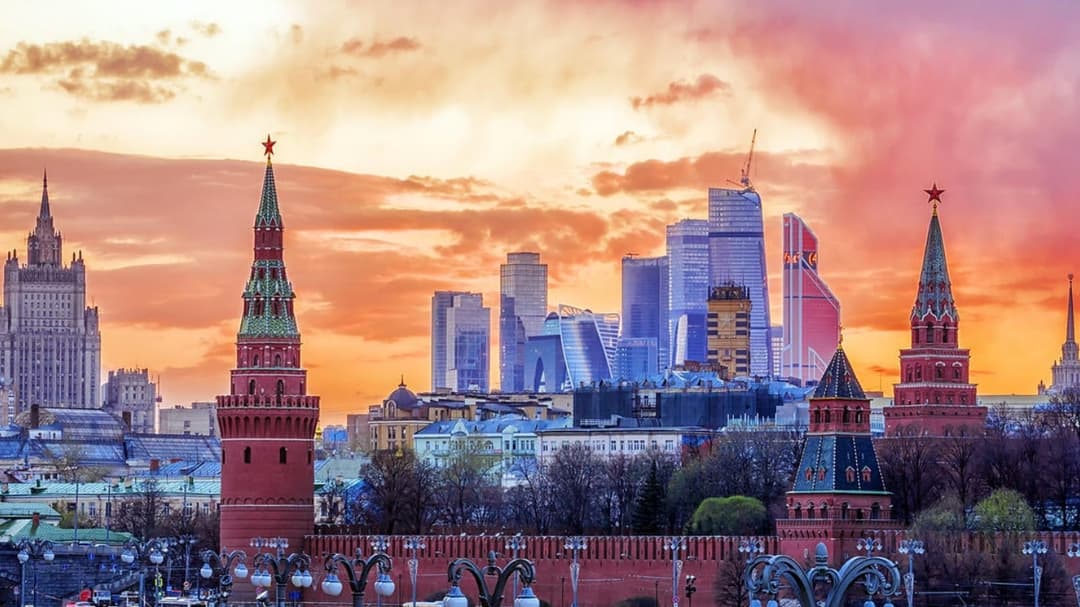
Moscow (73 Billionaires)
Moscow’s 73 billionaires are heavily concentrated in energy, metals, mining, and banking. This reflects Russia’s natural resource dominance and the post-Soviet system that placed major assets into the hands of connected individuals who built empires around commodities.
Western sanctions since 2022 have restricted access to some international markets, but they have not erased Moscow’s billionaire class. Many fortunes stay supported by resource demand and domestic leverage, with additional insulation through non-Western trade relationships that have deepened considerably over the past few years.
The luxury market around Moscow, particularly areas like Rublyovka, keeps showing high-end demand that is less sensitive to standard economic cycles. When wealth ties to resources the world still buys, and moving capital abroad becomes harder, domestic luxury spending becomes one of the most practical deployment channels available. Moscow is not a growth story in billionaire count, but it stays a durable concentration with an increasingly inward-facing luxury economy.
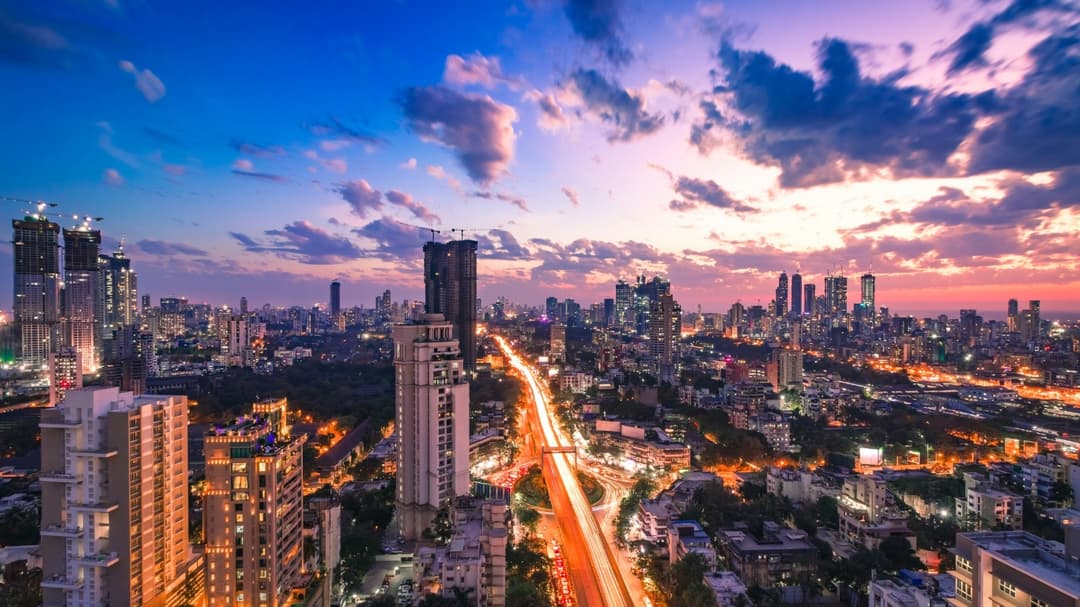
Mumbai (69 Billionaires)
Mumbai’s 69 billionaires capture India’s wealth creation in motion. The city is adding billionaire residents faster than many global peers, driven by technology, pharmaceuticals, finance, and industrial dynasties that keep compounding across generations.
India’s billionaire geography is also becoming more concentrated. Mumbai plus Delhi’s 43 billionaires creates a two-city gravity that did not exist at this scale a decade ago. For investors watching premium services and top-tier property markets, this matters because these ecosystems grow as billionaire density rises. Understanding critical mass in real estate investment is especially relevant in markets like Mumbai, where the curve is still early.
Mumbai’s luxury demand sits earlier in its curve compared to New York or London. That is exactly why it’s being watched so closely. The buyers purchasing $10 million apartments and building family offices today are likely to be joined by many more as India’s economy keeps expanding and producing new fortunes at a rapid pace.
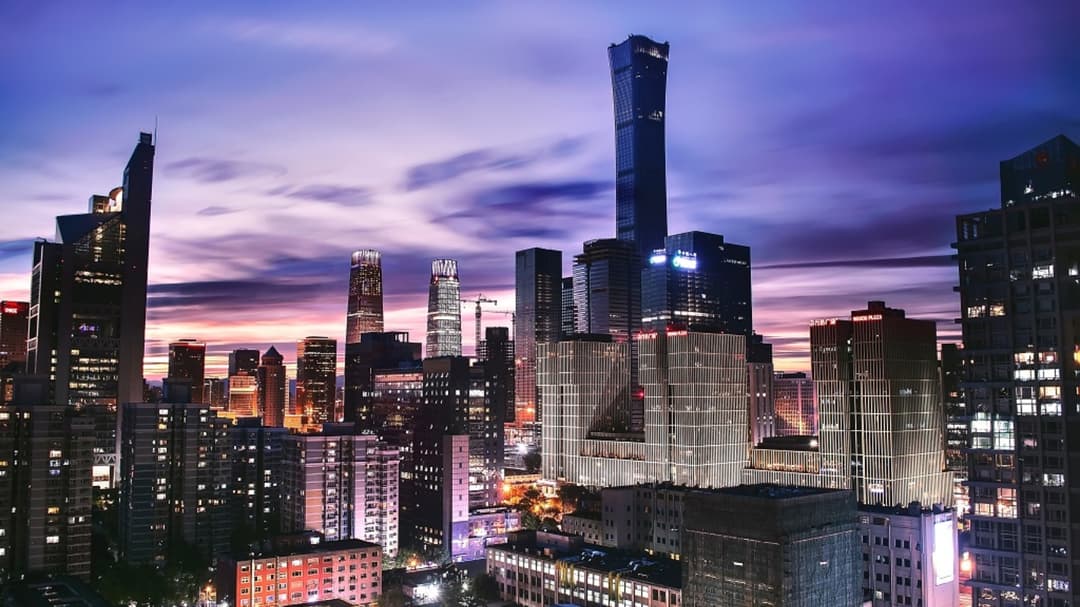
Beijing (63 Billionaires)
Beijing’s 63 billionaires reflect a broader decline across Chinese cities as ultra-wealthy residents relocate. Regulatory crackdowns on technology, the real estate correction that hit property-linked fortunes, and rising concern about capital mobility have all contributed to this shift, and the trend shows no sign of reversing quickly.
Many of the exits are not internal moves within China. They are full relocations to places such as Singapore and London, where regulatory risk and long-term predictability feel more manageable for private wealth.
Even with the decline, Beijing stays the center of political power and a key node of economic control. The billionaire base that remains tends to concentrate in large technology firms, survivors of the property sector shakeout, and state-connected industries where political relationships provide real insulation. The headline number may be shrinking, but the composition increasingly favors those with the strongest alignment to the system.
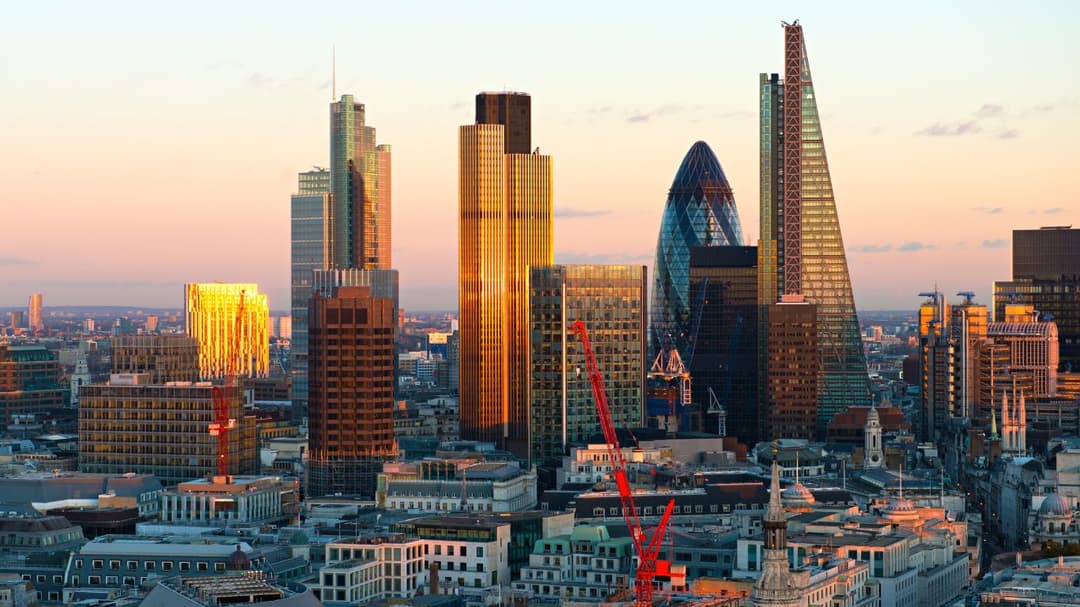
London (62 Billionaires)
London’s 62 billionaires make it the dominant European wealth center by a wide margin, well ahead of Paris with 28 and Milan with 26. The city’s strengths are institutional: deep finance infrastructure, global connectivity, and a long history as a capital hub for international wealth that stretches back centuries.
Brexit changed many things, but it did not break London’s position as a magnet for the ultra-wealthy. European tax efficiency comparisons often push wealth toward London as the benchmark, and the city’s luxury real estate in Mayfair, Knightsbridge, and Chelsea keeps functioning as a capital parking market for buyers who want European exposure with strong legal protections and global liquidity.
London’s role as a bridge between American capital, European assets, and international wealth flows stays one of its most underappreciated advantages. Even as policy debates shift around wealthy residents, the city’s financial and legal ecosystem keeps it structurally competitive in ways that are hard to dislodge.
Shanghai (54 Billionaires)
Shanghai’s 54 billionaires reflect its status as China’s commercial and financial center, though its count is declining alongside broader Chinese city trends. Wealth migration and pressure on private enterprise have encouraged some residents, particularly in technology and finance, to relocate rather than wait out the uncertainty.
Despite exits, the city still holds a substantial concentration across finance, manufacturing, and technology. Districts like Pudong and prestige neighborhoods around The Bund and the former French Concession keep serving an ultra-wealthy population that either cannot easily move or genuinely believes the best opportunities stay inside China.
Shanghai’s challenge is that it competes directly with Singapore for mobile Asian wealth. In that contest, Singapore’s stability and predictability have proven difficult to counter, especially for families prioritizing long-term security over local opportunity.
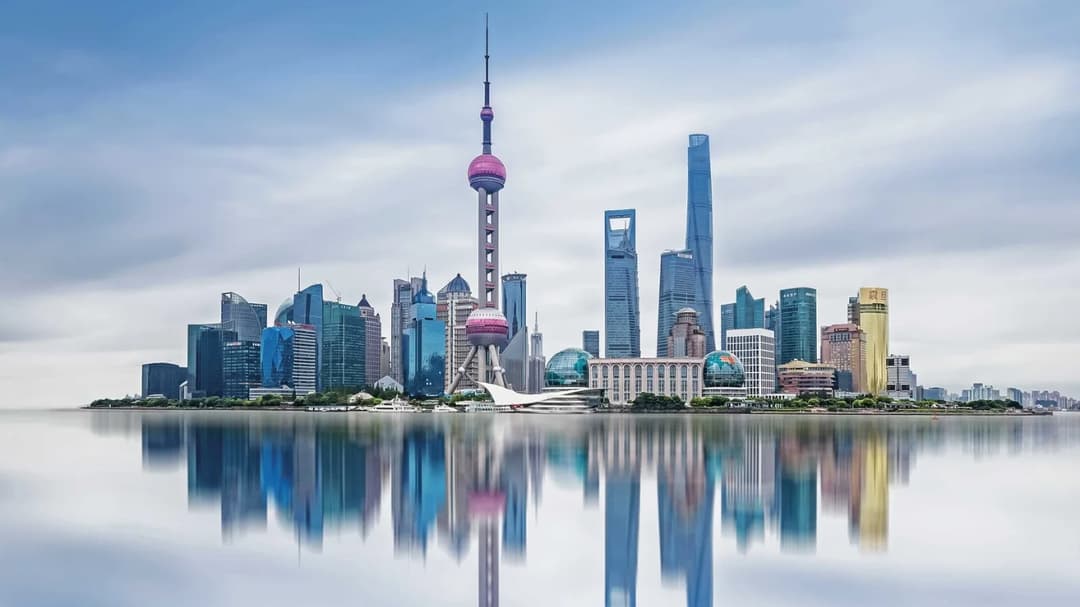
Singapore (52 Billionaires)
Singapore’s 52 billionaires benefit from a combination that is almost purpose-built for global wealth: tax efficiency, business friendliness, and political stability. It has increasingly attracted regional capital from China and Southeast Asia, and more recently from India as wealthy families scout their options across the region.
Its small geography creates one of the highest billionaire densities in the world. That density pushes luxury pricing to extremes, especially in real estate, because the buyer base is compact but exceptionally liquid. Areas like Sentosa Cove and Orchard Road operate at price levels that can rival or exceed traditional global trophy markets.
Singapore’s premium-services sector has scaled around this concentrated wealth. Private banking, legal structuring, international schooling, and high-end healthcare are not side industries here, they are core infrastructure. For many wealthy families, Singapore offers proximity to Asian markets without sacrificing the predictability they want for long-term wealth planning.
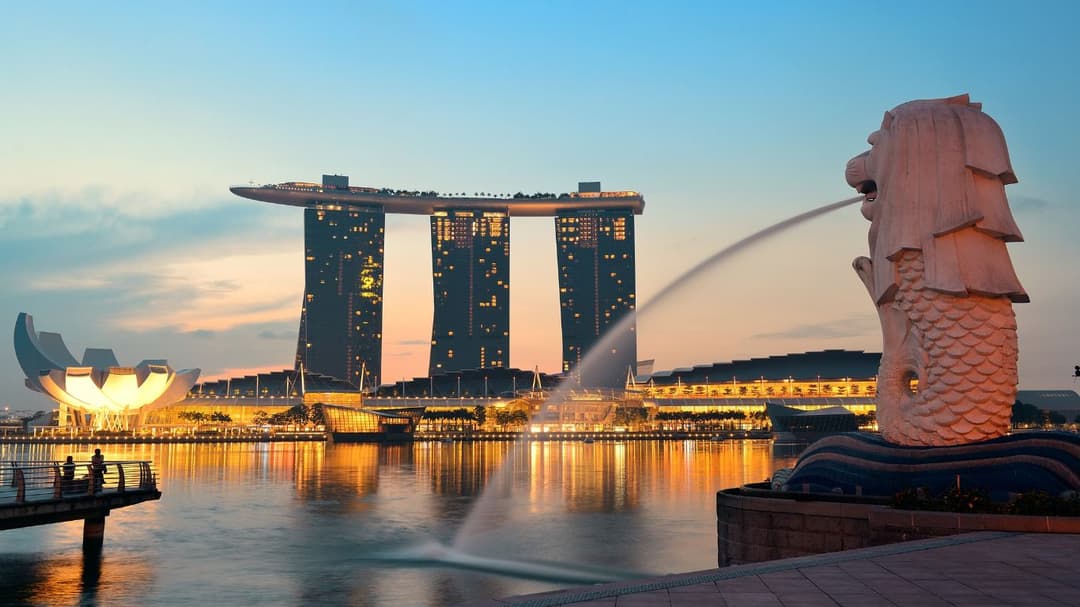
San Francisco (50 Billionaires)
San Francisco and the broader Bay Area’s 50 billionaires are overwhelmingly a technology story. Founders and early employees from Apple, Google, Meta, and a new generation of AI-focused companies make up one of the youngest billionaire demographics globally and one of the fastest routes to extreme wealth through equity. Forbes’s annual billionaire tracking consistently shows the Bay Area punching above its weight in new wealth creation year after year.
This is not inherited wealth and not commodity-based wealth. It is wealth created through scale, products and platforms that reach the entire world. That makes the Bay Area a unique billionaire engine: one major liquidity event can produce a new cluster of high-net-worth individuals, and some of those clusters turn into billionaire households over time.
Despite high-profile relocations to states such as Texas and Florida, the ecosystem stays intact. Venture capital density, talent concentration, and innovation infrastructure still reinforce each other. As long as those network effects persist, the Bay Area will keep producing extreme wealth at a pace most cities simply cannot match.
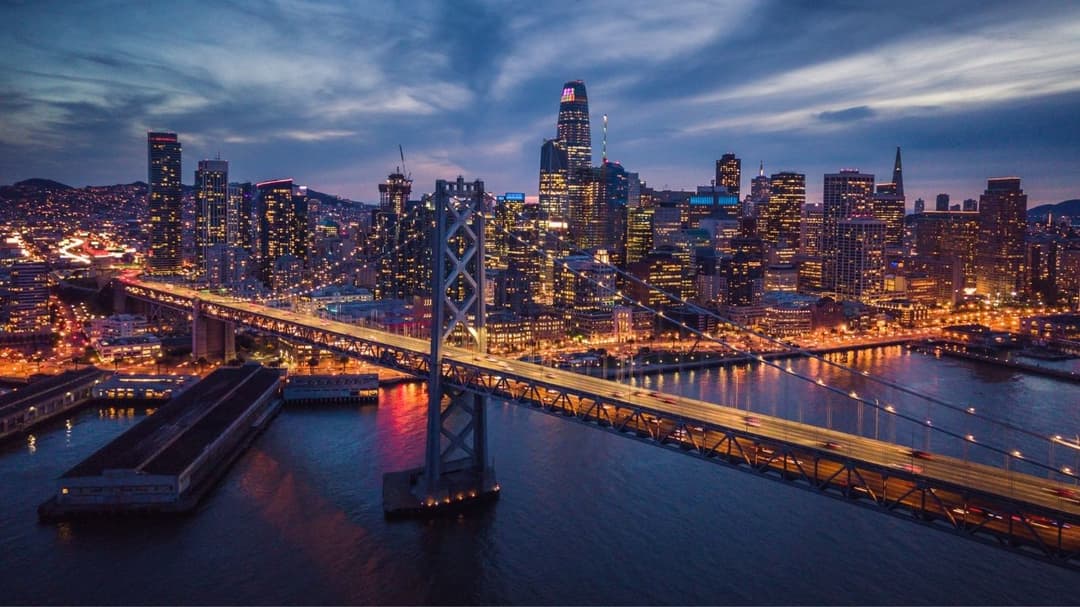
Honorable Mentions
Delhi’s 43 billionaires make India’s capital the second billionaire hub climbing rankings faster than many global peers, gaining six positions year-over-year. Technology, pharmaceuticals, and real estate development are key drivers, reinforcing a two-city Indian wealth surge alongside Mumbai that is becoming one of the most compelling wealth stories of the decade.
Shenzhen’s 37 billionaires show relative resilience despite broader Chinese declines. Its position as a technology manufacturing center and Tencent-linked wealth base concentrates fortunes in hardware, electronics, and industrial operations that have held up better than some finance-heavy or regulation-exposed sectors elsewhere in China.
Los Angeles with 35 billionaires stands as America’s third-largest billionaire concentration after New York and the Bay Area. Entertainment fortunes, aerospace, and Southern California real estate create diversified wealth that does not depend on any single sector, which gives the city a stability others lack.
Taipei’s 34 billionaires reflect Taiwan’s semiconductor dominance through TSMC and the broader electronics supply chain. As chips stay central to global technology, wealth concentration in this ecosystem has strengthened and could keep expanding as demand for advanced semiconductors grows.
Hangzhou’s 31 billionaires face one of the steepest ranking declines among top cities, dropping five positions. As Alibaba’s headquarters city, Hangzhou absorbed a disproportionate share of the impact from technology crackdowns and regulatory pressure that weighed heavily on founder-linked and ecosystem-linked fortunes.
Seoul’s 31 billionaires tie closely to the chaebol system, with Samsung, Hyundai, and LG family dynasties concentrating generational wealth in the capital. Electronics, automotive, and the global rise of Korean entertainment add multiple streams of high-end wealth that keep the city’s billionaire base diversified.
Paris with 28 billionaires stays the luxury goods capital, with wealth anchored in global groups such as LVMH, Kering, and L’Oréal. Technology and finance fortunes exist, but the city’s billionaire identity ties deeply to fashion, cosmetics, and heritage brands that command pricing power the world over.
Tokyo’s 27 billionaires look modest relative to Japan’s economic scale, reflecting a more distributed pattern of wealth. Fortunes tied to technology, retail, and finance exist, but they do not concentrate as intensely as in American or Chinese cities, which keeps the city’s billionaire density lower than its overall economic output would suggest.
Bangkok’s 26 billionaires draw from Thai real estate, banking, and retail empires, supported by regional wealth parking. Lifestyle advantages, cost benefits, and favorable visa dynamics make the city an attractive Southeast Asian base for wealthy families who want proximity to growth markets without the complexity of larger financial hubs.
Milan’s 26 billionaires reflect Italian fashion and design leadership through brands such as Prada and Armani, alongside finance and industrial fortunes. The city holds its position through luxury concentration even as Italy faces broader structural economic challenges that complicate growth elsewhere.
Across these cities, the same pattern repeats. Billionaire wealth concentrates where advantages are difficult to replicate. Deep financial infrastructure, legal protections, tax efficiency, industry clusters, and network effects determine which locations attract and retain extreme wealth, and which ones watch it leave.
For you as an investor, the takeaway is practical. Luxury real estate demand, premium services growth, and capital flow patterns do not spread evenly. They concentrate where billionaires live and where they choose to deploy their fortunes. Knowing those cities gives you a meaningful edge in reading where premium markets are heading next.
We last reviewed this analysis in May 2026.
Stefanos Moschopoulos
Stefanos Moschopoulos founded The Luxury Playbook in Athens and has spent the better part of a decade following the auction calendar, the en primeur releases, and the watchmakers, gallerists, and shipyards the magazine covers. He writes the field guides and listicles that anchor the Connoisseur section — pieces built on Phillips and Christie's results, Liv-ex movements, and conversations with collectors he has met across Geneva, Bordeaux, Basel, and Monaco. His own collecting habits sit closer to watches and wine than art, and it shows in the level of detail in the magazine's coverage of those categories. Under his direction, The Luxury Playbook now publishes long-form field guides, market-defining year-end listicles, and the Voices interview series with the founders behind the houses and the brands.