
The number that should get your attention is $47 billion. That is the estimated volume of private wealth repositioned out of Gulf-linked accounts in the first two quarters of 2026, according to early tracking data from the Knight Frank Wealth Report.
Billionaires moving assets out of Dubai is no longer whispered about in private banking circles. It is happening openly, urgently, and at a scale that is reshaping global capital flows. The 2026 Iran conflict has done something previous regional tensions never quite managed to do.
It has cracked the psychological armour that made Dubai feel untouchable. If you hold assets, property, or business interests in the UAE, what follows will directly affect your financial outlook and the decisions you make next.
Table of Contents
Key Takeaways & The 5Ws
- You should monitor how the 2026 Iran conflict is actively pushing an estimated 47 billion dollars in private wealth out of Gulf linked accounts.
- Your Dubai based property and business interests now face a 34 percent average spike in insurance premiums driven by confirmed regional war risk.
- You need to understand that secondary sanctions exposure from Western governments is threatening billionaires who maintain Gulf operational ties.
- Your geographic risk assessment must account for Dubai sitting less than 200 kilometres from the Strait of Hormuz and within Iranian ballistic missile range.
- You should evaluate safe haven alternatives like Singapore now, as redirected Gulf wealth is already flowing into competing financial hubs at scale.
- Who is this for?
- This topic is most relevant for ultra high net worth individuals, family office managers, private bankers, and investors holding assets, property, or business interests in the UAE.
- What is it?
- The main subject is the large scale repositioning of billionaire wealth out of Dubai following the destabilizing impact of the 2026 Iran conflict on Gulf financial security.
- When does it matter most?
- This matters urgently throughout 2026 and beyond as regional conflict near the Strait of Hormuz continues to generate billions in monthly capital repositioning from Gulf portfolios.
- Where does it apply?
- This applies most directly to the UAE and broader Gulf region, with ripple effects felt across global financial centres including Singapore, Geneva, and other emerging safe haven destinations.
- Why consider it?
- This matters because understanding the forces driving billionaires moving assets out of Dubai empowers you to protect your wealth, manage geopolitical exposure, and make informed repositioning decisions before risk escalates further.

Iran War Triggers Billionaire Asset Exodus
Everything changed when Iranian ballistic missile tests in early 2026 demonstrated a confirmed strike range of approximately 2,000 kilometres, putting the UAE squarely within reach. That single data point terrified underwriters, spooked family office chiefs, and sent private bankers scrambling for contingency playbooks. The Dubai wealth migration story accelerated almost overnight.
Geopolitical risk analysts at Oxford Economics estimated that each month of sustained regional conflict near the Strait of Hormuz generates roughly $3.2 billion in capital repositioning from Gulf-based ultra-high-net-worth portfolios. Sanctions risk compounded the anxiety. Western governments began signalling that any financial institution maintaining deep operational ties to entities connected to conflict-adjacent trade could face secondary sanctions exposure.
That word “exposure” is one the billionaire class takes seriously. Their reputations, their access to Western banking systems, and their ability to operate globally all depend on keeping clean distance from geopolitical contamination.
Dubai sits roughly 1,300 kilometres from Tehran and less than 200 kilometres from the Strait of Hormuz, the chokepoint through which approximately 20 percent of global oil supply flows according to the U.S. Energy Information Administration.
You should understand that proximity is not just a physical problem. Insurance premiums for commercial property in Dubai spiked by an average of 34 percent in Q1 2026, according to Lloyd’s of London syndicate data. War risk clauses that were once theoretical are now being activated in real contracts.
For billionaires who built their Gulf presence on the assumption of stable, neutral ground, that reassessment is existential.
Why Billionaires Are Moving Assets Out of Dubai Now
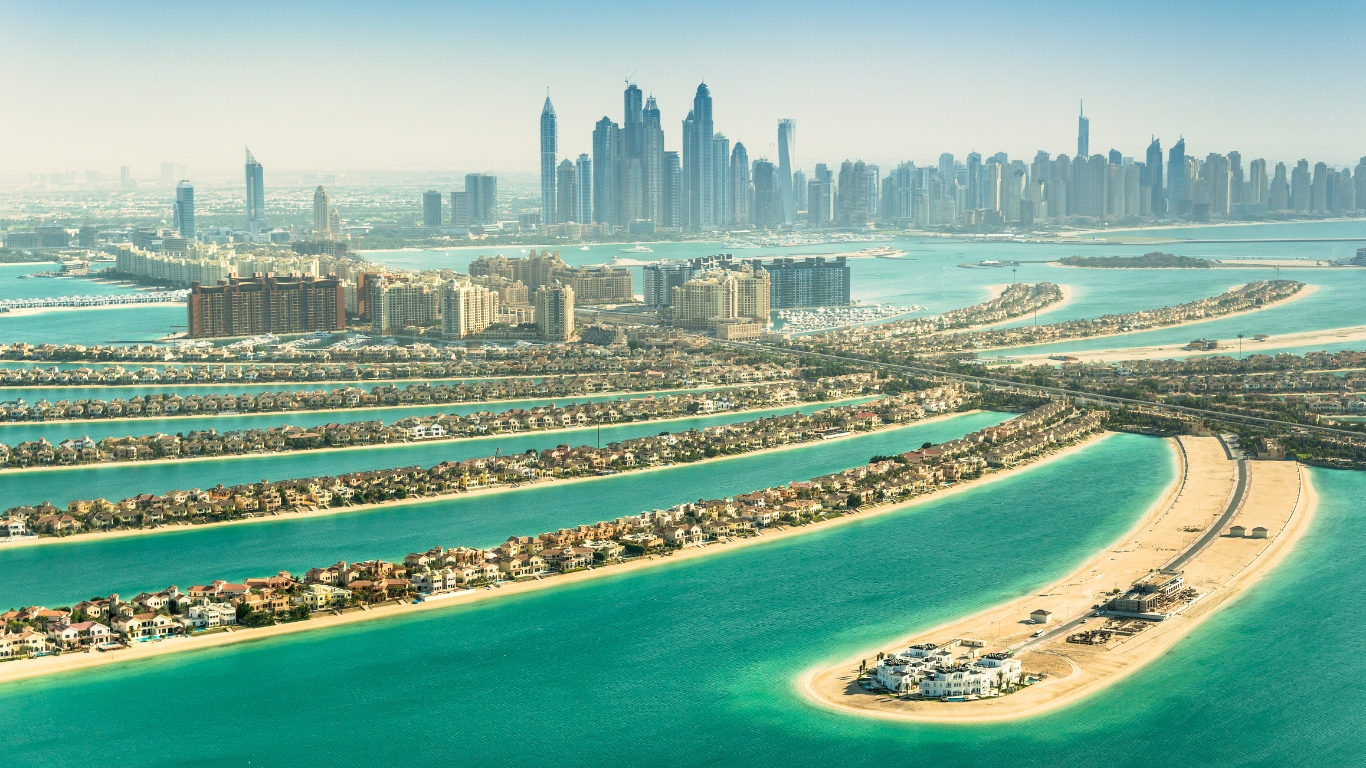
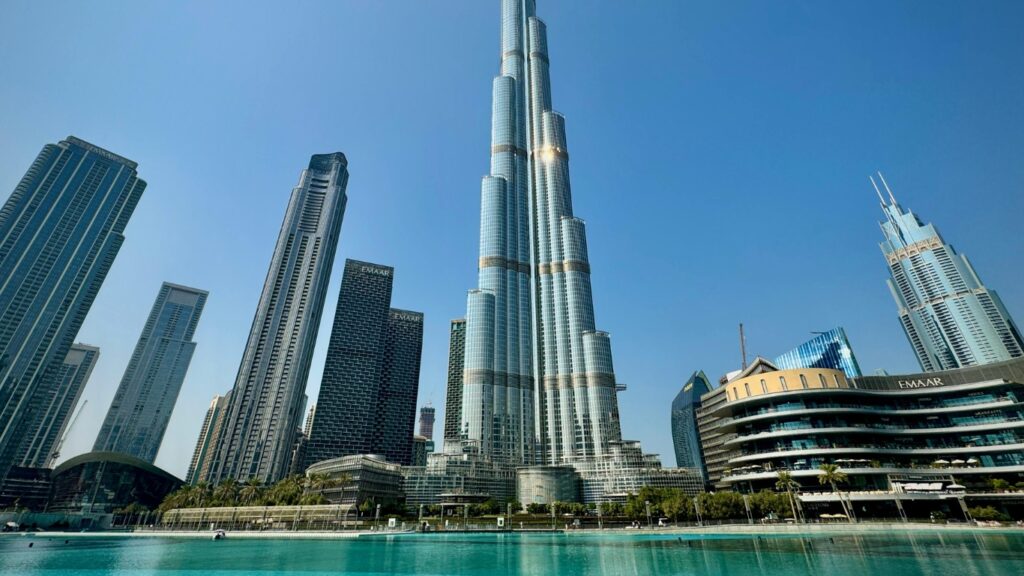
Dubai spent twenty years positioning itself as the Switzerland of the Middle East. Billionaires moved assets into Dubai because it offered zero income tax, world-class infrastructure, and a financial ecosystem sophisticated enough to rival Singapore or Geneva.
That inflow story ran hot through 2023 and 2024 when record numbers of ultra-high-net-worth individuals relocated to the emirate. The reversal you are witnessing now is not a slow drift. Pressure from Western governments asking pointed questions about Gulf-based holdings has made some European and American billionaires genuinely nervous about reputational spillover. If you want to understand how trophy property ownership factors into these decisions, the psychology runs deeper than most people realise.
Proximity risk matters enormously when your primary residence sits within drone strike range of an active conflict. Insurance markets tightening is not an abstract concern either. When you cannot get comprehensive coverage for a $200 million superyacht docked in Dubai Marina, the calculus changes fast.
The previous decade of inflows makes the current exodus even more psychologically jarring for the emirate’s financial establishment.
Top Safe Haven Destinations Replacing Dubai
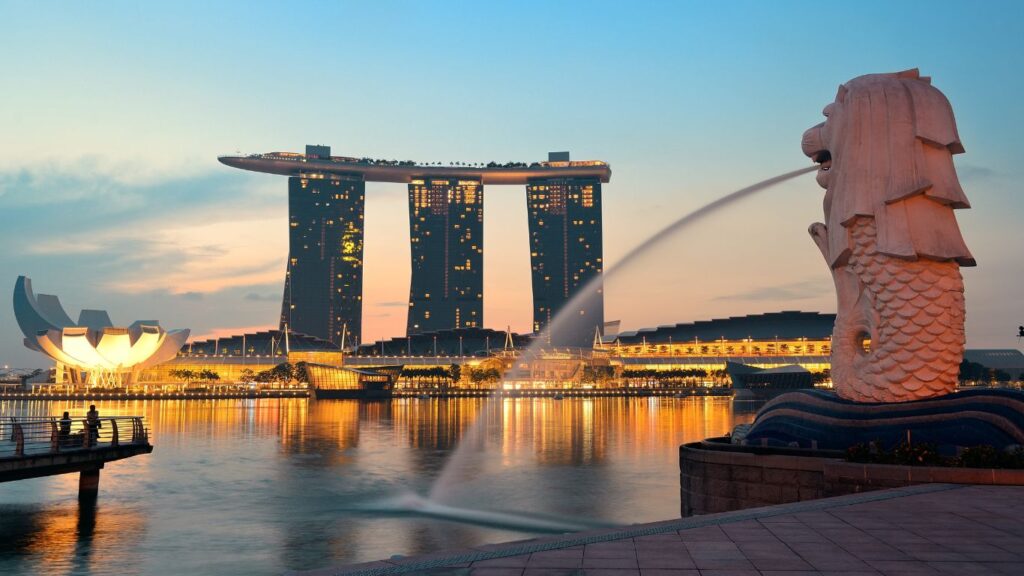
The capital has to go somewhere. Singapore absorbed the largest single share of redirected Gulf wealth in the first half of 2026, largely because its political neutrality, AAA sovereign rating, and sophisticated private banking infrastructure make it the natural destination when urgency and quality both matter.
Zurich remains the fortress of choice for old European money seeking absolute discretion. Monaco keeps attracting wealth that prioritises lifestyle alongside tax efficiency. What surprises many observers is the parallel flow moving to Abu Dhabi and Riyadh.
Both cities have aggressively courted displaced capital with reformed regulatory frameworks and sovereign wealth fund partnerships that offer co-investment credibility you simply cannot replicate elsewhere in the region. The smartest investors are already diversifying into hospitality assets across these emerging safe haven cities as part of a broader repositioning play.
The choice between Singapore and Switzerland for billionaire safe haven investments now comes down to one essential question: which risk are you most afraid of?
Switzerland offers deeper banking secrecy traditions and European legal frameworks that have withstood centuries of political upheaval. Singapore offers Asia-Pacific proximity to the growth economy of the next century alongside a government that has never once defaulted on a political promise to foreign capital.
According to a Boston Consulting Group report on global wealth management, Singapore grew its assets under management by 11 percent year on year while traditional European centres saw flat to negative growth. For younger family offices restructuring fast, Singapore wins the timing argument almost every time.
War Asset Protection Strategies Billionaires Use
The family office world does not panic. It pivots with precision. What you are seeing across the ultra-high-net-worth world in 2026 is a systematic decoupling of wealth from geography, executed through vehicles that have been refined over decades of geopolitical stress-testing.
Offshore discretionary trusts domiciled in the Cayman Islands or Jersey are the first tool deployed because they place legal ownership beyond the reach of any single jurisdiction’s political volatility. Sovereign bond allocations to U.S. Treasuries, Swiss government bonds, and Singapore Government Securities have surged as billionaires seek instruments that survive almost any conceivable escalation scenario.
Private equity pivots away from Gulf-linked real estate funds toward North American and Southeast Asian infrastructure are being executed rapidly. Tokenised real estate platforms have also gained traction because they allow fractional, transferable exposure without committing to a physical asset in a risk zone. Understanding how blockchain technology underpins these tokenised platforms gives you a real edge when evaluating which vehicles are genuinely robust.
Gold repatriation from UAE vaults to Swiss and Singapore storage facilities accelerated sharply in Q2 2026. Bitcoin and other liquid digital assets have served a secondary function too, offering borderless portability that no physical asset can match when you need to move value across jurisdictions faster than any banking correspondent network allows.
You should not romanticise crypto as the dominant hedge. Gold anchors the strategy. But the combination of the two has given family offices a layered defence that previous generations of billionaires simply did not have access to. Financial Times analysis on private wealth strategy has tracked this shift closely across the past two years.
What This Wealth Shift Means For You
You do not need a billion dollars in the bank for this to affect your financial life. If you own Dubai property, operate a business in the emirate, or hold investments linked to Gulf trade corridors, you are already feeling the ripple effects.
Dubai residential property prices in prime districts softened by an average of 8 percent in the six months following the conflict escalation, according to data from JLL Middle East. Business confidence surveys conducted by the Dubai Chamber of Commerce showed a 19-point drop in executive optimism between January and June 2026. Currency flows tell a parallel story.
The strengthening of safe haven currencies like the Swiss franc and Singapore dollar against emerging market benchmarks reflects the directional movement of capital that institutional investors are executing right now.
The trajectory of Dubai’s recovery will depend on one thing above all others: how the 2026 Iran conflict resolves. If you hold long-term conviction in the UAE’s fundamental value proposition, the current dislocation offers entry points that may not reappear for a decade.
If your horizon is short and your exposure is concentrated, the billionaire playbook of offshore trusts, sovereign bonds, and geographic diversification applies to your portfolio too, just at a different scale. Stay informed, stay agile, and do not let the noise of a single crisis override the long-term logic of a market that has survived every previous storm it faced.