
The wealthiest families in the world are quietly making a move that most financial advisors never saw coming. Rare coins, once written off as a hobbyist’s obsession, are now appearing on the balance sheets of sophisticated family offices, sitting comfortably alongside Basquiat paintings and Manhattan penthouses.
According to a 2023 survey by Campden Wealth, family offices globally increased their allocations to alternative assets by 9 percent in a single year, with tangible collectibles among the fastest growing subcategories in that shift.
If you run or advise a family office, the question is no longer whether numismatic assets deserve a seat at the table.
The real question is how much capital you are leaving on the floor by ignoring them. Family office rare coin holdings sit at a fascinating crossroads of history, scarcity, and serious financial strategy.
Key Takeaways & The 5Ws
- You should consider allocating between 2 and 5 percent of your total assets under management to rare coins as part of a broader collectibles sleeve.
- You can protect your portfolio from synchronized market volatility by adding rare coins, which carry no counterparty risk and have permanently fixed supply.
- You should evaluate rare coins alongside art and real estate to build a tangible asset trifecta that behaves independently from traditional financial instruments.
- You can benefit from the historical appreciation of certified rare coins, which have compounded at rates exceeding 10 percent annually over select 20 year periods.
- You should work with specialized numismatic advisors to balance liquidity planning with long term value, ensuring your rare coin holdings serve multigenerational wealth goals.
- Who is this for?
- Family office managers, wealth advisors, and ultra high net worth families seeking sophisticated multigenerational asset diversification strategies are the primary audience for this topic.
- What is it?
- The main subject is the strategic allocation of rare coins within family office portfolios alongside art and real estate as a distinct and appreciating alternative asset class.
- When does it matter most?
- This approach matters most during periods of market volatility, rising inflation, and synchronized asset sell offs when uncorrelated tangible assets provide critical portfolio resilience.
- Where does it apply?
- This strategy is most relevant for single and multi family offices globally, particularly those managing assets above 500 million dollars with access to major auction houses across multiple continents.
- Why consider it?
- Rare coins offer permanently fixed supply, independence from monetary policy, and compound appreciation potential that helps families preserve purchasing power across generations without relying on intermediaries.

Why Family Offices Choose Rare Coins
Every asset class that survives centuries earns its credibility through something concrete. Rare coins earn theirs through absolute scarcity combined with a global collector base that has never disappeared. When you look at what drives family office decision making, three forces dominate: the need to preserve purchasing power across generations, the desire to hold assets with zero counterparty risk, and the search for uncorrelated returns in a world of synchronized market volatility.
The institutional shift is documented across industry research. Campden Wealth surveys show family offices steadily broadening their definition of investable alternatives, with rare coins joining art, classic cars and wine as established passion-asset categories.
Auction-level pricing for major coin sales at Sotheby's and dedicated specialists provides the kind of liquidity reference points that allocators need before sizing a position. Without that price discovery, the asset class would have stayed in the hobby column. It is now firmly in the portfolio column.
Rare coins satisfy all three requirements at once. A coin minted in 1804 cannot be reprinted by a central bank. Its supply is permanently fixed.
According to the Professional Coin Grading Service, certified rare coins in the highest grade categories have appreciated at compound annual rates exceeding 10 percent over certain 20 year periods, outpacing broad equity markets during several of those stretches.
Physical tangibility also matters deeply to multigenerational families. You can hold this asset in your hand, store it in a vault you control, and pass it directly to your heirs without a single intermediary involved.
Rare Coins vs Traditional Safe Haven Assets
Gold bullion and Treasury bonds typically anchor conservative portfolios, but neither one offers what rare coins provide. Bullion tracks commodity prices and carries no scarcity premium above its metal content. Government bonds carry duration risk and are explicitly tied to sovereign creditworthiness.
Rare coins sit in a different category entirely.
Their value comes from numismatic rarity, historical weight, and collector demand. These are factors that move independently of interest rate cycles or monetary policy decisions, which is exactly what you want when building a truly diversified book.
When equity markets sold off sharply in 2022, rare coin auction totals at Heritage Auctions actually increased year over year, pointing to a resilience that traditional safe haven assets struggled to match during the same period.
Family Office Rare Coin Allocation Strategies
Structure matters as much as selection when you are building a serious numismatic position. Most family offices approaching rare coin portfolio diversification for the first time allocate between 2 and 5 percent of total assets under management to numismatics, treating it as part of a broader collectibles sleeve rather than a standalone category.
Larger single family offices managing assets above 500 million dollars sometimes run dedicated numismatic acquisition programs with annual budgets exceeding one million dollars. Blending rare coins with art and real estate creates a tangible asset combination that behaves quite differently from financial instruments.
Real estate provides yield and inflation linkage. Art provides cultural capital and long term appreciation. Rare coins provide portability, discretion, and a global market that operates continuously through auction houses on multiple continents.
Liquidity planning separates strategic collectors from investors. You should build your rare coin holdings in tiers. The first tier holds highly liquid key date coins in grades that command immediate auction demand globally.
The second tier holds premium specimens where you accept a six to twelve month exit window in exchange for higher appreciation potential.
The third tier reserves space for true museum quality rarities where you are committing capital for a decade or longer. This tiered approach lets you access cash from your first tier holdings without dismantling the long term compounding engine that lives in tiers two and three.
Top Rare Coin Categories Attracting Serious Capital
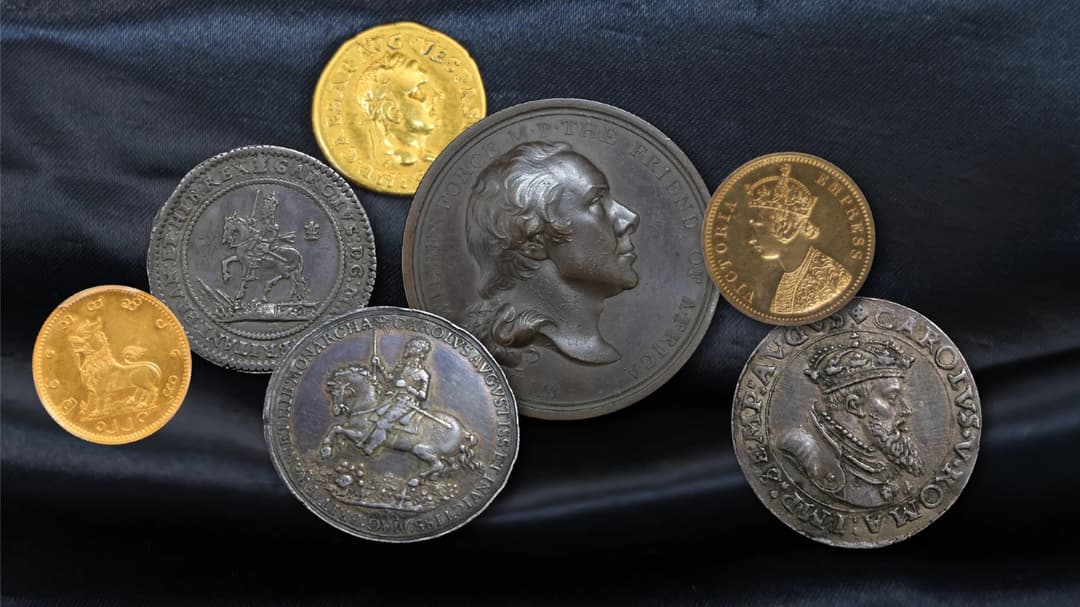
Not all coins are created equal, and family offices are learning this distinction fast. Ancient Greek and Roman coinage attracts buyers who understand that these pieces carry unmatched historical depth alongside genuine rarity.
A superb example of a Syracuse decadrachm or an Athenian tetradrachm in fine condition routinely crosses six figures at auction and draws competitive international bidding. Within the American numismatic market, pre-1933 United States gold coins stand as the dominant category for serious capital deployment.
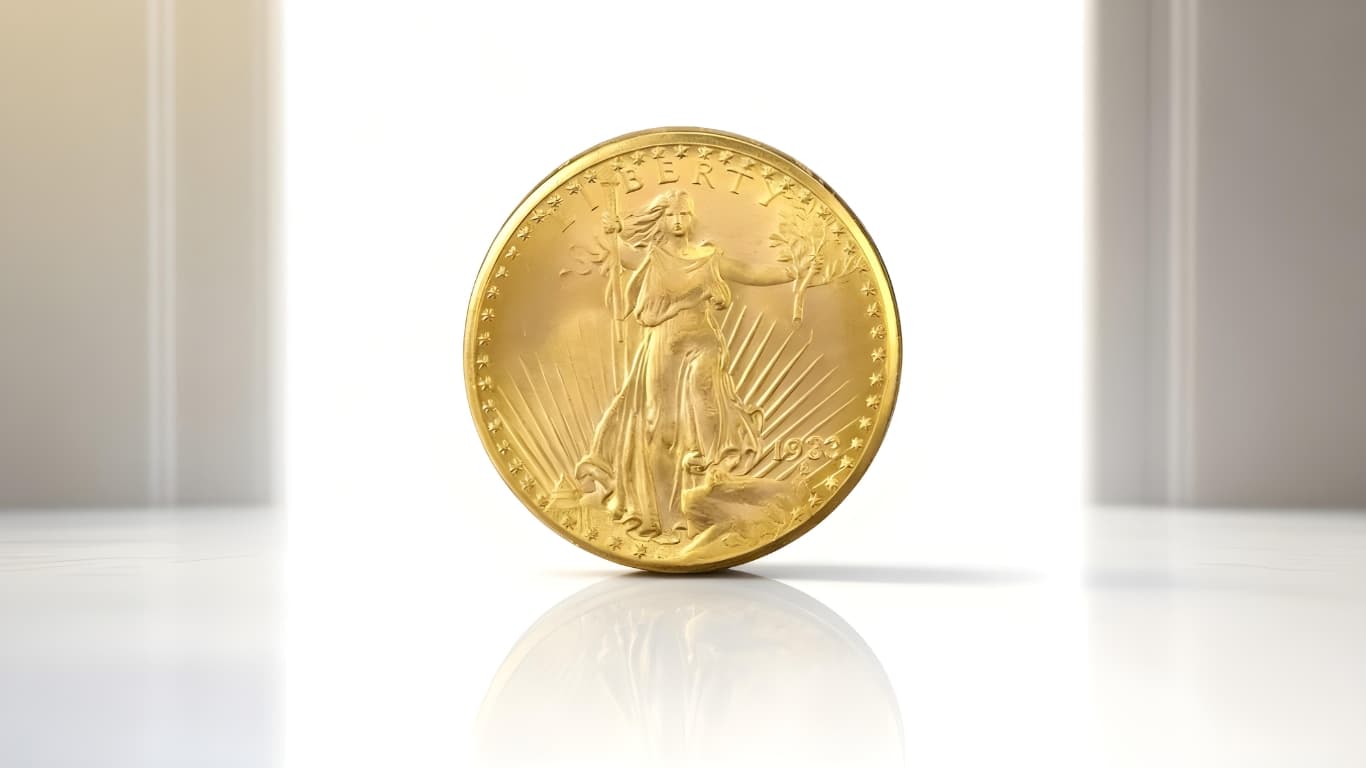
The 1933 Saint-Gaudens Double Eagle sold at Sotheby’s in 2021 for 18.9 million dollars, setting a world record for any coin sold at auction and signaling institutional level appetite for the finest American rarities. Coins certified and graded by PCGS or NGC remove authentication uncertainty and create standardized quality benchmarks that institutional buyers require before committing significant capital.
Key date coins, meaning issues with extremely limited surviving populations in top grades, consistently generate the steepest appreciation curves. Provenance documentation amplifies value further, sometimes adding 20 to 40 percent premiums when a coin traces directly to a famous collection or historical estate.
Risks Every Family Office Must Evaluate
The upside story is compelling, but you would be doing your principals a disservice by presenting rare coins without an honest accounting of the challenges involved. Authentication sits at the top of the risk register.
The market for counterfeit coins has grown alongside collector values, and without proper certification from a recognized grading service, you face genuine exposure to fraud. Valuation complexity adds another layer of difficulty.
Unlike publicly traded securities with transparent pricing, rare coin values depend on grade, eye appeal, provenance, and current collector demand. All of these require specialist expertise to assess accurately. Storage and insurance add operational costs that many family offices underestimate going in.
A world class numismatic collection requires climate controlled vault space and specialized insurance policies that differ from standard fine art coverage. Market illiquidity in secondary tiers means that exit timing can affect realized returns meaningfully, particularly during periods when auction calendars are sparse.
How to Vet Reputable Rare Coin Dealers and Advisors
Your first filter should be membership in the Professional Numismatists Guild, which requires members to adhere to a strict code of ethics and carry substantial professional experience. Beyond credentials, you want a dealer who specializes in the specific categories you are targeting rather than a generalist who dabbles across all periods and regions.
Request references from other institutional clients. Examine their published auction track records and verify that the coins they have sold align with the grades and prices they claimed. Independent third party appraisals before any major acquisition should be non-negotiable in your acquisition policy.
If you want a reference point for how authentication rigor plays out across collectible categories, the same principles apply when you learn how to spot a fake watch.
Building a Future Proof Alternative Asset Mix
Family office alternative investments work best when the individual components reinforce each other rather than simply sitting side by side. Rare coins bring something to this mix that neither private equity nor commodities can replicate. They are portable, globally recognized, and entirely outside the digital financial system, a characteristic that carries increasing appeal as families think about geopolitical risk and systemic fragility.
According to a 2024 report from Knight Frank, passion assets including coins, watches, and art outperformed traditional investment benchmarks in 14 of the last 20 years when measured across the full collectibles index. Numismatics as a wealth preservation tool is not a new idea, but the institutional sophistication around how families execute it has improved dramatically. The same evolution is playing out in art, where building a structured art investment portfolio has become standard practice among top family offices.
When you combine rare coins with real estate, contemporary art, and private equity stakes, you create a portfolio architecture that disperses risk across fundamentally different value creation mechanisms.
The trajectory here points clearly in one direction. More family offices are building formal acquisition frameworks around numismatic assets, bringing the same analytical rigor they apply to venture capital or direct real estate to coin selection and portfolio construction. Street art has followed a similar path, moving from niche enthusiasm to institutional allocation within a single decade.
If you are advising a family office today, establishing a disciplined rare coin strategy before this asset class attracts wider institutional attention gives your principals a meaningful first mover advantage that compounds quietly over decades.
We last reviewed this analysis in May 2026.

Stefanos Moschopoulos
Stefanos Moschopoulos founded The Luxury Playbook in Athens and has spent the better part of a decade following the auction calendar, the en primeur releases, and the watchmakers, gallerists, and shipyards the magazine covers. He writes the field guides and listicles that anchor the Connoisseur section — pieces built on Phillips and Christie's results, Liv-ex movements, and conversations with collectors he has met across Geneva, Bordeaux, Basel, and Monaco. His own collecting habits sit closer to watches and wine than art, and it shows in the level of detail in the magazine's coverage of those categories. Under his direction, The Luxury Playbook now publishes long-form field guides, market-defining year-end listicles, and the Voices interview series with the founders behind the houses and the brands.