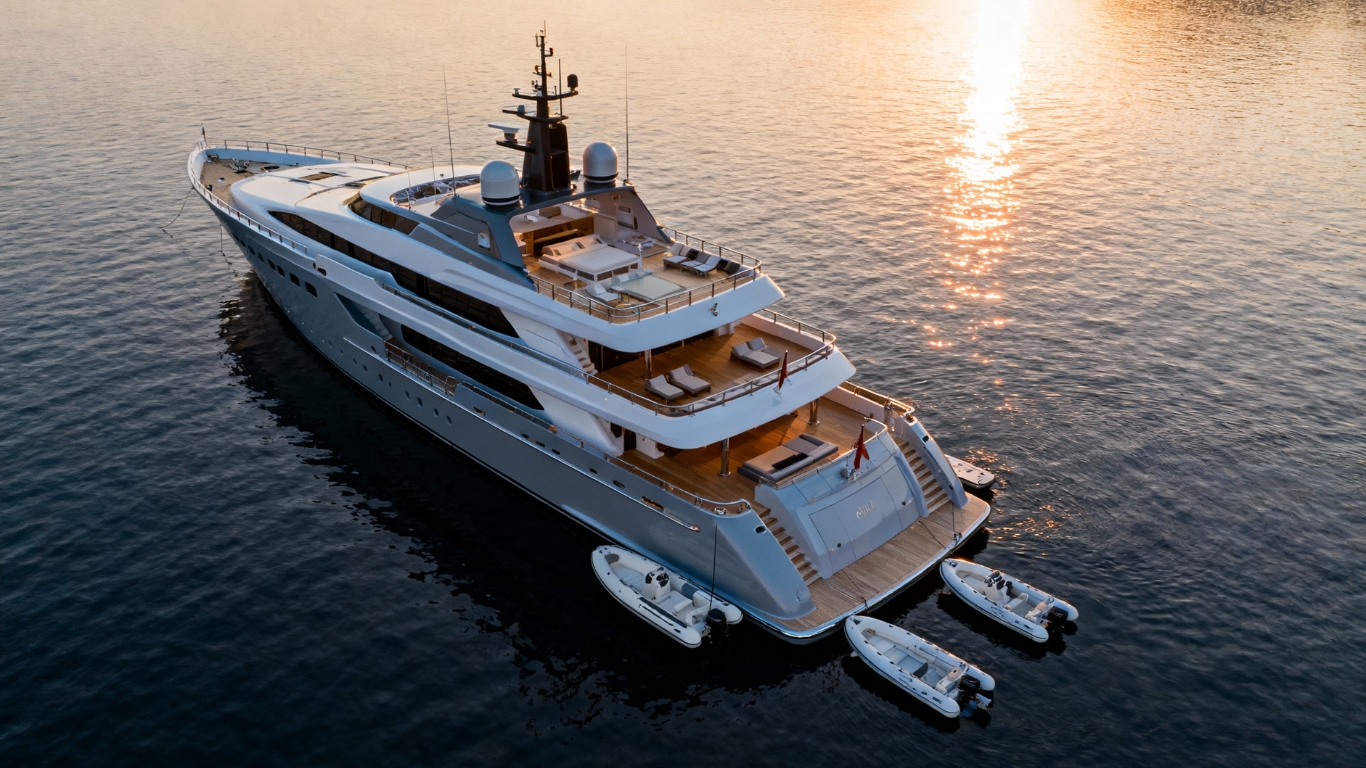
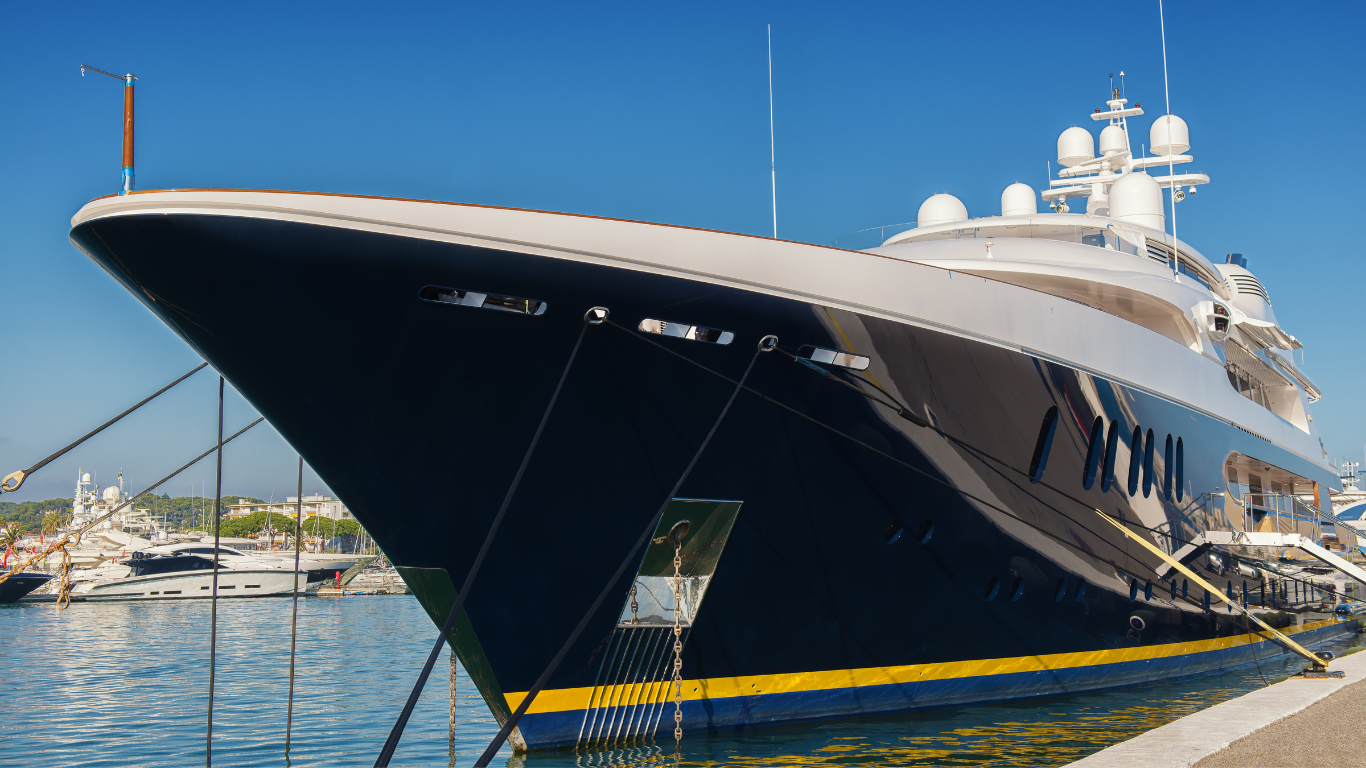

Alimos Marina is the largest in Greece, covering 210,000 square meters and offering space for 1,100 yachts, including vessels up to 40 meters long. If you’ve been watching where serious marine tourism money is flowing, Greece is hard to ignore right now. Alimos and Chios are just two names on a growing list of marinas being transformed into world-class destinations for global nautical enthusiasts.
Table of contents
What gives these projects staying power is the commitment behind them. Operations at these marinas are planned for a minimum of 35 years, which locks in long-term growth and stability. The selection process for operators is deliberately rigorous, running through a two-phase method that begins with a written Expression of Interest.
Alimos Marina punches well above its weight in the eastern Mediterranean, commanding a maritime zone of roughly 428,000 square meters. A recent concession agreement with Aktor Group, valued at €57.5 million, is expected to generate around €177 million for the Greek state over 40 years. That kind of deal doesn’t just upgrade a marina. It reshapes the entire competitive position of Greek marine infrastructure across the region.
Key Takeaways
- Alimos Marina spans 210,000 sq. meters and offers 1,100 berths for yachts up to 40 meters.
- Concessions for Greek marinas are for a minimum of 35 years, with a two-phase tender process.
- Interested investors must submit a written Expression of Interest (EoI) for consideration.
- High-profile firms like Ernst & Young and Dracopoulos Vasalakis are advising on transactions.
- The Alimos Marina agreement with Aktor Group is valued at €57.5 million.
- The estimated total value over the 40-year concession for the Greek state is €177 million.
- Alimos Marina is noted as a key marina in the eastern Mediterranean region, enhancing marine tourism in Greece.
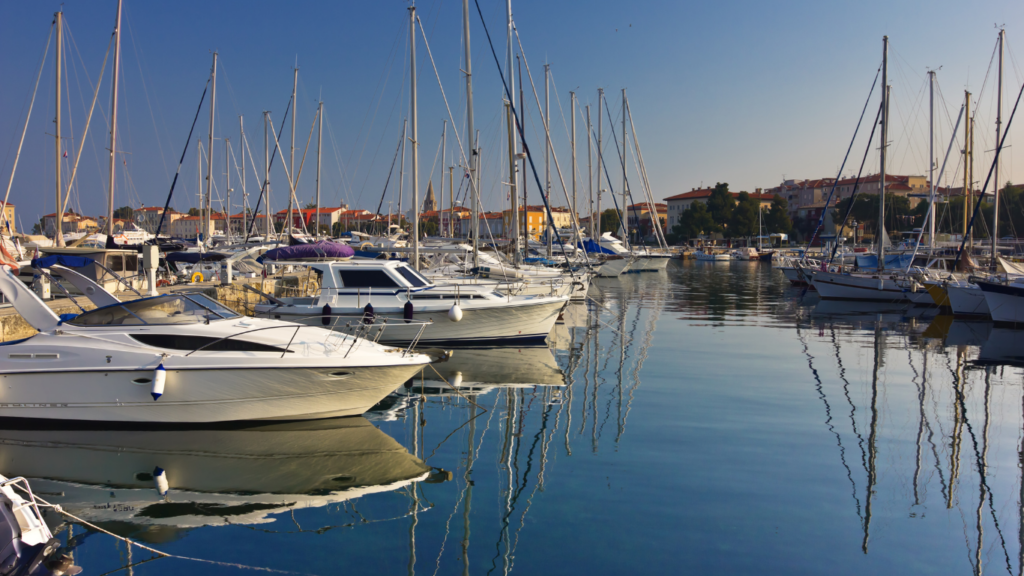
Overview of Greek Marina Investments
The wave of recent investment in Greek marinas points to something bigger than a short-term tourism play. The Greek Ministry of Tourism launched its “Upgrading Tourist Ports” program with a budget of €139,090,800, and that figure alone tells you how seriously the government is treating this opportunity. This is a structural push to elevate Greek marina infrastructure at scale.
One project worth your attention is “EURAN Art Marinas.” The concept goes beyond boats and berths. It merges luxury, art, culture, community, and sustainability into the marina experience itself, which is exactly the kind of positioning that draws high-profile visitors looking for something more than a mooring spot. For local economies and Greece’s global yachting reputation, the upside is real.
The strategy here isn’t just about building new. Upgrading what already exists is equally central to the plan, and marina owners are being brought into the conversation early. That collaboration is what ensures the finished product actually meets modern standards without compromising the natural beauty of the Greek coastline.
Greek and international yacht brokers are also being pulled into the fold, which matters for making these projects stick commercially. Backing from the Hellenic Ministry of Tourism and the Greek National Tourism Organization adds institutional weight and expertise to what could otherwise be fragmented efforts.
| Aspect | Details |
|---|---|
| Program Budget | €139,090,800 |
| Main Objective | Upgrade and develop tourist ports in Greece. |
| Focus Areas | Luxury, art, culture, community, and sustainability. |
| Collaboration Partners | Marina owners, yacht brokers, Hellenic Ministry of Tourism, Greek National Tourism Organization. |
| Target Audience | High-profile visitors seeking unique experiences. |
Taken together, these investments have the potential to reposition Greece as the Mediterranean’s standout choice for serious marine enthusiasts. The momentum is building, and the long-term trajectory looks strong.
Government Initiatives and Funding
Tourism Minister Olga Kefalogianni has made Greece’s marine ambitions clear. The government isn’t dabbling here. It’s going after a competitive position in international marine tourism with real plans and real capital behind them. If you’re evaluating where Mediterranean marine infrastructure is heading, Greece’s policy direction is a signal worth taking seriously.
Greek Government’s Commitment
The Greek government has committed a striking €700 million, roughly $761 million, to marine investment. That scale of capital signals more than just infrastructure spending. It reflects a long-term view on marine conservation and economic development that reaches well beyond Greece’s own borders. This is a country betting on its coastline as a generational asset.
Funding Allocation and Objectives
Of that broader commitment, €139,090,800 in Recovery and Resilience Facility funds has been earmarked specifically for selected marina upgrade projects. The goal is straightforward but ambitious. Raise service quality and keep Greece competitive in a global marine tourism market that is only getting more crowded.
What sets Greece apart from other Mediterranean competitors is the clarity of its allocation strategy. When funding has defined targets and measurable goals, the results tend to follow. Greece is positioning its marinas not just to improve, but to lead, offering experiences that marine enthusiasts at the top of the market will actively seek out.
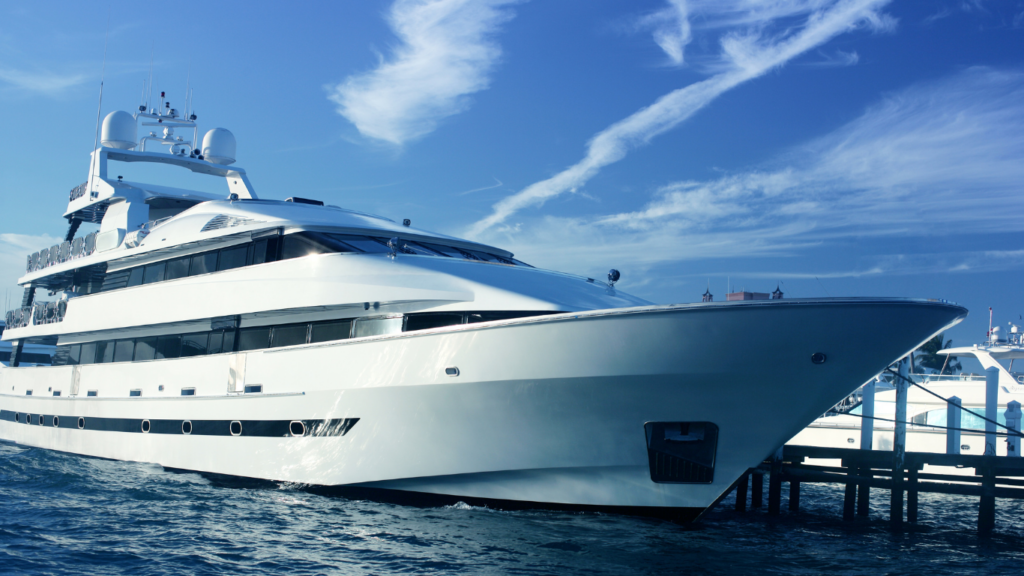
Enhancing Luxury Yacht Facilities
The Greek Riviera has been quietly undergoing a transformation in its luxury coastal infrastructure, and if you haven’t been paying attention, the shift is already well underway. Premium marine facilities are expanding fast, driven by sustained investment in the kind of top-tier yachting experience that discerning owners expect.
Marinas across the region are scaling up to welcome larger vessels, and the numbers back it up. Mooring facilities tailored for luxury yachts have grown by 25%, which has helped push revenue in the Greek luxury yacht sector up by 15%. The high-end yacht count at Greek marinas has jumped 40%, a figure that tells you this isn’t a niche trend but a genuine market shift.
Luxury Properties
Waterfront property demand in Greece is surging, and values along the Greek Riviera are reflecting it. High-net-worth individuals drawn by world-class marina facilities are driving a sharp increase in coastal property prices. The knock-on effect is a strong vacation rental market with compelling income potential during peak seasons, which is exactly the kind of dual-return profile that sophisticated buyers look for.
Greek marina berths are averaging an 85% occupancy rate, which is a strong signal of genuine demand rather than speculative hype. And bookings for exclusive events and charters at these marinas have climbed 30%, pointing to an elite clientele that is actively engaging with what Greece now offers.
| Statistic | Growth/Increase |
|---|---|
| Increase in luxury yacht mooring facilities | 25% |
| Growth in revenue from luxury yacht market | 15% |
| Increase in high-end yachts docking at Greek marinas | 40% |
| Average occupancy rate of luxury yacht facilities | 85% |
| Increase in bookings for exclusive events and charters | 30% |
The combination of upgraded luxury facilities and premium marine infrastructure is producing tangible results across the board. Greece is no longer just a beautiful backdrop for yachting. It’s positioning itself as the address for serious players in the global luxury yachting world.
Key Projects in the Aegean Sea Marinas
Aegean Sea marina development is moving with purpose, focusing on both facility upgrades and the kind of digitization that makes a marina genuinely competitive on a global stage. These are not cosmetic improvements. They’re structural changes designed to make Greece a first-choice marine tourism destination.
Digitization of Tourist Port Facilities
The Aegean Sea marinas are getting smarter. Advanced digital technologies are being woven into the visitor experience, covering everything from streamlined berthing reservations to real-time weather updates and seamless online payments. For any yacht owner who’s dealt with the friction of older port systems, the upgrade is meaningful. The goal is efficiency and appeal, and the two go hand in hand.
Infrastructure Upgrades for Competitiveness
Alongside digitization, the physical infrastructure is being overhauled at scale. Phase I of the broader development program is projected to generate around €3.3 billion, creating a financial foundation that supports everything that follows. The Riviera Tower, set to become Greece’s tallest skyscraper, is a statement of ambition that signals where this country sees itself heading.
Coastal residential development is adding another layer to the story. Over 350 units have already been sold, and the Little Athens plan envisions roughly 1,115 residences alongside 110 retail units. That mix of residential and commercial density is exactly what transforms a marina zone into a destination people want to live near, not just visit.
Environmental cleanup has also been a priority. More than 1,000 cubic meters of underground water and over 6,000 tons of soil have been treated as part of site remediation. Flood protection excavation was tracking toward 60% completion by 2024. These aren’t headline-grabbing numbers, but they matter because they reflect a serious long-term commitment to doing this right.
The push to digitize and upgrade infrastructure across the Aegean is what will ultimately define Greece’s standing in global marine tourism for the next generation.
Sustainable Marine Tourism Development
The Greek government has made sustainable marine tourism a genuine priority, and not simply as a branding exercise. The real focus is on protecting the marine environments that make Greece worth visiting in the first place, while ensuring the sector can grow responsibly over the long term.
Green marina certification sits at the center of this effort. These certifications push marinas toward eco-friendly operations and set a reliable standard for environmental responsibility across the sector. As the global conversation around sustainability intensifies, certification is quickly moving from a nice-to-have to a baseline expectation for any marina competing at the top end of the market.
The core benefits of sustainable marine tourism and green certification are worth understanding clearly. They protect fragile ecosystems, attract environmentally conscious high-net-worth travelers, and future-proof marina businesses against tightening environmental regulation.
- Enhanced environmental protection ensures the preservation of marine life and ecosystems.
- Eco-friendly marinas attract a growing segment of environmentally conscious tourists.
- Long-term cost savings through energy-efficient technologies and reduced waste management expenses.
- Improved reputation and competitiveness on a global scale by adhering to international sustainability standards.
These efforts are doing more than polishing Greece’s reputation. They’re securing its position as the go-to destination for eco-aware marine tourism at scale. The pairing of environmental integrity with economic growth isn’t a compromise here. It’s the strategy.
Impact on Superyacht Berths in Greece
The investment wave hitting Greek marinas has reshaped the superyacht picture considerably. Greece now ranks among the top three Mediterranean nations for yachting industry capacity, a standing that has drawn serious attention from both investors and superyacht owners who once defaulted to Monaco or the French Riviera.
Increase in Superyacht Berths
Superyacht berth availability in Greece is growing at a meaningful pace. New docking spaces are coming online to meet rising demand from vessels of all sizes, and the pipeline of future capacity looks solid. For anyone in the superyacht world, Greece is increasingly the answer to the question of where to spend the season.
Yachts exceeding 100 feet are choosing Greece in growing numbers, and it’s not hard to see why. Boat International has noted Greece’s yachting-friendly regulatory framework and strong alignment with EU standards as key draws for owners who need both comfort and compliance. The legal environment here works in your favor.
Facilities Available for Larger Yachts
Greek marinas are stepping up their game for larger vessels, and the maintenance cost advantage is one of the most compelling parts of the story. Maintenance rates typically run between €50 and €80 per hour, which is well below what you’d pay in most comparable Mediterranean locations. Quality of service at a fraction of the price is a rare combination.
Mooring fees tell a similar story. Greece comes in noticeably cheaper than the French Riviera or the Amalfi Coast, which for owners of large yachts translates into meaningful savings across a full season. When you stack cost-efficiency on top of world-class scenery and improved facilities, the value case for Greece becomes very hard to argue against.
The facilities upgrade combined with Greece’s economic advantages is locking in its reputation as the Mediterranean’s most compelling value proposition for superyacht owners. That reputation, once established, tends to compound.
Foreign Investments in Greek Tourism
Foreign capital has been flowing into Greek tourism with real momentum, and the marine sector is one of the clearest beneficiaries. The investment isn’t just about new builds. It’s about raising the quality of infrastructure and services to meet the expectations of a genuinely international audience.
International tourist numbers in 2023 climbed roughly 106% from 2022, and while that still sat about 55% below 2019 levels, tourist income surged 143% year over year. Average spend per night edged upward too, a quiet but telling sign of economic recovery and improving visitor quality.
The opening months of 2024 pushed the momentum further. International arrivals jumped around 377% compared to the same period in 2023, and international receipts followed with a roughly 317% increase. Yes, arrivals were still tracking slightly below the first half of 2019, but the direction of travel is unambiguous. As the Financial Times has covered extensively, Greece’s tourism recovery is outpacing most of its Mediterranean peers.
Alimos Marina is one of the clearest examples of how this investment is taking shape. The concession agreement carries a total value of €57.5 million, with Aktor Group committing to invest at least €50 million within the first five years alone. The marina spans 210,000 square meters on land and 428,000 square meters at sea, offering 1,080 berths. Over the 40-year contract period, the Greek state stands to earn a minimum of €177 million, with around 18,500 square meters of new amenities built within the first five years. That’s a serious piece of infrastructure by any measure.
Capital injections at this scale are doing more than upgrading facilities. They’re signaling to the global market that Greece is open, ambitious, and ready to compete at the highest level of marine tourism.
Future of Greek Island Marina Infrastructure
Greek island marina infrastructure is on the edge of a major leap forward. Global infrastructure demand is projected to reach around $77 trillion by 2040, and Greece is working to close the investment gap and capture a meaningful share of the marine tourism opportunity that comes with it.
Long-term Sustainability Goals
Sustainability isn’t a side note in Greece’s marina infrastructure story. It’s central to the whole plan. Currently, 58% of projects are focused on energy interconnection and generation, which reflects a genuine commitment to building for the long term rather than just the next season. That said, with only 37 projects under active construction and 81 still in planning, the pace needs to pick up to match the ambition. You can explore how long-term thinking plays into the optimal investment horizon for coastal real estate to understand why the timing of these projects matters so much.
Greece’s infrastructure investment currently averages around 1.1% of GDP, which sits below both European norms and pre-crisis levels. The total value of infrastructure projects dropped 31% after 2009, but the trend has reversed and the upswing is gathering pace. As Bloomberg has noted in its coverage of Southern European recovery, the countries that invest consistently in coastal and transport infrastructure tend to see compounding returns over time. For Greece’s islands, doubling down on sustainability isn’t just good environmental policy. It’s the smartest long-term play for keeping marine tourism competitive and resilient.
| Type of Project | Budget Allocation (€ Billion) |
|---|---|
| Energy Projects | 25.4 |
| Railways | 8.7 |
| Motorways | 6 |
| Tourist Infrastructure | 1.8 |
| Waste Management | 1.6 |
FAQ
What recent investments have been made in Greek marinas?
Recent efforts have improved Greek marinas, including enhancing existing sites, adding superyacht spaces, and embarking on major infrastructure ventures. These measures are steps in the broader Mediterranean marina projects. Their goal is to strengthen Greece’s position in marine tourism.
How is the Greek government supporting marina infrastructure development?
The government, backed by Tourism Minister Olga Kefalogianni, has funneled 139,090,800.00 euros from RRF into marine investment plans. This investment enhances infrastructure and services. It also aims to keep Greece competitive in the global marine tourism field.