


The wellness real estate market is on track for rapid growth well into 2026, and the driving force is simpler than you might think. People are waking up to the reality that where you live and work directly shapes how you feel. From biophilic design and eco-friendly materials to advanced health-monitoring technologies built right into the walls, wellness real estate is completely redefining what a healthy space looks like.
Whether you’re a developer, a property owner, or an investor looking for your next smart move, wellness real estate puts a genuinely exciting opportunity in front of you. Health-conscious buyers are no longer a niche, they’re the market. Understanding where the growth is heading, embracing the trends that are already reshaping design, and building wellness into your properties from the ground up are the moves that will set you apart in this expanding sector. The payoff goes beyond returns, too. You’re helping build communities that are healthier and more sustainable for everyone in them. If you’re already thinking about how long to hold your real estate positions, wellness properties are worth factoring into that equation.
What Is Real Estate Wellness?
Wellness real estate marks a genuine shift in how properties are designed, built, and sold. Forget the old playbook of maximizing square footage and stacking amenities. Wellness real estate puts your mental, physical, and environmental well-being at the center of every design decision, from the materials used in construction to the way natural light flows through a room.
This approach covers both residential and commercial properties, weaving in features like advanced air purification systems, biophilic design elements, and communal spaces that actually bring people together. Healthier buildings improve indoor air quality, lower stress levels, and even nudge you toward more physical activity through walkable layouts and access to green spaces. These aren’t just nice-to-haves. They add up to a measurably better quality of life, and buyers are starting to demand them. You can see similar thinking playing out in Europe’s most exclusive property markets, where wellness features are fast becoming a baseline expectation.
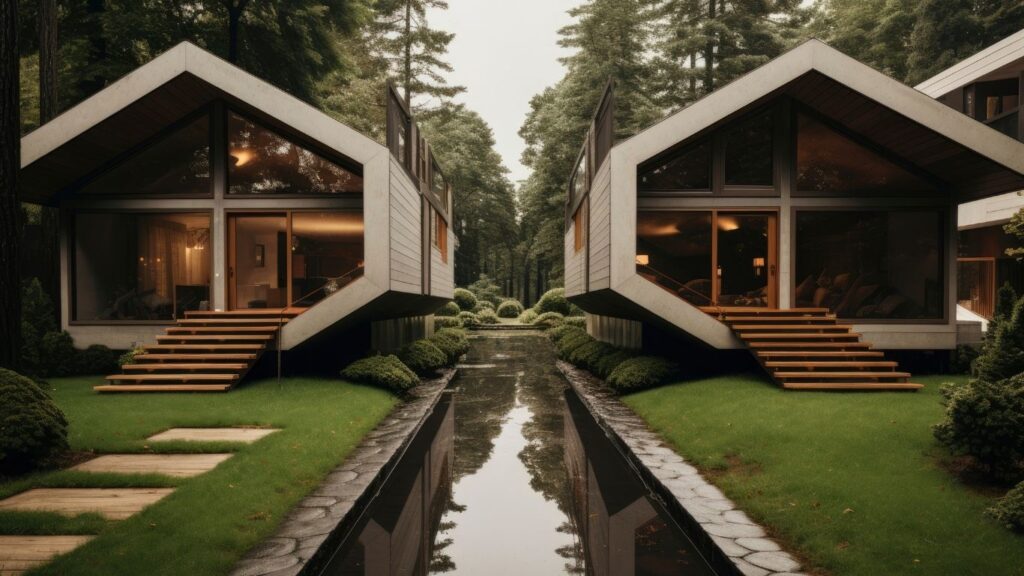
Benefits of Real Estate Wellness
The advantages here go well beyond good aesthetics or a passing trend. Wellness-focused properties deliver real, tangible benefits to the people living in them and to the communities built around them. Here are some of the core reasons why this sector is attracting serious attention from buyers and investors alike.
- Improved Physical Health: Wellness real estate emphasizes non-toxic building materials, water purification, and proper air ventilation, directly impacting physical health. Enhanced air quality reduces respiratory issues, while filtered water systems protect residents from contaminants. Together, these elements create an environment conducive to better health.
- Enhanced Mental Well-Being: Design choices in wellness real estate support mental wellness through natural lighting, noise reduction, and biophilic elements. Natural lighting is known to improve mood and reduce stress, while green spaces and quiet areas provide a retreat from the stresses of daily life.
- Environmental Sustainability: Wellness real estate often includes eco-friendly materials and energy-efficient systems, aligning with environmental sustainability goals. By reducing waste and energy consumption, wellness properties offer an environmentally conscious choice that benefits the planet.
- Increased Property Value: Properties with wellness features tend to command higher prices and quicker sales. Many buyers are willing to pay a premium for wellness-certified homes, reflecting the growing demand for healthier living spaces. Real estate agents report that homes with wellness features, such as saltwater pools or proximity to parks, often sell faster than standard homes.
- Community Connection: A critical component of wellness real estate is fostering community engagement. Wellness properties often feature shared spaces like gardens, exercise areas, and event spaces where residents can build social ties. This sense of community is linked to lower levels of loneliness and greater life satisfaction, showing that wellness real estate impacts more than just individual health—it supports communal well-being.
Real Estate Wellness Market Statistics
The wellness real estate market has seen extraordinary growth, and the numbers point to that momentum carrying through 2026 and well beyond. The figures coming out of this sector tell a compelling story about where smart money is heading. Forbes Business Council has flagged wellness-oriented developments as one of the standout real estate categories for investors paying attention to long-term demand shifts.
- Market Size Growth: As of 2023, the global wellness real estate market was valued at approximately $438 billion. Analysts predict that the market will grow to nearly $913 billion by 2028, achieving an impressive compound annual growth rate (CAGR) of 15.8%. This rapid growth underscores the expanding appeal of wellness-centered properties and the increasing demand for healthier living environments.
- Increasing Popularity in Residential Real Estate: Residential wellness real estate has surged in popularity, fueled partly by the pandemic. In recent years, this segment has outpaced traditional residential growth, with residential wellness developments including features like filtered air and water systems, fitness spaces, and enhanced green spaces to support health-conscious lifestyles.
- Commercial Sector Expansion: Wellness real estate isn’t limited to residential properties. The commercial segment, particularly in office and hospitality, has embraced wellness elements, integrating features like enhanced air quality, ergonomic furniture, and stress-reducing biophilic designs. In fact, wellness-focused offices have been shown to increase employee productivity and reduce absenteeism, making them an attractive option for employers.
COVID-19 Impact on Wellness Real Estate
The pandemic didn’t create the wellness real estate trend, but it absolutely accelerated it. When lockdowns forced people to spend months inside their homes, the relationship between your living environment and your health became impossible to ignore. Suddenly, the quality of your air, your access to natural light, and the layout of your workspace weren’t abstract concepts. They were daily realities. That wake-up call sent demand surging for homes and offices built with physical and mental wellness in mind, and that demand has never fully retreated.
How COVID-19 Reshaped the Market
- Greater Demand for Health-Enhancing Features: During the pandemic, homes with wellness features—such as air and water filtration systems, natural lighting, and noise reduction—became highly desirable. The pandemic heightened awareness of indoor air quality and its effects on health, increasing the demand for features that reduce contaminants and promote better indoor environments.
- Rise in Wellness Certifications: Wellness certifications, like WELL and Fitwel, saw a sharp increase in uptake as developers and owners sought to verify their buildings met health-focused standards. In 2023, the number of WELL and Fitwel certified projects surpassed 3,300 globally, with over half located in the U.S. These certifications enhance a property’s appeal to wellness-conscious buyers and renters.
- Shift to Home as a Wellness Investment: With more time spent at home, people started viewing their homes as an investment in health. The demand for wellness real estate features has transformed from luxury to an expectation, with buyers seeking homes that support holistic well-being.
Best Countries for Real Estate Wellness
Wellness real estate is a global story, but some countries are clearly out ahead. These nations are setting the standard through ambitious wellness-focused developments, serious green initiatives, and a growing cultural emphasis on holistic well-being. If you’re thinking about where to plant your next investment, here’s a look at the countries leading the charge in 2026. For a broader view of where international buyers are focusing, this breakdown of popular international property investment locations is worth your time.
- United States: The United States holds the largest share of the wellness real estate market, accounting for approximately 41% of global market value. With wellness communities spanning from luxury residences to affordable housing, the U.S. is pushing wellness real estate forward by catering to diverse demographics. Wellness-certified properties are increasingly common, with high demand for WELL and Fitwel certifications that verify air quality, water filtration, and biophilic designs.
- China: China is emerging as a key player in wellness real estate, driven by a shift toward healthier living amidst urban pollution concerns. New urban developments focus on green spaces, eco-friendly materials, and wellness features like air purifiers and natural lighting. China’s wellness real estate projects continue to attract local buyers and international investors alike, with wellness amenities now seen as essential in premium real estate.
- Australia: Known for its active lifestyle and outdoor culture, Australia has embraced wellness real estate. Many Australian cities are incorporating wellness features like walking trails, community gardens, and fitness spaces. As Australia expands its wellness real estate sector, its cities have become models for integrating environmental sustainability with wellness-focused living spaces.
- United Kingdom: The wellness real estate market in the U.K. is growing rapidly, with a focus on air quality, eco-friendly materials, and energy efficiency. High-density urban areas are investing in green building standards and wellness certifications. London, in particular, has seen a rise in wellness-focused offices, which offer improved air quality, stress-reducing designs, and spaces for physical activity.
- France: France is taking strides in wellness real estate with a strong emphasis on biophilic design and sustainable living. Wellness communities in France often feature abundant green spaces, communal areas, and environmentally friendly materials. French cities are also seeing a surge in wellness-conscious developments, from office spaces to multi-family housing, aligning with the country’s environmental goals.
Latest Trends in the Real Estate Wellness Market
As the wellness real estate market expands, a new wave of trends is actively shaping what these properties look and feel like. From the way they’re designed to the technology embedded in them, these shifts are defining what buyers will expect as a baseline in 2026. Robb Report has been tracking how luxury developers are racing to integrate these features before the competition catches up.
- Biophilic Design and Natural Elements: Biophilic design, which incorporates natural elements like plants, water features, and sunlight, is gaining traction in wellness real estate. Biophilic elements help reduce stress, enhance focus, and improve air quality. This trend extends beyond residential spaces, with commercial properties also integrating greenery and nature-inspired designs to promote a calming atmosphere.
- Community-Centric Developments: Wellness real estate increasingly emphasizes community-oriented spaces. Developers are building shared spaces that promote social interaction, like communal gardens, fitness centers, and co-working areas. These spaces foster connections among residents, combating loneliness and promoting a sense of belonging, which are integral to holistic wellness.
- Advanced Air and Water Filtration Systems: The demand for purified indoor environments has soared, especially post-pandemic. Properties with advanced air filtration, such as HEPA filters and UV purification, are highly sought after, as are water filtration systems that ensure safe drinking water. These features are now considered essential in wellness real estate, contributing to improved respiratory and overall health.
- Technology Integration for Health Monitoring: Smart home technology now plays a significant role in wellness real estate. Properties are being equipped with sensors that monitor air quality, humidity levels, and even occupants’ sleep quality. This integration of technology allows residents to customize their living spaces based on health data, enabling a more personalized approach to wellness.
- Eco-Friendly and Sustainable Building Materials: Wellness real estate aligns closely with environmental sustainability. Developers are increasingly using recycled, non-toxic, and locally sourced materials that minimize environmental impact. Buildings with eco-friendly materials not only reduce waste but also appeal to buyers seeking green, wellness-focused properties.
- Incorporation of Fitness and Wellness Amenities: Wellness real estate developments now frequently include amenities such as yoga studios, fitness trails, meditation rooms, and cold plunge pools. These facilities encourage an active lifestyle and provide residents with on-site options for physical and mental wellness. Some high-end developments even feature wellness spas and holistic health services.
- Focus on Mental Wellness Spaces: As mental wellness becomes a central focus in health, wellness real estate properties are adapting by incorporating quiet zones, meditation spaces, and sensory gardens. These spaces offer a reprieve from the demands of daily life and help reduce stress levels. This trend reflects a growing recognition that mental wellness is just as important as physical health.

Tips for Investing in Wellness Real Estate in 2026
Wellness real estate is moving from a niche category to a mainstream force, and the investors who move early tend to capture the best positions. If you’re ready to put capital to work in this space, here are some expert-backed tips to guide your approach in 2026. And if you want a sense of how one high-growth urban market is evolving alongside these wellness trends, the Dubai real estate market outlook offers a useful reference point. For macro context on where real estate fits within a broader portfolio, the Financial Times covers shifting allocations among institutional investors in depth.
- Research Wellness Certifications: Properties with wellness certifications, such as WELL or Fitwel, are more attractive to health-conscious buyers and can command higher prices. These certifications indicate that the property meets strict wellness standards for air quality, water filtration, lighting, and more. Investing in certified properties can improve both marketability and property value over time.
- Consider the Local Demand for Wellness Amenities: Before investing in wellness real estate, research local demand for wellness features. Some markets may prioritize specific features, like eco-friendly materials or access to nature. Understanding local preferences will help you invest in properties that appeal to the target demographic, whether it’s families, professionals, or retirees.
- Focus on Sustainability: Properties that incorporate sustainable materials and energy-efficient designs are more likely to retain value as environmental awareness grows. Buildings that meet or exceed sustainability standards attract eco-conscious buyers and can command a premium. Additionally, sustainable properties may have lower operational costs, enhancing their long-term profitability.
- Emphasize Community and Social Spaces: Wellness real estate values community and social interaction. Properties with shared spaces, like communal kitchens, gardens, and lounges, offer added value for residents seeking connection and a sense of belonging. Investing in developments with community-centric designs can enhance a property’s appeal and contribute to higher occupancy rates.
- Monitor Technological Advancements in Wellness Real Estate: Wellness real estate is increasingly integrated with smart home technologies that monitor indoor health metrics, optimize energy use, and improve security. Staying updated on the latest technology trends, such as air quality sensors or sleep-monitoring systems, can help you invest in properties with modern amenities that appeal to tech-savvy, health-conscious buyers.
- Understand Market Trends and Growth Projections: Wellness real estate has shown high growth rates, especially in urban centers and areas with eco-friendly policies. Familiarize yourself with growth projections and market trends to identify the best regions for investment. Areas with rising demand for wellness communities or high growth in wellness-certified buildings offer promising investment opportunities.
- Invest in Properties Near Nature or Recreational Areas: Access to nature has become a significant factor in wellness real estate. Properties located near parks, trails, or water bodies are highly desirable and tend to retain their value. Proximity to nature supports mental well-being, offers recreational options, and provides an attractive feature for residents prioritizing a wellness-focused lifestyle.
FAQ
What is the outlook for the wellness market?
The wellness market is experiencing robust growth, with projections indicating a significant expansion in the coming years. In 2022, the global wellness economy reached a record $5.6 trillion, marking a 12% annual growth since 2020. This momentum is expected to continue, with forecasts predicting the market will grow another 52% to reach $8.5 trillion by 2027.
How big is the wellbeing market?
The global wellness market is a massive industry, valued at over $5.6 trillion in 2023.