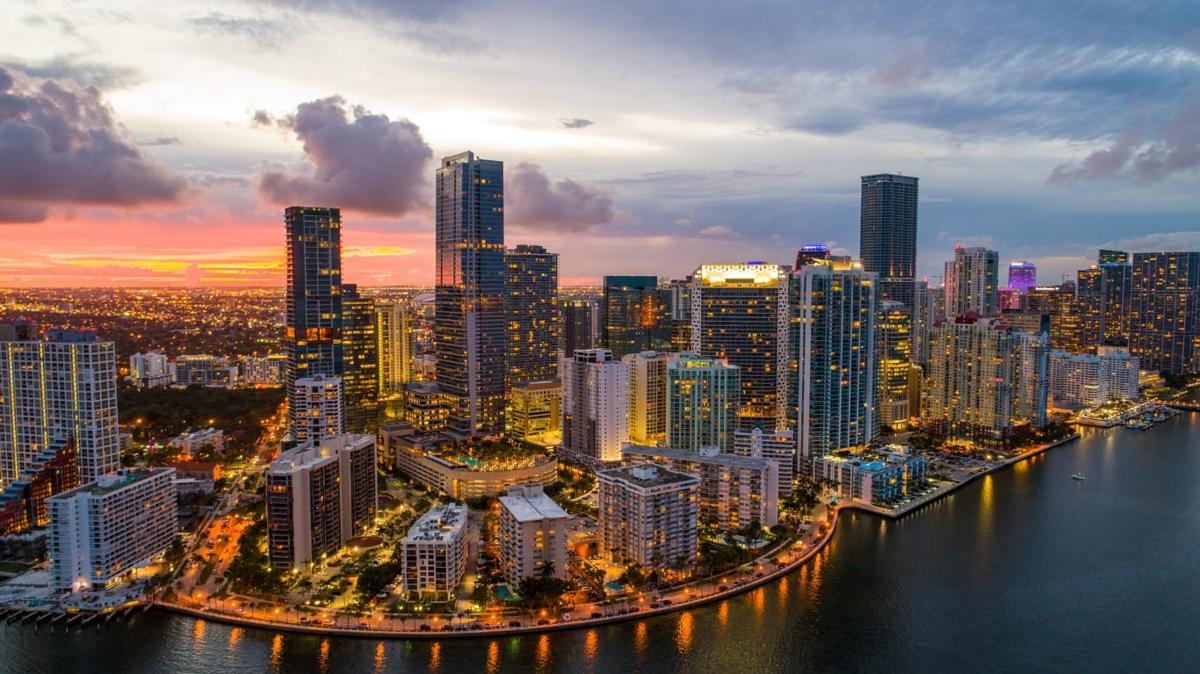

The most profitable real estate investment locations are no longer just the usual coastal suspects. Cities like Cincinnati, Orlando, Boise, Houston, Las Vegas, and Raleigh-Durham are pulling serious investor attention right now, and for good reason. Strong job growth, genuine affordability, and fast-growing populations are making these markets hard to ignore. Boise has delivered eye-catching appreciation numbers and a job market that keeps expanding. Houston gives you affordable entry points backed by relentless population growth. And if you’re watching Las Vegas or Raleigh-Durham, both offer the kind of robust employment base and demographic momentum that serious real estate investors look for when building long-term positions.
Article Summary
The best investment properties in prime locations aren’t always where you’d expect to find them. Move beyond the coasts and you’ll discover that cities like Cincinnati, Orlando, Boise, Houston, Las Vegas, and Raleigh-Durham are quietly becoming some of the strongest markets in the country. They share a common thread: strong job growth, genuine affordability, and populations that keep climbing. Boise has posted remarkable appreciation numbers while its job market keeps expanding. Houston offers an accessible entry point with powerful demographic tailwinds. Las Vegas and Raleigh-Durham round out the picture with thriving employment bases and the kind of sustained demand that rewards patient investors. If you’re thinking about buying property in the US, these are the markets worth studying first.
How To Choose the Best Places To Invest In Real Estate
Start with the fundamentals. Before you commit a dollar to any market, you want to understand the economic engine driving it. Look for areas with strong job growth, low unemployment, and a diversified economy. These are the signals that tell you housing demand isn’t going to evaporate overnight. And pay close attention to population trends. When people are actively choosing to move somewhere, property values tend to follow.
Next, dig into the local market’s track record. Past property values, rental price trends, and historical data tell you whether a market has real staying power or just a moment in the spotlight. Platforms like Zillow and Realtor.com are solid starting points for understanding where a market has been and where it’s heading.
Think carefully about who your tenant actually is. Target areas with high rental occupancy, particularly in urban centers, job hubs, or college towns. The generational shift is real too. Millennials and Gen Z are renting longer than any previous generation, which means sustained demand in the right markets isn’t going anywhere soon.
Look at what’s coming, not just what’s here. Planned infrastructure projects and major business expansions can transform a neighborhood’s investment profile almost overnight, giving you access to investment properties in genuinely prime locations before the crowd arrives. And don’t overlook government incentives. Tax benefits tied to Opportunity Zones, for example, can meaningfully shift the economics of certain investments in your favor.
Key Factors in Choosing a Rental Property Location
Getting the location right is the single most important decision you’ll make as a rental property investor. Everything else, your financing, your property manager, your renovation budget, flows from that one call. Focus on three things above all others: market stability, tenant demand, and growth potential.
Market Stability
- Economic Indicators: Look for areas with strong economic fundamentals, including low unemployment rates, steady job growth, and a diverse economy. Cities like Austin, Texas, and Raleigh, North Carolina, are examples of stable markets driven by robust technology, healthcare, and education sectors.
- Population Growth: Consistent population increases signal a stable housing demand. Regions experiencing growth due to job opportunities and quality of life, as reported by the U.S. Census Bureau, often provide a reliable rental market.
- Historical Data: Utilize platforms like Zillow and Realtor.com to analyze historical property values, rental prices, and market trends, helping to assess long-term stability.
Tenant Demand
- Urban Centers and Job Hubs: High demand areas often include major cities and employment centers like New York City and San Francisco, which attract a steady influx of renters due to abundant job opportunities.
- College Towns: College towns such as Boulder, Colorado, and Ann Arbor, Michigan, offer stable rental demand due to the constant flow of students. The National Center for Education Statistics (NCES) highlights the reliability of these markets.
- Demographic Trends: Target demographics, particularly Millennials and Gen Z, show a preference for renting. These groups, driven by lifestyle flexibility and financial considerations, are expected to maintain strong rental demand, according to research from the Urban Institute.
Growth Potential
- Infrastructure Developments: Areas with planned or ongoing infrastructure projects, such as new public transportation or tech hubs, often experience significant property value increases. These developments can transform a neighborhood’s appeal.
- Business Expansion: The arrival of major corporations can lead to rapid property value appreciation. Cities like Seattle and Nashville have benefited from companies like Amazon and Oracle expanding their operations, driving up housing demand.
- Government Initiatives: Government programs, such as Opportunity Zones created under the Tax Cuts and Jobs Act of 2017, provide tax incentives that can spur real estate development and economic revitalization in designated areas.

Boise, Idaho
Boise, Idaho, has a lot going for it. The scenery is hard to beat, and underneath that postcard exterior sits a dynamic economy that has been rewarding real estate investors for years. You get a rare combination here: meaningful property appreciation, a job market that keeps expanding, homes that are still relatively affordable, and a population that won’t stop growing. That mix creates fertile ground for both residential and commercial investment, and it’s why Boise consistently shows up on lists of the best places to find investment properties in prime locations.
Market Data
Real Estate Appreciation
The numbers behind Boise’s appreciation story are genuinely impressive. Over the past decade, home values in Boise climbed 217.86%, working out to an average annual gain of 12.26%. That puts the city firmly in the top 10% of markets nationwide. The pace did ease off to 7.62% over the past year, but the most recent quarter showed a 3.87% uptick, which annualizes to 16.41%. Worth noting: compared to other Idaho cities and towns, Boise’s appreciation rate sits below 80% of them, meaning some surrounding areas are actually moving faster. That’s not a red flag. It simply means you should research individual neighborhoods carefully, because the opportunity can vary quite a bit across different parts of the city.
Strong Job Market
Boise’s economy is in genuinely good shape. Technology, healthcare, and education are the pillars driving it forward, and the presence of major employers in these sectors keeps drawing new residents in. More residents means more demand for housing, and more demand pushes property values higher. Micron Technology is a prime example. The company has been steadily growing its Boise workforce, and that kind of corporate commitment to a city signals long-term economic stability that real estate investors can build around.
Affordable Housing
Stack Boise up against larger U.S. metros and the affordability advantage becomes clear. The median listing home price sat at $550,000 as of August 2024, with a price per square foot of $311. Those numbers are climbing, but they still look accessible compared to the coastal giants. For you as an investor, that affordability translates into realistic entry points, the potential for steady rental income, and room for capital appreciation as housing demand keeps building.
Growing Population
People keep choosing Boise, and the reasons aren’t hard to understand. High quality of life, outdoor recreation practically on your doorstep, and a cost of living that still makes sense. U.S. Census data confirms the city has grown consistently over the past decade, and that trajectory shows no signs of reversing. For you as an investor, sustained population growth is one of the clearest signals that housing demand will hold, which supports both property values and rental rates over time.
Stable Real Estate Market
Stability is one of Boise’s most underrated qualities. The market carries a low foreclosure rate and has delivered consistent home price appreciation, two things that reduce the sleepless nights that come with more volatile markets. As of August 2024, the market was classified as balanced, meaning supply and demand are roughly in equilibrium. Homes were typically selling after 40 days on the market, and that figure had been trending down, a sign of genuine buyer interest. The sales-to-listings ratio falls between 0.12 and 0.2, reinforcing the market’s steady footing. For investors who want predictability alongside growth, Boise delivers both.
Best Neighborhoods in Boise
| Neighborhood Name | Avg. Home Price |
|---|---|
| Harrison Blvd | $938,898 |
| North End | $701,694 |
| Somerset | $818,239 |
| Highlands | $934,278 |
| Boise Heights | $1,369,405 |
| Sunset | $514,367 |
| Stewart Gulch | $1,218,558 |
| Veterans Park | $477,680 |
| Downtown | $514,285 |

Houston, Texas
Houston, Texas, is cementing its reputation as a powerhouse for both commercial and residential real estate investment. The city brings together affordable homes, strong demographic growth, a business-friendly tax environment, and access to investment properties in genuinely prime locations. That combination is hard to replicate, and it’s exactly what makes Houston a standout choice for investors building diversified real estate portfolios.
Houston’s real estate market has earned serious national recognition, and it’s not hard to see why. Affordable housing, a surging population, and compelling tax advantages have positioned this city as a must-have in serious real estate portfolios. The breadth of the market means you can find value across a wide range of property types and price points.
Affordable Housing
Houston punches well above its weight when it comes to affordability. The city’s median home value stood at $360,000 as of July 2024, up 2.9% year over year.
That price point sits comfortably below the national average, which matters whether you’re a family looking for a stable home base or an investor hunting for a sensible entry into the residential market.
The median monthly rent in Houston sat at $1,573 in 2024, roughly 20% below the U.S. average of $1,973. That gap makes renting the more practical choice for many residents, which is reflected in the fact that 57% of Houston households are renter-occupied. For you as a landlord, that’s a deep and reliable pool of tenants.
Growing Population
Houston’s population has grown by 21.18% over the past ten years. The city is bigger, more diverse, and more economically dynamic than ever. That expansion feeds directly into rising demand for both residential and commercial real estate investment, and with over a million newcomers joining the metro area, the growth story shows no sign of stalling.
Tax Benefits
Houston’s business-friendly tax environment adds another layer of appeal. The city’s fiscal policies are designed to support investment activity, and that philosophy runs through everything from property taxes to the ease of doing business.
The result is a city that actively attracts both residential and commercial property investment. The convergence of growth and tax advantages creates a genuine multiplier effect, opening doors for local investors and international capital alike.
Put it all together and Houston makes a compelling case. Affordability, population momentum, and tax efficiency working in concert means this isn’t just a viable market for today. It’s a market built for sustained strength, and that’s exactly why Houston deserves a place in any serious real estate investment strategy.
Best Neighborhoods in Houston
| Neighborhood Name | Avg. Home Price |
|---|---|
| Greater Heights | $612,163 |
| Independence Heights | $264,054 |
| Northside Village | $293,221 |
| Lazy Brook – Timbergrove | $560,202 |
| Washington Avenue Coalition – Memorial Park | $525,384 |
| Northside-Northline | $211,044 |
| Fourth Ward | $393,077 |
| Oak Forest – Garden Oaks | $460,860 |
| Downtown | $386,591 |

Las Vegas, Nevada
Las Vegas has always had a flair for reinvention. Long celebrated for its entertainment scene, luxury casinos, and world-class dining, the city has also become a legitimate real estate investment destination. It took a hard hit during the Great Recession, but the rebound has been remarkable. During the pandemic years, the Las Vegas housing market ranked among the hottest in the nation. For investors willing to look past the neon, the city offers a compelling set of fundamentals worth taking seriously.
High Rental Demand
A growing job market and an expanding population have combined to create strong, sustained demand for rental properties across Las Vegas. The steady flow of new residents, drawn by employment opportunities and a lower cost of living than most major West Coast cities, keeps occupancy rates healthy and rental income reliable. As of August 2024, the rental market was holding firm, with investors benefiting from high occupancy and upward pressure on rental prices.
Affordable Housing
Compared to other major U.S. cities, Las Vegas still offers relatively accessible entry points for real estate investors. The median listing home price in Las Vegas was $465,000 in August 2024, with a median price per square foot of $268.
That affordability matters. You can enter this market at a lower cost basis than many comparable cities, and with property values continuing to rise on the back of population growth and demand, the upside potential is real.
Growing Population
Las Vegas is one of the fastest-growing cities in the country. That population growth feeds directly into housing demand, pushing real estate values upward and giving investors a stable, appreciating market to work with. As more people arrive in Las Vegas chasing economic opportunity and a quality of life that increasingly rivals larger metros, demand for both owner-occupied and rental housing is expected to stay strong. That trajectory makes it hard to overlook as a long-term investment destination.
Strong Job Market
The Las Vegas economy is more diversified than most people realize. Yes, tourism and gaming built the city, but construction, technology, and healthcare have all grown into meaningful pillars of the local economy. That diversification has strengthened the job market and brought unemployment rates down to competitive levels. The broader Las Vegas Valley, which encompasses the city and its surrounding areas, functions as the financial, commercial, and cultural hub of Nevada, and that regional role only adds to its pull for investors.
Investment in Infrastructure
Las Vegas is in the middle of a serious infrastructure build-out. New transportation projects, business parks, and residential developments are reshaping parts of the city and attracting both businesses and residents who might previously have looked elsewhere. For investors, ongoing infrastructure investment is a reliable signal of long-term growth potential. Better accessibility and improved amenities tend to lift property values in surrounding areas, often ahead of schedule.
Thriving Tourist Industry
Few cities in the world attract visitors at the scale Las Vegas does. That relentless tourist traffic is a meaningful economic driver, and for real estate investors it creates a reliable stream of short-term rental income. Properties near major attractions or the Strip can command premium nightly rates, making them among the most lucrative short-term rental plays in the country.
Tax Benefits
Nevada’s tax-friendly environment sweetens the deal further. With no state income tax, more of your returns stay in your pocket. The city’s average rental yield sits around 5.2%, and a foreclosure rate of just 1 in every 10,000 units speaks to the market’s underlying stability. Those numbers give investors a foundation of confidence that the growth story here is sustainable.
Las Vegas manages to combine the glamour of the Strip with the substance of a growing, diversifying economy. The market signals point in the same direction, and for investors who get in front of that momentum, the long-term outlook looks strong.
Best Neighborhoods in Las Vegas
| Neighborhood Name | Avg. Home Price |
|---|---|
| Sun City Summerlin | $457,474 |
| Lone Mountain | $447,712 |
| Desert Shores | $466,878 |
| Summerlin North | $615,101 |
| Queensridge | $997,936 |
| Pioneer Park | $340,207 |
| Angel Park Lindell | $369,317 |
| Centennial Hills | $451,034 |
| The Lakes | $490,678 |

Seattle, Washington
Seattle’s real estate market has become one of the more compelling investment stories in the country. A booming tech sector, a population that keeps growing, and a housing supply that can’t keep pace with demand have created a dynamic environment where opportunities for real estate investors are real and ongoing. Understanding how slower construction affects U.S. real estate prices gives you important context for exactly why markets like Seattle reward early positioning.
Strong Job Market
Seattle is home to some of the most influential companies on earth. Amazon, Microsoft, and Boeing anchor the economy, and they’re joined by a fast-growing tech ecosystem that includes Google, Facebook, and a wave of startups like Rover and Outreach. The diversity of that job base spans technology, healthcare, and aerospace, pulling in top talent from around the world. Those high earners need somewhere to live, and their arrival drives up both property values and rental rates across the city.
According to the U.S. Bureau of Labor Statistics, Seattle’s unemployment rate was 3.3% in March 2024, well below the national average. That tight labor market keeps drawing new residents, and new residents keep pushing demand for real estate higher.
Growing Population
Seattle’s population has been on a consistent upward trajectory, growing by nearly 23% between 2010 and 2020, one of the strongest rates among major U.S. cities. The Puget Sound Regional Council projects a further 16% growth by 2040, pushing the metro population past 4.3 million. When you’re looking for markets where demand for housing is going to stay elevated for decades, this kind of demographic momentum is exactly what you want to see.
Limited Housing Supply
Here’s the thing about Seattle: the demand side of the equation has grown much faster than the supply side. Zoning restrictions, geographic constraints hemmed in by water and mountains on multiple sides, and high construction costs have created a structural housing shortage. That shortage, combined with relentless demand, has pushed home prices and rental rates sharply higher. The Seattle City Council has been working to address the gap, but supply relief has been slow to arrive, which keeps benefiting existing property owners and investors.
High-Quality Education
Seattle punches well above its weight in education. The University of Washington consistently ranks among the top public universities in the country, and its presence creates a steady, reliable demand for housing in surrounding neighborhoods. Students, faculty, and research staff all need places to live, and that dynamic makes the areas around these institutions a strong target for investors seeking investment properties in prime locations with built-in tenant demand.
Attractive Location
Seattle’s geography is genuinely extraordinary. Wedged between Puget Sound and the Cascade Mountains, the city offers access to outdoor activities that most major metros can only dream of. Layer on top of that a vibrant arts scene, exceptional restaurants, and a diverse range of entertainment options, and you have a city that people actively want to live in. That desirability is a powerful driver of sustained housing demand.
Stable Market
The cost of living is high, there’s no hiding from that. But Seattle’s real estate market has consistently demonstrated resilience in the face of it. The median listing home price reached $799,000 in August 2024, trending down 2.5% year over year, which actually creates a window of opportunity for investors who have been waiting for a better entry point.
The market still favors sellers, with homes typically selling after just 40 days on the market. The sales-to-listings ratio supports that read, indicating more buyers than available homes and a competitive environment that keeps values supported.
The median listing price per square foot was $580, with a median sold price of $711,000. Homes move quickly here, often within a month of listing. Prices vary widely by neighborhood. High-end areas like Capitol Hill and Queen Anne command a premium, but if you’re willing to look at emerging neighborhoods, more accessible entry points still exist for the patient investor.
Best Neighborhoods in Seattle
| Neighborhood Name | Avg. Home Price |
|---|---|
| Belltown | $545,160 |
| Lower Queen Anne | $562,399 |
| Denny Triangle | $745,136 |
| South Lake Union | $533,847 |
| East Queen Anne | $1,074,040 |
| Downtown | $748,907 |
| Waterfront | $715,814 |
| West Queen Anne | $1,169,075 |
| Westlake | $665,994 |

Denver, Colorado
Denver, Colorado, has become one of the more attractive cities in the country for real estate investment. A strong and diversified economy, a population that keeps growing, and a quality of life that draws people from across the U.S. have combined to build a market that rewards long-term investors. Here is a closer look at why Denver stands out as a compelling market right now.
Strong Economy
Denver’s economy is both diverse and resilient. Healthcare, education, technology, and aerospace are the anchors, and that mix has kept unemployment consistently low. As of August 2024, Denver’s unemployment rate sat at 4.2%, well below the national average. The median household income in Denver runs around $85,853, which supports strong purchasing power across the market. Add in major employers like Lockheed Martin, Comcast, and Centura Health, and you have a foundation of job stability that keeps housing demand firm.
Growing Population
Denver’s population has jumped 21% since 2010, and the growth engine isn’t running out of fuel. The city keeps attracting a young, educated workforce drawn by career opportunities, outdoor recreation, and a cultural scene that rivals much larger metros. By 2030, Denver’s population is projected to surpass 800,000, up from roughly 735,000 in 2020. That sustained influx of new residents creates durable demand for housing, which is exactly the environment where real estate investors can generate consistent returns.
Booming Real Estate Market
Denver’s property values have climbed sharply over recent years. As of August 2024, the median listing home price sat at $585,000, with a median price per square foot of $386.
There was a 5.6% year-over-year decline worth noting, but the broader picture stays competitive. Homes were typically selling within 48 days, and the seller’s market classification tells you demand is still outpacing available supply. For investors, that supply-demand imbalance keeps a floor under values.
Proximity to Outdoor Recreation
Denver’s position at the base of the Rocky Mountains is one of its most underrated investment assets. World-class skiing, hiking, and camping are within easy reach, and that access to nature is a genuine magnet for residents and tourists alike. The city’s identity as a gateway to the Rockies enhances its desirability as a place to live and work, which feeds directly back into sustained housing demand. For real estate investors, that means buying into a lifestyle proposition that doesn’t fade.
Cultural and Entertainment Scene
Denver has quietly built one of the more vibrant cultural scenes in the American West. Museums, galleries, and music venues line the city, and signature events like the Denver Film Festival and the Great American Beer Festival draw national attention. The craft brewery scene in particular has become a genuine point of civic pride. All of this enriches residents’ quality of life and keeps new arrivals choosing Denver over other options, which keeps fueling housing demand.
Top-Tier Education
The University of Denver and the University of Colorado Denver anchor a thriving higher education ecosystem in the city. Both attract students from across the country, and that steady flow of students and academics creates consistent demand for rental properties near campus. For investors focused on reliable income rather than just appreciation, these pockets of the market offer some of the most predictable cash flow you’ll find.
Access to Major Cities
Denver sits at the heart of the Front Range Urban Corridor, putting Boulder, Fort Collins, and Colorado Springs all within easy reach. That connectivity expands the city’s effective labor market and makes it a practical base for professionals working across the region. The ability to commute easily to neighboring urban centers adds a layer of demand that purely isolated markets simply don’t have, reinforcing Denver’s position as a regional real estate anchor.
Best Neighborhoods in Denver
| Neighborhood Name | Avg. Home Price |
|---|---|
| Central Park | $806,135 |
| North Aurora | $422,684 |
| Morris Heights | $446,323 |
| East Colfax | $452,510 |
| Fitzsimons | $455,590 |
| Delmar Parkway | $395,048 |
| Montbello | $449,872 |
| North Park Hill | $672,665 |
| Northeast Park Hill | $495,943 |

Raleigh-Durham, North Carolina
Raleigh-Durham is earning serious attention from real estate investors, and the fundamentals behind that interest are solid. A robust job market, a population that keeps expanding, and real estate prices that still look reasonable compared to coastal alternatives make this region, often called the Research Triangle, one of the more compelling markets in the Southeast right now.
Strong Job Market and Economic Stability
The job market here is among the strongest in the nation. IBM, Cisco Systems, and North Carolina State University anchor a diverse, high-quality employment base spanning technology, education, and healthcare. Raleigh’s unemployment rate has stayed consistently low, reflecting real economic resilience. That stability matters enormously for real estate investors, because a reliable job market means a reliable pool of renters and buyers.
Raleigh-Durham also benefits from its position as a genuine innovation hub. Research Triangle Park, sitting between Raleigh, Durham, and Chapel Hill, is one of the largest research parks in the world. It draws top-tier talent and fosters a thriving business ecosystem that keeps attracting high-tech companies and research institutions. The result is persistent demand for housing, particularly from young professionals who want to put down roots in a community that offers real career momentum.
Population Growth and Housing Demand
The region’s population has climbed 22% since 2010, and the trajectory points upward from here. High quality of life, a cost of living that stays reasonable, and genuine job availability keep drawing new residents. Young professionals, families, and retirees are all arriving, each segment adding to a broad and durable base of housing demand.
That population growth isn’t just a statistic. It’s a direct driver of real estate market strength. As more people choose Raleigh-Durham, property values follow, and investors who position themselves ahead of that curve benefit from both appreciation and strong rental demand.
Affordable Real Estate Prices
The economics here make sense. The median home price in Raleigh sits around $515,000, with a price per square foot of $247, trending up 7.3% year over year, while the median sold price is $412,300.
Stack those numbers against comparable markets on the coasts and you’ll immediately understand why Raleigh-Durham captures investor attention. You’re getting a strong economy and a growing population at a fraction of the entry cost.
Affordability combined with a stable job base and demographic momentum creates a genuinely favorable environment for real estate investment. The lower cost of entry compared to markets like New York or San Francisco means you can acquire properties with real potential for both solid rental income and meaningful appreciation over time.
Educational and Cultural Appeal
North Carolina State University, Duke University, and the University of North Carolina at Chapel Hill form one of the most impressive concentrations of academic talent in the country. These institutions draw students from across the nation and around the world, generating persistent demand for student housing and cultivating a pool of highly educated renters and buyers. Their presence also reinforces the region’s reputation as a center of innovation and research, which feeds back into the economic growth story.
Beyond the universities, Raleigh-Durham has built a genuinely rich cultural scene. Museums, galleries, music venues, and annual festivals give residents real reasons to stay and new arrivals real reasons to come. The restaurant and brewery scene has taken off, with a growing roster of top-rated spots that rival cities twice the size. That quality of life is a meaningful driver of housing demand, and it’s something that doesn’t disappear when market cycles turn.
Outdoor Recreation and Quality of Life
Green spaces, parks, and lakes are woven into the fabric of daily life in Raleigh-Durham. Hiking, biking, and boating are accessible without long drives, which makes the region particularly attractive to young professionals and families who want the benefits of urban living without sacrificing access to nature. That balance is increasingly rare and increasingly valuable in the eyes of the people choosing where to plant their next chapter.
Growing Tech Industry
The tech sector in Raleigh-Durham is on a strong growth curve. Startups and established companies alike are setting up operations here, drawn by the talent pipeline flowing out of the Triangle’s universities and the region’s overall quality of life. That expansion creates concentrated demand for housing among tech professionals, and the continued buildout of the sector points toward Raleigh-Durham staying a hotspot for both job growth and real estate demand in the years ahead.
Best Neighborhoods in Raleigh-Durham
| Neighborhood Name | Avg. Home Price |
|---|---|
| Five Points | $801,629 |
| Mordecai | $700,686 |
| Glenwood | $1,210,401 |
| North Central | $528,619 |
| Six Forks | $756,776 |
| Wade | $866,372 |
| Hillsborough | $488,907 |
| Falls of Neuse | $610,982 |
| East Raleigh | $419,880 |

Austin, Texas
Austin, Texas, stands out as a prime real estate investment location. It may not be the largest city in the state, but it has emerged as one of the most dynamic real estate markets in the country, driven by a booming economy, explosive population growth, and a tech industry that keeps drawing major names. The city’s appeal to both residents and investors keeps compounding, and the opportunity set for those looking to capitalize on real estate here is genuinely broad.
Booming Economy
Austin’s economic growth has been remarkable, and technology is the engine behind most of it. Dell, IBM, and Apple have all planted significant operations in the city, bringing thousands of high-paying jobs with them. Apple’s $1 billion campus alone is expected to generate substantial employment, boosting the local economy well beyond its immediate footprint. That corporate investment attracts a skilled, well-compensated workforce, which translates directly into demand for housing and makes Austin an increasingly attractive market for real estate investors.
Rapid Population Growth
Austin is one of the fastest-growing cities in the U.S., expanding at roughly 2.5% per year. The combination of a strong job market, high quality of life, and a cultural scene that punches well above the city’s weight has been pulling people in from across the country. Austin’s population has now surpassed 1 million, and that growth is expected to keep going, providing real estate investors with a stable and expanding market for years to come.
Diverse Job Market
Tech gets most of the headlines, but Austin’s economy runs much deeper. Healthcare, education, government, and tourism all contribute meaningfully to the city’s employment base. That diversity acts as a buffer against sector-specific downturns. The healthcare sector in particular, anchored by the University of Texas and Dell Medical School, plays a growing role in the local economy and supports a broad base of residents who need housing close to major medical campuses.
Strong Real Estate Market
Austin’s rental market is holding up well, driven by the high cost of homeownership and a constant flow of young professionals and college students into the city. Around 55% of Austin residents are renters, creating a deep and reliable demand pool for landlords. That dynamic is especially strong near the University of Texas at Austin, which enrolls over 50,000 students. For investors focused on consistent rental income, Austin delivers the kind of tenant base that makes cash flow projections far more predictable.
As of August 2024, the median listing home price in Austin sat at $624,900, with a median price per square foot of $360 and a median sold home price of $588,100.
The market was leaning toward buyers in mid-2024, with homes averaging 62 days on the market. That slight softening gives you more options and more negotiating room than you would have had a couple of years earlier. But don’t mistake a slower pace for a weak market. Demand in popular neighborhoods stays strong, and the long-term supply constraints that have defined Austin’s housing story aren’t going away.
Cultural Hub
Austin’s reputation as the Live Music Capital of the World is more than a marketing tagline. South by Southwest alone brings a global audience to the city every year, and the broader arts, music, and food culture creates a steady tourism drumbeat that supports a lucrative short-term rental market. Properties in visitor-friendly neighborhoods can generate strong nightly rates, and the cultural appeal that drives that tourism also makes Austin a place people want to move to permanently, keeping long-term housing demand elevated.
Favorable Tax Environment
Texas has no state income tax. That single fact changes the math on real estate investment in a meaningful way. More of your rental income and capital gains stays in your pocket rather than going to the state. Property tax rates in Texas are also relatively modest compared to other high-growth states. For investors comparing markets across the country, that tax advantage tilts the numbers toward Austin in a way that’s hard to overlook.
Pro-Business Environment
Austin has cultivated a genuinely business-friendly culture. Low regulatory hurdles and strong institutional support for entrepreneurs and startups have made the city a magnet for innovation and new business formation. That energy benefits real estate investors too. Fewer bureaucratic obstacles mean faster deal execution, and a city that makes it easy to do business tends to attract the kind of growth that keeps property values moving in the right direction.
Strong Infrastructure
Austin-Bergstrom International Airport connects the city to major markets across the country and beyond, and an expanding public transit network is steadily improving mobility within the metro. The city’s $7 billion Project Connect initiative aims to transform public transit across the area, making Austin more accessible and more attractive to residents and businesses alike. Infrastructure investment of that scale is a strong signal for real estate investors. Better connectivity lifts values in surrounding neighborhoods, often before the construction crews have packed up.
High Quality of Life
Austin consistently earns top marks in quality of life rankings. A warm climate, easy access to parks and trails, and a cultural scene that keeps getting richer make it a place people genuinely want to live. That pull is one of the most powerful drivers of sustained housing demand, and it’s a quality that holds up across market cycles in a way that purely economic arguments sometimes don’t.

Charlotte, North Carolina
Charlotte, North Carolina, has built a strong case as one of the most attractive cities for real estate investment right now. A robust and diversifying economy, a quality of life that keeps drawing new residents, and property prices that still offer real value compared to other major metros make this city a standout in the Southeast. For investors building or expanding a rental property portfolio, Charlotte deserves a serious look.
Strong and Diversified Economy
Charlotte’s economic base is both deep and broad, which is exactly what you want when evaluating a real estate market. Bank of America, Lowe’s, and Duke Energy anchor the city’s status as a major financial hub, while a fast-growing tech sector featuring companies like Red Ventures and AvidXchange keeps diversifying the employment picture. That mix of established corporate giants and emerging tech players supports a stable, well-qualified pool of renters and buyers, reducing the kind of concentration risk that can make other single-industry markets feel precarious.
Rapid Population Growth
Charlotte is among the fastest-growing cities in the country. Since 2010, the population has grown by more than 15%, and projections suggest that momentum isn’t slowing down. Young professionals, families, and retirees are all arriving, drawn by a combination of economic opportunity and a quality of life that’s hard to match at Charlotte’s price point. That broad demographic appeal creates consistent demand across multiple housing segments, from starter rentals to premium properties, giving investors flexibility in how they approach the market. If you’re thinking about how different property types fit your strategy, exploring the different types of luxury property is worth your time.
Affordable Real Estate Prices
Charlotte’s growth story hasn’t priced out investors the way it has in some comparable cities. The median listing home price sat at $439,000 as of August 2024, trending up 2.1% year over year, with a median price per square foot of $252 and a median sold home price of $423,000.
Those numbers represent genuine value for a city with Charlotte’s economic profile and growth trajectory. Whether you’re a first-time investor or adding to an established portfolio, the affordability here allows you to build positions with real margin for appreciation.
Top-Ranked Educational Institutions
The University of North Carolina at Charlotte and Queens University give the city a strong academic anchor, attracting students and faculty who need housing close to campus. Top-performing public and private schools also make Charlotte a destination for families with children, a segment that tends to be stable, long-term tenants. Proximity to quality education is one of those features that sustains rental demand even when the broader market cools.
Revitalized Downtown Area
Charlotte’s downtown, known as Uptown, has undergone a real transformation. New businesses, restaurants, and cultural institutions have moved in, creating an urban core that feels genuinely alive. That revitalization has driven demand for both residential and commercial real estate, and properties in and around Uptown have seen values climb alongside the neighborhood’s rising profile. For investors who like to get in front of urban regeneration stories, Charlotte’s Uptown offers a well-developed version of that opportunity.
Strategic Location and Accessibility
Charlotte sits within driving distance of Atlanta and Washington, D.C., and Charlotte-Douglas International Airport is one of the busiest in the nation. That connectivity matters. It makes the city attractive to businesses that need access to major markets and to professionals who value the ability to travel without a long haul to the airport. Strong transport links support housing demand in a durable way, particularly among the corporate and professional class that Charlotte increasingly attracts.
High Quality of Life
Charlotte offers the kind of lifestyle package that keeps people once they arrive. A thriving arts and culture scene, top-rated healthcare, and outdoor amenities like Lake Norman and the U.S. National Whitewater Center give residents real reasons to stay. That quality of life is a genuine driver of housing demand, and it’s the kind of asset that tends to appreciate over time as the city’s reputation grows.

Phoenix, Arizona
Phoenix, Arizona, has established itself as one of the most compelling real estate markets in the country right now. Rapid growth, a strong and diversifying economy, and housing prices that stay accessible compared to West Coast alternatives are pulling investors in from Los Angeles, Seattle, and beyond. The opportunity set here is wide, and the tailwinds behind the market are real.
Strong and Diverse Economy
Phoenix runs on a broad economic base. Healthcare, education, technology, and tourism all contribute to a job market that has stayed consistently resilient. According to the U.S. Bureau of Labor Statistics, Phoenix’s unemployment rate stood at 3.2% as of February 2024, below the national average. That economic strength draws businesses and residents alike, creating the kind of stable foundation that serious real estate investment requires.
Significant Population Growth
Phoenix is one of the fastest-growing cities in America. Since 2010, the population has climbed 12.5%, pushing the total to nearly 1.7 million as of 2024, according to U.S. Census Bureau figures. Young professionals, retirees, and families are all choosing Phoenix, attracted by job availability, lifestyle amenities, and a cost of living that compares favorably to coastal alternatives. That sustained demographic momentum translates directly into housing demand, for both purchase and rental, making Phoenix a market worth positioning in early.
Affordable Housing Market
Phoenix gives you real value compared to other major metros. As of August 2024, the median listing home price was $510,500, trending down 2.8% year over year, with a median price per square foot of $297 and a median sold home price of $499,000.
That softening in prices, combined with the city’s underlying growth, creates a compelling window for investors. You’re buying into a growing market at a more accessible price point than you would have found a couple of years ago.
High Rental Demand
Phoenix’s expanding population, large student demographic, and steady flow of young professionals have created a strong and persistent demand for rental properties. Arizona State University alone enrolls over 80,000 students, making the areas around campus some of the most reliably occupied rental markets in the Southwest. Limited rental supply relative to that demand has pushed prices higher, and for investors focused on generating steady cash flow, Phoenix delivers the kind of tenant base that keeps vacancy rates low.
Thriving Tourism Industry
Phoenix pulled in over 22 million visitors in 2023, a number projected to keep growing. That tourism volume creates a lucrative market for short-term vacation rentals, particularly near attractions like Camelback Mountain and the Desert Botanical Garden. Properties in high-traffic visitor areas can command premium nightly rates during peak season, and the diversity of the tourism draw means demand doesn’t collapse when any single segment softens.
Proximity to Outdoor Recreation
The Sonoran Desert setting is one of Phoenix’s greatest assets. Mountains, desert trails, and a sunny climate that runs almost year-round make the city a magnet for outdoor enthusiasts. Hiking, biking, and camping are practically at your doorstep, attracting both permanent residents and tourists in equal measure. That access to nature enhances the city’s appeal in a way that’s difficult to manufacture, and it keeps driving demand for residential properties that offer easy access to those amenities.
Major Transportation Hub
Phoenix Sky Harbor International Airport handled over 46 million passengers in 2023, connecting the city to major markets across the country and internationally. An extensive highway system links Phoenix to Los Angeles, Las Vegas, and Tucson, making it a genuinely well-connected node in the Southwest’s economic geography. That connectivity boosts the city’s appeal for businesses and residents alike, and strong transport infrastructure is one of the more reliable long-term drivers of real estate demand.

How to Evaluate a Potential Rental Property Location
Getting the location right is the foundation of every profitable rental investment. Everything else, your financing strategy, your tenant quality, your long-term returns, flows from that one decision. Understanding how to read market stability, economic conditions, and tenant demand will give you a meaningful edge. Here is a practical, step-by-step guide to assessing any rental property location with real confidence.
Conduct Market Research
Start with data before you start with instinct. Online platforms like Zillow, Realtor.com, and Redfin give you access to local market trends, rental yields, historical price data, and current market conditions all in one place. Use them. Beyond the consumer platforms, market reports from the National Association of Realtors and the U.S. Census Bureau offer deeper insights into broader trends that don’t always show up in individual listing data. This foundational research is how you identify markets with genuine stability or growth potential before committing capital.
Visit the Area
Once you’ve built a picture from the data, go see the neighborhood in person. Walk the streets, observe the condition of nearby properties, and get a feel for the community’s energy. Talk to local residents and business owners. They’ll tell you things the data won’t. Look at proximity to schools, hospitals, public transit, shopping, and parks, because properties near these amenities consistently attract better tenants and generate stronger rental yields. And pay attention to the condition of roads, public utilities, and community services. Well-maintained infrastructure signals a neighborhood that’s being invested in, which is exactly where you want to own property.
Analyze Economic Indicators
Market stability is non-negotiable for a sound rental investment. Look closely at local employment rates and identify who the major employers in the area are. Regions with low unemployment and a diverse mix of employers offer a much more stable rental market than single-industry towns. The U.S. Bureau of Labor Statistics publishes up-to-date employment data by region, and it’s worth spending time with those numbers. Check median income levels too. Higher median incomes typically translate into better rental yields and lower vacancy rates. And track population growth trends using Census Bureau data. Consistent growth signals a healthy, expanding market where your investment has room to appreciate.
Evaluate Rental Demand
Vacancy rates are one of the clearest signals of rental market health. Low vacancies mean strong demand and reliable income. High vacancies can point to oversupply or a location that tenants are actively avoiding, both situations you want to identify before you buy. Use platforms like Rentometer to benchmark rental prices in the area and understand how competitive the market is. Also look at tenant turnover rates. High turnover erodes rental income and drives up maintenance costs. Areas with lower turnover tend to deliver more consistent cash flow and fewer headaches, which is exactly what a well-structured rental portfolio needs.
Tools and Resources That Can Help in Making an Informed Decision
Real estate platforms are your first line of research. Zillow, Realtor.com, and Redfin offer comprehensive property listings, price trend data, and neighborhood-level statistics that give you a detailed picture of any market you’re evaluating. The built-in tools, mortgage calculators, rent estimators, and market reports, make financial planning and investment analysis far more efficient. If you want to go deeper on how to structure your overall investment strategy, it’s worth understanding how real estate investment trusts can fit within a broader, balanced portfolio.
Investment analysis tools like Mashvisor and Rentometer take you beyond basic listing data into the numbers that actually determine whether a deal works. Mashvisor models rental yields, occupancy rates, and return on investment projections, while Rentometer lets you benchmark rental prices for specific locations so you can price your units competitively from day one. These tools won’t replace good judgment, but they sharpen it considerably.
Local government and planning websites are an underused resource that serious investors pay close attention to. Upcoming infrastructure projects, zoning changes, and demographic trend reports can dramatically shift property values and rental demand in ways that don’t show up in current market data. Municipal planning departments regularly publish development plans, transportation project timelines, and community initiatives that give you foresight into an area’s growth trajectory well before the broader market catches on.