
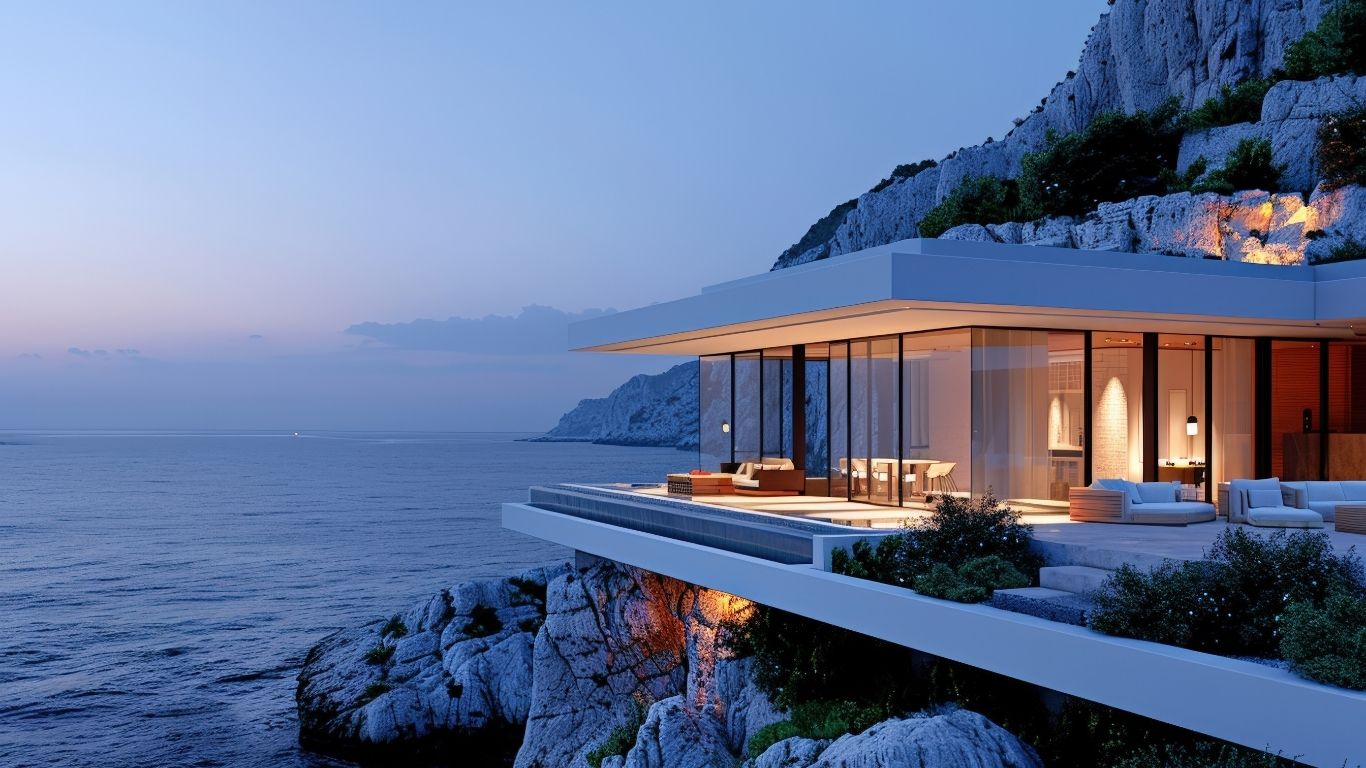

Luxury waterfront properties have come a long way from simply offering a beautiful view. Today, they sit at the intersection of smart design, sustainable living, and serious investment strategy. The buyers driving this market want more than scenery. They want wellness facilities, cutting-edge technology, and homes built to last in a changing climate.
Table of contents
- Sustainable Waterfront Developments
- Waterfront Smart Homes
- Focus on Wellness and Outdoor Living
- Mixed-Use Waterfront Communities
- Floating Cities and Homes
- Remote Waterfront Retreats
- Luxury Wellness Retreats
- Artistic and Cultural Integration
- Eco-Conscious Landscaping
- Water-Based Recreation Facilities
- High-Tech Waterfront Infrastructure
- Renewable Energy Integration
- Vertical Gardens and Urban Farming
- Financial Benefits of Waterfront Properties
- Potential Risks and Considerations
- Best Cities to Invest in Waterfront Homes
- FAQ
Sustainable Waterfront Developments
Sustainability has moved from a buzzword to a genuine buying criterion in the luxury waterfront market. Eco-conscious buyers are now a dominant force, and developers have taken notice. Renewable energy sources, responsibly sourced materials, and water conservation systems are no longer optional extras. They are expected.
Modern waterfront developments routinely feature solar panels, rainwater harvesting systems, and green roofs that marry luxury with genuine energy efficiency. In Dubai’s waterfront developments, green building standards have become the norm, pushing properties to reduce their carbon output while cutting long-term energy costs for owners.
For you as a buyer or investor, sustainable waterfront properties offer a compelling dual advantage. Lower running costs make ownership more affordable over time, and the growing premium buyers place on eco-credentials means stronger resale value down the road. If you are looking to future-proof a real estate portfolio, green waterfront assets deserve serious attention. You can explore emerging real estate trends to understand how sustainability is reshaping the entire property market.
Waterfront Smart Homes
Smart home technology has quietly become one of the most powerful value drivers in luxury waterfront real estate. When you own a property on the water, you want total control whether you are there or not. Modern systems let you manage lighting, security, climate, and entertainment from your phone, your watch, or simply your voice.
In markets like Florida and Dubai, where high-value properties demand airtight security, smart technology delivers. Remote surveillance systems, intelligent cameras, and instant alerts mean you always know what is happening at your property, even if you are halfway around the world. For owners who split their time between multiple residences, that peace of mind is worth its weight in prime real estate.
Beyond convenience, smart homes command stronger prices at resale. Buyers in the luxury tier increasingly expect integrated technology as a baseline, not a bonus. A waterfront property with a fully automated system appeals to a wider, more affluent pool of buyers, which translates directly into better returns when you decide to sell.
Focus on Wellness and Outdoor Living
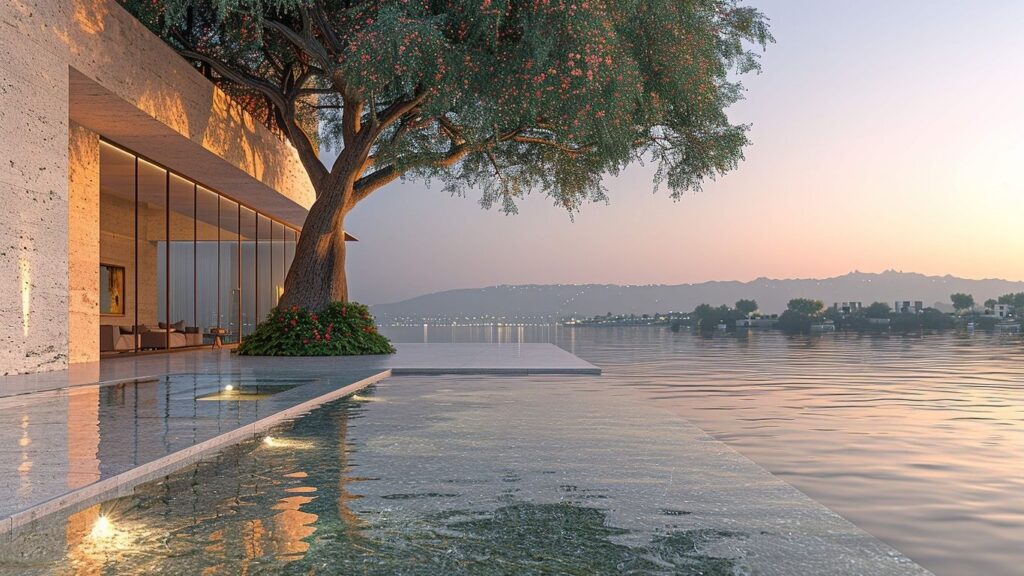
Wellness amenities have stopped being a differentiator and started being a standard expectation in luxury waterfront developments. Yoga decks, infinity pools, meditation gardens, and open-air fitness areas are now woven into the design of top-tier projects. Buyers who are making decisions based on how a property supports their physical and mental health are driving this shift, and developers are responding at scale.
Nowhere is this more vivid than in destinations like the Maldives, where your morning routine might include paddleboarding before a meditation session and an afternoon of open-water swimming. Walkable coastal paths and dedicated wellness spaces create the kind of balanced, nature-immersed lifestyle that no urban apartment can replicate.
Waterfront properties built around wellness speak directly to buyers seeking a genuine reset from high-pressure professional lives. The appeal goes beyond aesthetics. It is about choosing a home that actively supports the way you want to live.
Climate-Resilient Architecture
Climate change has forced a rethink of how waterfront properties are designed and built. Developers are now working with flood-resistant materials, elevated foundations, and in some cases fully floating structures to protect against rising sea levels and intensifying coastal weather events.
In the Caribbean and parts of Southeast Asia, climate-resilient architecture has shifted from a niche consideration to a fundamental requirement. Elevated and floating structures in these regions ensure your waterfront home is not just beautiful but genuinely protected. That added resilience does not just give you peace of mind. It also strengthens the property’s long-term value and makes it easier to insure and finance. Bloomberg has tracked how climate risk is increasingly priced into coastal real estate valuations globally.
If environmental risk is a concern for your portfolio, putting your capital into climate-resilient waterfront properties is a smart hedge. These homes are built to absorb what nature throws at them, which makes them more attractive to the next generation of buyers who will be even more climate-aware than today’s.
Mixed-Use Waterfront Communities
Mixed-use waterfront developments are rewriting what it means to live on the water. The best of these communities blend residential spaces with restaurants, boutiques, fitness facilities, and entertainment venues, giving you urban convenience set against a backdrop of open water. It is a combination that has proven to hold its value through multiple market cycles.
Miami and Sydney have both embraced this model aggressively, building out waterfront precincts where residents can shop, dine, exercise, and entertain without ever needing a car. Parks, walking trails, and private marinas turn these communities into self-contained ecosystems that attract a diverse and loyal resident base.
For you as an investor, mixed-use waterfront communities offer broad appeal and strong appreciation potential. The diversity of buyers and tenants these communities attract creates a more resilient asset than a standalone residential property. Real estate investment groups have taken particular interest in mixed-use waterfront assets for exactly this reason.
Floating Cities and Homes
Floating homes have moved from architectural novelty to a genuine real estate category. In areas where land is scarce or flood risk is high, these structures offer an elegant solution. Built with sustainable materials and energy-efficient systems, the best floating homes feel indistinguishable from their land-based counterparts in terms of comfort and design quality.
The Netherlands pioneered this concept and continues to refine it, with floating home communities now spreading across parts of Europe and Southeast Asia. These properties are not just a workaround for land scarcity. They are a proactive response to rising sea levels, offering an inherently adaptable form of waterfront living.
As an investment, floating homes occupy a genuinely niche space in the waterfront market. Forward-thinking buyers with an appetite for innovative design and environmental resilience are drawn to them, which creates a dedicated and growing buyer pool. If portfolio diversification is a priority for you, a floating home adds a dimension that few other property types can match.
Remote Waterfront Retreats
The shift to remote and hybrid work has permanently changed what buyers want from a waterfront property. A serene location on the coast or lakeside is no longer just a vacation destination. For a growing number of high earners, it is a full-time base. Fast internet connectivity, co-working spaces, and wellness facilities have become as important as the view itself.
Developers in Bali and the Caribbean have moved quickly to serve this market, building out communities with the infrastructure that remote professionals actually need. You get the productivity of a well-equipped office and the backdrop of some of the most beautiful coastline on the planet. It is a combination that is proving difficult to resist.
Investing in remote waterfront retreats puts you in front of a market that is only getting larger. As flexible work arrangements become permanent fixtures across industries, demand for these properties will keep climbing. Rental income potential is strong, and long-term appreciation in these sought-after locations has been consistently solid.
Luxury Wellness Retreats
The crossover between luxury real estate and wellness tourism has created one of the most compelling investment categories in the waterfront market. These properties go well beyond a standard spa. Think holistic therapy suites, nutritionist-designed dining menus, breathwork facilities, and curated recovery programs, all set against a waterfront backdrop that reinforces the sense of escape.
Dubai and the South of France attract the buyers most drawn to this type of property. These are people who see their home as an extension of their personal wellness philosophy, and they are willing to pay a premium for a property that reflects that. Robb Report has documented how wellness-focused real estate commands pricing that far outpaces conventional luxury properties in similar locations.
For you as an investor, luxury wellness retreats offer a rare combination of high-end real estate value and exposure to the global wellness tourism sector, which continues to expand rapidly. Rental yields from these properties can be exceptional, particularly when positioned as private retreat rentals for the ultra-high-net-worth market.
Artistic and Cultural Integration
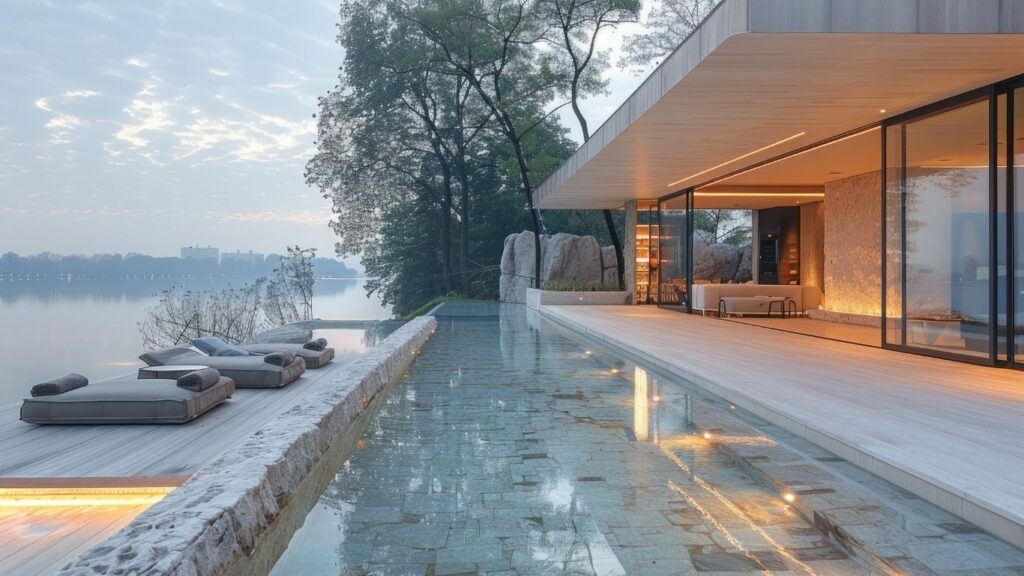
The most forward-thinking waterfront developers are no longer just building homes. They are building communities with a cultural identity. Public art installations, gallery spaces, performance venues, and sculpture gardens are becoming integral parts of luxury waterfront projects, attracting buyers who want their environment to stimulate as well as comfort.
Barcelona and Miami lead this trend, with waterfront districts that feel as much like curated cultural destinations as residential addresses. When art and architecture work together at this level, the result is a living environment that carries genuine prestige, the kind that appreciates in value because it cannot easily be replicated.
If cultural resonance matters to you in a property purchase, or if you are targeting buyers for whom it does, waterfront developments with artistic integration offer a strong value proposition. They attract a discerning buyer base that tends to hold properties long-term and supports price appreciation over time.
Eco-Conscious Landscaping
The grounds surrounding a luxury waterfront property are getting as much strategic attention as the interior. Eco-conscious landscaping now means native planting schemes, sustainable irrigation infrastructure, and natural coastal buffers that protect the shoreline while creating a visually stunning environment.
In California and Australia, waterfront properties designed around native flora have demonstrated that responsible landscaping and luxury aesthetics are entirely compatible. Native plants support local wildlife, require less water, and cost less to maintain year over year. That combination appeals to eco-minded buyers and adds a tangible financial efficiency to ownership.
As a seller or investor, properties with thoughtfully designed eco-conscious landscaping stand out in a crowded market. They signal a commitment to long-term stewardship of the land, which resonates strongly with a growing segment of luxury buyers who are as interested in the property’s environmental story as its sale price.
Water-Based Recreation Facilities
Private marinas, floating docks, paddleboard launch points, and dedicated water sports centers have become defining features of top-tier waterfront communities. For buyers who live an active outdoor life, these facilities are not optional amenities. They are core to the decision to buy.
At destinations like Lake Tahoe and along the Mediterranean coast, waterfront properties equipped with direct water access and recreational infrastructure attract a loyal buyer demographic. Families and outdoor enthusiasts will consistently choose a property with a private dock over one without, even when the price gap is significant.
For investors, recreational water facilities justify premium pricing and keep properties competitive in a market where discerning buyers have high expectations. That premium is not just cosmetic. It reflects genuine utility and lifestyle value that translates reliably into strong resale performance.
High-Tech Waterfront Infrastructure
The dock outside your waterfront home is no longer just a place to tie up a boat. Smart docking systems, automated mooring technology, and high-speed marine connectivity are now part of what serious waterfront buyers expect. These features streamline boat management, reduce the friction of day-to-day waterfront living, and signal a level of sophistication that resonates with tech-forward buyers. If you are a yacht owner, understanding the full cost of waterfront boat ownership is essential context for evaluating these properties.
Monaco and Florida’s coastline are both seeing strong uptake of high-tech waterfront infrastructure, with developers competing to offer the most seamlessly connected waterfront experience. Buyers in these markets expect the same level of integration they get inside the home to extend all the way to the water’s edge.
From an investment perspective, high-tech waterfront features attract a buyer demographic that is wealthy, discerning, and willing to pay for innovation. Properties that deliver on this expectation hold their value well and tend to sell faster than comparable homes without the technological edge.
Renewable Energy Integration
Renewable energy is no longer a compromise in luxury real estate. Tidal systems, wave energy capture, and rooftop solar arrays are being integrated into waterfront developments in ways that are genuinely elegant and functionally powerful. The result is a home that draws from its natural surroundings to power itself, which is both a practical advantage and a compelling story for buyers.
In Hawaii and Greece, coastal properties with integrated renewable systems are becoming the benchmark for what a modern luxury waterfront home should deliver. Reuters has reported on how energy independence is becoming a key value driver in premium coastal markets, reducing operational costs and attracting environmentally motivated buyers.
If long-term value and sustainability alignment are priorities in your investment strategy, waterfront properties with renewable energy integration offer both. They are well-positioned for whatever direction energy policy takes, and they appeal to a buyer pool that will only grow as environmental standards tighten globally.
Vertical Gardens and Urban Farming
Vertical gardens and on-site urban farming are finding a natural home in luxury waterfront developments. The ability to grow your own produce, tend a living green wall, or participate in a shared community garden adds a layer of connection to the natural environment that buyers increasingly crave. It also aligns with a broader shift toward self-sufficiency in high-end living.
Tokyo and Singapore are at the forefront of this movement, with waterfront developments incorporating innovative urban farming systems that produce fresh food and enhance the visual appeal of shared spaces. These features add a distinctive character that makes properties memorable and marketable.
As an investor, a property with vertical gardens and urban farming amenities occupies a clear niche in the eco-conscious luxury market. These features attract buyers who see sustainability as a lifestyle, not a compromise, and that conviction tends to hold purchase prices firm even in softer market conditions.
Financial Benefits of Waterfront Properties
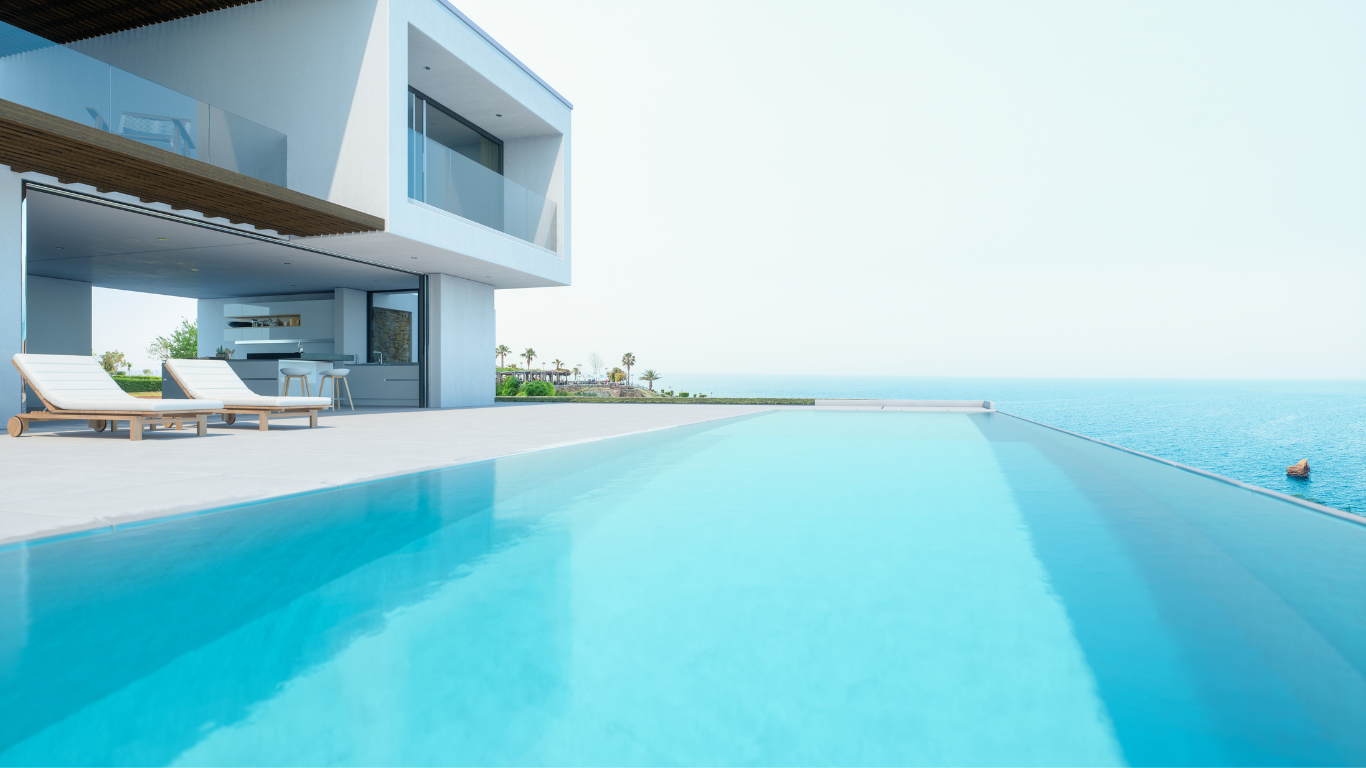
Owning a luxury waterfront property is about far more than the lifestyle. The financial case is genuinely compelling when you look at the full picture. Waterfront assets have historically outperformed comparable inland properties on appreciation, rental yield, and market resilience. Here is why they deserve a prominent place in a diversified investment portfolio.
- High Property Value: Waterfront homes are inherently limited in supply, which contributes to their high value. With a premium on waterfront access, these properties are typically priced 50-100% higher than their inland counterparts. This value only increases over time, as waterfront properties continue to appreciate, providing steady capital gains for long-term investors.
- Strong Rental Income: The scenic views and unique lifestyle waterfront properties offer make them highly desirable for short-term rentals and vacation homes. As tourism grows in regions with high-profile waterfront locations, investors can capitalize on premium rental rates. Additionally, the consistent demand for vacation rentals ensures steady rental income throughout the year, making waterfront properties a valuable source of passive income.
- Tax Benefits: In many regions, waterfront property owners can take advantage of tax benefits, such as deductions on mortgage interest and property tax. This can help reduce annual costs, making these properties even more attractive from a financial perspective. Buyers seeking tax-efficient investment vehicles can thus find additional value in waterfront properties.
- High Resale Value: The enduring appeal of waterfront properties means they maintain a high resale value, often surpassing that of traditional homes. Buyers willing to pay a premium for these properties can expect a strong return on investment when they eventually sell. This stability in value appeals to conservative investors seeking resilience against market fluctuations.
- Low Maintenance Costs: Though one might assume maintenance costs for waterfront properties are high, their natural surroundings often require less landscaping and upkeep than inland properties. Developers design modern waterfront properties to complement their environments, reducing the need for extensive groundskeeping. This translates into lower annual expenses for property owners and bolsters the appeal of waterfront homes as low-maintenance investments.
- Investment Security: Waterfront properties are considered safe investments due to their continuous demand and limited availability. As urban expansion continues and natural landscapes become more scarce, the rarity of waterfront properties only adds to their investment security. Buyers looking for a hedge against inflation or currency fluctuations often find waterfront properties a safe bet due to their enduring value and steady appreciation over time.
Potential Risks and Considerations
The financial upside of luxury waterfront properties is real, but so are the risks. Before you commit capital, you need a clear-eyed understanding of what can go wrong and how to protect yourself. Environmental exposure, insurance costs, and regulatory complexity are all factors that require serious attention. These are exactly the kinds of questions every serious investor should be asking before signing on a waterfront deal.
- Environmental Risks: Waterfront properties face greater exposure to environmental risks, such as flooding, erosion, and severe weather. As climate change intensifies, these risks are only expected to increase.
While climate-resilient designs are helping to mitigate some of these risks, potential buyers should conduct thorough due diligence, including consulting environmental reports and assessing property elevation. Investing in properties with climate-resilient features, like elevated foundations and flood-resistant materials, can safeguard against potential environmental hazards. - Insurance Costs: Waterfront homes typically require higher insurance premiums, especially for flood and windstorm coverage. Some regions mandate flood insurance for waterfront properties, which can significantly increase annual costs. Prospective investors should account for these additional expenses in their financial planning. Comparing insurance providers and seeking specialized coverage for waterfront homes can help offset these costs and offer better protection.
- Maintenance and Upkeep: Waterfront properties often require more maintenance due to their exposure to water and coastal elements. Saltwater corrosion, mildew, and algae growth are common issues, necessitating regular upkeep and cleaning. Property owners may need to invest in protective coatings, water-resistant materials, and routine inspections to maintain the property’s condition. Although maintenance may be higher than inland properties, these expenses are typically offset by the premium pricing waterfront homes command.
- Property Value Fluctuations: While waterfront properties generally appreciate over time, environmental changes or regional real estate market shifts can affect property values. Investors should consider the long-term appeal and stability of the location, choosing properties in areas with robust real estate markets and reliable demand. Diversifying investments across multiple waterfront properties or regions can also mitigate potential losses.
- Legal and Regulatory Constraints: Owning a waterfront home often involves additional legal considerations, such as zoning laws, environmental regulations, and usage restrictions. Depending on the location, property modifications may require special permits, and activities like fishing, boating, or dock installation may be regulated. Consulting with local authorities or a specialized real estate attorney can help buyers navigate these complexities, ensuring compliance with all relevant regulations and maximizing property utility.
Best Cities to Invest in Waterfront Homes
Not every waterfront market offers the same combination of stability, growth potential, and lifestyle appeal. The cities that consistently attract serious waterfront investment share a common profile. Strong legal frameworks, robust local economies, international buyer demand, and genuine scarcity of premium waterfront land. These are the markets where your capital works hardest.
1. Sydney, Australia
- Why It’s Special: Sydney boasts some of the most sought-after waterfront properties globally, thanks to iconic views of the Sydney Opera House and Sydney Harbour Bridge. The city’s mild climate, coastal beauty, and high quality of life make it an ideal location for waterfront real estate.
- Investment Potential: Sydney’s real estate market is strong, with premium pricing for waterfront homes due to limited supply. Properties along the harbour and beachfront suburbs, like Bondi and Manly, consistently retain high value, making them a reliable investment.
2. Miami, United States
- Why It’s Special: Known for its year-round sunshine and vibrant lifestyle, Miami offers luxurious waterfront homes with easy access to beaches, marinas, and a thriving nightlife scene. Areas like South Beach, Key Biscayne, and Coconut Grove are popular for high-end waterfront properties.
- Investment Potential: Miami’s market has shown resilience, particularly in high-end real estate. The city attracts both domestic and international buyers, making it one of the most competitive markets for waterfront properties in the U.S.
3. Monaco
- Why It’s Special: Monaco’s breathtaking Mediterranean coastlines and the exclusivity of its luxury real estate make it a top choice for waterfront property investment. The principality’s status as a tax haven further enhances its appeal to affluent buyers.
- Investment Potential: Real estate in Monaco has consistently appreciated, especially along the coastline. Limited land and high demand keep property values robust, making Monaco’s waterfront properties some of the most valuable per square foot in the world.
4. Dubai, United Arab Emirates
- Why It’s Special: Dubai is renowned for its luxury waterfront developments, such as Palm Jumeirah, Dubai Marina, and Jumeirah Beach Residence. These areas offer stunning views, world-class amenities, and an ultra-modern lifestyle in one of the world’s most iconic desert cities.
- Investment Potential: Dubai has attracted foreign investment through favorable tax laws and a strong tourism market. Waterfront properties in Dubai, especially those on man-made islands, have become highly desirable, offering both lifestyle benefits and strong resale potential.
5. Cap d’Antibes, France
- Why It’s Special: Located on the French Riviera, Cap d’Antibes offers luxurious properties along the Mediterranean coast with unparalleled privacy, scenic beauty, and a rich cultural scene. The area attracts celebrities, international elites, and vacationers, making it one of the most prestigious real estate locations in Europe.
- Investment Potential: Properties in Cap d’Antibes have historically appreciated, with steady demand from high-net-worth buyers. The exclusivity of the location and limited development potential ensure a stable and high-value market for waterfront homes.
6. Lake Como, Italy
- Why It’s Special: Lake Como is famed for its historic villas, majestic mountains, and crystal-clear waters. The region’s charm, privacy, and proximity to Milan make it a top choice for those seeking a tranquil yet luxurious waterfront lifestyle.
- Investment Potential: Properties around Lake Como are in limited supply, which drives their value. The area has attracted a steady flow of high-profile investors, keeping the real estate market strong. Historic villas and lakefront estates are especially sought after.
7. Vancouver, Canada
- Why It’s Special: Vancouver is known for its stunning natural surroundings, combining mountain, ocean, and city views. Waterfront properties here offer easy access to outdoor recreation and a high quality of life. Areas like Coal Harbour, West Vancouver, and False Creek are particularly popular.
- Investment Potential: Vancouver has a resilient real estate market driven by demand from both local and international buyers. Waterfront homes are highly prized, and Vancouver’s natural beauty and stable economy make it a safe investment.
8. Auckland, New Zealand
- Why It’s Special: Auckland’s waterfront properties offer a blend of urban convenience and scenic beauty, with easy access to beaches, marinas, and islands. Known for its quality of life, Auckland is surrounded by harbours and dotted with volcanic islands, making it a unique place for waterfront living.
- Investment Potential: Waterfront properties in Auckland are limited, leading to strong demand and high prices. The city attracts wealthy buyers from around the world, especially those seeking a peaceful and scenic lifestyle in a stable, high-value market.
9. Honolulu, Hawaii, United States
- Why It’s Special: Honolulu’s properties are in high demand for their stunning views of the Pacific Ocean and the Hawaiian Islands’ tropical lifestyle. The city offers easy access to pristine beaches, surfing, and natural beauty, making it ideal for those looking for a relaxing waterfront retreat.
- Investment Potential: Honolulu’s real estate market is robust, especially for waterfront and beachfront homes. The area is popular among both investors and retirees, ensuring continued demand and stable property values.
10. Lisbon, Portugal
- Investment Potential: Lisbon has seen an influx of foreign investment in recent years, with waterfront properties appreciating significantly. The city’s Golden Visa program and favorable tax incentives make it especially attractive to international buyers.
- Why It’s Special: Lisbon is one of Europe’s sunniest cities and offers waterfront properties along the scenic Tagus River and Atlantic Ocean. The city’s historic charm, vibrant culture, and Mediterranean climate make it a compelling choice for those seeking a waterfront home in Europe.
FAQ
Are luxury waterfront properties a good investment?
Yes, luxury waterfront properties are generally a strong investment due to their limited availability, scenic appeal, and high demand among affluent buyers. These properties tend to appreciate over time, and their exclusivity often makes them resilient against market fluctuations.
Why are waterfront properties more expensive than other real estate?
Waterfront properties are more expensive due to their rarity and the lifestyle benefits they offer, including scenic views, water access, and a tranquil environment. These properties are highly desirable, which increases their market value compared to inland properties.
What are the most popular locations for waterfront property investment?
Some of the most popular destinations for luxury waterfront properties include Sydney, Miami, Monaco, Dubai, and Lake Como. Each location offers unique benefits, such as iconic views, favorable climates, tax incentives, and cultural appeal.
What types of insurance are needed for waterfront properties?
Waterfront properties often require flood insurance and, in some cases, windstorm or hurricane insurance, depending on the location. These specialized policies can be more expensive, so it’s important to factor these costs into your investment decision.
What are the best property types for waterfront investment?
The best property type depends on your goals. For high rental income, beachfront homes in tourist hotspots are ideal. For long-term appreciation, lakefront estates, marina properties, and homes in mixed-use waterfront communities tend to retain high value.
How do taxes for waterfront properties compare to inland properties?
Property taxes on waterfront homes can be higher due to the property’s increased market value. However, some locations offer tax benefits, such as deductions on mortgage interest and property tax, which can reduce annual costs.
What is the average appreciation rate for waterfront properties?
Appreciation rates vary by location but are generally higher for waterfront properties due to their exclusivity and limited supply. In prime locations, appreciation can reach 5-10% annually, though properties in especially desirable markets, like Sydney or Monaco, may appreciate even more.
What should I look for in a luxury waterfront property?
Key features to consider include the quality of water views, proximity to amenities, climate resilience, access to water-based activities, privacy, and architectural quality. Properties with modern amenities like smart home technology, eco-friendly features, and high-tech infrastructure are also valuable.