Dubai's real estate market has reshaped itself around sustainability faster than most outside observers track, and the shift is now visible in every layer of the residential and commercial pipeline. Frameworks like the UAE Net Zero 2050 strategy and the Dubai 2040 Urban Master Plan have given developers a clear mandate to build greener. JLL's 2025 MEA sustainability report flagged Dubai as the GCC city with the largest year-over-year increase in LEED-certified building floor area.
Knight Frank's 2025 MENA Wealth Report and Mansion Global's Dubai sustainability dispatch both confirm a measurable green-premium emerging on certified buildings. The Mohammed bin Rashid Al Maktoum Solar Park feeds directly into the Dubai Clean Energy Strategy 2050, which targets 75% clean energy across the emirate by mid-century. The ambition translates into something concrete for buyers, because sustainable credentials now move the price line.
Smart technology is the other half of the story. Energy-efficient systems, water-conservation infrastructure, and city-wide smart networks are being woven into new developments across the board. These are not add-ons.
They are becoming the baseline expectation for any serious project in the city.
- Sustainable developments are reshaping the Dubai property market, with LEED-certified buildings, district-cooling networks and resource-efficient design now standard in the prime segment.
- We see Expo City, Sustainable City and the Dubai Hills sustainability-focused projects setting credible benchmarks for the broader development industry.
- The Dubai Clean Energy Strategy 2050 framework supports continued investment in green building infrastructure, with developer responses moving from aspirational to operational.
- Buyer demand for sustainable stock has grown materially, with the energy efficiency dimension increasingly affecting price comparison and resale liquidity at the upper end.
- Major developers including Emaar, Aldar and Sobha have integrated sustainability frameworks into their flagship project briefs, supporting the cross-portfolio standardisation.
- For most considered international investors we view sustainability features as moving from optional to defensive, with non-compliant stock facing price headwinds across the medium term.
- Who is this for?
- International investors and end-users tracking sustainable Dubai property developments, alongside the developers, advisers and policy analysts framing the green building landscape.
- What is happening?
- A read of how sustainable developments are changing Dubai real estate, covering LEED certification, district cooling, the Clean Energy Strategy and the major developer responses.
- When did this emerge?
- The article reflects 2026 market conditions, with reference to the Dubai Clean Energy Strategy 2050 framework and the latest sustainable development announcements.
- Where is this happening?
- The piece focuses on Dubai, with reference to broader UAE sustainability initiatives across Abu Dhabi and the wider emirate complex.
- Why does it matter?
- Sustainability features increasingly affect property values and liquidity, which is why understanding the green building landscape matters even for buyers not primarily motivated by environmental considerations.
The rise of green buildings in Dubai
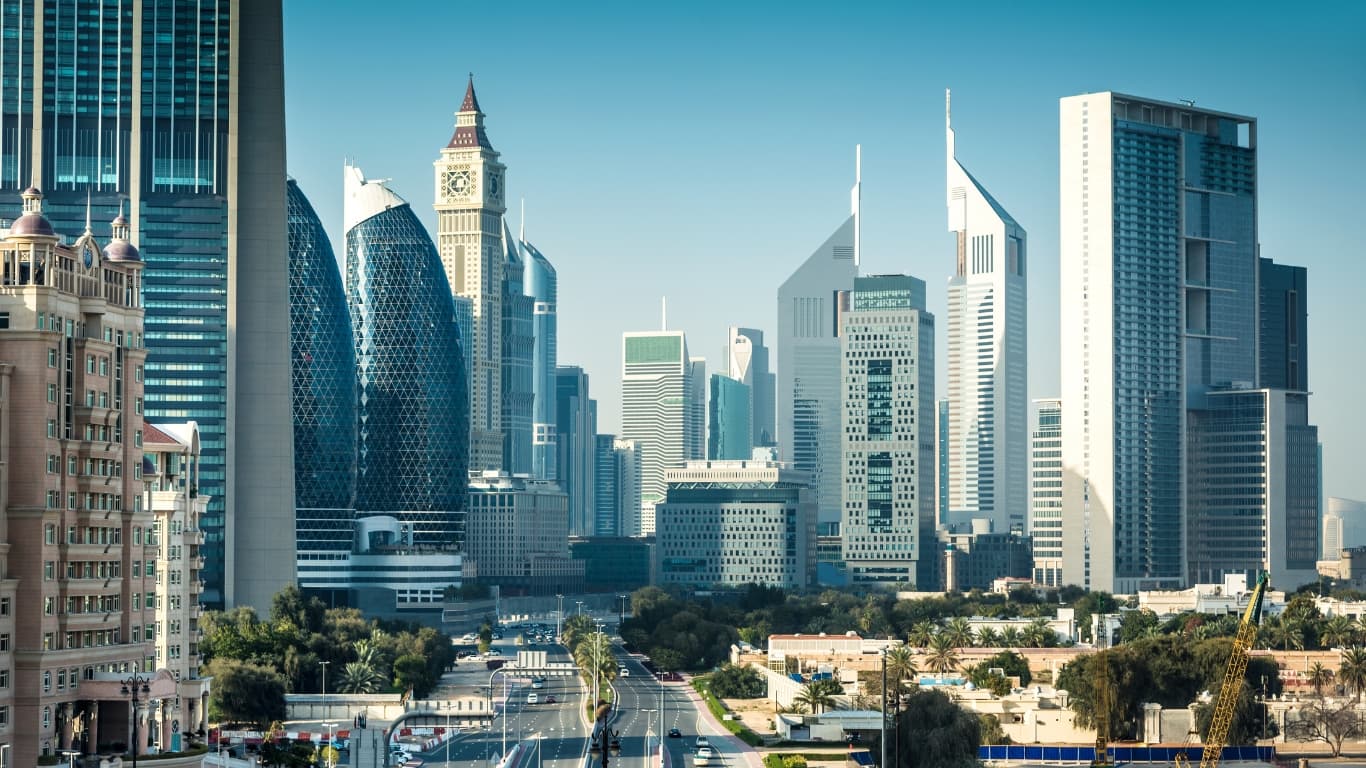
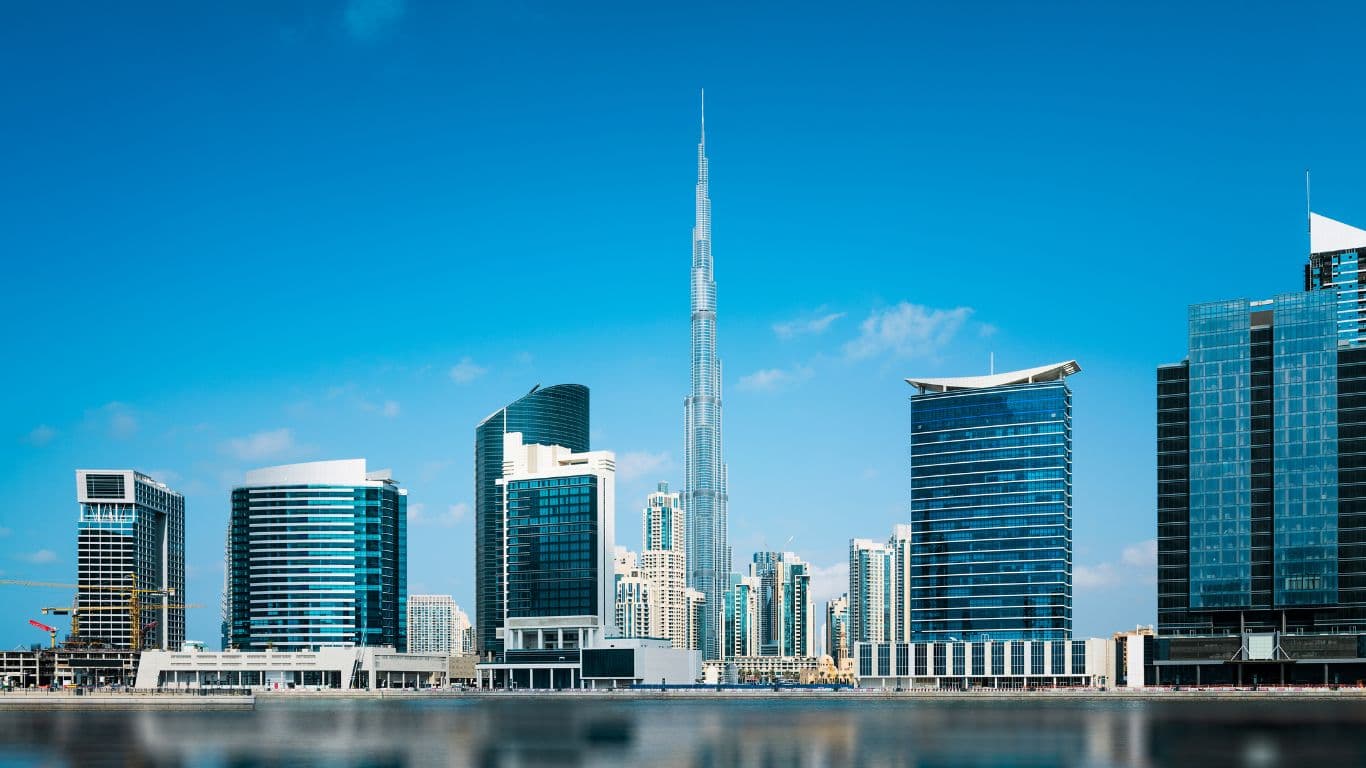
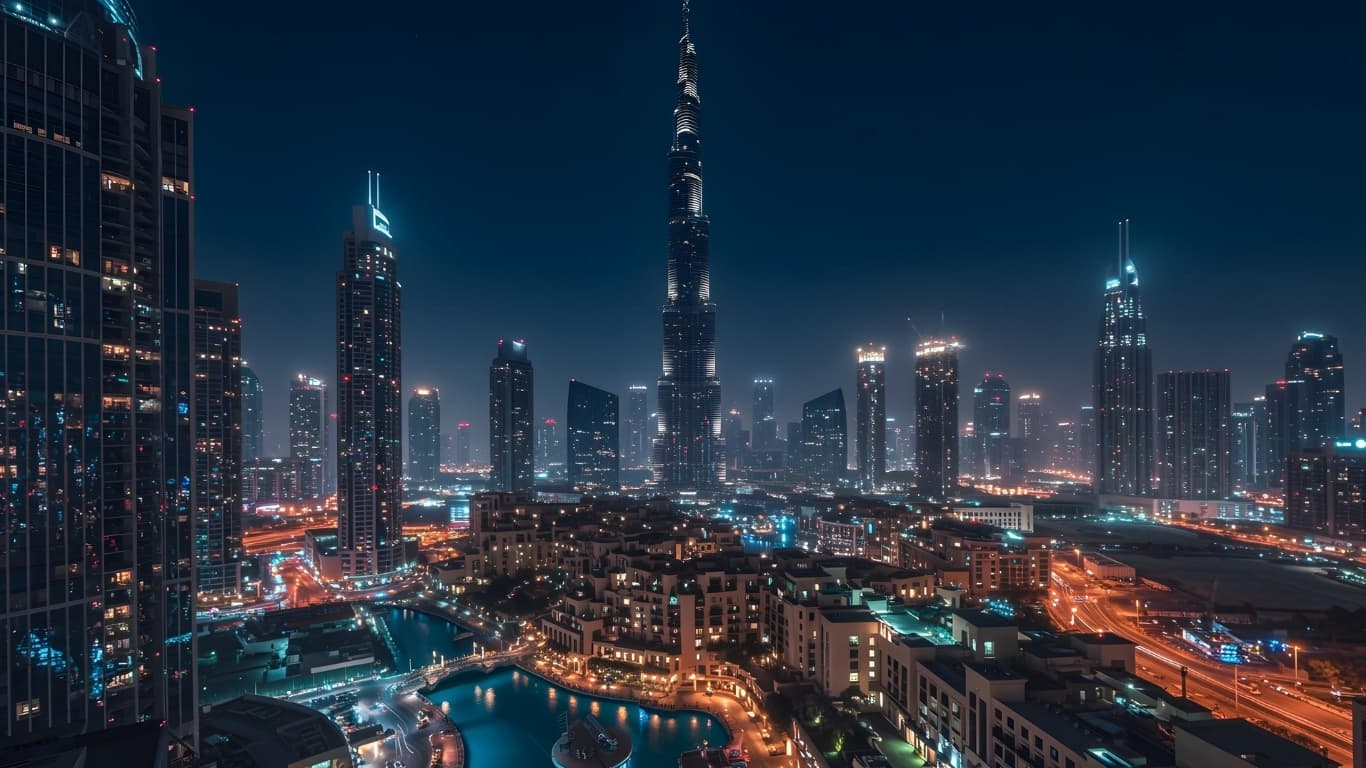
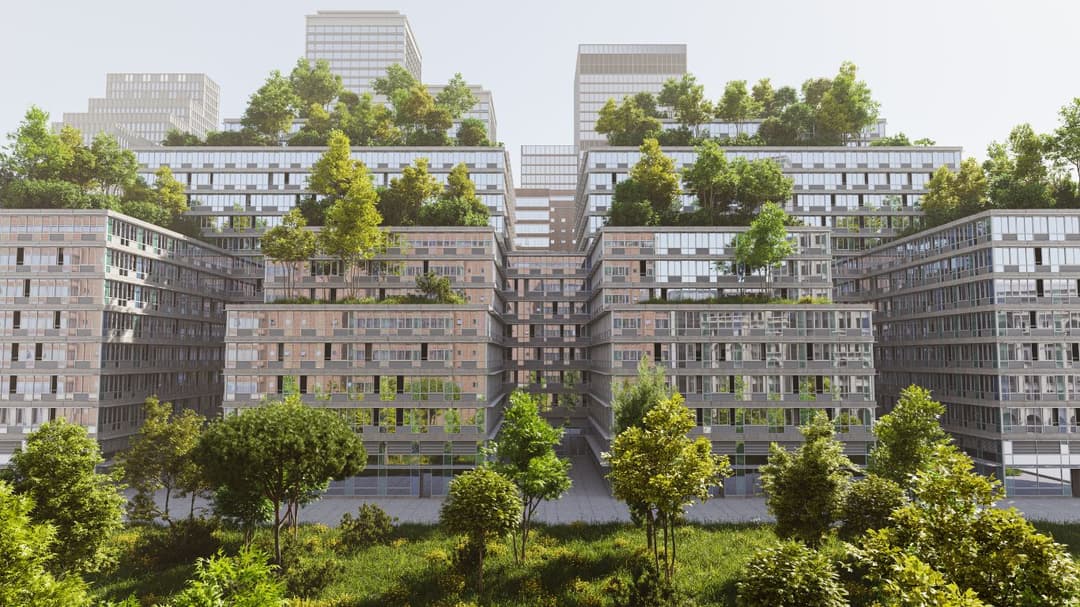
Dubai's skyline is in the middle of an architectural rethink. Eco-conscious design is no longer a niche preference here. With more than 550 projects carrying LEED certification, Dubai sits third in the world for green-building activity, and projects like Dubai Sustainable City are setting the tone for what responsible urban development looks like at scale.
Solar panels, green roofs, and passive cooling features are now standard tools in the Dubai developer's playbook. The Dubai Green Building Regulations have moved the needle in measurable ways. Energy use across regulated properties has dropped by 19% and water consumption is down 30%.
Those are results, not projections.
Developers including Sobha Realty, Emaar, and Damac have brought eco-conscious communities to market that combine genuine sustainability with the finishing standards Dubai buyers expect. Occupants in green-certified buildings record a 26. 4% improvement in cognitive test performance and 6.
4% better sleep quality compared to conventional buildings according to the World Green Building Council's 2024 health-and-wellbeing report. The credentials read on the operational side as much as on the environmental side.
Water conservation in a desert city
Rapid urbanization puts enormous pressure on water resources, and Dubai's property sector has responded with serious infrastructure investment. Across both residential and commercial developments, water-conservation technology is being built in from the ground up rather than retrofitted as an afterthought. Cushman & Wakefield's MENA brief flags water infrastructure as the single most-tracked variable for ESG-grade commercial assets.
Advanced irrigation systems use recycled water guided by smart sensors and automated controls. For anyone considering a property purchase in Dubai, this infrastructure matters because it directly affects service charges and the long-term cost of maintaining landscaped communities. Azizi Developments and Sobha Realty are among the names leading the integration of wastewater recycling for irrigation and toilet flushing across new projects.
Desalination remains the backbone of Dubai's long-term water security strategy. By converting seawater into potable water at scale, the city's desalination plants reduce dependence on limited freshwater reserves and give the real estate sector a reliable supply foundation. For a market growing at Dubai's pace, that reliability is worth more than most buyers and investors give it credit for.

LEED-certified developments and the green premium
Dubai has quietly become one of the world's most credible addresses for sustainable real estate. The UAE property market was tracking toward $710 billion by the close of 2024, and nearly 400 LEED-certified projects are part of that story, placing Dubai third globally for eco-conscious construction. This is a structural shift in how the city is building and who it is attracting.
LEED certification is the gold standard in construction sustainability, and earning it means meeting demanding benchmarks across energy efficiency and environmental responsibility. Dubai's government has reinforced these standards with clear policy. The Green Building Regulations introduced in 2014 made insulation systems and solar water heating mandatory for new builds, which translated directly into lower energy consumption across the city's building stock.
For buyers and investors, LEED certification is a reliable quality signal. Knight Frank's 2025 buyer survey found 93% of investors view sustainable projects as strong performers, and 75% expect green developments to be the norm by 2030. The Dubai International Financial Centre stands out as a hub of LEED-certified commercial buildings.
On the residential side, Al Barari weaves water-recycling systems and drought-resistant planting into a luxury living environment.
Renewable energy and the operational layer
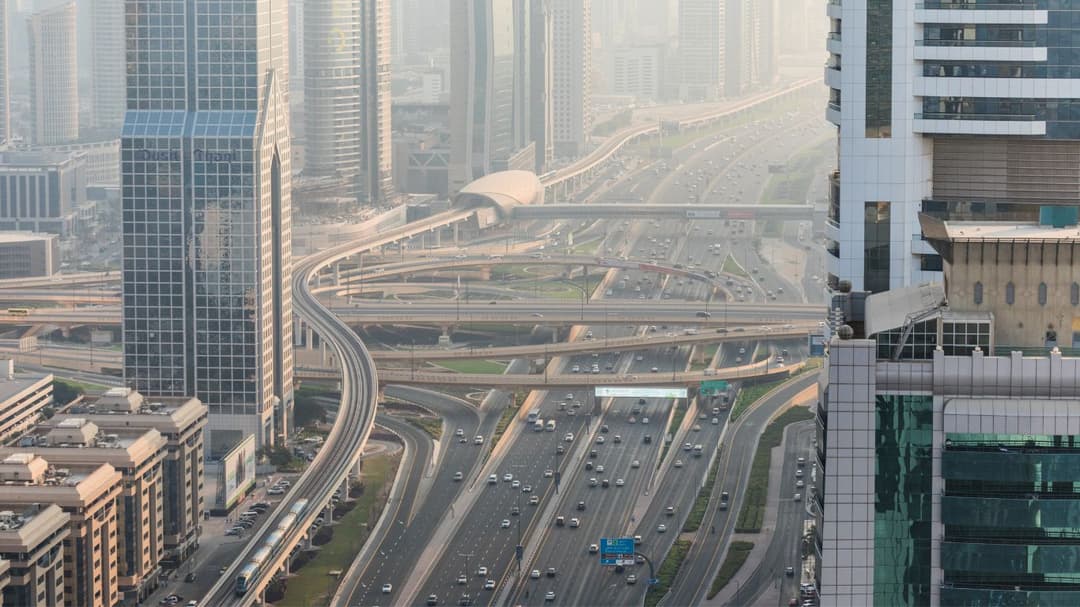
Dubai's push into renewable energy is one of the more compelling stories in global real estate right now. The Mohammed bin Rashid Al Maktoum Solar Park is the clearest expression of that commitment, and every solar-integrated development reduces fossil-fuel dependence while strengthening the case for Dubai's broader sustainability agenda. Wind energy is gaining ground as part of Dubai's diversified approach to clean power.
Geothermal applications remain an emerging piece of the picture. Using the earth's natural heat for building climate control is both efficient and consistent, and its integration into new developments underscores how comprehensive Dubai's approach to sustainable urban construction has become. The cumulative effect is a building stock that operates at materially lower energy intensity than the pre-2014 baseline.
Smart city infrastructure and the real-estate dividend
The Smart Dubai initiative launched in 2013 with the ambition of making the city the smartest in the world. More than a decade on, that ambition is visibly reshaping the real estate market, with urban projects that treat technology and environmental consciousness as inseparable priorities. Properties sitting within well-connected, tech-enabled zones now command stronger prices.
You can explore how this compares to luxury real estate trends elsewhere in the world to put Dubai's trajectory in sharper perspective. On the residential side, smart-home technology has moved from luxury feature to expectation. The ability to manage energy, security, and climate through a single interface is now standard at the prime tier.
| Aspect | Impact on Real Estate |
|---|---|
| Smart Transportation | Higher property values; demand for sustainable properties |
| Tech-Centric Districts | Growing demand for technologically equipped commercial spaces |
| Smart Home Technologies | Preference for residential properties; enhanced convenience and efficiency |
| Integrated Communities | Attraction of residents and investors; cohesive, high-quality living environments |
The economic case for sustainable construction
Dubai's commitment to sustainable construction is generating real economic returns, not just environmental ones. Targeting 75% clean energy by 2050 and ranking third globally in green-building volume has positioned Dubai as a destination where sustainability and financial performance point in the same direction. Sotheby's International Realty UAE and Engel & Völkers' Dubai office both report a measurable price premium on LEED-certified residential product.
The premium is reinforced by lower operating costs and higher asset values across the green-certified building stock. For a broader view of how real estate investment dynamics work across different markets, the International Real Estate Expo in Dubai is one of the better places to benchmark thinking. Sustainable construction in Dubai is both an environmental commitment and a financial strategy running in parallel.
Net-zero homes and the next standard
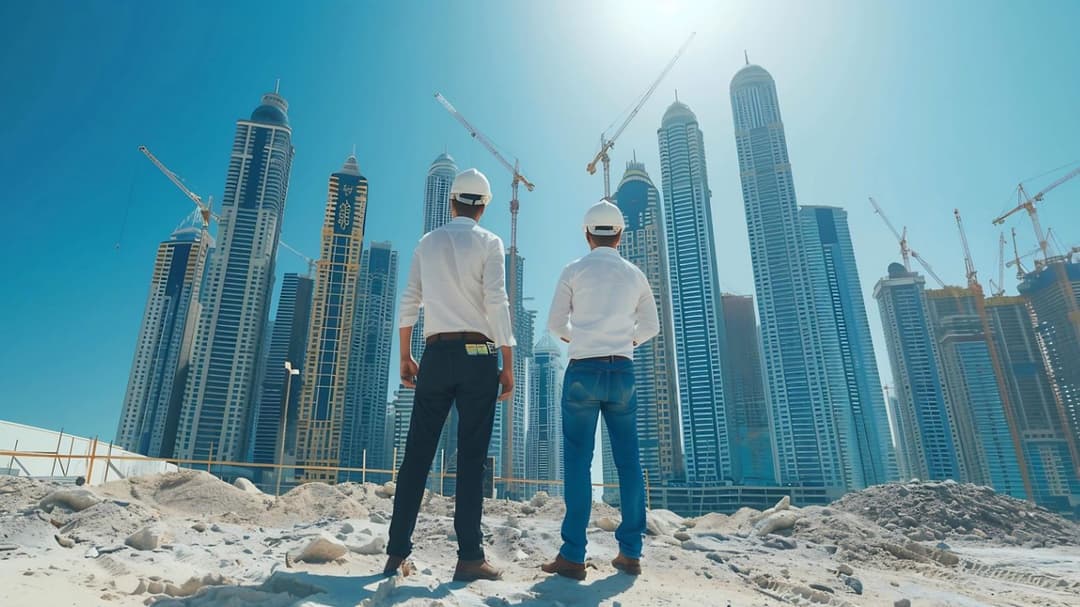
Dubai is pushing into net-zero energy homes with genuine conviction. These properties sit at the intersection of striking architecture and serious eco-friendly technology, and they are setting a new benchmark for what modern luxury living can look like when sustainability is built into every design decision from day one. The Al Shera'a building is set to become the tallest and largest net-zero energy structure in the world, covering more than 2 million square feet.
In Abu Dhabi, the Eco-Villa Project uses 35% less water and 72% less energy than a standard villa, cutting roughly 63 tons of CO2 per year in the process. The technology stack runs across rooftop solar, battery storage, advanced insulation, smart-home systems, water recycling, and energy-efficient appliances. The results in this space are already credible at scale.
What this means for buyers
The Dubai real estate market in 2026 is structurally tilted toward sustainable development, and the buyer who treats green credentials as a marketing veneer rather than an operational reality will underprice the assets that have actually invested in the infrastructure. Knight Frank's 2025 Dubai prime tracker, JLL's MEA sustainability brief, and the World Green Building Council's health-outcomes data all point the same direction. The certified buildings perform.
The three questions worth asking before any Dubai purchase in the current cycle: what is the certification status of the building (LEED, BREEAM, Estidama, or the Dubai Green Building Regulations baseline), what does the operating-cost stack actually look like on a five-year basis, and what is the developer's track record on delivering the sustainability features the brochure advertises. The good builders deliver.
The marginal ones increasingly cannot, and the certified-building premium is widening on that exact gap.
We last reviewed this analysis in May 2026.


Savvas Agathangelou
Savvas Agathangelou co-founded The Luxury Playbook and has spent years reporting from the prime postcodes the magazine covers — Mayfair, Knightsbridge, the Athens Riviera, Dubai's Palm crescents, and the southern Mediterranean coastlines where the world's wealthy keep coming back. His background is in international hospitality, and that frame shapes how he writes about property: the developer's choices, the architect's signature, the agency's bench of named brokers, the building's service standard once the buyer moves in. He files developer spotlights, agency profiles, and the seasonal "Properties That Defined" listicles, and he hosts the magazine's founder-and-leadership interviews on the Voices side.