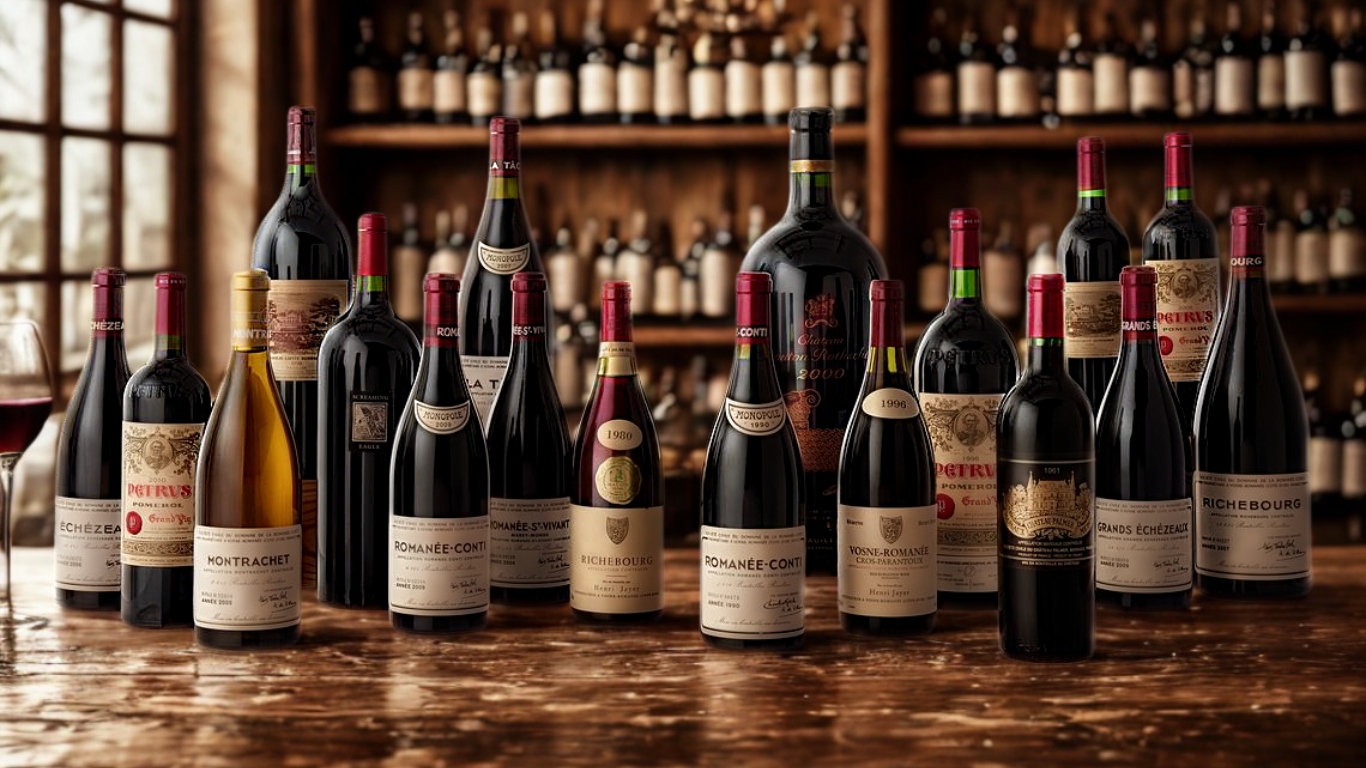


The fine wine investment landscape has reached a historic inflection point in 2026, driven by unprecedented confidence among wealth managers and dramatic shifts in ultra-high-net-worth portfolio allocation strategies. A record 97% of wealth managers and advisors expect demand for fine wine to rise in 2026, indicating the “highest level of confidence recorded in the four-year history of the study”.
This surge represents more than market optimism; it signals fine wine’s evolution from a niche passion asset into a fundamental defensive pillar for sophisticated investors navigating global economic uncertainty.
What makes this moment particularly compelling is the underlying transformation in how ultra-wealthy investors view fine wine. Over a third of committed investors now allocate 21-30% of their total wealth to fine wine, a “massive” jump in only 12 months, up from only 2% in the 2025 report. This dramatic reallocation coincides with market recovery signals, as Liv-ex reported a fifth consecutive monthly rise for its key Liv-ex 100 benchmark at the end of January 2026, with the index growing 3% in the last six months.
Table of Contents
Key Takeaways & The 5Ws
- You can capitalize on the highest wealth manager confidence in fine wine investment history, with 97% expecting demand to rise in 2026.
- You should consider fine wine’s dramatic portfolio allocation increase, as over one third of committed investors now allocate 21-30% of total wealth to fine wine.
- You can benefit from market recovery momentum, with Liv-ex indices showing five consecutive months of growth after three years of correction.
- You need to understand fine wine’s role as a globally transportable asset, with 61% of HNW clients prioritizing investments that can move as easily as they do.
- You can leverage technology advances in wine investment, with 67% of wealth managers believing AI will drive market transparency through enhanced provenance verification.
- Who is this for?
- Ultra-high-net-worth individuals and sophisticated investors seeking portfolio diversification and wealth preservation through fine wine investment strategies.
- What is it?
- A historic surge in fine wine investment demand driven by wealth managers’ record confidence levels and dramatic shifts in luxury portfolio allocation strategies.
- When does it matter most?
- Right now in 2026, as market recovery signals strengthen and prices remain at attractive entry points following the 2022-2025 correction period.
- Where does it apply?
- Global fine wine markets, particularly in Bordeaux, Burgundy, and Champagne regions, with strong demand from US, European, and Asian investors.
- Why consider it?
- Fine wine offers portfolio diversification, inflation hedging, and global transportability during economic uncertainty, with historical outperformance versus traditional luxury assets.

Wealth Manager Confidence Reaches Historic Levels
The confidence surge among wealth managers represents more than typical market optimism. The study, which surveyed US-based wealth managers and financial advisors, shows that 97% of respondents expect demand for fine wine to rise over the next year, the highest level of confidence recorded since the study began four years ago. This unprecedented consensus emerges during a period when traditional markets face heightened volatility and geopolitical uncertainty.
What distinguishes this confidence level is its foundation in practical portfolio management needs rather than speculative enthusiasm. “We are entering a phase where fine wine is being integrated into the wider financial ecosystem as a stabilised, transparent, and resilient asset”, according to the Wine Industry Advisor (2026). The shift reflects fine wine’s proven ability to maintain value during economic turbulence while offering portfolio diversification benefits that traditional assets cannot match.
Wealth managers increasingly view fine wine through the lens of modern portfolio theory, recognizing its low correlation with traditional financial markets. More than 81% of investors now view fine wine as a “safe haven” asset, citing its global appeal and independence from traditional currency fluctuations and interest rate changes as key reasons for its growing popularity. This perspective aligns with broader trends in alternative investment strategies among sophisticated investors.

Portfolio Allocation Transformation Among Ultra Wealthy
The most striking development in 2026 is the dramatic shift in portfolio allocation patterns among ultra-high-net-worth individuals. In 2026, over one third (36%) of the respondents’ clients dedicate between 21% and 30% of their total wealth to fine wine, compared to the diminutive 2% of wealth managers’ clients in 2025 who committed more than 20% of their portfolio to fine wine. This represents a fundamental reallocation of capital toward tangible assets with intrinsic value.
The allocation shift extends beyond simple percentage increases to reflect a strategic repositioning of fine wine within wealth preservation frameworks. “In 2025, no investors allocated over 20% to fine wine, with the vast majority (60%) keeping exposure below the 10% threshold. This recent jump suggests that fine wine has moved from the ‘periphery’ of the balance sheet to a core defensive pillar”. This transformation positions fine wine alongside traditional defensive assets like precious metals and real estate.
The context for this allocation shift becomes clearer when examining broader ultra-high-net-worth investment patterns. The J.P. Morgan 2026 Global Family Office Report, based on 333 single family offices across 30 countries, shows that the average family office now allocates 38.4% to public equities and 30.8% to private investments, while the average participant net worth stands at $1.6 billion. Within this framework, fine wine represents a sophisticated alternative that offers both diversification and cultural resonance.
Driving this reallocation is the growing emphasis on globally transportable assets. 56% of those surveyed said high-net worth clients are prioritizing investments that can “move as easily as they do”. This portability factor has become particularly relevant as wealthy individuals navigate changing tax regimes and geopolitical uncertainties. For insights into other portable luxury investments, explore our guide to luxury watch investments.
Market Recovery Momentum Builds Through 2026
The fine wine market has demonstrated clear recovery momentum throughout early 2026, following a challenging correction period that began in 2022. Liv-ex reported a fifth consecutive monthly rise for its key Liv-ex 100 benchmark at the end of January 2026, with the index growing 3% in the last six months and clear separation from the negative trend last recorded in August 2025. This sustained improvement signals market stabilization rather than temporary fluctuation.
Trading activity has strengthened significantly, indicating renewed confidence among market participants. January 2026 trade value on Liv-ex was 21.7% higher than December 2025 and volume 27.9% more, with trade levels approximately 20% higher than in Q2-Q4 2025. This increased activity reflects both institutional and private collector participation returning to the market after an extended period of caution.
The recovery has been broad-based across key wine regions, though with varying degrees of strength. Italian wines have played a significant role in this growth, with four labels among the top ten performers in the first two months of the year, including Barolo 2019 from Bartolo Mascarello and several vintages of Masseto, Ornellaia, Sassicaia, Solaia, and Tignanello from Tuscany. This regional diversification strengthens the overall market foundation.
Market analysts maintain cautious optimism about the recovery trajectory. All indicators suggest a recovery in wine prices “is already underway”, pointing to bid:offer ratios bouncing back strongly, and one of the broadest measures of the market, the Liv-ex Fine Wine 1000 having risen every month since August. According to The Drinks Business (2026), this sustained improvement indicates genuine market stabilization rather than a temporary technical bounce.
Technology and Sustainability Drive Investment Appeal
Technological advancement has emerged as a crucial factor in fine wine investment appeal, addressing long-standing concerns about market transparency and authenticity. About 67% of wealth managers believe artificial intelligence will be the main driver of greater market transparency in the coming years. This technological integration addresses fundamental investment concerns about provenance verification and price discovery that have historically limited institutional participation.
AI applications in fine wine investment extend beyond simple price tracking to encompass comprehensive market analysis and risk assessment. Just under three quarters (74%) of wealth managers expect AI to build trust, security and confidence through enhanced provenance verification and price transparency. These technological tools provide the data infrastructure necessary for institutional-grade investment decision-making in what was traditionally an opaque market.
Environmental, social, and governance (ESG) considerations have become increasingly important in fine wine investment decisions. 55% of investors now consider environmental, social, and governance (ESG) credentials as an important factor when deciding to invest in fine wine. This trend reflects broader shifts in sustainable luxury investments and the growing importance of responsible investing among wealthy individuals.
The combination of technological advancement and sustainability focus positions fine wine investment within modern portfolio management frameworks. Early indications suggest that fine wine’s role as a diversification tool is strengthening, supported by improved data access, transparency and liquidity. This evolution from a relationship-based market to a data-driven investment category expands the potential investor base significantly.

Global Demand Patterns Reshape Investment Strategies
The geographic distribution of fine wine demand has evolved significantly, creating new opportunities and challenges for investors. European buyers stepped into this breach, with total purchases from European buyers rising 48.2% by value year-on-year, and this trend is expected to continue in 2026, even as US buyers are already coming back into the fold. This geographic rebalancing provides market stability through diversified demand sources.
US market participation has shown resilience despite tariff challenges that emerged in 2025. “We’re starting to see the Americans buying – they’re not quite back to where they were in Q1 of last year, but they’re perhaps 80% of the way back to that level”, according to The Drinks Business (2026). This recovery indicates that fundamental demand drivers remain strong despite temporary policy headwinds.
Asian market participation has shown signs of renewed strength, particularly in premium segments. Chinese wine imports have also started to rise for the first time in nearly ten years, and top-end Burgundy trade in Hong Kong has increased more consistently. This development is significant given Asia’s historical importance as a driver of fine wine appreciation, particularly for Bordeaux and Burgundy.
The multi-polar nature of current demand creates more stable market conditions compared to periods of geographic concentration. In 2026, global demand is neither China-centric nor Western-centric; it is truly multi-polar, and that is shaping how investors allocate across regions and producers. This distribution reduces single-market dependency risks that characterized earlier market cycles. For broader context on global luxury markets, see our analysis of international luxury investment trends.
Strategic Investment Opportunities in Current Market Conditions
Current market conditions present compelling entry opportunities for strategic investors, with valuations reset from previous peaks while fundamental demand drivers strengthen. While it would be premature to describe the current environment as a full rebound, the early months of 2026 mark the firmest starting point the fine wine market has seen since 2022. For investors with a medium- to long-term horizon, this combination of stabilising prices and still-attractive valuations presents one of the most compelling opportunity windows in several years.
The investment landscape favors disciplined, diversified approaches over speculative positioning. Historically the most attractive periods to build positions have followed precisely the type of recalibration we have seen over the past two years. With valuations reset, liquidity improving and global demand returning, the next five year cycle across Bordeaux, Burgundy and Champagne will be one of the strongest on record for patient investors. This perspective from Cellar Advisor (2026) emphasizes the importance of long-term investment horizons.
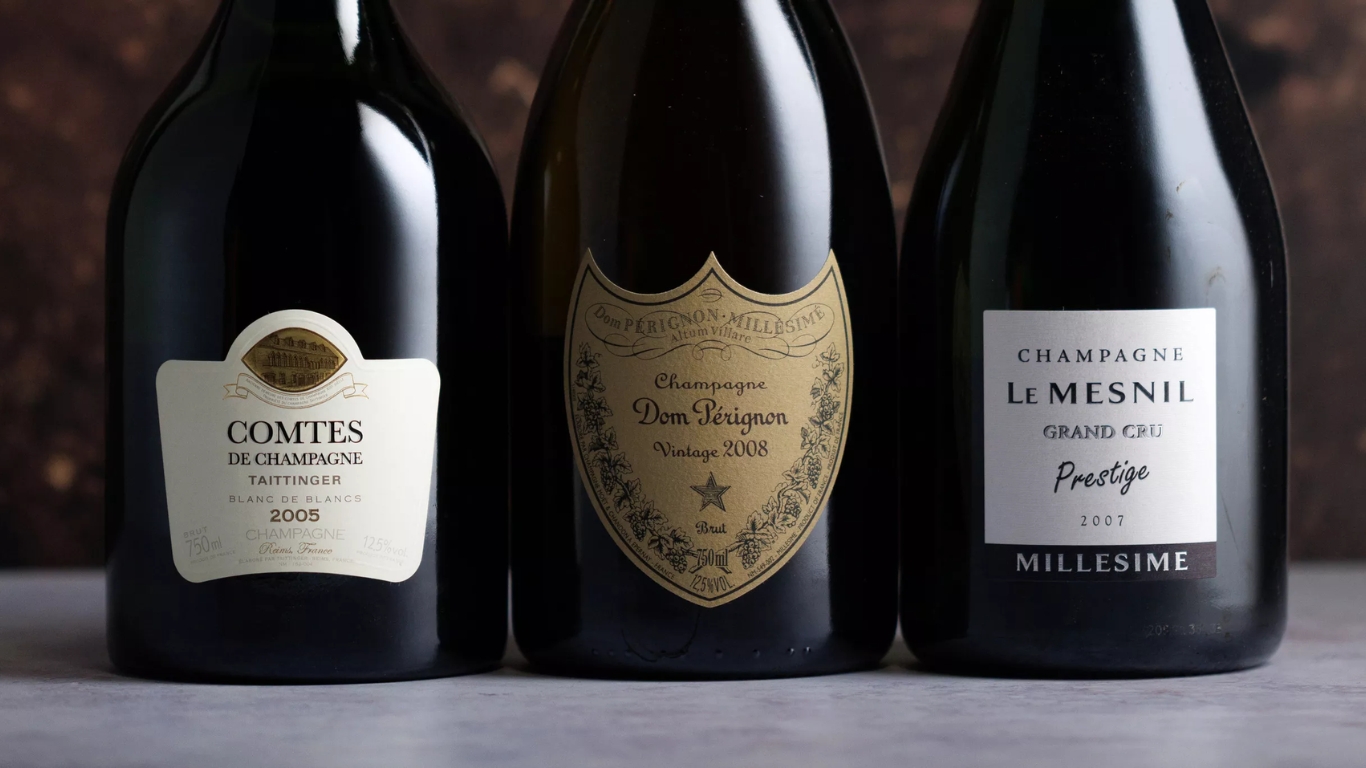
Regional performance varies significantly, creating opportunities for tactical allocation. The Champagne 50 index rose 0.6% month on month, making it the best performing Liv-ex sub-index, with iconic wines such as Krug 2004 rising 10.7% month on month, while Dom Pérignon 2015 increased 2.2% over the same period. These performance differentials highlight the importance of selective positioning within the fine wine category.
Investment-grade selection criteria have become more sophisticated, emphasizing provenance, storage history, and liquidity profiles. In 2026, buyers increasingly refuse privately stored bottles without documented storage history, with provenance becoming central to asset value. This evolution toward institutional-quality standards benefits serious investors while potentially disadvantaging casual collectors. For detailed investment strategies, explore our comprehensive luxury asset allocation guide.
Frequently Asked Questions
What makes 2026 different for fine wine investment compared to previous years?
2026 represents a historic inflection point with 97% of wealth managers expecting demand to rise, the highest confidence level ever recorded. Additionally, over one third of committed investors now allocate 21-30% of their total wealth to fine wine, up from just 2% in 2025. The market has also shown five consecutive months of growth after a three-year correction period.
How much should ultra-wealthy investors allocate to fine wine in their portfolios?
Current data shows that one third of US committed investors now allocate 21-30% of their total wealth to fine wine, while half allocate 11-20% of their portfolios. However, allocation should depend on individual risk tolerance, investment goals, and overall portfolio diversification needs. Most experts recommend starting with 5-10% allocation for new investors.
Which fine wine regions offer the best investment opportunities in 2026?
Burgundy, Champagne, and select Italian wines are leading market recovery. The Champagne 50 index was the best performing regional index, rising 0.6% month-on-month, with wines like Krug 2004 up 10.7%. Italian wines had four labels among the top ten performers, including Barolo, Masseto, and Super Tuscans. Older Bordeaux vintages are also seeing renewed demand.
How is technology changing fine wine investment in 2026?
67% of wealth managers believe AI will be the primary driver of market transparency through enhanced provenance verification and price discovery. Technology is addressing long-standing concerns about authenticity and market opacity that previously limited institutional participation. Additionally, 55% of investors now consider ESG credentials as important factors in wine investment decisions.
What are the key risks and considerations for fine wine investment in 2026?
While the market shows strong recovery signals, experts warn it may “bump along the bottom throughout 2026” rather than experiencing dramatic growth. Key risks include geopolitical factors, currency fluctuations, and storage/provenance requirements. However, fine wine’s low correlation with traditional markets and global transportability make it attractive for portfolio diversification during economic uncertainty.