
The traditional art investment narrative celebrates illiquidity as a feature, not a bug.
Unique paintings and sculptures that take months to sell supposedly avoid the panic-driven crashes that plague liquid markets. Gallery owners will tell you this protective moat justifies the opacity and the waiting.
They’re not entirely wrong. But they’re conveniently ignoring the genuine barriers this creates for you as an investor seeking portfolio flexibility, rebalancing opportunities, or capital deployment when other opportunities arise.
Limited edition prints occupy a position that challenges this conventional wisdom entirely. These aren’t reproductions. They’re works created specifically in multiples by the artist, original status maintained, artistic authenticity intact.
Yet they offer market liquidity that approaches securities while delivering appreciation potential that rivals unique works. The combination sounds too good to be true until you examine how the mechanics actually work.
The prints market has evolved dramatically over the past five years. Exponential growth has been driven by collectors recognizing that multiplicity doesn’t diminish value when edition sizes obey scarcity principles. Small runs of 25 to 150 pieces create functional rarity while generating sufficient market activity to establish transparent pricing and enable efficient transactions. You’re not choosing between liquidity and returns. You’re accessing both simultaneously through deliberate edition sizing.
This represents a fundamental shift in how sophisticated collectors think about art allocation. The old model forced you to accept either blue chip unique works with all their illiquidity problems, or poster reproductions with zero investment merit.
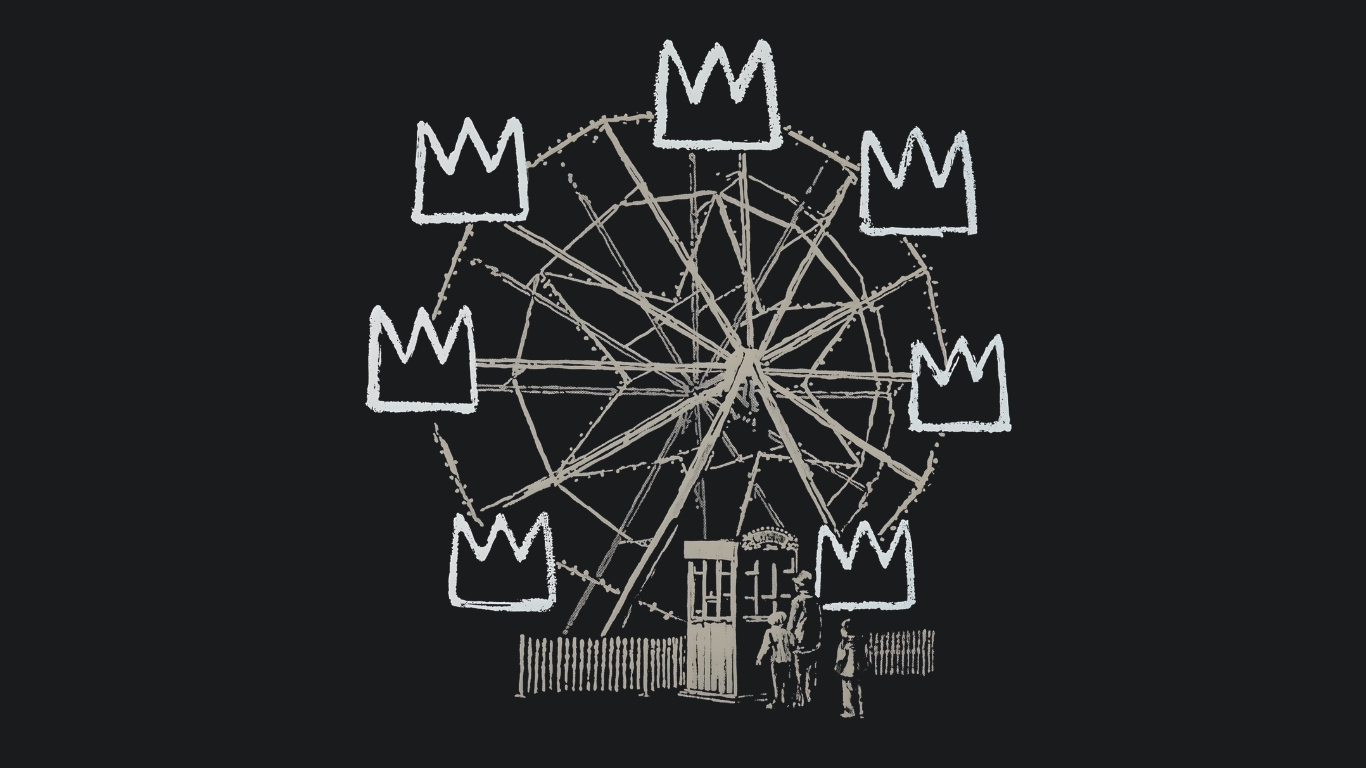
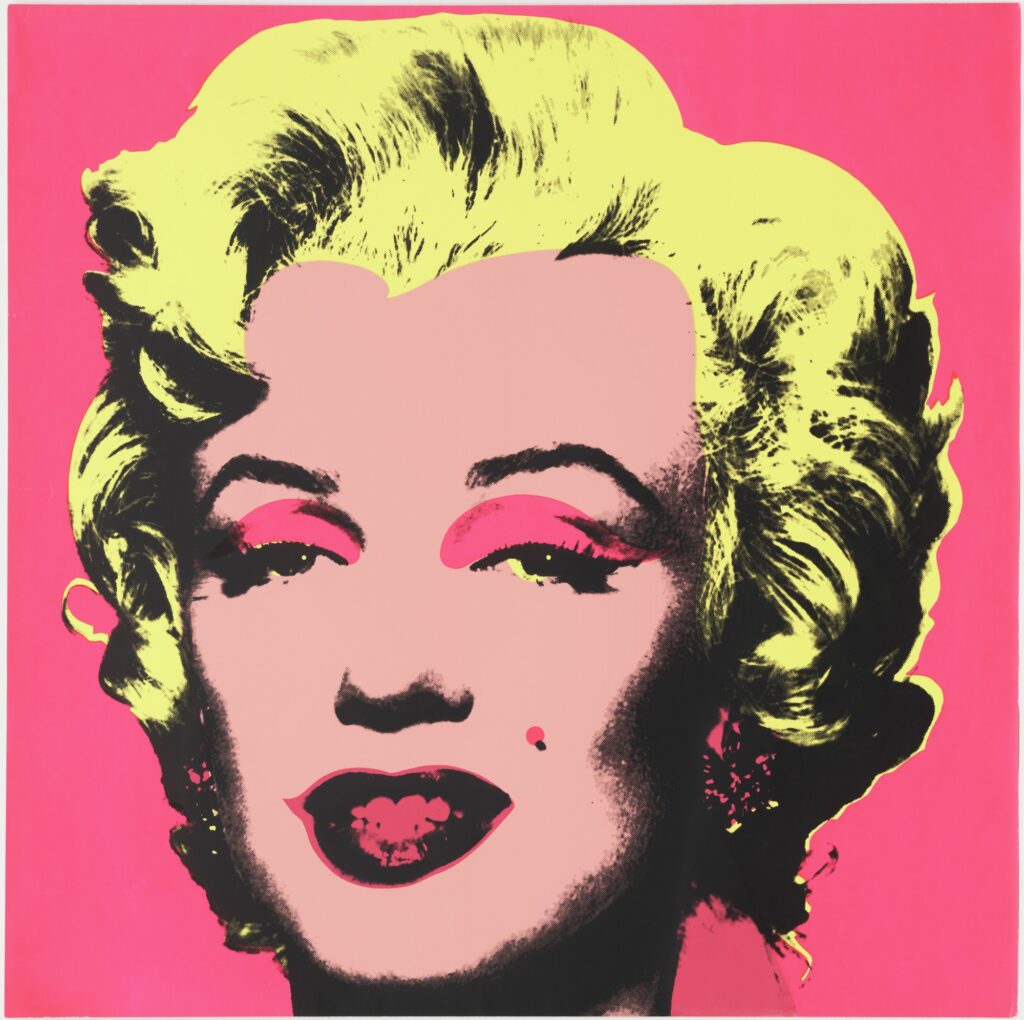
Limited edition prints collapse that false choice. You can now acquire authentic works from established artists like Banksy, KAWS, or even historical figures like Warhol, benefit from transparent secondary markets, execute transactions in weeks rather than months, and still capture appreciation as the artist’s broader market expands.
The key is understanding what separates investment-grade prints from decorative reproductions.
Edition size matters. Artist involvement matters. Market structure matters.
When these elements align properly, you’re holding an asset that trades with the efficiency of a security but appreciates with the dynamics of fine art.
Table of Contents
Key Takeaways & The 5Ws
- Limited edition prints sit between unique paintings and mass reproductions: they keep artistic authenticity while solving the worst liquidity problems of traditional art.
- Properly structured editions (typically 25–150 works) create genuine scarcity and enough market depth to support transparent pricing and fast transactions.
- Secondary market data for prints (Banksy, KAWS, Warhol, etc.) is easy to track, letting investors benchmark fair value instead of relying on opaque gallery quotes.
- Operational friction is much lower than with unique works: prints are easier to ship, insure, authenticate, and store, which directly boosts net investment returns.
- Blue-chip prints offer asymmetric access: investors can get exposure to artists like Basquiat or Warhol at a fraction of unique-work prices, with downside cushioned by art-historical status.
- Emerging-artist prints can deliver the highest upside when bought early for aesthetic conviction, then held through gallery upgrades, museum shows, and market breakouts.
- For modern portfolios, investment-grade prints turn art from a purely illiquid trophy into a flexible, rebalanceable asset class that genuinely competes with securities on both risk and return.
- Who is this for?
- High-net-worth collectors, alternative-asset investors, and sophisticated newcomers looking for art investments with real liquidity and transparent pricing.
- What are we talking about?
- Limited edition prints from investment-grade artists (Banksy, KAWS, Warhol, Basquiat, etc.) with controlled edition sizes, strong demand, and established secondary markets.
- When is it most relevant?
- The last five years have seen exponential growth in the prints market, with current opportunities centered on well-structured editions and early entries into rising contemporary artists.
- Where does liquidity concentrate?
- Global print liquidity is concentrated through major galleries, dedicated print auctions, and online platforms in London, New York, Hong Kong, and other key art-market hubs.
- Why does it matter?
- Because investment-grade prints challenge the old “illiquidity is a feature” narrative, offering a rare combination of blue-chip art appreciation, lower transaction costs, and exit options measured in weeks—not years.

Why Prints Trade Like Securities But Appreciate Like Art
Secondary market transparency fundamentally differentiates prints from unique works. When 25 to 150 examples of the same edition exist, previous sales establish verifiable price history within what Maddox Gallery experts describe as “a number of clicks.”
You can research realized auction results, review gallery asking prices, and analyze market trends without relying solely on dealer valuations or the opaque private sale comparables that characterize unique artwork transactions. This transparency eliminates information asymmetry.
You know what the market will bear before you make an offer.
Aside that, you can identify trends in real time.
If Banksy’s “Girl with Balloon” prints traded at £15,000 six months ago and £18,000 last week, you have actionable data. If KAWS “Companion” figures moved from £8,000 to £12,000 over two years, you can model trajectory.
Unique works offer no such visibility. Each sale is bespoke, subject to buyer-specific circumstances, and often undisclosed. You’re investing blind or trusting dealers with obvious conflicts of interest.
Physical practicality enables efficient transactions in ways unique works simply cannot match. Prints are “much easier to buy, ship and store” than sculptures or large canvases.
Standardized dimensions—most prints under 40 inches by 30 inches—mean predictable shipping costs and straightforward logistics. Lower insurance premiums follow from lower individual values and reduced damage risk.
Authentication processes simplify to verifying edition numbers, certificates, and artist signatures rather than conducting extensive provenance research. Storage requirements shrink proportionally. You can hold multiple works without warehouse facilities or the specialized climate control that unique pieces demand.
These operational advantages compound over time. You acquire a print for £20,000, decide to sell 18 months later, and you’re not scrambling to arrange conservation assessments or coordinate museum-grade transportation.
You photograph the work, list it through established channels, arrange standard insured shipping, and close the transaction. The friction costs that consume 10% to 15% of unique artwork sales drop to 3% to 5% for prints. That difference flows directly to your net returns.
Lastly, market depth creates actual buyers when selling becomes necessary, and this might be the most underappreciated advantage. A unique £50,000 painting might have 10 to 20 potential buyers globally. You’re relying on your gallery to contact each individually, hoping one is currently liquid and interested.
Transaction timelines stretch to months. Price discovery becomes negotiation theater rather than market process. A Banksy or KAWS print at a similar price point has hundreds of active collectors, multiple galleries maintaining inventory, and auction houses running dedicated print sales quarterly.
This buyer pool means transactions complete in weeks, with competitive bidding supporting stable pricing rather than distressed-sale discounts.
The 2020 Banksy phenomenon illustrates how liquidity itself commands value. Unsigned Banksy prints actually became “more desirable than those that were signed,” with market data showing superior liquidity driving the preference.
Unsigned editions had larger print runs, which meant more market participants. Pricing histories were clearer because more transactions occurred. Transaction velocities were faster because buyer pools were deeper.
The result: liquidity premium overcame traditional scarcity markers. Collectors recognized that a signature matters less than your ability to exit the position efficiently when circumstances change.

How Small Editions Deliver Blue Chip Appreciation
“When an artist obeys the ‘rule of scarcity’ their print market will always be in demand,” according to Maddox Gallery CEO John Russo.
Editions of 25 to 75 pieces create functional rarity approaching unique works. You’re accessing the appreciation dynamics of scarcity without the liquidity penalties of one-of-a-kind status. Editions of 150 to 250 still maintain scarcity relative to the global collector base, as there are millions of high-net-worth individuals worldwide, so 200 examples of a work remains genuinely limited.
But unlimited reproductions or editions exceeding 500 pieces dilute value regardless of artist reputation or initial quality.
This creates a strategic framework for your purchases. You target artists who understand and respect these dynamics.
KAWS consistently releases editions of 100 to 300 pieces—enough to create market depth, small enough to maintain scarcity. Banksy’s unsigned prints often run 600 to 750 pieces, which pushes boundaries but his massive global demand supports even these larger runs.

When you see an artist releasing editions of 1,000-plus, you should question whether the economics support long-term appreciation.
Blue chip accessibility creates asymmetric opportunity that unique works cannot offer. You acquire Basquiat prints at “a quarter of the price of hand-made art”—typically £20,000 to £80,000 for editions versus £500,000 to £5,000,000-plus for unique paintings.
You’re getting authentic exposure to an artist whose market is established, whose museum collections are validated, and whose historical significance is secured.
Downside protection comes from blue chip status. The market for Basquiat won’t disappear because his place in art history is permanent.
Appreciation potential comes from a growing collector base seeking accessible entry points into an artist they can’t afford at the unique work level.
The math becomes compelling when you consider portfolio construction. You allocate £100,000 to art.
- Option one: buy a single unique work from a mid-tier contemporary artist. You’re concentrated, illiquid, and entirely dependent on that specific artist’s trajectory.
- Option two: buy four to five blue chip prints from Basquiat, Haring, Warhol, or contemporary equivalents. You’re diversified across artists, maintain liquidity through multiple positions, and benefit from established markets with transparent pricing.
The risk-adjusted returns favor diversification when liquidity is available.
At the same time, emerging artist print strategies offer the highest risk-adjusted returns, but they require different execution. You buy works “purely for aesthetic value” from artists early in their careers at £2,000 to £10,000 when their edition prints are accessible.
Then you watch that artist develop as they transition from unknown to internationally exhibited. The returns can be extraordinary.
- KAWS sold 1,682 lots in 2021, becoming the most-sold contemporary artist that year. Early print buyers saw 500% to 1,000%-plus returns as his market exploded.
- STIK delivered 44% average value increases over five years as his street art roots gave way to gallery representation and institutional recognition.
The strategy requires discipline. You’re buying artists whose work resonates with you aesthetically, so you’re comfortable holding even if appreciation doesn’t materialize. You’re diversifying across multiple emerging artists because most won’t achieve breakthrough success.
You’re patient—holding periods of five to ten years are standard before major appreciation occurs. And you’re tracking the artist’s career development actively. Gallery representation matters. Museum acquisitions matter. Critical reception matters.
You’re not passively waiting. You’re monitoring progress and making informed decisions about when to hold and when to realize gains.
The liquidity advantage compounds these returns. When an emerging artist breaks through and prices surge, you can actually monetize gains. With unique works, you’re negotiating individual sales and hoping to find buyers during brief windows of peak interest.
With prints, you list on established platforms, auction houses add them to sales, and buyers emerge organically. You capture appreciation at optimal moments rather than selling whenever you finally locate a buyer.