

Buying property in Thessaloniki is one of those opportunities that quietly rewards the investor who pays attention. With an average price of €2,352 per square meter, the city sits well below what you’d pay in Athens, let alone Paris or London. And the range of what’s available here is genuinely broad, from boutique apartments in Byzantine-era neighborhoods to sleek commercial spaces near the waterfront, catering to buyers at almost every level.
Greece’s GDP is projected to rise by 8.1% over the next five years, and Thessaloniki stands to benefit directly from that growth. Rental yields in sought-after pockets like Ladadika and Kalamaria are already topping 7%, which means your investment can start working for you from day one. Throw in the Golden Visa program and some of the more favorable tax policies in Southern Europe, and the case for international buyers gets even stronger. If you want to understand the full tax picture before committing, how double taxation treaties affect real estate investments is essential reading.
Yes, ownership disputes and seismic safety concerns are real. But they’re manageable with the right legal team and a disciplined due diligence process. What you get on the other side is a city rich in culture, affordable by European standards, and on a clear upward trajectory. For any investor looking to diversify beyond the obvious markets and capture genuine long-term appreciation, Thessaloniki deserves a serious look.
Table of contents
- Overview of Thessaloniki’s Real Estate Market
- Factors Driving Demand in Thessaloniki
- Buying Property In Thessaloniki
- Popular Neighborhoods in Thessaloniki
- Cost of Buying Property in Thessaloniki
- Rental Yields and Income Potential
- Step-by-Step Guide to Purchasing Property
- Common Challenges and How to Overcome Them
- Market Stability and Economic Factors
- Living in Thessaloniki
- Conclusion
Overview of Thessaloniki’s Real Estate Market
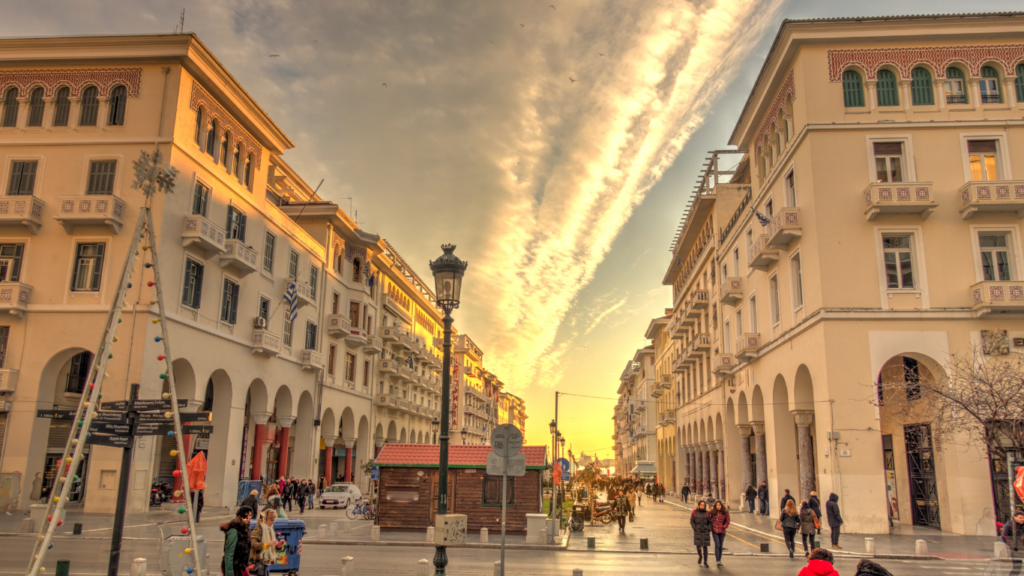
Thessaloniki is in the middle of a genuine transformation. As Greece’s second largest city, it blends centuries of history with a modern, cosmopolitan energy that’s drawing buyers from across the globe. The property market here reflects that momentum, offering everything from restored neoclassical buildings to new-build apartments with sea views.
Market Trends
After years of post-crisis recovery, Thessaloniki’s real estate sector has found its footing. Property values have climbed steadily since the early 2020s, with the average price now sitting at €2,352 per square meter. That puts Thessaloniki roughly 10% more affordable than Athens, a gap that’s attracting plenty of savvy capital. With Greece’s economy forecast to grow by 8.1% over the coming years, the momentum behind this market looks durable.
Types of Properties
Your options in Thessaloniki run the full spectrum. Studio flats, family apartments, townhouses, and large commercial spaces are all on the table. Central and waterfront properties are seeing the sharpest price increases, driven by strong demand from both residents and investors. The price-to-rent ratio sits around 23.91, which signals a healthy and active rental market. Whether you’re thinking residential income or commercial exposure, the city gives you real flexibility.
Buyer’s Demographics
The buyer pool in Thessaloniki is genuinely diverse. You’ll find locals, returning Greek diaspora, expats building a Mediterranean base, and international investors chasing yield. Young professionals are drawn to the city’s energy and affordability. The Golden Visa program has added a significant wave of non-EU buyers to the mix, and that outside interest is helping push both values and rental demand upward.
Factors Driving Demand in Thessaloniki
Thessaloniki’s property market is expanding for good reasons. Better infrastructure, a recovering economy, and a cultural identity that’s hard to replicate anywhere else are all pulling buyers in. These aren’t short-term tailwinds. They’re structural advantages that tend to support property values over the long run.
Infrastructure and Development
One of the most compelling stories in Thessaloniki right now is the pace of infrastructure investment. The metro expansion and the modernization of Macedonia International Airport are raising the city’s connectivity in a meaningful way. Better access brings more residents, more tourists, and more business investment, all of which feed directly into property demand.
The city center and waterfront are undergoing continuous upgrades, carefully threading the needle between preserving Thessaloniki’s historic character and delivering the modern amenities today’s buyers expect. Foreign investment is climbing, and the Golden Visa program continues to attract non-EU capital into the Greek property market at scale.
Tourism and Attractions
Thessaloniki punches well above its weight as a tourist destination. The White Tower, the Byzantine churches, the Roman ruins scattered throughout the city center, these draw visitors year-round and create a sustained pipeline of short-term rental demand. As tourism numbers grow, so does the pressure on property values in the most desirable pockets.
For investors, that dynamic is worth understanding clearly. A city with genuine cultural depth and a thriving hospitality scene tends to produce more resilient rental income than one built purely on seasonal footfall. Thessaloniki’s restaurant culture, nightlife, and year-round calendar of events give it staying power that seasonal beach destinations simply can’t match. That’s a real advantage when you’re underwriting a real estate investment for the long term.
Buying Property In Thessaloniki
Thessaloniki has quietly become one of the more interesting property markets in Southern Europe. Investors from across the world are paying attention, drawn by the city’s rare combination of historical gravitas and genuine economic momentum. Old-world character and new-world growth rarely sit this comfortably together.
Historical Appreciation
Properties in Thessaloniki carry architectural DNA that’s impossible to replicate. Byzantine influences run through entire neighborhoods, and that uniqueness translates directly into market value. Values have moved steadily upward over the years, and with Greece offering a stable investment environment, the historical character of these properties is expected to keep appreciating. Homes in Ladadika, for example, are pricing near €567,300, reflecting just how premium the most distinctive addresses have become.
Future Growth Potential
The outlook for Thessaloniki property is genuinely encouraging. Greece’s economy could expand by 8.1% over five years, with an average annual GDP growth of around 1.6% providing a solid floor beneath that headline number. And Thessaloniki’s prices still run about 10% below Athens, which means you’re buying into a quality market before it reaches full parity.
That affordability gap creates attractive entry points across a range of budgets. Properties in Kalamaria start around €250,000, while Polichni offers access at closer to €150,000. With a price-to-rent ratio of 23.91 sitting in line with the global average, the income fundamentals look sound alongside the capital growth story.
| Neighborhood | Average Property Price | Property Size |
|---|---|---|
| Ladadika | €567,300 | Various Sizes |
| Kalamaria | €250,000 | 85 sqm (2-bedroom) |
| Evosmos | €176,700 | Various Sizes |
| Polichni | €150,000 | Various Sizes |
With the average square meter cost at €2,352, right now is a reasonable moment to take a closer look at this market before the wider European investment community catches up. Greece’s broader real estate forecast reinforces why Thessaloniki is drawing so much attention.
Popular Neighborhoods in Thessaloniki
One of Thessaloniki’s strengths as a property market is how different its neighborhoods feel from one another. You’re not choosing between minor variations on the same theme. You’re choosing between genuinely distinct ways of living in the city.
Central Areas
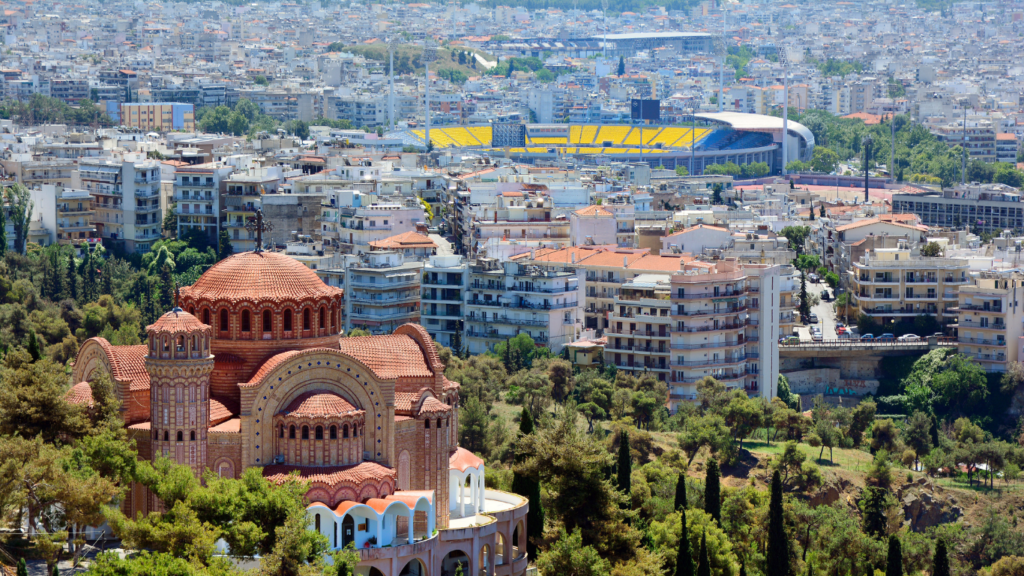
Central Thessaloniki, anchored by neighborhoods like Ladadika and Ano Poli, puts you within walking distance of cultural sites, independent boutiques, and some of the best food in Greece. The architecture here layers Byzantine, Ottoman, and modern influences in a way that gives the area real character. Both residents and investors are drawn to that energy, which keeps demand consistently firm.
Suburban Options
If you prefer a quieter pace, the suburbs offer real value. Evosmos is calm, well-connected to the city center, and prices run between €800 and €1,000 per square meter. Ampelokipoi strikes a balance between lifestyle and budget, with prices coming in between €900 and €1,200 per square meter.
Kalamaria brings a coastal atmosphere and modern amenities, with prices ranging from €2,500 to €3,500 per square meter, making it popular with international buyers. Panorama sits at the premium end, between €2,800 and €4,000 per square meter, offering luxury living and some of the most dramatic views in the city.
Here’s a comprehensive summary of property prices per square meter in select Thessaloniki neighborhoods.
| Neighborhood | Price Range (€ per square meter) |
|---|---|
| Evosmos | €800 – €1,000 |
| Ampelokipoi | €900 – €1,200 |
| Kordelio | €700 – €900 |
| Kalamaria | €2,500 – €3,500 |
| Harilaou | €2,200 – €3,000 |
| Panorama | €2,800 – €4,000 |
What that range tells you is that Thessaloniki accommodates a genuinely wide set of buyers. Whether you want the pulse of the city center or the calm of the suburbs, the market has room for you. That diversity is also part of what keeps the overall market stable.
Get a personalized property consultation
Cost of Buying Property in Thessaloniki
Thessaloniki combines urban energy with strong infrastructure, and that combination consistently drives investment value. The blend of historic character and modern convenience is one of the main reasons property here has proven resilient across different economic cycles.
Average Prices Per Square Meter
At around €2,352 per square meter on average, Thessaloniki offers genuine affordability within a market that still carries real cultural and lifestyle prestige. That price point opens the door to a wide range of buyers, from locals building equity to international investors looking for a foothold in the European property market without paying top-of-market Athens prices.
Comparison to Other European Cities
Put Thessaloniki next to Paris or London and the contrast is striking. Those markets can run several thousand euros more per square meter, often for properties with less character and in neighborhoods with less soul. The quality gap between Thessaloniki and Western Europe’s most expensive cities is far narrower than the price gap suggests.
As Greece’s second largest port city and a genuine business hub, Thessaloniki delivers strong value per euro spent. Its coastline, its UNESCO World Heritage Sites, and its position as a cultural anchor in the Eastern Mediterranean all add layers of desirability that pure price metrics don’t fully capture. According to the Financial Times, Southern European markets like Greece are increasingly drawing capital from buyers priced out of Northern Europe.
Rental Yields and Income Potential
Thessaloniki’s rental market is one of the more compelling income stories in Southern Europe right now. The city’s dual identity as a major university hub and a growing tourist destination creates demand from two very different renter pools, and that overlap is what keeps occupancy rates strong year-round.
High-Rental Demand Areas
The neighborhoods delivering the strongest rental yields are predictably those closest to universities and tourist attractions. Ladadika stands out for its nightlife and cultural density, with one-bedroom rental rates typically running between €370 and €650 per month. Kalamaria, with its seaside setting and modern feel, draws a different but equally reliable renter profile.
Both areas benefit from proximity to the things renters actually want, good food, walkable streets, cultural access, and a sense of place. That combination keeps vacancy low and gives you pricing power when it’s time to renew a lease.
Expected Returns
In the best areas, rental yields in Thessaloniki are topping 7%, which is a strong number by any European comparison. The price-to-rent ratio of around 23.91 tracks closely with the global average, suggesting the income potential here is neither inflated nor being left on the table. To give you a sense of scale, a 60 sqm one-bedroom apartment runs around €141,000, while an 85 sqm two-bedroom comes in at roughly €200,000.
With Greece’s GDP expected to average 1.6% annual growth and peak at 8.1%, the macro environment is supportive for both rental income and capital appreciation. Investing here gives you two ways to win, current cash flow and long-term value growth. That dual return profile is what makes Thessaloniki worth serious consideration for any investor building a value-driven real estate portfolio.
Get a personalized property consultation
Step-by-Step Guide to Purchasing Property
Buying property in Thessaloniki involves more moving parts than a typical domestic purchase. But if you understand each stage clearly before you start, the process becomes far more manageable. Here’s how it typically unfolds.
Initial Research
Start by getting a real feel for the market before committing to anything. Explore different neighborhoods, compare prices, and get comfortable with local market dynamics. Urban center properties are averaging around €2,250 per square meter, while suburban areas come in closer to €1,682 per square meter. That gap alone tells you a lot about where value and yield trade off against each other. Do this groundwork seriously and you’ll make a sharper decision.
Legal Requirements
Greek property law has its own rhythms, and getting the legal foundation right is non-negotiable. Every buyer needs a Greek tax ID, known as an AFM, before any transaction can proceed. Beyond that, budget for agent fees, notary costs, and public registration charges, these are standard but can add up quickly if you’re not prepared. A lawyer who knows Greek property legislation inside out isn’t a luxury here. It’s essential.
The Buying Process
The buying process in Thessaloniki moves through several distinct stages. You’ll start with a property search and shortlist, move into formal offer and negotiation, then proceed to legal due diligence including title verification. After that comes the preliminary contract, final notarial deed, and registration with the land registry. Each stage has its own timeline and requirements, so work closely with your legal and real estate advisors throughout.
| Phase | Description |
|---|---|
| Market Exploration | Identify potential properties fitting your budget and desires. Benchmark Thessaloniki prices against cities like Athens (€2.260 / €2.336) or Santorini (€5.439 / €3.626). |
| Securing Finance | Prepare financially with a 10% deposit on your chosen property. Include extra costs such as value-added tax (VAT) and legal expenses in your budget. |
| Legal Documentation | Engage a lawyer to gather necessary documents and ensure the property has a clear title. This action eliminates future legal issues, securing your investment. |
| Finalization | Wrap up by signing the contract and officially registering the property. Understanding the tax agreement between Greece and the US will help manage tax concerns efficiently. |
Follow each of these stages carefully and you’ll move through the Thessaloniki property market with far less friction than most international buyers expect.
Common Challenges and How to Overcome Them
Buying in Thessaloniki as an international investor does come with a few genuine hurdles. Knowing what they are upfront means you can plan around them rather than be caught off guard.
Ownership disputes are probably the most common complication. Many properties in Thessaloniki carry complex ownership histories, and a title that looks clean on the surface can have unresolved claims underneath. Clear title verification is non-negotiable before you sign anything. A local legal expert who knows the city’s property records well is your best defense against this kind of risk.
Seismic safety is another factor you need to take seriously. Thessaloniki sits in an active seismic zone, and not every older building has been retrofitted to modern earthquake-resistance standards. Before you buy, confirm that any property you’re considering meets current construction safety codes. This protects both your investment and the people living in it. Reuters coverage of Southern European property markets regularly highlights seismic compliance as a key due diligence item in Greek real estate.
Greece’s tax framework adds another layer of complexity. Property transfer taxes and VAT can be significant, and if you don’t plan for them properly, they’ll catch you out. Getting advice from a tax professional who specializes in Greek property law is worth every euro you spend on it. The numbers can look quite different once you’ve mapped out your full tax exposure.
On top of taxes, remember that agent fees, notary charges, and land registry costs all land on your budget too. Villas and larger properties tend to attract higher associated costs than apartments. Build all of these into your acquisition model from day one so there are no surprises when it’s time to close.
| Cost Component | Range (%) |
|---|---|
| Agent Fees | 1.5-2.5% |
| Property Acquisition Fee | 3% |
| Notary Charges | 1-2% |
| Lawyer Fees | 1-1.5% |
| Public Registration | 0.5% |
| Value Added Tax (VAT) | 24% |
| Exchange Rate Fluctuations | Varies |
The challenges here are real but they’re not unusual for a market with this much history and this much upside. Work with credible local professionals, do your due diligence thoroughly, and property ownership in Thessaloniki can be both smart and secure.
Get a personalized property consultation
Market Stability and Economic Factors
Thessaloniki’s property market has staged an impressive recovery since the economic crisis years. Values started climbing again in the early 2020s, driven by a combination of foreign capital, urban renewal projects, and renewed confidence in the Greek economy. The trajectory since then has been consistently upward.
Greece’s Economic Outlook
Greece’s economy is forecast to expand by 8.1% over the next five years, with an average annual GDP growth rate of 1.6% providing a stable base beneath that headline figure. For Thessaloniki, that macro tailwind translates directly into rising property values and stronger rental demand. The Golden Visa program has been central to attracting foreign capital, and that program continues to pull serious investment into the city’s property market. According to Bloomberg’s European markets coverage, Greece is now consistently appearing on institutional investors’ radar as an undervalued Southern European opportunity.
Political Stability
Greece’s political environment has settled considerably, and that stability matters a great deal when you’re committing capital to a foreign market. EU membership provides an additional layer of legal and financial security that non-EU markets simply can’t offer. Greece’s score of 55.8 on the Fragile State Index places it firmly in the category of markets where investor confidence is warranted.
The city center and waterfront areas of Thessaloniki have seen the most pronounced value growth, reflecting how the market rewards locations that combine cultural significance with strong amenity access. Thessaloniki’s position as both a cultural anchor and an economic hub in Northern Greece gives it a stability that more speculative markets lack entirely.
| Factor | Impact on Real Estate |
|---|---|
| Economic Growth Greece | 8.1% projected growth over next 5 years |
| Thessaloniki Property Opportunities | Increased foreign investment, particularly due to the Golden Visa program |
| Political Climate Thessaloniki | Stable, supported by EU membership, Fragile State Index of 55.8 |
Living in Thessaloniki
Thessaloniki is one of those rare cities that genuinely delivers on quality of life without extracting a premium for it. Its location, its history, and its Mediterranean character create an environment that residents tend to fall in love with quickly. And the cost of living here means you can actually enjoy it without financial stress.
Cost of Living
Compared to most Western European cities, the day-to-day cost of living in Thessaloniki is meaningfully lower. Groceries, public transport, dining out, all of it comes in at a fraction of what you’d spend in London or Paris. For expatriates especially, that gap translates into a genuinely elevated lifestyle at a fraction of the cost you’d pay elsewhere in Europe.
Quality of Life
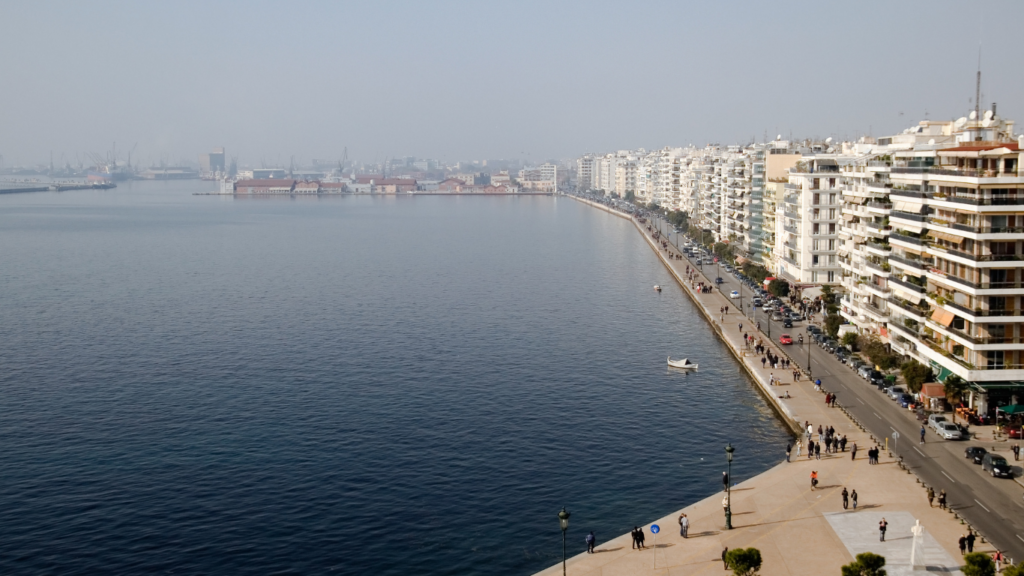
Life in Thessaloniki is shaped by its Mediterranean climate, its remarkable historical depth, and a food culture that’s arguably the best in Greece. The waterfront stretches for miles and functions as the city’s living room, popular for evening walks, morning runs, and weekend gatherings. Historical sites are woven into the urban fabric rather than cordoned off, which gives the city an authenticity that purpose-built tourist destinations can never replicate.
The city’s educational infrastructure adds another dimension of appeal. Aristotle University and Macedonia University are both internationally recognized institutions, and their presence keeps a steady flow of young, educated residents cycling through the city’s neighborhoods and rental market.
Conclusion
From a pure investment standpoint, the numbers hold up well. The price-to-rent ratio of 23.91 strikes a sensible balance between buyer and renter economics. At €2,352 per square meter on average, properties here cost about 10% less than comparable options in Athens, giving you a lower entry point and a clearer runway for appreciation.
Thessaloniki offers a genuinely diverse range of asset types, from city center apartments to suburban villas and commercial spaces near the port. With Greece’s economy projected to grow by 8.1% over the next five years, and GDP per capita already up 8.2% over the prior five-year period, the economic foundation supporting property values here looks solid. Forbes’s real estate coverage has flagged Greece as one of the more attractive emerging opportunities in the European property space.
Living costs in Thessaloniki stay well below most major European benchmarks across groceries, transport, and entertainment. Neighborhoods like Ladadika and Polichni serve buyers at very different price points, which means you can find your right entry regardless of budget. The city’s connectivity through Macedonia International Airport and an improving transport network makes it easy to access and increasingly easy to attract quality tenants.
A few cautions are worth keeping in mind. Ownership disputes can arise, and Byzantine heritage designations place restrictions on certain properties that you’ll want to understand before you buy. But the Golden Visa program and preferential tax treatment for non-EU investors do a lot to offset those friction points, making the path to ownership smoother than you might expect. When you step back and look at the full picture, Thessaloniki’s cultural richness, economic momentum, and genuine liveability make it one of the more compelling real estate propositions in Southern Europe right now.