The emerging real estate markets drawing serious capital right now are not the ones splashed across mainstream headlines. Institutional investors and wealthy individuals are quietly moving into five specific cities where infrastructure spending, population shifts, regulatory openings, and economic transformation are converging in ways the broader market has not fully priced. Knight Frank, Savills, and Mansion Global have each flagged the rotation in late 2025 coverage.
What makes a genuine opportunity goes beyond recent price jumps. You need to see infrastructure spending that changes how a place works, population shifts that create new demand, rule changes that admit buyers who could not invest there before, and economic transformation that makes a location matter in ways it simply did not five years ago.
Price gains without these underlying drivers tend to reverse fast. Real structural change tends to build on itself for years or even decades, and our ranking cuts through the noise by focusing on what actually drives durable returns. The five markets are Seoul, Riyadh, Tokyo, Corfu, and Aspen, ranked by structural depth rather than headline yield.

- The most compelling emerging real estate markets attracting serious capital span selected Latin American, Southeast Asian, Eastern European and Gulf destinations.
- We see Mexico City, Medellin, Lisbon, Athens, Warsaw, Dubai and Riyadh as the more institutionally credible emerging market plays in the current cycle.
- Knight Frank Wealth Report and JLL Global Cities data inform our cross-market understanding, with emerging market plays requiring careful structural diligence.
- Foreign ownership frameworks vary materially across emerging market jurisdictions, with explicit local-law analysis foundational before any acquisition commitment.
- Currency dynamics, capital control variation and tax framework differences shape cross-border allocation economics in ways that require explicit modelling.
- For most considered international investors we view emerging market property as requiring institutional-grade diligence and longer holding horizons than developed-market plays.
- Who is this for?
- International investors evaluating emerging market real estate opportunities, alongside the advisers, brokers and family office staff framing cross-border allocation decisions.
- What is happening?
- A read of the emerging real estate markets drawing serious capital, covering Mexico City, Medellin, Lisbon, Athens, Warsaw, Dubai and Riyadh.
- When did this emerge?
- The article reflects 2026 market conditions through Knight Frank Wealth Report, JLL Global Cities and our cross-market observations.
- Where is this happening?
- The piece covers a cross-section of emerging markets, including Latin American capitals, Southeast Asian destinations and Eastern European and Gulf cities.
- Why does it matter?
- Emerging market property requires distinctive diligence and risk awareness, which is why structural analysis matters more than headline yield arguments alone.
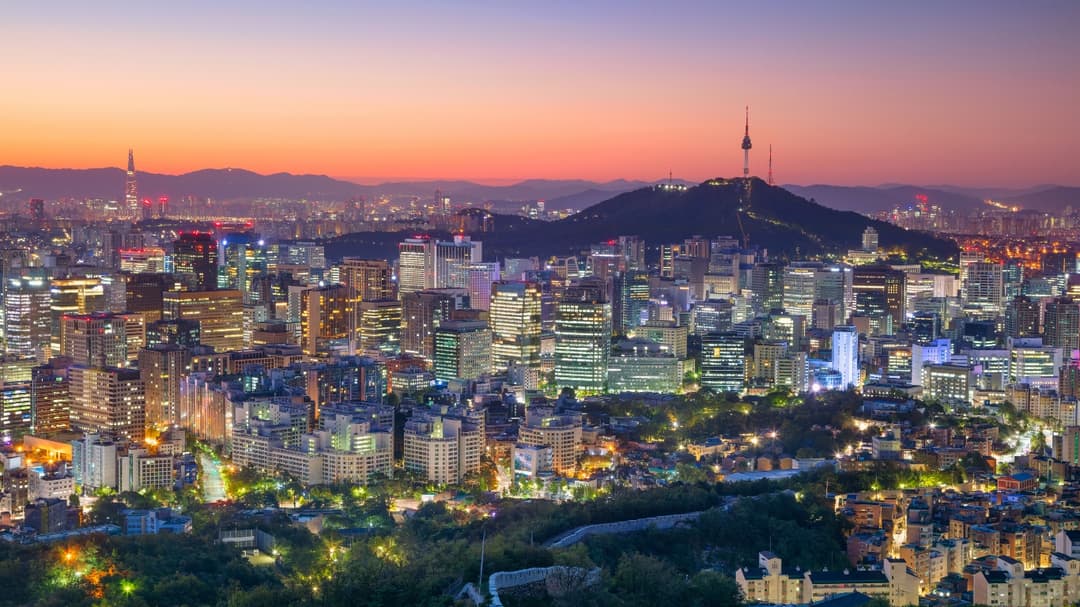
Seoul, South Korea
Seoul sits at the centre of Asia's fourth-largest economy and has posted 18. 4 per cent price appreciation recently, leading our group. By mid-2026, average apartment prices sit around $950,000 to $1.
05 million according to KB Kookmin Bank, with prime apartments in Gangnam, Hannam, and Yongsan selling anywhere from around $600,000 to well over $2 million depending on size and age.
Seoul yields run around 4 per cent to 5 per cent gross according to Global Property Guide's 2026 data. That is decent income while you capture appreciation, particularly in a city where office and housing markets rank among Asia-Pacific's tightest according to CBRE research, with JLL's Seoul desk corroborating the picture across three consecutive quarters.
Authorities have implemented permit requirements in prime districts like Gangnam, Seocho, Songpa, and Yongsan, with fresh loan-to-value adjustments targeting only the hottest submarkets. For anyone thinking five to ten years out, Seoul offers a mature, easy-to-trade market in a globally important city while underlying fundamentals keep strengthening.
Riyadh, Saudi Arabia
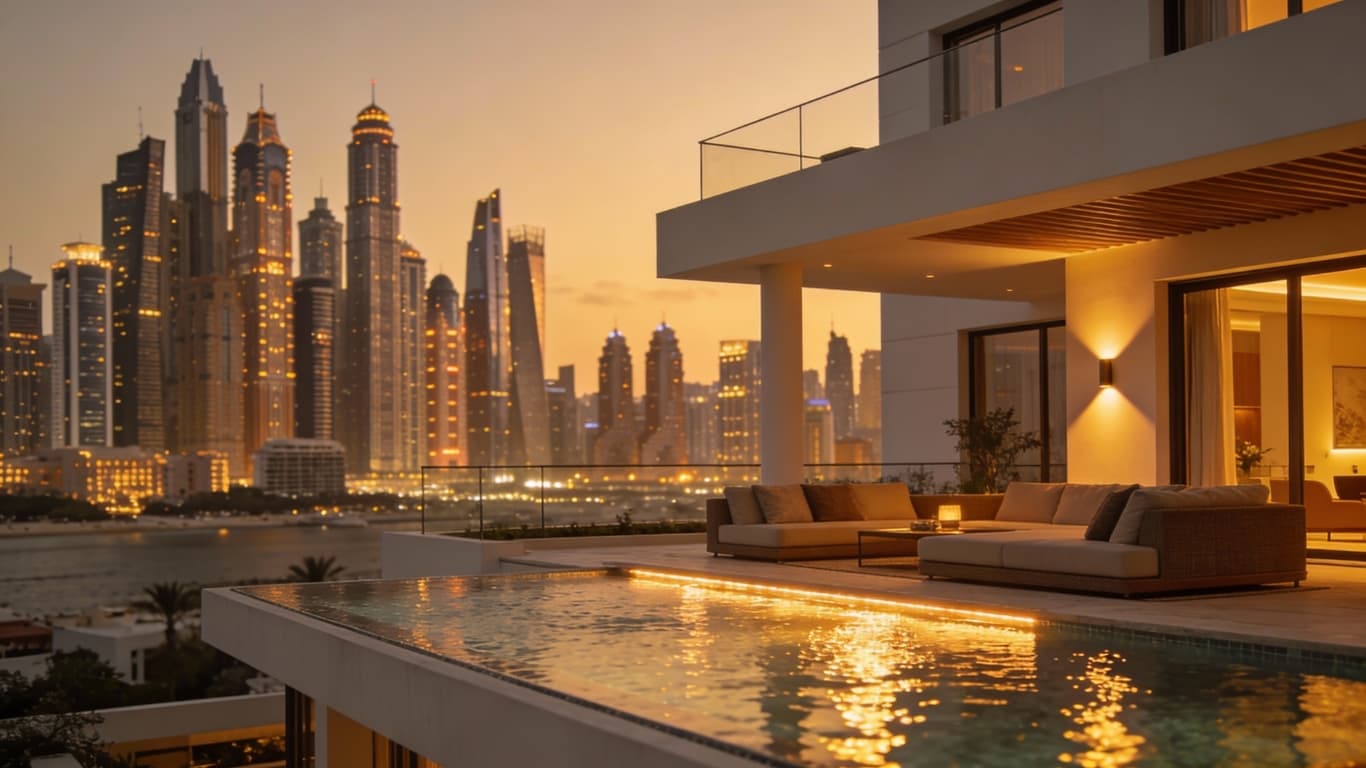
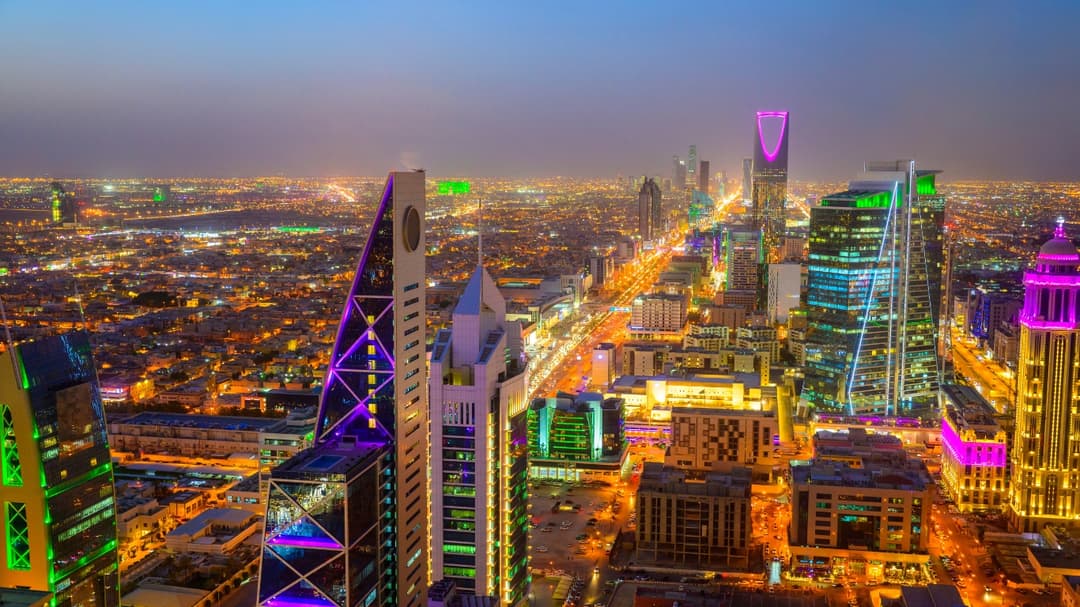
Riyadh is going through one of the fastest urban transformations happening anywhere right now, and the 16 per cent price appreciation reflects capital flowing toward that change before it fully plays out. Under Vision 2030, this city of 7. 6 million has become the centre for mega-projects like NEOM, Qiddiya, and Diriyah Gate.
If you want broader regional context, the $759B UAE property boom sets the scene.
Apartment prices jumped roughly 10.6 per cent in 2024 alone according to Knight Frank, with further strength carrying into 2026. The government recognised the affordability pressure this created and responded in September 2025 by freezing rent increases for five years across the Riyadh urban area, a landmark policy that signals both the intensity of demand and authorities' commitment to managing growth.
Even with a rent freeze dampening one income stream, gross rental yields in Riyadh run around 7 per cent to 9 per cent depending on district. What is changing the market at its core is liberalised foreign ownership that rolled out over 2024 and 2025, with demand clustering around the Diplomatic Quarter, King Abdullah Financial District, and Diriyah.
Tokyo, Japan
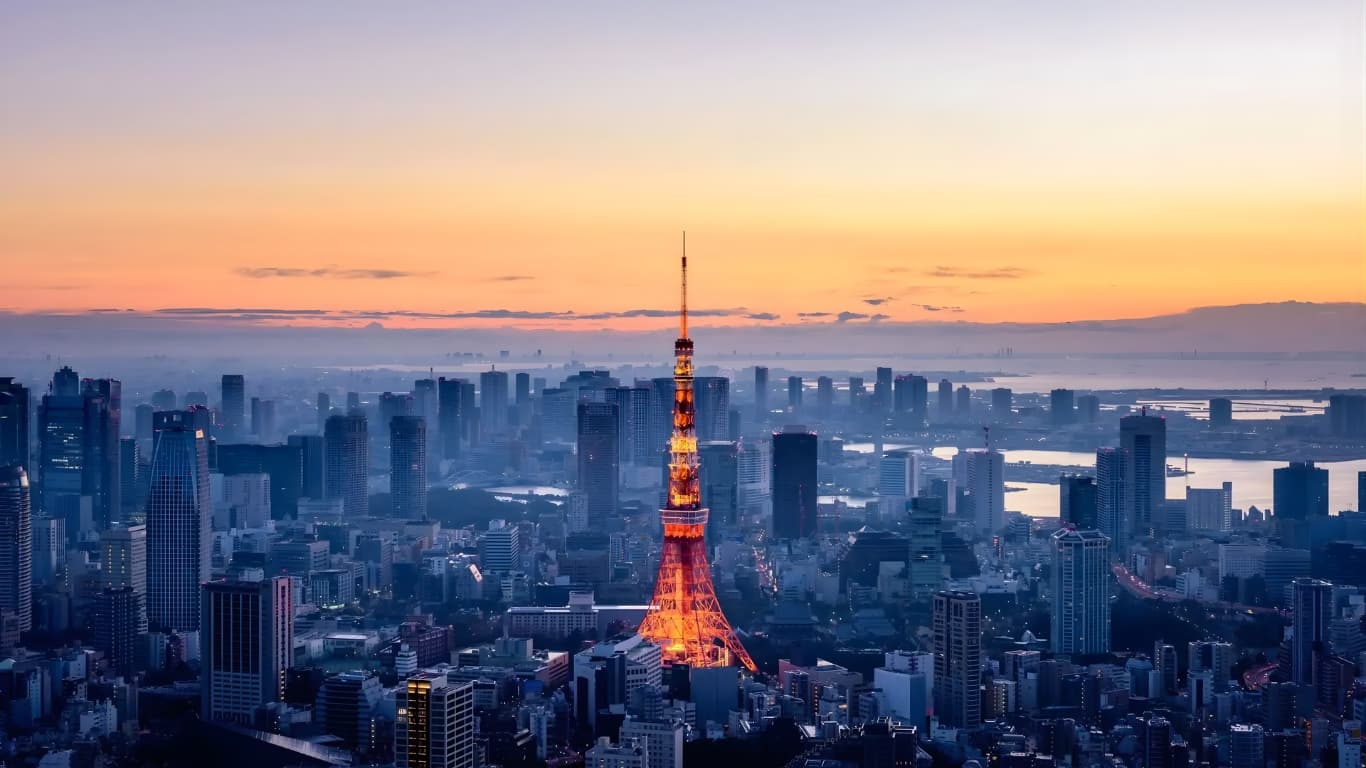
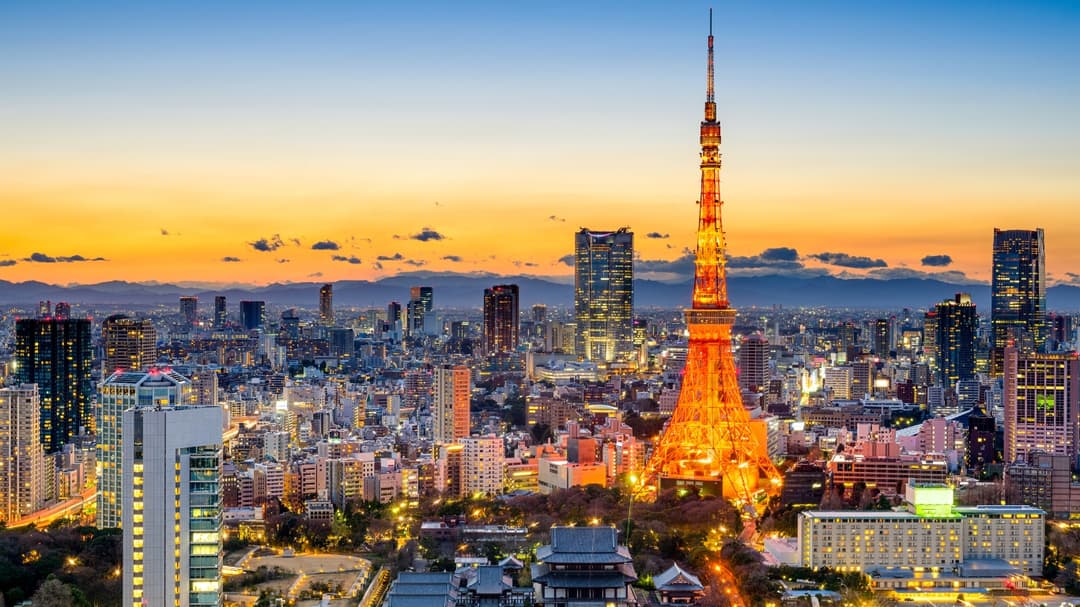
Tokyo has become one of the most compelling real estate opportunities for international buyers, and the catalyst is the yen's weakness. The fundamentals would be impressive in any currency, with Grade-A office vacancy hitting roughly 2. 4 per cent in recent quarters, near record lows that reflect genuine scarcity in a city anchoring a 37 million metro area.
JLL and Savills both highlight sustained rent growth and sub-5 per cent vacancies in the core wards.
The currency is what creates the entry opportunity. The yen repeatedly flirted with ¥150 to ¥155 per dollar through 2024 and 2025, levels that magnify foreign buyer purchasing power dramatically versus 2021. For dollar or euro-based buyers, Japanese property is roughly 30 per cent cheaper in your home currency than it was just a few years ago.
Mainstream sources peg gross yields around 3 per cent to 4.5 per cent in Tokyo's 23 wards. That might not sound thrilling until you factor in the liquidity and tenancy depth that comes with investing in one of the world's largest urban economies, and Christie's International Real Estate's Tokyo desk has documented strong international-buyer engagement through late 2025.
Corfu, Greece
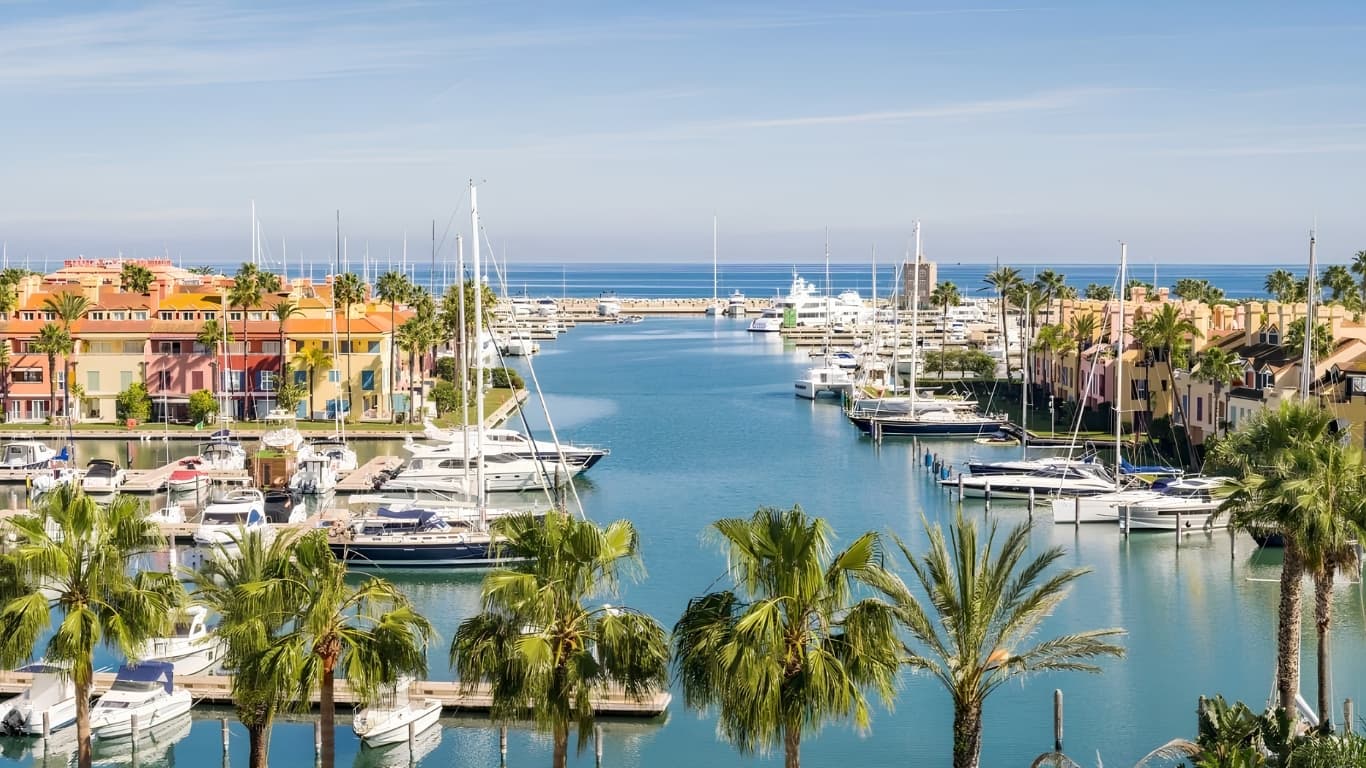
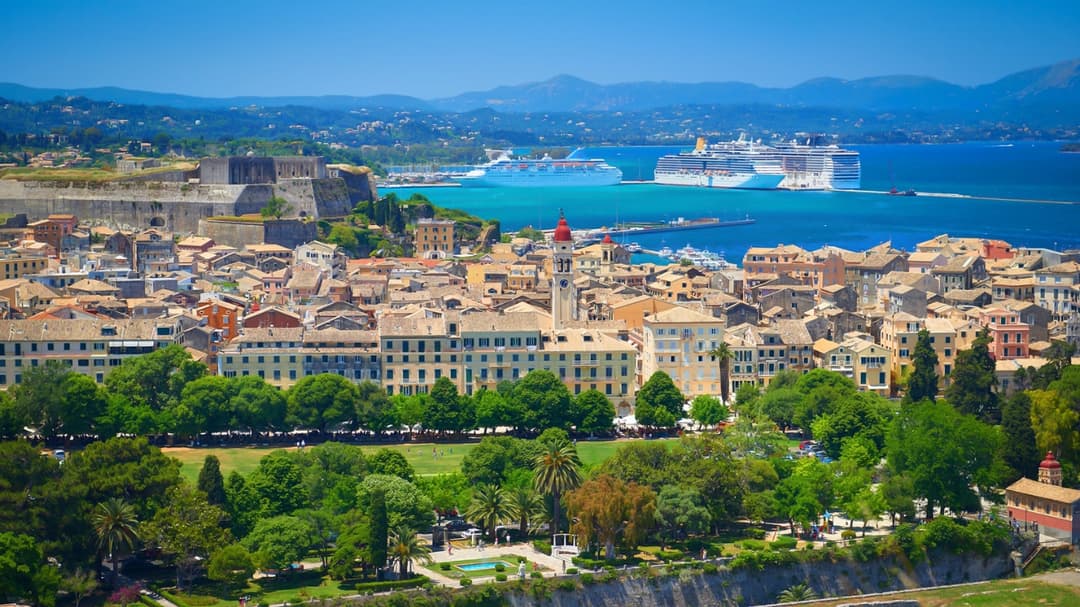
Corfu's 8.9 per cent appreciation might look modest next to Seoul or Riyadh, but context matters. This is a mature European island market posting those gains while much of the Mediterranean stays flat or slides, and it is happening as major infrastructure and policy changes are just starting to reshape what the island can attract.
The infrastructure catalyst came through 2024 and 2025 with a state-ratified mega-yacht marina concession worth €89 million in sub-concession value and €50 million in direct investment. This transforms Corfu from a pleasant Mediterranean island into a legitimate superyacht destination, and you can explore how European coastal property markets attract this caliber of buyer for useful comparison.
Greece increased its Golden Visa thresholds in 2024 and 2025, establishing tiers from €400,000 to €800,000 depending on location. That is steering inbound capital toward prime islands and top-end stock, exactly where appreciation potential concentrates. Serious international capital now targets properties that can deliver 4 per cent to 6 per cent gross yields through seasonal rentals, and for a broader look at how Greek island real estate is evolving, the Santorini market offers a useful benchmark.
What makes Corfu particularly interesting is the EU residency pathway through investment combined with a stable rental market serving over 8 million visitors annually, while prices stay well below what Mykonos or Santorini command. The British Protectorate legacy means English-speaking services and legal frameworks that international buyers understand, removing friction that exists in some other Greek islands.
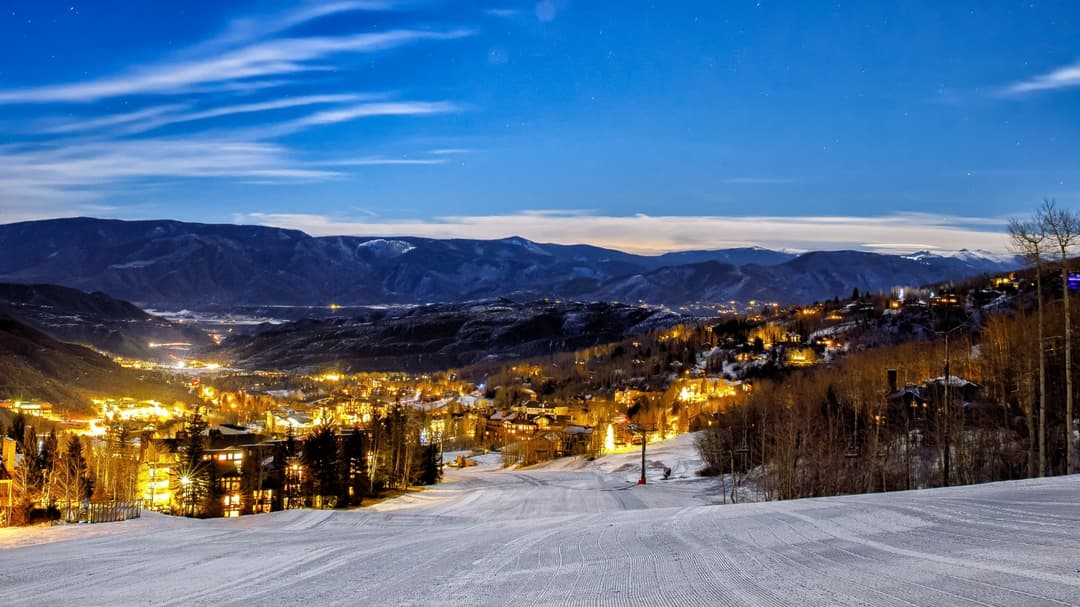
Aspen, United States
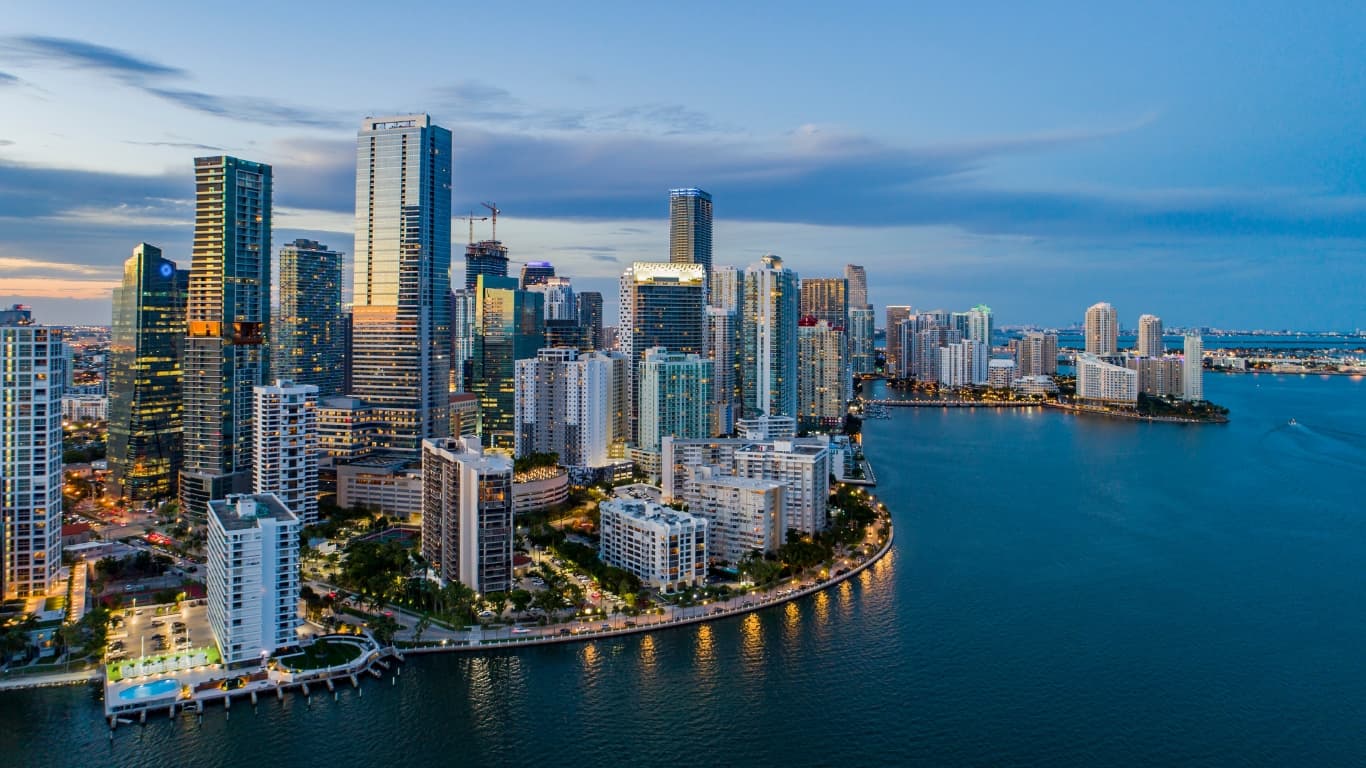
Aspen is the ultimate scarcity play in U.S. real estate. With 90 per cent of surrounding land protected or unbuildable and median home prices hitting $5.2 million, the highest in America, supply constraints here are permanent rather than temporary.
The Estin Report showed H1 2025 median single-family sales around $18.1 million at roughly $3,965 per square foot. Sales of $10 million-plus properties accelerated through 2025, and record trophy trades including a $108 million transaction set the tone for the very top of the market, as Sotheby's International Realty Aspen has documented.
What separates Aspen from other luxury mountain markets is the cultural programming that makes it far more than a ski town. The Aspen Ideas Festival, Music Festival, and year-round events create an intellectual and cultural scene that appeals to wealth valuing substance over status. Aspen came through the 1980s Colorado recession and the 2008 financial crisis with minimal declines, proving that genuine scarcity protects value even during broad market stress.
Prices have climbed roughly 180 per cent since 2010 and 450 per cent since 2000, appreciation that reflects real supply constraints that cannot be solved through new construction. Bloomberg's real estate coverage has tracked this pattern across multiple cycles, and Robb Report's real estate desk has consistently flagged Aspen as one of the few U.S. markets where pricing power simply does not erode.
What this means for buyers
The five markets here reward different capital profiles. Seoul, Tokyo, and Riyadh suit institutional and corporate-relocation buyers seeking liquidity and yield in major urban economies; Corfu is the choice for buyers who want an EU residency pathway combined with Mediterranean lifestyle; Aspen is the U.S. scarcity play for capital that prioritises permanence over yield.
The common thread is that each market combines structural change with constrained supply, which is what distinguishes durable opportunity from cyclical momentum.
The buyers we watch are not loading equally into all five. They are choosing one or two based on their currency exposure, residency goals, and yield versus appreciation preference, and then transacting selectively rather than chasing headline appreciation numbers.
We last reviewed this analysis in May 2026.
FAQs
How much capital do I need to invest in emerging real estate markets?
Budget $500,000 to $1 million minimum for quality condos in Seoul or Tokyo, $400,000 to $1.5 million in Riyadh for apartments or villas, €400,000 to €1 million-plus in Corfu depending on Golden Visa tier, and $2 million-plus for entry-level Aspen condos based on current median pricing
Which emerging real estate market offers the best rental yields?
Riyadh leads with 7% to 9% gross yields depending on submarket and unit type, while Seoul averages 4% to 5% and Tokyo delivers 3% to 4.5% in prime wards. Corfu short-term rentals can reach mid-single digits seasonally, while Aspen is appreciation-driven with lower 2% to 3% yields.
How do currency fluctuations affect returns in emerging real estate markets?
The weak yen at roughly ¥150 to ¥155 per dollar in late 2025 boosts purchasing power for dollar and euro buyers in Tokyo by roughly 30% versus 2021. Won and riyal exposures are more stable but remain policy-sensitive. Euro exposure in Corfu adds currency diversification, while Aspen offers pure dollar-asset positioning.
What are the transaction costs in the best emerging real estate markets?
Expect roughly 5% to 10% all-in round-trip costs in Seoul and Tokyo, similar or slightly lower in Riyadh depending on developer and registry fees, approximately 7% to 12% in Greece including VAT, transfer taxes, and fees depending on whether it’s new construction, and 6% to 10%-plus in Colorado including transfer, title, legal, and broker fees. Always verify locally before committing capital.

Savvas Agathangelou
Savvas Agathangelou co-founded The Luxury Playbook and has spent years reporting from the prime postcodes the magazine covers — Mayfair, Knightsbridge, the Athens Riviera, Dubai's Palm crescents, and the southern Mediterranean coastlines where the world's wealthy keep coming back. His background is in international hospitality, and that frame shapes how he writes about property: the developer's choices, the architect's signature, the agency's bench of named brokers, the building's service standard once the buyer moves in. He files developer spotlights, agency profiles, and the seasonal "Properties That Defined" listicles, and he hosts the magazine's founder-and-leadership interviews on the Voices side.