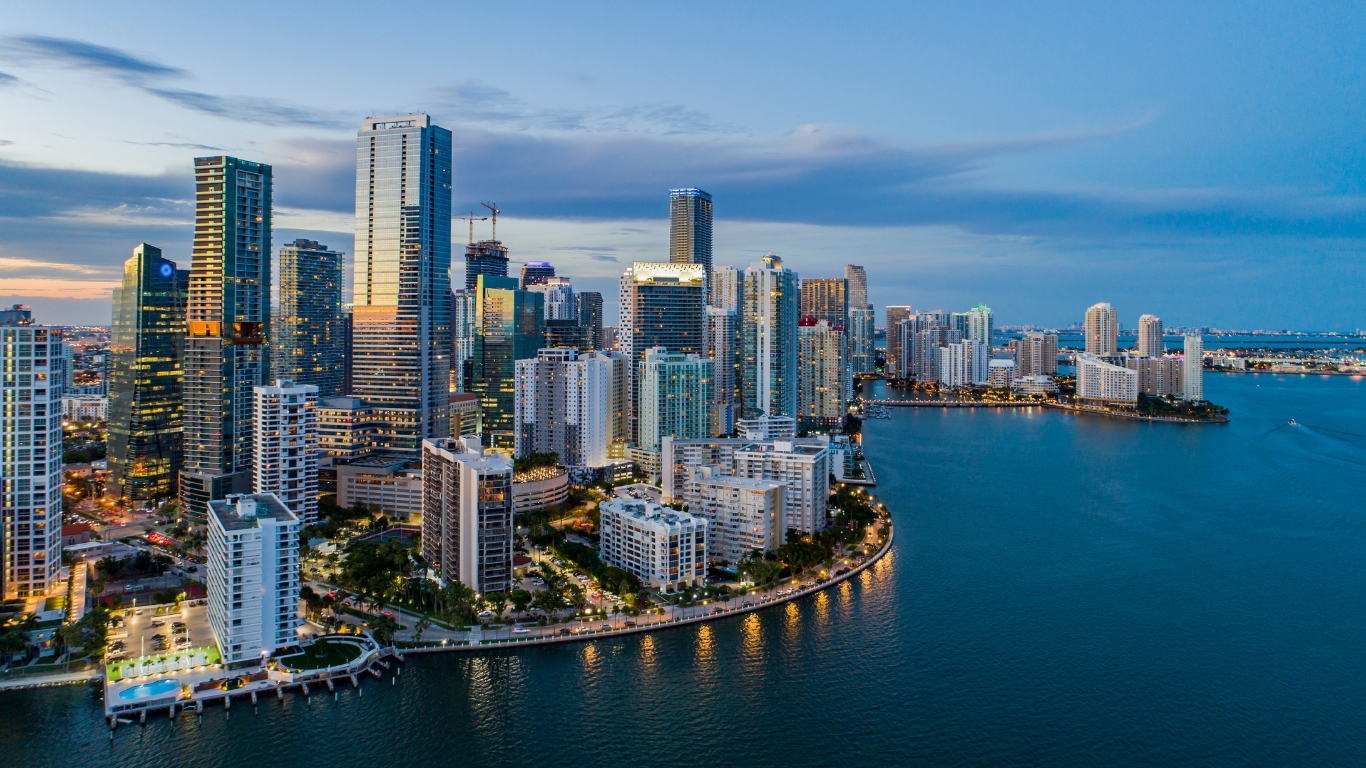
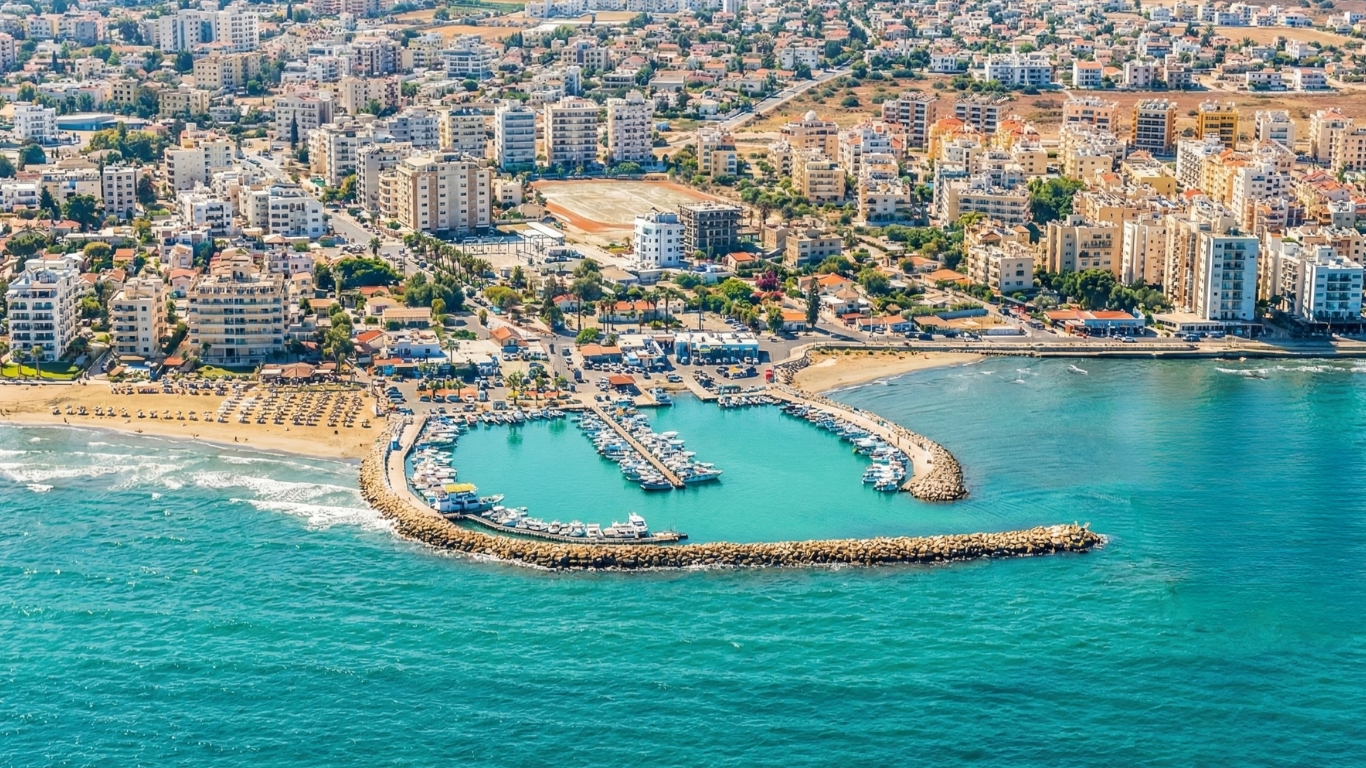

Cyprus real estate has quietly shifted into a new expansion phase that’s catching sophisticated investors off guard. After years of post-crisis recovery and gradual stabilization, the island is experiencing its strongest property performance in nearly two decades, with transaction volumes and prices both climbing substantially across most districts.
But while traditional heavyweight Limassol still generates the largest absolute transaction values and dominates headlines about luxury coastal developments, it’s Larnaca that has emerged as the market’s surprise leader in terms of growth momentum, value creation, and risk-adjusted returns for investors seeking exposure before market recognition drives premiums to levels that constrain future appreciation.
Cyprus as a whole is experiencing genuine boom conditions again, but Larnaca specifically offers the most interesting combination of growth trajectory, relative affordability, and infrastructure-driven upside.
Table of Contents
Key Takeaways
Navigate tabs- Cyprus’ property market is entering its strongest growth phase since 2007, with double-digit increases in sales and prices signaling a genuine boom rather than a post-crisis rebound.
- Larnaca has overtaken Limassol as the country’s growth leader, with apartment sales up 66 percent and house values more than doubling year-on-year — proving both depth and durability in demand.
- Major infrastructure upgrades — including the €1.2 billion Port & Marina redevelopment and airport expansion to 17.5 million annual passengers — are transforming Larnaca into Cyprus’ most strategically connected city.
- The market now offers a “value-plus-growth” profile unmatched by saturated destinations like Limassol or Paphos, combining clarity of future appreciation with relative affordability.
- With official data confirming rising sales, rising prices, and government-backed urban transformation, Larnaca delivers Cyprus’ strongest risk–reward balance for early-cycle investors.
- Who:
- International and Cypriot investors seeking early-stage real-estate growth with major infrastructure catalysts in place.
- What:
- Larnaca’s property boom — a rapid rise in transactions, values, and development activity supported by national economic momentum.
- When:
- Accelerating throughout 2024–2025, marking Cyprus’ strongest expansion in nearly two decades.
- Where:
- Centered on Larnaca, with spillover effects nationally — but outpacing all other districts in both sales volume and price growth.
- Why:
- Because Larnaca uniquely pairs infrastructure-driven transformation with still-undervalued pricing, offering the highest investment upside on the island before full market repricing.

The Explosive Growth Data Making Larnaca Unmissable
The island overall has posted impressive gains, with 16,455 sales documents filed in the first eleven months of 2025 representing a 14% increase over the same period in 2024 according to Cyprus Mail reporting. May alone recorded 1,664 transactions, the highest monthly total since 2007, signaling that demand has moved decisively beyond simple rebound dynamics.
Cyprus Property Sales by Region: May 2025 vs May 2024
Cyprus property market demonstrates robust growth across all regions in May 2025. Limassol maintains its position as the highest-volume market with 525 transactions, representing an 18% year-over-year increase. Famagusta shows the strongest growth rate at 54%, albeit from a smaller base of 77 transactions. Paphos and Larnaca post impressive gains of 44% and 37% respectively, while Nicosia records solid 26% growth. The broad-based expansion reflects sustained international interest and domestic demand across the Cypriot property market.
Property Transactions by Region (Number of Sales)
Yet these national figures obscure how unevenly growth distributes across different regions and cities.
Larnaca's performance stands out dramatically even against this strong national backdrop. In Q1 2025, apartment sales in the district surged 66.3% year-over-year to 321 units according to Cyprus Mail data, with the total value of those transactions climbing to €60 million. House sales jumped even more dramatically at 77.1% to 62 units, while their combined value soared 118.2% to €24 million compared with Q1 2024, more than doubling in value terms within a single year.
However, the momentum didn't represent a one-quarter anomaly driven by pent-up demand or statistical quirks. By February 2025, monthly sales in Larnaca had leapt from 247 to 335 transactions, representing a 36% increase versus February 2024. Over the combined January-February period, the district registered 594 sales documents up from 462 a year earlier, a 29% rise that marked the strongest growth across all Cypriot districts during that timeframe.
Zooming out to the first half of the year reinforces the pattern of consistent rather than flash-in-the-pan dynamics.
Across Cyprus overall, 8,729 sales documents were filed between January and June 2025, up 16% year-on-year according to Purple International analysis, but Larnaca posted the fastest individual district growth with a 24% increase in sales documents to 1,948 transactions and €324 million in transfer value.
Department of Lands and Surveys data covering January through November 2025 confirms the sustained nature of this trend. Overall property sales across Cyprus rose 14% during this period, while Larnaca's own transactions climbed 16%, consistently outperforming both the national average and most other regions across multiple timeframes and metrics.
Over the full eleven-month period, Larnaca's sales volumes continued growing faster than traditionally dominant Limassol, which actually saw transaction declines in November despite earlier strength, suggesting a potential shift in market leadership that few investors have fully recognized yet.
Lastly, according to analysis of the House Price Index and brokerage reports compiled by Cyprus Property News and News in Cyprus, Larnaca recorded some of the strongest residential price growth across Cyprus, with studies noting the city led the island for house price increases over the past year with annual gains around 11%.
Put together, these figures paint an unmistakable picture that contradicts the conventional wisdom positioning Larnaca as a "secondary" market playing second fiddle to more established coastal cities.
How Infrastructure and Value Created The Perfect Investment Storm
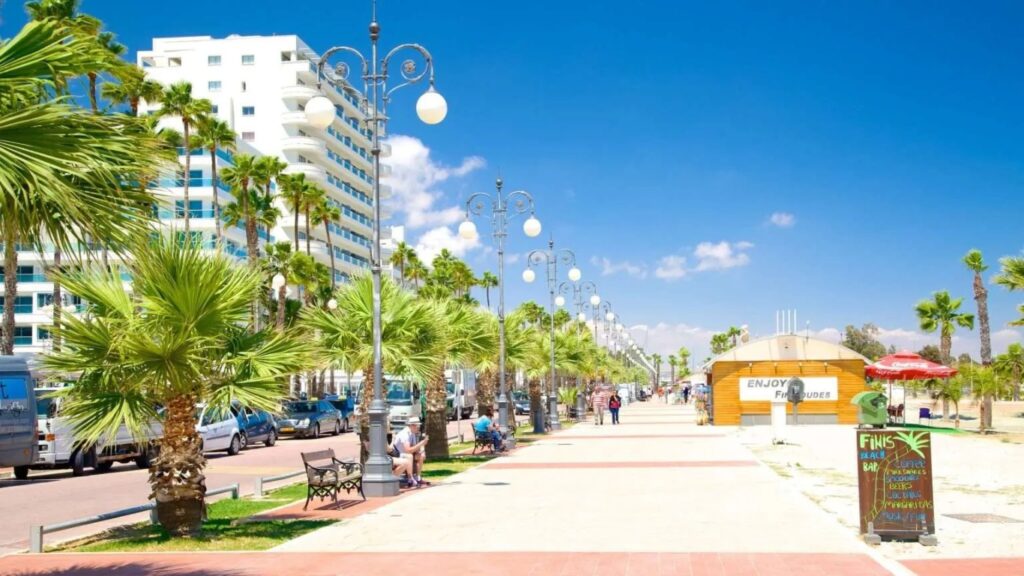
Larnaca's real estate surge isn't happening in isolation or driven purely by domestic demand shifts and local buyer enthusiasm. It sits directly on top of a powerful infrastructure and accessibility story that's fundamentally reshaping how international buyers and investors evaluate the city's positioning within Cyprus and the broader Eastern Mediterranean region.
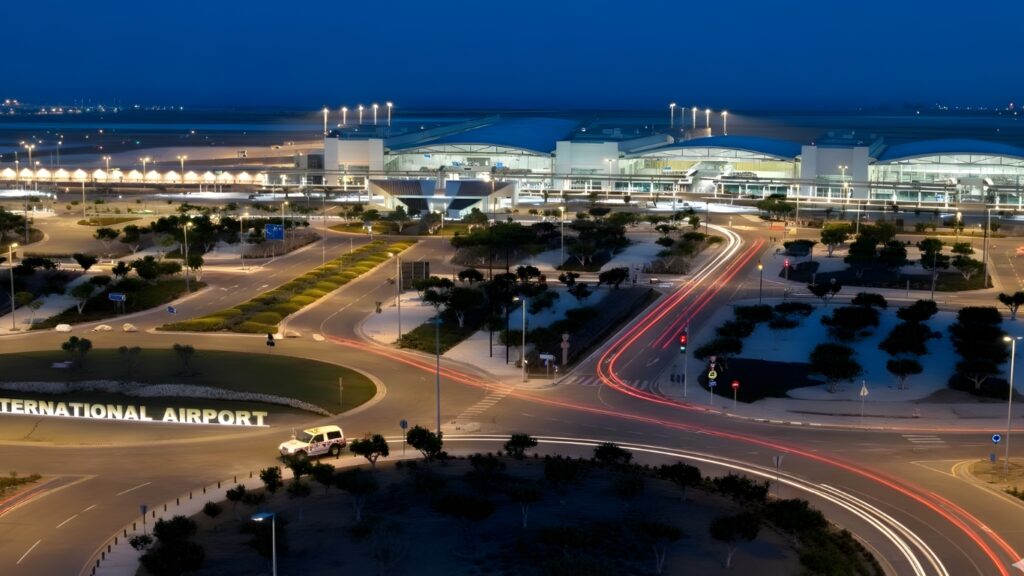
At the heart of this transformation sits Larnaca International Airport, which has evolved from convenient regional facility serving primarily package tourists into genuine international gateway attracting diverse traveler segments. In 2023, the airport handled 8.1 million passengers according to Routes Online data, representing a 34% increase over 2022 levels with an average load factor of 81%, effectively restoring and even strengthening connectivity relative to pre-pandemic benchmarks rather than just recovering lost ground.
By 2024, Hermes Airports reported that Cyprus' two main airports at Larnaca and Paphos handled 9.5 million passengers in the first nine months alone, a 5% rise year-on-year, underscoring sustained growth in inbound tourism and travel demand rather than one-year statistical bounce.
Looking ahead, government approvals confirm long-term growth expectations rather than treating recent gains as temporary peaks that will naturally moderate. The state has approved expansion plans that would allow Larnaca and Paphos airports to handle up to 17.5 million passengers annually according to Knews reporting, formally recognizing continued traffic growth projections and positioning Larnaca as an increasingly strategic gateway to the Eastern Mediterranean for both leisure tourism and business travel.
This airport expansion matters enormously for real estate values because connectivity drives both rental income potential from short-term holiday lets and appeal to permanent residents who value easy access to European and Middle Eastern destinations.
On the waterfront, the city anchors its long-term transformation around the €1.2 billion Larnaca Port and Marina redevelopment, widely described as the largest integrated port-marina project ever undertaken in Cyprus according to Superyacht News.
Although the original concession with Kition Ocean Holdings was terminated in 2024 and subsequently restructured through complex negotiations involving multiple stakeholders, the government has maintained development momentum by announcing €25 to €30 million of public sector projects to upgrade the marina according to Aman Alliance reporting.
In practical investment terms, this positioning means Larnaca now functions as a genuine "value plus growth" opportunity rather than forcing investors into the typical choice between affordable entry points with limited upside or expensive markets with established prestige but constrained returns from current levels.
Why Larnaca Represents Cyprus' Best Risk-Reward for Investors
For a market that only a decade ago clearly played second fiddle to Limassol's luxury coastal positioning attracting wealthy expatriates and Paphos's retirement community appeal drawing British pensioners, Larnaca's transformation into one of the island's most compelling emerging-to-prime stories now gets backed by hard transaction data from official registries, substantial infrastructure investment commitments from government and private developers, and consistent price performance metrics across multiple quarters rather than just promotional hype or hopeful projections from local agents talking their book.
The growth isn't based on speculative anticipation of improvements that might arrive in five or ten years if everything goes perfectly. It represents measurable market response to connectivity already delivered through expanded flight routes and increased passenger volumes, projects already under active construction that visitors can see progressing during site visits, and quality of life improvements already materializing in ways that international buyers can experience firsthand rather than having to take on faith based on glossy renderings and promises.
Larnaca sits at an earlier stage of its appreciation cycle where infrastructure catalysts are actively driving genuine fundamental improvement in the city's appeal and functionality, but market pricing hasn't yet fully incorporated these improvements into valuations across all neighborhoods and product types.
Properties located near the airport or planned marina developments trade at premiums reflecting their proximity to these assets, but quality residential options in adjacent areas still price below what comparable locations command once infrastructure benefits become fully recognized and priced by the broader market.
For investors seeking meaningful exposure to Cyprus property growth without paying peak prices that constrain future returns or gambling on unproven markets that might never deliver on their potential, Larnaca's combination of demonstrated transaction momentum backed by official data, infrastructure visibility through committed projects with clear timelines, and relative affordability that still allows quality purchases at reasonable entry points represents perhaps the most compelling risk-adjusted opportunity currently available on the island.