
The luxury housing market has operated under different rules than mainstream real estate for decades. High-net-worth buyers pay cash. They’re insulated from interest rate fluctuations. They treat prime properties as strategic wealth preservation rather than leveraged speculation.
This exceptionalism has protected luxury segments through downturns that devastated middle-market housing. Yet even this rarified segment cannot escape fundamental market forces when multiple headwinds converge simultaneously.
Comparison with other markets reveals U.S. Luxury home prices’ underperformance.
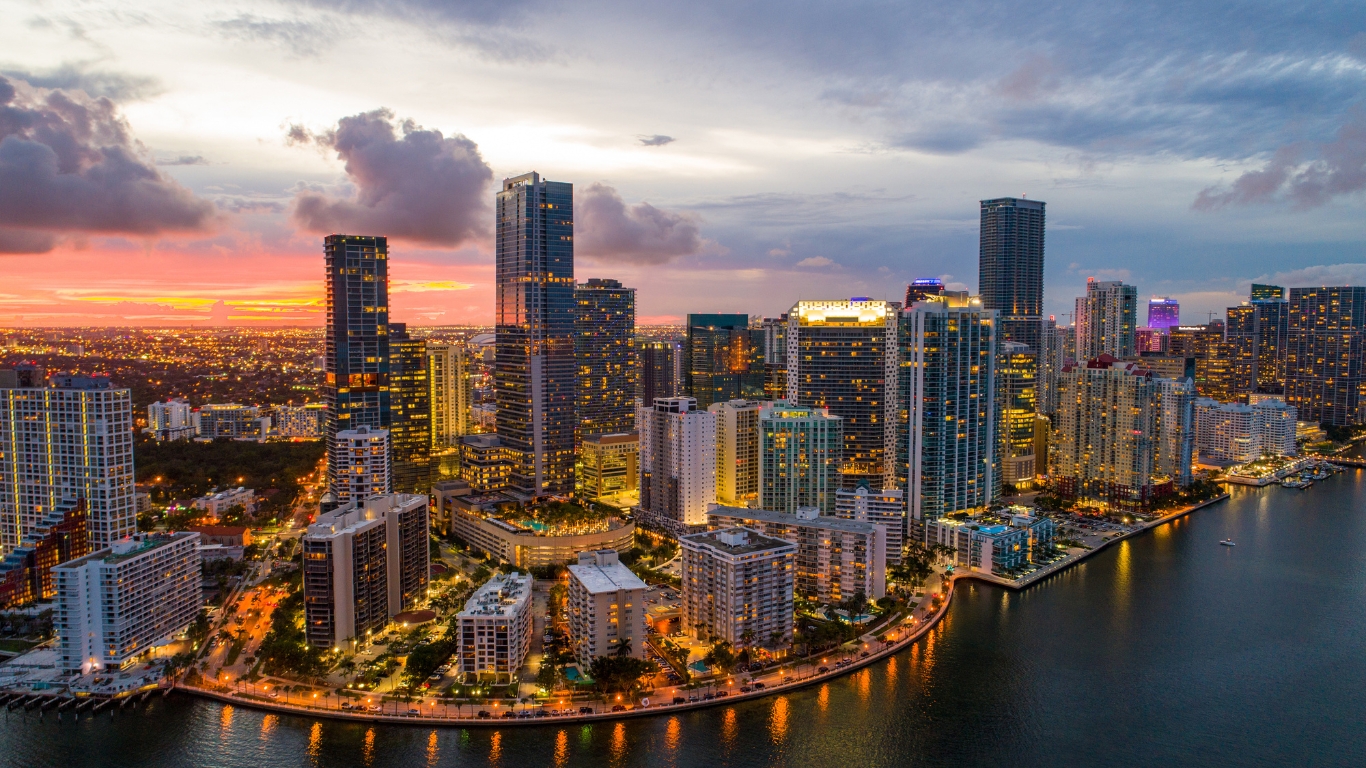
Seoul luxury prices surged 14% in 2025, with forecasts projecting 6% to 8% growth for 2026. Tokyo expects 4% to 6% appreciation. Even Miami, recovering from a 6.4% decline, anticipates 2% to 4% gains.
Meanwhile, major U.S. luxury hubs like New York, Los Angeles, and San Francisco face 0% to 2% growth ceilings. This represents dramatic deceleration from historical norms where American luxury real estate commanded global premium pricing and delivered consistent mid-to-high single-digit appreciation.
You need to understand what “suddenly” actually means in luxury market terms. Price stagnation doesn’t occur overnight. It represents the culmination of inventory accumulation, affordability ceilings even at high-net-worth levels, $40 million price cuts on trophy properties signaling seller capitulation, and a psychological shift from fear-of-missing-out buying to disciplined waiting.
Wealth preservation has trumped speculative appreciation in buyer decision-making. This behavioral change matters more than any single economic indicator because it fundamentally alters transaction dynamics in ways that persist long after initial triggers subside.
Table of Contents
Key Takeaways & The 5Ws
- U.S. luxury home prices have stalled – major hubs like New York, Los Angeles, and San Francisco now face 0%–2% expected growth, badly lagging cities like Seoul (+14% in 2025) and Tokyo/Miami (projected 2%–8% in 2026).
- Even ultra-wealthy buyers have hit an affordability ceiling – when a Bel Air mansion needs a $40M price cut (from $139M to $99.9M) just to get interest, it signals rational resistance, not lack of capital.
- Inventory has flipped the script to a buyer’s market – delayed listings have piled up, so multiple comparable $15M–$18M homes now compete for the same few buyers, giving purchasers negotiation power instead of FOMO.
- Rates matter psychologically even to cash buyers – high mortgage rates signal macro risk and shrink the future buyer pool, so HNW purchasers factor resale risk and macro uncertainty into eight-figure decisions.
- Strategic patience has replaced panic buying – younger wealth inheritors treat luxury property as long-term wealth storage, demanding turnkey quality and fair value instead of paying any price for speculative upside.
- Who is this about?
- High-net-worth and ultra-high-net-worth buyers, global investors, and sellers in U.S. luxury markets (New York, Los Angeles, San Francisco, Miami, etc.).
- What is happening?
- A stagnating U.S. luxury housing market where prices are capped by affordability ceilings, rising inventory, and more disciplined, value-focused buyer behavior.
- When is this happening?
- Stagnation built through 2025, with clear signs in late 2025–early 2026 as price cuts, slow absorption, and subdued growth forecasts replaced pandemic-era spikes.
- Where is it playing out?
- Core U.S. luxury hubs (New York, LA, SF, Miami) now underperform global peers like Seoul and Tokyo, and face competition from Mediterranean and other international luxury markets.
- Why does it matter?
- Because pricing outpaced perceived value, inventory surged, rates stayed high enough to signal risk, and wealthy buyers shifted from speculative mindset to patient, wealth-preservation-first decision-making.

Multiple Forces Creating the Perfect Stagnation Storm
The affordability ceiling has reached even ultra-wealthy buyers, and this development challenges assumptions about limitless luxury demand. Luxury entry points nationally now start around $1.3 million, up from sub-$1 million just years ago.
In global hub cities like Los Angeles, New York, and Miami, entry-level luxury pushes $2 million to $5 million-plus. Despite $6 trillion in global wealth transfer during 2025 creating a new wave of well-capitalized buyers, even cash-rich purchasers are questioning value propositions.
When a $139 million Bel Air mansion requires a $40 million price cut to $99.9 million just to attract interest, you’re witnessing affordability resistance at the very top of the market.
This isn’t about buyers lacking capital. It’s about rational actors refusing to overpay for assets they recognize as overpriced relative to alternatives or intrinsic value.
A billionaire with $500 million liquid wealth can afford a $100 million estate. But why pay that when comparable properties exist at $60 million in other markets, or when the same $100 million deployed in private equity or alternative investments generates superior risk-adjusted returns?
Luxury real estate competes for capital allocation against all other investment opportunities available to sophisticated wealth holders.
At the same time, inventory surplus is destroying pricing power in ways the luxury market hasn’t experienced in over a decade. The “limited supply” narrative that supported luxury appreciation for years has reversed.
Sellers who delayed listing during uncertainty, political transitions, interest rate volatility, economic concerns, are now flooding the market simultaneously. This creates rare buyer’s market conditions where multiple comparable properties compete for the same small pool of qualified purchasers.
Excess inventory means you can negotiate rather than compete. This fundamentally changes transaction dynamics.

Imagine this. You’re shopping for luxury property in Los Angeles and you identify three comparable estates at $15 million, $17 million, and $18.5 million. Five years ago, you made offers on all three hoping to win one.
Today, you make a single offer at $13.5 million on your preferred property, knowing the seller faces two competing listings and limited qualified buyers. The leverage shift from seller to buyer represents structural change, not temporary dislocation. Until inventory normalizes through transactions or withdrawn listings, this dynamic persists.
Interest rate psychology affects the luxury segment despite cash dominance in ways that surprise observers focused solely on financing mechanics. The luxury market remains heavily cash-based, insulating individual transactions from mortgage rate movements.
But the broader economic signal of elevated borrowing costs creates what industry insiders describe as a “general sense of caution” even among buyers not requiring financing. When mortgages hover around 6% versus 3% historical lows, it signals macroeconomic instability that makes all discretionary mega-purchases feel riskier regardless of your individual financing status.
This psychological effect operates through multiple channels. If you’re considering a $10 million purchase entirely in cash, the mortgage rate doesn’t affect your transaction directly. But it affects the resale market you’ll eventually face.
It affects the pool of future buyers who might purchase from you in five or ten years. It signals Federal Reserve concern about inflation, economic growth, or financial stability. These indirect signals matter when you’re deploying eight-figure capital into illiquid assets with high carrying costs and uncertain appreciation prospects.
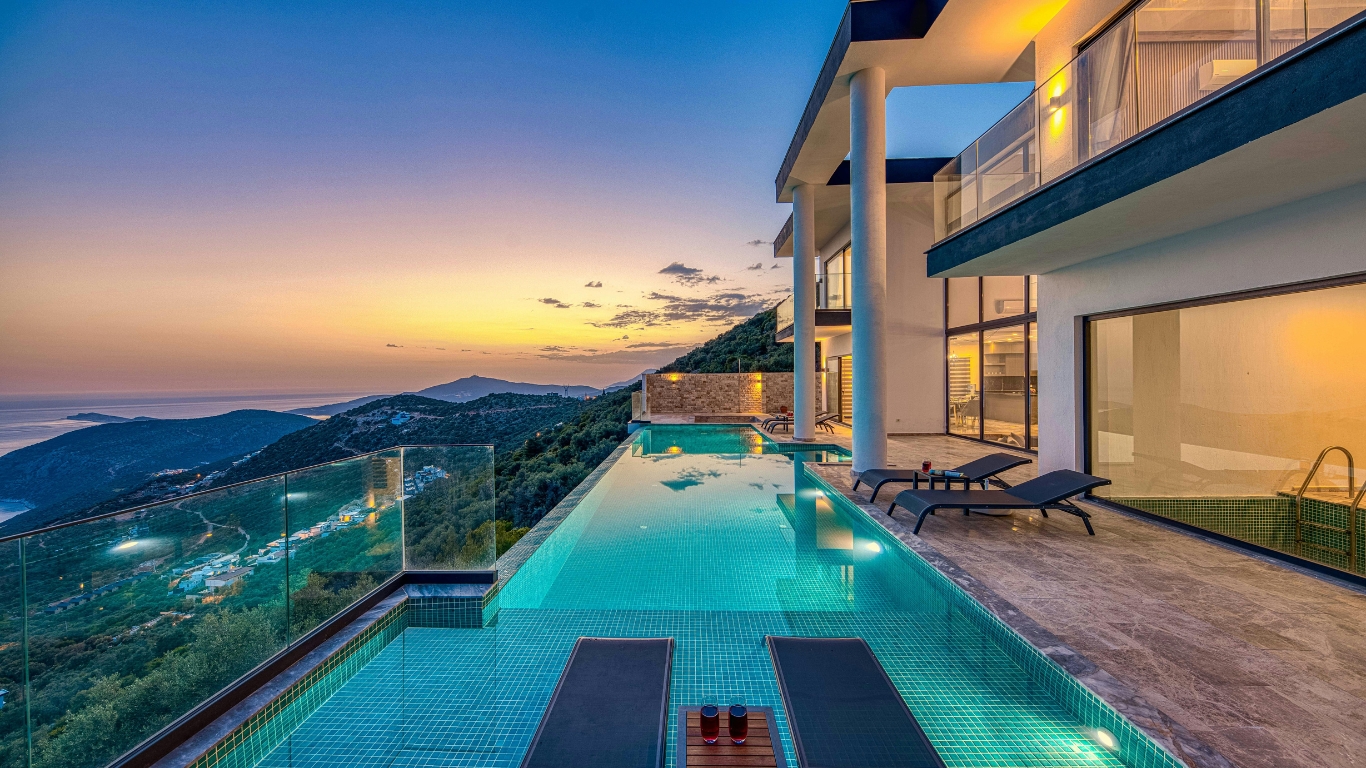
The wealth isn’t disappearing. It’s redirecting to markets offering superior risk-adjusted returns or lifestyle value propositions that American luxury struggles to match. You can buy a Mediterranean villa with ocean views, modern construction, and vibrant cultural amenities for $5 million.
The comparable U.S. coastal property costs $12 million, faces higher property taxes, and sits in markets with uncertain appreciation prospects. Unless you require U.S. residency for business or personal reasons, the international option delivers better value. This dynamic accelerates as remote work and digital business models reduce geographic constraints for wealth holders.
Strategic Patience Replaces Panic Buying
Buyer behavior transformation from competitive to calculated represents the most significant shift in luxury market psychology since the 2008 financial crisis. Sotheby’s outlook report shows luxury buyers “prioritizing space, privacy, and flexibility” over pure appreciation potential.
The wealth transfer creating a younger buyer cohort—inheriting $6 trillion globally in 2025—views real estate as a “long-term, tangible place to park wealth” rather than a speculative asset.
This means you’re willing to wait months or years for the perfect property at a rational price rather than overpaying from fear of missing out that characterized the pandemic era.
Older luxury buyers remembered periods when prime real estate appreciated 10% to 15% annually, creating urgency to buy before further appreciation priced them out. Younger inheritors watched cryptocurrency volatility, tech stock crashes, and pandemic-era housing speculation create and destroy fortunes within months.
They approach luxury real estate as stable wealth preservation, not growth vehicles. This lower return expectation reduces urgency and increases price sensitivity even among buyers with essentially unlimited budgets.
Turnkey properties with modern systems, contemporary design, and minimal deferred maintenance command premiums because buyers recognize total cost of ownership advantages. Dated estates requiring $2 million to $5 million in renovations face discounts of 20% to 30% below comparable updated properties because buyers factor renovation costs, timeline disruptions, and execution risk into purchase decisions.
If you possess expertise to manage major renovations or you’re buying purely for land value with demolition intent, the dated estate offers value. Otherwise, you pay up for turnkey to avoid complexity.
Mortgage rate catalyst offers limited salvation for true luxury segments despite optimistic forecasts. Predictions suggest rates could fall below 6% by the end of 2026, potentially unlocking “pent-up demand in high-priced markets” like New York and Los Angeles.
But this primarily affects properties “just below ultra-prime tier” rather than genuine luxury segments. Core ultra-wealthy buyers remain “less dependent on financing,” meaning rate cuts provide psychological relief more than financial enablement. You’re unlikely to restart double-digit appreciation without fundamental supply-demand rebalancing that rate cuts alone cannot achieve.
The mortgage-dependent luxury exists in the $1.5 million to $4 million range where affluent professionals stretch budgets using leverage. Rate drops from 7% to 5.5% meaningfully expand buying power for this cohort. But above $8 million to $10 million, cash dominance means rate movements affect market psychology more than transaction economics.
You might feel better about deploying capital in an environment where rates are falling rather than rising. But the actual purchase decision rests on property value, alternative investment returns, and lifestyle utility rather than financing costs you’re not incurring.