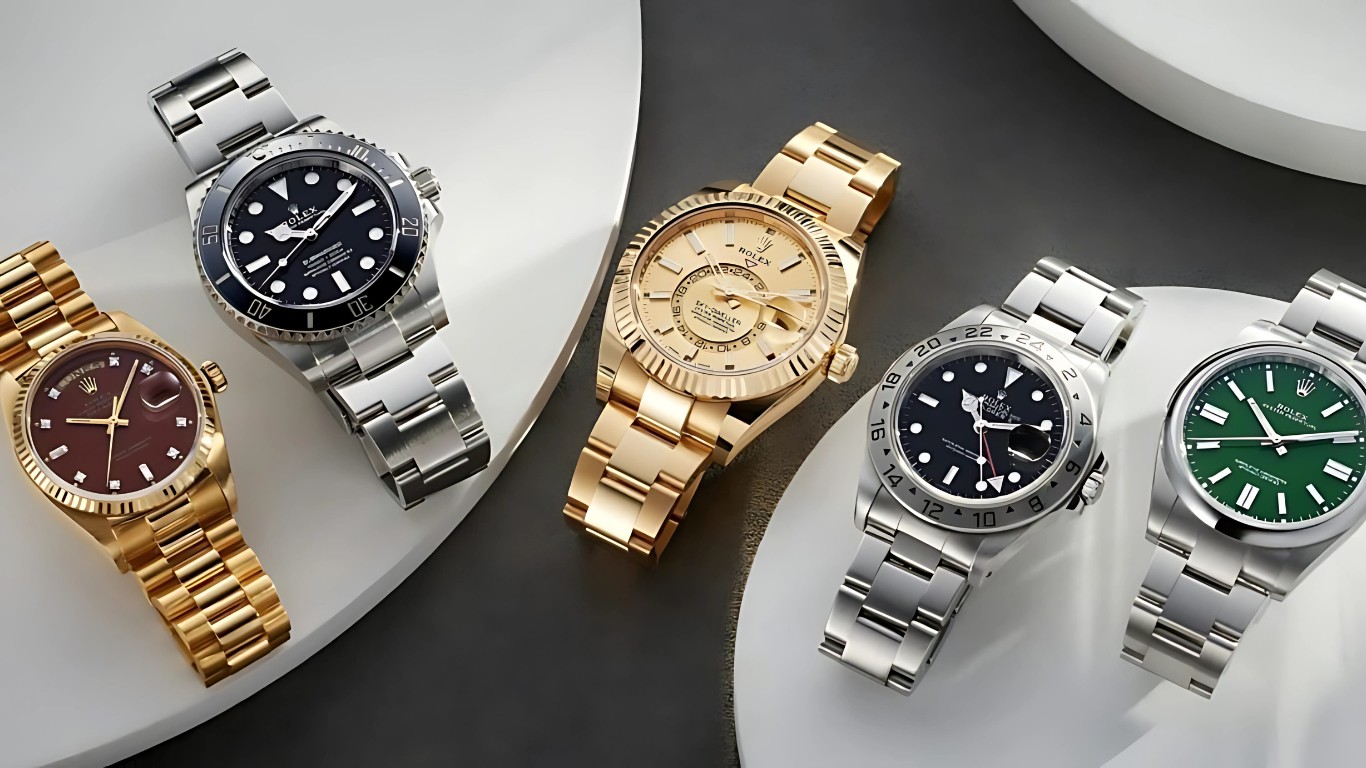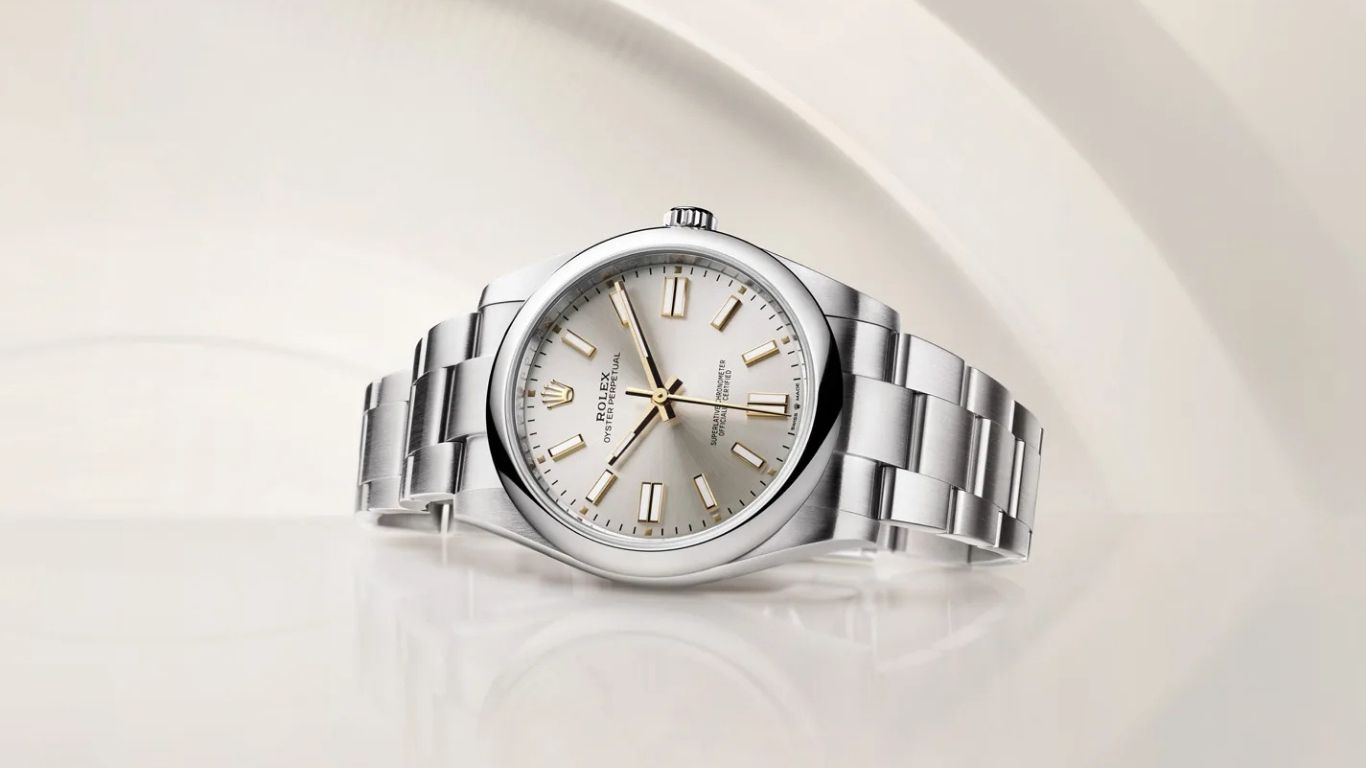


Pre-owned Rolex watches aren’t just luxury accessories. They’re outperforming assets in a volatile market. With rising inflation and tightening monetary policy squeezing traditional portfolios, tangible stores of value like Rolex timepieces have gained serious traction with investors who are looking well beyond equities and crypto.
Models like the Submariner, Daytona, and GMT-Master II have consistently delivered annual returns between 8% and 15%, and rare vintage pieces have pushed appreciation even higher when held over the long term.
The investment case for pre-owned Rolex watches rests on three core pillars. Supply scarcity. Global resale demand. And historical resilience during economic downturns. Get all three working in your favor and you have a compelling asset.
Rolex caps annual production at roughly one million units globally, yet international demand keeps climbing. That squeeze has pushed secondary market prices well above retail, especially for discontinued models, collector references with box and papers, and unpolished vintage pieces that haven’t been touched by a jeweler’s polishing wheel.
Unlike NFTs or tech stocks that ride hype cycles straight off a cliff, Rolex watches are driven by fundamentals. Limited production, mechanical longevity, and deep cultural value. Those aren’t trends. They’re structural advantages.
As luxury consumers across the Middle East, Asia, and Europe compete for shrinking inventory, the pre-owned Rolex market has matured into a high-performance alternative asset class, sitting comfortably alongside fine art, wine, and gold in serious portfolios.
Table of Contents
Benefits of Investing in Pre-Owned Rolex Watches
Pre-owned Rolex watches offer a compelling combination of luxury prestige and measurable financial upside. That’s exactly why they’ve become an increasingly popular alternative asset heading into 2026. Savvy investors are shifting real capital into the secondary Rolex market, and the reasons are hard to argue with.
- Strong Historical ROI: Over the past decade, select pre-owned Rolex models have delivered annual returns ranging from 8% to 15%, outperforming many traditional asset classes. For instance, the Rolex Daytona (Ref. 116500LN), originally priced at ~$12,400 MSRP in 2016, now trades above $34,000 on the secondary market—a 174% increase in less than 10 years.
- Supply Scarcity and Brand Control: Rolex tightly controls supply, producing only ~1 million watches annually, with significant waitlists for popular models. Discontinued references like the Milgauss or Explorer II (Ref. 16570) become instant collectors’ items, fueling price spikes in the resale market.
- Global Liquidity: Pre-owned Rolex watches are globally liquid, with marketplaces facilitating fast transactions across geographies. Their recognized design and brand prestige make them easy to resell, even during economic downturns.
- Inflation-Resistant Asset: As inflation chips away at fiat currency and cash-based holdings, tangible assets like Rolex watches preserve purchasing power. During high inflation periods, demand for real assets typically increases—and Rolex remains at the top of that list.
- Cultural and Collector Demand: Unlike stocks, pre-owned Rolex watches carry emotional and historical value. Celebrity associations, pop culture appearances, and iconic design shifts create demand not just from investors, but from collectors and luxury buyers who drive up valuations.
- Lower Depreciation Risk: Compared to buying new, pre-owned Rolexes have already absorbed their initial depreciation. This makes them ideal for value-conscious investors looking to avoid the sharp drops seen in new luxury goods once sold at retail.
- Tangible Asset with Utility: A Rolex isn’t just an investment—it’s wearable wealth. Unlike art or crypto wallets, a pre-owned Rolex combines functionality, luxury status, and investment potential in one highly portable asset.

How To Invest In Pre-Owned Rolex Watches
Investing in pre-owned Rolex watches takes more than brand enthusiasm. It demands precision, timing, and genuine market knowledge. Here’s how to approach it properly.
Step 1 is to define your investment goal. Are you seeking long-term appreciation, short-term flips, or portfolio diversification? Your answer shapes everything, from the model you buy to your budget and holding period. Long-term investors often favor vintage or discontinued references like the Rolex Sea-Dweller 16600, while short-term speculators tend to target rising modern references with immediate demand behind them.
Step 2 is to understand secondary market dynamics. Track how Rolex resale prices behave across market cycles. Use dedicated platforms to monitor average prices, volatility, and price history over time. Pay close attention to discontinued references or those with low production years. Those are typically your strongest performers.
Step 3 is to buy only authenticated, complete sets. Condition, originality, and completeness are everything. A watch that checks all three boxes will always command a premium over one that doesn’t. Prioritize watches that come with their original box, papers, hang tags, and service history.
- Original box and papers
- Unpolished cases
- Matching serial numbers and movement codes
- Verified service history
To put a number on it, a Daytona with complete documentation can fetch 20% to 30% more than the same model without provenance. That gap is real money, and it compounds over time.
Step 4 is to focus on reference numbers, not just model names. Serious collectors and investors think in references. Subtle differences between a Ref. 116500LN and an earlier example can translate into thousands of dollars on the secondary market. Do the research before you buy.
- Submariner 116610LN appreciates differently from 124060
- Daytona 116520 (pre-ceramic) is more in demand than early ceramic versions
- Explorer II 16570 Polar Dial is rising in value due to rarity and nostalgia
Step 5 is to factor in maintenance and storage. Service costs typically run between $500 and $1,000 per interval, with servicing recommended every five to seven years. Invest in a quality safe, keep your watches away from magnets, and avoid over-winding. Proper care sustains both the value and wearability of your assets.
Step 6 is to track your ROI and hold for the long term. Many investors treat Rolexes like blue-chip stocks, and the comparison isn’t far off. Historical trends show that five to ten years is the ideal horizon for maximum appreciation. Tools like WatchBase or MyWatchPortfolio can help you monitor market values and make informed decisions about when to sell.
Top Pre-Owned Rolex Investment Models (2026)
Rolex Submariner (Ref. 16610 and 124060)
The Submariner is the cornerstone of Rolex investment watches. Its iconic status and resilient market demand make it the first reference point for any serious buyer. The no-date Submariner 124060 retails new for around $9,100, but clean pre-owned models command between $10,500 and $12,000 on secondary platforms, a premium of roughly 15% to 30%. If you want to go deeper on which specific variant makes the most sense, this breakdown of the best Submariner models for investment is worth your time.
The older 16610, discontinued in 2010, has become especially sought after, often trading between $10,000 and $14,000 depending on condition and accessories. Submariners deliver an average annual ROI of 8% to 12%, fueled by global collector demand, dive watch heritage, and Rolex’s strict production controls.
Rolex Daytona
The Daytona’s limited production and legendary racing association make it one of the most lucrative Rolex references you can own. The ceramic bezel 116500LN carries an MSRP of $15,100, yet it consistently sells for $26,000 to $34,000 on the pre-owned market, giving investors up to 100% return over several years of holding.
Vintage models like the Paul Newman 6263 regularly exceed $100,000 at auction. This chronograph has become a reliable long-term hedge with serious upside, especially in pristine or unpolished condition with original box and papers intact.
Rolex GMT-Master II
The red-and-blue “Pepsi” GMT-Master II has been one of the most coveted Rolexes of the past decade. Its retail sits at approximately $10,900, yet pre-owned units in excellent condition still command $16,000 to $20,000. Investors are drawn to it for its dual-time utility, nostalgia factor, and instantly recognizable colorway.
Average annual ROI sits between 10% and 14%, with discontinued variants like the 16710 enjoying even stronger appreciation thanks to their aluminum bezels and slimmer case proportions. Scarcity does the heavy lifting here.
Rolex Day-Date “President”
Once considered more of a collector’s trophy than a serious investment vehicle, the Day-Date has made a strong comeback in the ultra-luxury tier. The 18238 in 18k yellow gold with a champagne dial has climbed from $14,000 to over $22,000 since 2020, driven by renewed appetite for gold assets and growing vintage appeal.
The current generation 228238 retails around $38,000 and resells between $45,000 and $52,000. Annual ROI hovers around 8% to 11%, and its appeal keeps building, particularly among international buyers who view it as both a status piece and a store of wealth.
Rolex Explorer I and II
The Explorer line doesn’t get the headlines that the Daytona or Submariner attract, but it has quietly gained serious traction. Lower entry costs and rugged utility appeal make it accessible without sacrificing upside. The 214270 Explorer I climbed from roughly $6,000 in 2020 to over $8,500 today. Vintage Explorer II 16570 “Polar” models with white dials are especially popular, frequently selling above $9,500. ROI runs a more modest 5% to 8% annually, but the model’s understated character and deep mountaineering heritage make it a reliable long-term hold.
Rolex Datejust
The Datejust is one of Rolex’s most versatile references and performs well in the pre-owned space thanks to its broad demographic appeal. Vintage 1601s, especially in steel and gold combinations, have appreciated steadily to the $6,500 to $8,000 range, while modern 126300s typically trade at a 10% to 20% premium above their $8,000 MSRP.
Appreciation is slower here, with annual ROI running around 4% to 7%, but the Datejust offers low volatility and strong liquidity. That makes it an excellent entry point if you’re new to collecting and want to build confidence before moving into higher-stakes references.
Rolex Milgauss
With its quirky green-tinted crystal and scientific backstory, the Milgauss offers something genuinely different. Now discontinued, the 116400GV surged from roughly $8,000 to over $12,000 by early 2026. Once overlooked by the broader market, it’s increasingly recognized as an underrated gem with real staying power.
Market scarcity, amplified by Rolex’s discontinuation strategy, points to a projected ROI of 10% to 12% over the next few years, especially for unpolished examples or limited-dial variants that collectors actively seek out.
Pre-owned rolex investment models

Factors Affecting Investment Viability of Pre-Owned Rolex Watches
When you’re evaluating the investment potential of a pre-owned Rolex, you need to weigh both macroeconomic factors and model-specific elements that drive secondary market performance. The most influential variables come down to supply dynamics, brand positioning, condition and provenance, and the broader appetite for alternative assets among high-net-worth buyers.
- Discontinuation Status: Discontinued models like the Rolex Milgauss 116400GV and GMT-Master II “Batman” (116710BLNR) typically experience a sharp uptick in demand and price appreciation due to limited future supply. Once Rolex halts production, collectors and investors rush to secure these pieces, creating upward price pressure.
- Condition & Originality: A watch with original box and papers, a non-polished case, factory dial, and bracelet with minimal stretch commands a premium. For example, a Rolex Submariner 16610 in mint, full-set condition can sell for 20–30% more than a similar model missing documentation or with aftermarket parts.
- Historical Performance: Models like the Daytona 116500LN have consistently generated double-digit ROI year over year. According to our analysts, resale prices for the ceramic bezel Daytona surged from around $23,000 in 2020 to over $38,000 in early 2025, reflecting strong brand loyalty and collector interest.
- Market Volatility & Liquidity: The Rolex secondary market remains one of the most liquid among all luxury watch brands. Even during economic downturns or crypto crashes, top models like the Submariner, Daytona, and GMT-Master II retain high liquidity due to global recognition and buyer demand across continents.
- Rarity Premium & Special Editions: Limited production runs, unique dial variants, and regional exclusives significantly enhance value. For instance, the Rolex Day-Date “Stella Dial” vintage pieces saw price increases of over 200% from 2017 to 2024 due to aesthetic rarity and collector buzz.
- Inflation Hedge & Tangible Asset Appeal: With rising inflation and currency devaluation in certain economies, tangible luxury goods like Rolex watches act as capital preservation tools. Unlike digital assets or stocks, a Rolex remains a wearable, transportable, and globally recognized store of value, often used by high-net-worth individuals as discreet wealth containers.
Tips for Investors
Investing in pre-owned Rolex watches takes more than purchasing a beautiful timepiece. It’s a strategic decision built on model selection, timing, condition, and an understanding of market cycles. Here’s what you need to know to maximize ROI and manage risk heading into 2026 and beyond.
Start by anchoring your portfolio around iconic, historically stable models. The Rolex Submariner, Daytona, and GMT-Master II have shown consistent appreciation across decades and are recognized by collectors and dealers worldwide. These references benefit from broad liquidity, global demand, and a proven resale track record, all of which make them far less volatile during economic downturns. For a comparison of how Rolex stacks up against other watch brands from an investment standpoint, this piece on TAG Heuer versus Rolex and Omega gives useful context.
Prioritize condition and provenance above almost everything else. A pre-owned Rolex with full box and papers, an unpolished case, and original factory parts commands a premium of 10% to 30% on the secondary market. That’s not a small difference. It’s the gap between a good investment and a great one.
Watches with aftermarket components or service dials may look nearly identical to the untrained eye, but they lose significant investment potential the moment a knowledgeable collector or dealer inspects them. Don’t cut corners on authenticity.
Timing the market matters more than most people admit. Watch prices fluctuate based on broader macroeconomic conditions, including stock market performance, interest rates, and global luxury demand. Buying during soft market conditions, when demand briefly dips due to external shocks, can give you attractive entry points for long-term gains. The Financial Times watches coverage is a reliable source for tracking how macro conditions intersect with the luxury watch market.
Understanding reference numbers and production nuances is non-negotiable. Subtle differences between a discontinued model and its updated successor can translate into drastically different pricing. The GMT-Master II 116710BLNR, known as the Batman, appreciated more sharply than its successor the 126710BLNR, largely due to its discontinued status and the unique Oyster bracelet configuration that collectors preferred.
Keep a close eye on grey market pricing trends as well. When the secondary market price consistently trades well above MSRP, that’s a strong signal of demand outpacing supply, which typically points to continued appreciation. But tread carefully. Overheated grey markets can correct quickly if speculative interest fades without underlying collector demand to support the price. Chrono24’s live market data is one of the best tools for tracking real-time grey market pricing across references.
Treat Rolex watch investing with a long-term mindset above all else. Short-term flips can work in booming markets, but the most consistent returns come from holding for three to five years or more, letting compounding appreciation and natural scarcity do the work for you. Bloomberg’s luxury market reporting consistently reinforces this pattern across multiple alternative asset categories.
Think of your Rolex not just as a timekeeper, but as a wearable asset. One that crosses borders effortlessly, holds its ground against inflation, and stores value with quiet discretion.
FAQ
What makes pre-owned Rolex watches a good investment?
Pre-owned Rolex watches are considered strong investments due to their global brand recognition, limited supply, and consistent appreciation in the secondary market. Discontinued models and rare configurations can yield ROI ranging from 8% to 15% annually, depending on condition and demand.
Which Rolex models offer the highest ROI?
Historically, the Rolex Daytona, GMT-Master II “Pepsi”, and Submariner “Kermit” have shown the strongest ROI—some increasing over 100% in 5 years due to discontinued status and collector demand.
How do I verify the authenticity of a pre-owned Rolex?
Always buy from certified dealers and request an authenticity certificate, serial number check, and full service history. Avoid listings that lack original box and papers, or show signs of polishing or part replacements.
Is it better to invest in vintage or modern pre-owned Rolexes?
Vintage Rolexes offer higher upside due to rarity but come with higher risk and maintenance costs. Modern pre-owned models like the Submariner or GMT-Master II are more liquid and easier to resell, making them ideal for new investors.
Do Rolex watches hold value in a recession?
Yes. Rolex watches—especially steel sport models—have historically proven recession-resilient. During market downturns, they maintain value better than most luxury assets due to global demand and limited supply.
What condition factors affect resale price?
Key factors include original parts, non-polished case, matching serial and reference numbers, and complete documentation. Watches in unworn or mint condition with full provenance can sell for 20–30% more.