
Wine investing has quietly moved from hobbyist pastime to serious alternative asset class, drawing in collectors and portfolio managers alike with its track record of strong returns and low correlation to public markets. But before you start building your cellar, you need to understand what you’re actually getting into. Like any investment, fine wine carries real risks, and they’re often more nuanced than they first appear. Market swings, storage headaches, fraud, and illiquidity can all chip away at your returns if you’re not paying attention.
This guide walks you through the key risks you’ll face as a wine investor, backed by real data and market-tested insights. More than that, it gives you concrete strategies to tackle each one head-on, so you can move through the fine wine market with the confidence of someone who actually knows the terrain.
Table of Contents
1. Fluctuating Market
Fine wine has a reputation for being a calm, steady store of value compared to equities. That reputation is largely earned. But calm doesn’t mean immune to turbulence.

Prices can shift sharply based on vintage quality, evolving consumer tastes, geopolitical tensions, and broader economic cycles. What looks like a sure bet one year can quietly underperform the next.
Causes of Market Volatility
- Vintage Quality and Weather: Wine production is heavily influenced by weather conditions. Poor weather during a growing season can reduce the quality of a vintage, negatively impacting its value. For example, Bordeaux vintages from 2013 underperformed in the market due to unfavorable weather, leading to lower investor confidence.
- Global Economic Conditions: Macroeconomic events, such as recessions or trade disputes, can dampen demand for luxury assets, including fine wine. During the 2008 financial crisis, even top-tier wines like Château Lafite Rothschild saw a temporary dip in prices.
- Regional Preferences: Market demand varies by region, and shifts in consumer tastes can influence wine values. For instance, Burgundy’s growing popularity has driven prices higher, while some Bordeaux wines have experienced slower growth due to shifting market focus.
Take the Liv-ex Fine Wine 100 Index as a sobering example. Between 2011 and 2014, it dropped 33%. The culprit was a dramatic pullback in demand from Chinese buyers, who had been the engine driving Bordeaux prices sky-high. When that engine stalled, so did a lot of portfolios.
How to Overcome Market Risks
- Diversify Your Portfolio: Spread investments across regions, vintages, and producers to reduce exposure to localized risks. For instance, balancing Burgundy with Champagne or Tuscany provides a safety net against regional downturns.
- Monitor Market Trends: Stay informed about market dynamics, vintage reports, and geopolitical factors that could impact wine values. Liv-ex reports and expert publications can be invaluable resources.
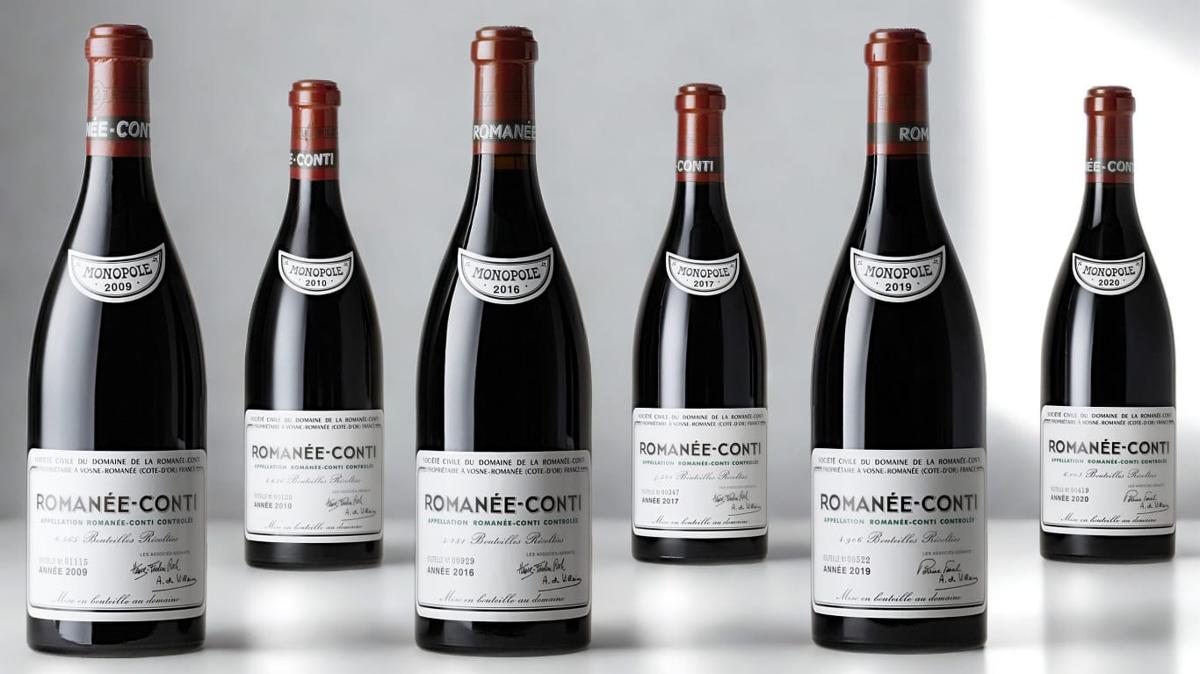
- Invest in Blue-Chip Wines: Focus on established wines like Domaine de la Romanée-Conti or Château Margaux, which have a track record of stability and consistent demand.
Managing market fluctuations comes down to one thing above all else: strategic patience. Volatility is a feature of every asset class, not a flaw unique to wine. But with the right planning and a data-driven approach to buying and selling, you can absorb the bumps without taking lasting damage to your returns.

2. Storage Costs
Proper storage isn’t optional in fine wine investment. It’s the foundation everything else rests on. Skip it or cut corners, and you risk watching a valuable collection lose both quality and market appeal. The catch is that doing it right costs money, and those costs quietly erode your returns over time.
Fine wine needs a tightly controlled environment, steady temperature, stable humidity, and minimal light exposure. Stray too far from those conditions and you’re looking at oxidation, cork damage, or flavor degradation. Any of those outcomes makes your wine far harder to sell at a premium. Professional storage facilities solve this problem, but they come with a price tag.
On average, professional storage runs between $10 and $15 per case per year, varying by facility and location. That might sound modest until you do the math at scale. Storing 50 cases could cost you upwards of $750 annually, and over a decade that’s $7,500 before you factor in any other fees. The numbers compound quietly.
Beyond the base storage fee, you’ll likely encounter charges for insurance, inventory management, transfer services, and provenance documentation. Auction houses and buyers often require certified paperwork before they’ll transact, and arranging shipments adds another layer of cost. It all adds up faster than most first-time wine investors expect.
Risks of Inadequate Storage
- Spoilage: Wines stored in fluctuating temperatures can age prematurely, losing their flavor and value.
- Label Damage: Improper handling or exposure to light can damage labels, making bottles less appealing to collectors.
- Loss of Provenance: If storage conditions are not documented, the wine’s provenance may come into question, reducing buyer trust.
How to Overcome Storage Risks
- Use Reputable Storage Providers: Opt for bonded warehouses or specialized wine storage facilities that ensure optimal conditions and maintain detailed records of provenance.
- Plan for Long-Term Storage Costs: Include storage expenses in your investment strategy to avoid surprises that may erode profitability.
- Consider Storage-Integrated Investment Platforms: Many wine investment platforms offer storage-inclusive services, bundling fees into their management structure to simplify cost planning.
The good news is that technology is making smart storage more accessible. A growing number of platforms now offer real-time monitoring solutions that let you track temperature, humidity, and handling history remotely, giving you genuine oversight of your assets rather than blind trust in a third party.
Storage costs are non-negotiable if you’re serious about wine investment. But with professional facilities and a clear-eyed view of the full cost picture baked into your ROI calculations from day one, you can manage the impact without it derailing your overall returns.
3. Counterfeit Risk
Counterfeiting is one of the darker corners of the fine wine world, and it’s more widespread than most people realize. High-value bottles attract forgers the same way any scarce, in-demand asset does. Even seasoned collectors have been caught out, which tells you something about how sophisticated the fraud has become.
The most notorious example is Rudy Kurniawan, who sold millions of dollars worth of fake rare vintages to unsuspecting collectors before being caught. Estimates suggest up to 20% of the world’s fine wine market may involve counterfeits in some form. That’s not a fringe problem. That’s a systemic one.
Common Counterfeiting Methods
- Label Forgery: Counterfeiters replicate labels of high-value wines, making it difficult to distinguish authentic bottles from fakes.
- Refilling Bottles: Empty bottles of rare wines are filled with lower-quality substitutes and sold as originals.
- Falsified Provenance: Fraudulent documentation is used to establish the authenticity of counterfeit wines.
The financial damage from counterfeit wine can be severe. A collection built on fake bottles doesn’t just underperform, it becomes worthless the moment authentication uncovers the fraud. And don’t assume auction houses or private sales automatically protect you. Counterfeits have moved through some of the most respected channels in the business.
How to Overcome Counterfeit Risks
- Source Wines from Reputable Sellers: Purchase wines from established auction houses, merchants, or wine funds with stringent authentication processes.
- Verify Provenance: Ensure that the wine’s provenance is well-documented, including storage history and certification from trusted sources.
- Use Authentication Technology: Modern tools like blockchain and NFC (Near Field Communication) tags are being integrated into wine investment to provide secure, tamper-proof authentication.
- Conduct Expert Appraisals: When in doubt, consult wine authentication experts who can verify the bottle’s legitimacy.
The good news is that the industry is fighting back. Top producers are adopting microprinting, holograms, and tamper-evident seals to make their bottles harder to replicate. Digital traceability apps are also giving buyers a faster, more reliable way to verify what they’re actually holding before any money changes hands.
Counterfeit risk is real and it won’t disappear anytime soon. But with disciplined sourcing, rigorous provenance checks, and modern authentication tools in your corner, you can cut your exposure to this threat significantly. The investors who get burned are almost always the ones who skip the due diligence.

4. Illiquidity
Illiquidity is one of the most underestimated challenges in fine wine investment. Unlike stocks or bonds, you can’t sell a case of Pétrus at the click of a button. When you need cash fast, that reality can become a serious problem, and the pressure to sell quickly almost always means accepting less than your wine is worth.
Why Illiquidity is a Concern
- Time-Consuming Sales Process: Selling fine wine often requires finding the right buyer through auctions, private sales, or marketplaces like Liv-ex. This process can take weeks or even months.
- Market-Specific Demand: Fine wine markets are niche, with demand often limited to a specific group of collectors and investors. If the wine isn’t highly sought-after, selling it may be even more challenging.
- Limited Platforms for Immediate Sales: While there are marketplaces for wine trading, they rarely offer instant liquidity. Sellers must list their wines, negotiate prices, and navigate logistical hurdles before completing a transaction.
Timing matters enormously in any market, and wine is no exception. If you need to sell during an off-cycle or when buyer demand is thin, you’ll either wait longer than you’d like or take a haircut on the price. Both outcomes chip away at the returns you’ve been patiently building.
The pandemic made this crystal clear. When many investors needed to raise cash quickly in 2020, fine wine was one of the hardest assets to offload on short notice. Limited buyers, logistical delays, and auction timelines meant that even quality collections moved slowly, often at prices below their true market value.
How to Overcome Illiquidity Risks
- Invest with a Long-Term Horizon: Approach fine wine investment as a long-term strategy, minimizing the need for quick sales. Hold wines for several years to maximize their appreciation potential.
- Focus on High-Demand Wines: Invest in wines with a proven track record of liquidity, such as top Bordeaux and Burgundy vintages, which consistently attract buyers in the secondary market.
- Leverage Wine Trading Platforms: Platforms like Liv-ex provide access to a broader buyer base and streamlined sales processes, improving liquidity for well-regarded wines.
- Build a Diversified Portfolio: Include wines across various regions and price points to ensure that at least some assets can be sold quickly in different market conditions.
Wine investment funds and fractional ownership platforms are starting to address this structural weakness. By pooling assets and allowing investors to trade shares in wine collections rather than physical bottles, these models make it possible to access capital without dismantling your entire position. It’s a meaningful shift, and worth paying attention to as more sophisticated investors move into alternative assets.
Illiquidity is baked into fine wine as an asset class. You can’t eliminate it. But with thoughtful portfolio construction, realistic exit timelines, and exposure to emerging trading platforms, you can manage it well enough that it never catches you off guard.
5. Storage Risks
Storage costs are one thing. Storage risks are another. Even if you’re paying for professional facilities, things can go wrong, and when they do with fine wine, the damage is often permanent. Environmental failures, logistical mishandling, and inadequate documentation can all strip a collection of its value without warning.
Potential Storage Risks
- Temperature Fluctuations: Fine wine must be stored at a consistent temperature of around 12–14°C (53–57°F). Even minor fluctuations can accelerate aging or spoil the wine entirely, rendering it unmarketable.
- Humidity Issues: Proper humidity levels (around 70%) are essential to keep corks from drying out, which can lead to oxidation and spoilage. Excessive humidity, on the other hand, can damage labels and reduce the wine’s collector appeal.
- Light Exposure: Ultraviolet (UV) light degrades wine by altering its chemical composition. Exposure to direct light can ruin the wine’s flavor profile and aesthetic value.
- Handling Errors: Mishandling during storage or transportation can lead to broken bottles, label damage, or loss of provenance documentation.
- Pest Infestations: Improperly maintained storage facilities may attract pests that damage packaging and corks, compromising the wine.
A real example worth knowing about involves a private collector whose Bordeaux collection was exposed to temperature spikes during an extreme heatwave. The damage was irreversible. Both the flavor profile and the provenance chain were compromised, leaving the investor with bottles that buyers simply wouldn’t touch. It’s the kind of loss that no amount of market expertise can recover from after the fact.
When storage goes wrong, the financial consequences are direct and often total. Spoiled wine has no market value. Wine with damaged labels or a broken provenance chain sells at steep discounts if it sells at all. And a reputation for poorly documented stock can follow you as a seller, making future transactions harder than they need to be.
How to Overcome Storage Risks
- Use Bonded Warehouses: Professional bonded storage facilities offer temperature and humidity control, security, and detailed documentation, ensuring optimal conditions for fine wine.
- Invest in Climate-Controlled Storage Units: For those storing wine privately, invest in specialized wine refrigerators or cellars designed to maintain consistent environmental conditions.
- Monitor Storage Conditions: Regularly inspect storage facilities or use digital solutions like IoT sensors to track temperature and humidity levels.
- Secure Transportation: Use certified logistics providers when moving wine between locations to minimize handling risks and ensure provenance records remain intact.
Blockchain-enabled storage tracking is one of the more promising tools now available to serious wine investors. These systems create an immutable record of every stage in a wine’s storage and handling history, giving buyers and auction houses the transparency they need to transact with confidence. That kind of documentation preserves value in ways that traditional paper trails simply can’t match.
Storage risks come with the territory in fine wine investment. The solution isn’t to avoid them but to engineer them out of your process by choosing the right facilities, insisting on thorough documentation, and using the monitoring technology that’s now available to you.

6. Insurance Costs
A fine wine collection represents serious capital, and that capital needs protection. Theft, accidental damage, fire, flooding, and other disasters are real risks for any physical asset. Insurance covers those scenarios, but it adds another line item to your cost structure that every investor needs to account for honestly.
Why Insurance is Necessary
- Theft and Loss: Fine wine collections are valuable assets, making them targets for theft. Insuring the collection ensures that investors can recover their financial losses in such scenarios.
- Accidental Damage: Mishandling during storage or transportation can lead to broken bottles or label damage. Insurance covers these damages, preserving the investment’s financial integrity.
- Natural Disasters: Floods, earthquakes, and fires pose significant risks to wine collections. Comprehensive insurance policies protect against these unpredictable events.
Premium costs typically fall between 0.5% and 1% of your collection’s total value each year. On a $100,000 collection, that’s $500 to $1,000 annually. Scale up to a $500,000 collection and you’re looking at $2,500 to $5,000 per year, every year, before you’ve sold a single bottle. Over time, those premiums take a meaningful bite out of your net returns.
Common Policy Features
- Replacement Value Coverage: Covers the cost of replacing a wine bottle at its current market value.
- Transit Coverage: Protects wine during transportation between storage facilities, auctions, or buyers.
- Global Coverage: Ensures protection for collections stored in multiple locations or countries.
- Damage Exclusions: Policies typically exclude coverage for damage caused by improper storage or handling, emphasizing the need for professional care.
Insurance is a cost of doing business in fine wine, not an optional extra. But it does reduce your net ROI, which means you need to factor premiums into your return calculations from the start, not as an afterthought. High-value collections feel this pressure most acutely, making policy selection a genuine strategic decision rather than a box-ticking exercise.
How to Manage Insurance Costs
- Bundle Insurance with Storage Services: Many professional storage facilities offer bundled insurance policies at competitive rates, reducing administrative burdens and costs.
- Shop for Specialized Policies: Work with insurers specializing in fine art or collectible wine to secure tailored coverage that meets your needs.
- Regular Appraisals: Update valuations periodically to ensure insurance coverage reflects current market values, avoiding overpayment for outdated policies.
- Invest in Diversified Storage: Storing wine across multiple facilities or regions can reduce risks and lower premiums for high-value collections concentrated in one location.
Technology is reshaping how insurers assess and manage risk in this space. Digital inventory systems that integrate with your collection make appraisals faster, claims simpler, and the overall administrative burden lighter. If your current setup doesn’t take advantage of these tools, it’s worth exploring what’s available.
You can’t avoid insurance if you’re serious about protecting your investment. But you can be smart about which policy you choose and how you structure your coverage to get maximum protection at a cost that doesn’t quietly undermine your overall returns.
7. Knowledge and Expertise
Fine wine rewards expertise like few other asset classes. Capital alone won’t protect you here. Without a genuine understanding of vintages, producers, regional dynamics, and market cycles, you’re essentially making expensive guesses. And in a market where the difference between a great buy and an overpriced bottle can run into thousands of dollars, uninformed decisions are costly.
The Challenge of Navigating a Complex Market
- Understanding Vintage Quality: Not all vintages are created equal. Factors like weather conditions, harvest quality, and winemaking techniques heavily influence a wine’s potential for appreciation. For example, Bordeaux’s 2010 vintage is highly sought after due to its exceptional balance and longevity, while the 2013 vintage saw muted demand.
- Producer Reputation: Wines from renowned producers such as Domaine de la Romanée-Conti or Château Lafite Rothschild often command higher prices and stronger appreciation. However, identifying emerging producers with investment potential requires expertise.
- Market Trends: Shifting consumer preferences, such as the rising demand for Champagne or niche Italian wines, can create opportunities for savvy investors. Staying ahead of these trends requires continuous research and market awareness.
Risks of Insufficient Knowledge
- Overpaying for Wines: Without proper valuation expertise, investors may overpay for wines that are unlikely to generate strong returns.
- Misjudging Provenance: Incomplete or questionable provenance can reduce a wine’s marketability and value.
- Overlooking Diversification: Investors who focus on a single region or producer risk exposure to localized market downturns.
How to Build Knowledge and Expertise
- Engage with Industry Experts: Work with wine consultants, sommeliers, or investment advisors specializing in fine wine to gain insights into the market.
- Leverage Market Data: Utilize tools like Liv-ex, Wine-Searcher, and producer reports to track pricing, trends, and historical performance.
- Attend Wine Events: Participate in tastings, auctions, and expos to deepen your understanding of vintages, producers, and market dynamics.
- Join Wine Investment Communities: Online forums, social media groups, and industry networks provide valuable information from seasoned collectors and investors.
Educational Resources
- Online Platforms: Many wine investment platforms offer educational resources, including guides, webinars, and market analysis.
- Wine Certifications: Pursuing certifications like WSET (Wine & Spirit Education Trust) can provide a structured understanding of wine and its investment potential.
- Publications: Industry publications such as Wine Spectator, Decanter, and the Liv-ex blog provide regular updates and in-depth articles on wine markets.
Passion for wine is a genuine asset when you’re investing in it. But passion without discipline is a liability. The investors who build lasting, profitable wine portfolios are the ones who pair their enthusiasm with rigorous research, market awareness, and a willingness to keep learning even when things are going well. You can also explore how knowledge gaps affect returns in other alternative asset markets like fine art, where the same principle holds.
The fine wine market rewards those who commit to understanding it deeply. Treat your education as an ongoing investment alongside your cellar, and the returns on both will compound over time.

Case Studies of Failed Fine Wine Investments
Fine wine can deliver exceptional returns. But it can also burn investors who move without enough information, patience, or due diligence. These real-world cases show exactly where things went wrong, and more importantly, what you can learn from each failure to protect your own portfolio.
Case Study 1: Overreliance on a Single Region
In the early 2000s, Bordeaux was the undisputed king of the fine wine investment world. Capital poured in from all directions, and prices climbed fast. Then, between 2011 and 2014, Chinese demand dried up and the Liv-ex Bordeaux 500 Index fell by 33%. Investors who had concentrated their portfolios in a single region had nowhere to hide.
The lesson here is simple but easy to ignore when a single region is performing well. Spreading your holdings across Burgundy, Champagne, Tuscany, and other globally traded appellations means that a downturn in one area doesn’t take down your entire position.
Case Study 2: Counterfeit Wine Scandal
The Rudy Kurniawan case is the cautionary tale every wine investor should know by heart. Kurniawan sold millions in fraudulent bottles including purported Domaine de la Romanée-Conti, one of the most coveted labels on earth. The collectors who bought from him didn’t just lose money. Their collections became liabilities the moment authentication exposed the fraud.
Always verify provenance through reputable sellers or independent authentication services before you commit capital. Blockchain-based traceability tools are now making this easier and more reliable than ever before, so there’s no excuse for skipping this step.
Case Study 3: Poor Storage Practices
A private investor in Hong Kong purchased several cases of 1996 Dom Pérignon and stored them in a non-climate-controlled environment. Heat and humidity degraded the wine to the point where it was undrinkable and impossible to sell. The entire investment was lost, not because of market conditions or bad timing, but because of a preventable storage failure.
Professional bonded storage facilities exist precisely to prevent this outcome. The cost of proper storage is always less than the cost of losing your collection entirely. Treat it as a non-negotiable part of your investment budget.
Case Study 4: Misjudging Market Trends
A mid-decade investor built a position in Napa Valley wines, expecting them to generate Bordeaux-level returns. Napa has strong domestic appeal, but it lacks the deep international demand that drives the kind of price appreciation you see in the world’s most traded appellations. The result was stagnant returns while other regions moved higher.
International demand is the engine of fine wine price growth. Before you commit to any region or producer, ask yourself honestly whether the market beyond your home country has the appetite to drive prices higher over your intended holding period.
Case Study 5: Forced Sales Due to Illiquidity
A European investor found themselves in urgent need of liquidity and tried to move their wine collection quickly. The market simply doesn’t work on short timelines. To complete the sale, they had to accept prices well below fair market value, eroding returns they had spent years building.
Wine investment requires a long-term mindset and the financial cushion to match. Always keep other liquid assets available so that an unexpected cash need never forces your hand on a wine sale at the wrong moment.
Key Takeaways from Failed Investments
- Conduct Thorough Research: Understand the intricacies of vintages, regions, and market demand before committing capital.
- Verify Provenance and Authenticity: Counterfeit risks can erode both financial returns and trust in the market.
- Diversify Your Portfolio: Avoid overreliance on a single region, producer, or vintage.
- Prioritize Professional Storage: Poor storage practices can completely devalue even the most promising wines.
- Have a Liquidity Plan: Anticipate the illiquidity of fine wine and plan for long-term holding periods.
These cases aren’t just cautionary tales. They’re a practical roadmap for what to avoid. Study them, internalize the lessons, and your own portfolio decisions will be sharper for it.
Different Methods to Safeguard Your Investments
Protecting a fine wine portfolio takes more than good taste and good timing. You need a disciplined, multi-layered approach that covers market risk, physical risk, and the human factors that can undermine even the best-selected collections. Here’s what that looks like in practice.
1. Diversify Your Portfolio
Concentration is the enemy of resilience in wine investment. Spread your holdings across regions, producers, and vintages so that a downturn in Bordeaux doesn’t wipe out gains you’ve built elsewhere. Think of diversification not as settling for less, but as engineering stability into your returns.
- Spread Across Regions: Invest in wines from multiple regions, such as Bordeaux, Burgundy, Champagne, Tuscany, and Napa Valley, to minimize exposure to localized risks.
- Explore Emerging Producers: Include wines from rising producers or lesser-known regions that show promising growth potential.
2. Verify Provenance and Authenticity
Every bottle you buy should come with a clear, documented history that you’ve independently verified. Use reputable merchants, auction houses with strong authentication track records, and digital traceability tools where available. Skipping this step to save time or money is the kind of shortcut that ends careers in this market.
- Purchase from Reputable Sellers: Only buy from established merchants, auction houses, or certified investment platforms with a proven track record.
- Demand Provenance Documentation: Ensure each bottle or case has clear records of its origin, ownership, and storage history.
- Utilize Authentication Tools: Advanced technologies like blockchain and NFC tags are increasingly used to provide tamper-proof verification of a wine’s authenticity.
3. Invest in Professional Storage
Your wine is only as valuable as its condition. Professional bonded storage facilities give you controlled environments, comprehensive documentation, and the provenance chain that serious buyers demand. Think of storage costs as insurance on your collection’s market value, not just an overhead expense.
- Use Bonded Warehouses: Professional storage facilities maintain optimal conditions, including temperature and humidity control, to protect your collection.
- Monitor Storage Conditions: Opt for storage providers that offer real-time tracking of environmental conditions and provide regular updates on your collection.
4. Insure Your Collection
Comprehensive insurance is the financial safety net that protects everything else you’ve built. Theft, damage, fire, and natural disasters are low-probability events until they aren’t. Make sure your policy reflects the current value of your collection and covers the specific risks relevant to where and how your wine is stored.
- Choose Specialized Policies: Work with insurers who specialize in collectibles to get tailored coverage for your wine collection.
- Conduct Regular Valuations: Update insurance policies periodically to reflect the current market value of your collection.
5. Stay Informed About Market Trends
The fine wine market moves in response to global economic shifts, emerging buyer demographics, climate patterns, and auction results. Staying current with publications like Decanter and trading indices like Liv-ex gives you the context you need to buy and sell at the right moments rather than reacting after the fact.
- Follow Industry Reports: Monitor resources like Liv-ex, Decanter, and Wine-Searcher for insights into price movements and emerging trends.
- Attend Wine Events: Participate in auctions, tastings, and expos to gain firsthand knowledge about the market and network with industry professionals.
6. Work with Experts
You don’t have to navigate this market alone, and frankly, you probably shouldn’t try to. Experienced brokers, sommeliers with investment backgrounds, and specialist advisors can spot opportunities and red flags that aren’t obvious to a generalist investor. Their fees are typically well worth it when measured against the mistakes they help you avoid.
- Wine Consultants: Hire advisors who can guide you on vintage selection, portfolio diversification, and market timing.
- Storage and Logistics Professionals: Partner with companies that specialize in transporting and storing fine wine to avoid handling errors.
7. Plan for Long-Term Holding Periods
Fine wine is a patient investor’s game. The best returns tend to come from holding quality bottles for seven to fifteen years or more, allowing age and scarcity to do their work. Build your portfolio with that timeline in mind and make sure your broader financial picture can support it without forcing premature sales.
- Hold for 5–10 Years: Allow wines to mature and appreciate in value over extended periods, aligning with market demand.
- Balance Short and Long-Term Assets: Combine quickly tradable wines with long-term holdings to maintain portfolio flexibility.
8. Leverage Digital Platforms
Wine investment platforms are maturing fast. From fractional ownership models that improve liquidity, to blockchain-verified provenance systems that reduce fraud risk, technology is making this market more transparent and accessible than it has ever been. Forbes has noted the broader rise of tech-enabled alternative investing, and fine wine is very much part of that story.
- Use Wine Investment Platforms: Platforms like Vinovest and Cult Wines provide portfolio management, market analysis, and built-in storage and insurance services.
- Monitor Portfolios Digitally: Many platforms offer tools to track your collection’s value, authenticity, and performance in real-time.
Put these strategies together and you have a genuine framework for building a fine wine portfolio that doesn’t just look impressive on paper, but holds its value through market cycles, physical risks, and the inevitable surprises that come with any long-term investment. The investors who succeed in this space aren’t just wine lovers. They’re disciplined, well-informed, and proactive about protecting what they’ve built.