When it comes to fine wine, proper storage is not just a luxury. It’s a necessity. Whether you are a seasoned collector or stepping into your first investments, understanding the principles of fine wine storage is essential for preserving the quality, flavor, and value of your collection. Factors like temperature, humidity, light exposure, and vibration can all shape the aging process and the market worth of every bottle you own. In this guide, we’ll walk you through the best practices and professional solutions for safeguarding your wine, so that every sip reflects its true potential.
Table of Contents
Why You Need Proper Fine Wine Storage
Fine wine is a living, breathing asset that evolves over time. Its delicate nature makes it susceptible to damage from environmental factors like temperature fluctuations, humidity, and light exposure. Without proper storage, wine can spoil, leading to a complete loss of both value and quality. Think of it like any other serious investment — neglect the fundamentals, and you’re leaving money on the table.
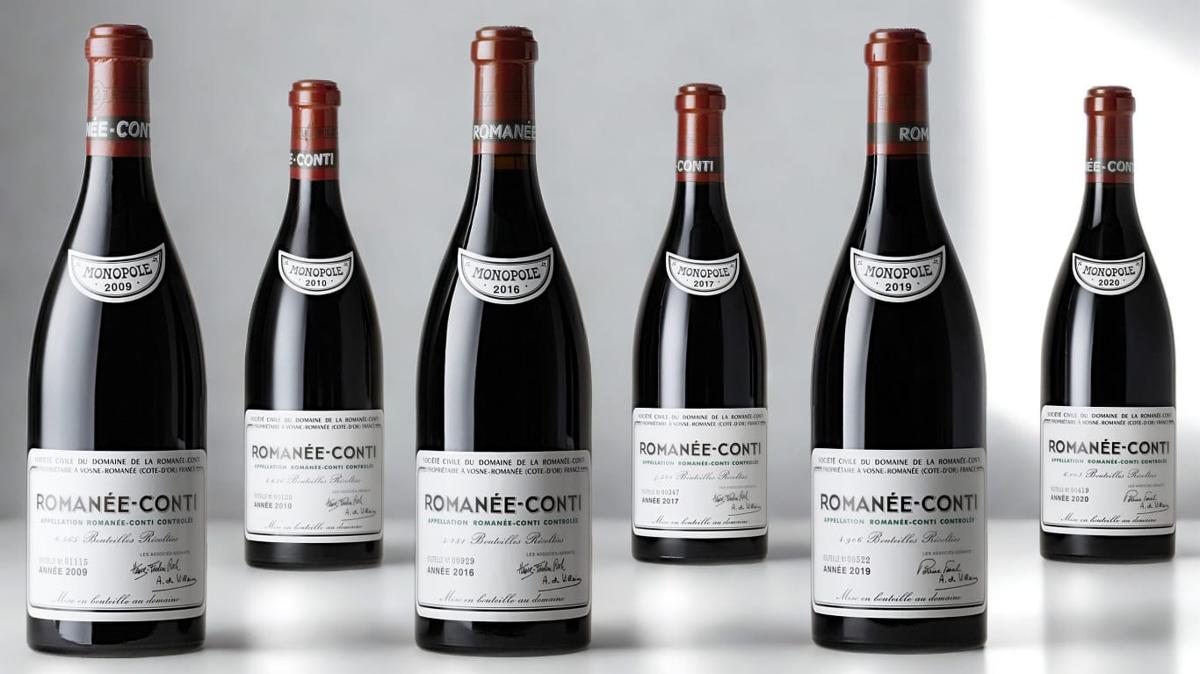
- Retaining Value: For collectors and investors, fine wine storage is crucial to preserving market value. Wines like Château Lafite Rothschild or Domaine de la Romanée-Conti can appreciate significantly over time if stored correctly. Improper conditions, however, can render even the most prestigious vintages worthless.
- Enhancing Quality: Wine evolves during the aging process. Proper storage allows the wine’s flavors, aromas, and complexity to develop harmoniously. Conversely, poor storage conditions can accelerate oxidation or lead to cork damage, ruining the wine’s character.
- Compliance with Provenance Requirements: Provenance, or the history of a wine’s storage and ownership, is a critical factor in determining its market value. Collectors and auction houses prioritize wines with verified storage conditions, as this ensures authenticity and quality.

Fine Wine Storage Options
Storing fine wine requires a strategic approach to ensure that each bottle retains its value and quality over time. Your choice of storage depends on the size of your collection, your budget, and whether you prioritize convenience or optimal conditions. Here’s a deeper look at the primary storage options available to fine wine collectors and investors.
Home Wine Cellars
If you have a substantial collection, a home wine cellar is a practical and deeply personal option. A properly designed cellar offers daily convenience while keeping your bottles safe. But creating the right environment demands careful planning and a real financial commitment.
- Temperature Control: Fine wine needs a consistent temperature between 50–59°F (10–15°C). Install a dedicated cooling system to maintain this range. Sudden temperature fluctuations can lead to premature aging or spoilage.
- Humidity Management: Humidity levels of 60–70% are essential to keep corks from drying out and prevent air from seeping into bottles. A humidifier can be added to maintain the proper balance.
- Vibration Reduction: Avoid storing wine near heavy machinery or high-traffic areas to prevent sediment disturbance, which can affect aging.
- Lighting: Wines should be stored away from sunlight or strong artificial lights. Opt for dim, LED lighting, which emits minimal heat and protects bottle labels from fading.
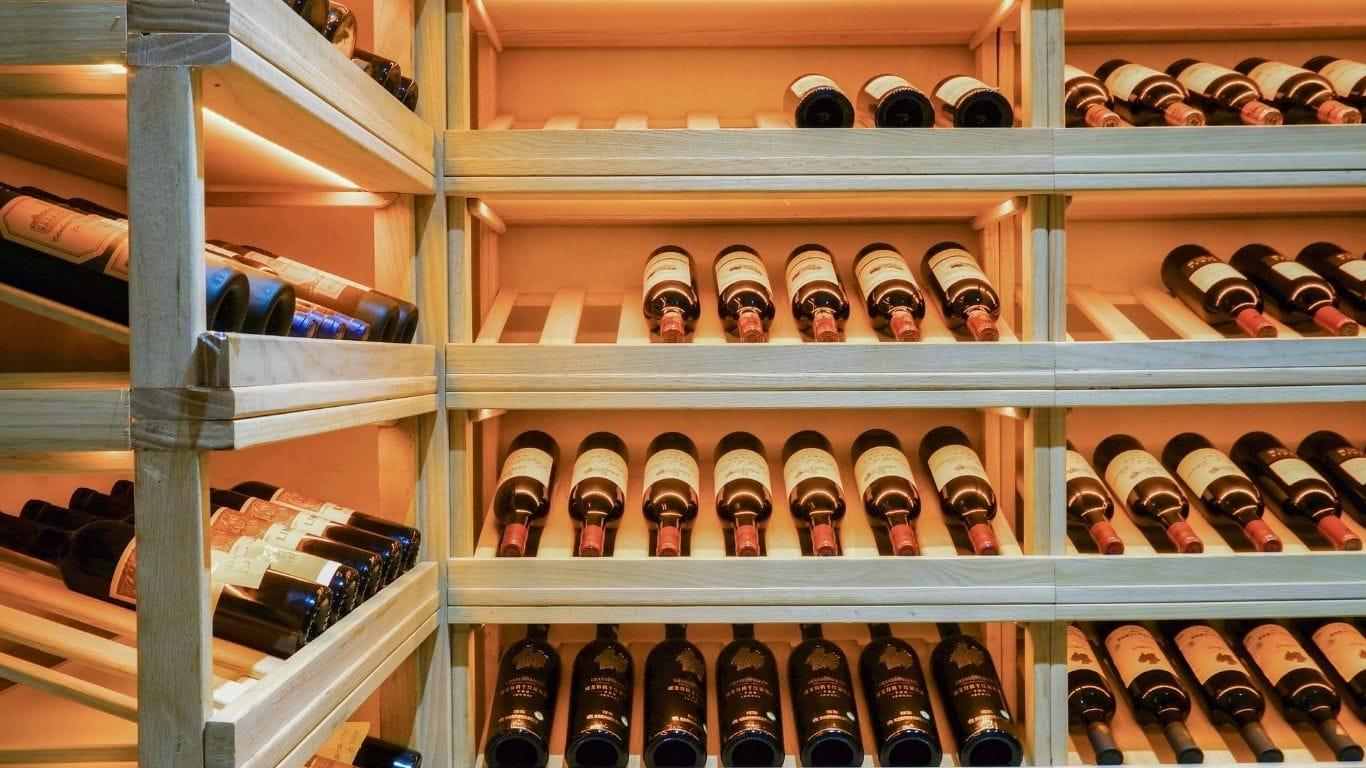
- Custom Features: Modern wine cellars can include racking systems for easy organization, climate monitoring systems, and even aesthetic touches like glass doors and atmospheric lighting.
Building a custom wine cellar typically costs between $15,000 and $50,000, depending on size and the features you want. Think climate control systems, custom racking, and proper insulation — these are not afterthoughts.
Wine Coolers
Wine coolers are an ideal solution for small to medium-sized collections, especially if you don’t have the space or budget for a full cellar. These units are engineered to mimic optimal storage conditions and can fit neatly into almost any home setup.
- Temperature Control: Most wine coolers allow for precise temperature adjustments, with settings for red, white, and sparkling wines.
- Humidity Control: Advanced models include humidity control to protect cork integrity.
- UV Protection: Glass doors with UV filters block harmful light that can degrade wine over time.
- Dual-Zone Coolers: For collectors with a diverse range of wines, dual-zone coolers allow for separate storage conditions within the same unit—for example, 55°F for reds and 45°F for whites.
High-quality wine coolers range from $500 to $5,000, depending on capacity and features. At the upper end, you’re getting dual-zone temperature control, UV-protected glass doors, and whisper-quiet compressors built for the long haul.
Bonded Warehouses
Bonded warehouses are professional storage facilities built specifically for fine wine collectors and investors. They are the gold standard for serious storage, and for high-value collections, they are hard to beat. Your wine stays under customs bond, which also carries meaningful tax and investment advantages worth understanding before you commit.
- Climate Control: These facilities maintain optimal temperature and humidity levels year-round, ensuring the wine ages gracefully.
- Security: State-of-the-art surveillance systems, access controls, and insurance protections make bonded warehouses one of the safest options for wine storage.
- Provenance and Value: Storing wine in a bonded warehouse enhances its provenance, as many buyers and auction houses prefer wines stored in professional facilities.
- Tax Benefits: Bonded warehouses are exempt from certain taxes (like VAT) until the wine is removed, which can be a significant advantage for investors.
Bonded warehouse fees typically run from $10 to $50 per case per year, depending on the facility and the services included. For a serious portfolio, that’s a relatively modest cost for the level of protection you receive.
Specialized Wine Storage Services
Dedicated wine storage companies offer a high level of tailored service for collectors who want more than just a rack in a temperature-controlled room. These facilities handle everything from everyday storage to the specific needs of investors managing six and seven-figure portfolios.
- Cellar Management: Many companies offer inventory tracking and organization services to streamline collection management.
- Temperature and Humidity Monitoring: Round-the-clock monitoring ensures perfect storage conditions, even during power outages.
- Insurance and Transit Services: These facilities often include or partner with insurers to protect your wine during storage or transit.
- Accessibility: Some facilities offer online platforms, allowing clients to view their inventory and request delivery of specific bottles.
Specialized storage fees vary, but generally start at around $15 per case per year, with additional charges for premium services like appraisal, transit insurance, or white-glove handling. If your collection includes rare Burgundy or aged Champagne, those add-ons are well worth the cost.
Which Option Is Best for You?
The right storage solution really comes down to your priorities. Access, budget, collection size, and how long you plan to hold your bottles all factor into the decision.
- Convenience: For collectors who want quick access to their wine, a home cellar or wine cooler is the best choice.
- Security and Provenance: Investors focusing on value retention and tax benefits should opt for bonded warehouses or specialized storage services.
- Budget-Friendly Solutions: For smaller collections, a wine cooler offers an affordable yet effective option.
Professional storage, while carrying a higher ongoing cost, often delivers the best value for high-end or investment-grade wines. Home storage suits wines earmarked for near-term enjoyment, or for collectors who want their bottles within arm’s reach. The key is matching your storage method to your actual goals.

Optimal Conditions for Wine Storage
Storing fine wine is as much about creating the right environment as it is about choosing the right facility. Proper conditions ensure your wine ages gracefully, holding onto its quality, flavor profile, and value over time. Whether you’re storing at home or in a professional facility, getting these fundamentals right is non-negotiable.
Temperature Control
The sweet spot for wine storage sits between 50 and 59°F (10 to 15°C), and consistency is everything. Even minor fluctuations can accelerate aging or tip a perfectly good bottle into spoilage. A swing of just a few degrees, repeated over months, does real damage.
- Why It Matters: Temperature affects the chemical reactions within wine. If stored too warm, the wine can develop cooked flavors and lose its complexity. Conversely, if stored too cold, the aging process slows, and corks may shrink, allowing air to seep in.
- How to Achieve It: Invest in a temperature-controlled wine cellar or cooler. Professional facilities maintain precise climate control systems that minimize temperature deviations.
Humidity Levels
You want humidity levels sitting between 60 and 70%. That range keeps cork integrity intact and prevents the kind of spoilage that creeps in when corks dry out and air sneaks into the bottle. Too dry, and your corks shrink. Too wet, and mold becomes a problem.
- Why It Matters: Corks can dry out and shrink in low humidity environments, allowing air to enter the bottle and oxidize the wine. Excessive humidity can lead to mold growth, which damages labels and storage environments.
- How to Achieve It: Use a humidifier in your wine cellar or choose a professional storage facility with regulated humidity levels.
Light Exposure
Wines should be stored in a dark environment at all times. Light exposure, and UV rays in particular, degrades both the wine itself and the label. A faded label may seem cosmetic, but at auction, provenance and presentation matter more than most collectors realize.
- Why It Matters: Light exposure triggers chemical reactions that alter a wine’s flavor and color. It can also fade labels, reducing the wine’s value for collectors.
- How to Minimize Exposure: Use darkened storage spaces or UV-filtered glass for wine cellars. For long-term storage, avoid placing wine in areas exposed to sunlight or fluorescent lighting.
Vibration and Movement
Minimizing vibrations is essential for preserving wine quality, and it becomes even more critical for aging wines that have developed sediment. Constant micro-movement disturbs the sediment and disrupts the slow chemical processes that make great wine great.
- Why It Matters: Vibrations disturb sediment, leading to uneven aging and an altered taste profile. This is especially problematic for older wines that have been resting for years.
- How to Achieve It: Avoid storing wine near heavy machinery, speakers, or appliances. Professional storage facilities are specifically designed to eliminate vibrations.
Ventilation
Proper ventilation keeps odors and mildew from building up in your storage area. A stale or musty environment can affect both the cork and the wine itself over time, so airflow is part of the equation, not an optional extra.
- Why It Matters: Wine corks are slightly porous, meaning they can absorb odors from the surrounding environment, which may affect the wine’s flavor. A poorly ventilated space can also lead to mold or mildew growth.
- How to Maintain Ventilation: Ensure your wine cellar or storage space has adequate airflow. Professional facilities often have advanced ventilation systems in place.
Bottle Positioning
Store your fine wines on their sides. This keeps the cork in contact with the wine, ensuring it stays moist and maintains a tight, airtight seal. An upright bottle left for years risks a dried-out cork and oxidized wine.
- Why It Matters: A dry cork can shrink and allow oxygen into the bottle, accelerating spoilage.
- Exceptions: Wines with screw caps or synthetic corks can be stored upright without issue.
Environmental Stability
Stability across all conditions — temperature, humidity, and lighting — is what separates a good cellar from a great one. Wines thrive when their environment barely changes from week to week, month to month. Consistency is the quiet engine behind every perfectly aged bottle.
- Why It Matters: Frequent changes in storage conditions can lead to cork expansion and contraction, causing leaks or oxidation.
- How to Ensure Stability: Use automated climate control systems or professional storage facilities equipped to maintain consistent conditions year-round.
Fine-Tuning Conditions for Different Wine Types
Not every wine plays by the same rules. Certain bottles have specific storage requirements based on their composition and intended aging process. Sparkling wines and whites generally prefer the cooler end of the temperature range, while bold reds benefit from slightly warmer and more stable conditions. Syrah and other full-bodied reds, for instance, need careful temperature management to develop properly over a long aging window.
- Red Wines: Require slightly warmer temperatures (55–59°F) for optimal aging. Bordeaux and Burgundy reds often improve significantly over decades if stored correctly.
- White Wines: Benefit from cooler temperatures (50–54°F) to preserve acidity and freshness. Chardonnays and Rieslings age well in such conditions.
- Sparkling Wines: Need lower temperatures (45–50°F) to retain carbonation and crispness. Champagne, for example, remains vibrant longer when stored in cooler environments.
- Dessert Wines: Port, Sauternes, and similar wines have higher sugar content and should be stored at 50–59°F to maintain balance and complexity.
Monitoring and Maintaining Optimal Conditions
To keep your collection in peak shape, invest in the right monitoring tools and stay consistent with your maintenance routine. Digital hygrometers and thermometers give you real-time data on temperature and humidity. Smart monitoring systems can send alerts directly to your phone if conditions drift outside the safe range. The best collectors treat their cellar like an active investment — not a set-it-and-forget-it situation.
- Temperature and Humidity Sensors: Install digital sensors that provide real-time readings and alerts if conditions deviate from the ideal range.
- Backup Systems: Have backup generators or power supplies to maintain climate control during outages.
- Regular Inspections: Check corks, labels, and the overall condition of your bottles periodically to identify potential issues early.
The right storage conditions are what stand between a thriving collection and an expensive disappointment. Consistency across temperature, humidity, light exposure, and ventilation is the baseline, not a bonus. Whether you’re storing at home or in a professional facility, getting these details right ensures your fine wine ages gracefully and holds its market value for years to come.
Tips for Storing Wine at Home
Storing wine at home gives you convenient, on-demand access to your collection. But it also demands meticulous care to keep conditions where they need to be. Professional facilities set the gold standard, but with the right setup and habits, your home storage can perform at a genuinely high level.
Create a Dedicated Wine Storage Area
Choosing the right spot in your home is the first and most important decision. A basement, a well-insulated closet, or a dedicated wine room can all work well if properly prepared. The goal is a space with naturally stable temperatures, minimal light, and low foot traffic.
- Temperature Stability: Avoid areas prone to temperature fluctuations, such as kitchens or laundry rooms. The space should maintain a consistent temperature between 50–59°F.
- Humidity Control: Invest in a humidifier to maintain humidity levels between 60–70%. This prevents corks from drying out and keeps labels intact.
- Minimal Light Exposure: Select a dark location away from direct sunlight. UV rays can degrade both the wine and its label, so use curtains, blinds, or UV-blocking window films if necessary.
- Away from Vibrations: Choose a location far from appliances, machinery, or heavy foot traffic to avoid disturbing the wine’s sediment.
Invest in the Right Equipment
If a full wine cellar isn’t in the picture, specialized equipment bridges the gap. A dual-zone wine cooler, a quality hygrometer, and UV-filtering glass can replicate professional-grade conditions at a fraction of the cost of a custom build.
- Wine Coolers: Compact and affordable, wine coolers are designed to maintain consistent temperature and humidity levels. Dual-zone coolers allow you to store red and white wines at different temperatures.
- Racking Systems: Wooden or metal racks keep bottles securely in place. Ensure bottles are stored horizontally to keep corks moist and airtight.
- Monitoring Tools: Use digital thermometers and hygrometers to track temperature and humidity. Smart sensors can send alerts if conditions deviate from the ideal range.
Manage Environmental Risks
Home environments come with real challenges. Kitchens, laundry rooms, and areas near windows are problematic neighbors for a wine collection. Proactively addressing heat sources, humidity swings, and vibration risks keeps your bottles out of harm’s way.
- Power Outages: Install a backup generator or uninterruptible power supply (UPS) for temperature control systems to safeguard your collection during outages.
- Air Quality: Ensure the storage area is well-ventilated to prevent odors from seeping into the cork and affecting the wine’s flavor. Avoid storing wine near cleaning products, paints, or other chemicals.
- Pest Prevention: Inspect your storage area for signs of pests that could damage labels or compromise storage conditions.
Organize Your Collection
A well-organized collection is easier to manage and far more enjoyable to own. Label your racks clearly, group bottles by region or drinking window, and keep a running inventory. Knowing exactly what you have and when each bottle is ready to open saves you from uncorking something too early or, worse, forgetting it entirely.
- Labeling: Clearly label each bottle with its producer, vintage, and purchase date. Use tags or a cellar management app for easy tracking.
- Categorization: Group wines by type (red, white, sparkling) or region (Bordeaux, Napa Valley) to simplify inventory management.
- Rotation: Periodically rotate bottles to ensure even aging and check for signs of damage or spoilage.
Regular Maintenance
Check your storage conditions regularly and act fast if something drifts. Inspect corks on older bottles, look for any signs of seepage, and make sure your cooling equipment is running efficiently. A quick monthly check takes minutes and can save you from discovering a costly problem too late.
- Inspect Corks and Labels: Check for drying, shrinking, or mold growth, which can indicate improper humidity levels.
- Monitor Conditions: Use digital tools to track temperature and humidity fluctuations. Adjust settings on your cooling or humidifying equipment as needed.
- Clean the Area: Keep the storage space clean and free from dust, pests, and strong odors.
Budget-Friendly Home Storage Solutions
Not every collector needs to spend tens of thousands to store wine well at home. A compact wine cooler, some basic insulation work, and blackout curtains can go a long way. You can also explore modular wine racking systems that expand with your collection without requiring a full renovation.
- Repurpose Closets: A small, dark closet can be converted into a wine storage space with minimal investment in racks and temperature control.
- Use Insulated Cabinets: Insulated wine cabinets offer an affordable way to maintain stable conditions for smaller collections.
- DIY Cooling Systems: Portable air conditioners and humidifiers can create a makeshift climate-controlled environment for budget-conscious collectors.
Case Study
A wine enthusiast in California converted a spare closet into a storage area for a 100-bottle collection. By installing a small cooling unit, adding wooden racks, and using blackout curtains to block out sunlight, they achieved solid storage conditions for under $2,000. Over five years, the collection, which included vintage Bordeaux and Napa Valley Cabernet Sauvignons, retained its quality and appreciated in value. Simple decisions, executed well, made all the difference.
Storing fine wine at home takes thoughtful preparation and regular upkeep to replicate what professional facilities do automatically. By dedicating the right space, investing in the right equipment, and staying on top of environmental risks, you can protect your collection and give it the best possible chance to mature beautifully.

Tips for Storing Wine at Specialized Locations
For collectors and investors managing extensive or high-value collections, specialized wine storage facilities offer a level of protection and convenience that home storage simply cannot match. These locations are purpose-built to provide optimal conditions, serious security, and long-term value preservation. As Burgundy and Champagne continue to attract serious investment interest, getting storage right has never mattered more.
Advantages of Specialized Storage
Specialized wine storage facilities, whether bonded warehouses or custom-designed commercial cellars, offer real advantages over even the best home setups. Think around-the-clock climate monitoring, professional insurance coverage, and the provenance documentation that makes your bottles far more liquid at auction.
- Optimal Environmental Conditions: These facilities maintain precise temperature and humidity levels year-round, ensuring wines age gracefully.
- Advanced Security: Equipped with surveillance systems, restricted access, and alarm systems, these facilities minimize the risk of theft.
- Insurance Integration: Many facilities include or partner with insurance providers, simplifying the process of insuring your collection.
- Provenance Assurance: Professional storage adds credibility to your wine’s provenance, increasing its market value and appeal to future buyers.
- Convenient Management Services: Inventory tracking, delivery logistics, and auction house connections are often offered as part of their services.
Choosing the Right Facility
Not all storage facilities are built the same, and the differences matter. When evaluating your options, look at climate control reliability, security protocols, insurance coverage, and the facility’s track record with high-value collections. Ask about staff expertise, inventory management systems, and whether they offer collection valuation services.
- Location and Accessibility
- Facilities closer to major wine-producing regions or trade hubs (e.g., Bordeaux, London, Napa Valley) offer logistical advantages.
- Some facilities provide global delivery services, ensuring your collection is accessible when needed.
- Reputation and Credentials
- Choose facilities with a proven track record and positive client reviews. Look for certifications or affiliations with industry bodies like the Wine & Spirit Education Trust (WSET).
- Facilities partnered with prominent auction houses or fine wine investment platforms add credibility.
- Capacity and Scalability
- Ensure the facility can accommodate your current collection and future growth.
- For investors, facilities with flexible storage options for varying bottle sizes and quantities are ideal.
- Technology and Monitoring
- Opt for facilities equipped with advanced climate control systems, real-time temperature monitoring, and humidity control.
- Digital inventory systems allow you to view and manage your collection remotely.
- Cost Structure
- Storage fees typically range from $10 to $50 per case annually, depending on the location and level of service.
- Additional costs may include insurance premiums, inventory management services, and delivery fees.
Preparing Your Collection for Specialized Storage
Before transferring your collection to a professional facility, take time to photograph each bottle, document provenance, and ensure all bottles are properly catalogued. A detailed inventory protects you and establishes the baseline valuation you’ll need for insurance and eventual sale.
- Inventory Documentation: Create a detailed inventory of your collection, including photographs, purchase receipts, and provenance records. This simplifies tracking and helps in case of claims.
- Packaging for Transit: Use protective packaging, such as Styrofoam inserts or custom wine crates, to prevent breakage during transportation.
- Insurance Confirmation: Confirm that your collection is insured during transit and while stored at the facility.
Maximizing the Benefits of Specialized Storage
Once your collection is stored, take full advantage of what the facility offers. Many top-tier operators provide regular condition reports, market valuation updates, and even brokerage services when you’re ready to sell. Treat your storage partner as a key part of your broader investment strategy, not just a holding space.
- Regular Appraisals: Schedule periodic appraisals to update your collection’s value and ensure insurance coverage remains adequate.
- Access to Market Insights: Many storage facilities provide insights into market trends, helping investors make informed decisions about buying or selling.
- Delivery Services: Facilities often offer seamless delivery to auction houses, private collectors, or personal events.
Case Study: Bonded Warehouses in Action
A collector with a $1 million fine wine portfolio, including rare vintages from Burgundy and Bordeaux, moved their collection into a bonded warehouse near London. The benefits were immediate. Their wines gained full provenance certification, making future sales at auction significantly easier and more profitable. Storage costs ran to just over $3,000 per year, a small fraction of what the collection was worth. And by keeping the wine in bond, they deferred duty and VAT until the point of sale, an often-overlooked financial advantage.
- Storage Environment: The facility maintained a consistent temperature of 55°F and humidity of 65%, ideal for long-term aging.
- Provenance Tracking: The bonded status ensured impeccable provenance, boosting resale value by 20%.
- Global Delivery: The collector leveraged the facility’s delivery network to sell select bottles at auctions in Hong Kong and New York, achieving record-breaking prices.
Specialized wine storage facilities offer protection, convenience, and value enhancement that serious collectors simply cannot replicate at home. By choosing a reputable facility, preparing your collection properly, and taking advantage of available services, you put your investment in the best possible position for long-term growth.
Costs of Wine Storage
Understanding what wine storage actually costs is essential before you build or expand a collection. Whether you go with home storage, a professional facility, or a bonded warehouse, the costs vary widely depending on the level of protection, the services included, and the features on offer. Here’s a clear breakdown of what you can expect to spend.
Home Wine Storage Costs
Home storage is typically the most budget-friendly path, but it comes with real upfront costs and ongoing maintenance expenses. A quality wine cooler might set you back $500 to $5,000. A custom built cellar can run from $15,000 to well over $50,000. Add in electricity, humidity control equipment, and the occasional repair, and the costs add up faster than most collectors anticipate.
- Wine Coolers
- Entry-level wine coolers: $200–$500
- Premium models with dual-zone temperature control: $1,000–$5,000
- Operating costs (electricity): $50–$100 annually
- Custom Wine Cellars
- Building costs: $15,000–$50,000 for a fully customized cellar
- Cooling system installation: $2,000–$10,000
- Maintenance (temperature and humidity equipment): $300–$500 annually
- DIY Solutions
- Repurposed closet with temperature control: $2,000–$5,000
- Humidifiers and portable cooling units: $100–$500
Home storage works well for smaller collections, but maintaining consistent conditions takes genuine effort. The risk of damage is also meaningfully higher compared to professional options, which is worth factoring in when the bottles you’re storing are worth serious money.
Professional Storage Costs
Professional wine storage facilities, including bonded warehouses and specialized storage companies, offer the highest level of protection. Costs vary based on location, services, and collection value, but as a benchmark, expect to pay between $10 and $50 per case per year for bonded warehouse storage, with specialist facilities starting around $15 per case per year and climbing from there based on premium services.
- Bonded Warehouses
- Storage fees: $10–$50 per case annually
- Insurance premiums: 0.3%–0.6% of the collection’s value per year
- Additional services (appraisals, inventory management): $50–$500 annually
- Specialized Wine Storage Companies
- Basic storage fees: $15–$50 per case annually
- Premium services (provenance documentation, delivery logistics): $100–$1,000 annually
- Access fees for delivery or collection: $20–$50 per transaction
- Temperature-Controlled Vaults
- High-security vaults with advanced climate control: $50–$100 per case annually
- Customizable vault options for large collections: $5,000–$10,000 annually
Additional Costs to Consider
Regardless of where you store your wine, there are ancillary costs that can creep up over time. Insurance is the big one. A collection worth $50,000 or more needs proper coverage, and specialist wine insurance typically runs between 0.5% and 1% of the collection’s value annually. You’ll also want to budget for periodic valuations, transportation insurance when moving bottles, and any tax or duty considerations tied to bonded storage.
- Insurance
- Comprehensive wine insurance: $300–$600 annually for a $100,000 collection
- Transit insurance for high-value shipments: $50–$200 per shipment
- Transportation
- Local transport to storage facilities: $50–$200 per trip
- International shipping: $500–$2,000, depending on distance and value
- Provenance Services
- Documentation and tracking for resale purposes: $100–$300 per year
- Certification for high-value bottles: $200–$500 per bottle
Comparing Costs: Home vs. Professional Storage
For a 200-bottle collection worth $50,000, home storage might cost you $1,500 to $3,000 per year in total when you factor in equipment, electricity, and maintenance. Professional storage for the same collection would likely run between $300 and $600 per year in base fees, with insurance adding another $250 to $500. The gap narrows quickly when you account for the risk reduction and provenance benefits that come with professional facilities.
- Home Storage: $1,000 upfront for a wine cooler, $100 annually for electricity
- Bonded Warehouse: $500–$1,000 annually for storage and insurance
- Specialized Facility: $750–$1,500 annually, including premium services
Home storage costs less upfront, but professional facilities deliver greater security, better aging conditions, and the kind of provenance tracking that protects and enhances resale value. For long-term investors, that difference is not trivial. And if you are exploring how shifting collector sentiment is affecting traditional wine investment, storage strategy becomes an even more important piece of the picture.
What you spend on wine storage depends on your method, collection size, and investment goals. Home storage offers affordability and easy access for smaller collections. Professional storage delivers optimal conditions, real security, and market-ready provenance for high-value portfolios. Factoring in these costs from the start is how you make genuinely informed decisions about your collection.
Common Issues in Fine Wine Storage
Even the most carefully managed collection faces risks. Temperature spikes, humidity failures, and improper handling are among the most common culprits behind compromised bottles. Light damage, cork taint from poor ventilation, and vibration from nearby appliances or HVAC systems can all do quiet, cumulative damage that you won’t discover until you open the bottle.
- Temperature Fluctuations: Instability can cause corks to expand or contract, leading to oxidation. Use reliable temperature control systems to maintain consistency.
- Improper Humidity: Low humidity dries corks, while high humidity promotes mold. Maintain 60–70% humidity to protect both wine and labels.
- Light Exposure: UV rays degrade wine and labels. Store wine in dark spaces or use UV-resistant glass.
- Vibration: Movement disturbs sediment and accelerates aging. Store wine away from heavy machinery and high-traffic areas.
- Label Damage and Organization: Mold or mishandling damages labels critical for resale. Use proper racks and a digital inventory system.
- Power Outages: Loss of climate control can spoil wine. Invest in backup power systems.
- Pests and Poor Locations: Avoid storing in pest-prone or unstable areas like garages or basements.
Proactive monitoring, quality equipment, and professional storage are your best defenses against these risks. Stay on top of your conditions, act quickly when something changes, and don’t wait for a problem to become obvious before you address it. A well-managed collection ages gracefully and holds its value. That’s the outcome worth protecting.