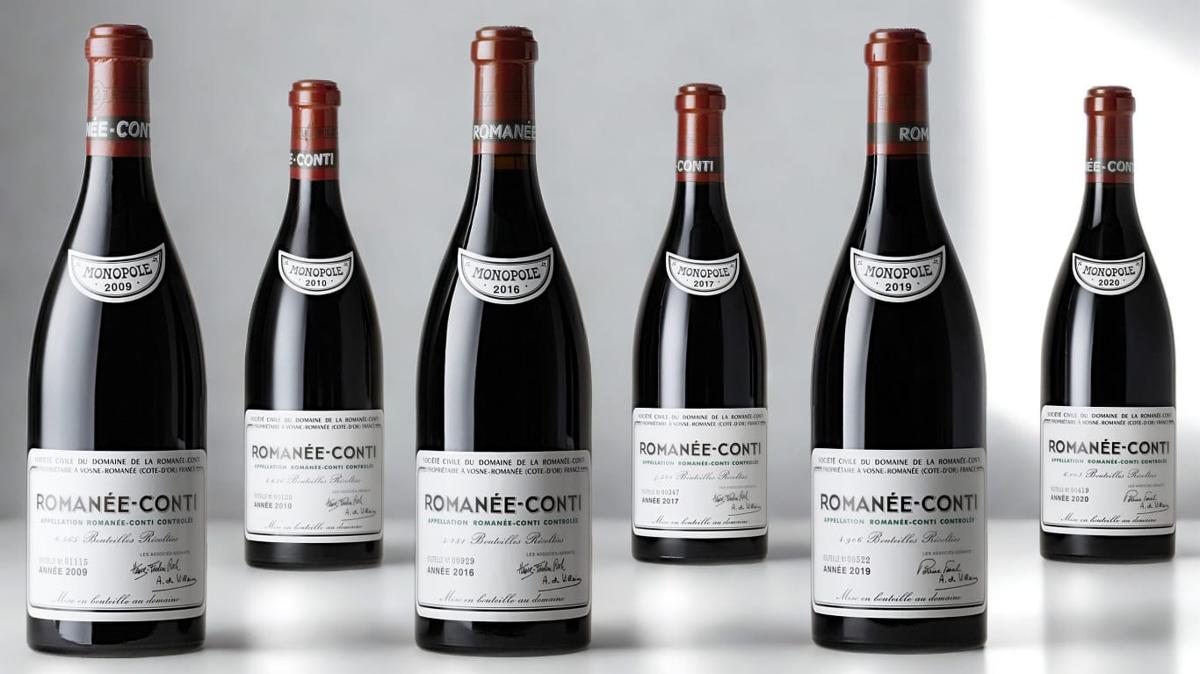

Managing a serious wine cellar over decades is the slowest, most rewarding form of administrative work in serious collecting. The cellar grows; bottles mature into their drink windows; some get opened, some get sold; new vintages enter the cellar; merchant relationships deepen; the inventory shifts as the collector's tastes and the wines themselves evolve. The collectors who do this well treat the cellar as a working collection that needs attention rather than a static holding to be left alone.
- Managing a serious wine cellar over decades is the slowest, most rewarding form of administrative work in serious collecting.
- Drink-window discipline matters as much as buying discipline, with the cellar's performance shaped by which bottles get opened and which get sold.
- Cellar tracking software, including CellarTracker and VinCellar, has become the structural infrastructure for managing meaningful inventory.
- Annual cellar audits, ideally with provenance and condition documentation, support both insurance and resale at the apex tier.
- Selective selling, typically through Christie's, Sotheby's, Acker, or specialist merchants, is the structural way to fund new allocations without dipping into reserves.
- New vintage entries should follow the existing cellar architecture, with allocations sized to the spine and the second-layer regions already in place.
- Who is this for?
- Cellar owners with established positions, looking to manage their inventory, drink windows, and selective selling across the long haul.
- What is happening?
- We work through how serious collectors actually manage and grow a fine wine cellar, with the tracking, auditing, drinking, and selling work that anchors it.
- When did this emerge?
- The piece reads the contemporary management landscape, with the modern post-2010 cellar tracking infrastructure and the current secondary-market dynamics as live context.
- Where is this happening?
- Private cellars worldwide, the major bonded warehouse networks, and the international auction and merchant ecosystems that handle the selective selling.
- Why does it matter?
- A serious cellar is built through buying but maintained through management, and the second-decade work is where most of the long-haul value either accrues or quietly evaporates.
The cellars they build over decades reflect the difference. This is our editorial read on how serious collectors actually manage and grow a fine wine cellar over the long run. The architecture, the mechanics, the periodic reviews, and the discipline that compounds across years.
Why active wine cellar management matters
The case for active cellar management isn't about chasing returns. It is about the working reality of holding a collection of bottles whose drink windows shift, whose secondary-market positions move, whose storage requirements compound, and whose composition needs to evolve as the collector's tastes mature. A cellar left untouched for a decade is a cellar in which some bottles have aged past their peak windows, some have arrived at peak but never been opened, and some have moved materially in the secondary market without the collector capitalising on either the drinking opportunity or the sale option.
Wine Spectator and Decanter both publish drink-window guidance precisely so collectors can manage these decisions properly. The Liv-ex Fine Wine 100 and Fine Wine 1000 supply the secondary-market context that informs sale and hold decisions.
Building geographic depth across the canon
The architecture serious collectors converge on, weighted across regions, runs roughly the following.
Thirty to forty percent Bordeaux (split between Left Bank Cabernet-led and Right Bank Merlot-led), 20–25% Burgundy (Pinot Noir grand crus and the great Côte de Beaune whites), 10–15% Champagne (vintage from the great houses plus the grower-Champagne icons), 10% Rhône and Italy (Hermitage, Côte-Rôtie, Sassicaia, Solaia, Tignanello, Masseto, Brunello, Barolo, Barbaresco), 5–10% Napa and the New World (the cult Cabernets and selective international additions), 5% sweet wine and Port for occasion bottles, and the remaining single-digit percentage across the regions the collector has come to back personally.
The proportions shift over decades as the cellar matures and as the collector's tastes evolve. The architecture remains roughly stable.
Building vintage depth
The cellars that compound best across decades are the ones built across multiple strong vintages from each named region. The strong Bordeaux vintages of the past three decades (1990, 1995, 1996, 2000, 2005, 2009, 2010, 2015, 2016, 2018) are the spine of a serious Bordeaux cellar. The strong Burgundy vintages: 1990, 1996, 1999, 2002, 2005, 2009, 2010, 2015, 2017, 2019.
The strong Champagne vintages: 1996, 2002, 2008, 2012, 2013. The cellar that holds depth across these years has continuous bottles arriving at peak, continuous flow available to drink, sell, or hold across the long window.
Building producer depth
Within any one region, depth across multiple producers tends to outperform concentration in any single name, even the iconic ones. The Burgundy cellar that is 80% DRC and 20% everything else is a cellar betting heavily on a single domaine.
A cellar across DRC, Leroy, Leflaive, Coche-Dury, Mugnier, Roumier, and Rousseau has the diversification within Burgundy that the broader market has rewarded over the past two decades, and the Romanée-Conti 1945 record at $558,000 (Sotheby's New York, 2018) marks the high water for the category.
Balancing short-term drinking with long-term holdings
The cellar that compounds best across decades is the cellar that gets drunk regularly. Bottles ready for drinking get pulled and opened; bottles past their drink window or whose secondary-market position justifies it get sold at major auctions; bottles in their drinking window stay in the cellar for occasions. The pattern most serious collectors converge on is roughly 30–40% of the cellar in current-drinking wines and 60–70% in long-hold positions, with the proportions adjusting as the long-hold positions enter their drink windows.
Building grape-variety depth
The variety question often gets framed as a stylistic decision rather than a cellaring one, which understates how much it matters. A cellar dominated by Cabernet Sauvignon, even from the great producers, is a cellar that will eventually feel one-note when opened across multiple consecutive evenings.
Depth across red and white, Old World and New, varieties that lend themselves to long ageing (Cabernet, Nebbiolo, Pinot Noir, Riesling) and varieties that reward earlier consumption (Grenache, Beaujolais cru, the better Sangiovese) is what makes a cellar genuinely livable.
Building price-point depth
The temptation amateur collectors most often face is to hold only the most expensive bottles in the cellar. The Pétrus, the DRC La Tâche, the Krug Clos d'Ambonnay. The cellar that consists only of those bottles is uncomfortable to drink from, because every dinner becomes an occasion bottle.
The pattern most serious collectors converge on is roughly 40% of the cellar at the everyday tier ($30–$100 a bottle), 40% at the mid-tier ($100–$500), 15% at the premium tier ($500–$2,000), 5% at the icon tier (above $2,000).
The cellar's growth strategies
Serious cellars grow through a recognisable handful of channels. En primeur, particularly Bordeaux, where the strong vintages of the past two decades have been most reliably accessible at sensible bases through merchant allocations at Berry Bros & Rudd, Bordeaux Index, and Justerini & Brooks.
Direct allocation buying from named Burgundy domaines, the great Champagne houses, and the cult Napa Cabernets through established merchant relationships. Auction acquisitions for mature library releases, single-bottle lots from private cellars, and en-primeur futures from previous campaigns at Sotheby's Wine, Christie's Wine, Acker, Hart Davis Hart, and Zachys. Private treaty sales through serious merchants for specific bottles or smaller collections that won't appear in the major auction catalogues.
Regular cellar reviews
The discipline that holds a serious cellar together over decades is regular review. Annual inventory check. Full physical reconciliation against the digital inventory (CellarTracker is the most-used). Three-to-five-year appraisal through major auction houses or specialist firms (Wineappraiser, the auction-house in-house teams). The appraisal supports insurance valuations and provides current secondary-market context.
Periodic drink-window reviews. Bottles approaching peak should be flagged for opening; bottles past peak should be opened or sold. Cellar composition reviews. The regional, vintage, producer, and price-point proportions should be reviewed annually and rebalanced through buying and selective sales.
Storage and insurance
The structural mechanics that hold a serious cellar together over the long run are unglamorous but load-bearing. Professional bonded storage at Octavian, Le Clos, Domaine Storage, or Vinfolio for the long-hold inventory, with specialist insurance through AXA Art, Berkley Asset Protection, Chubb, or Fidentia covering temperature damage, in-transit, and off-site storage explicitly.
The annual cost of professional storage and insurance for a serious cellar typically runs 0. 6–1. 2% of cellar value combined.
Modest insurance against the much larger risks of compromised storage or uninsured loss.
Tax-efficient cellar management
The tax dimension of cellar management varies by jurisdiction. UK collectors benefit from the wasting-chattel exemption that generally exempts wine from CGT. US collectors face the 28% federal collectibles rate on long-term capital gains, with state tax adding on top.
European bonded-storage facilities preserve the wine "in bond", with neither VAT nor duty paid, which keeps secondary-market trade frictionless. Inheritance and estate tax treatment varies by jurisdiction; many serious collectors structure cellars through family LLCs or trusts to spread the inheritance impact.
The specific tax positions belong with a qualified accountant or tax lawyer in the relevant jurisdiction. The journalism here is what serious collectors actually do; the personalised advice is a separate matter.
An example: building a $100,000 cellar over five years
The pattern many serious collectors apply when building a cellar from a defined budget over five years roughly follows the following. Year one, $30,000 deployed across roughly 70% Bordeaux and Burgundy classed-growth bottles from accessible vintages (the 2014/2015 Bordeaux at this point in their cycle, the 2015/2016 Burgundy from named domaines), 20% Champagne (vintage from the great houses), 10% Italy and Rhône.
Year two through five, $15,000–$20,000 annual deployment building depth across additional vintages and producers, with selective sales of bottles that have run materially or moved past their drink window. By year five, the cellar typically holds 800–1,200 bottles across the canonical regions, with the architecture above largely in place.
The cellar's secondary-market value has typically tracked alongside the broader Liv-ex indices. The working value to the collector (the bottles that have been opened, the dinners enjoyed, the cellar's depth across vintages and producers) is the larger return.
What this means for collectors growing a cellar over decades
The cellars that compound best across the long run are the ones that grow quietly, on the back of accumulated knowledge, deepening merchant relationships, and the slow process of identifying, vintage by vintage, the producers and bottlings worth backing. Year fifteen, with the cellar fully built and the personal context across producers and vintages established, looks nothing like year five.
The cellar isn't a portfolio. It is a working collection that the collector lives with, drinks from, replenishes thoughtfully, and refines across years.
The discipline that matters most is consistency. The cellar that gets reviewed annually, replenished thoughtfully, drunk regularly, and stored properly is the cellar that will reward the collector for decades. The cellars that go wrong are almost always the ones whose owners stopped paying attention.
We last reviewed this analysis in May 2026.