The major fine-wine auctions are where the most-coveted bottles in the world actually change hands. Hospices de Beaune in November. Christie's Wine and Sotheby's Wine in London, Geneva, Hong Kong, New York.
- The major fine-wine auctions are where the most-coveted bottles in the world actually change hands, with Christie's, Sotheby's, Acker, and Hart Davis Hart leading the calendar.
- Hospices de Beaune in November remains the cultural anchor of the auction year, with prices realised setting broader Burgundy reference points.
- Provenance documentation has become a structural prerequisite, with the major houses now building chain-of-custody records into nearly every consignment.
- Mature library releases, single-bottle lots from private cellars, and en primeur futures from previous campaigns drive most of the volume at the apex.
- Premium discipline matters, with buyer premiums of 20 to 25 percent meaningfully altering the effective price for any successful bid.
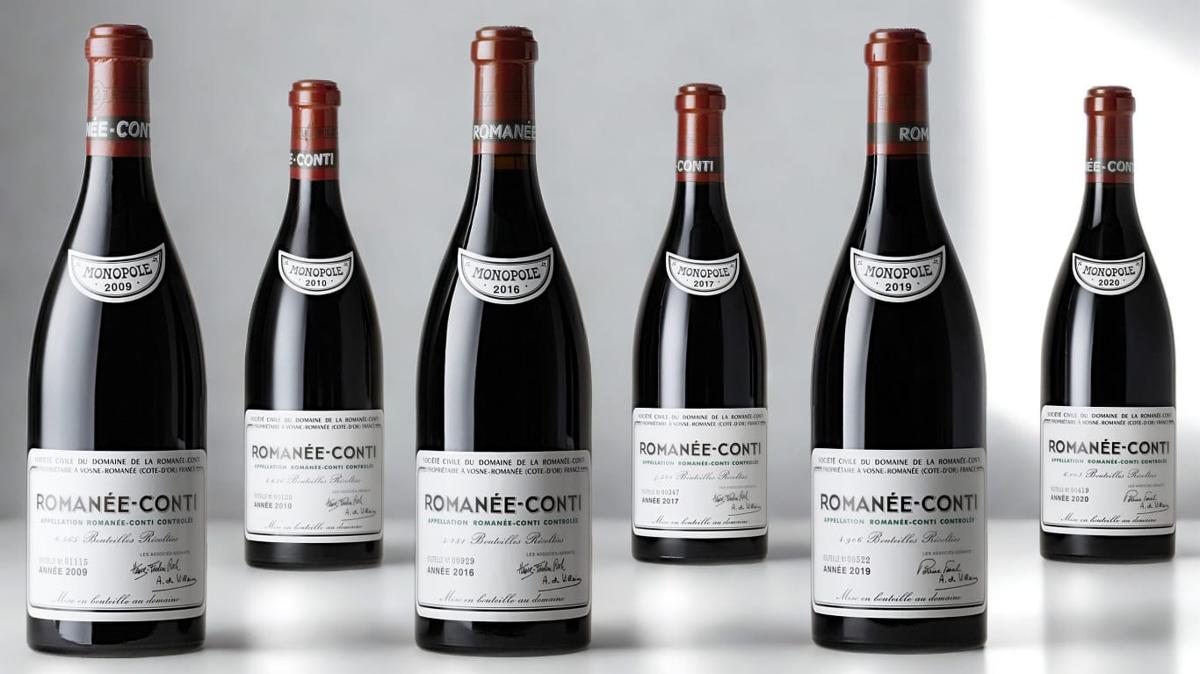
- The 1945 Romanee-Conti sold for 558,000 dollars at Sotheby's New York in 2018 set the modern record, and the structural top of the market has held since.
- Who is this for?
- Serious collectors considering primary auction buying, and existing cellars looking to source mature library releases or rare single-bottle lots.
- What is happening?
- We work through the major fine-wine auction circuit, with the houses, mechanics, and tactical considerations that separate experienced bidders from newcomers.
- When did this emerge?
- The piece reads the contemporary auction calendar, with the post-2018 modern records and the current Hospices de Beaune cycle as live context.
- Where is this happening?
- Christie's and Sotheby's in London, Geneva, Hong Kong, and New York, plus Acker, Hart Davis Hart, and Zachys in the broader US specialist circuit.
- Why does it matter?
- Auction buying offers access, provenance, and price discovery that no merchant channel can match, but the mechanics reward discipline and punish casual bidding.
Acker, Hart Davis Hart, Zachys. The specialist wine-auctions calendar runs nearly year-round, and the prices realised at the top of the market set the reference points the broader market builds from. Five-figure mature DRC, six-figure 1945 Mouton, and the occasional seven-figure Romanée-Conti (the 1945 bottle sold for $558,000 at Sotheby's New York in 2018, the modern record).
This is our editorial read on how serious collectors actually buy and sell at auction. The houses that matter, the mechanics, the tactics that separate experienced bidders from newcomers, and the practical considerations that determine whether a sale goes well or badly.
Why the auction circuit matters for wine collectors
Three things draw serious collectors to the auction circuit rather than retail. The first is access to wines that simply don't appear in normal merchant inventory. Mature library releases from named domaines, single-bottle lots from private cellars, en primeur futures from previous campaigns.
The second is provenance documentation, which the major houses now build into nearly every consignment: chain-of-custody records, professional storage history, condition notes. The third is the price discovery, since competitive bidding sets the most reliable valuation in the secondary market, and the Liv-ex tracking that follows often references major auction results.
Why serious collectors sell at auction
The sale side of the auction circuit is just as important. Collectors with mature cellars eventually face the question of what to do with bottles that have moved past their drink window, positions that have run materially in value, or wines whose secondary-market trajectory justifies the disposal.
The major houses' competitive bidding consistently realises stronger prices than private treaty sales for the most-coveted lots, and the documentation provided to consignors supports the cost basis records the seller's accountant will need.
How wine auctions actually work
The mechanics are well-established. The auction house's specialists assess the consignment (typically requiring physical inspection for high-value lots), price the lots with low and high estimates based on recent comparable sales, prepare the catalogue (now nearly always with detailed condition reports and provenance notes), and conduct the sale either as a live event with absentee, telephone, and online bidding, or as an online-only sale.
Hammer prices add the buyer's premium (now typically 25–27% at the major houses) plus any applicable sales tax. Sellers pay a commission (typically 10–15%, negotiable for major consignments).
The cycle from consignment to settlement runs roughly three to four months. Pre-sale exhibitions in the days before live auctions are increasingly used by serious bidders for physical inspection of the lots they intend to bid on.
The major auction houses worth knowing
Christie's. The oldest of the major fine-wine houses (the wine department founded in 1966), with seasonal sales in London, Geneva, Hong Kong, New York, and Paris. Particularly strong on Bordeaux First Growths and the great mature Burgundies.
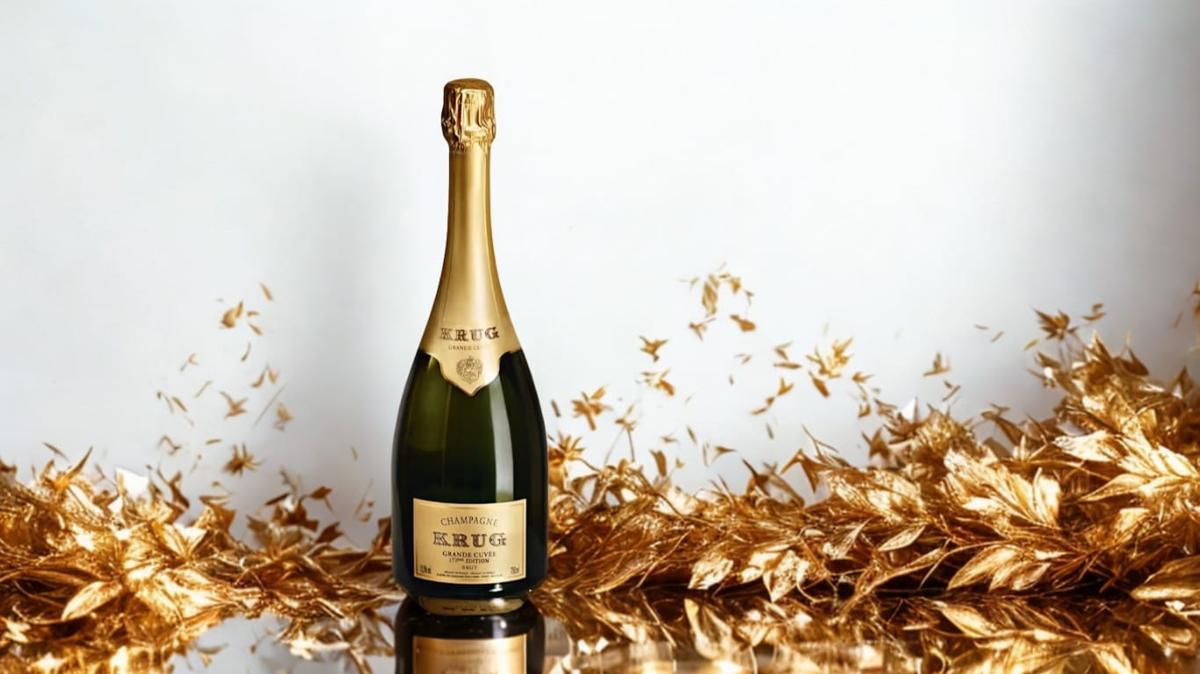
Sotheby's. Equally established, with sales in the same major cities. Sotheby's wine department has run consistently strong on Burgundy and Champagne in recent years, with several record-setting DRC and Krug results across 2023–2024. The Lafite 1869 record bottle at $233,972 cleared at Sotheby's Hong Kong in 2010.
Acker. The largest American fine-wine auction house, with offices in New York and Hong Kong and a particular strength in Asian-market consignments. Acker's online sales calendar runs almost continuously and accommodates smaller consignments that the larger houses sometimes decline.
Hart Davis Hart. The Chicago-headquartered house that has built one of the most-respected provenance and authentication programmes in the trade. HDH's catalogues are widely read by serious collectors for the depth of the condition reporting.
Zachys. The New York-based house that has run consistently strong on Burgundy and the cult Napa Cabernets. Zachys' online platform handles smaller and mid-sized consignments well.
iDealwine. The French-based online wine auction house that handles the broader European market, particularly strong on Burgundy and the Loire.
Bonhams. The London-headquartered house with credible wine sales in London, New York, and Hong Kong. Particularly strong on whisky and other rare-spirits categories alongside wine.
Pricing strategies and bidding tactics
The discipline that experienced bidders apply is built around a few well-tested principles.
Set a maximum bid before the lot opens. The auction-room dynamic, particularly in live events with competitive bidders, pushes prices well above pre-determined thresholds for collectors who don't impose discipline. Bid in standard increments. The auctioneer typically calls increments at 10% of the current bid; bidding outside the standard rhythm flags inexperience.
Use proxy bidding for online sales. Submitting a maximum bid that the platform raises incrementally on the bidder's behalf produces materially better outcomes than constant manual checking. Avoid the late-stage emotional bid. The most-overpaid lots in any auction tend to be the ones won by bidders who passed their target by 20% in the closing minutes.
Online vs live wine auctions
The major houses have moved most of their volume online over the past decade, with live auctions now generally reserved for the most significant single-collection sales. Online platforms (the major houses' own platforms plus iDealwine, Acker's online calendar, Zachys' online platform, Hart Davis Hart's e-catalog) accommodate continuous selling across small and mid-sized consignments.
The trade-off is straightforward. Live auctions tend to clear stronger prices for the highest-value lots, particularly when multiple competitive bidders are physically in the room. Online auctions are more accessible, more frequent, and often produce better outcomes for mid-tier lots where the bidding pool is broader.
Tips for buying wine at auction
Read the catalogue carefully. The condition reports, provenance notes, and lot descriptions contain most of the information a serious bidder needs. The houses' specialists are typically reachable for follow-up questions before the sale.
Verify provenance. The major houses now require chain-of-custody documentation for high-value lots, but the reporting depth varies. Bidders should explicitly confirm storage history, capsule and label condition, and fill levels for any bottle they intend to bid on seriously.
Account for total cost. The buyer's premium adds 25–27% to the hammer price; sales tax (where applicable) adds further. A "winning" hammer of $1,000 represents an actual cost of roughly $1,250 plus any applicable tax and shipping.
Use the major houses for the most-faked wines. Pre-1980 DRC, 1945 Mouton, the great older Pétrus and Le Pin vintages. The major houses' authentication programmes provide the practical defence against the counterfeit risk concentrated at the top of the market.
Tips for selling wine at auction
Choose the right house for the consignment. Christie's Wine and Sotheby's Wine tend to clear the strongest prices for the most significant single lots. Hart Davis Hart and Zachys excel on mid-sized consignments, and Acker's online calendar handles smaller volumes well.
Negotiate seller's commission for significant consignments. The published rates are starting points; serious consignments routinely negotiate to 8–12%. Insist on physical inspection. The major houses will send specialists to inspect cellars for significant consignments, and the provenance documentation that follows materially affects the prices realised.
Time the consignment. The major seasonal sales (typically November–December and May–June) tend to draw the broadest bidder pools and clear the strongest prices. Online sales between the major events tend to be steadier but less dramatic.
Shipping, storage, and insurance
The practical mechanics that follow the sale are where many newcomers get caught out. International shipping of high-value wine requires temperature-controlled freight (Hillebrand, Schenker, JF Hillebrand are the major specialist freight forwarders), carries customs and duty obligations in the destination country, and frequently triggers VAT in EU jurisdictions.
The major houses arrange shipping on the buyer's behalf for an additional fee, and many serious collectors prefer to use the houses' nominated freight to maintain a clean chain of custody.
Insurance during transit is typically included in the freight quote but should be explicitly verified. Storage on arrival should be in professional facilities (Octavian Vaults in the UK, Le Clos in Switzerland, Domaine Storage in Hong Kong, Vinfolio in the US) rather than at home, particularly for high-value lots that may be re-consigned in the future.
What this means for collectors choosing a house
The pattern most serious collectors converge on is to maintain working relationships with two or three of the major houses across different geographies. Typically one each in London, New York, and Hong Kong, and to consign or bid through whichever house's calendar and audience best matches the specific lot.
The houses' specialists become useful trade contacts in their own right, and the catalogue research that flows from those relationships often shapes the serious collector's broader buying programme over time.
The auction circuit is one of the more rewarding corners of serious wine collecting to engage with. The price discovery is transparent, the wines that change hands are often unavailable elsewhere, and the discipline that experienced bidders apply tends to translate into the broader cellar architecture over time. We last reviewed this analysis in May 2026.