How to avoid fake wine is one of the few collecting questions where the stakes have measurably risen across the last two decades. Wine fraud, by some industry estimates, now accounts for roughly five percent of the global fine-wine market by value, and the figure climbs sharply when you isolate the most-faked categories.
- How to avoid fake wine is one of the few collecting questions where the stakes have measurably risen across the last two decades.
- Wine fraud, by industry estimates, now accounts for roughly five percent of the global fine-wine market by value, with the apex tier disproportionately affected.
- The Rudy Kurniawan case, which culminated in a 10-year US prison sentence in 2014, exposed the structural fraud risk in the Burgundy and Bordeaux apex tiers.
- Provenance documentation, including bonded warehouse records and direct-from-chateau chain of custody, is the structural defense against counterfeit risk.
- Bottle inspection, including capsule integrity, label printing quality, and fill levels, remains a meaningful frontline defense for experienced buyers.
- Buying from established merchants and the major auction houses with full provenance documentation is the structural way to manage the fraud risk.
- Who is this for?
- Active collectors buying in the secondary market, particularly at the Burgundy and Bordeaux apex tier where fraud risk is structurally concentrated.
- What is happening?
- We work through how serious collectors actually defend against wine fraud, with the documentation, inspection, and merchant-selection practices that matter.
- When did this emerge?
- The piece reads the contemporary fraud landscape, with the post-Kurniawan documentation infrastructure and the modern auction-house provenance work as live context.
- Where is this happening?
- The international fine-wine market, with Burgundy and Bordeaux apex tiers as the regions where structural fraud risk concentrates most heavily.
- Why does it matter?
- Fraud is the failure mode that can erase apex bottle value entirely, and the structural defenses are well-established but require active discipline from collectors.
The Rudy Kurniawan case in 2008 (an estimated $35 million in counterfeit Burgundy and Bordeaux) restructured the entire authentication discipline, and the playbook has continued to evolve since.
This piece is the collector's view of where the fraud risk sits today and how to mitigate it. We've focused on the practical, the well-documented, and the defensible.
Authentication is no longer optional at the top of the market. It is part of the value.
What is considered fake wine
Fake wine is any bottle whose contents, labeling, or provenance has been altered to misrepresent what the buyer is acquiring. The category is broader than most collectors assume. It includes outright counterfeit bottles, refilled originals, mislabeled vintages, and bottles whose chain-of-custody documentation has been fabricated to support an inflated price.
The structural risk concentrates at the top of the market. Bottles selling above roughly $1,000 carry meaningful counterfeit exposure, and the risk climbs steeply above $5,000.
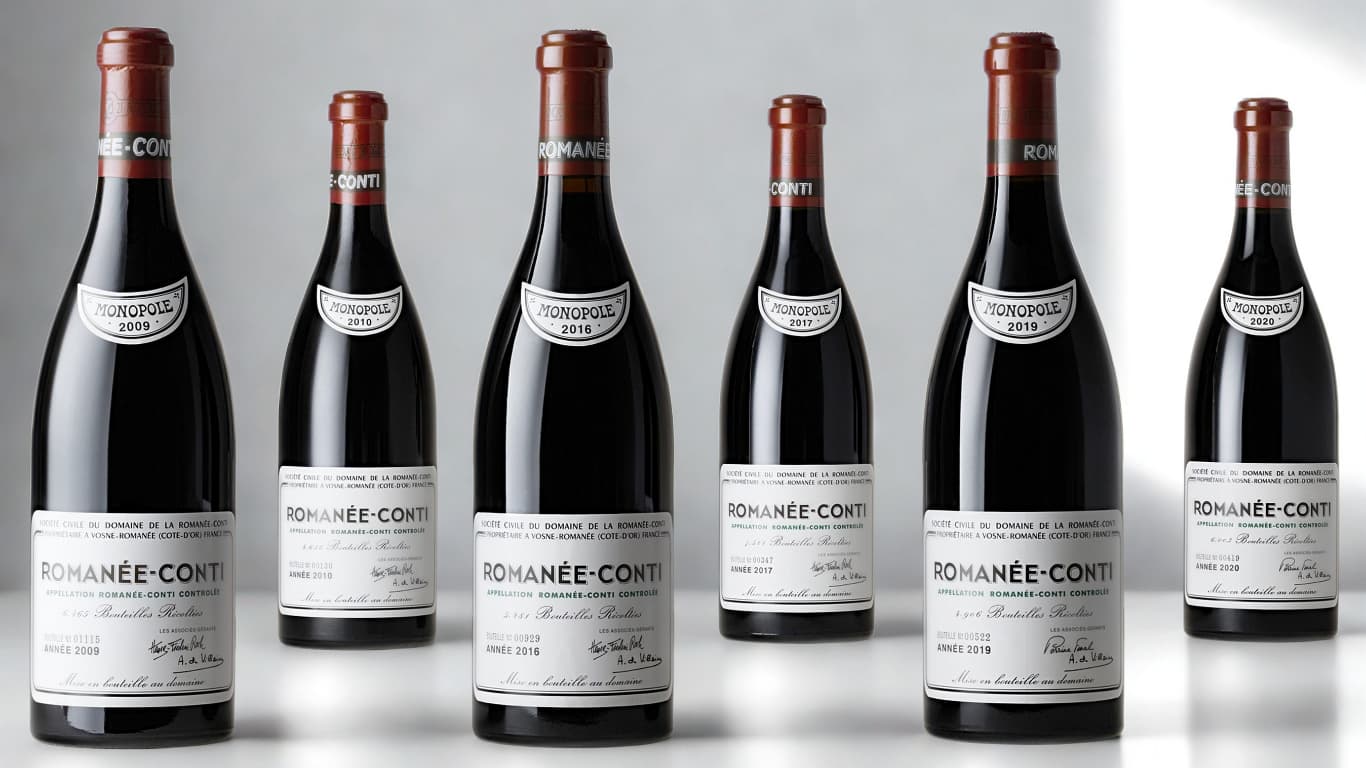
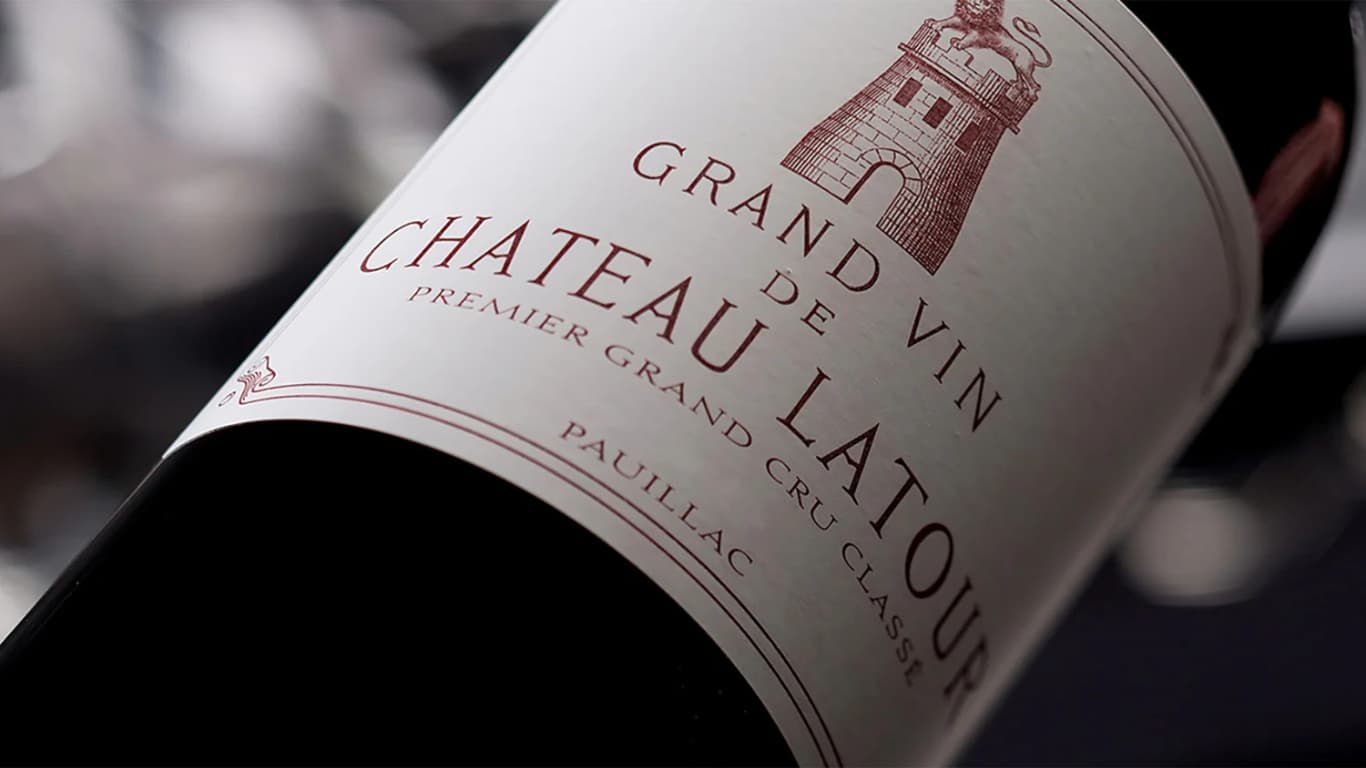
The most-faked names in any auction catalog will tell you where the risk lives: 1945 Mouton, pre-1980 Romanée-Conti, Pétrus and Le Pin across the great vintages, Henri Jayer across his career.
Key characteristics of fake wine
Counterfeit bottles share recognizable signatures once you know what to look for. Off-register or low-resolution labels, paper stock that feels wrong for the era, capsules with imperfect crimping, fill levels inconsistent with the vintage, and serial numbers that don't match the producer's records all signal trouble.
The Kurniawan case revealed that counterfeiters work from real bottles too. Empty original bottles refilled with cheaper wine, with capsules reapplied and labels carefully replaced, are harder to detect than fully fabricated counterfeits.
This is why authentication houses examine the bottle as a whole rather than relying on label inspection alone.
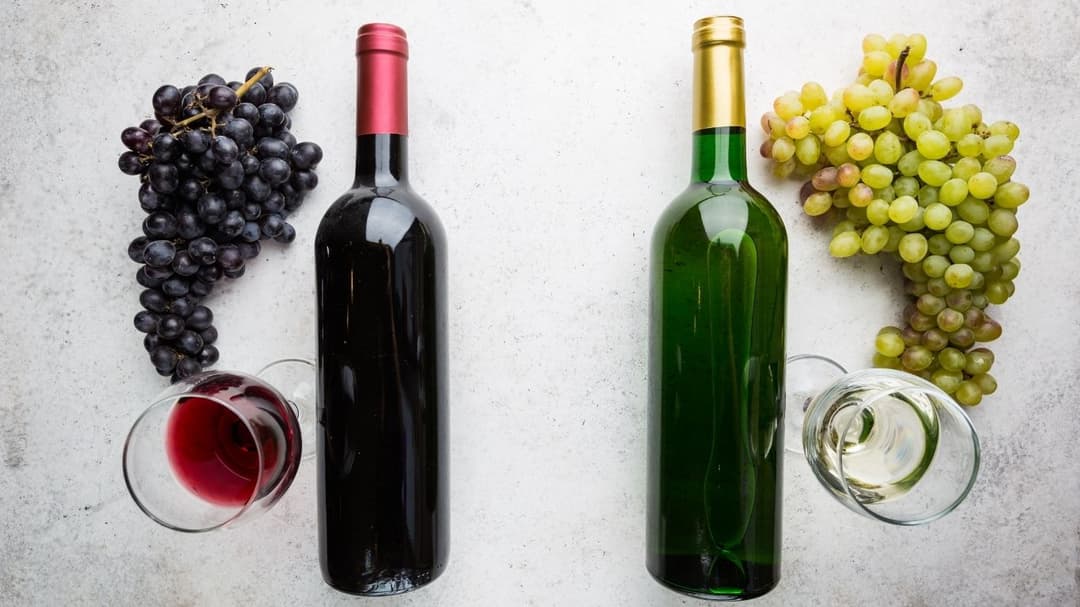
Types of wine fraud
The fraud taxonomy used by the major auction houses (Sotheby's, Christie's, Acker, Zachys, and Hart Davis Hart) breaks the risk into recognizable categories. Each carries its own tells and its own defensive playbook.
1. Counterfeit bottles
Fully fabricated bottles, label and contents, were the headline category before Kurniawan. The fakes were often crude enough that a careful collector with reference photos could spot them.
Modern counterfeits are better. Higher-resolution printing, aged paper stock, and improved capsule work have raised the bar, but the bottles still rarely match every detail of an authentic original.
2. Refilled bottles
Refilled bottles are the harder case. The original packaging is genuine, which means surface authentication passes, and the only reliable defence is provenance documentation and (for the most valuable lots) chemical analysis of contents.
Empty bottles of the most-coveted vintages now have their own secondary market for exactly this reason. Producers including Domaine de la Romanée-Conti have moved to engraved bottle bases, bubble codes on the glass, and tamper-evident capsules to make refilling harder.
4. Adulteration
Adulteration covers the manipulation of wine itself, including illegal additives, blending wine from different sources to mimic a specific producer's style, and the dilution of authentic stock with cheaper material. Producer-led DNA verification and isotope analysis are the technical defences, and the major auction houses now apply both where the lot value justifies the cost.
Cases like the 1985 Austrian diethylene glycol scandal and various Italian Brunello declassifications in the late 2000s mark the structural moments in this category.
5. Auction fraud
Auction fraud overlaps with provenance fraud. Bottles with fabricated chain-of-custody documents, lots passed through multiple auction houses to obscure their origin, and bidders working as a ring to inflate prices all fall under this heading.
The Acker Merrall & Condit cases of the late 2000s, where multiple Kurniawan-sourced lots cleared the rostrum with major-collector consignors named on the catalog, set the precedent for the industry's current authentication discipline.
How to spot counterfeit wine
The collector who acquires bottles directly is the collector best positioned to authenticate them. Direct-from-château allocations, wines bought in primeur and delivered through the négociant chain, and bottles purchased from named merchants with verifiable invoices carry the least counterfeit risk.
For everything else, the visual inspection is the first line of defence. Label quality, capsule condition, fill levels, and bottle weight all carry information.
The second line is comparison with reference photos. Producer websites, vintage guides, and the catalogs from major auction houses are useful resources, and high-resolution comparison is now standard practice in serious authentication.
Tips for avoiding wine fraud
The defensive playbook for collectors compresses into seven practices. None is sufficient on its own, and the strongest defence is layered.
Purchase from reputable sources
The structural defence against fraud is buying from sources whose reputation is at stake on every lot. Sotheby's, Christie's, Acker, Zachys, Hart Davis Hart, Bonhams, Bordeaux Index, Berry Bros & Rudd, and Farr Vintners all maintain authentication programmes, and their reputational exposure is real.
Direct-from-producer purchases (en primeur Bordeaux, allocated Burgundy through the négociant chain, direct DRC) carry the cleanest provenance any collector can secure.
Request proof of authenticity
Provenance documentation should travel with every lot above a meaningful price threshold. Original purchase invoices, storage records, and any prior auction-house paperwork all add to the chain.
The bottles whose chain of custody can be traced bottle-by-bottle back to the producer command structural premiums for exactly this reason.
Use technology to authenticate wines
The technical layer has grown meaningfully since the Kurniawan case. Producers now apply bottle-level identifiers including holograms, bubble codes, engraved bases, and NFC tags. Independent authentication houses run isotope analysis and capsule examination on the most-coveted lots, and DNA verification has emerged for the highest-tier bottles.
The technology is useful as a screening layer rather than a complete answer.
Avoid deals too good to be true
The single most reliable fraud signal is price. Bottles offered below market across multiple comparable sales should raise immediate questions, and the collector's default should be to walk away.
The legitimate distressed sale exists but is rare, and a serious source will support the price with documentation.
Educate yourself about fine wines
Collector knowledge is the layer most often underweighted. Reading the producer literature, studying vintage characteristics, and following the major critics builds the working baseline that visual inspection rests on.
Our coverage of the world's top wine regions and the best Bordeaux wine regions is a useful starting point for the structural literacy this requires.
Store and dispose of bottles properly
Empty original bottles of the most-coveted vintages have value to counterfeiters. Serious collectors destroy bottles after consumption rather than discarding them intact.
The same logic applies to original wooden cases. Genuine cases routinely change hands in the secondary market and become components in refilled-bottle fraud.
Consider professional services
For the most-valuable lots, professional authentication is the final layer. Independent specialists work with auction houses, insurers, and private collectors, and the cost is meaningful only against the most expensive bottles.
For collectors building serious depth above the $2,000-per-bottle threshold, the investment is structural rather than optional.
Fake wine case studies
Three documented cases illustrate the fraud risk and the industry's evolving response. Each shaped current practice in measurable ways.
Rudy Kurniawan: the billion-dollar fraud
Rudy Kurniawan, an Indonesian collector active in the early 2000s, was convicted in 2013 of producing an estimated $35 million in counterfeit wine across roughly a decade. The bottles, sold through Acker Merrall & Condit and other major houses, focused on Romanée-Conti, Pétrus, Henri Jayer, and other top names. The case anchored the modern authentication discipline.
Jefferson Bottles scandal
The Jefferson Bottles affair, centered on bottles allegedly owned by Thomas Jefferson and sold through Christie's in the late 1980s, involved Hardy Rodenstock and a long-running provenance dispute. The case shaped how the major houses now approach historical-attribution lots.
Auction fraud at Acker Merrall and Condit
The Acker cases, several of which traced back to Kurniawan-sourced lots, demonstrated how counterfeit bottles could clear major-house auctions before authentication discipline tightened. Acker's response, alongside Sotheby's and Christie's, has been the structural authentication tightening of the past fifteen years.
What this means for collectors
Fraud risk is not symmetric across the market. It concentrates at the top, in the most-coveted vintages, and in the names where counterfeit returns justify the effort. The defensive playbook works, but only if applied consistently.
Our analysis of fine wine relative to other collector categories and the role of wine auctions in serious collecting sets the broader frame.
We last reviewed this analysis in May 2026.


Stefanos Moschopoulos
Stefanos Moschopoulos founded The Luxury Playbook in Athens and has spent the better part of a decade following the auction calendar, the en primeur releases, and the watchmakers, gallerists, and shipyards the magazine covers. He writes the field guides and listicles that anchor the Connoisseur section — pieces built on Phillips and Christie's results, Liv-ex movements, and conversations with collectors he has met across Geneva, Bordeaux, Basel, and Monaco. His own collecting habits sit closer to watches and wine than art, and it shows in the level of detail in the magazine's coverage of those categories. Under his direction, The Luxury Playbook now publishes long-form field guides, market-defining year-end listicles, and the Voices interview series with the founders behind the houses and the brands.