Bordeaux is synonymous with fine wine, and its regions are home to some of the most coveted wine-producing areas on the planet.
For centuries, Bordeaux has set the benchmark for quality, producing wines renowned not just for their elegance and complexity, but for their serious investment potential.
With its diverse terroirs, Bordeaux delivers a wide variety of wines that cater to different palates and budgets, making it a prime destination for collectors and investors alike.
In 2026, Bordeaux sits at the forefront of wine investment. Its regions are home to some of the most prestigious appellations in existence, offering wines with strong historical ROI, exceptional aging potential, and global demand that shows no signs of cooling.
What follows is a breakdown of the best Bordeaux wine regions to consider for investment, covering their unique characteristics, average pricing, and what kind of return you can realistically expect.
Whether you are a seasoned collector or buying your first case, understanding these regions will help you make smarter decisions and get the most out of every bottle you acquire.
Table of Contents
Blaye And Bourg
Situated on the Right Bank of the Gironde Estuary, the Blaye and Bourg wine regions are emerging as hidden gems within Bordeaux.
Known for their affordability and high-quality output, these regions offer an excellent opportunity if you are seeking value-driven options with real growth potential.
They may lack the name recognition of Médoc or Saint-Émilion, but Blaye and Bourg are increasingly earning praise for exceptional wines at accessible price points.
The primary grape here is Merlot, often blended with Cabernet Sauvignon, Malbec, and Cabernet Franc.
The clay and limestone soils create an ideal terroir for Merlot, producing wines that are fresh, approachable, and ready to enjoy sooner than wines from other parts of Bordeaux.
Expect fruit-forward profiles with soft tannins, flavors of red and black fruits, herbs, and a touch of minerality. That combination makes them versatile and easy to sell to a wide range of consumers.
In terms of pricing, wines from Blaye Côtes de Bordeaux typically sit between $15 and $40 per bottle, with premium offerings pushing past $60.
Wines from Côtes de Bourg fall within a similar range, making them an attractive pick if you want quality without overpaying.
From an investment angle, Blaye and Bourg make a compelling case.
Their affordability and growing recognition among critics and sommeliers drive consistent demand. You can realistically expect annual appreciation of 5 to 8%, especially for wines from standout vintages or top producers.
These regions are ideal for diversifying a wine portfolio, giving you accessible entry points with promising upside.

Graves and Pessac-Léognan
Graves and Pessac-Léognan rank among the most esteemed areas in all of Bordeaux, celebrated for their diversity of wine styles and exceptional quality.
Located just south of Bordeaux city, these regions produce red, white, and sweet wines, each with its own distinct personality.
Their legacy and strong global demand make them a top consideration for anyone building a serious wine portfolio in 2026.
The terroir here is distinctive, defined by gravelly soils that deliver excellent drainage and promote vine health.
That terroir supports both red and white wines of remarkable complexity. The reds, built primarily on Cabernet Sauvignon and blended with Merlot, Cabernet Franc, and Petit Verdot, are known for their structure, elegance, and long aging potential.
The whites, crafted from Sauvignon Blanc and Sémillon, often spend time in oak, developing complex profiles layered with citrus, honey, and vanilla.
Pessac-Léognan reds typically range from $40 to $150 per bottle, with grand crus pushing past $300.
Graves whites are more accessible, averaging $20 to $50 per bottle, which makes them excellent value for the quality you are getting.
From an investment standpoint, Graves and Pessac-Léognan stand out for their prestige and track record. Estates like Château Haut-Brion and Château La Mission Haut-Brion command serious prices and deliver steady appreciation. If you want to understand just how deep the fine wine investment opportunity runs, the €30 billion fine wine market puts it in sharp perspective.
The versatility of producing both exceptional reds and whites ensures broad market appeal. Investors can expect annual ROI of 8 to 12%, with iconic labels frequently exceeding that range.
Graves and Pessac-Léognan bring together tradition, innovation, and quality in a way few regions can match, making them essential for any serious wine portfolio.
Their wines age with grace and hold up reliably in secondary markets, which is exactly what you want from a long-term investment.
Sauternes and Sweet Wines
The Sauternes region, on the Left Bank of Bordeaux, is globally recognized for producing some of the world’s most luxurious sweet wines.
These wines are celebrated for their rich, complex flavors and extraordinary aging potential, making them a cornerstone of any high-end collection.
The neighboring Barsac appellation, while slightly less well-known, produces equally compelling sweet wines, offering additional opportunities for collectors and investors.
The terroir of Sauternes and Barsac is perfectly suited for sweet wine production. Morning mists rolling in from the Garonne and Ciron rivers, followed by warm sunny afternoons, encourage the development of noble rot, known as Botrytis cinerea, a natural process that concentrates sugars in the grapes.
The result is wines of extraordinary sweetness, balanced by vibrant acidity. They are predominantly crafted from Sémillon, Sauvignon Blanc, and a small proportion of Muscadelle, delivering profiles rich in honey, apricot, citrus marmalade, and toasted almonds, with hints of spice and vanilla from oak aging.
Sauternes wines range from around $40 per bottle for entry-level options to well over $1,000 for prestigious labels like Château d’Yquem, which sits at the absolute pinnacle of the region.
Barsac wines, while slightly more affordable, still deliver exceptional quality, typically priced between $30 and $100 per bottle depending on the producer and vintage.
From an investment perspective, Sauternes and Barsac make a strong case. Their longevity is unmatched, with top labels improving over several decades. Iconic producers like Château d’Yquem consistently deliver high returns, with annual appreciation rates often surpassing 10%.
For investors hunting undervalued opportunities, Barsac gives you a chance to acquire high-quality wines at a fraction of the price, with significant room for growth.
Global demand for sweet wines, especially for celebrations and special occasions, keeps the market stable and consistent.
Rich flavors, unmatched aging potential, and strong market demand all work together to make Sauternes and Barsac exceptional regions for investment.
Their unique production methods and global prestige make them indispensable additions to any wine portfolio.
Entre-Deux-Mers
The Entre-Deux-Mers region, stretching between the Garonne and Dordogne rivers, is one of the most expansive and diverse wine-producing areas in Bordeaux.
Best known for its fresh and vibrant whites, the region also produces red wines under broader Bordeaux appellations.
If you are looking for affordable options with excellent quality, Entre-Deux-Mers deserves a serious look.
The terroir varies across the region, but limestone and clay soils dominate, making them well-suited for white grape varieties.
Wines are typically made from Sauvignon Blanc, Sémillon, and Muscadelle, resulting in crisp, aromatic whites that are approachable and versatile.
Expect flavors of citrus, green apple, herbs, and subtle floral notes. These are wines people enjoy without ceremony, which is exactly why they sell.
Entre-Deux-Mers wines rank among the most affordable in Bordeaux, with average pricing from $10 to $25 per bottle, though premium offerings can reach $40 to $50.
That accessibility ensures steady demand both domestically and in export markets.
From an investment angle, Entre-Deux-Mers offers a unique value proposition. These wines are not built for decades of cellaring like those from more prestigious appellations, but their affordability and consistent quality make them attractive for short to medium-term gains.
Producers focused on organic or sustainable practices are gaining real recognition here, which adds appeal for environmentally conscious buyers, a growing segment of the market.
White wines from the region in particular have seen rising popularity, driven by global appetite for fresh, aromatic styles.
Entre-Deux-Mers gives you a smart entry point for diversifying your portfolio with affordable yet quality Bordeaux wines.
Its commitment to innovation and its ability to track evolving consumer preferences keep it relevant and growing.

Médoc (Left Bank)
The Médoc region on the Left Bank of Bordeaux is one of the most prestigious and celebrated wine-producing areas in the world. Its exceptional quality and historical significance are beyond dispute, and it is home to some of the most sought-after wines globally.
For investors, Médoc presents unparalleled opportunities, offering consistent appreciation rates, enduring global demand, and a reputation for excellence built over centuries.
The Médoc divides into two main subregions, Bas-Médoc and Haut-Médoc, with Haut-Médoc housing some of Bordeaux’s most prestigious appellations, including Margaux, Pauillac, and St-Estèphe.
The terroir is defined by gravelly soils, ideal for Cabernet Sauvignon, the dominant grape in most blends from this region.
Wines from Médoc are known for their powerful structure, complex flavors of blackcurrant, cedar, tobacco, and earthy minerality, plus serious aging potential, often improving over several decades.
Pricing varies based on the subregion and classification. Entry-level Médoc wines typically range from $25 to $40 per bottle, offering accessible options for buyers who want genuine Bordeaux quality.
Haut-Médoc wines from classified growths sit between $40 and $150, while bottles from renowned estates like Château Margaux, Château Latour, and Château Lafite Rothschild can fetch $300 to $1,000 or more depending on the vintage.
From an investment perspective, Médoc wines are synonymous with long-term value.
The 1855 Classification cemented the region’s status as the global benchmark for quality, and wines from classified growths consistently deliver exceptional ROI, often exceeding 10 to 15% annually for top vintages.
The aging potential of these wines ensures steady demand, particularly among international collectors. Even lesser-known producers within Haut-Médoc have seen increased recognition, offering reliable returns for investors willing to look beyond the famous labels.
Médoc is essential for any wine investment portfolio. Its historical prestige, exceptional terroir, and ability to produce wines that appreciate over time make it one of the most lucrative areas in Bordeaux for wine investors heading into 2026.
Bas-Médoc (Left Bank)
The Bas-Médoc sits in the northernmost part of the Médoc region, often overshadowed by its prestigious neighbor Haut-Médoc.
But Bas-Médoc holds its own by delivering excellent value wines with remarkable quality for the price. This subregion falls outside the classified appellations and focuses on approachable, accessible wines that offer a compelling entry point for enthusiasts and investors alike.
The terroir here is a mix of gravel, clay, and limestone soils, which create solid growing conditions for Merlot and Cabernet Sauvignon, the primary grapes of the region.
The wines are typically fruit-forward and medium-bodied, with flavors of red and black fruits, spices, and a touch of earthiness.
They are designed for earlier consumption compared to the more structured, age-worthy wines of Haut-Médoc.
Pricing is one of Bas-Médoc’s most attractive features. Wines from this region typically range from $15 to $30 per bottle, keeping them highly accessible to a broad audience.
Premium offerings from top producers can reach $40 to $50, still representing excellent value for what you are getting.
From an investment standpoint, Bas-Médoc suits those looking to diversify with affordable Bordeaux wines.
The ROI is more modest than Haut-Médoc, but annual appreciation of 4 to 6% is achievable for standout vintages and well-regarded producers.
The region’s wines are also gaining traction in emerging markets, where demand for quality, budget-friendly Bordeaux is on the rise.
Bas-Médoc offers a genuine value proposition for investors who want access to Bordeaux’s reputation without the costs associated with classified growths.
Its focus on affordability and quality ensures consistent demand, making it a smart choice for balancing a wine portfolio with approachable yet promising bottles.
Haut-Médoc (Left Bank)
The Haut-Médoc is one of the most prestigious subregions in all of Médoc, sitting on the Left Bank of Bordeaux.
Known for its highly structured and long-lived wines, Haut-Médoc houses many of Bordeaux’s most celebrated appellations and estates, making it a cornerstone for collectors and investors with a long-term mindset.
Its reputation, built on history and consistent excellence, keeps wines from this subregion in constant demand.
The terroir is defined by gravelly soils, ideal for cultivating Cabernet Sauvignon, the dominant grape in most blends.
Excellent drainage and heat retention foster the production of robust, elegant wines capable of aging for decades. Merlot, Cabernet Franc, and Petit Verdot typically round out the blends, adding complexity and balance.
Haut-Médoc wines are known for their blackcurrant, cedar, tobacco, and earth character, complemented by firm tannins and vibrant acidity.
Pricing covers a wide range depending on the producer and vintage. Entry-level wines start at $20 to $40 per bottle, mid-tier offerings run from $50 to $100, and classified growths from iconic appellations like St-Julien, Pauillac, and Margaux can exceed $200 to $1,000 per bottle for top vintages.
That range means there is an entry point here for almost every serious buyer.
For investors, Haut-Médoc is synonymous with high returns and reliability. Its inclusion in the 1855 Classification, which features some of the most prestigious estates in Bordeaux, ensures strong demand and consistent appreciation.
Iconic producers like Château Margaux, Château Latour, and Château Mouton Rothschild regularly deliver annual ROI of 10 to 15% for exceptional vintages, with some surpassing that range during periods of high market activity.
Lesser-known estates within Haut-Médoc also offer strong opportunities, with appreciation rates of 6 to 9% annually, particularly for wines from outstanding years.
Haut-Médoc is indispensable for any serious wine investor. Its historical significance, exceptional terroir, and production of long-lived, collectible wines make it one of the most lucrative subregions in Bordeaux.
For 2026, Haut-Médoc stands as a top destination for those seeking stability, growth, and enduring value in the wine market.
St-Estèphe (Left Bank)
The St-Estèphe appellation, in the northern part of Haut-Médoc, is one of Bordeaux’s most renowned wine-producing areas.
Known for its powerful, structured wines with exceptional aging potential, St-Estèphe attracts investors who want bold, collectible wines that consistently perform well in the market.
Its proximity to the Gironde Estuary creates a unique microclimate that protects the vines from extreme temperatures, delivering consistent quality across vintages.
The terroir is a mix of gravel, clay, and limestone soils, which retain moisture and favor the growth of Cabernet Sauvignon, the dominant grape in the blends.
That terroir gives St-Estèphe its signature style: firm tannins, intense flavors of blackcurrant, plum, and graphite, and a robust structure that allows wines to age gracefully for decades.
Secondary varieties like Merlot, Cabernet Franc, and Petit Verdot soften the blend and add complexity.
Pricing reflects the appellation’s prestige. Entry-level wines from smaller producers typically run $30 to $50 per bottle, while classified growths command significantly more.
Estates like Château Cos d’Estournel and Château Montrose, both classified as second growths in the 1855 Classification, often fetch $200 to $500 per bottle for their top vintages.
Exceptional vintages from these estates have crossed the $1,000 mark, making them highly desirable for collectors.
From an investment perspective, St-Estèphe wines are a solid long-term play. Their robust structure and aging potential keep them in demand among collectors and connoisseurs worldwide.
Top estates, particularly classified growths, deliver annual ROI of 8 to 12%, with iconic vintages achieving even greater appreciation.
The growing recognition of smaller producers in the region also gives you the chance to get into quality wines at a lower entry cost before the wider market catches on.
St-Estèphe is an essential part of any Bordeaux-focused wine portfolio. Its powerful, age-worthy wines and consistent secondary market performance make it a highly lucrative option for 2026 and well beyond.

Pauillac (Left Bank)
Pauillac is widely regarded as the crown jewel of Bordeaux’s Left Bank, producing some of the most prestigious and sought-after wines in the world.
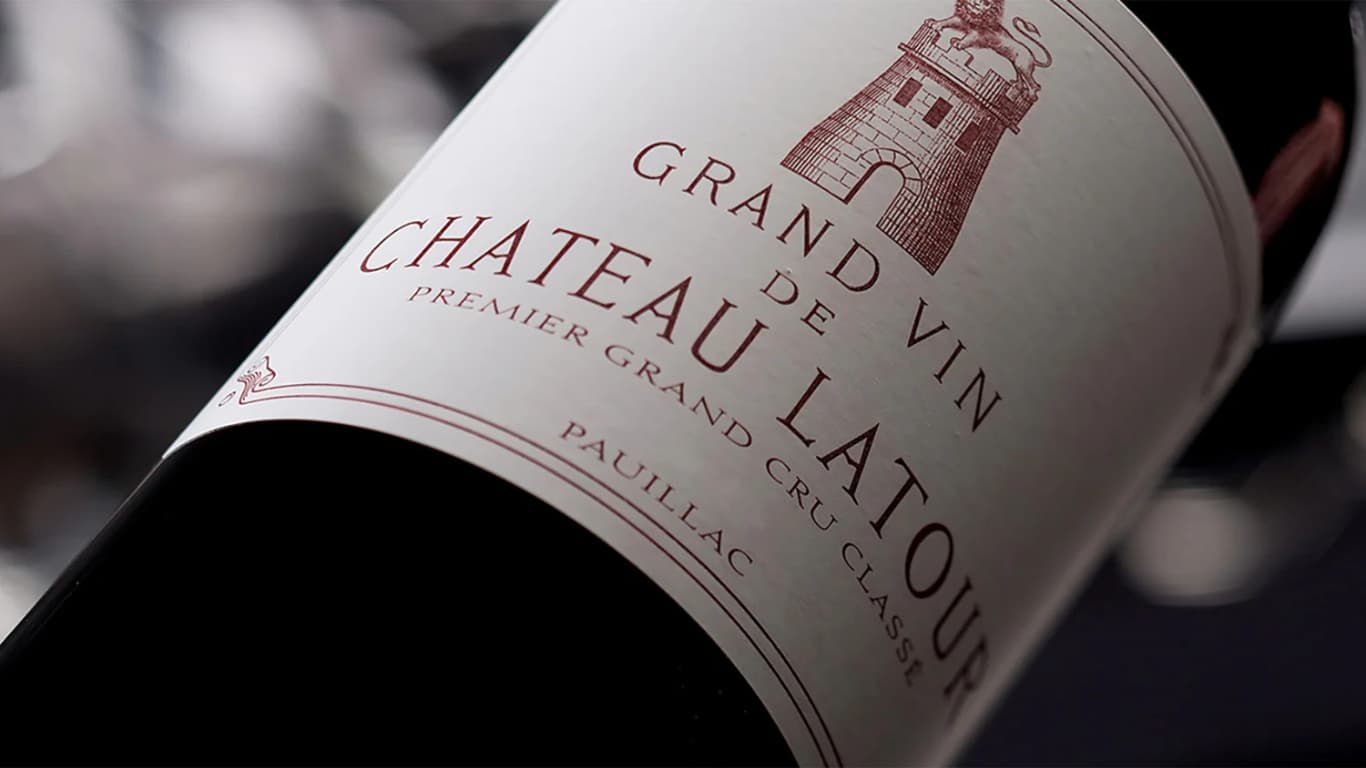
Home to three of the five First Growths from the 1855 Classification, Château Lafite Rothschild, Château Latour, and Château Mouton Rothschild, Pauillac embodies luxury, quality, and unparalleled investment potential.
The terroir is defined by gravelly soils that offer excellent drainage and warmth retention, creating ideal conditions for Cabernet Sauvignon, the dominant grape of the region.
Wines from Pauillac are known for their power, complexity, and aging potential. Bold flavors of blackcurrant, cigar box, cedar, and graphite sit alongside firm tannins and balanced acidity, allowing these wines to improve for decades in the bottle.
Pricing reflects the appellation’s elite status. Entry-level wines from smaller producers or lesser-known estates start around $50 to $100 per bottle, while second and third growths range from $150 to $500.
The First Growths command premium prices, often starting at $1,000 per bottle and exceeding $5,000 for exceptional vintages and formats, making them among the most valuable wines in existence.
From an investment perspective, Pauillac is in a class of its own. The First Growths consistently deliver some of the highest ROI in the wine market, with annual appreciation of 10 to 15%, and even higher for top vintages.
Estates like Château Pontet-Canet, a fifth growth that has climbed sharply in reputation, offer investors strong returns at a slightly lower entry cost.
Global demand for Pauillac wines, driven by their reputation for quality and collectibility, ensures they stay at the core of the fine wine investment market. And as recent data on alternative asset returns shows, fine wine continues to outperform many traditional investment classes.
Pauillac is non-negotiable for any serious wine investor. Its prestigious estates, exceptional terroir, and unparalleled aging potential make it one of the most lucrative regions in Bordeaux. For 2026, Pauillac sets the standard for fine wine investment, offering both stability and exceptional growth.
St-Julien (Left Bank)
The St-Julien appellation sits in the heart of Haut-Médoc and is often described as the perfect balance of Bordeaux’s Left Bank wines. Elegant, structured, and consistent, St-Julien is a firm favorite among collectors and investors.
While it does not house any First Growths, it boasts an impressive concentration of Classified Growths from the 1855 Classification, making it one of the most prestigious appellations in Bordeaux.
The terroir is composed of gravelly soils offering excellent drainage, ideal for cultivating Cabernet Sauvignon. The wines are known for their harmony, combining the power of Pauillac with the finesse of Margaux.
Tasting notes typically include blackcurrant, cedar, spices, and a touch of earthiness, all supported by firm tannins and vibrant acidity.
In terms of pricing, St-Julien is more accessible than Pauillac, with entry-level wines from lesser-known producers priced between $30 and $60 per bottle.
Wines from well-regarded second and third growths like Château Léoville Las Cases, Château Léoville Barton, and Château Ducru-Beaucaillou typically range from $100 to $300. Exceptional vintages from these estates can push past $500, delivering strong returns for investors.
St-Julien’s strength lies in its consistency and value for money. Its wines are highly collectible, age gracefully, and maintain steady demand in both primary and secondary markets. Annual appreciation of 8 to 12% is realistic, with top vintages and well-regarded estates often delivering higher.
The rising reputation of smaller producers also creates opportunities for savvy investors to acquire quality wines before prices climb.
St-Julien is an essential addition to any Bordeaux-focused wine portfolio. Its balance, quality, and strong market performance make it a reliable and rewarding investment. For 2026, it stands as one of Bordeaux’s most consistent regions for collectors and investors.
Central Médoc (Left Bank)
The Central Médoc region forms the northern portion of Haut-Médoc and is often seen as a gateway to Bordeaux’s Left Bank wines.
It does not carry the same prestige as Pauillac or Margaux, but Central Médoc delivers excellent value for investors and collectors who want approachable wines with genuine quality.
The terroir is a mix of gravelly soils, limestone, and clay, creating a diverse growing environment for Cabernet Sauvignon, Merlot, and Cabernet Franc.
Wines here are typically medium-bodied and fruit-forward, with red and black fruit flavors, herbs, and a hint of earthiness. They are built for earlier drinking than the more structured appellations, which makes them ideal for casual collectors and short-term investment opportunities.
Pricing in Central Médoc is among the most accessible on the Left Bank. Smaller producers and cooperatives typically price wines between $15 and $40 per bottle, while more prominent estates can reach $50 to $80 depending on the vintage.
That affordability makes the region appealing to new collectors and budget-conscious buyers looking to get into Bordeaux without a major outlay.
From an investment standpoint, Central Médoc works well for those seeking entry-level options with moderate growth potential. ROI will not rival Pauillac or Margaux, but annual appreciation of 4 to 7% is achievable for standout vintages or wines from well-regarded producers.
The region’s focus on approachable, affordable wines ensures steady demand, especially in emerging markets where Bordeaux is gaining fresh audiences.
Central Médoc gives you a smart opportunity for diversification in a Bordeaux wine portfolio.
Its combination of affordability, consistent quality, and growing recognition provides a reliable and accessible entry point into the Left Bank.
Margaux (Left Bank)
The Margaux appellation, in the southernmost part of Haut-Médoc, is one of Bordeaux’s most prestigious and iconic wine regions.
Known for its elegance, refinement, and aromatic complexity, Margaux is home to some of the most celebrated wines in the world. Its reputation for exceptional wines with great aging potential makes it a top choice for collectors and investors.
The terroir is defined by gravelly soils that provide excellent drainage and ideal conditions for Cabernet Sauvignon, the dominant grape in most blends.
These wines are typically blended with Merlot, Cabernet Franc, and occasionally Petit Verdot, producing a style that is both powerful and graceful. Margaux wines are celebrated for their floral aromas, particularly violets, along with flavors of blackcurrant, cherry, cedar, and subtle spices.
They are widely regarded as the most elegant and perfumed wines of Bordeaux’s Left Bank.
Pricing reflects the appellation’s prestige. Entry-level wines start around $40 to $70 per bottle, while classified growths range from $100 to $300.
The legendary Château Margaux, one of Bordeaux’s five First Growths, commands premium prices that frequently exceed $1,000 per bottle for top vintages and reach $5,000 or more for exceptional years.
From an investment perspective, Margaux is a standout. The wines’ ability to age gracefully for decades ensures strong collector demand.
Classified growths, especially Château Margaux itself, deliver some of the highest returns in Bordeaux, with annual appreciation of 10 to 15%, and even higher for rare or highly rated vintages.
Wines from smaller producers in the appellation are also gaining recognition, giving investors a chance to acquire quality bottles at a more accessible price before the market fully prices them in.
Margaux is a cornerstone for serious wine investors. Its historical prestige, exceptional terroir, and global demand ensure it keeps delivering strong returns in 2026 and beyond.
For those seeking wines that balance power and elegance, Margaux is an unparalleled opportunity.

Pessac-Léognan (Left Bank)
The Pessac-Léognan appellation, in the Graves region just south of Bordeaux city, is renowned for its ability to produce exceptional red and white wines of genuine distinction.
Home to the iconic Château Haut-Brion, one of Bordeaux’s five First Growths, Pessac-Léognan fuses historical significance with modern winemaking innovation.
Its wines are celebrated for their complexity, balance, and long aging potential, making the region a prime destination for investors in 2026.
The terroir is distinguished by gravelly soils that provide excellent drainage, ideal for cultivating Cabernet Sauvignon and Merlot in red wine production.
For whites, Sauvignon Blanc and Sémillon take center stage, producing aromatic and complex wines often aged in oak barrels.
Reds from Pessac-Léognan are rich in blackcurrant, plum, tobacco, and graphite. The whites exhibit citrus, honey, and vanilla with vibrant acidity and a creamy texture.
Pricing varies widely across the appellation. Entry-level reds typically start at $30 to $50 per bottle, mid-tier offerings run $60 to $150, and top estates like Château Haut-Brion and Château La Mission Haut-Brion can exceed $500 to $1,000 per bottle for exceptional vintages.
From an investment standpoint, Pessac-Léognan offers strong, reliable returns. World-class reds and whites together ensure steady demand in domestic and international markets.
Classified estates, especially Château Haut-Brion, consistently deliver annual ROI of 10 to 15%, with some top vintages achieving even higher appreciation.
The growing recognition of white wines from this region also opens up a diversification avenue, as they are increasingly sought after for both quality and aging potential. According to the Financial Times, appetite for premium Bordeaux whites has grown noticeably among Asian collectors in recent years.
Pessac-Léognan is a must-have in any Bordeaux-focused wine portfolio. Its historical prestige, exceptional terroir, and ability to produce wines that age beautifully make it a highly lucrative option.
Whether you go all-in on reds, whites, or a mix of both, Pessac-Léognan offers unmatched diversity and value.
Sauternes and Barsac (Left Bank)
The Sauternes and Barsac appellations on the Left Bank of Bordeaux are world-renowned for their exquisite sweet wines. Synonymous with luxury, these regions produce wines that are both rich in flavor and exceptional in aging potential.
Their magic comes from noble rot, known as Botrytis cinerea, a natural phenomenon that concentrates sugars in the grapes, resulting in intensely sweet yet beautifully balanced wines.
For investors, Sauternes and Barsac offer a genuine opportunity to diversify portfolios with high-quality, collectible wines that most buyers overlook.
The terroir in these regions is perfectly suited for sweet wine production, thanks to the nearby Garonne and Ciron rivers.
Morning mists followed by sunny afternoons create exactly the right conditions for noble rot to thrive. Wines are made primarily from Sémillon, Sauvignon Blanc, and a small percentage of Muscadelle, delivering flavors of honey, apricot, marmalade, and toasted almonds, held together by a backbone of vibrant acidity that ensures longevity.
Pricing varies widely based on the producer and vintage. Entry-level wines from smaller estates start at $30 to $50 per bottle, while wines from prestigious producers like Château d’Yquem, the most iconic estate in Sauternes, often exceed $1,000 per bottle.
Barsac wines are slightly more affordable, with prices ranging from $25 to $100 per bottle for premium offerings.
From an investment perspective, these sweet wines carry real weight. Their longevity, often improving over decades, makes them a genuine collector’s asset. Iconic producers like Château d’Yquem consistently deliver annual ROI of 8 to 12%, with rare vintages achieving even higher appreciation.
Barsac offers the opportunity to get into high-quality wines at a fraction of the Sauternes cost, with appreciation rates of 6 to 9% for the right bottles.
Growing global appreciation for sweet wines, combined with limited production and consistently high quality, keeps demand steady. These wines are frequently sought for special occasions, adding to their desirability and secondary market performance.
For 2026, Sauternes and Barsac are a unique and lucrative option for wine investors. Their combination of rich flavors, unmatched aging potential, and iconic producers makes them an essential part of any diversified Bordeaux wine portfolio.
Libournais (Right Bank)
The Libournais, often called Bordeaux’s Right Bank, is a region of exceptional diversity and prestige. Known for its Merlot-dominant blends, the wines here are celebrated for their richness, complexity, and approachability.
The region is home to some of Bordeaux’s most famous appellations, including Pomerol, Saint-Émilion, and Côtes de Bordeaux, making it a prime destination for collectors and investors who want serious returns.
The terroir of the Libournais is characterized by clay, limestone, and gravel soils, creating ideal conditions for growing Merlot, the dominant grape of the Right Bank.
Supporting varieties like Cabernet Franc and, to a lesser extent, Cabernet Sauvignon, add structure and aromatic complexity to the blends. Wines from this region are typically softer and more fruit-forward than those from the Left Bank, with flavors of plum, black cherry, chocolate, and subtle herbal notes.
Those characteristics make them highly appealing to both seasoned collectors and newer wine enthusiasts entering the market.
Key Appellations in the Libournais
Pricing and Investment Potential
- Pomerol: Known for its velvety textures and luxurious flavors, Pomerol wines often fetch premium prices, particularly from iconic estates like Château Pétrus and Château Le Pin.
- Saint-Émilion: Home to a diverse range of styles, Saint-Émilion offers both power and finesse. Iconic estates such as Château Ausone and Château Cheval Blanc produce some of the most collectible wines in the world.
- Côtes de Bordeaux: Known for offering excellent value, the Côtes appellations produce approachable wines that are perfect for short- to medium-term investment.
You can expect strong returns from the Libournais, especially from Pomerol and Saint-Émilion. Top estates regularly achieve annual ROI of 10 to 15%, with standout vintages often performing even better.
- Pomerol: Entry-level wines start at $50 to $100 per bottle, while top estates like Château Pétrus can exceed $5,000 per bottle, making it one of the most expensive appellations in Bordeaux.
- Saint-Émilion: Pricing ranges from $40 to $150 for most wines, with premier estates commanding prices upwards of $500 to $1,500 per bottle.
- Côtes de Bordeaux: These wines are budget-friendly, typically priced between $20 and $40 per bottle, making them an excellent entry point for investors.
Côtes de Bordeaux wines, while more affordable, offer ROI of 5 to 8%, making them attractive for anyone seeking steady, moderate growth without a heavy upfront commitment.
The Libournais is essential for any Bordeaux wine portfolio. Its legendary estates, approachable styles, and strong market performance make it a top region for wine investment in 2026.
Bordeaux Classifications

The Bordeaux wine classification systems are central to understanding the prestige, quality, and investment potential of wines from this region. Think of them as your roadmap for making informed decisions, helping you quickly identify which châteaux carry genuine weight in the market.
Each classification reflects the historical and contemporary significance of Bordeaux’s most renowned estates, cementing their status as some of the world’s most collectible wines.
The Bordeaux classifications do more than signal quality. They provide practical guidance for investors navigating a complex market.
- The 1855 Classification: The 1855 Classification was established for the Exposition Universelle de Paris under Napoleon III’s directive to rank the top wines of the Left Bank. This classification features five tiers of Grand Cru Classé wines, from First Growth (Premier Cru) to Fifth Growth (Cinquième Cru). Notable First Growth estates include Château Lafite Rothschild, Château Margaux, Château Latour, Château Haut-Brion, and Château Mouton Rothschild. These wines are synonymous with luxury and consistently deliver annual ROI of 10–15%, often exceeding these rates in strong vintages.
- Saint-Émilion Classification: The Saint-Émilion Classification, unique to the Right Bank, is revised every 10 years to maintain competitiveness and quality. This dynamic system divides wines into Premier Grand Cru Classé A, Premier Grand Cru Classé B, and Grand Cru Classé. Iconic estates such as Château Ausone and Château Cheval Blanc hold the highest classification, with their wines often commanding prices exceeding $1,000 per bottle and delivering strong appreciation rates of 12–16% annually.
- Graves Classification: The Graves Classification, established in 1953, highlights the top producers of both red and white wines from the Pessac-Léognan appellation. Château Haut-Brion is the most notable estate in this classification, recognized for its excellence in both categories. Wines from Graves offer stable investment opportunities, with annual returns ranging from 8–12%.
- Crus Bourgeois: The Crus Bourgeois classification includes high-quality wines from the Médoc that fall outside the 1855 Classification. Updated periodically, this system categorizes wines as Cru Bourgeois, Cru Bourgeois Supérieur, or Cru Bourgeois Exceptionnel, reflecting their quality and value. These wines provide an affordable entry point for investors, with prices typically ranging from $20 to $60 per bottle and annual ROI of 5–8%.
- Sauternes and Barsac: The 1855 Sauternes and Barsac Classification highlights the best sweet wines from these regions, with Château d’Yquem earning the unique distinction of Premier Cru Supérieur. These wines are highly collectible, offering annual ROI of 8–12%, and remain a staple in luxury wine collections.
These systems ensure that wines from classified estates stay at the forefront of global demand, delivering consistent appreciation in both primary and secondary markets.
For 2026, understanding and leveraging these classifications is one of the smartest moves you can make when building a Bordeaux wine portfolio.
Why Bordeaux Wine Regions Are Special
Bordeaux’s wine regions stand apart due to their exceptional terroir, rich history, and global reputation for producing some of the finest wines on earth.
Each region within Bordeaux offers a unique expression of the area’s diverse soil types, grape varieties, and winemaking traditions, creating a mosaic of wines that appeal to collectors, investors, and connoisseurs alike.
Understanding what makes these regions special is the key to appreciating their value and investment potential.
Bordeaux’s terroir is among the most diverse and celebrated in the world. From the gravelly soils of Médoc to the clay-limestone terrain of Saint-Émilion, the region’s varied geology creates ideal conditions for growing a wide range of grape varieties.
The proximity to rivers like the Garonne, Dordogne, and the Gironde Estuary provides natural irrigation and moderates temperatures, ensuring consistent vintages even in challenging years. As Bloomberg has reported, Bordeaux’s climate resilience gives it a structural advantage over many other fine wine regions.
Bordeaux has long set the standard for quality in winemaking. The 1855 Classification, alongside systems like the Saint-Émilion Classification and Graves Classification, underscores the region’s deep commitment to excellence.
These classifications highlight the best producers and ensure that wines from these estates maintain their prestige and value over time.
That reputation translates directly into high demand and strong performance in both primary and secondary markets.
Bordeaux wines have consistently shown their ability to hold and appreciate in value, making them a cornerstone of wine investment portfolios. If you are comparing fine wine to other asset classes, understanding how other premium wine regions perform helps sharpen your perspective.
Iconic estates like Château Margaux, Château Cheval Blanc, and Château d’Yquem have a proven track record of delivering double-digit annual ROI, especially in standout vintages. That stability and growth potential attract both seasoned investors and new entrants to the wine market.
From the powerful, structured reds of Médoc and Pauillac to the elegant, fruit-forward wines of Saint-Émilion and the luscious sweet wines of Sauternes, Bordeaux covers a remarkable range of styles.
That diversity ensures wines from Bordeaux appeal to a broad audience, supporting consistent demand and market performance across regions and vintages.
While the classified growths of Médoc and Saint-Émilion dominate the spotlight, emerging regions like Côtes-de-Bourg, Entre-Deux-Mers, and Barsac are gaining recognition for their quality and value.
These regions offer affordable entry points and real upside as their reputation grows among collectors and critics.
Bordeaux’s history as a wine-producing region stretches back centuries, and its wines have been celebrated by royalty, collectors, and enthusiasts around the world.
That legacy of excellence adds an intangible value to Bordeaux wines, further enhancing their desirability and secondary market performance. According to Robb Report’s wine investment coverage, that heritage factor is increasingly cited by major auction houses as a key driver of price appreciation.
For 2026, the unique qualities of Bordeaux’s regions make them an essential focus for wine investors. Whether you are seeking high-value icons or exploring hidden gems, Bordeaux offers a wealth of opportunities that combine quality, prestige, and strong financial returns.
For 2025, the unique qualities of Bordeaux’s regions make them an essential focus for wine investors. Whether seeking high-value icons or exploring hidden gems, Bordeaux offers a wealth of opportunities that combine quality, prestige, and strong financial returns.