Rolex sold fewer than one million watches in 2023 yet generated an estimated 10 billion Swiss francs in revenue, a figure that dwarfs every competitor in its price tier. TAG Heuer ships closer to one million watches annually at a fraction of the average selling price. That gap raises a genuinely uncomfortable question: can TAG Heuer compete with Rolex and Omega in 2026, or are these two entirely different games?
- TAG Heuer can compete with Rolex and Omega in 2026 across specific reference categories, with the Carrera, Monaco, and Aquaracer Professional 300 leading the credible competition tier.
- Reference CBN2A1F Carrera Chronograph Sport and Reference WBP201D Aquaracer Professional 300 anchor the modern catalogue, with the Heuer 02 and Calibre 5 supporting daily-wear reliability.
- The Monaco Heuer 02 line offers the strongest single TAG Heuer collector reference, with the McQueen lineage and modern in-house calibre combined at meaningful pricing discipline.
- We see TAG Heuer as competitive with Omega Seamaster pricing across the mid-tier chronograph and dive-watch category, with the Heuer 02 calibre supporting credible long-term ownership.
- Rolex remains structurally above TAG Heuer on secondary-market depth and waitlist dynamics, but the broader TAG Heuer catalogue offers meaningful value at the accessible-luxury entry tier.
- Service infrastructure and global brand recognition have grown materially through 2025 and 2026, with TAG Heuer's manufacturer pricing discipline supporting the broader collector positioning.
- Who is this for?
- Buyers weighing TAG Heuer against Rolex and Omega, accessible-luxury chronograph collectors, and motorsport-heritage enthusiasts.
- What is happening?
- A grounded read on whether TAG Heuer can compete with Rolex and Omega in 2026, covering the Carrera, Monaco Heuer 02, and Aquaracer Professional 300.
- When did this emerge?
- The current TAG Heuer competitive position reflects 2026 manufacturer pricing and the recent Carrera and Monaco anniversary refresh cycles.
- Where is this happening?
- Authorised TAG Heuer, Rolex, and Omega dealers globally stock the modern catalogues, while Chrono24 and specialist auctions confirm the broader competitive dynamics.
- Why does it matter?
- Understanding the TAG Heuer competitive position informs better purchase decisions, with the Heuer 02 calibre supporting credible competition across specific reference categories.
The answer depends on what a buyer actually wants from a watch. Prestige collectors and resale-focused buyers will always point at Rolex. The buyers who want genuine mechanical craftsmanship, motorsport heritage, and an entry into serious horology without a five-year waitlist are increasingly finding TAG Heuer harder to dismiss.
The collectors we hear from at the entry-to-mid tier of serious watch collecting are not making the choice on prestige alone. The conversation has moved to movement quality per dollar, the post-correction availability of authorised-dealer allocation, and whether the buyer actually wants to wear the watch or store it. On those criteria, TAG Heuer earns more consideration than its critics acknowledge.

TAG Heuer vs Rolex brand prestige compared
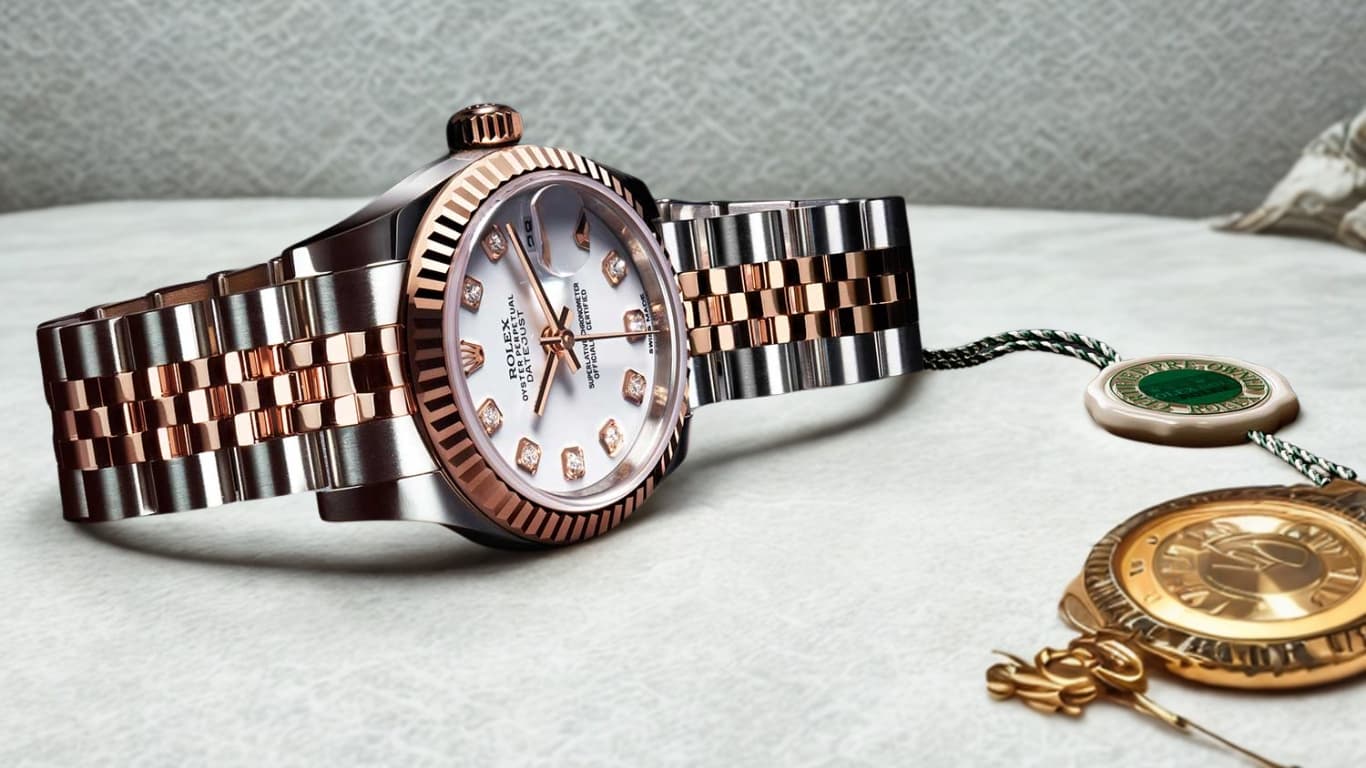
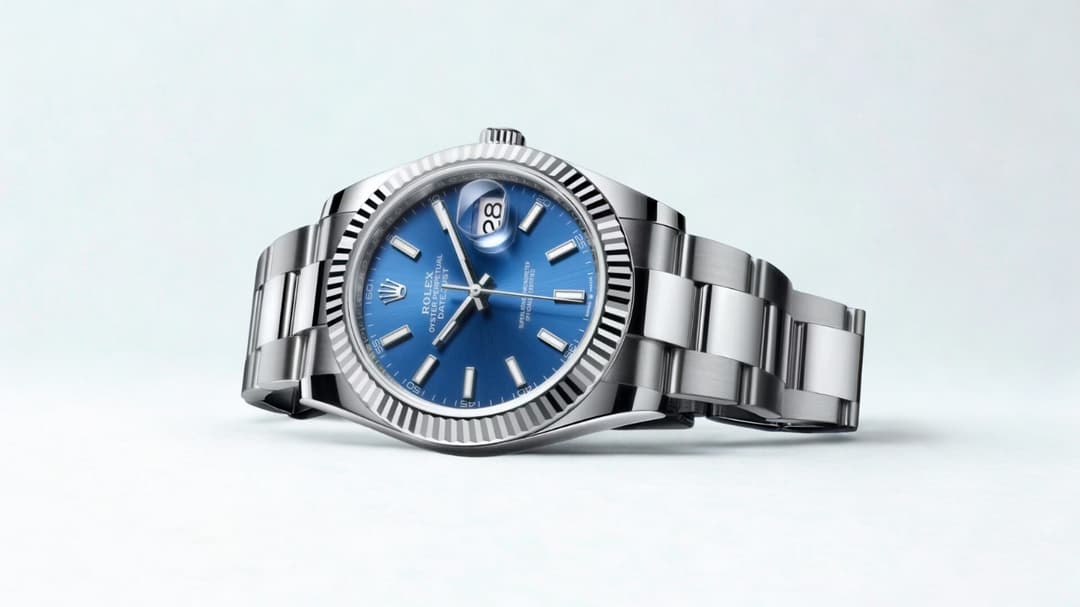
Rolex does not sell watches. Rolex sells permanence. The brand has spent seven decades building an image so dominant that a Submariner on the wrist communicates success before the wearer says a word.
TAG Heuer operates in a completely different register, targeting buyers who care more about performance credibility than boardroom signalling.
Rolex consistently ranks as one of the world's most reputable companies across multiple industries, not just watches. TAG Heuer's brand equity leans heavily on Formula 1 partnerships and the Carrera legacy, which resonates strongly with buyers aged 25 to 40 but carries less weight in traditional luxury circles. The context matters.
If a buyer attends events where the watch signals professional achievement, Rolex wins without argument. If the buyer moves in automotive, creative, or technology industries, a TAG Heuer Monaco or Carrera carries genuine cultural weight an entry-level Rolex Oyster Perpetual cannot replicate in the same circles. The honest read is that prestige is contextual rather than absolute.
Which brand holds its value longer
Rolex holds its value better than virtually any consumer product on earth. Pre-owned Rolex models frequently sell above retail, with popular references like the Daytona trading at two to three times the original price on the secondary market. For a deeper look at how Rolex stacks up against another heavyweight on resale, the Rolex vs Breitling comparison breaks down the numbers clearly.
TAG Heuer watches typically depreciate 20 to 35 per cent from retail within the first two years. That makes them weaker as resale propositions but considerably more accessible as wearable luxury for buyers who actually intend to wear the watch rather than store it. The trade-off is real, and it should shape the choice.
Where TAG Heuer beats Omega today
The TAG Heuer vs Omega debate is more competitive than most buyers realise. Omega has the Moonwatch mythology and the James Bond cultural anchor, but TAG Heuer has built something Omega struggles to match at equivalent price points: pure motorsport authenticity. Watch collectors are increasingly losing faith in big luxury brands across the board, and TAG Heuer's racing-heritage anchor is one of the cleaner counter-positions.
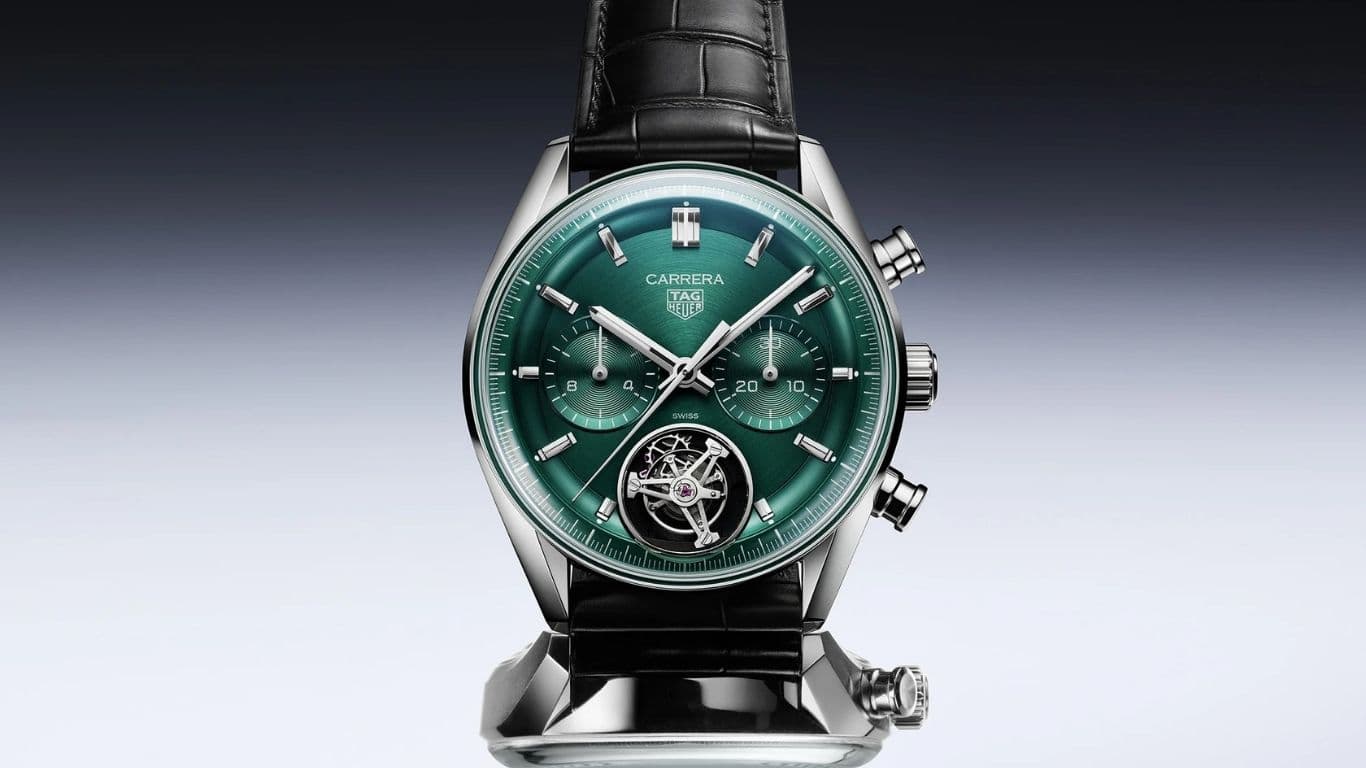
The Carrera Chronograph, first produced in 1963 and named after the Carrera Panamericana road race, carries a provenance story that connects directly to competitive driving culture rather than cinematic product placement. Buying a Carrera means buying a piece of racing history with documented roots. The Omega Speedmaster's space credentials are undeniable, but not every buyer connects emotionally with NASA the way drivers connect with tarmac.
Pricing creates a further advantage. TAG Heuer's entry chronograph lineup starts around $2,000 to $3,500, often undercutting comparable Omega Speedmaster and Seamaster models by $500 to $1,500 for similar mechanical specifications. For buyers entering luxury watchmaking, that difference is worth taking seriously.
| Model | Brand | Starting Price (USD) | Movement Type | Water Resistance |
|---|---|---|---|---|
| Carrera Chronograph | TAG Heuer | $3,350 | In-house Calibre 02 | 100m |
| Speedmaster Moonwatch | Omega | $6,300 | In-house Cal. 3861 | 50m |
| Seamaster 300m | Omega | $5,100 | In-house Cal. 8800 | 300m |
The best luxury watch movements in 2026
Movement quality separates serious watchmakers from badge sellers, and all three brands now produce genuinely impressive in-house calibres. Understanding what sits inside the watch tells a buyer more about real value than any brand name stamped on the dial.
Rolex's Calibre 3235, introduced in 2015 and still the backbone of the Datejust and Sea-Dweller range in 2026, features a Chronergy escapement delivering approximately 70 hours of power reserve with exceptional accuracy. Omega's Co-Axial movements achieve METAS Master Chronometer certification, meaning they are independently verified to perform within zero to five seconds per day in magnetic fields up to 15,000 gauss, a standard Omega publishes openly.
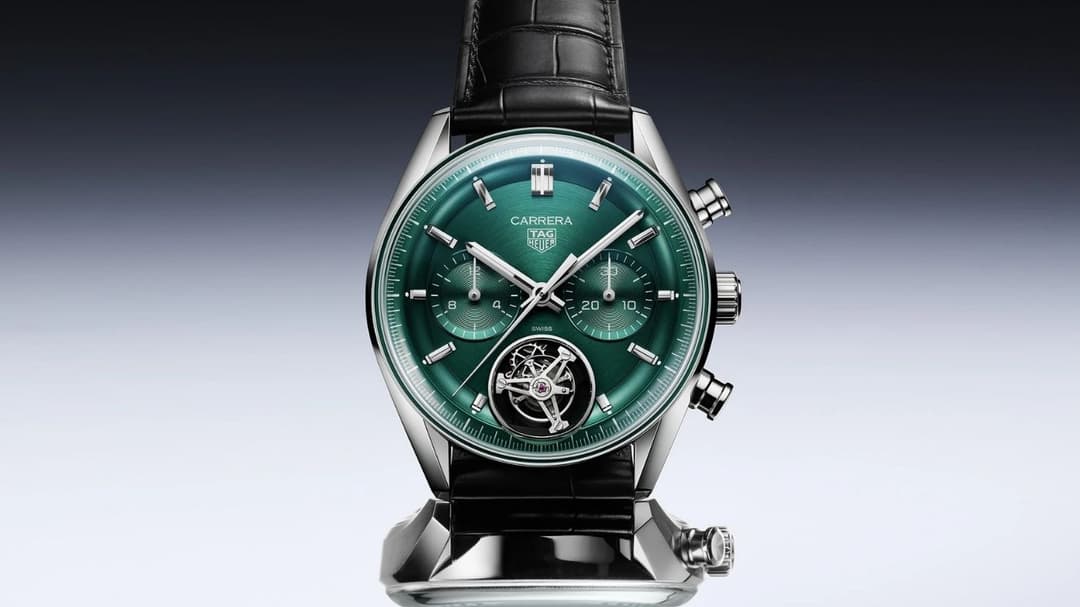
TAG Heuer's in-house calibre range has matured at a pace that is hard to ignore. The brand that once relied on ETA movements now produces credible proprietary technology that holds up under serious technical scrutiny. The Calibre Heuer 02, introduced in 2017 and now anchoring the upper Carrera and Monaco line, is the centrepiece of the brand's contemporary technical case.
TAG Heuer Calibre 02 vs Rolex Calibre 3235
The Calibre 02 offers an 80-hour power reserve, slightly exceeding the Rolex 3235's 70-hour figure, with a column-wheel chronograph mechanism that delivers a satisfying tactile press. Rolex wins on finishing quality and long-term reliability data gathered across decades of watchmaking. TAG Heuer wins on chronograph complication value per dollar spent.
For buyers prioritising a technically interesting sports chronograph movement without the Rolex premium, the Calibre 02 genuinely competes. The column-wheel architecture, the manufacture-grade finishing, and the 80-hour reserve all read as credible mid-tier Swiss watchmaking.
Is TAG Heuer worth buying right now
Buyer hesitation around TAG Heuer almost always comes from two places: resale anxiety and what watch communities call brand snobbery by proxy. Neither concern should dominate the decision if the buyer is buying a watch to wear rather than to flip.
The resale concern is legitimate but often overstated. TAG Heuer depreciates faster than Rolex. Omega depreciates at a broadly similar rate to TAG Heuer for most references, and nobody tells Omega buyers their purchase is financially reckless.
Chrono24's recent pre-owned market data shows TAG Heuer Carrera and Monaco models retain between 60 and 75 per cent of retail value over five years when purchased new. That is respectable performance across the broader consumer goods space.
The brand snobbery issue dissolves when buyers consider that TAG Heuer is owned by LVMH and shares manufacturing infrastructure with some of the most technically advanced watchmakers in Switzerland. The watch is not a fashion piece. It is a mechanical instrument with serious engineering credentials.
Who should actually buy TAG Heuer
TAG Heuer is the smarter purchase for specific buyers in specific situations. Buyers should seriously consider it if priorities sit closer to wearability, mechanical depth, and motorsport culture than to resale upside or boardroom optics.
- A buyer who wants a chronograph as a daily sports watch without spending over $4,000
- A buyer whose professional or personal identity connects to motorsport, cycling, or athletic performance culture
- A buyer who wants Swiss manufacture quality without enduring Rolex authorised-dealer waiting lists that stretched beyond 12 months for popular references in 2024
- A buyer purchasing a first serious luxury watch who wants genuine mechanical depth before committing to higher price tiers
Which luxury watch brand wins overall
Declaring a single winner across all categories would be intellectually dishonest. Rolex wins prestige, resale value, and long-term cultural cachet without serious competition. Those are facts, not opinions, and no amount of enthusiast loyalty changes the secondary-market data.
Omega wins in movement innovation and certified accuracy standards. METAS certification provides independent verification no other brand at its price point currently matches at scale. TAG Heuer wins on value per dollar of mechanical content, motorsport credibility, and accessibility for buyers who refuse to wait years or pay grey-market premiums.
| Category | Winner | Runner-Up |
|---|---|---|
| Resale Value | Rolex | Omega |
| Movement Innovation | Omega | TAG Heuer |
| Sports Chronograph Value | TAG Heuer | Omega |
| Brand Prestige | Rolex | Omega |
| Entry Luxury Accessibility | TAG Heuer | Rolex |
| Motorsport Heritage | TAG Heuer | Omega |
What this means for collectors
The question of whether TAG Heuer is worth buying in 2026 ultimately resolves around the buyer's priorities. If the answer to that question includes words like collecting, prestige, or heirloom, choose Rolex. If the answer includes words like wearability, mechanical interest, racing culture, or genuine value, TAG Heuer competes far more seriously than its critics acknowledge.
Buyer satisfaction scores for TAG Heuer among first-time luxury watch owners have consistently outpaced expectations across recent trade-press tracking. The brand's real problem is perception rather than product. As TAG Heuer refines its in-house manufacture credentials through 2026 and beyond, that perception gap is closing faster than Rolex loyalists would prefer to admit.
For collectors weighing the three brands today, the honest read is that all three earn the consideration they get. Rolex is the prestige and resale anchor. Omega is the technical and cultural anchor.
TAG Heuer is the value and motorsport anchor. The right answer depends on what the buyer actually wants on the wrist. We last reviewed this analysis in May 2026.
Frequently Asked Questions
- Is TAG Heuer considered a luxury watch brand compared to Rolex?
- TAG Heuer sits in the entry-to-mid luxury tier, typically priced between 1,500 and 10,000 dollars, while Rolex occupies the prestige luxury tier starting around 7,000 dollars at retail. TAG Heuer vs Rolex is not a comparison of equals in terms of brand prestige or resale value, but TAG Heuer is a legitimate Swiss manufacture brand with genuine in-house movements and over 160 years of horological history.<br><br>
- Does TAG Heuer hold its value as well as Omega?
- TAG Heuer and Omega perform at broadly similar levels on the pre-owned market for most references, with both retaining roughly 60 to 75 percent of retail value over five years according to 2024 secondary market data. Omega's Speedmaster Moonwatch and select Seamaster references can outperform this average due to collector demand, but standard Omega models depreciate at rates comparable to TAG Heuer.<br><br>

Stefanos Moschopoulos
Stefanos Moschopoulos founded The Luxury Playbook in Athens and has spent the better part of a decade following the auction calendar, the en primeur releases, and the watchmakers, gallerists, and shipyards the magazine covers. He writes the field guides and listicles that anchor the Connoisseur section — pieces built on Phillips and Christie's results, Liv-ex movements, and conversations with collectors he has met across Geneva, Bordeaux, Basel, and Monaco. His own collecting habits sit closer to watches and wine than art, and it shows in the level of detail in the magazine's coverage of those categories. Under his direction, The Luxury Playbook now publishes long-form field guides, market-defining year-end listicles, and the Voices interview series with the founders behind the houses and the brands.