Watch collectors are losing faith in big luxury brands, and the trust shift is reshaping decades of brand loyalty inside serious collecting. The pattern is no longer a forum complaint or a niche grumble. It surfaces in Deloitte's annual industry data, in the auction-room behaviour of independent makers, and in the way the secondary market priced the post-2022 correction.
- Serious watch collectors are increasingly losing faith in the largest luxury watch brands, with discount dealer behaviour and inventory pressure reshaping the perception of premium positioning.
- Discount programmes from authorised dealers on previously waitlisted references have undermined the structural premium that the largest brands had built across the past five years.
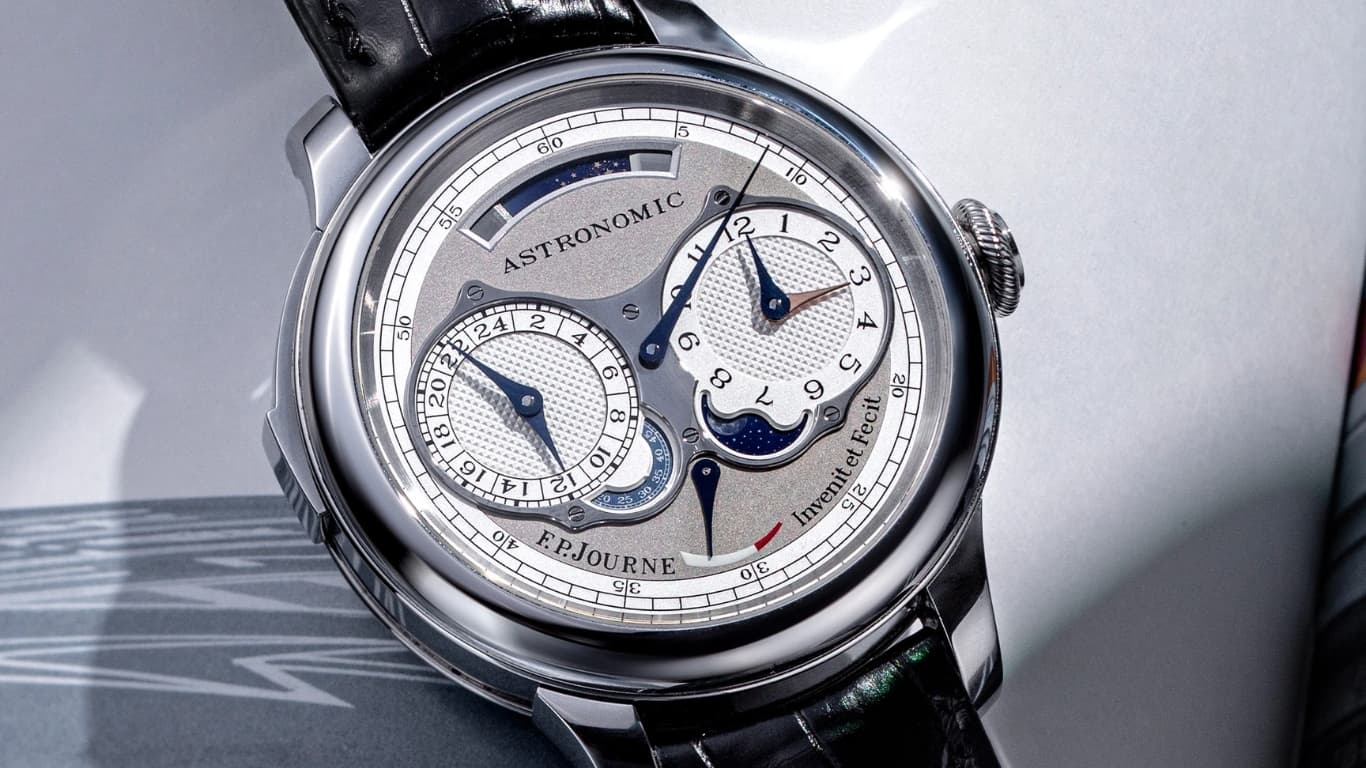
- Independent makers including F.P. Journe, MB&F, De Bethune, and Greubel Forsey have absorbed serious collector attention, with manufacturing transparency and finishing standards leading.
- We see the largest luxury brands as facing a credibility moment, with the broader collector base demanding the kind of value transparency that independent makers more readily provide.
- Manufacturer pricing discipline has eroded materially through 2025 and 2026, with the broader collector education catching up to the kind of inventory pressure that drives discount behaviour.
- Buyers entering now should anchor on manufacturing depth, finishing standards, and the kind of brand positioning that supports long-term ownership rather than short-term resale dynamics.
- Who is this for?
- Established collectors, independent maker enthusiasts, and serious students of luxury watch brand positioning dynamics.
- What is happening?
- A grounded read on why watch collectors are losing faith in big luxury brands, covering discount dealer behaviour, independent maker momentum, and credibility pressure.
- When did this emerge?
- The current credibility shift reflects 2025 and 2026 inventory dynamics, with discount programmes and authorised dealer behaviour reshaping the broader collector perception.
- Where is this happening?
- Authorised dealers globally have begun applying discount programmes, with Chrono24 and Subdial 50 confirming the broader secondary-market pricing pressure.
- Why does it matter?
- Collector faith in the largest luxury brands shapes the entire market, and the current credibility moment will determine pricing dynamics across the years ahead.
Deloitte's 2024 Swiss Watch Industry Insights report captured the inflection clearly. Global consumer interest in buying pre-owned watches has roughly doubled since 2020, while indifference has halved. The collectors we hear from at Phillips and Christie's previews are no longer browsing for the same references; they are buying with a new set of priors about what value actually means in modern watchmaking.
How collectors lost faith in big luxury watch brands
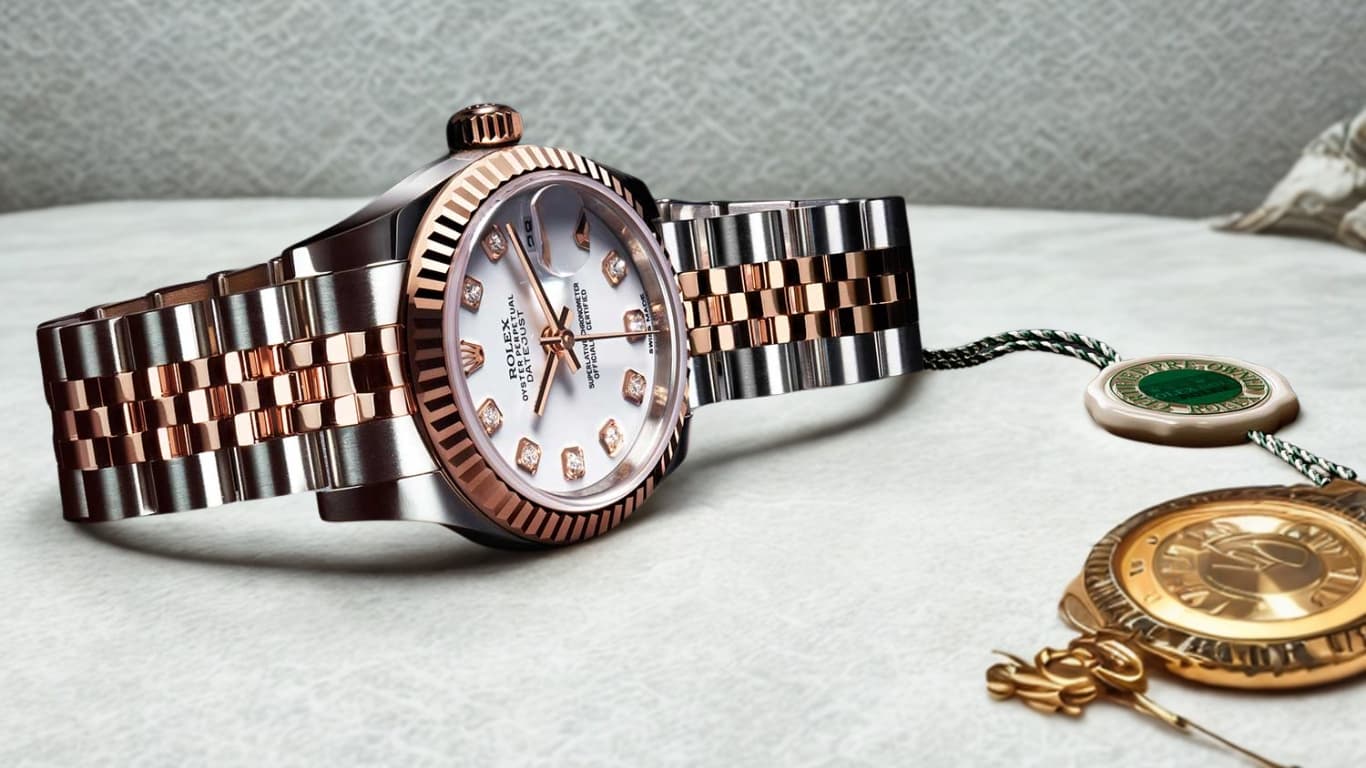
Rising prices combined with allocation-driven scarcity did real damage to the credibility that heritage brands spent generations building. Rolex is the clearest case study. The brand holds roughly 22 percent of secondary-market value by some industry trackers, and the boutique allocation system continues to route the most-sought references through relationship-based criteria.
That system stopped feeling like natural supply constraint and started feeling like manufactured scarcity for many collectors. The resale correction told the rest of the story. The ChronoPulse Watch Index and WatchCharts both documented that, after the 2022 peak, many of the most-traded references slipped back toward values they had carried in mid-2021.
For the collectors who bought during the pandemic frenzy on the assumption that blue-chip references only appreciate, the correction was financially painful and structurally trust-destroying. A steel sports watch losing 20 to 30 percent of its value across 18 months, despite a brand's investment-grade reputation, prompts a reasonable reassessment of what the brand premium actually pays for.
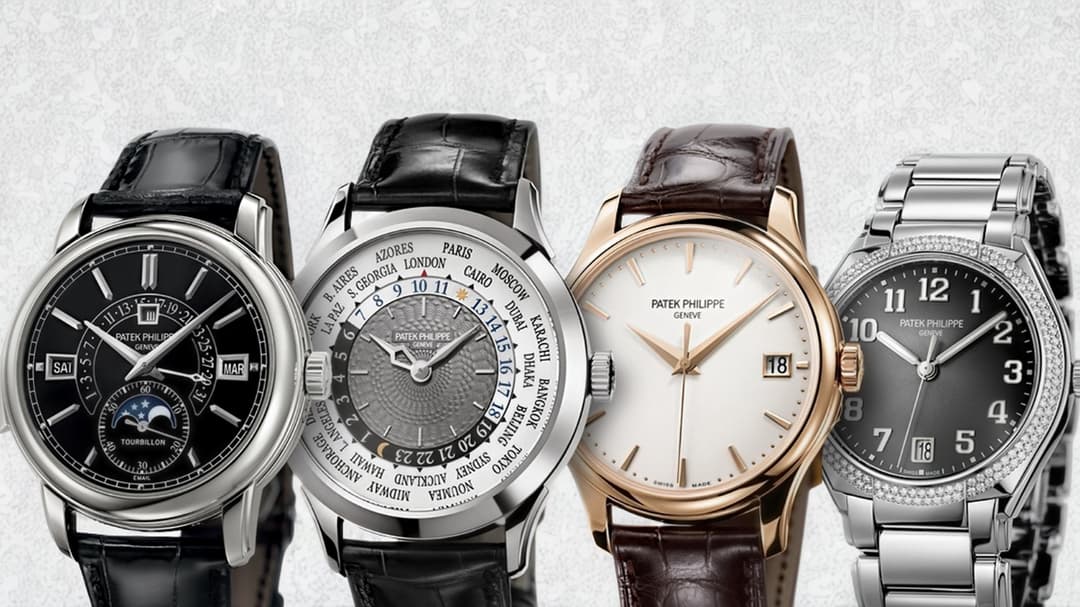
What the data says about changing collector behaviour
The shift is not anecdotal. Collective Horology's 2024 collector survey showed 64 percent of respondents worried about rising retail pricing, while 61 percent viewed the secondary market as a positive alternative to authorised retail. Those numbers describe collectors actively working around the boutique distribution model the major brands have spent two decades reinforcing.
Chrono24 and YouGov's 2024 Luxury Watch Survey reported the same trend from the entry side. New collectors entering the category cite craftsmanship, scarcity and provenance more often than brand prestige, which loosens the grip the trinity has historically held on first-time buyers.
The WatchGecko Summer 2026 analysis used the ChronoPulse index to document depreciation across most top references from their 2022 peaks. Counterfeit volume and authentication challenges were flagged across the major dealer platforms, pushing the trade toward brands with cleaner provenance trails and less sophisticated forgery operations.
The brands at the centre of the trust shift
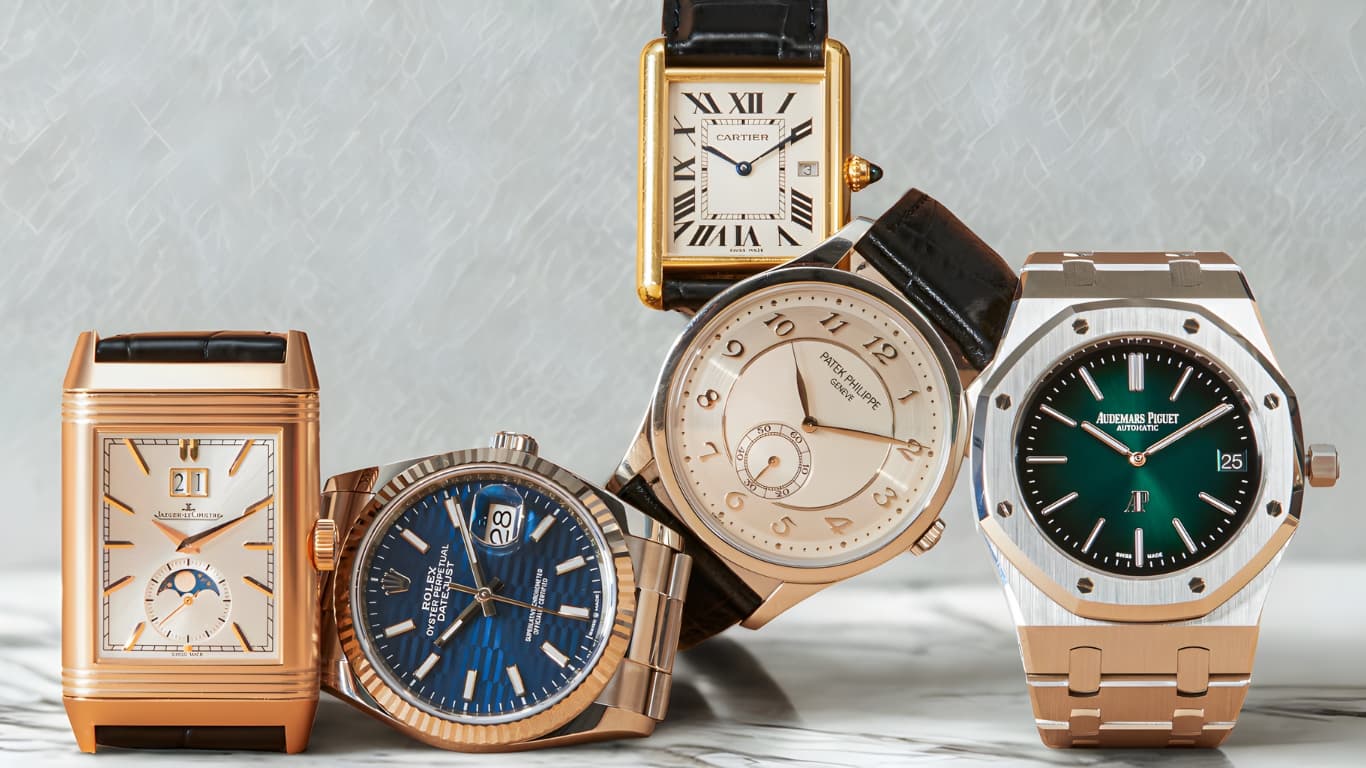
Rolex, Patek Philippe and Audemars Piguet sit at the centre of the discussion because the scale of their collector base means the trust questions land harder. Rolex's allocation discipline, which once felt like Patek's old quiet handling of the Nautilus list, now sits in clearer view because the secondary market made the gap between retail and street price too visible to ignore.
Patek's response has been the most measured of the three, with allocation discipline holding through the post-2022 correction. AP's position has been the most public, with Royal Oak waitlist economics now an open subject of trade conversation. The structural reading is that the three brands face the same trust pressure with different exposure to it.
How independent watchmakers became the new collector status symbol
The clearest single piece of evidence for the trust shift surfaced at auction. F.P. Journe's Tourbillon Souverain à Remontoire d'Égalité from 1993, the second wristwatch the maker had ever produced, sold at Phillips for around CHF 7.32 million, which Hodinkee reported as the highest auction price for an independent wristwatch on record.
A decade earlier, that result would have been close to inconceivable. F.P. Journe was still building primary-market credibility, and the independent category as a whole sat well below the trinity in collector mindshare. The Phillips lot resolved that conversation in a single afternoon.
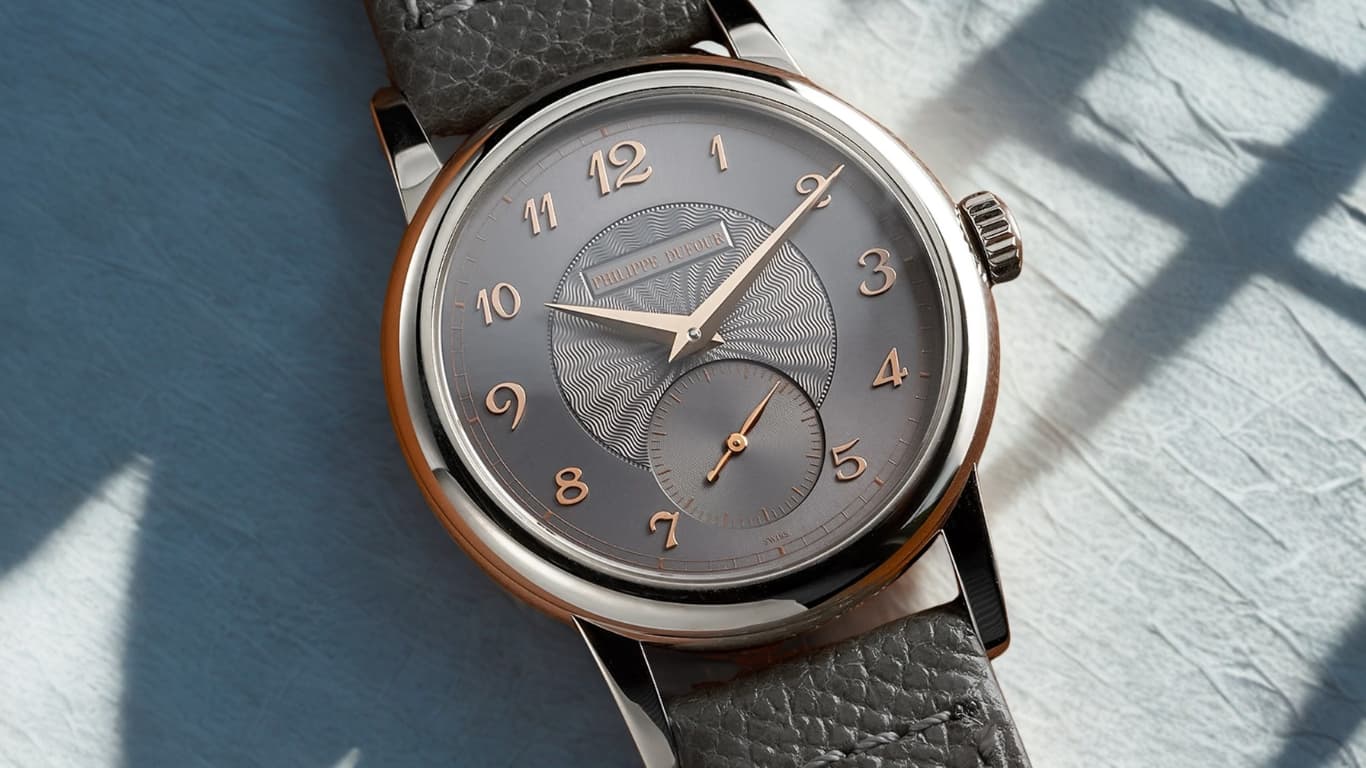
Phillips' broader auction archive shows the pattern is not isolated to one piece. Multiple Journe references, including Chronomètre Bleu and Octa pieces, have consistently exceeded estimate across recent sessions. De Bethune, Laurent Ferrier, Greubel Forsey and Akrivia have all surfaced at credible levels in the same catalogues.
The independent category now operates with the public auction infrastructure that, ten years ago, only the trinity could draw.
The structural reasons are visible. Independents produce in genuinely small numbers, often 50 to 300 pieces a year against the trinity's multiple-thousand to one-million-per-year range. The scarcity is real rather than manufactured, the maker stories carry verifiable craft credentials, and the secondary-market behaviour reflects collector conviction rather than allocation gaming.
How heritage brands are responding to the trust crisis
The major maisons have not stayed quiet on the credibility question. Deloitte's 2024 report documented the rollout of Certified Pre-Owned programmes, trade-in initiatives and vintage lines specifically designed to rebuild trust in retail channels. Rolex Certified Pre-Owned launched globally; Audemars Piguet's Re:Master programme runs the same play on the AP side; and most of the trinity now operates some form of formal pre-owned pipeline.
The fact that the major brands now need formal CPO programmes to assure buyers that their watches are authentic and properly serviced tells you how far traditional retail trust has eroded. The programmes are credible responses, but they are responses to a problem the brands themselves did not previously feel they had.
Where collector preference is rotating
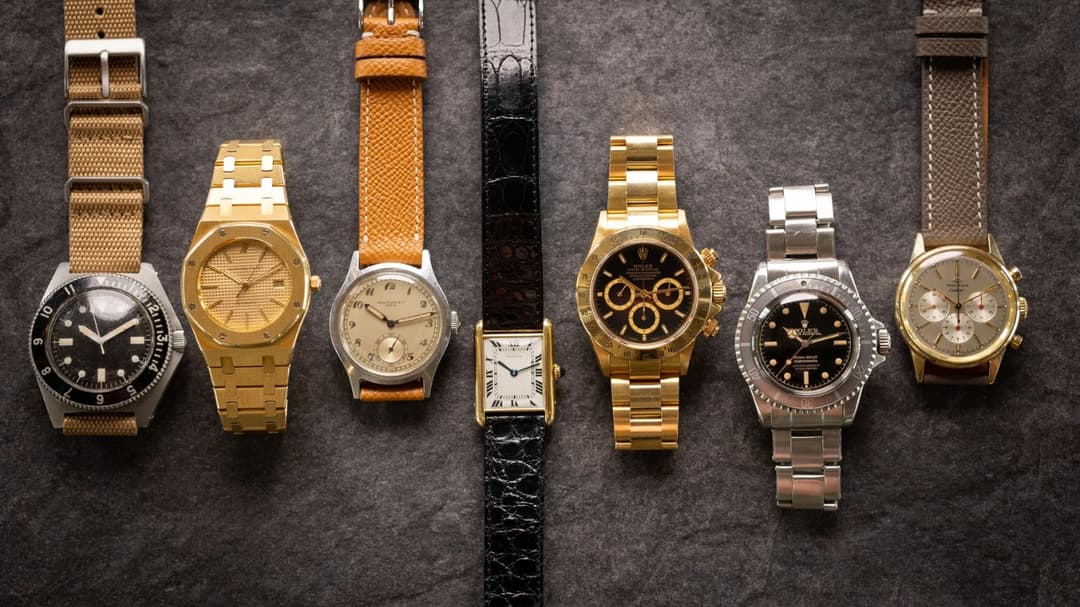
Neo-vintage and vintage have absorbed much of the rotated collector attention. Deloitte's report documented rising demand across both categories, with collectors prioritising distinctive proportions and pre-allocation-era references over current production. The market has rewarded that preference: clean 1980s and 1990s pieces from JLC, Vacheron, Patek and Lange have all moved up against the broader correction.
Cartier has done the same trick on the design side, with the Tank, Santos and Crash references all carrying credible secondary-market depth and meaningful young-collector adoption. The Cartier story is the rare case of a major maison gaining trust share through the correction rather than losing it.
What this means for collectors
The trust shift is structural rather than passing. The cycle from 2020 to 2026 changed collector priors about what the brand premium actually pays for, and the secondary-market correction confirmed that prior in numbers everyone could read. The big brands are responding, and the response is real, but the rotation toward independents and toward neo-vintage references is unlikely to reverse on the same timescale that produced it.
For collectors operating now, the practical baseline is clearer than it was three years ago. The pieces that hold up are the ones with credible technical credentials, clean documentation and structural scarcity that doesn't depend on allocation games. That description fits some trinity references, most independents, and a meaningful slice of the neo-vintage catalogue.
It fits a much narrower slice of the current-production top end than the pre-2022 conversation assumed.
The longer story collectors are watching is whether the major brands can rebuild trust through the CPO programmes, the production discipline and the allocation transparency that the trust crisis demands. The brands that do will hold their structural position. The ones that don't will keep losing collector mindshare to the independents and the vintage catalogue at the rate the auction record now documents.
We last reviewed this analysis in May 2026.


Stefanos Moschopoulos
Stefanos Moschopoulos founded The Luxury Playbook in Athens and has spent the better part of a decade following the auction calendar, the en primeur releases, and the watchmakers, gallerists, and shipyards the magazine covers. He writes the field guides and listicles that anchor the Connoisseur section — pieces built on Phillips and Christie's results, Liv-ex movements, and conversations with collectors he has met across Geneva, Bordeaux, Basel, and Monaco. His own collecting habits sit closer to watches and wine than art, and it shows in the level of detail in the magazine's coverage of those categories. Under his direction, The Luxury Playbook now publishes long-form field guides, market-defining year-end listicles, and the Voices interview series with the founders behind the houses and the brands.