

Fine wine has quietly become one of the most intriguing alternatives to traditional assets you can own. With a long history of stability, strong global demand, and returns that routinely impress, it offers a genuinely compelling case for anyone looking to diversify beyond stocks and bonds in 2026. And beyond the financial upside, wine brings something most investments simply can’t match — tangible beauty, cultural weight, and real tax advantages.
This guide walks you through exactly why fine wine deserves serious attention as an alternative investment right now. You’ll get a clear picture of its historical performance, what drives its scarcity-based value, and where the market is heading in 2026. Whether you’re new to wine investing or already have a few bottles in a bonded warehouse, the insights here will help you make sharper, more confident decisions.
Table of Contents
1. Stability
One of the biggest reasons fine wine has attracted serious investors is its remarkable stability. Unlike stocks or crypto, the fine wine market doesn’t tend to buckle under economic pressure or geopolitical shocks. Through some of the most turbulent financial periods in recent history, fine wine has held its ground and delivered consistent growth.
Think of fine wine as the blue-chip stock of alternative assets. During the 2008 financial crisis, when global equity markets collapsed by around 40%, the Liv-ex Fine Wine 100 Index dropped by just 12%. That kind of resilience is exactly what you want from a hedge when traditional markets are in freefall.
When inflation runs hot, tangible assets tend to shine. Fine wine is no exception. Its value appreciates naturally over time because supply is finite and shrinks as bottles are consumed. That built-in scarcity dynamic means your investment grows even as purchasing power erodes elsewhere.

With inflationary pressures still shaping global markets heading into 2026, fine wine acts as a genuine protective layer for investors who want to preserve and grow real wealth rather than watch it quietly diminish.
Between 2010 and 2020, the fine wine market grew at an average annual rate of 13%. That kind of compounding growth, sustained over a decade, puts most traditional asset classes to shame.
That said, recent data tells a more nuanced story. In 2024, the Liv-ex Fine Wine 100 Index fell 9.2% year-to-date, and regions like Burgundy saw price declines of 14.4%. The market is not immune to volatility, and this correction is a reminder that strategic selection and timing still matter enormously in alternative asset investing.

2. Sustainability
Fine wine investment isn’t just financially smart. It also fits neatly into the growing shift toward sustainable, consciously chosen assets. As environmental responsibility becomes a real factor in how wealthy investors allocate capital, fine wine holds a genuinely strong position.
Wine production in the world’s top regions has long relied on methods that work with the land rather than against it. Vineyards across Burgundy and Napa Valley increasingly use organic and biodynamic farming, prioritizing soil health, biodiversity, and minimal chemical intervention. These aren’t marketing buzzwords. They’re practices that directly enhance wine quality and long-term value.
Producers like Domaine Leroy in Burgundy and Château Pontet-Canet in Bordeaux are leading examples of biodynamic viticulture done right. Their commitment to the land doesn’t just reduce environmental impact. It produces wines of exceptional quality and exclusivity, which translates directly into stronger investment returns for the people who hold them.
Fine wine also encourages sustainability through its very nature. These aren’t fast-moving consumer goods. Collectible wines improve with age and can be stored for decades. Proper storage means minimal wastage and a product that grows more valuable over time without becoming obsolete.
In 2026, the market for fine wine stands to benefit from a clear consumer shift toward sustainable luxury. Younger, affluent buyers are actively seeking brands with genuine eco-credentials, and that preference flows directly into demand for sustainably produced wines. The result is steady, structurally supported price appreciation.
Investing through reputable wine funds or platforms often comes with additional sustainability assurances. Many leading wine investment platforms partner with producers who actively offset carbon emissions across production and transportation, making fine wine one of the more environmentally responsible stores of value available to you.
Fine wine sits at an unusual and attractive intersection. It gives you profitability and environmental responsibility in a single asset, which is exactly the kind of alignment more investors are demanding from their portfolios.
3. Profitability
Fine wine has a genuine, documented track record of profitability. It’s not speculative hype. The numbers are there, and they make a strong case for anyone seeking steady, long-term returns from a non-correlated asset.
The fine wine market thrives on three things working in your favor simultaneously — scarcity, demand, and the cultural prestige attached to owning the best bottles in the world. When all three align, value appreciation follows almost inevitably.
Historically, fine wine has delivered robust returns that often outpace traditional asset classes. That said, 2024 brought real volatility. Certain high-end wines saw price corrections of up to 60%, which is a signal that even passion assets require disciplined, informed selection rather than a blanket buy approach.
Bordeaux First Growths like Château Lafite Rothschild have historically delivered annual growth rates of 8 to 12%, year after year. That kind of consistency is what earns them their place as the anchor holdings in any serious wine investment portfolio.
One underappreciated advantage of fine wine is its relative predictability. Prices move in cycles tied to harvests, vintage quality assessments, and iconic estate release schedules. You can anticipate shifts based on weather conditions and critical scores in a way that’s simply not possible with equities. That predictability lets you invest more strategically and manage risk far more effectively.
The wine market also gives you genuine diversification options across regions, producers, and vintages. Bordeaux and Burgundy anchor most serious portfolios, but Champagne, Tuscany, and Napa Valley are building real momentum. Champagne in particular has impressed investors, with vintages from Dom Pérignon and Krug achieving annual appreciation rates of 10 to 12%.
In 2026, fractional ownership platforms have made fine wine accessible to a much wider group of investors. You can now buy shares in bottles of Château Margaux or Screaming Eagle without purchasing an entire case. This model opens up the returns of ultra-rare wines to investors who previously couldn’t get near them.
The aging dynamic is one of wine’s most powerful wealth-building mechanisms. A bottle of 2000 Château Latour that cost $500 now commands prices above $2,500 — a fivefold return over two decades. Patient investors who understand quality and provenance are consistently rewarded.
4. Tangibility
Fine wine also gives you something that stocks, bonds, and digital assets fundamentally cannot. You can hold it. You can store it. You can see it. That tangibility is not a trivial advantage for investors who want real-world assets backing their wealth.
Owning fine wine engages you in a way no spreadsheet ever will. You’re connected to the story of a vineyard, the craftsmanship of a specific vintage, and the prestige of ownership that spans generations. That emotional dimension turns wine into what sophisticated investors call a passion investment, one where financial returns and personal satisfaction reinforce each other.
When stored correctly in professional, climate-controlled facilities, fine wine is a durable and resilient physical asset. Unlike art or antiques, which can be damaged by light or humidity, wine stored properly maintains both its quality and its market value with impressive reliability.
As a tangible asset, fine wine sits outside most of the speculative risks that haunt cryptocurrencies or momentum-driven equities. The physical bottle itself carries intrinsic cultural and aesthetic value, providing a floor that pure financial instruments simply don’t have.
That said, tangibility doesn’t mean zero liquidity risk. The 2024 fine wine market slowdown showed that even exclusive vintages can see meaningful value declines when demand softens. Understanding market conditions before you buy or sell is not optional — it’s essential.
A slower market doesn’t erase long-term value, but it does affect your timing and exit strategy. The investors who navigate these periods best are the ones who treat fine wine as a long-term hold rather than a quick flip.
The aging process itself is a direct driver of value. As a bottle of 2005 Château Margaux matures, its quality and desirability grow in tandem. Collectors actively seek out these bottles, and the demand only intensifies as the remaining supply shrinks. In 2026, the finest bottles sit at that compelling crossroads of physical beauty and serious financial potential. You can also explore how other passion assets like art build long-term value through a similar scarcity dynamic.

5. Finite Supply and Rising Demand
The investment case for fine wine is built on one of the most reliable economic principles you’ll ever encounter. Supply shrinks over time while demand grows. That combination creates a self-reinforcing upward price dynamic that works in your favor the longer you hold.
Fine wine production is capped by nature and regulation. Vineyard size, vintage conditions, and strict regional rules mean only a fixed number of bottles exist each year. Domaine de la Romanée-Conti, for instance, produces fewer than 8,000 cases annually. Once those bottles leave the cellar, the clock starts ticking on supply.
Every bottle consumed is a bottle removed from the investable pool forever. That shrinking availability creates natural, ongoing price appreciation for investors holding rare vintages. You’re not just waiting for the market to move. You’re watching your asset become rarer with every passing year.
Global demand for fine wine is accelerating, especially in emerging markets. China, India, and Brazil are all experiencing rapid growth in luxury consumption, and fine wine is a natural beneficiary. By 2026, Asia is projected to account for nearly 50% of the global fine wine market, powered by rising disposable income and a deepening cultural appreciation for premium products. The Financial Times has tracked this shift closely, noting how Asian collectors are reshaping auction dynamics worldwide.

Fine wine also carries a status dimension that keeps demand structurally elevated. For high-net-worth individuals and serious collectors, owning iconic bottles from Bordeaux, Burgundy, and Champagne is about more than investment returns. It signals taste, refinement, and access. That aspirational pull ensures demand stays strong regardless of short-term market fluctuations.
The most prestigious wine regions face hard limits on how much they can ever produce. Burgundy’s Grand Cru vineyards generate less than 1% of the region’s total wine output. That extraordinary rarity at the top of the quality pyramid is exactly why the finest Burgundies command the prices they do, and why those prices have only one long-term direction.
6. Tax Exemption
Here’s one of the most overlooked advantages of fine wine investing. In many jurisdictions, the tax treatment is genuinely favorable, and that directly improves your net returns in ways that stack up significantly over time.
In several countries, fine wine is classified as a wasting asset because of its perishable nature, even though quality bottles routinely appreciate in value. In the UK, for example, private investors can sell collectible wines without triggering capital gains tax liabilities, provided they meet certain conditions. That exemption is a real structural advantage compared to most other investments you could be holding.
When you remove tax drag from your returns, the compounding effect over a decade becomes striking. Compared to equities or property, where tax obligations can meaningfully erode profits, fine wine lets you keep more of what you earn.
Bonded warehouse storage is another tool worth understanding. By keeping your wine in a bonded facility, you can defer VAT and customs duties until you actually remove the wine, whether for personal use or resale. That deferred liability frees up capital you can put to work elsewhere in your portfolio in the meantime.
Fine wine also works as a tax-efficient vehicle for wealth transfer. In many jurisdictions, gifting rare vintages or curated collections can be structured to minimize inheritance or gift tax exposure. It’s a way to combine a genuine passion with long-term estate planning in a single elegant move.
Tax treatment varies by country, but the direction is consistently favorable for alternative assets like wine. In the US, wine investments fall under collectible tax rates, which are typically lower than ordinary income rates. France and Italy both offer additional incentives for investments in domestically produced wines, adding another layer of financial efficiency.
To get the full benefit of these advantages, you’ll want to work with a tax advisor who actually understands fine wine as an asset class. The right structure, whether through a wine fund, a bonded cellar, or a direct collection, can make a meaningful difference to your after-tax returns.
7. Passion Investment
Fine wine offers something genuinely rare in the investment world. Financial growth you can actually enjoy. That dual nature, serious returns plus genuine personal satisfaction, is what places it in the category of true passion investments, alongside art, watches, and classic cars.
Every bottle connects you to a story. Whether it’s a legendary vintage from Château Lafite Rothschild or a limited release from a boutique Napa Valley producer, owning fine wine puts you in direct contact with centuries of craft, heritage, and human endeavor. That emotional resonance makes the investment experience fundamentally different from watching a stock ticker.
Fine wine also carries an unmistakable social currency. Owning iconic bottles from celebrated regions says something about your taste and your access. That layer of prestige and exclusivity appeals to investors who want their assets to reflect who they are, not just what they’re worth on paper.
And unlike virtually any other investment, you can open it. A great bottle shared on a meaningful occasion creates a memory that no equity position ever will. That option to consume and enjoy your asset sets fine wine apart from everything else in most portfolios. You can explore the best wine auctions and tips for buying fine wine if you’re ready to start building your collection.
Investing in fine wine quietly opens doors. Private tastings, vineyard tours, exclusive auction previews, and introductions to serious collectors are all natural byproducts of being in this world. The community you build around your wine portfolio can be just as valuable as the bottles themselves.
Fine wine transcends your own timeline. A well-curated collection can be passed down as a meaningful legacy, preserving both financial value and cultural appreciation across generations. Few assets carry that kind of depth alongside genuine monetary returns.
As a passion investment, fine wine rewards patience above almost everything else. The process of selecting, acquiring, aging, and eventually seeing your bottles command serious market prices delivers a satisfaction that purely financial investing rarely matches. You’re not just allocating capital. You’re building something.

Fine Wine Investment Historical Performance
The historical record for fine wine as an investment is genuinely impressive. Consistent returns, demonstrated resilience through multiple economic cycles, and performance that frequently outpaces traditional assets. The data makes a compelling case on its own.
Liv-ex Fine Wine Indices
The Liv-ex Fine Wine 100 Index tracks the 100 most traded fine wines globally and has delivered average annual returns of around 10% over the past decade. That’s not a lucky streak. It’s a sustained pattern that holds up across different economic environments and market conditions.
In 2020, when global economic uncertainty peaked, the broader Liv-ex Fine Wine 1000 Index still rose 5.4%. By 2024, top-performing regions like Burgundy and Champagne were recording annual price increases of 15 to 20% in their strongest vintages. That combination of downside protection and genuine upside is exactly what alternative asset investors are looking for.
Burgundy has emerged as the standout performer in the modern fine wine market. Domaine de la Romanée-Conti and Armand Rousseau have seen extraordinary appreciation. A bottle of DRC’s 2005 vintage that sold for $5,000 on release now commands over $20,000. That’s a fourfold return on a single bottle, held over roughly two decades.
Bordeaux anchors the foundation of most serious wine portfolios. Premier Cru wines from Château Margaux and Château Latour have delivered annual growth rates of 8 to 12% consistently over the past twenty years. Bordeaux’s global recognition and deep liquidity make it the natural starting point for any investor entering this market.
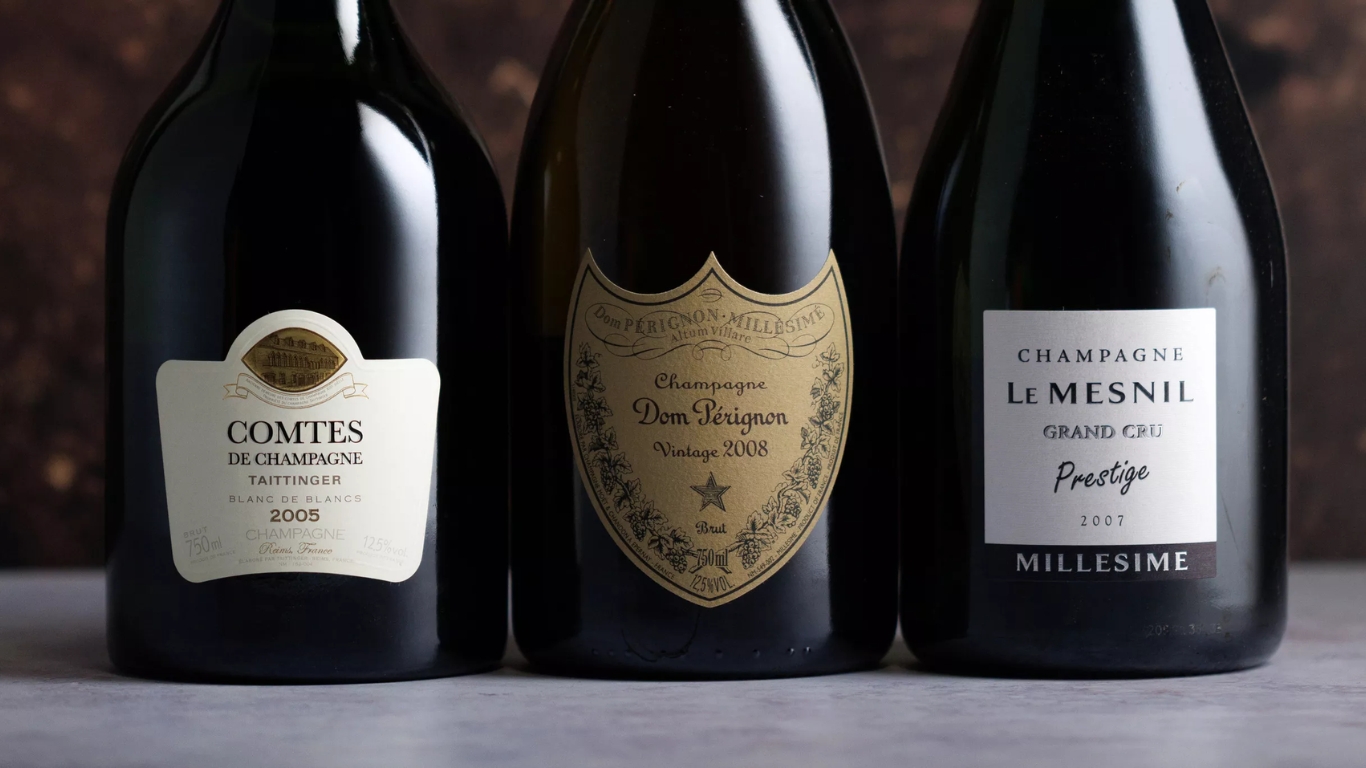
Champagne has quietly evolved from a celebratory drink into a serious collectible asset class. Iconic releases from Dom Pérignon and Krug have achieved annual appreciation rates of 10 to 12%, driven by limited production capacity and accelerating global demand. The numbers are hard to ignore.
Comparative Returns
Put fine wine next to other alternative investments and it holds up extremely well. Over the past decade it has outpaced gold and real estate in total returns in several measured periods.
Its low correlation with equity markets makes it a genuinely useful diversification tool, one that reduces overall portfolio volatility without sacrificing meaningful upside.
The clearest single example of fine wine’s investment potential is the 1982 Château Lafite Rothschild. Originally released at $300 per case, it now trades above $50,000. That’s a return exceeding 16,000% over a few decades. It’s an outlier, but it illustrates the ceiling that’s possible when you combine quality, scarcity, and time.
Is 2026 a Good Year to Invest in Fine Wine?
The fine wine market in 2026 offers a genuinely interesting entry point for investors. Growing global demand, shrinking supply, and improved accessibility through digital platforms have created conditions that favor both new investors and those looking to expand existing portfolios.
Global demand for fine wine keeps climbing, driven in large part by emerging markets. Asia, and China specifically, continues to be a major force, with affluent consumers showing a clear appetite for luxury goods that carry cultural and social weight. The US and European markets are holding steady too, sustained by an expanding base of serious collectors and enthusiastic newcomers.
The broader shift toward experiential luxury has also worked in fine wine’s favor. Wealthy consumers increasingly want assets with personal meaning and social resonance, not just financial exposure. Fine wine delivers all of that, which keeps it desirable across a wide and growing range of markets.
On the supply side, the picture couldn’t be clearer. Climate change and strict regional regulations are tightening yields in premium wine regions including Bordeaux, Burgundy, and Napa Valley. Those constraints compound over time, pushing scarcity higher and creating consistent upward pressure on prices for quality vintages.
Burgundy Grand Cru vineyards, already producing just a fraction of global wine output, are expected to see price increases of 10 to 15% annually as demand continues to outstrip what these small parcels of land can ever produce. You’re investing in something that physically cannot scale to meet demand.

Digital platforms and fractional ownership models have genuinely changed who can participate in fine wine investing. In 2026, you don’t need a dedicated cellar or an established relationship with a négociant to get started. Bloomberg has noted how these platforms are reshaping alternative asset allocation for a new generation of high-net-worth investors, making previously inaccessible markets far more practical to enter.
The broader economic environment in 2026 also supports the case for fine wine. Moderate inflation and the continued search for real-asset alternatives encourage investors to look beyond conventional portfolios. Fine wine’s proven inflation-hedging qualities and low correlation with equities make it a logical fit for anyone looking to reduce overall portfolio risk without sacrificing returns.
Based on historical data and current market dynamics, the strongest wine regions are positioned to deliver annual returns of 8 to 15% in 2026, depending on the region and vintage. Burgundy, Bordeaux, and Champagne are expected to lead. Investors who target limited-edition releases or top-rated vintages from exceptional years could see returns well above that range.
Millennials and Gen Z investors are also entering the fine wine market in growing numbers, and that demographic shift matters. Younger affluent buyers are drawn to sustainable, experiential, and culturally rich assets. Their preference for wine over conventional financial products adds a structural demand layer that will support market growth for years ahead.
With strong and diversified demand, tightening supply, and favorable economic conditions all aligning, 2026 offers a compelling case for adding fine wine to your portfolio. Whether you’re a seasoned collector with a full cellar or someone taking a first look at this asset class, the dynamics right now make a strong argument for moving. The market won’t wait indefinitely, and neither will the best vintages.