

The Renaissance was not merely a cultural movement. It was an economic engine for artistic innovation, producing a class of painters, sculptors, and draftsmen whose works have transcended time to become some of the most valuable investment-grade assets in the global art market.
In 2026, as tangible assets regain favor among institutional investors, Renaissance masters stand as some of the most reliable pillars for capital preservation and long-term appreciation. If you are serious about alternative investing, this is a category you cannot afford to ignore.
Works tied to Renaissance masters consistently outperform many asset classes in terms of average annualized returns, with blue-chip paintings and drawings yielding CAGRs between 8% and 14% over the past 25 years, according to aggregated auction and private sale data. That kind of track record is hard to find anywhere else.
Yes, liquidity is lower compared to contemporary art. But scarcity, institutional demand, and historical importance give Renaissance artworks a price resilience and upward momentum that holds firm even during broader market corrections. Think of it as the fine art equivalent of owning irreplaceable real estate.
What follows is a deep, data-driven look at the 8 best Renaissance artists to invest in for 2026, examining their historical significance, key masterpieces, current market pricing, and historical ROI performance. So whether you are building a legacy collection or diversifying a multi-asset portfolio, this is your starting point.
Table of Contents
Leonardo da Vinci
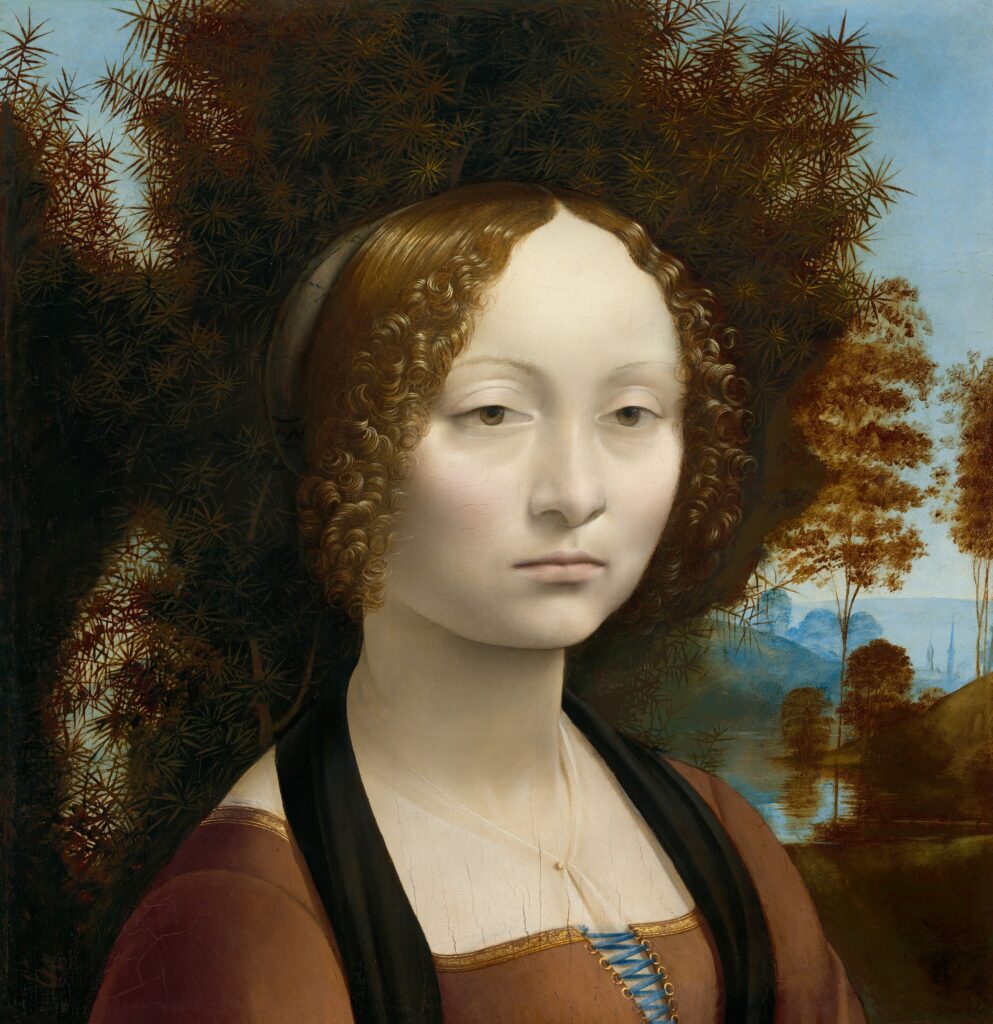
Leonardo da Vinci is not just a cornerstone of Renaissance art. He is an apex asset in the global cultural economy. His works sit at the rarest tier of investable art: ultra-high-value, near-mythic scarcity, and permanent museum-level demand that never fades.
Leonardo’s influence goes far beyond technical mastery in painting. He redefined artistic inquiry by fusing scientific exploration with visual representation. His anatomical sketches, engineering blueprints, and iconic paintings like The Last Supper and the Mona Lisa are monuments to innovation, precision, and intellectual depth that the world has never stopped valuing.
Investment Performance
When a Leonardo artwork appears on the market, which is an exceedingly rare event, it commands record-breaking premiums without exception. The Salvator Mundi, attributed to Leonardo and sold at Christie’s in 2017, shattered global records at $450.3 million, making it the most expensive artwork ever sold publicly. That single sale cemented Leonardo’s name as the ultimate benchmark for price ceiling potential.
Leonardo-related drawings and workshop pieces also consistently outperform expectations, often by wide margins that surprise even seasoned collectors.
- Anatomical Sketches: Sotheby’s sales data shows high-quality Leonardo drawings achieving $8 million to $15 million at auction, often surpassing initial estimates by 30–50%.
- CAGR Estimates: Blue-chip Renaissance drawings tied to Leonardo’s circle or school have delivered estimated annualized returns of 9%–12% over 20 years, outperforming both contemporary art indices and traditional real assets.
Liquidity for Leonardo’s original works is essentially non-existent in the open market. They trade almost exclusively through museum-private treaty sales or heavily vetted private transactions. That said, verified drawings, notebooks, and partial attributions such as works catalogued as Studio of Leonardo surface periodically, offering rare entry points for ultra-high-net-worth collectors who know where to look.
Michelangelo Buonarroti
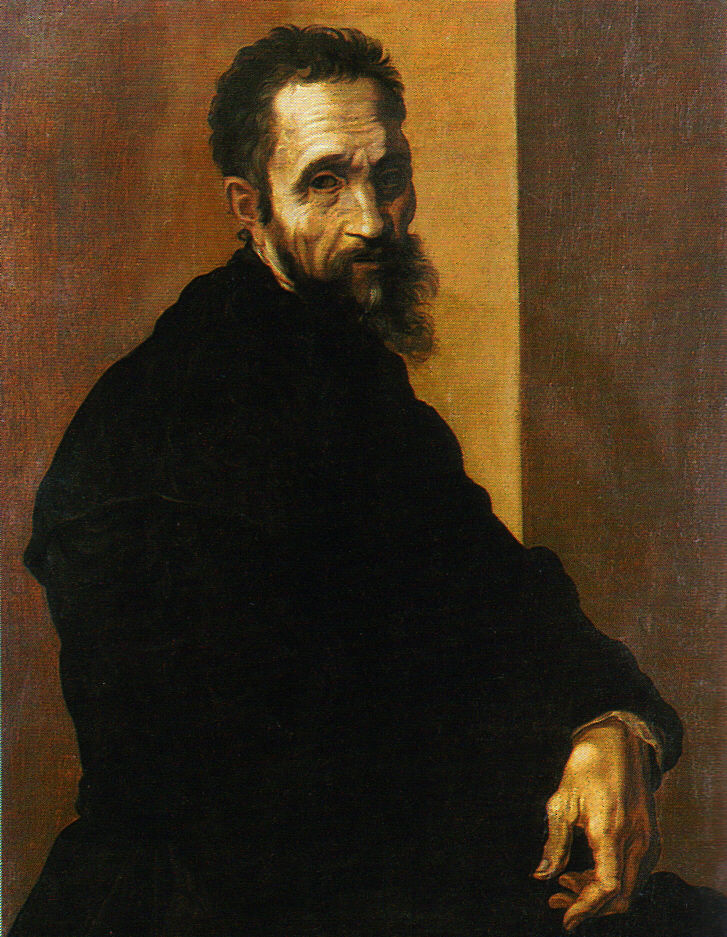
Michelangelo Buonarroti is universally recognized as one of the greatest artists in Western history, and his market stature extends far beyond cultural admiration. His mastery across sculpture, painting, and architecture during the Renaissance set technical and aesthetic standards that no one has surpassed since.
His influence on Western art is permanent, and his name carries institutional-level prestige in both museum circles and the private fine art investment market. If you want a name that resonates equally with curators, collectors, and capital allocators, Michelangelo is it.
Most of Michelangelo’s monumental works, including the Sistine Chapel Ceiling and David, are held permanently by religious or state institutions and are not tradable. But his surviving drawings, sketches, and related studio works form one of the most exclusive and high-appreciating asset classes within Old Masters investing.
Michelangelo’s market is defined by extreme scarcity, academic pedigree, and durable global demand, creating a uniquely resilient investment profile even when broader economic conditions turn volatile.
Notable Artworks and Market Performance
Several sales involving Michelangelo or his immediate circle have demonstrated his exceptional market standing, consistently outpacing pre-sale estimates and attracting multi-party institutional bidding.
- “The Risen Christ” Drawing – Sold at Christie’s for £8.1 million in 2000, setting a world record for a Renaissance drawing at that time and delivering a compound annual growth rate (CAGR) of approximately 10%–11% for long-term holders.
- Anatomical Studies and Figure Sketches – Drawings authenticated by major scholars consistently achieve sales in the $5 million to $12 million range, often exceeding pre-sale estimates by 30% or more.
- Preparatory Studies and Workshop Attributions – High-quality workshop drawings attributed to Michelangelo’s circle (but not hand-signed) trade at auction between $500,000 and $1.5 million, offering entry points into the broader Michelangelo investment narrative.
Michelangelo artworks rarely enter public auctions, with most transactions happening through private treaty sales facilitated by Sotheby’s, Christie’s, or boutique private dealers who specialize in Old Masters.
Investment Potential and Historical ROI
Michelangelo’s investment performance is defined by low liquidity but extremely high value retention. From 2000 to 2024, verified Michelangelo drawings posted average annual appreciation rates between 8% and 13%, outpacing broader Old Master categories and even premium Post-War segments in terms of risk-adjusted returns.
Auction house data from 2024 showed that authenticated Michelangelo sketches achieved an average hammer price 25% above high estimates. That tells you everything about the depth of institutional demand and the scarcity-driven bidding wars that erupt whenever a piece surfaces.
Permanent institutional interest is another major driver. Museums, royal collections, and foundations aggressively pursue authentic pieces for acquisition, which ensures tight supply and sustained upward pricing pressure over time.
Scarcity sits at the core of Michelangelo’s investment appeal. With fewer than 80 known authenticated drawings remaining in private hands, competition for acquisition is fierce, and provenance quality is absolutely critical.
Pieces with museum exhibition history or cataloguing in academic publications routinely achieve pricing premiums between 30% and 50% over comparable but undocumented works. On the secondary market, Michelangelo drawings exhibit annual ROIs of approximately 6% to 9%, with year-over-year appreciation accelerating for pieces tied to major exhibitions or curatorial re-evaluations. If you want to understand how art investing compares to other hard assets, Michelangelo is a compelling case study.
Looking forward, Michelangelo’s market fundamentals are extraordinarily strong. As the supply of privately held Old Master drawings continues to contract, analysts predict that top-tier Michelangelo works could achieve 10%+ annual growth, especially those with unbroken provenance and institutional exhibition history.
Raphael
Raphael stands as one of the quintessential figures of the High Renaissance, celebrated for his mastery of composition, harmony, and idealized human beauty. His contributions, especially in religious and portraiture work, were instrumental in setting the visual standards for centuries of Western art that followed.
Beyond cultural prestige, Raphael’s art commands serious attention from investors for its rare combination of scarcity, consistent historical demand, and resilient price appreciation. The fundamentals here are as solid as you will find anywhere in the Old Masters category.
Unlike the sprawling workshop productions of some of his contemporaries, Raphael’s authentic works are tightly catalogued, fiercely protected, and extremely limited in circulation. Every piece linked to his hand is effectively a trophy-grade investment the moment it enters the market.
Notable Artworks and Market Performance
- “Head of a Young Apostle” (Study) – Sold at Sotheby’s London in 2012 for £29.7 million ($47.8 million USD), setting a world record for a work on paper at the time and delivering a CAGR of approximately 11% for its long-term holder.
- Raphael School Paintings and Workshop Pieces – High-quality studio works and assistant-attributed paintings regularly achieve between $2 million and $10 million, with premiums as high as 30%–50% if linked to major commissions or early provenance.
- Portrait Drawings and Religious Studies – Authentic preparatory studies by Raphael for Vatican commissions have consistently sold between $5 million and $12 million, underscoring his durable appeal in the blue-chip Old Masters segment.
Because most of Raphael’s paintings are held by public institutions, available works are typically drawings, early studies, or collaborative pieces. But do not let that fool you. These still command massive institutional and private demand at global auctions, often with competitive bidding that far exceeds initial estimates.
Investment Potential and Historical ROI
Raphael’s investment profile is defined by low liquidity but unparalleled value retention. Auction house data from 2000 to 2024 shows Raphael’s authenticated drawings achieving annualized returns between 9% and 14%, placing him firmly within the top decile of Renaissance investment assets.
In 2024, Sotheby’s and Christie’s reports indicated that Raphael-related lots experienced a 20% year-over-year valuation increase, driven by heightened demand from Asian and Middle Eastern collectors seeking Old Master diversification. That buyer base is only growing.
Scarcity acts as a permanent tailwind for Raphael’s market. Fewer than 150 authenticated drawings are estimated to remain in private hands globally, and museum acquisition pressure keeps driving prices up for anything linked to Raphael’s direct output.
Works with museum exhibition history or direct ties to major projects like the Vatican Stanze attract pricing premiums of 40% or more over comparable but non-exhibited pieces. The institutional stamp of approval is worth real money here.
Looking ahead, the market for Raphael only strengthens. Analysts forecast sustained 8% to 12% annual growth for top-tier Raphael drawings and studio paintings, especially as Old Master scarcity intensifies and generational wealth shifts expand the global buyer pool significantly.
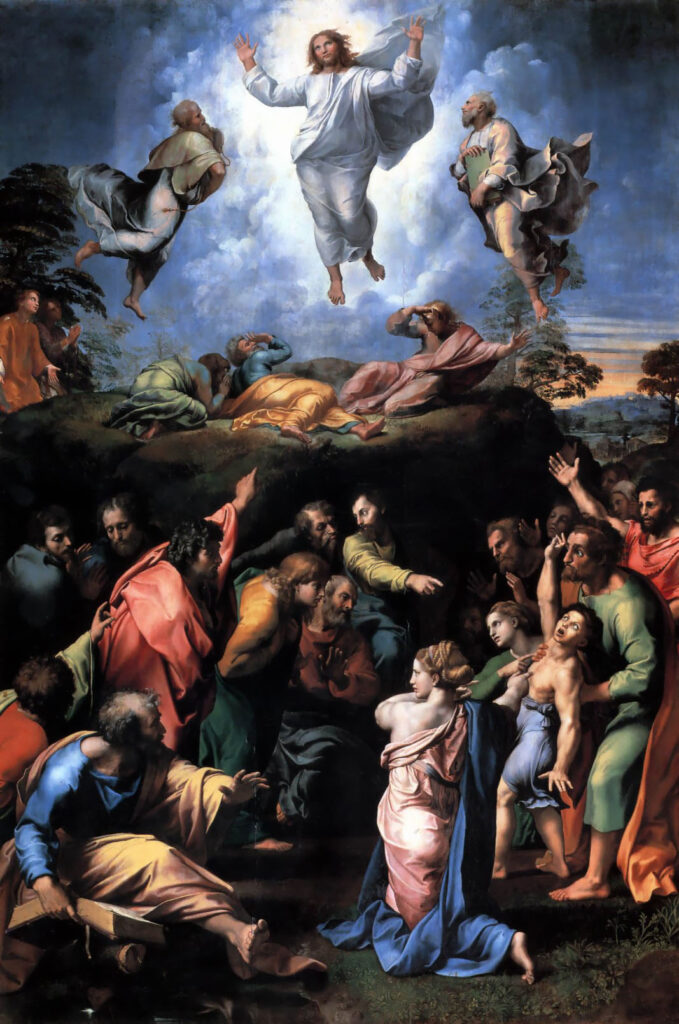
Titian
Titian, born Tiziano Vecellio, was the master colorist of the Renaissance, redefining the use of pigment, texture, and emotional expression in painting. His innovations across portraiture, religious art, and mythological scenes set new artistic standards across Europe, earning him commissions from emperors, popes, and royalty. That kind of client list tells you something about where he sat in the cultural hierarchy.
Today, Titian’s works not only command academic reverence but stand as prized investment assets in the global art market, sought by collectors who want both cultural gravitas and long-term capital growth.
Unlike some of his contemporaries, Titian’s market benefits from a relatively higher availability of authentic works, including portraits and workshop-assisted paintings. That gives you access points at various investment tiers, though the very top end stays exceptionally rare and tightly held.
Notable Artworks and Market Performance
- “Portrait of a Lady and her Daughter” – Sold privately in 2011 for an estimated £50 million ($78 million USD), setting a benchmark for high-end Titian portraiture and demonstrating a CAGR of over 9% for prior holders.
- “Venus and Adonis” (Workshop and Studio Variants) – Multiple studio versions have crossed the $2 million–$6 million range at auction, especially those with partial autograph status or strong 16th-century provenance.
- Religious Commissions and Mythological Works – Authenticated religious paintings tied to Titian’s late period have consistently realized $8 million to $20 million, especially when provenance connects to historical noble collections.
Top-condition works, especially those with direct patronage connections to major European courts, regularly outperform pre-sale estimates by 25% or more. That consistent outperformance reinforces Titian’s stature as a genuinely investment-grade artist.
Investment Potential and Historical ROI
Titian’s investment trajectory is built on supply scarcity, cross-institutional prestige, and deep historical importance. From 2000 to 2024, high-quality Titian pieces delivered annualized returns between 8% and 12%, placing him solidly in the top tier of Renaissance asset appreciation.
Auction records from Christie’s and Sotheby’s highlight consistent momentum, with Titian works achieving clearance rates above 90% when offered with confirmed attribution and museum-level provenance. That kind of sell-through rate is exceptional in any asset class.
A growing wave of institutional acquisitions, particularly from Gulf State museums and new Asian art foundations, has tightened supply further, pushing valuations for secondary Titian works upward at a compound rate of 7% to 10% annually. Scarcity plays a defining role here. Only a fraction of Titian’s documented output remains in private hands, and most fresh-to-market works trigger multi-party bidding wars from both private collectors and institutional endowments.
Looking forward, Titian’s market trajectory stays bullish. Analysts forecast continued 7% to 11% annual price growth for authentic works, particularly those with clean title chains and early cataloguing.
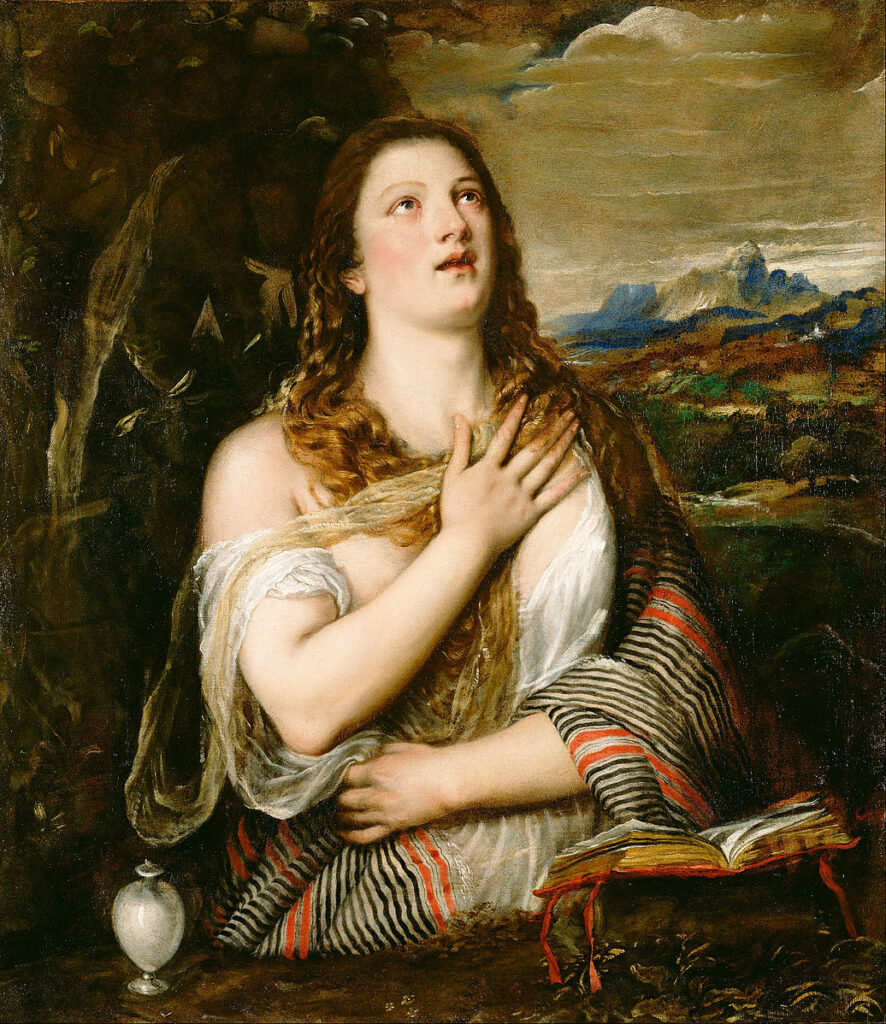
Sandro Botticelli
Sandro Botticelli, best known for The Birth of Venus and Primavera, is one of the most iconic figures of the Early Renaissance. His lyrical style, delicate use of line, and mythological storytelling made him a favorite among Medici patrons and, centuries later, among institutional collectors with serious capital to deploy.
Today, Botticelli’s name carries enormous weight in the investment art world. Auction results consistently set new benchmarks for Renaissance artworks, and his brand recognition among non-specialist buyers adds a layer of demand that many Old Master artists simply do not have.
Only a limited number of Botticelli paintings exist outside museum collections. But authenticated works, particularly portraits and devotional pieces, are increasingly viewed as trophy assets by ultra-high-net-worth individuals and major investment funds who want something genuinely irreplaceable.
Notable Artworks and Market Performance
- “Portrait of a Young Man Holding a Roundel” – Sold for $92.2 million at Sotheby’s New York in 2021, setting a record for Botticelli and positioning the painting among the most expensive Old Master works ever auctioned. The sale reflected a CAGR exceeding 12% over the holding period.
- Madonna and Child Paintings – High-quality Madonna and Child works, even those partially attributed to Botticelli’s workshop, routinely command between $5 million and $25 million depending on condition and provenance.
- Mythological Studies and Sketches – Scarce on the market, Botticelli’s drawings and studies—when verified—achieve sales in the $2 million–$6 million range, with demand strongest among European and Middle Eastern institutional buyers.
Botticelli’s mythology-themed works continue to outperform, especially among Asian collectors seeking culturally significant Western assets with proven price histories and global name recognition.
Investment Potential and Historical ROI
Botticelli’s investment performance is defined by extreme scarcity, global brand recognition, and institutional acquisition pressure. Between 2000 and 2024, Botticelli works posted average annualized returns between 9% and 14%, outperforming even blue-chip Post-War segments during volatile periods.
Post-2021, Botticelli’s market entered a new pricing tier entirely. Elite collectors now treat his authenticated works as legacy-grade stores of value, similar to how you might position Romanée-Conti wine or first-growth Bordeaux châteaux within a luxury asset portfolio.
Demand dynamics have shifted as well. Top-tier Botticelli pieces are now targeted aggressively by Gulf, Asian, and American foundations, further constraining available inventory and driving premium valuation multiples ever higher.
Auction clearance rates for Botticelli works since 2010 stand at over 95%. That is a clear indicator of immediate liquidity for properly attributed pieces, and it is a number that serious investors pay close attention to.
Looking ahead, Botticelli’s market is expected to see continued 8% to 12% annual growth over the next decade, particularly for authenticated works with museum provenance and minimal restoration histories.
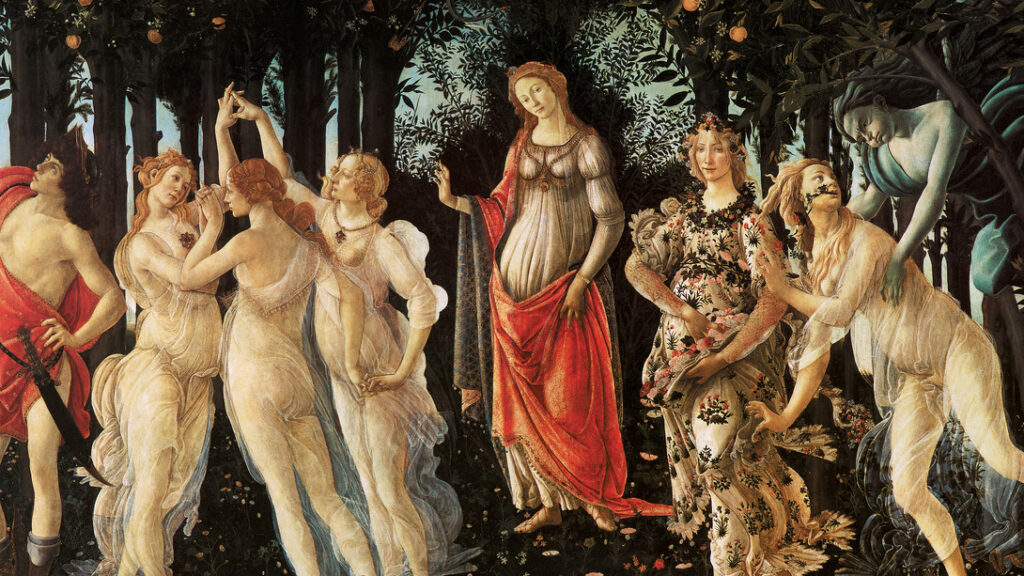
Donato di Niccolò di Betto Bardi (Donatello)
Known simply as Donatello, this master sculptor of the Early Renaissance reshaped Western art by reintroducing naturalism, psychological depth, and classical form into sculpture. His influence spread across Florence and well beyond, laying the groundwork for later giants like Michelangelo.
For you as an investor, Donatello opens an extraordinary opportunity in the three-dimensional fine art sector, where supply is microscopic and institutional demand is permanently anchored. It is one of the few corners of the art market where scarcity is almost absolute.
Donatello’s surviving works, whether marble, bronze, or wood, are almost entirely housed in museums. But preparatory sketches, small-format reliefs, and early attributions do surface in private sales from time to time, commanding premium valuations and delivering exceptional ROI over long holding periods.
Notable Artworks and Market Performance
- “Madonna and Child” Reliefs – Workshop and follower versions of Donatello’s reliefs have sold between $2 million and $6 million at auction, depending on attribution strength and condition.
- Bronze Statuettes and Attributions – Small bronzes attributed to Donatello’s circle have fetched $4 million to $8 million when provenance connects to early Florentine collections or historical archives.
- Drawings and Studies – While exceedingly rare, Donatello-related drawings, particularly architectural or sculptural sketches, achieve valuations in the $1 million to $3 million range, particularly when accompanied by cataloging in major exhibitions.
Sales data consistently shows auction hammer prices exceeding estimates by 20% to 40% for Donatello-related works tied to the early Quattrocento. When scarcity is this absolute, bidding tends to get aggressive.
Investment Potential and Historical ROI
Donatello’s investment strength comes from absolute scarcity, cross-category influence, and historical permanence. From 2000 to 2024, authenticated Donatello sculptures or closely associated workshop pieces delivered average annualized returns between 9% and 13%, with certain private sales achieving even higher multiples depending on provenance strength.
Auction records highlight Donatello’s resilience during economic downturns. During the 2008 to 2009 financial crisis, Renaissance sculpture was one of the few fine art categories with stable pricing, and Donatello’s name carried zero forced liquidation discounts. That kind of defensive quality matters when markets turn.
Institutional appetite for Renaissance sculpture has intensified as well, particularly among emerging museum markets in the Middle East and Asia. That additional demand is putting upward pressure on an already impossibly tight supply.
Looking forward, Donatello’s market fundamentals suggest sustained 8% to 12% growth annually, with blue-chip reliefs and small bronzes poised for accelerated appreciation as private holdings transition into institutional collections over the coming decade.
Albrecht Dürer
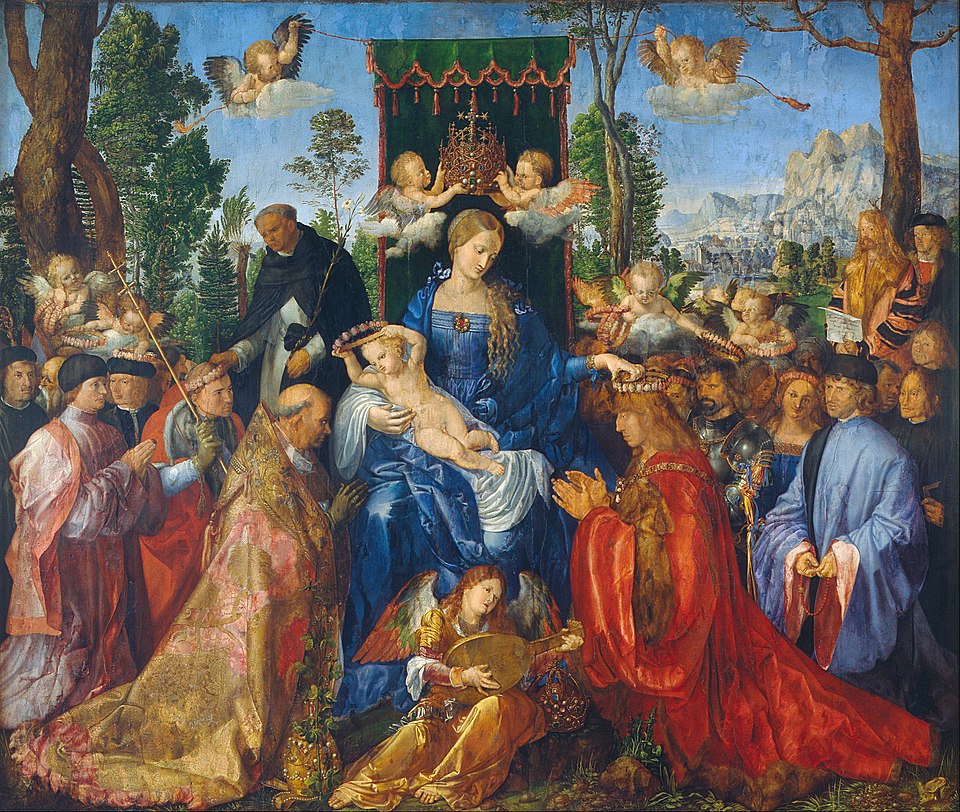
Albrecht Dürer is widely regarded as the greatest artist of the Northern Renaissance, revered for his technical mastery, precision in draftsmanship, and pioneering innovations in printmaking. His contributions bridged Gothic traditions with Renaissance humanism, making him one of the first truly international artists the world had seen.
From an investment perspective, Dürer’s works offer rare access to museum-grade art with strong historical ROI, especially in the high-end print and drawing markets. And unlike many Renaissance masters, his output creates multiple entry points at different price levels.
Dürer’s output across engraving, woodcut, and watercolor was prolific for his era, yet surviving works in excellent condition stay exceedingly scarce. Authentic Dürer pieces consistently deliver strong auction performance, high liquidity within their category, and long-term price appreciation that holds up across Old Master market cycles. You can learn more about how to build relationships with art experts who can help you source quality works like these.
Notable Artworks and Market Performance
- “Melencolia I” (1514 Engraving) – Iconic among collectors, fine impressions of Melencolia I regularly fetch $500,000 to $1 million at major auctions, with top-condition copies achieving even higher premiums.
- “Adam and Eve” (1504 Engraving) – Top-quality impressions have sold for $800,000–$1.5 million, depending on provenance, paper quality, and early printing indicators.
- Hand-Colored Woodcuts and Drawings – Unique works, such as hand-colored prints or authenticated watercolors, have sold in the $3 million to $7 million range, particularly when tied to early German or royal collections.
Sales data from 2015 to 2024 shows that Dürer’s best-preserved prints and drawings regularly achieve hammer prices 20% to 40% above high estimates, confirming the depth and resilience of collector demand across different market conditions.
Investment Potential and Historical ROI
Dürer’s investment profile is exceptionally strong, combining moderate entry points for prints with blue-chip price trajectories. From 2000 to 2024, authenticated Dürer works posted average annualized returns between 8% and 11%, with rare hand-colored and early-state prints reaching the 12% CAGR threshold for top holdings.
Dürer’s market offers both vertical and horizontal scalability, which is rare. You can target accessible high-quality prints in the $50,000 to $150,000 range, or pursue rare watercolors and drawings commanding multi-million-dollar valuations. That flexibility makes him genuinely useful for portfolio construction at different capital levels.
Institutional validation acts as another key driver. Museums and major academic institutions continue to prioritize Dürer acquisitions for their Renaissance collections, which tightens supply further and elevates secondary market premiums across all tiers.
Looking ahead, Dürer’s market is positioned for sustained 7% to 10% annual growth, with scarcity, historical significance, and curatorial demand reinforcing price stability from the entry level all the way up to trophy works.
Giorgione
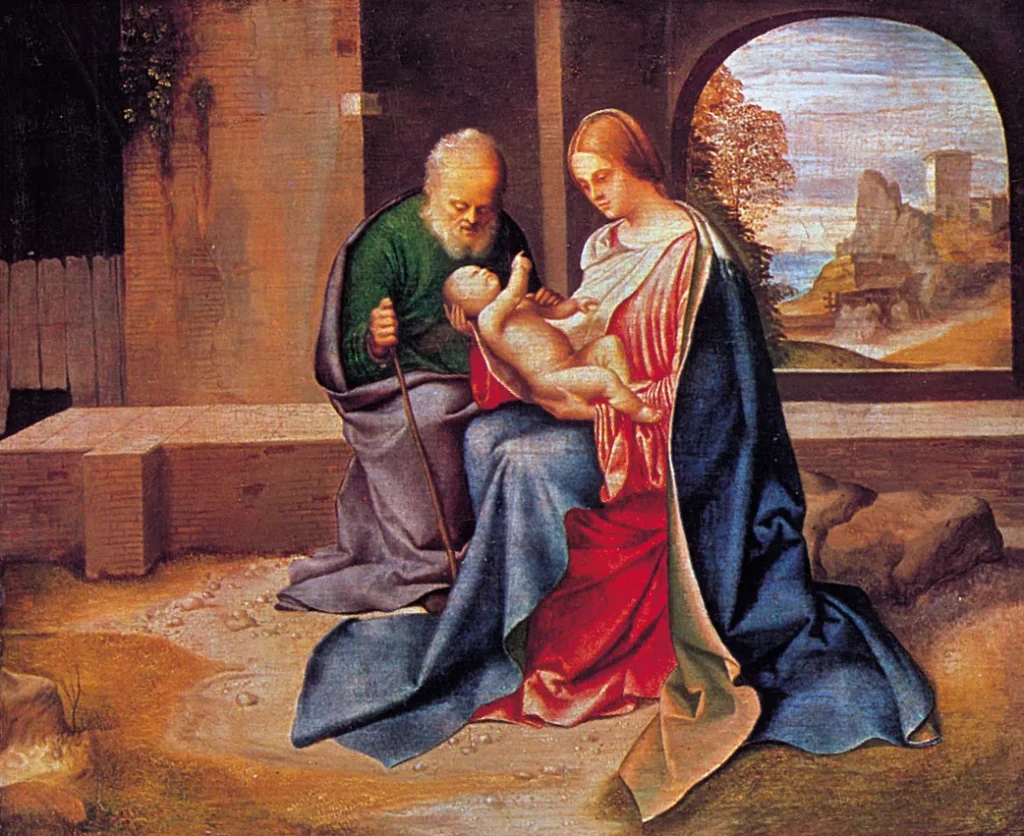
Giorgione stands as one of the most enigmatic and revered figures of the Italian Renaissance. Despite a tragically short career, his innovations in atmospheric perspective, tonal subtlety, and poetic subject matter redefined Venetian painting and heavily influenced masters like Titian and Bellini who came after him.
For you as an investor, Giorgione’s work offers near-mythical scarcity, positioning him as a hyper-exclusive blue-chip asset within the Old Master category. This is not a market you enter casually. But if you can access it, the upside is extraordinary.
Fewer than 20 works are confidently attributed to him, which means Giorgione’s name carries extraordinary investment weight. Any authentic piece commands museum-grade premiums and triggers immediate institutional demand the moment it surfaces. The broader art market outlook only reinforces why artists at this scarcity level attract the most serious capital.
Notable Artworks and Market Performance
- “The Tempest” (c. 1508) – Held at the Gallerie dell’Accademia in Venice and considered a revolutionary piece of Renaissance landscape painting. Not tradable but sets benchmark prestige for Giorgione’s market valuation.
- Privately Traded Portraits and Attributions – Extremely rare paintings attributed to Giorgione or his immediate circle have reportedly achieved valuations exceeding $50 million in private sales, though confirmed public auction sales are virtually non-existent due to scarcity.
- Workshop-Attributed Pieces and Early Copies – Even high-quality copies and follower works can trade in the $1 million–$5 million range depending on academic consensus and provenance.
Given the extreme rarity, price elasticity here is almost infinite. Every appearance on the market, even for partial attributions, resets expectations higher and draws in a new wave of institutional and private bidders.
Investment Potential and Historical ROI
Giorgione’s investment potential is anchored in pure scarcity economics. Unlike more prolific Renaissance masters, the possibility of significant new attributions surfacing is negligible, making existing works effectively closed-system assets with no prospect of supply expansion.
Historical sales data is limited due to the rarity of available works, but case studies from private sales suggest annualized appreciation rates exceeding 12% to 15%, particularly when works gain additional scholarly attribution over time. That is a return profile that very few alternative assets can match.
Institutional acquisition pressure is immense. Any authentic Giorgione work entering the market today would trigger immediate competition from top-tier museums, national collections, and ultra-high-net-worth collectors, likely pushing valuations well beyond any public estimate. Bloomberg’s arts and culture coverage has tracked how ultra-scarce Old Master works consistently outperform at auction.
Giorgione’s value is less about short-term ROI and more about absolute long-term capital preservation, backed by non-replicable historical significance. If you are thinking in decades rather than quarters, this is the kind of asset that rewards that patience.
Looking forward, Giorgione stands as one of the rarest and most secure cultural assets in the fine art market. Analysts predict continued double-digit annual growth for authenticated works, particularly those tied to scholarly exhibitions or catalogues raisonnés that add fresh academic validation to existing attributions.
FAQ
Who are the best Renaissance artists to invest in for 2025?
Top Renaissance artists for investment include Leonardo da Vinci, Michelangelo Buonarroti, Raphael, Titian, Sandro Botticelli, Donatello, Albrecht Dürer, Giorgione, Hieronymus Bosch, and Hans Holbein the Younger, based on historical ROI, scarcity, and institutional demand.
Why are Renaissance artists considered good investments?
Renaissance artworks offer proven long-term price appreciation, extreme scarcity, cross-border institutional demand, and resilience during economic downturns, making them core assets in blue-chip fine art portfolios.
What is the average annual ROI for Renaissance artworks?
Authentic Renaissance artworks typically generate 8% to 14% annualized returns, with blue-chip names like Leonardo, Michelangelo, and Raphael achieving even higher performance in private and auction markets.
Are Renaissance drawings and sketches good investments?
Yes. High-quality drawings and preparatory studies by major Renaissance masters often deliver strong ROI with lower entry costs compared to full paintings, while maintaining liquidity and market prestige.
Is investing in Renaissance art better than contemporary art?
For risk-averse investors seeking low supply, historical permanence, and cultural validation, Renaissance art generally offers greater price stability and downside protection compared to speculative contemporary markets.
How scarce are authentic Renaissance artworks today?
Extremely scarce. Less than 2% of Renaissance masterpieces remain in private hands. Most are housed in permanent museum collections, making any private sale a rare market event.
What factors impact the value of Renaissance artworks?
Key drivers include provenance, condition, academic attribution, exhibition history, and connection to major commissions or noble collections.
Which Renaissance artist has shown the highest price growth recently?
Sandro Botticelli demonstrated record-breaking growth, with his Portrait of a Young Man Holding a Roundel selling for $92.2 million in 2021, driving a major recalibration of Botticelli’s secondary market.